Nara day trip tour review — is a guided tour worth it from Kyoto?
From Kyoto: Nara heritage half-day tour
Duration: Half day
Forty-five minutes on a train, one very different city
Quick answer: Nara is a straightforward independent day trip (45 minutes each way on the JR Nara Line, ¥1,440 / $9.60 round trip) so a guided tour, at ¥5,000-9,000 ($33-60) per person, is mainly worth it for narration and efficient routing rather than access. It’s a genuinely strong booking for first-time visitors who want Todai-ji’s history explained properly, less essential if you’re comfortable navigating a well-signed park solo.
| Where | Nara Park, Todai-ji, Kasuga Taisha (Nara city) |
| Cost | Independent ~¥2,500-3,000; guided ¥5,000-9,000 / $33-60 |
| Time needed | Half-day minimum (5-6 hrs incl. transit); full day for Kasugayama |
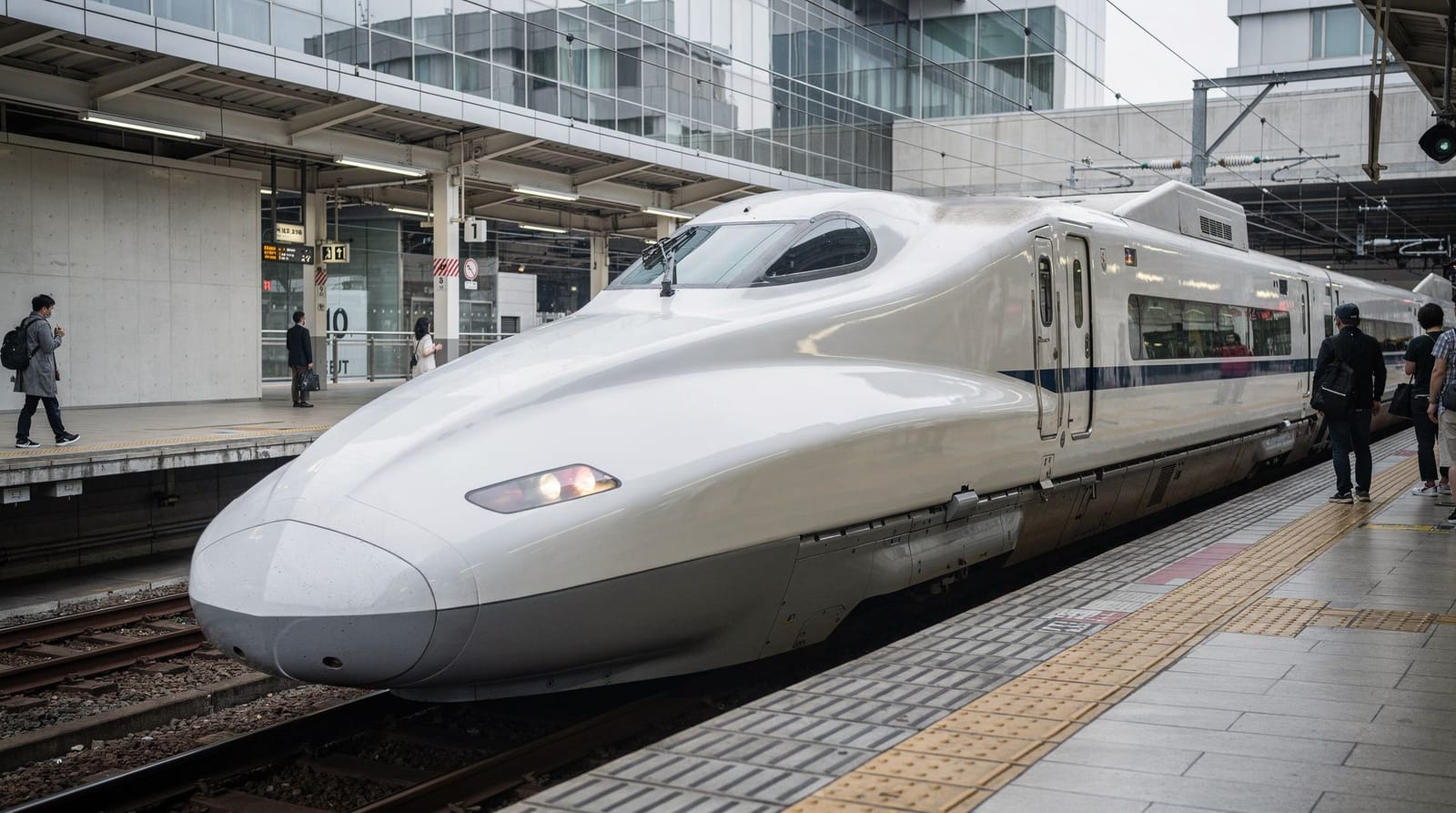
| Getting there | JR Nara Line from Kyoto Station, ~45 min, ¥720 one-way |
| Best time | Before 10am to beat Todai-ji’s Great Buddha Hall crowds |
Nara was Japan’s capital before Kyoto, from 710 to 784, and its historic core — centered on Nara Park, Todai-ji, and Kasuga Taisha — is compact, walkable, and about as easy a day trip as exists from Kyoto. This is worth stating plainly because it shapes the honest tour recommendation: you’re not paying for access to anything gated or hard to find, you’re paying for someone to explain what you’re looking at and to move you through the park’s various points efficiently.
The Nara heritage half-day tour is a solid representative format: guided transport from Kyoto, a walk through the deer park, Todai-ji’s Great Buddha Hall, and Kasuga Taisha, typically wrapped into 4-5 hours including travel time.
Why Todai-ji is the one sight worth genuinely prioritizing
Todai-ji’s Daibutsuden (Great Buddha Hall) was, for centuries, the largest wooden building in the world, and it’s still among the largest wooden structures standing. Inside sits a 15-meter bronze Buddha statue cast in 752 — one of the largest bronze Buddha statues anywhere. Photos genuinely undersell this; the scale only registers standing at the statue’s base looking up, with the hall’s own vast wooden framework visible overhead. Entry runs around ¥800 ($5.35) and is one of the very few day-trip admission fees in the Kyoto area that unambiguously delivers on the hype.
A guide’s context here is genuinely useful — explaining the building’s reconstruction history (it’s been rebuilt twice after fire, most recently completed in 1709, at roughly two-thirds its original footprint), the statue’s casting process, and the significance of the temple within Japanese Buddhist history — details easy to miss reading only the on-site English placards.
The deer, briefly and honestly
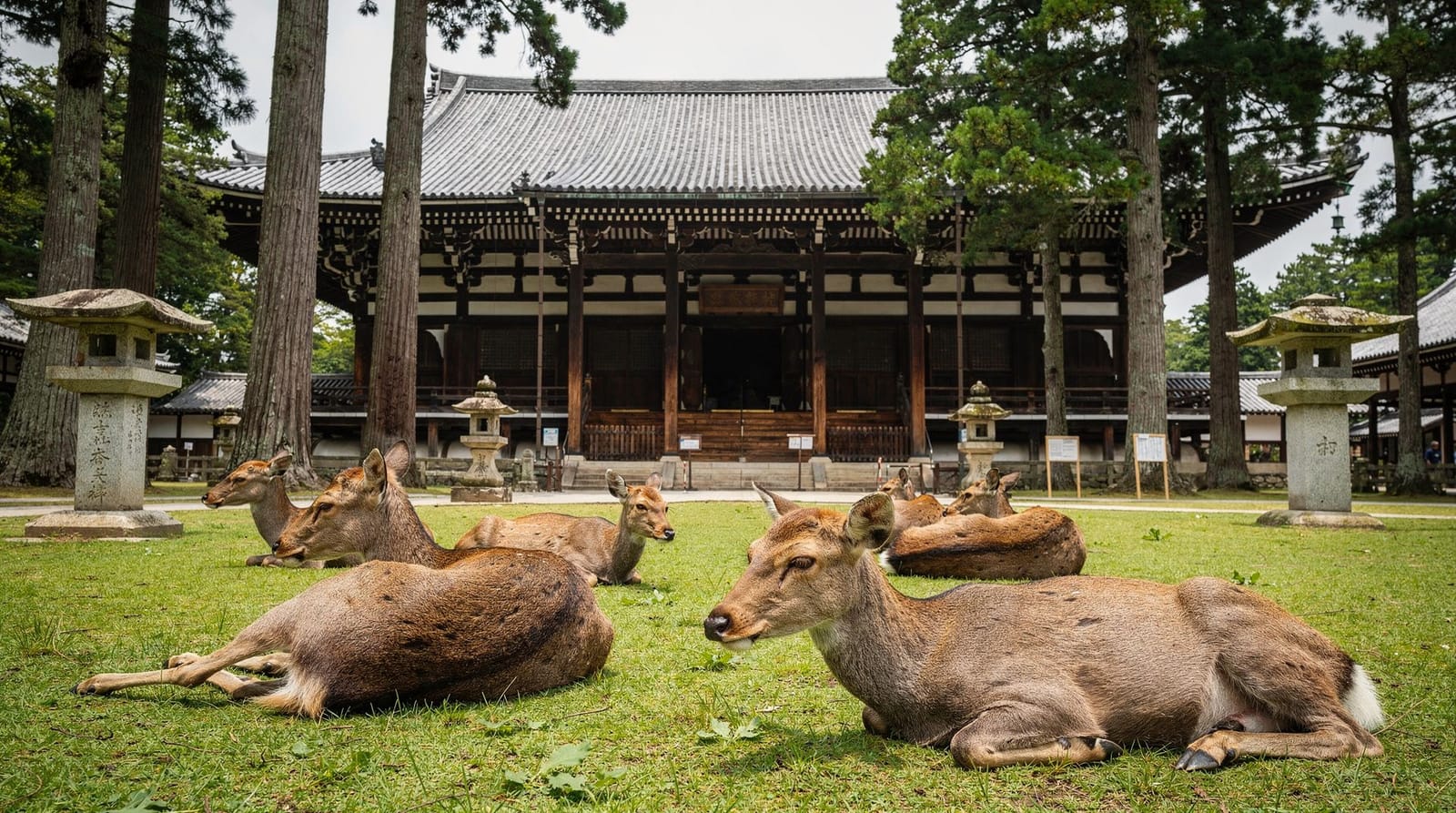
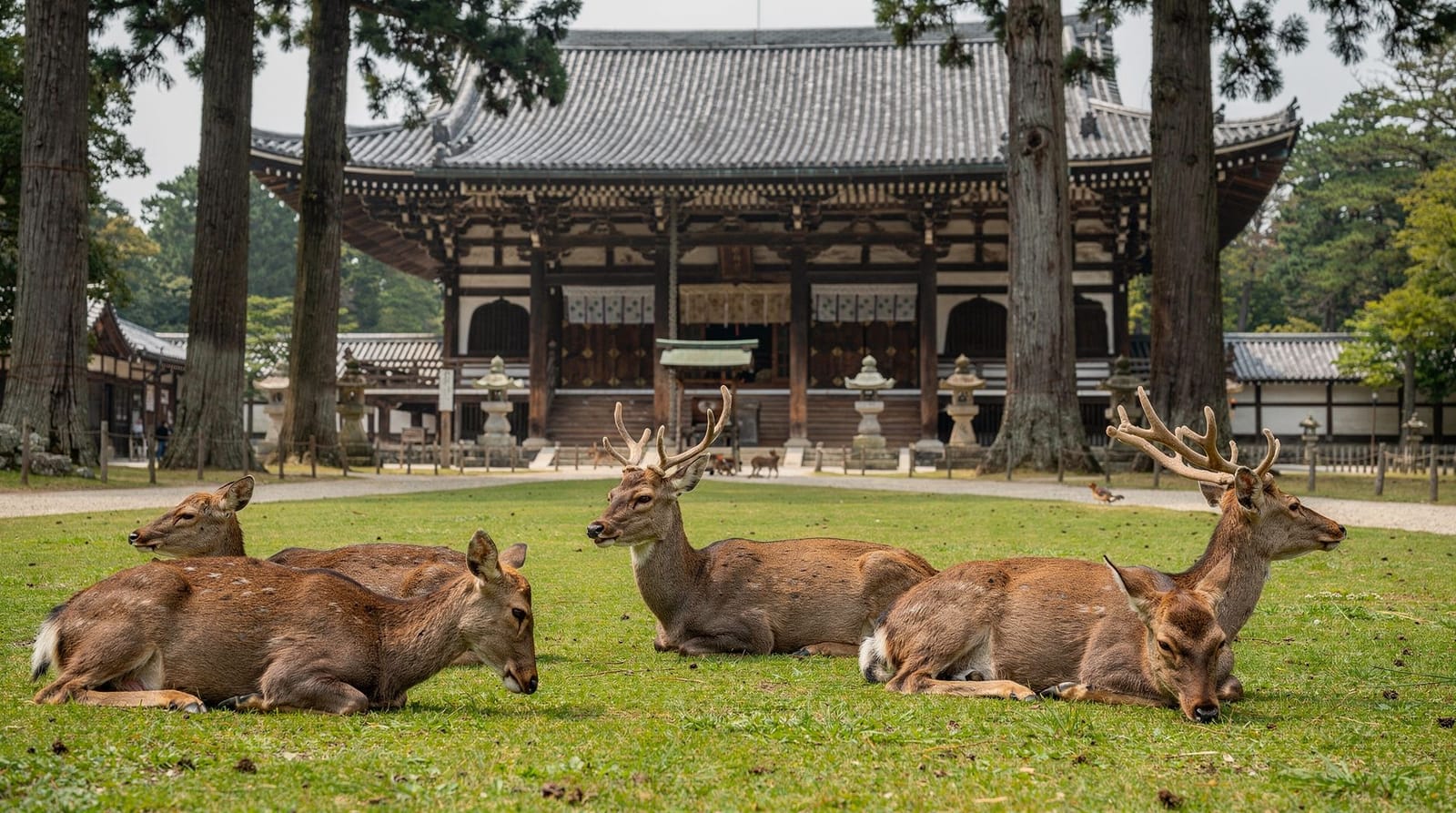
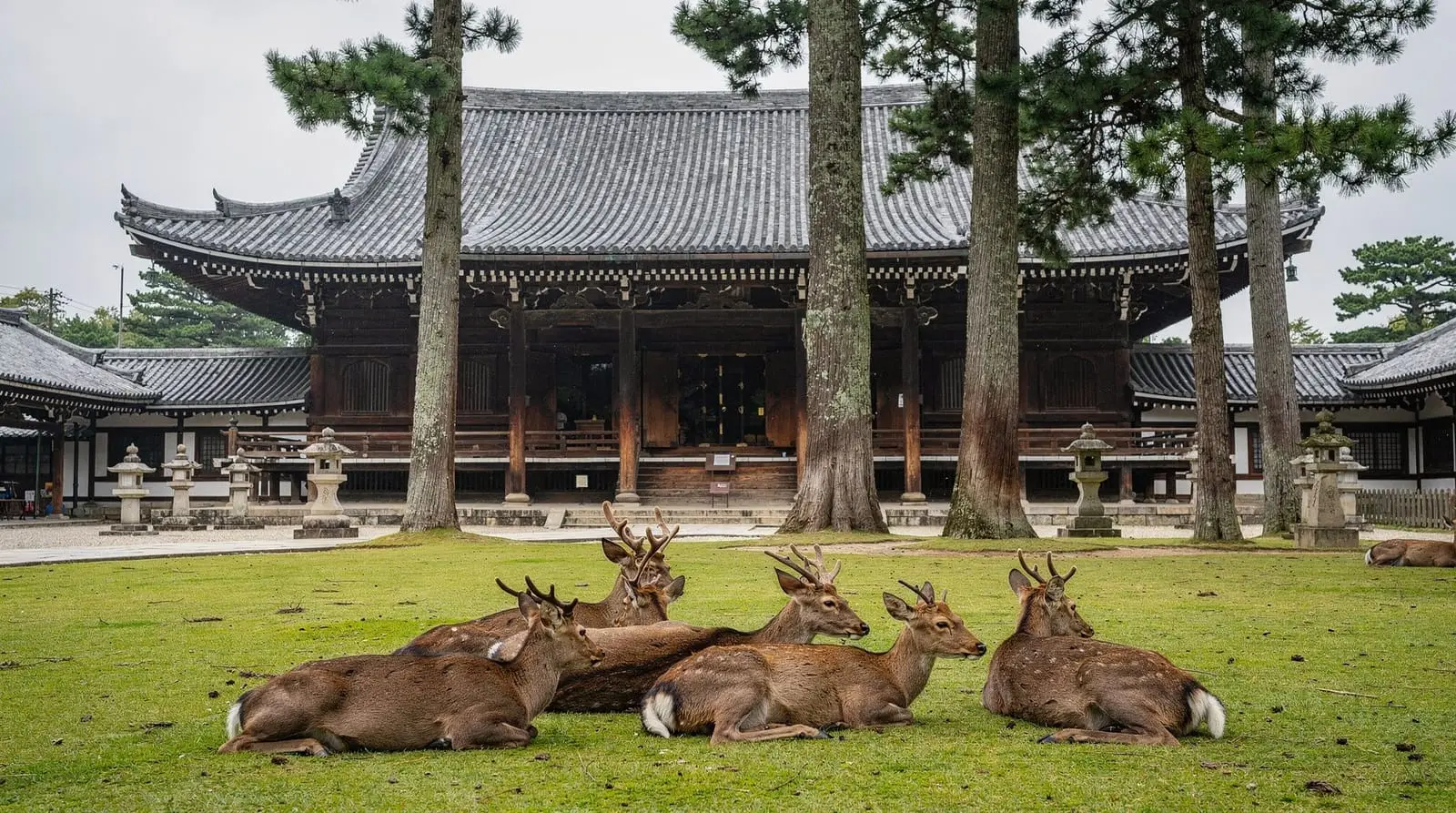
Nara’s roughly 1,200 free-roaming deer are considered sacred messengers historically and are genuinely central to the park’s identity — not a gimmick added for tourists. Shika senbei (deer crackers) are sold at official vendor stalls throughout the park for around ¥200 ($1.35); buy only from these stalls, hold crackers visibly away from bags to avoid nipping, and know that some deer have learned to bow for crackers, which is worth watching for rather than rushing past. A guide doesn’t add much value to the deer-feeding portion specifically — this is intuitive and safe to navigate solo — but does help sequence your park route so the deer areas, Todai-ji, and Kasuga Taisha flow logically rather than backtracking.
Comparing the tour formats
The Nara half-day private tour of 4 must-see spots and deer park is a private, flexible-pace version covering the same core sights — worth the premium for families or anyone who wants to linger at the deer park without a group schedule pulling them along.
The Nara, Todai-ji and Kasuga Taisha private full day extends into a full day, useful if you want to properly explore Kasuga Taisha’s lantern-lined approach and its surrounding primeval forest (Kasugayama), a genuinely underrated section of the park that half-day itineraries typically skip entirely for time.
The Kyoto and Nara day trip with pickup is the right pick if hotel pickup convenience matters more than route flexibility — useful for travelers without easy access to Kyoto Station or those simply preferring not to manage train timing themselves.
| Format | Best for | Trade-off |
|---|---|---|
| Nara heritage half-day | First-timers wanting balanced guidance | Fixed group schedule |
| Private 4-spots deer park | Families, flexible pacing | Higher per-person cost |
| Private full day | Kasuga Taisha’s forest and lantern approach | Longest time commitment |
| Day trip with pickup | Hotel pickup convenience | Less route flexibility |
The honest case for going solo
Nara genuinely doesn’t require a tour to enjoy. The JR Nara Line runs direct from Kyoto Station in 45 minutes, the walk from Nara Station to the deer park and Todai-ji is clearly signed and about 15-20 minutes, and English information is reasonably good at the major sights. If you’re comfortable with the Nara day trip guide as your planning reference and don’t mind researching Todai-ji’s history yourself beforehand, independent travel saves real money — roughly ¥2,500-3,000 ($17-20) total versus ¥5,000-9,000 ($33-60) for a guided half-day — without meaningfully compromising what you see.
Practical notes
Budget a full half-day minimum (5-6 hours including transit) to properly cover the deer park, Todai-ji, and Kasuga Taisha without rushing; a full day allows for Kasugayama forest, Nara National Museum, or Nara-machi’s preserved merchant quarter as well. Nara can get genuinely hot and crowded in summer — see the Kyoto travel budget guide and how many days in Kyoto guide for how to fit Nara into a broader multi-day Kyoto itinerary without over-scheduling.
Kasuga Taisha and the part of the park most day-trippers skip
Kasuga Taisha, a short walk from Todai-ji, is Nara’s other major shrine and easy to underrate on a rushed itinerary. Founded in 768 and rebuilt periodically according to Shinto tradition (a practice called shikinen sengu, ritual renewal of the shrine every 20 years, though Kasuga Taisha’s cycle has varied historically), the shrine is famous for its roughly 3,000 bronze and stone lanterns donated by worshippers over centuries, lining the approach path through dense forest. Twice a year, during the Setsubun and Obon lantern festivals, all 3,000 are lit simultaneously — a genuinely striking sight if your visit happens to align with either date, though most day trips won’t.
Beyond the shrine itself, Kasugayama Primeval Forest, a UNESCO-listed old-growth forest protected as sacred ground for over a millennium (hunting and logging have been banned here since 841), offers hiking trails considerably quieter than the deer park, worth the detour for travelers with a full day rather than a rushed half-day visit. A guide familiar with this section can route you through a genuinely different, forested side of Nara that half-day tour itineraries typically skip entirely for time, focusing instead on the deer park and Todai-ji alone.
Nara-machi: the old merchant quarter worth a look if you have extra time
South of the main park, Nara-machi is a preserved Edo-period merchant district with narrow lanes, traditional machiya townhouses now housing cafes, craft shops, and small museums — a genuinely different pace and character from the park’s temple-and-deer-focused tourism. It rarely appears on guided half-day itineraries since it requires walking in the opposite direction from the main sights, but it’s a reasonable add-on for independent travelers or those booking a full-day private tour with flexible routing, offering a quieter, more local-feeling counterpoint to the deer park’s crowds.
Nara versus Kyoto’s other major day trips
Nara competes for attention with several other common Kyoto day trips — Uji (matcha and Byodo-in temple), Himeji (the castle), and Hiroshima/Miyajima (a considerably longer, full-day commitment). Of these, Nara is the shortest and most self-contained: 45 minutes each way versus roughly 100 minutes each way to Himeji or well over 3 hours round trip to Hiroshima.
This makes Nara the natural choice if you have limited time for day trips or want to combine it with a partial day back in central Kyoto afterward, whereas Himeji and Hiroshima essentially consume a full day given the travel time alone. See the best day trips from Kyoto guide for a fuller comparison across all the common options, including how each fits into a broader multi-day itinerary.
If deciding between Nara and Uji specifically for a half-day trip, the choice largely comes down to interest: Nara for historic temples, deer, and genuine UNESCO-scale architecture; Uji for matcha culture and a quieter, more contemplative visit to Byodo-in, one of Japan’s most iconic temple buildings (its Phoenix Hall appears on the ¥10 coin). Both are roughly comparable in travel time from Kyoto and make reasonable half-day additions to a longer Kyoto stay.
What most guided tours don’t tell you about Todai-ji’s crowds
Todai-ji’s Great Buddha Hall gets genuinely crowded by late morning, particularly around the famous pillar with a hole reputedly the same size as one of the Buddha’s nostrils — children (and flexible adults) who squeeze through are said to gain enlightenment, and the resulting queue for photos at this specific pillar can be a real bottleneck during peak hours. Arriving at Todai-ji before 10am, whether independently or via an early-slot guided tour, avoids the worst of this specific congestion point, which most standard-timed guided tours don’t emphasize since their fixed departure schedules from Kyoto don’t always allow for genuinely early arrival at Nara itself.
What to pack for a Nara day trip specifically
Beyond the usual walking-day essentials, Nara’s deer park warrants a couple of specific precautions: avoid carrying visible plastic bags or crinkling food wrappers, since deer associate these sounds with crackers and may approach or nip at bags mistaking them for food. Loose paper items (maps, brochures) are also occasionally targeted by curious deer, so keep these tucked away rather than held loosely. Sunscreen and a hat matter more here than in central Kyoto, since much of the deer park and the walk between Todai-ji and Kasuga Taisha is genuinely exposed with limited shade cover, particularly uncomfortable during Nara’s hot, humid summer months.
Nara National Museum as an add-on for art and history enthusiasts
For travelers with a genuine interest in Buddhist art and history beyond what the temples themselves display, Nara National Museum, a short walk from Todai-ji, holds one of Japan’s finest collections of Buddhist sculpture, calligraphy, and ritual objects, including pieces not permanently on view at the surrounding temples themselves.
Most half-day guided tours don’t include museum time given the schedule constraints, so this is worth flagging specifically to a private guide if it interests you, or building into an independent full-day visit rather than assuming a standard tour itinerary will cover it. Entry runs a modest additional fee on top of any tour cost, and special exhibitions periodically feature rarely displayed temple treasures on loan specifically for the exhibition period.
Return journey timing and avoiding the evening rush
Plan your return train deliberately rather than leaving it to chance — the JR Nara Line back to Kyoto Station gets genuinely crowded in the early evening (roughly 5-6:30pm) as both day-trip tourists and local commuters converge on the same limited service, and standing room only is common during this window. Aiming to depart Nara by mid-afternoon, or alternatively waiting until after 7pm once the commuter rush has passed, generally means a more comfortable return trip with a better chance of a seat for the 45-minute ride back.
Verdict
Nara rewards a guided visit more than most Kyoto-area day trips because Todai-ji’s history genuinely benefits from explanation, and a guide’s routing saves real time in a park that’s easy to wander inefficiently on a first visit. That said, this is one of the easier day trips to do independently if budget matters more than narration. The Nara heritage half-day tour is the balanced choice — enough guidance to make Todai-ji land properly, without the cost or time commitment of a full private day.