Uji
Uji is Kyoto's tea town — Byodo-in Temple, Tale of Genji sites, and centuries-old tea shops, 20 minutes from Kyoto Station by train.
Uji: Kyoto Tea and Religious Culture Private Immersion Tour
Quick facts
- Distance from Kyoto Station
- 17-20 min by JR Nara Line rapid
- One-way fare
- About ¥240 (JR) or ¥310 (Keihan)
- Time needed
- Half day minimum, full day with tea experiences
- Best known for
- Byodo-in Temple and matcha tea
- Best time to visit
- Spring and autumn, weekday mornings
Is Uji worth a half-day trip from Kyoto? Yes. Uji sits 17 to 20 minutes from Kyoto Station on the JR Nara Line rapid train (about ¥240/$1.60), and in that short ride you reach a UNESCO World Heritage temple whose main hall is engraved on the back of the Japanese ¥10 coin, the historic center of Japan’s matcha industry, and the setting of the final ten chapters of The Tale of Genji. A half day covers Byodo-in and a tea shop or two; a full day adds a proper tea-tasting or ceremony without rushing.
Getting to Uji from Kyoto Station
Most visitors take the JR Nara Line from Kyoto Station. The rapid (“Miyakoji Rapid”) service reaches Uji Station in 17 to 20 minutes and runs roughly every 15 to 30 minutes through the day; the fare is about ¥240 (~$1.60) each way and it’s covered by the Japan Rail Pass and the Kansai area passes such as the ICOCA & Haruka or JR West Kansai Area Pass. Local (non-rapid) trains take closer to 30 minutes for the same fare, so check the departure board for “快速” (rapid) if you’re in a hurry.
The alternative is the Keihan Uji Line, useful if you’re already near Gion-Shijo, Kawaramachi, or Sanjo. Take the Keihan Main Line toward Chushojima and transfer there to the Keihan Uji Line; the whole trip runs about 30 minutes and costs roughly ¥310 (~$2.10). Keihan’s Uji Station drops you closer to the river and the approach to Byodo-in than JR’s station does, which matters if you’re carrying luggage or traveling with young kids — it’s about a 10-minute walk from JR Uji Station to Byodo-in versus 5 minutes from Keihan Uji Station.
Either way, avoid driving. Uji’s old town streets near Byodo-in are narrow, parking is scarce and expensive on weekends, and the train is faster door-to-door from most central Kyoto hotels. If you’re combining Uji with Nara in one day — a genuinely efficient pairing, since both sit on or near the JR Nara Line — see our Kyoto to Nara two-day itinerary for a version that adds an overnight, or do it as a single long day if you’re comfortable with an early start.
Byodo-in Temple and the building on the ¥10 coin
Byodo-in’s Phoenix Hall (Hoo-do) is the reason most people come to Uji, and it earns the trip. Originally built in 998 as a Fujiwara-family villa and converted to a temple in 1052, the hall was rebuilt in its current form the following year and has survived largely intact for nearly a thousand years — genuinely rare for a wooden structure in a country with this much seismic activity and this much wartime destruction.
Look closely at the roofline: the silhouette, with its two phoenix statues perched at either end, is the exact image printed on the reverse of the Japanese ¥10 coin. Pull a ¥10 coin out of your change purse before you go and compare it on site; it’s a small thing, but it’s the kind of concrete detail that makes the temple’s age register in a way that a plaque never quite does.
The hall sits at the edge of a pond garden designed so the building appears to float on the water — one of the best-preserved examples of Heian-period Pure Land Buddhist garden design anywhere in Japan, built to represent Amida Buddha’s western paradise. Entry to the garden and the on-site Homotsukan museum (which holds the original temple bell, door paintings, and a pair of phoenix statues, with replicas now on the roof) costs ¥700 (~$4.70) for adults.
Entering the Phoenix Hall interior itself requires a separate timed ticket, ¥300 (~$2), sold in limited numbers throughout the day — on weekends and during autumn foliage season these sell out by early afternoon, so buy yours as soon as you arrive if you want to see the interior. Byodo-in is open daily 8:30am to 5:30pm (last entry 5:15pm), with the museum open 9am to 5pm.
Go early. Byodo-in appears on nearly every Kyoto day-trip itinerary and tour bus schedule, and by 11am the approach street and the garden’s best photo angle can be genuinely crowded. Arriving at opening, or after 4pm when the tour groups have moved on, gets you a noticeably calmer visit.
Uji’s tea legacy: why this is Japan’s matcha capital
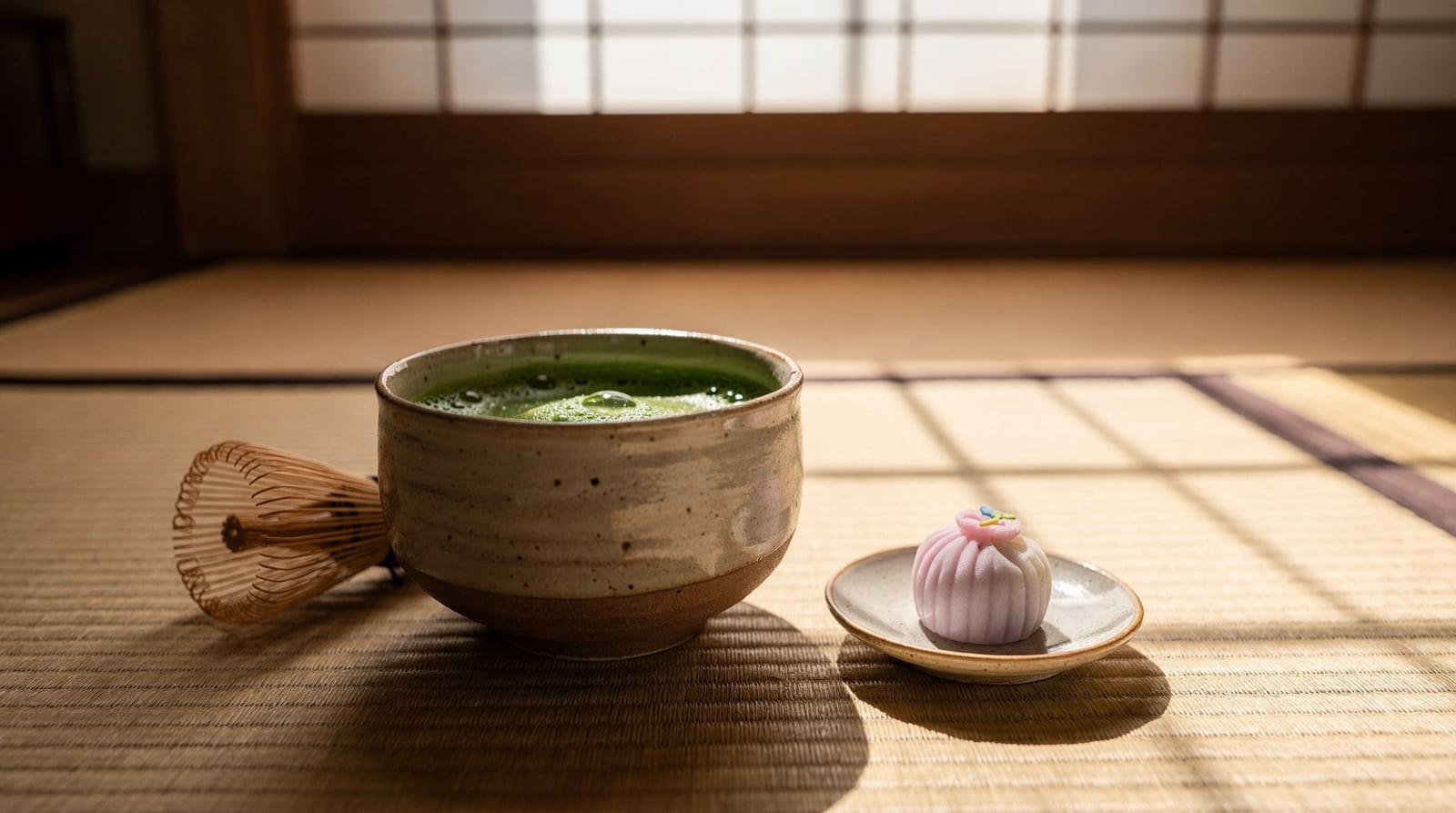
Uji has been Japan’s most prestigious tea-growing region since at least the 13th century, when tea cultivation techniques brought from China were refined here under the patronage of the Ashikaga shoguns. The specific growing method that makes Uji tea distinctive — shading the tea bushes with cloth or straw for several weeks before the spring harvest — increases chlorophyll and amino acid content and is what produces the deep green color and umami-forward flavor associated with high-grade matcha and gyokuro. That shading technique originated in Uji and is still practiced by growers in the surrounding hills, many of them multi-generational family operations rather than industrial farms.
This matters for what you’ll actually taste in town. “Uji matcha” is a protected regional designation, not just a marketing phrase, and the difference between a genuine Uji-grown ceremonial-grade matcha and the sweetened matcha-flavored soft serve sold from a cart is significant — both have their place, but don’t confuse tourist-friendly matcha soft serve (perfectly enjoyable, ¥500-600/~$3.50-4) with an actual tea-tasting experience if you’re trying to understand why Uji has this reputation.
If you want the real version, a guided matcha tour in Uji that includes a working tea farm or a formal tasting session will get you there faster than wandering in cold, since several of the best tasting rooms are unmarked in English and easy to walk past.
For deeper background on the region’s tea culture, growing methods, and how to tell good matcha from mediocre matcha, see our dedicated Uji matcha guide.
Where to actually drink and buy tea: Tsuen Tea and Nakamura Tokichi
Two shops anchor Uji’s tea scene, and they’re different enough in character that it’s worth understanding both before you pick.
Tsuen Tea, right at the foot of Uji Bridge, claims to be Japan’s oldest tea shop, founded in 1160 by a retainer of the Minamoto clan and still run by the same family 24 generations later. It’s a working shop first and a tourist attraction second — small, a little worn at the edges, and all the more credible for it. They serve tea and tea-based light meals (tea soba noodles, a modest matcha dessert menu) at reasonable prices, generally ¥600-1,200 ($4-8) per item, and sell loose-leaf tea to take home starting around ¥1,000 ($6.70) for a small tin. This is the pick if you want an authentic, unpolished experience over a photogenic one.
Nakamura Tokichi Honten, a short walk from Byodo-in, is the more polished and better-known option — a 19th-century tea merchant that has expanded into a genuinely excellent café serving matcha parfaits, matcha soba, and tea-ceremony-grade drinks in a renovated traditional building with a small garden view. It’s popular enough that weekend waits can run 30-60 minutes with no reservations taken; go on a weekday or arrive right at opening (10am) to avoid the line. Expect to pay ¥1,200-2,000 (~$8-13) for a parfait or set meal. Both shops sell tea to bring home, and both are legitimate — the choice comes down to whether you want the oldest continuously operating tea shop in the country or the best café experience.
Avoid the handful of stalls near the station selling pre-packaged “Uji matcha” souvenirs at inflated prices with no indication of actual origin or grade — if the tin doesn’t specify a grower or grade, it’s likely a blend padded with lower-grade tea from elsewhere, priced for the tourist walk-by rather than the product inside.
| Tsuen Tea | Nakamura Tokichi Honten | |
|---|---|---|
| Founded | 1160 | 19th century |
| Character | Working shop, unpolished, historic | Polished café, modern menu |
| Signature item | Loose-leaf tea, tea soba | Matcha parfaits, matcha soba |
| Typical wait | Minimal | 30-60 min on weekends |
| Price range | ¥600-1,200 per item | ¥1,200-2,000 per item |
| Best for | Authenticity, no queue | Photogenic café experience |
Ujigami Shrine: Uji’s second, quieter UNESCO site
Most visitors leave Uji assuming Byodo-in is the town’s only UNESCO World Heritage listing. It isn’t. A short walk across the river from Byodo-in, Ujigami Shrine holds the honor of being the oldest surviving Shinto shrine building in Japan, with its main hall (honden) dated by dendrochronological analysis to the mid-11th century — older, in fact, than Byodo-in’s own Phoenix Hall by several decades.
It’s a modest, unpainted wooden structure, plain compared to the vermillion grandeur of shrines like Fushimi Inari or Heian Shrine, and that plainness is exactly the point: this is what Heian-period shrine architecture actually looked like before later centuries added the more elaborate lacquer-and-color conventions many visitors now associate with Shinto shrines. Admission is free, and the shrine rarely sees more than a handful of visitors even when Byodo-in across the river is crowded, making it one of the better honest “hidden gem” recommendations in this entire guide — genuinely under-visited, not just marketed that way.
Mimuroto-ji: the quieter alternative to Byodo-in
If Byodo-in’s crowds put you off, or you’re visiting in June or July, Mimuroto-ji is the better-kept secret. This temple, a 15-minute walk uphill from Uji’s main tourist strip (or a short bus ride), is known for two flower seasons that Byodo-in doesn’t compete with: roughly 20,000 hydrangea bushes blooming from early June through early July, and lotus flowers in the temple’s ponds from July into August.
Outside those windows it’s a genuinely peaceful, half-forgotten temple with a good garden and almost no tour groups, which makes it worth the detour even off-season if Byodo-in felt too busy. Admission runs ¥500-1,000 (~$3.30-6.70) depending on season (higher during hydrangea season, when a separate garden fee applies). Hours are generally 8:30am to 4:30pm.
The Tale of Genji in Uji
Uji is not just a tea town — it’s a literary pilgrimage site. The final ten chapters of Murasaki Shikibu’s The Tale of Genji, often called the “Uji chapters,” are set here and follow Genji’s descendants (primarily Kaoru and Niou) through romantic entanglements with the Uji princesses, using the town’s misty river landscape as a recurring backdrop.
The Tale of Genji Museum (Genji Monogatari Museum), a short walk from Byodo-in, uses models, reconstructed room sets, and short films to explain the novel’s court culture and the Uji chapters specifically — useful context even if you haven’t read the book, and genuinely rewarding if you have. Admission is ¥600 (~$4), and the museum is open 9am to 5pm, closed Mondays (or the following day if Monday is a holiday).
Ten bronze markers around town, called the Uji Genji Monogatari Sekihi, mark locations referenced in the Uji chapters — a low-key scavenger hunt if you enjoy that kind of thing, though most visitors will only stumble across one or two without deliberately seeking them out.
Near the Genji Museum, a bronze statue of Murasaki Shikibu herself sits looking out over the river — a popular, low-key photo stop that most visitors walk past without realizing its significance, since the plaque identifying her is only in Japanese at some approaches. If literary history is part of what draws you to Uji specifically, it’s worth the extra minute to seek out rather than assume it’s just decorative public art.
Walking the Uji-gawa riverfront
The Uji River itself is worth slowing down for. Uji Bridge, first built in 646 CE and rebuilt many times since (the current version dates to 1996), is one of the oldest bridge crossings recorded in Japan and appears in the Genji chapters. From the bridge and the riverside path on either bank, you get a clean view of Byodo-in’s garden reflecting in its pond on one side and the forested hills of Mimuroto-ji’s neighborhood on the other. Ukai (traditional cormorant fishing) runs on the Uji River from around early July through late September on select evenings — smaller scale and less touristy than the more famous Nagara River version in Gifu, and worth checking the current schedule if you’re visiting in summer.
The riverside is also simply a pleasant place to eat the tea sweets you just bought from Nakamura Tokichi or Tsuen Tea without needing a reservation anywhere. In cherry blossom season, the trees along the Uji-gawa are a legitimate, far less crowded alternative to the Philosopher’s Path or Maruyama Park back in central Kyoto — see our cherry blossom guide for timing.
Tourou Island, a small tree-covered island in the middle of the Uji River reached by two footbridges near Uji Bridge, is easy to overlook but worth the five-minute crossing — it splits the river into two channels and gives a genuinely different vantage point on both banks than staying on either side alone. A small stone pagoda on the island, the Uji-bashi-ji Jusoseki, dates back centuries and adds a quiet stop roughly halfway through a riverside walk from Byodo-in toward Ujigami Shrine.
Planning your visit: half day or full day
A tight half day (roughly 9am-1pm) covers Byodo-in, a quick tea shop stop, and a walk along the river — doable comfortably if you’re combining Uji with an afternoon back in central Kyoto or heading onward to Nara. A full day lets you add Mimuroto-ji, the Genji Museum, and a real tea-tasting or matcha-grinding session, such as the Uji tea museum and matcha grinding experience, without feeling rushed.
If you want the highlights bundled with a guide who can get you past the language barrier at the less English-friendly tea shops, a structured option like the half-day matcha tour with a local guide covers Byodo-in, a working tea farm or shop, and a tasting in about four hours — a reasonable middle ground between DIY and a fully custom private tour.
Uji connects logically with other southern Kyoto and Nara-area day trips; if you’re building a broader multi-day plan, our how many days do you need in Kyoto guide covers where a stop like Uji fits relative to the temple-heavy central-Kyoto days.
Where this goes wrong: honest warnings
A few things trip up first-time visitors. First, don’t assume every shop selling “matcha” products is selling genuine Uji-grown, ceremonial-grade tea — plenty of stalls near the station sell blended or lower-grade tea at tourist markup, and there’s no law stopping them from printing “Uji” on the label if the tea merely passed through a processing facility here. Buy from Tsuen Tea, Nakamura Tokichi, or a shop recommended in our matcha guide if provenance matters to you.
Second, the Phoenix Hall interior tickets at Byodo-in are limited and timed — don’t assume you can just show up at 3pm and walk in; sellouts are common on weekends and during November foliage season. Third, Mimuroto-ji’s hydrangea season (June) draws its own smaller crowds on weekends, so “quiet alternative to Byodo-in” doesn’t mean empty in early June specifically — go on a weekday if you can.
Finally, Uji is genuinely quiet after about 5pm; most shops and both major temples close by 5:30pm, and there isn’t much of a dinner or nightlife scene in town. Plan Uji as a daytime visit and eat dinner back in central Kyoto or in Nara if you’re continuing on.
Pairing Uji with the rest of your Kyoto trip
Uji works best as a deliberate half-day or full-day excursion rather than something you squeeze in on the way to somewhere else. If you’re staying in downtown Kyoto or near Kyoto Station, the JR Nara Line makes Uji one of the easiest out-of-center trips on the whole itinerary — easier, in practical terms, than Arashiyama on a weekend. If your trip includes a Japan Rail Pass or a regional pass, check our JR Pass guide and Kansai Thru Pass guide before buying individual tickets, since a multi-day pass can make an Uji-plus-Nara day effectively free on top of your existing rail costs.
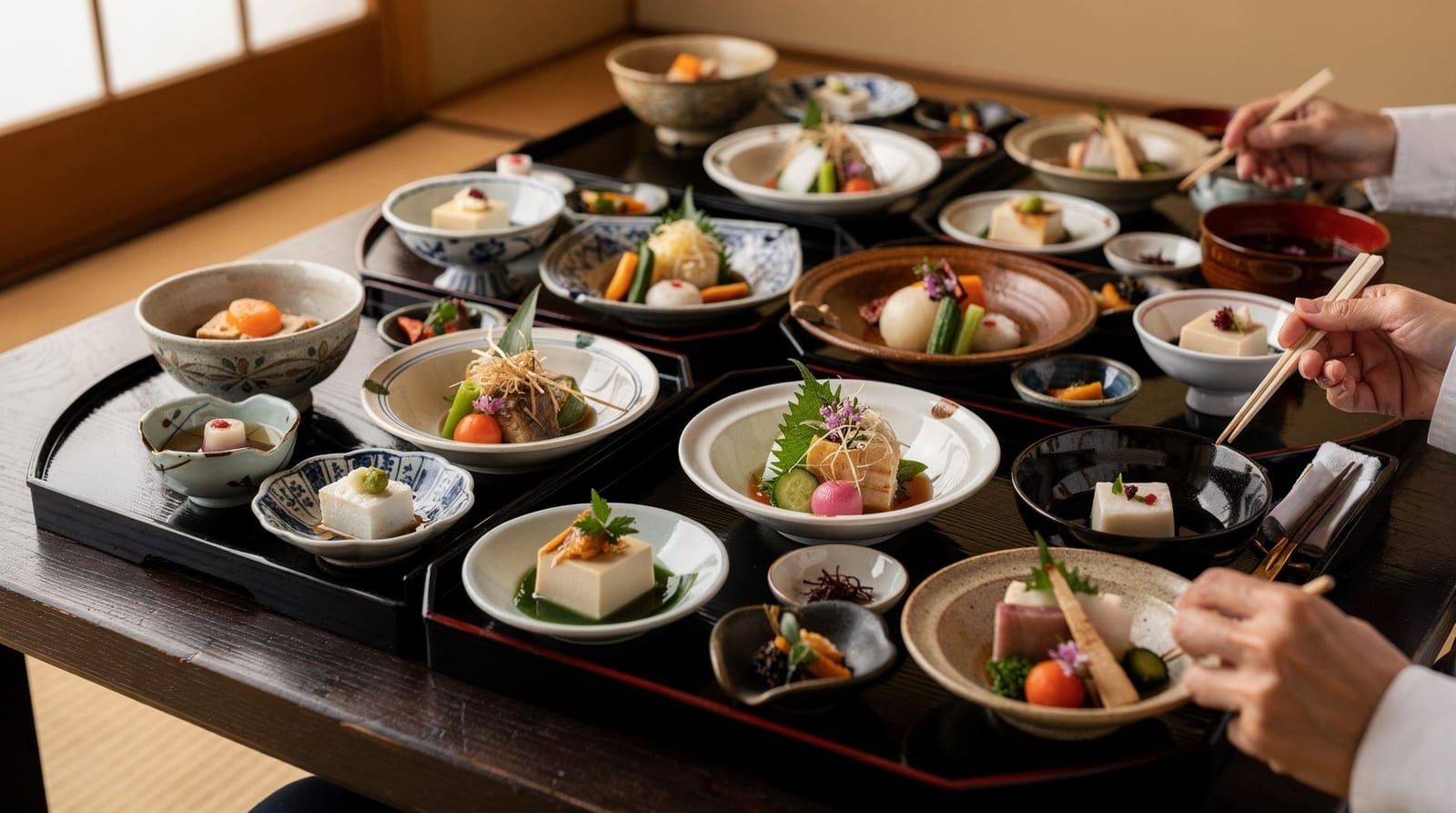
Travelers who want a broader sense of Kyoto’s tea culture beyond Uji itself — where to do a formal tea ceremony in the city center, what kaiseki-style tea-focused meals look like — should read our tea ceremony in Kyoto guide and Kyoto food guide alongside this page. And if crowd timing is a concern generally, not just at Byodo-in, our avoiding crowds in Kyoto guide has broader strategies that apply here too, including the same early-morning logic that works at Fushimi Inari or Kinkaku-ji.
Uji by season
Uji rewards different seasons for different reasons, and it’s worth picking your visit around what you actually want to see. Two annual events are worth knowing about if your dates happen to align: the Uji Tea Festival, held on the first weekend of October, celebrates the town’s tea heritage with tea-related ceremonies, a memorial service for historic tea masters, and a competitive tea-brewing contest open to the public in a limited-entry format, drawing a mostly local crowd rather than tour groups.
And each May, a smaller Byodo-in-focused festival marks the anniversary of the Phoenix Hall’s founding with a special service inside the hall itself, a rare opportunity to see the interior used for its original devotional purpose rather than as a museum piece. Spring (early April) brings cherry blossoms along the Uji-gawa and around Byodo-in’s garden — quieter than the big central-Kyoto blossom spots, with a similar quality of light on the water.
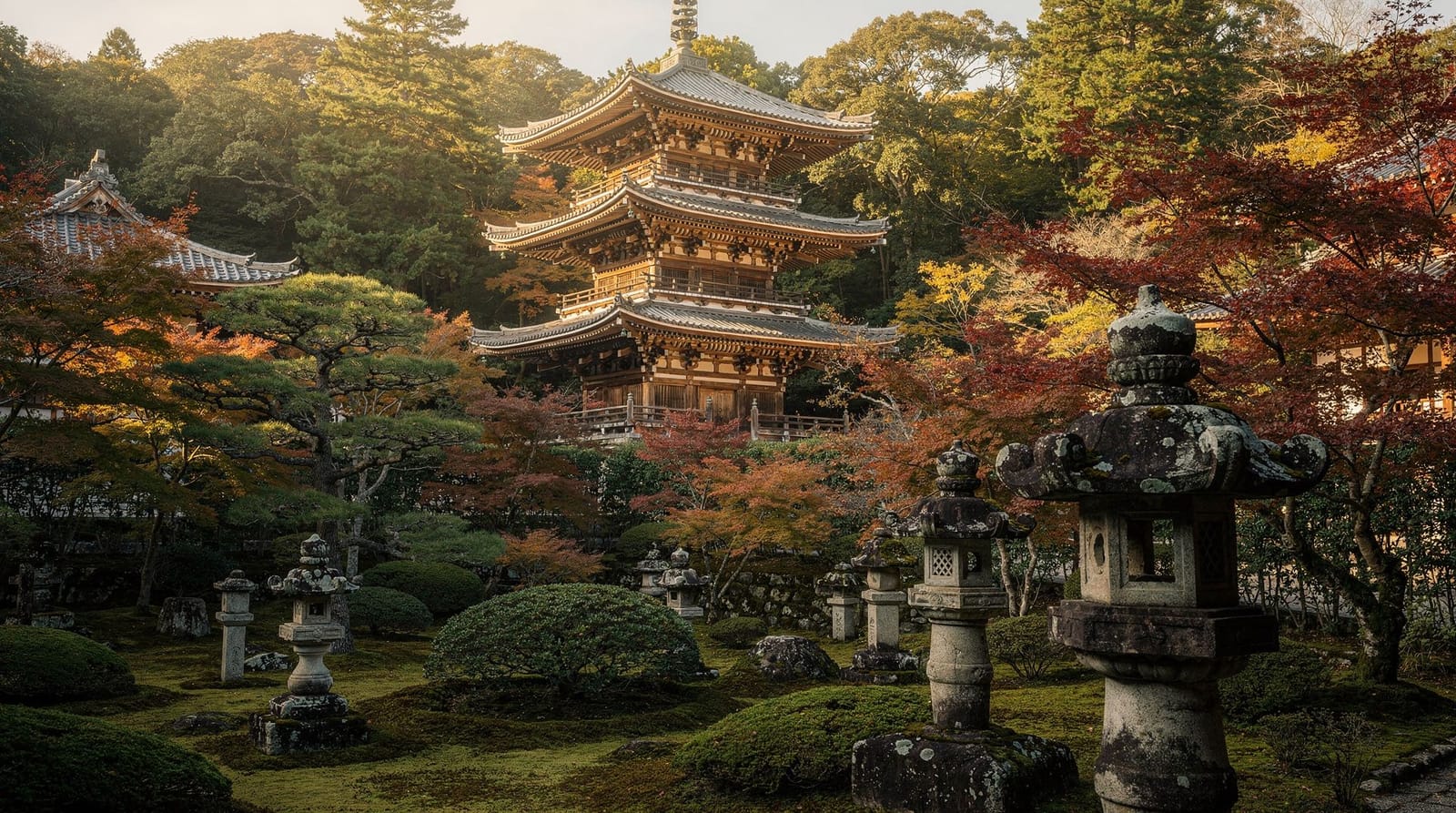
Early June through early July is hydrangea season at Mimuroto-ji, the single best reason to prioritize that temple over a second lap of Byodo-in. Autumn, specifically mid-to-late November, is Uji’s most photogenic and most crowded window: Byodo-in’s garden framed by maple color is one of the more reliably beautiful sights in the wider Kyoto area, and it draws proportional crowds, so the early-arrival advice above matters even more in November.
Summer (July-August) is hot and humid with fewer crowds at Byodo-in but the added appeal of lotus blooms at Mimuroto-ji and, later in summer, the ukai cormorant fishing on the river. Winter is the quietest season by far — cold, sometimes with light snow dusting the temple roofs, and the best time to get an unhurried look at the Phoenix Hall interior without a timed-ticket sellout.
Frequently asked questions about visiting Uji from Kyoto
How long does it take to get from Kyoto Station to Uji?
By JR Nara Line rapid train, 17 to 20 minutes for about ¥240 ($1.60) one way. The Keihan route via Chushojima takes about 30 minutes and costs roughly ¥310 ($2.10), but drops you closer to Byodo-in on foot.
Is Byodo-in Temple really on the Japanese ¥10 coin?
Yes. The Phoenix Hall’s silhouette, including its rooftop phoenix statues, has appeared on the reverse of the ¥10 coin since 1951. It’s one of the few real-world buildings you can hold a direct, everyday reference to in your pocket.
Can I do Uji as a half-day trip, or do I need a full day?
A half day (about four hours) comfortably covers Byodo-in, one tea shop, and a riverside walk. A full day lets you add Mimuroto-ji, the Tale of Genji Museum, and a proper tea-tasting or grinding experience without rushing.
Is Uji crowded like central Kyoto?
Byodo-in itself gets busy, especially 11am-3pm on weekends and throughout November foliage season, since it’s a fixed stop on many tour bus routes. The rest of Uji — the riverside, Mimuroto-ji, the back streets — stays noticeably calmer than Higashiyama or Arashiyama even at peak times.
Is there anything on Tourou Island worth stopping for?
Tourou Island, reached by two footbridges near Uji Bridge, holds a centuries-old stone pagoda and offers a different vantage point on both riverbanks. It’s a five-minute detour, not a destination in itself, but worth crossing if you’re already walking the riverside between Byodo-in and Ujigami Shrine.
What’s the difference between Tsuen Tea and Nakamura Tokichi?
Tsuen Tea, founded in 1160, is Japan’s oldest tea shop — small, unpolished, and historically significant. Nakamura Tokichi is a 19th-century tea merchant turned café known for excellent matcha parfaits and soba, more polished and prone to weekend queues. Both sell high-quality tea to take home.
Can I combine Uji with Nara in one day?
Yes, and it’s a common pairing since both sit on or near the JR Nara Line. Doing both thoroughly in one day is possible but tight — expect a long day starting early. See our Kyoto-to-Nara itinerary if you’d rather spread it across two days.
Is Uji matcha actually different from matcha sold elsewhere in Japan?
Uji has been the country’s leading tea-growing region since the medieval period, and the shading technique that produces high-grade matcha and gyokuro originated here. Genuine Uji-grown, ceremonial-grade matcha from an established shop is a different product from mass-market matcha powder, though not every souvenir labeled “Uji” is actually that.
Do I need to book a tea-tasting experience in advance?
For a casual visit to Tsuen Tea or Nakamura Tokichi, no reservation is needed, though weekend waits at Nakamura Tokichi can run up to an hour. Formal tea-ceremony experiences or guided tasting tours generally require advance booking, especially on weekends and during peak autumn and spring seasons.
What is Ujigami Shrine, and is it worth visiting?
Ujigami Shrine, a short walk from Byodo-in across the river, is the oldest surviving Shinto shrine building in Japan and a UNESCO World Heritage Site in its own right. It’s free, plain in style compared to more famous vermillion shrines, and usually far quieter than Byodo-in — worth the ten-minute detour for the historical significance alone.
Is it worth visiting both Byodo-in and Ujigami Shrine on the same trip?
Yes — they’re a short walk apart across the Uji River, and together they cover both of Uji’s UNESCO World Heritage listings in under an hour of combined visiting time, with Ujigami Shrine offering a genuinely quiet contrast to Byodo-in’s crowds.
Are there any festivals worth timing a Uji visit around?
The Uji Tea Festival, held the first weekend of October, celebrates the town’s tea heritage with ceremonies and a public tea-brewing competition, drawing a mostly local crowd. A smaller festival each May marks the Phoenix Hall’s founding anniversary with a rare interior service at Byodo-in.
Top experiences
Bookable activities with verified prices and instant confirmation on GetYourGuide.