Fushimi
Fushimi Inari's torii gate tunnels, the Fushimi sake-brewing canal district, and Tofuku-ji's maple bridge — southern Kyoto in real prices and times.
Kyoto: Fushimi Inari Taisha Guided Walking Tour
Quick facts
- Fushimi Inari admission
- Free, open 24 hours
- Getting there
- JR Nara Line to Inari Station, 2 stops, ~5 min, ¥150
- Full mountain loop
- 2-3 hours to the summit and back
- Quiet window
- Before 8am, after 5pm, or the upper mountain any time
Fushimi is a southern Kyoto district built around three very different draws: Fushimi Inari Taisha, the shrine with the tunnels of vermillion torii gates that appears on more Kyoto postcards than any other single site; a historic sake-brewing neighborhood along the Horikawa canal; and Tofuku-ji, a large Zen temple known for autumn foliage. All three are within a short train ride of each other, and none require an entrance fee to see their main draw.
Fushimi Inari Taisha’s tunnels of torii gates
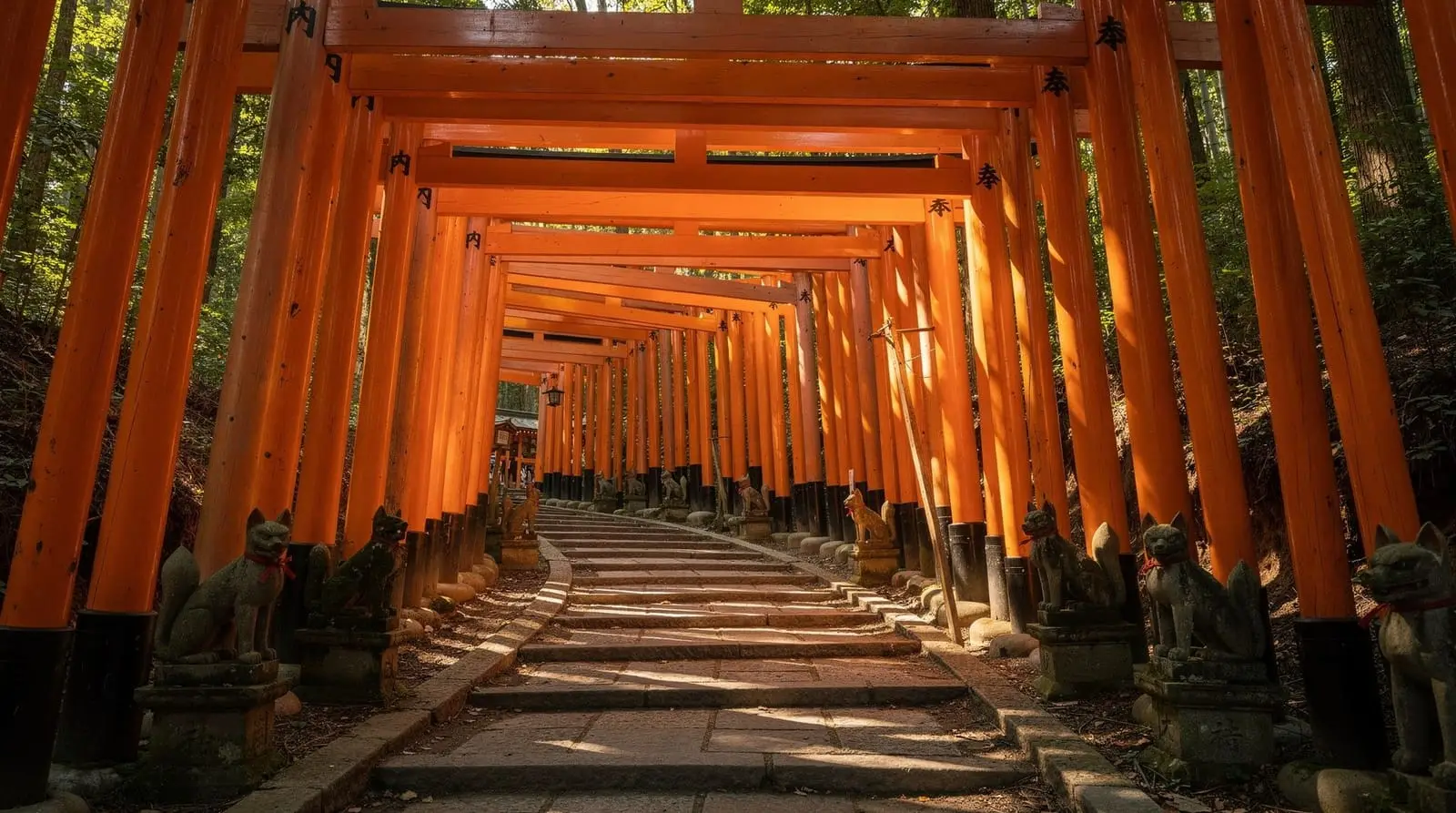
Fushimi Inari Taisha is the head shrine of Inari, the Shinto deity associated with rice, agriculture, and prosperity, and the source shrine for more than 30,000 Inari shrines across Japan. The site’s defining feature is the sequence of vermillion torii gates — commonly cited at around 10,000, though the precise count varies by source and by year, since gates are periodically added, removed, or replaced — donated over centuries by individuals and companies seeking favor or giving thanks, each inscribed on the back with the donor’s name and the date. Walking through the gates, packed close enough in places to form a continuous tunnel, is the reason the shrine is one of the most photographed sites in Japan.
The shrine predates Kyoto itself as a capital. It was founded in 711 CE, more than eight decades before Kyoto (then Heian-kyo) became the imperial seat in 794, and it has operated continuously on this site ever since — making it considerably older than most of the temples that draw visitors to central and eastern Kyoto. The current honden (main hall) dates to 1499, a rebuilding after an earlier structure was lost, but the site’s role as a center of Inari worship goes back to the shrine’s founding.
That continuity matters for how the gates read once you’re walking through them: this isn’t a themed attraction built for visitors, but a working shrine where the practice of donating a gate in thanks for a business success or a personal wish granted is still active today, which is why new, unweathered orange gates are visible standing next to century-old wooden ones that have faded to a duller red-brown.
Admission is free and the shrine never closes — there’s no gate that shuts at night, which makes it one of the only major sights in Kyoto genuinely accessible around the clock. That combination of free admission, round-the-clock access, and direct train access makes it consistently one of the most visited single attractions in Japan among foreign tourists, and the crowding reflects that: from mid-morning to late afternoon, the lower sections of the gate tunnels can be dense enough that walking at your own pace isn’t really possible.
Fox statues, worship, and what visitors get wrong
Stone fox statues (kitsune) appear throughout the shrine grounds, often holding a key, a jewel, a scroll, or a sheaf of rice in their mouths. They’re a common source of confusion: the foxes are not themselves worshipped as gods. In Shinto belief, foxes are considered Inari’s messengers, not Inari itself, and the objects they hold are symbolic — the key, for instance, is generally understood to represent the key to a rice granary.
Basic shrine etiquette applies here as elsewhere in Japan: a small bow before passing through a torii gate is customary, and if you approach the main altar to pray, the standard sequence is a bow, two claps, a moment of silent prayer, and a final bow. None of this is enforced, but it’s a low-effort courtesy at a site that remains an active place of worship despite the volume of visitors passing through it.
The volume of visitors does create a real, practical courtesy problem in the gate tunnels themselves: the path through the closest-packed sections is narrow, often one or two people wide, and it’s a functioning thoroughfare, not a photo set. Stopping mid-tunnel for an extended photo session — a common sight, particularly for staged shots without other people in frame — backs up everyone behind you in a space that doesn’t allow passing.
The more practical approach, and the one locals and shrine staff generally appreciate, is to step to the side into one of the periodic gaps between gate clusters if you want an unobstructed shot, rather than blocking the main path. There’s no fine or enforcement for this, unlike the photography restrictions in parts of Gion, but it’s the single most common visitor friction point on site.
The hike up Mount Inari: how far most people actually go
The full trail behind the gate tunnels climbs Mount Inari to a summit at 233 meters, and the complete round trip takes roughly 2-3 hours at a moderate pace, passing smaller sub-shrines, torii-lined switchbacks, and a couple of teahouses selling drinks and light snacks along the way.
In practice, the large majority of visitors never go beyond Yotsutsuji, an intersection roughly 20-30 minutes up from the entrance that offers a genuine viewpoint back over southern Kyoto — a reasonable turnaround point if you’re short on time, and notably, the crowd thins out dramatically past this point regardless of what time of day you’re visiting. If your goal is simply photographs of the gate tunnels without a dense crowd of other visitors in frame, walking even 20 minutes past Yotsutsuji solves that problem more reliably than trying to time your visit around opening hours.
A guided walking tour of Fushimi Inari Taisha is useful less for the walking itself, which doesn’t require a guide, and more for the context on the shrine’s history and the meaning behind the donor inscriptions on individual gates, torii construction, and Inari worship more broadly — details that aren’t posted in English anywhere on site.
Getting to Fushimi Inari from Kyoto Station
This is, in practical terms, the easiest major sight in Kyoto to reach. From Kyoto Station, the JR Nara Line runs to Inari Station in two stops, about 5 minutes, for a ¥150 fare — and Inari Station’s exit puts you directly across the street from the shrine’s main torii gate, with no further walking or wayfinding required. The Keihan Main Line’s Fushimi-Inari Station is a similar option if you’re coming from Higashiyama or downtown via the Keihan line rather than JR, landing a short walk from the shrine entrance instead of directly across from it. Either way, this is one of the rare Kyoto sights where the transit connection is genuinely simpler than the sightseeing plan around it.
When to visit: beating the crowds, and the night option
Because the shrine never closes, timing is almost entirely under your control in a way it isn’t at temples with fixed hours. Before 8am and after 5pm are reliably quieter, and unlike sites that close in the evening, Fushimi Inari stays a legitimate option well past sunset — the lower gate tunnels are lit at night, and while walking the upper mountain trail after dark isn’t recommended without a light source and some familiarity with the path, the lower and mid sections are walkable and atmospheric after the day-trip crowds clear out.
A dedicated night hike through Fushimi Inari is built specifically around this — a genuinely different experience from the packed midday version, with the gates lit and the mountain largely quiet.
If early mornings suit your schedule better, a dedicated early-morning tour timed specifically to beat the crowds gets you into the lower gate tunnels before the tour buses from central Kyoto hotels typically arrive, which in practice means before roughly 9am on most days.
The Fushimi sake district: Gekkeikan and the canal-side kura
A short walk or one train stop from the shrine, the Fushimi sake district is a distinct neighborhood built around one of Japan’s two most significant sake-producing regions, the other being Nada near Kobe. The soft, mineral-balanced groundwater found here has supported brewing for centuries, and the neighborhood still has the physical character of that history: white-walled kura (storehouses) line the Horikawa canal, largely undisturbed by the crowds a ten-minute walk away at the shrine.
Gekkeikan, one of Japan’s largest and oldest sake producers, operates the Gekkeikan Okura Sake Museum in a preserved Meiji-era brewery building, with a self-guided exhibit on traditional brewing methods and tastings included in the roughly ¥600 (~US$4) admission. Kizakura, another established Fushimi brewer, runs Kizakura Kappa Country nearby, combining a small museum with a beer hall and restaurant on site — useful if you want food alongside the tasting rather than a museum visit alone.
For a more structured tasting experience, an 18-tasting sake brewery tour in Fushimi covers considerably more ground and more producers than a self-guided stop at a single museum, which matters if you’re trying to actually understand the range between breweries rather than sample one.
The canal itself, lined with willow trees and the white kura walls, is genuinely one of the more photogenic and least crowded stretches in this part of Kyoto — a useful contrast if the shrine’s density has worn you out and you want somewhere calmer nearby rather than a long trip back into the city center.
What to eat near the shrine and the sake district
The food most associated with Fushimi Inari is inari-zushi — sushi rice stuffed into a pouch of sweetened, fried tofu — and the connection isn’t a marketing invention: foxes are traditionally believed to favor fried tofu (abura-age), which is why the dish carries the shrine’s name and why small stalls and shops on the approach street sell it, often alongside grilled skewers and sweet potato snacks aimed at the steady stream of foot traffic between the station and the shrine gate. Prices are modest, typically ¥300-600 (~US$2-4) for a few pieces, and it’s a reasonable quick lunch rather than a destination meal in itself.
For coffee, Vermillion Café, a short walk from the shrine near the Fushimi Inari approach, is a small specialty coffee shop that’s become a genuine landmark for visitors wanting a sit-down break that isn’t a vending machine or a convenience store — it serves espresso drinks and a short food menu at prices closer to a Kyoto downtown café than a tourist-strip markup. In the sake district itself, Kizakura Kappa Country’s beer hall serves a full lunch and dinner menu alongside its own beer and Gekkeikan sake, which makes it a practical stop if you want a proper sit-down meal rather than another round of tastings.
Tofuku-ji and the Tsutenkyo bridge
Tofuku-ji, a large Zen temple complex a short train ride north of Fushimi Inari toward central Kyoto, is one of the city’s better autumn foliage sites and one of the less crowded relative to its quality — it doesn’t carry the same instant recognition as Kiyomizu-dera or Arashiyama’s bamboo grove, despite a comparable payoff in late November. The centerpiece is the Tsutenkyo, a covered wooden bridge crossing a ravine thick with maple trees, offering a canopy-level view over the foliage rather than looking up at it from ground level.
Garden admission runs around ¥500 (~US$3.30) most of the year, rising to roughly ¥600 (~US$4) during peak November color, with a modest separate fee for crossing the Tsutenkyo bridge itself added during the busiest autumn weeks. Komyo-in, a subtemple within the Tofuku-ji complex, has its own smaller rock garden and is worth the short additional walk if you have time — it sees a fraction of the main temple’s foot traffic even during foliage season.
A combined guided walk through Tofuku-ji and Komyo-in covers both in one route with context on the garden design that’s easy to miss walking through on your own, particularly the philosophy behind Tofuku-ji’s checkerboard moss-and-stone garden, one of the more unusual Zen garden designs in Kyoto.
The same line continues to Uji and Nara
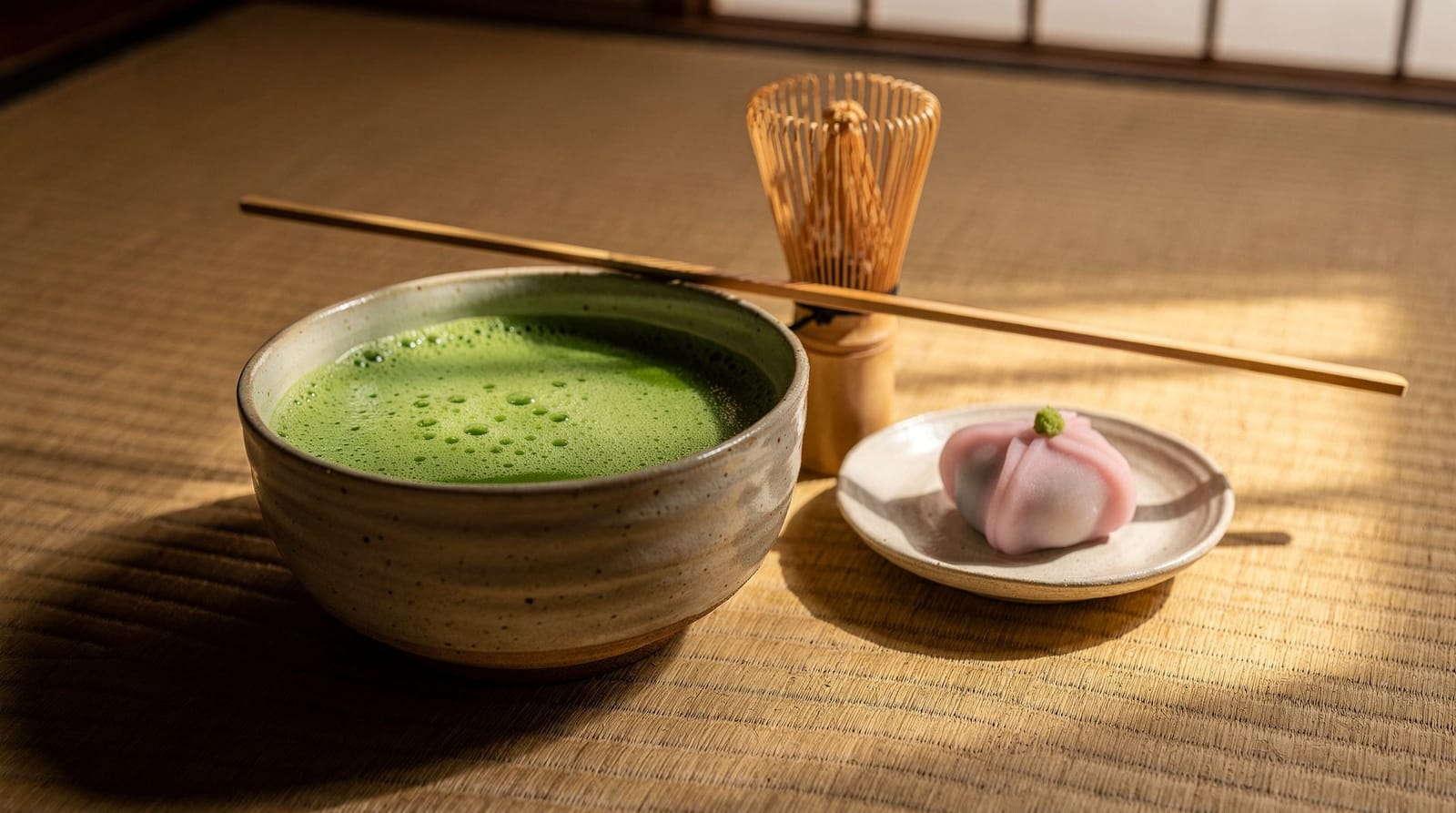
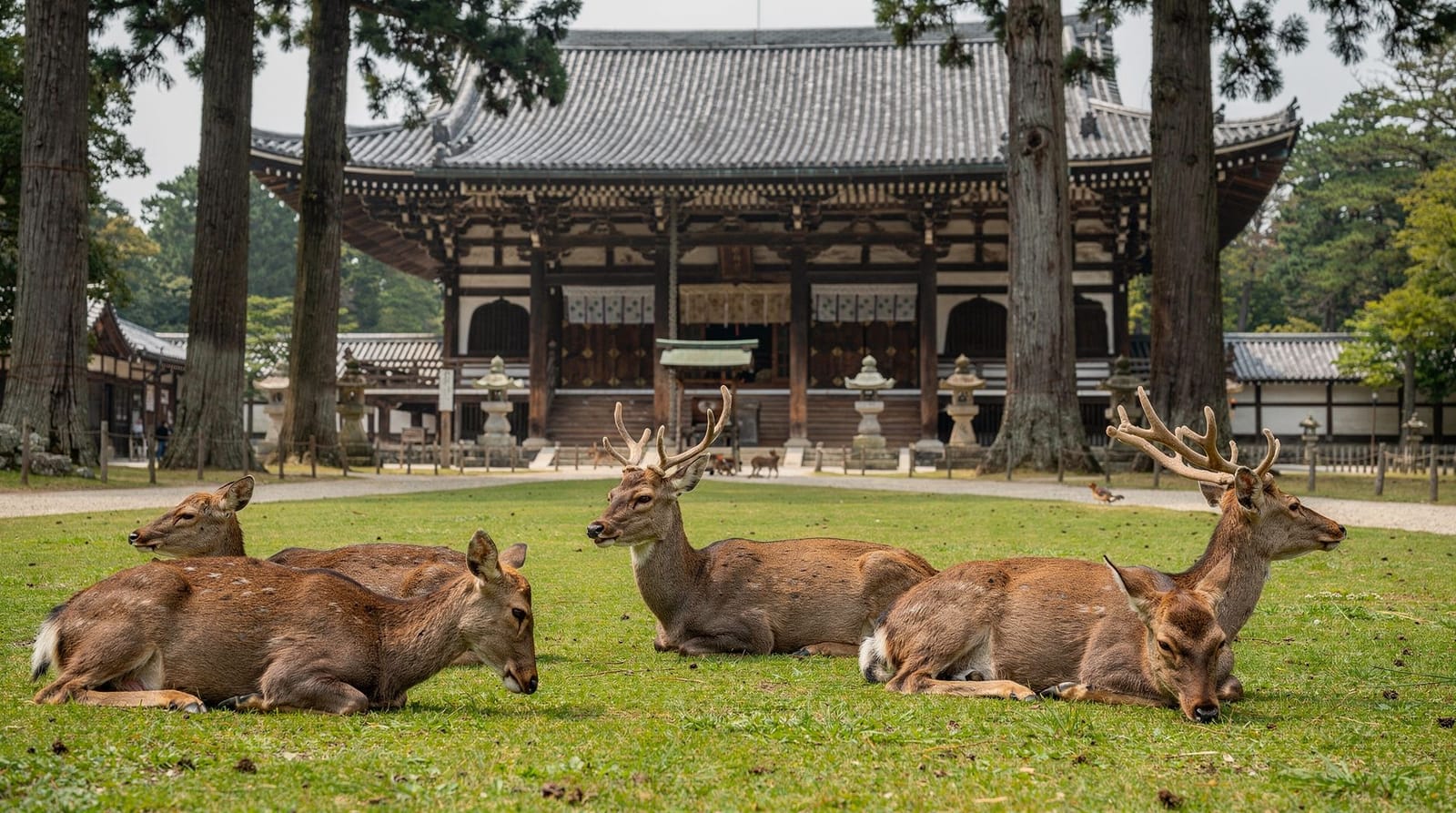
Inari Station sits on the JR Nara Line, the same route that continues south to Uji, Kyoto’s matcha and green-tea town, and onward to Nara, home to Todai-ji and the free-roaming deer of Nara Park. That makes Fushimi a natural first or last stop on a day that also covers Uji or a Nara day trip, rather than a separate outing requiring a trip back through central Kyoto — Uji is roughly 20 minutes further down the line from Inari, and Nara is about 50-60 minutes total from Kyoto Station on the rapid service.
Visitors building a single long day around this corridor typically do Fushimi Inari early, Uji around midday for lunch and a tea house, and either skip Nara that day or save it for a dedicated trip, since fitting all three properly in one day is tight.
Shrine visit versus a full Fushimi day: what changes
Fushimi Inari itself is a self-contained half-day, but adding the sake district and Tofuku-ji changes the visit meaningfully, and it’s worth knowing what you’re trading before committing to either version.
| Shrine only | Full Fushimi day | |
|---|---|---|
| Time needed | 1.5-2.5 hours | 5-6 hours |
| Cost beyond transit | Free | Add ~¥600-2,000 for sake tastings/museums |
| Crowd exposure | Heavy at the base, thins past Yotsutsuji | Sake district and Tofuku-ji see far fewer visitors |
| Best for | Tight schedules, combining with Uji or Nara | Travelers who want southern Kyoto covered properly |
If you’re short on time, the gate tunnels up to Yotsutsuji are the version of Fushimi Inari that shows up in nearly every photograph of the shrine — you’re not missing the headline experience by stopping there. The sake district and Tofuku-ji are additions for travelers who have the extra hours, not essential companions to the shrine itself.
Fushimi Inari on a Japan Rail Pass or Kansai pass
Because Fushimi Inari sits directly on the JR Nara Line, it’s one of the easiest major sights in Kyoto to fold into a rail pass without any extra planning. A standard Japan Rail Pass covers the JR Nara Line hop from Kyoto Station to Inari Station at no extra cost, and the same applies to most Kansai-area regional passes that include JR West lines. The Keihan Main Line route to Fushimi-Inari Station is a separate private line and isn’t covered by JR passes, so if you’re using a JR Pass specifically, the JR Nara Line to Inari Station is the version worth taking rather than the Keihan alternative.
Where this fits in a Kyoto itinerary
Fushimi works well as a full morning or half day on its own, and it pairs naturally with a second southern or eastern district depending on your route — Higashiyama if you want to continue with temple sightseeing on the same day, or a return toward Kyoto Station or downtown Kyoto for lunch and an afternoon closer to the center. If you’re weighing Fushimi against a full day in Arashiyama on the opposite side of the city, both are reasonable half-day-to-full-day trips, but they don’t combine easily into one day given the distance between them — pick one per day rather than trying to rush both.
For sequencing multi-day plans, our Kyoto itineraries section lays out realistic pairings, and the destination guides cover more depth on individual sites mentioned here. The travel essentials tool is a fast reference for IC cards and train basics if the JR Nara Line hop to Inari Station is your first time using Kyoto’s rail network. Browse the full range of guided options on our Kyoto tours page, or return to the destinations overview to compare Fushimi against the rest of the city.
Frequently asked questions about Fushimi Inari
How many torii gates are at Fushimi Inari?
The figure most commonly cited is around 10,000, though the exact number shifts over time as gates are added, replaced, or removed by donors, and different sources give slightly different counts. It’s best treated as an approximate, well-established figure rather than an exact one.
Is Fushimi Inari free to visit?
Yes. There’s no admission fee to enter the shrine grounds or walk the torii gate paths, and the site is open 24 hours a day, year-round, with no closing gate.
Do I need to hike to the summit to see the famous gates?
No. The most photographed, densest sections of torii gates are in the first 20-30 minutes of walking from the entrance up to the Yotsutsuji intersection. The full summit hike (2-3 hours round trip) rewards those who want fewer crowds and a longer walk, but it isn’t necessary to see what most photographs of the shrine show.
What’s the best time to visit Fushimi Inari to avoid crowds?
Before 8am or after 5pm are the most reliable quiet windows. Because the shrine never closes, visiting after dark is also a genuine option, with the lower gate tunnels lit and considerably less crowded than during the day.
Are the fox statues at Fushimi Inari worshipped as gods?
No. The foxes are considered messengers of Inari, the deity the shrine is dedicated to, not deities themselves. The objects shown in their mouths — a key, jewel, scroll, or rice sheaf — are symbolic of prosperity and the shrine’s connection to agriculture.
How do I get to the Fushimi sake district from the shrine?
It’s roughly a 15-20 minute walk, or a short train ride via the JR Nara Line to Fushimi-Momoyama Station or the Keihan line to Fushimi-Momoyama or Chushojima, depending on which brewery or museum you’re headed to first.
Is Tofuku-ji worth visiting outside autumn foliage season?
Yes, though it’s a different, quieter experience. The garden design, the Tsutenkyo bridge itself, and Komyo-in’s rock garden are worth seeing year-round; the maple canopy that makes November the peak season simply isn’t there the rest of the year.
Can I visit Fushimi Inari at night safely?
The lower and middle sections of the gate path are lit and commonly walked after dark, including by a dedicated night hike tour. The upper mountain trail toward the summit is unlit in most sections and is not recommended after dark without a light source and some familiarity with the route.
Is Fushimi Inari covered by the Japan Rail Pass?
Yes, if you take the JR Nara Line from Kyoto Station to Inari Station — that’s the JR route and it’s included in a standard Japan Rail Pass or most Kansai regional passes that cover JR West lines. The alternative Keihan Main Line route to Fushimi-Inari Station is a separate private railway and isn’t included.
Do I need to see the sake district and Tofuku-ji, or is the shrine enough?
The shrine alone is a complete half-day and covers the experience most people associate with Fushimi Inari. The sake district and Tofuku-ji are worthwhile additions if you have 5-6 hours to spend in the area, not essential companions to a shorter visit.
Top experiences
Bookable activities with verified prices and instant confirmation on GetYourGuide.