Is the JR Pass worth it for Kyoto? A real cost breakdown
JR West: Kansai Mini Pass
Is the JR Pass worth it for a Kyoto trip?
Usually not for a Kyoto-only or Kansai-only trip. Since the October 2023 price increase, a 7-day nationwide JR Pass costs roughly ¥50,000 (US$335), which exceeds what most Kyoto-based itineraries spend on JR fares even with several day trips. It becomes worth it mainly when a Tokyo-Kyoto round trip plus a Hiroshima or other distant leg is part of the same trip.
The JR Pass used to be a near-automatic recommendation for any Japan trip, but the October 2023 price increase — roughly 70% over the previous rate — changed the math enough that it no longer pays off for a large share of itineraries, particularly ones centered on Kyoto and the Kansai region rather than a long multi-city loop. This guide works through the actual numbers so the decision can be made on real costs rather than outdated advice still circulating from before the price change, including the regional Kansai-specific alternatives that fit most Kyoto itineraries better than the nationwide pass ever did.
What changed in October 2023, and why it matters
Before October 2023, a 7-day nationwide JR Pass cost around ¥29,650, cheap enough that it paid for itself on a single Tokyo-Kyoto round trip alone. The revised price of approximately ¥50,000 pushed the break-even point significantly higher, meaning a pass now typically needs three or more substantial long-distance JR legs — not just one round trip — to genuinely save money over buying individual tickets. This is the single most important fact for any traveler still going on older “always buy the JR Pass” advice, since a large share of that advice predates the price change.
Current JR Pass pricing (verify before buying)
As of the pricing structure introduced in October 2023: a 7-day ordinary pass runs approximately ¥50,000 (US$335), a 14-day pass approximately ¥80,000 (US$535), and a 21-day pass approximately ¥100,000 (US$665). Green Car (first class) passes cost more across all three durations. These figures are approximate and periodically revised, so checking JR Group’s official pricing directly before purchase is worth doing regardless of what any guide, including this one, states.
The core math: what does a Kyoto-focused trip actually spend on JR?
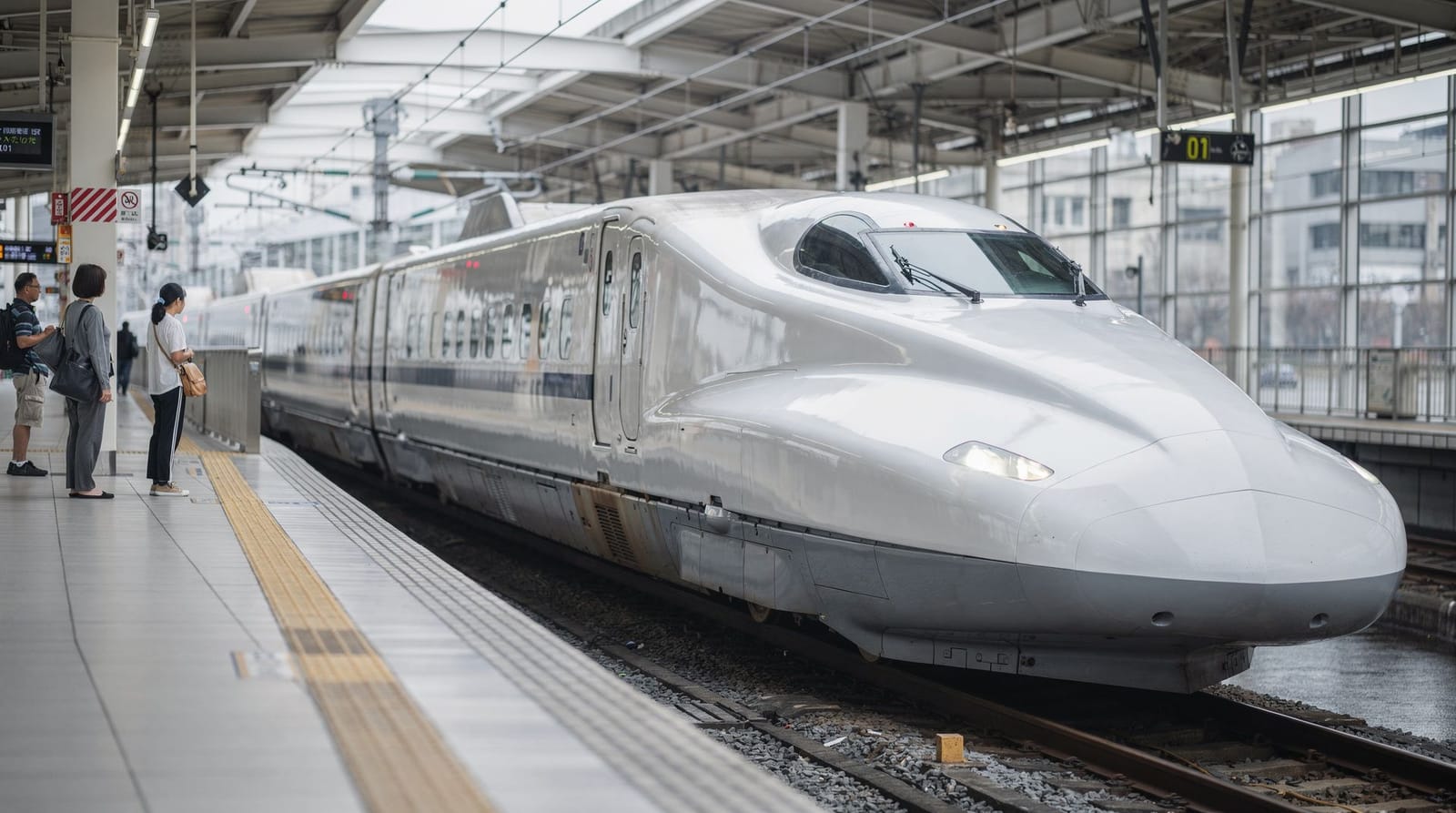
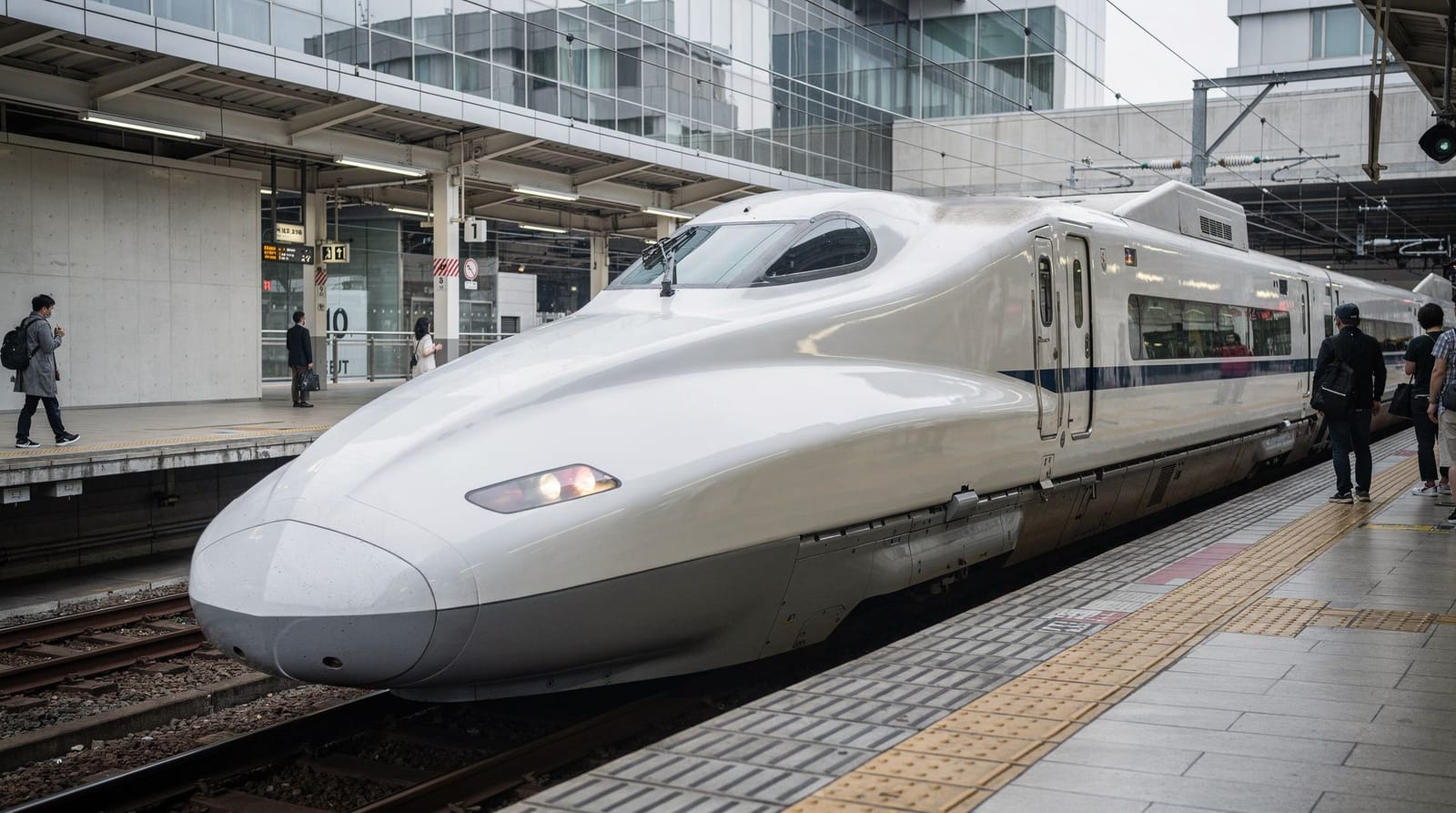
A representative Kyoto-based itinerary with day trips to Nara (¥720 each way by JR), Himeji (¥2,000-5,000 each way depending on route and Shinkansen use), and one Tokyo-Kyoto round trip on Nozomi (roughly ¥28,000-30,000 total, though Nozomi isn’t pass-eligible) adds up to roughly ¥35,000-40,000 in JR fares across a week — still under the ¥50,000 pass price even before accounting for the fact that the Tokyo-Kyoto leg on Nozomi wouldn’t be covered by the pass anyway (pass holders would need the slower Hikari, changing the comparison further). For a Kyoto-only trip without a Tokyo leg — day trips to Nara, Uji, Fushimi, and Osaka only — JR fares typically total well under ¥10,000 for a week, making the pass a clear loss.
When the JR Pass does pay off
The pass becomes genuinely worthwhile on itineraries covering Tokyo, Kyoto, and at least one more distant city — Hiroshima, Kanazawa, or a return leg to a different Tokyo-area airport — within the pass’s validity window. A Tokyo-Kyoto-Hiroshima-Tokyo loop, for instance, involves roughly ¥14,000-15,000 (Tokyo-Kyoto, Hikari) plus ¥11,000-12,000 (Kyoto-Hiroshima) plus a similar return leg, totaling ¥50,000-55,000 in one-way fares alone before any day trips — at that point, a 7-day pass clearly wins. The Tokyo to Kyoto guide covers the specific Nozomi-versus-Hikari trade-off that changes this calculation further.
Regional alternative: JR West Kansai Mini Pass
For trips that stay within the Kansai region — Kyoto, Osaka, Nara, Kobe, Himeji — JR West’s Kansai Mini Pass covers unlimited rides on JR lines within that area (excluding the Shinkansen) for a set number of days at a fraction of the nationwide pass’s cost. It’s the more sensible pick for a Kyoto-based trip with several day trips planned but no long-distance Shinkansen leg to Tokyo or beyond.
JR West: Kansai Mini Pass — unlimited regional JR rides for Kyoto, Osaka, Nara, and Kobe day tripsRegional alternative: Kansai Wide Area Pass
JR West’s Kansai Wide Area Pass extends further than the Mini Pass, covering a broader radius that includes Himeji, Kinosaki, Wakayama, and — importantly — the Haruka airport train between Kansai Airport and Kyoto, plus limited use of the Sanyo Shinkansen between Shin-Osaka and Okayama. For a trip combining the airport transfer with several day trips including Himeji, this pass often replaces both a separate Haruka ticket purchase and individual day-trip fares in one product.
Kansai: Wide Area Rail and Bus Pass — covers the Haruka airport transfer plus Himeji, Kobe, and Nara day tripsWhat the JR Pass doesn’t cover, and why that matters for Kyoto
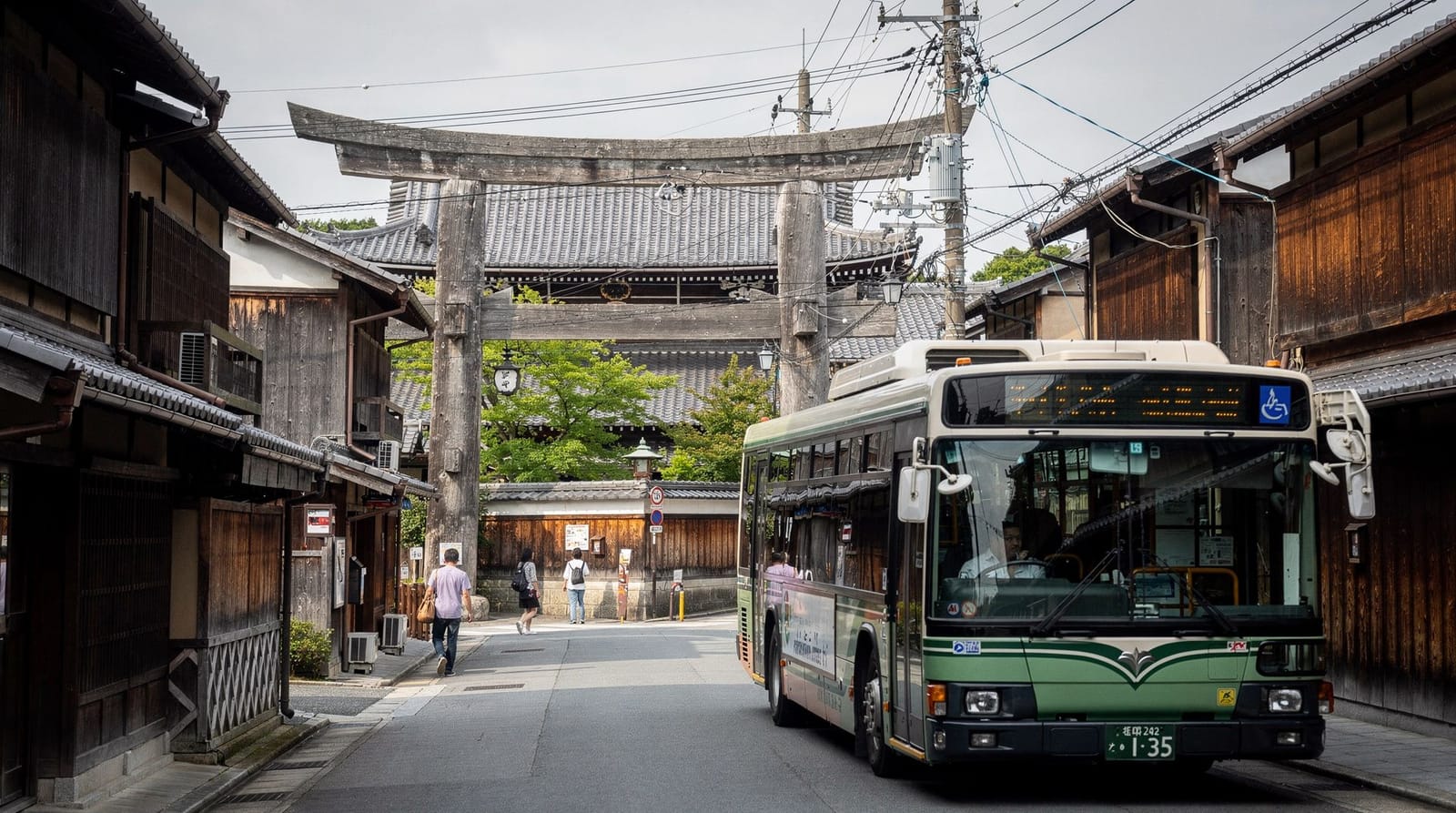
The JR Pass covers JR-operated lines only — it does not cover Kyoto’s city buses, the Kyoto subway, or private rail lines like Keihan, Hankyu, or Randen, all of which handle the bulk of day-to-day sightseeing transport within Kyoto itself, as covered in the getting around Kyoto guide. This is a common point of confusion: buying a JR Pass doesn’t reduce the need for an Icoca IC card for local Kyoto transport, since the pass and local transport are largely separate systems.
Where to buy: official channels only
JR Passes should be purchased only through JR Group’s official website or authorized resellers listed on that site — a handful of third-party sites and marketplace listings have sold invalid or overpriced passes to travelers unfamiliar with the official process, particularly in the period immediately following the 2023 price change when confusion about correct pricing was highest. If a listed price looks significantly different from the official rates quoted above, it’s worth double-checking against JR Group’s own site before paying.
How to activate and use the pass correctly
The JR Pass is exchanged for a physical or digital pass at a JR Travel Service Center (available at major stations including Kyoto Station and Kansai Airport) using an exchange order or, increasingly, a QR-code-based digital pass requiring no physical exchange at all. Once activated, it’s used by showing it at staffed gates (not the automatic ticket gates most local trips use) or, for the newer digital versions, tapping directly. Seat reservations for Hikari or Kodama services can be made for free at any JR ticket counter using the pass, worth doing during peak travel periods to guarantee a seat.
Calculating your own break-even point
The reliable way to decide is a simple exercise: list every JR-operated long-distance leg planned for the trip (not local city transport), look up the individual one-way fare for each, sum them, and compare the total against the pass price for the matching trip duration. If the total comes in under the pass price — which is increasingly common post-2023 for anything short of a genuine multi-city Japan tour — buy individual tickets or a regional pass instead. This calculation takes 10-15 minutes with official JR fare tables and reliably beats defaulting to a blanket “just get the JR Pass” recommendation.
Digital JR Pass versus the exchange-order paper pass
JR Group has rolled out a QR-code-based digital JR Pass alongside the traditional paper pass exchanged from a voucher, and where available, the digital version removes the need to queue at a JR Travel Service Center on arrival, since it’s activated and used directly from a smartphone at compatible gates. Not every station gate supports the digital pass yet, so some travelers still end up showing it to staff at a manned gate rather than tapping through automatically — worth expecting rather than assuming full digital-gate coverage everywhere on a first trip.
Seat reservations with a JR Pass: how they actually work
A JR Pass doesn’t automatically reserve seats — it covers the fare, and a separate, free reservation still needs to be made at a ticket counter or via JR’s official app for any train where a guaranteed seat matters (peak periods, a specific train time, traveling as a group wanting to sit together). Skipping the reservation step and simply boarding an unreserved car works fine outside peak periods, but during Golden Week, Obon, or New Year, unreserved cars fill fast, and pass holders without a reservation risk standing for a multi-hour ride.
A Kyoto-only trip: skip the JR Pass
For a trip that never leaves the Kansai region — Kyoto as a base with day trips to Nara, Uji, Fushimi, Osaka, and perhaps Himeji or Kobe — the nationwide JR Pass essentially never pays off under 2026 pricing. An Icoca IC card for local transport plus, if day trips justify it, the Kansai Mini Pass or Wide Area Pass covers the same ground for a fraction of the cost. See the Kansai Thru Pass guide for a comparison against the JR-focused regional passes, since the Thru Pass covers a different (non-JR) set of lines that may suit a Kyoto-Osaka-Nara-Kobe itinerary even better.
A Tokyo-plus-Kyoto trip: run the numbers before buying
For the common two-city Tokyo-and-Kyoto itinerary without a third distant city, the pass is a close call that usually loses. A round trip on Nozomi (not pass-covered) costs roughly ¥28,000-30,000 total; the same round trip on Hikari (pass-covered) costs a similar fare bought individually. Since a 7-day pass runs roughly ¥50,000, it only wins if enough additional JR travel — day trips from Tokyo, day trips from Kyoto, or a third city — pushes the individual-ticket total past that threshold within the pass’s 7-day window.
Regional JR passes beyond Kansai worth knowing about
JR West and other regional JR companies sell a range of area-specific passes beyond the two Kansai options covered above — a Kansai-Hiroshima pass extending coverage west to include the Sanyo Shinkansen and Hiroshima-Miyajima area, and various single-region passes for Hokuriku, Sanin, or Shikoku. For a Kyoto-based trip that adds Hiroshima and Miyajima as a single extended day trip or overnight rather than a full multi-city loop, a Kansai-Hiroshima-style regional pass often lands in the useful middle ground between the narrow Kansai Mini Pass and the expensive nationwide pass, worth pricing out specifically if Hiroshima is the only distant addition to an otherwise Kansai-based itinerary.
Multi-city Japan trips: where the pass shines
For itineraries genuinely covering three or more distant cities — Tokyo, Kyoto, Osaka, Hiroshima, or further afield to Kanazawa or Nagano — within a single continuous window, the nationwide JR Pass consistently pays off, since long-distance Shinkansen fares add up quickly and the pass’s flat price stops scaling once activated. This is the scenario the pass remains genuinely well-suited to, even post-price-increase, and where most of the pass’s remaining strong recommendations online correctly apply.
Children’s pricing and family calculations
JR Passes are discounted for children aged 6-11 (roughly half the adult price across all durations), and children under 6 travel free without needing a pass at all when accompanied by a paying adult, up to a limit of two free children per adult with a valid ticket or pass. For a family of four (two adults, two children aged 6-11) doing the Tokyo-Kyoto-Hiroshima loop described above, the combined pass cost still needs to clear the equivalent combined individual-ticket total — running the same break-even calculation per family member, rather than assuming the pass is automatically worthwhile because a family is traveling together, remains the reliable approach.
Is the Green Car (first class) pass worth the upgrade?
Green Car passes cost meaningfully more than the ordinary pass across all durations — commonly ¥10,000-15,000 more for a 7-day pass — for a wider seat, more legroom, and a quieter car. For most travelers on a Kyoto-focused itinerary with only a handful of shinkansen legs, the upgrade rarely pays for itself in comfort value versus simply buying an ordinary reserved seat individually when needed. It’s worth considering only for travelers already committed to a multi-city pass itinerary who specifically value the extra comfort across several long rides.
Common mistakes when buying a JR Pass
The most frequent mistake is buying a nationwide pass for a trip that, on inspection, never leaves the Kansai region — a pattern still common because of pre-2023 advice recommending the pass by default. A second is forgetting that Nozomi and Mizuho aren’t covered, then either paying an unexpected fare difference at the gate or being turned away and needing to wait for the next Hikari. A third is activating the pass on a day with no long-distance travel planned, wasting one of the pass’s fixed validity days on a day that would have cost nothing in JR fares anyway — activating on the day of the first genuine long-distance leg, not the day of arrival in Japan, avoids this.
JR Pass versus flying for the Hiroshima leg specifically
For travelers weighing whether to fly or take the shinkansen from Kansai to Hiroshima as part of a multi-city itinerary, the shinkansen (Hikari or the pass-excluded Nozomi/Sakura equivalents on the Sanyo line) generally wins on total door-to-door time once airport transfers are factored in, mirroring the Tokyo-Kyoto comparison in the Tokyo to Kyoto guide. This reinforces the case for the nationwide pass specifically on itineraries that already include a Hiroshima or further-west leg, since it bundles this comparison in with the rest of the trip’s rail travel.
Whichever way the JR Pass math comes out, it only covers long-distance rail — day-to-day spending in Kyoto still needs its own plan, covered in the Kyoto travel budget guide.
Frequently asked questions about the JR Pass for Kyoto
How much does the JR Pass cost in 2026?
A 7-day ordinary pass runs approximately ¥50,000 (US$335), a 14-day pass approximately ¥80,000 (US$535), and a 21-day pass approximately ¥100,000 (US$665). Verify current pricing on JR Group’s official site before buying.
Does the JR Pass cover the Nozomi shinkansen?
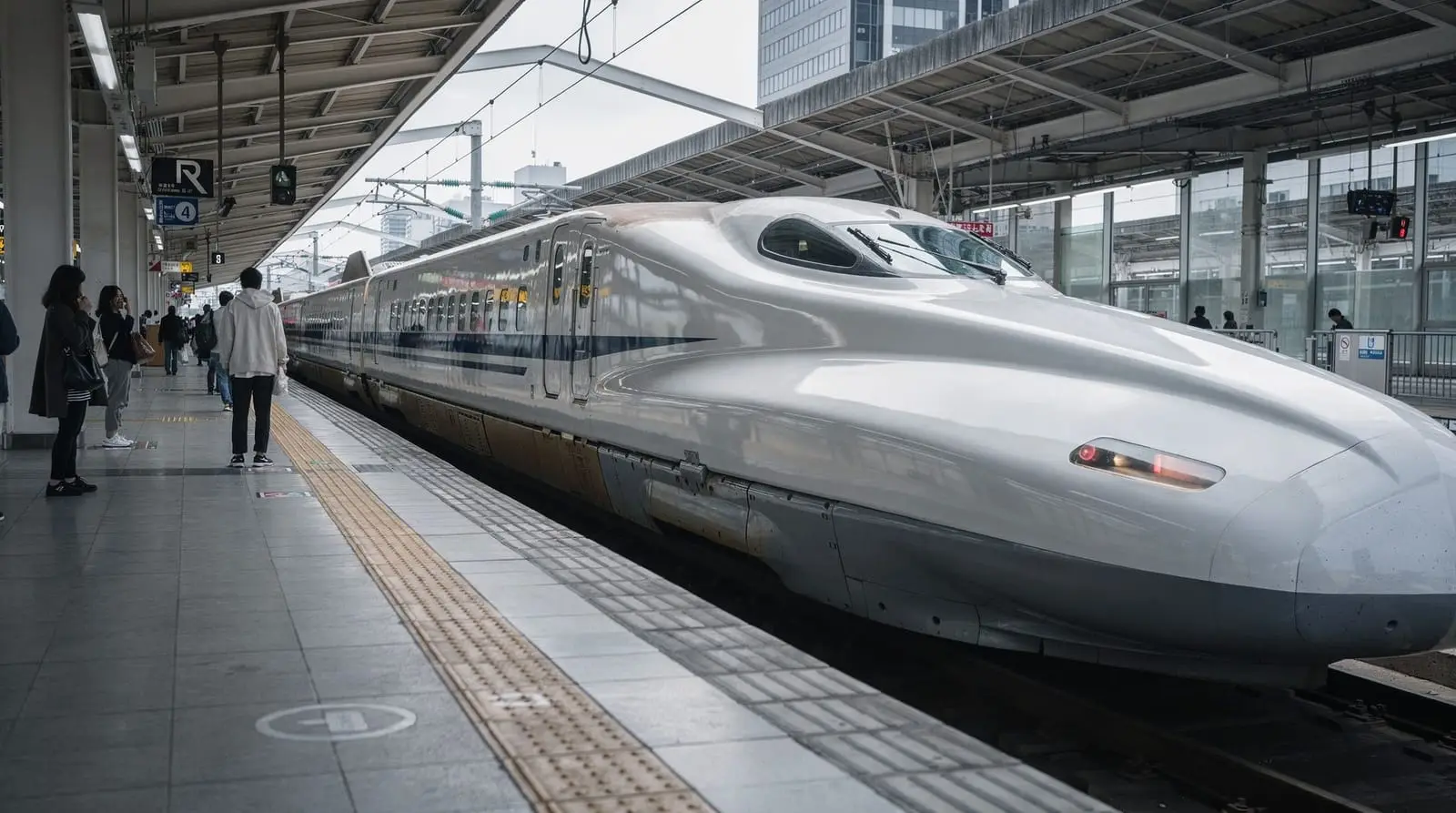
No. The pass excludes Nozomi and Mizuho, covering only Hikari and Kodama, which adds roughly 25-30 minutes to a Tokyo-Kyoto journey.
What’s the difference between the nationwide JR Pass and regional Kansai passes?
The nationwide pass covers JR lines nationally at a correspondingly high price; regional passes like the Kansai Mini Pass or Wide Area Pass cover only Kansai JR lines at a fraction of the cost, better suited to Kyoto-based trips.
How do I calculate whether the JR Pass pays off for my trip?
Sum the individual JR fares for every long-distance leg planned, and compare against the pass price for your trip length. If individual fares total less, skip the pass.
Can I buy the JR Pass in Japan, or only before arrival?
Both — pricing is now the same whether bought online in advance, at a JR Travel Service Center in Japan, or through an authorized agent, removing the previous pre-departure discount incentive.
Is there a JR Pass specifically for Kansai or Kyoto only?
Not called a “JR Pass,” but JR West sells regional passes — the Kansai Mini Pass and Kansai Wide Area Pass — covering Kansai specifically at Kansai-appropriate prices.
Does the JR Pass cover Kyoto’s local buses and subway?
No. The pass covers JR-operated lines only, not Kyoto’s city buses, subway, or the private Keihan, Hankyu, and Randen lines, all of which need separate fares or an Icoca IC card.
Does the JR Pass cover the Haruka airport train to Kyoto?
Yes, a valid nationwide JR Pass covers Haruka at no extra cost. If your itinerary doesn’t otherwise justify a nationwide pass, the JR West Kansai Wide Area Pass also covers Haruka at a much lower price and is the better fit for a Kansai-only trip.
Is the JR Pass cheaper for children?
Yes — children aged 6-11 pay roughly half the adult pass price, and children under 6 travel free with an accompanying adult, up to two free children per paying adult.
Frequently asked questions about Is the JR Pass worth it for Kyoto? A real cost breakdown
How much does the JR Pass cost in 2026?
Does the JR Pass cover the Nozomi shinkansen?
What's the difference between the nationwide JR Pass and regional Kansai passes?
How do I calculate whether the JR Pass pays off for my trip?
Can I buy the JR Pass in Japan, or only before arrival?
Is there a JR Pass specifically for Kansai or Kyoto only?
Top experiences
Bookable activities with verified prices and instant confirmation on GetYourGuide.