Gion Corner guide — is the traditional arts show worth it?
1 Hour Geisha Show in Gion Kyoto
Duration: 1 hour
What exactly do you see at Gion Corner?
A roughly 50-minute stage show covering seven traditional Japanese arts in short segments: tea ceremony, koto (Japanese zither) music, flower arrangement (ikebana), gagaku court music, kyomai (Kyoto-style dance performed by a maiko), kyogen comic theater, and bunraku puppetry. It's a sampler, not a deep dive into any single art — useful for a broad first impression in one sitting, less useful if you already know which of the seven interests you most.
| Price | ¥3,000-4,500 (~$20-30) adults |
| Length | ~50-60 minutes, 7 segments |
| Location | Yasaka Hall (Gion Kaikan) |
| Booking | Advance in spring/autumn; often same-day otherwise |
| Maiko guarantee | No — varies by performance |
Why Gion Corner exists at all
Traditional arts in Kyoto have historically been transmitted through long apprenticeships and small, closed circles of practice — tea ceremony schools, dance lineages tied to specific hanamachi, puppet troupes with their own internal hierarchy — none of which were built with casual public access in mind.
That’s part of what makes Kyoto’s traditional arts scene so rich and also part of what makes it genuinely hard to access as an outsider without either years of study, a personal introduction, or a considerable amount of research into which venues, if any, open their doors to visitors. Gion Corner’s whole premise is collapsing that access problem into a single ticket and a single evening, trading depth for breadth in a way that’s honest about the trade rather than pretending to offer the full version of any one tradition.
A sampler platter, not a tasting menu
Gion Corner has been running in some form since the 1960s, built for exactly the problem a lot of visitors run into: Kyoto has half a dozen traditional arts worth seeing — tea ceremony, dance, puppetry, court music — and no realistic way to book seven separate experiences in a single evening. The venue’s answer is a compressed stage show that gives each tradition a few minutes in front of you, back to back, inside about an hour. Whether that’s the right choice for your trip depends entirely on what you’re actually looking for, which is the honest question this guide tries to answer rather than just describing the seating chart.
What’s actually on the program
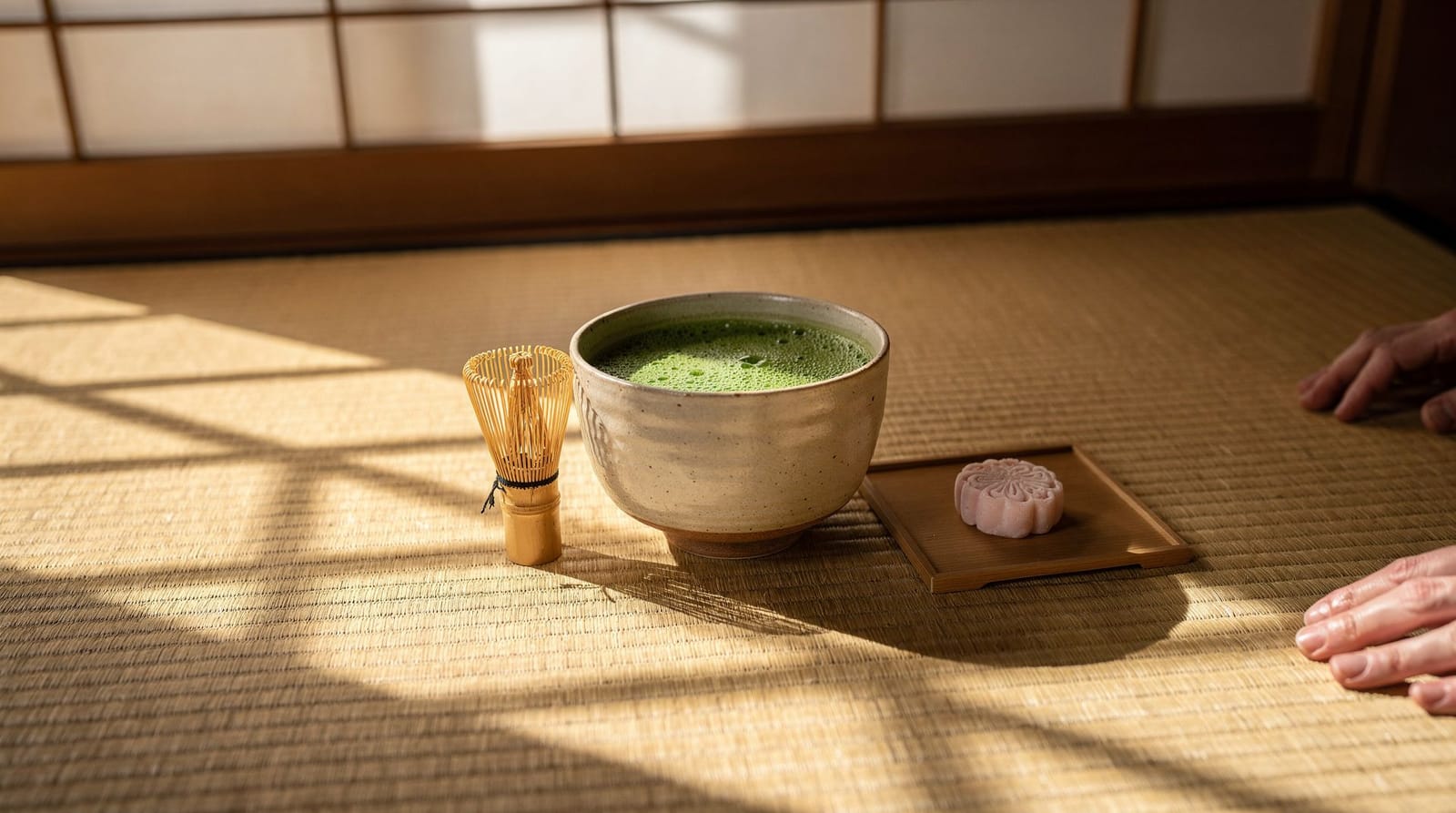
The standard Gion Corner show runs through seven segments. A brief tea ceremony (chado) demonstration shows the formal movements of preparing and serving matcha, though without audience participation or the extended ritual pacing of a full ceremony — for that, see the tea ceremony guide. A koto performance features the 13-string zither that’s one of Japan’s most recognizable traditional instruments. An ikebana segment demonstrates flower arrangement principles, usually with a completed arrangement shown rather than the full working process.
Gagaku, Japan’s ancient court music and dance, appears in a short excerpt — genuinely rare to see outside a handful of formal contexts, which is one of the show’s stronger draws. Kyomai, Kyoto-style traditional dance, is performed in full costume and is the segment most directly connected to the geisha-culture tradition covered in the Gion geisha guide. Kyogen, a comic theatrical form performed between noh plays, offers a short, broadly accessible sketch that doesn’t require Japanese fluency to follow. And bunraku, traditional puppet theater with visible puppeteers manipulating large, expressive puppets, closes out or appears mid-program depending on the night.
The maiko question, honestly
The kyomai segment is the part most visitors specifically come for, expecting to see a working maiko perform. Whether that’s what you get varies. Some performances feature maiko from Kyoto’s actual hanamachi system, dancing the same kyomai repertoire they’d perform at a private ochaya booking. Others feature professional dancers trained in the same style but without an active affiliation to an okiya — skilled, but not the same thing as a maiko in training.
Gion Corner doesn’t always make this distinction obvious in its marketing, and it’s worth setting expectations accordingly rather than assuming the dancer on stage is necessarily a working apprentice. If seeing a guaranteed, verified maiko specifically is the point of your visit, a dedicated booking — covered in the maiko experience guide — removes that ambiguity entirely.
A brief history of the format
Gion Corner opened in 1962, developed specifically to address the same gap that still exists today: Kyoto had (and has) an unusually dense concentration of intact traditional art forms, most of which require either a private booking, fluency in Japanese, or both, to access as a first-time visitor.
The venue’s founders built a fixed program designed to run nightly, year-round, with English narration or subtitles from early on, aimed as much at domestic Japanese visitors from outside Kyoto as at international tourists. That dual audience is part of why the show reads as broadly educational rather than aggressively commercial — it predates the current tourism boom by decades and was never designed around foreign visitor volume the way some newer geisha-culture products are.
The current iteration runs inside Yasaka Hall (Gion Kaikan), a dedicated theater built for the purpose, with tiered seating giving a clear view of the stage from most positions — a genuine advantage over some smaller venue formats where sightlines to a kneeling tea ceremony demonstration can be poor from anywhere but the front rows.
Honest downsides worth knowing before you book
A few things are worth setting expectations around rather than discovering at the venue. The pacing is fast by design, which means each segment ends just as it starts to get interesting — the tea ceremony demonstration in particular moves through steps that, done properly, take considerably longer than the few minutes allotted here. The audience is a standard theater crowd rather than a small group, so there’s no interactive element with performers the way a private tea ceremony or maiko dinner offers. And because the program is fixed and repeats nightly, repeat visitors to Kyoto who’ve already seen it once won’t find a rotating program that changes their reason to return.
None of this makes Gion Corner a poor choice — it does exactly what it sets out to do, reliably, at a reasonable price — but it’s worth going in understanding it’s a survey course, not an elective in any single subject.
Photography and phone use inside the theater
Photography rules vary somewhat by segment; the venue generally permits photos without flash during most of the show but asks for phones and cameras to be put away during the kyomai dance and tea ceremony segments specifically, out of respect for the performers and the traditions involved. Staff typically make an announcement before segments where photography isn’t permitted, and the rule is enforced more consistently than at some outdoor sightseeing spots, so it’s worth checking your phone is silenced and ready to be put away rather than fumbling with settings mid-performance.
Who this actually suits
Gion Corner works well for a specific kind of visitor: someone with one evening free, genuine curiosity about multiple traditional art forms rather than one in particular, and no strong preference for depth over breadth. It’s also a reasonable choice for families with children who might not sit through a full-length noh play or a two-hour formal tea ceremony but can manage a fast-moving hour of short segments, and for anyone whose schedule simply doesn’t allow for booking separate tea ceremony, dance, and craft experiences on different days.
It suits this kind of visitor less well: anyone who already knows tea ceremony or geisha dance is their real interest and would rather spend a full hour on that one thing; anyone expecting a guaranteed encounter with a working maiko; and anyone hoping for an intimate, small-group atmosphere, since Gion Corner runs as a standard theater seating arrangement for a general audience rather than a private or semi-private booking.
Where to actually buy tickets
Tickets can be bought at the Yasaka Hall box office same-day, subject to availability, or reserved in advance through the venue’s own booking channels or third-party platforms. Buying ahead through a reputable platform is generally worth the small peace of mind during peak season, since it guarantees a seat rather than leaving you to check availability in person after already walking to Gion for the evening. Outside of spring and autumn, walking up on the day is a reasonably safe bet, and it leaves your schedule flexible if plans for the rest of the day shift, which matters more in a city where temple visits and neighborhood walks routinely run longer than expected.
Seat selection and arriving early
Seating is generally unreserved within the ticket tier you buy, meaning earlier arrival gets a better view, particularly for the tea ceremony and ikebana segments, which are performed at floor level and are harder to see clearly from the back of the theater than the standing dance and puppet segments.
Arriving 15-20 minutes before showtime is generally enough to get a reasonable seat outside of peak season; during cherry blossom or autumn foliage weeks, arriving closer to 30 minutes early is safer given the higher overall demand for anything in Gion during those windows. Premium or reserved seating is sometimes available at a modest surcharge depending on how tickets are purchased, worth checking if a guaranteed clear sightline matters more to you than the base price.
Language and narration
Segments are introduced with English narration or subtitles alongside the Japanese, which is one of the reasons Gion Corner has remained a reliable choice for international visitors for decades rather than requiring a guide to translate in real time.
The narration explains the historical background of each art form briefly before the performance begins — useful context if you’re going in with limited prior knowledge of, say, what distinguishes gagaku from more familiar Japanese music, or why kyogen developed as comic relief between formal noh performances rather than as a standalone tradition. It’s not a deep scholarly treatment, consistent with the show’s overall pace, but it’s enough to follow what you’re watching without needing to have researched each art form beforehand.
What each segment is actually good for
Breaking down the seven segments by what they’re each worth watching for: the gagaku court music excerpt is the hardest to see anywhere else in Kyoto outside a handful of shrine ceremonies, making it arguably the single most valuable segment in the whole program for a visitor who won’t have another chance to encounter it. The bunraku puppet segment, similarly, offers a condensed look at a tradition that otherwise requires a dedicated, much longer theater booking (bunraku’s full-length performances run for hours) to see properly.
The tea ceremony and ikebana segments are the two most worth skipping in favor of a dedicated booking if either genuinely interests you, precisely because Kyoto has so many accessible, better options for both — again, see the tea ceremony guide for the fuller version. The kyomai dance and kyogen comic theater segments sit in between: enjoyable as presented, but each also available in longer, dedicated formats elsewhere in the city if the sampler leaves you wanting more.
What it costs and how to book
Tickets run roughly ¥3,000-4,500 (about $20-30) for adults, with reduced pricing for children, putting it well below the cost of most single dedicated geisha-culture bookings and considerably below a maiko dinner. Showtimes are limited — typically one or two performances per evening rather than a continuous schedule — so checking current times before planning your evening around it matters more than for most Kyoto attractions. Advance booking is worth doing during spring cherry blossom season and autumn foliage season, when demand across all of Gion’s traditional arts offerings rises; the rest of the year, same-day tickets are often available at the door.
Better alternatives if you want more than a sampler
If tea ceremony is the segment that actually interests you, a dedicated booking gives you the full ritual rather than a five-minute demonstration — the tea ceremony guide covers where to book an authentic session with proper pacing and, often, the chance to prepare tea yourself rather than only watch.
If geisha dance and the broader hanamachi tradition is the draw, a full one-hour geisha show in Gion gives the dance segment the entire runtime instead of a few minutes within a seven-part program, generally with a smaller, more focused audience setting.
For something that folds a Gion Corner-style breadth into a fuller evening rather than a single theater sitting, a Gion cultural walk with geisha show and dining options combines a guided walk through the district’s streets with a performance and a meal, giving more context around the show itself than a standalone theater ticket does.
And if a hands-on traditional craft is closer to what you actually want rather than a seated performance, a Japanese calligraphy class and the wider options in the traditional crafts guide offer an active alternative to watching from a theater seat.
How it compares to booking each art form separately
For a visitor weighing whether to spend one evening at Gion Corner versus spreading the same seven interests across separate bookings over several days, the honest trade-off is time against depth. A full trip built around individual bookings — a proper tea ceremony session, a dedicated geisha dance show, a calligraphy or pottery workshop for the craft angle, perhaps a shrine visit timed around a rare gagaku performance — would easily take three or four separate outings and cost several times more in total than a single Gion Corner ticket, but each individual experience would run considerably longer and go deeper than its five-to-ten-minute counterpart on the Gion Corner stage.
For a first visit to Kyoto with limited time, Gion Corner functions well as a way to figure out which of the seven traditions is actually worth returning for on a longer trip — treat it as a menu you’re sampling rather than the full meal, and use whichever segment held your attention most as the guide for what to book properly next time, whether that’s a session covered in the tea ceremony guide, the maiko experience guide, or the traditional crafts guide.
Combining Gion Corner with the rest of the evening
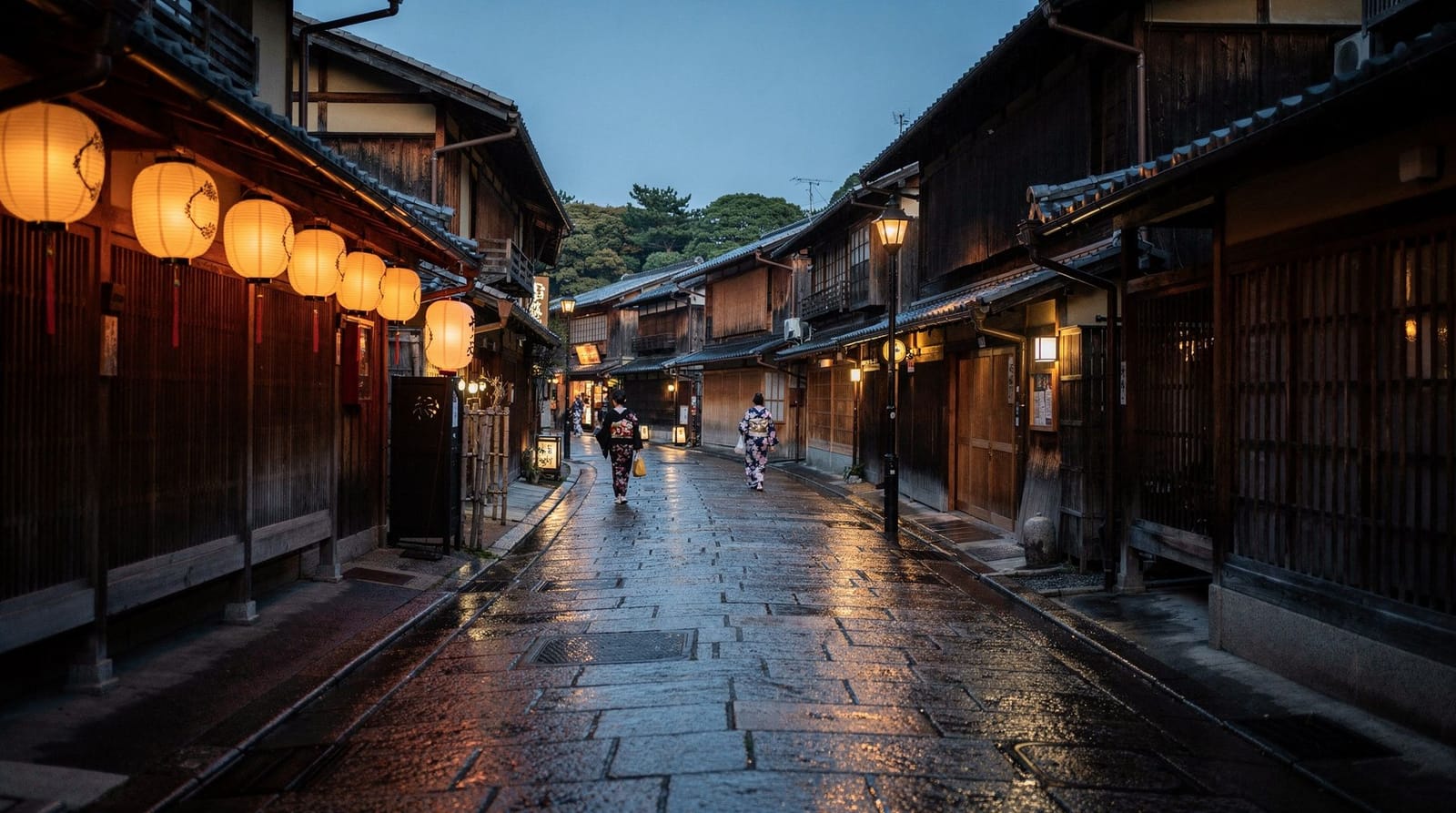
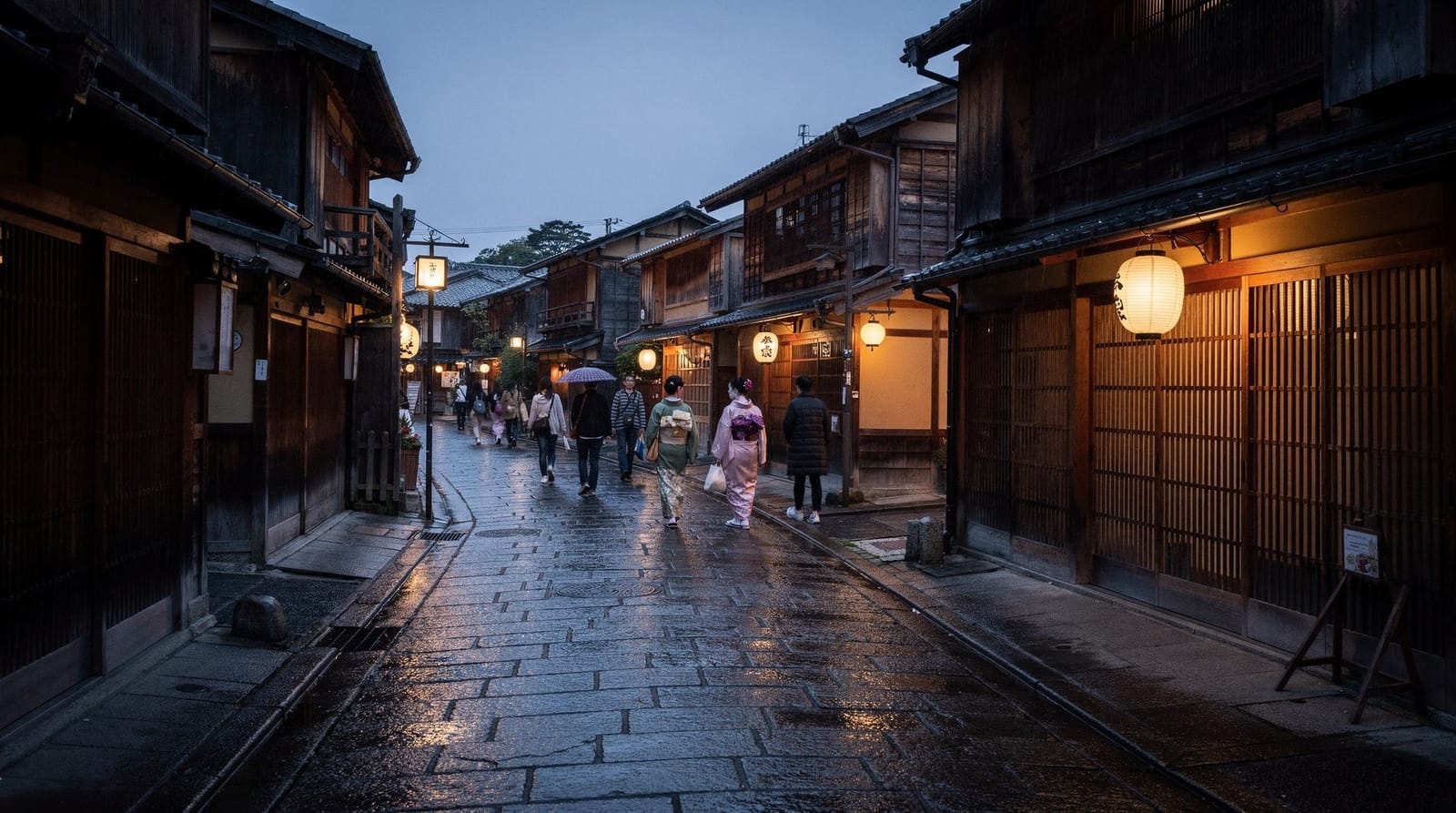
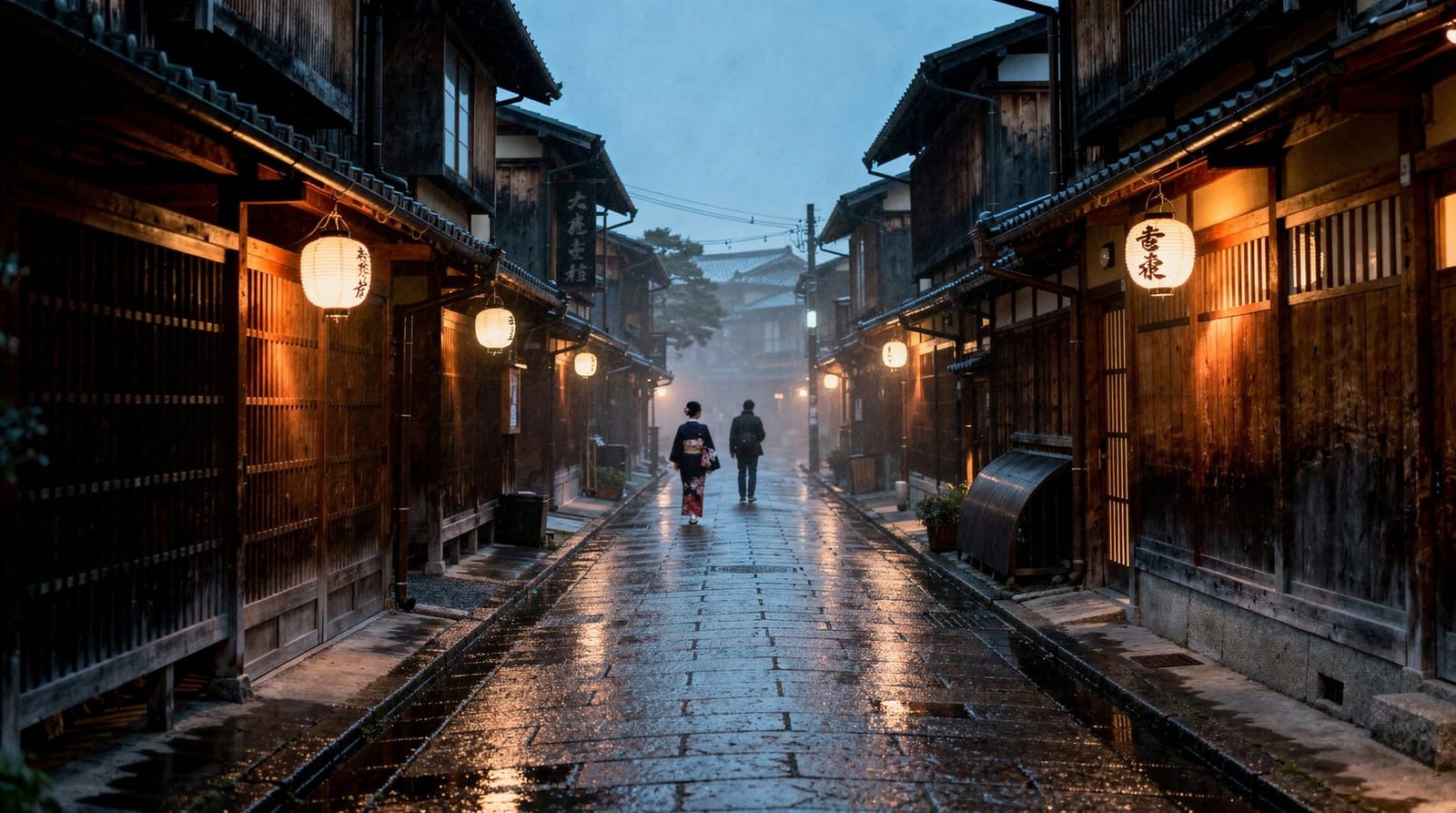
Yasaka Hall, home to Gion Corner, sits within easy walking distance of both Gion and Higashiyama, which makes the show easy to slot into a broader evening rather than a standalone trip. A common pattern is an afternoon in Higashiyama’s temple lanes, an early-evening walk through Gion’s streets during the window when a maiko or geiko sighting is most plausible, dinner, and then the show itself as a nightcap before heading back to your accommodation — the show’s modest length and fixed showtime make it easy to build a schedule around rather than the centerpiece that requires the rest of the evening to work around it.
Who runs the show, and how it’s stayed consistent for decades
Gion Corner is operated by Yasaka Kaikan in partnership with local arts organizations representing each of the seven traditions on stage, a structure that’s helped keep the program stable and reliably staffed with trained performers rather than a rotating cast of freelancers assembled purely for tourist demand. This institutional backing is part of why the show has run continuously since 1962 with only the pandemic-era closures as a real interruption, and it’s a meaningful point of difference from newer, privately run “cultural experience” shows that have appeared in Kyoto more recently without the same longstanding ties to the specific arts organizations they claim to represent.
Attending solo versus with a group
Gion Corner’s fixed theater seating makes it one of the more solo-traveler-friendly evening activities in Kyoto’s traditional-arts category, since there’s no group-size minimum, no shared-table dining component, and no awkwardness in booking a single seat the way there might be for a private ochaya booking or a small-group dinner experience. Couples and families find the format equally straightforward, with children generally managing the fast pace better than a longer, single-focus performance would ask of them.
The one group dynamic worth planning around is peak-season seating: since seats are unreserved within a ticket tier, a solo traveler arriving 15 minutes early gets essentially the same sightline options as a family arriving together, but a larger group hoping to sit as a block should factor in slightly earlier arrival to avoid being split across rows during a sold-out spring or autumn evening.
Frequently asked questions about Gion Corner guide — is the traditional arts show worth it?
Is the maiko at Gion Corner a real, working maiko?
How much does a Gion Corner ticket cost?
How long is the Gion Corner show?
Is Gion Corner touristy?
What's the difference between Gion Corner and a geisha show?
Where is Gion Corner and how do you get there?
Top experiences
Bookable activities with verified prices and instant confirmation on GetYourGuide.