Gion geisha evening tour review — what you'll actually see
Kyoto: Gion Geisha District Walking Tour - Stories of Geisha
Duration: 2 hours
What Gion actually is, versus what tourists expect
Quick answer: a Gion geisha evening walking tour costs roughly ¥3,500-6,000 ($23-40) per person and is genuinely about the neighborhood’s history and architecture, with a possible geiko or maiko sighting as a bonus rather than a guarantee. If you want a guaranteed geisha encounter and performance, book a dedicated geisha dinner or show instead, which costs considerably more.
| Where | Gion, Hanamikoji-dori and surrounding lanes |
| Cost | Around ¥3,500-6,000 / $23-40 per person (walking tour) |
| Time needed | About 2 hours |
| Getting there | Walkable from Higashiyama and Kiyomizu-dera |
| Best time | 5:30-7pm for the best sighting odds and lantern light |
Gion is a real, functioning neighborhood where geiko (Kyoto’s term for geisha) and maiko (their apprentices) live, train, and work — not a themed attraction built for tourists. This distinction matters because it shapes what any evening tour can honestly promise: atmosphere, history, and a genuine chance of glimpsing a geiko or maiko en route to an actual professional engagement, but never a guaranteed sighting or interaction, since these are working professionals with real schedules, not performers on a fixed tourist timetable.
The Gion Geisha District walking tour — stories of geisha is representative of the honest format: roughly two hours walking Hanamikoji-dori and the surrounding lanes at early evening, when sighting odds are highest, with a local guide explaining the district’s history and geiko culture rather than promising an encounter the guide can’t control.
Why early evening is when these tours run
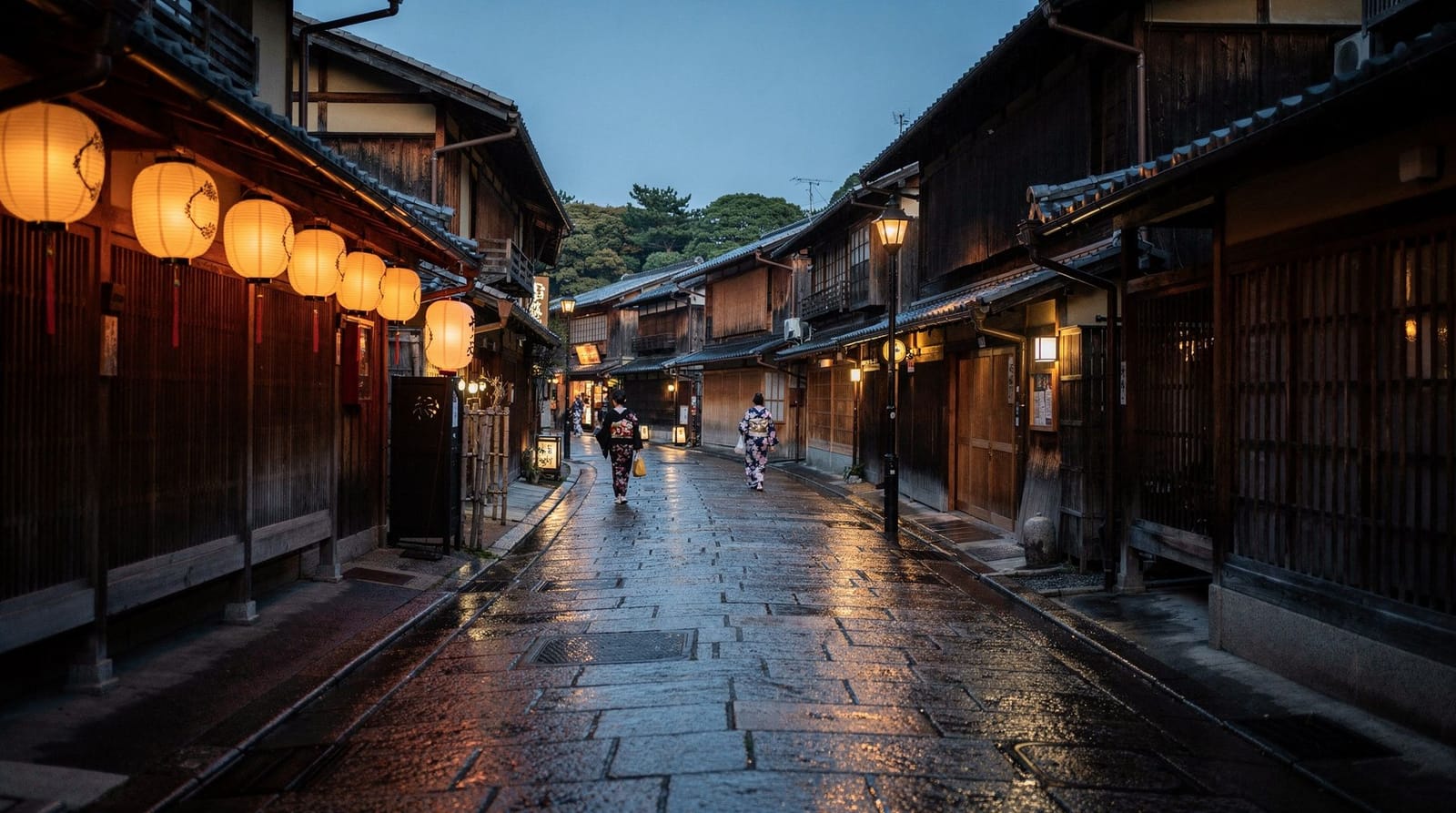
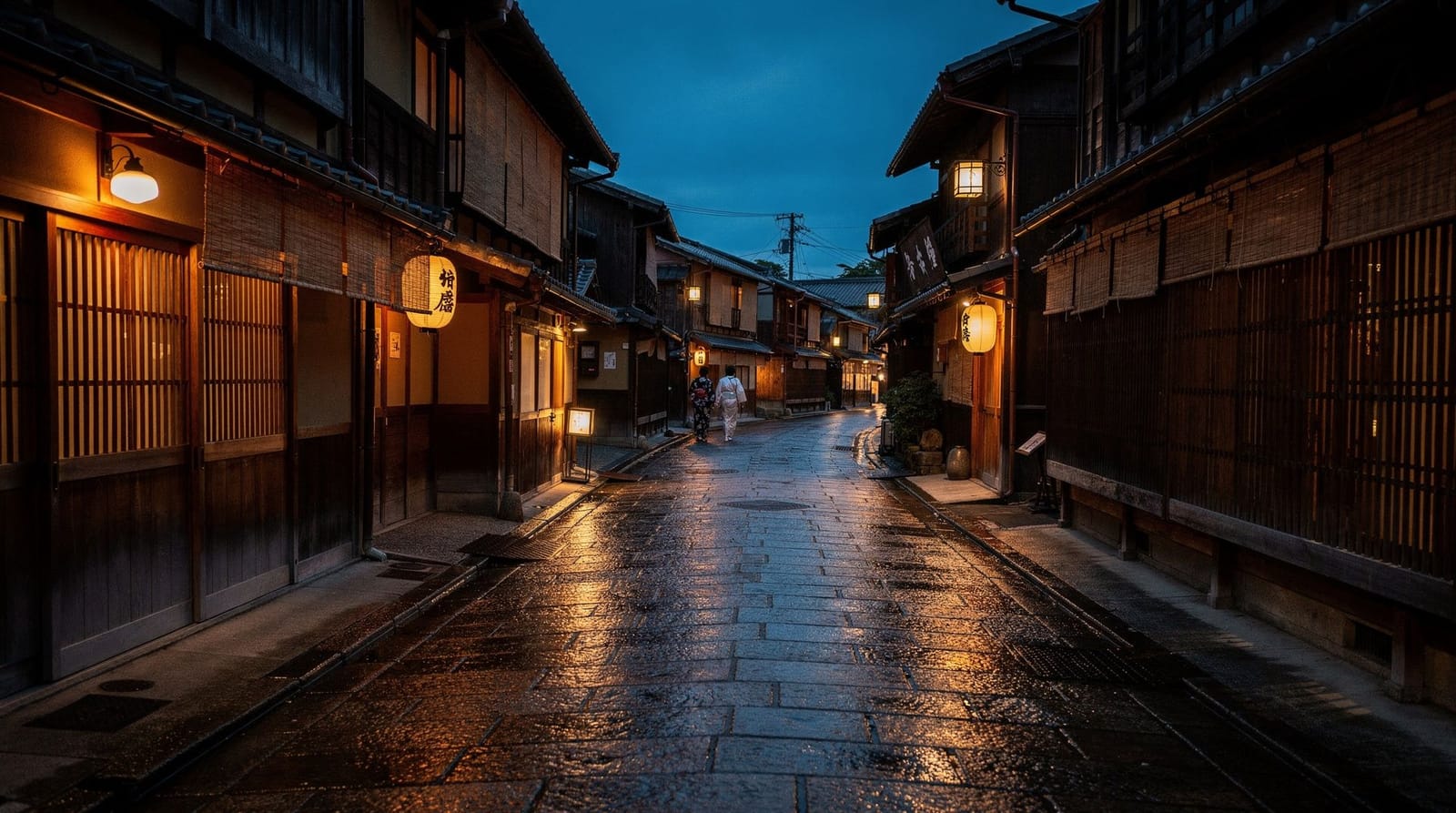
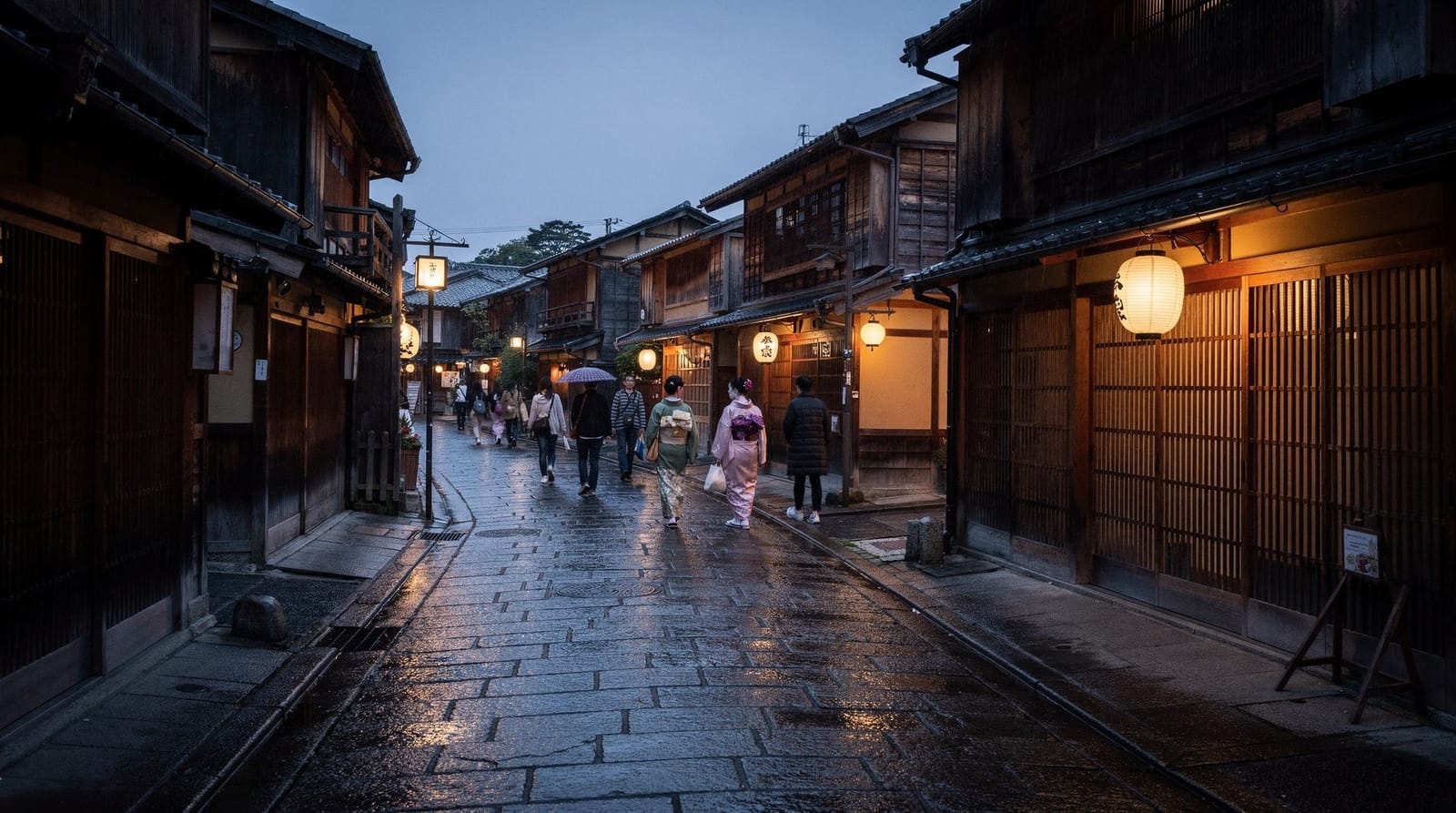
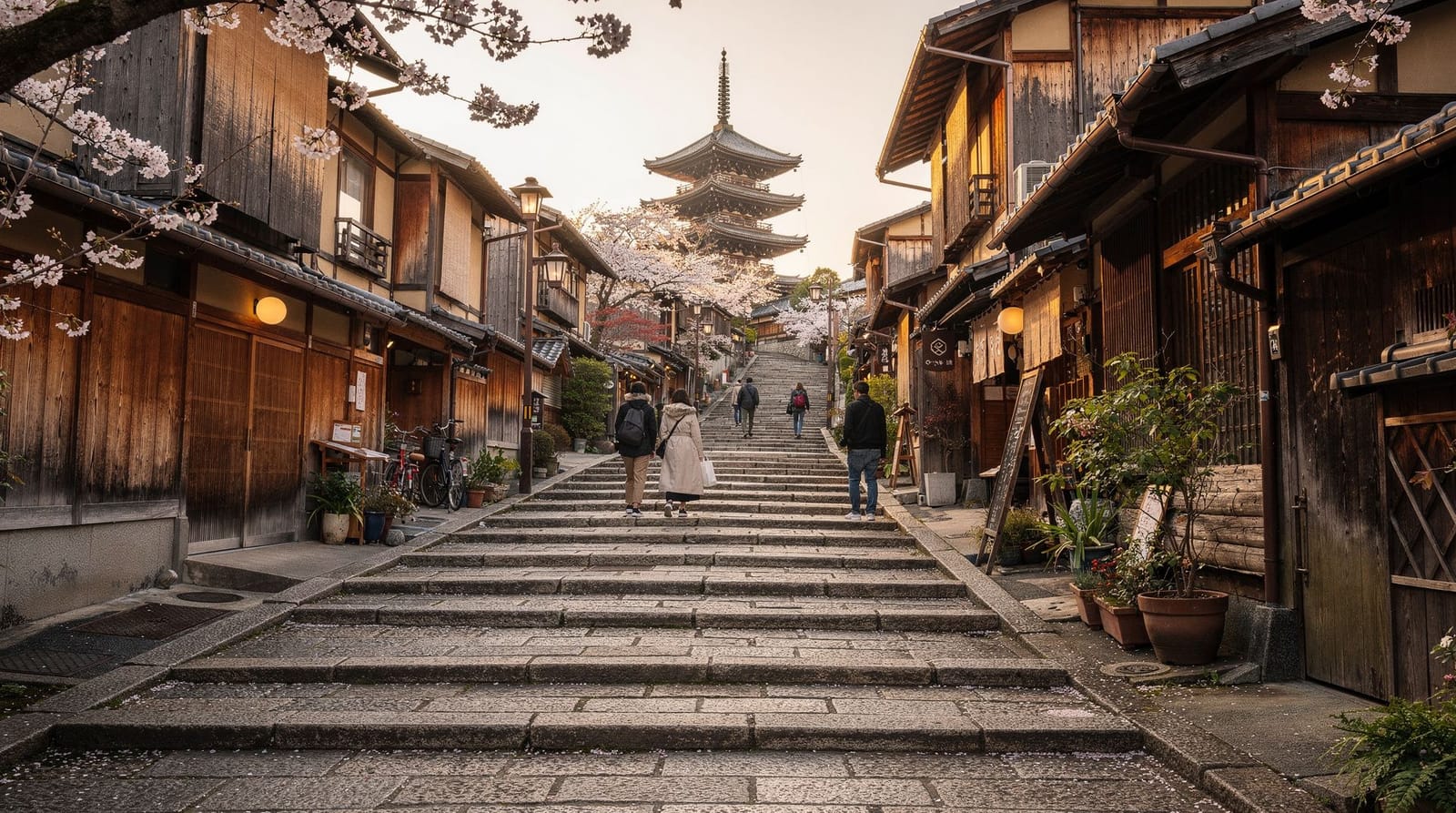
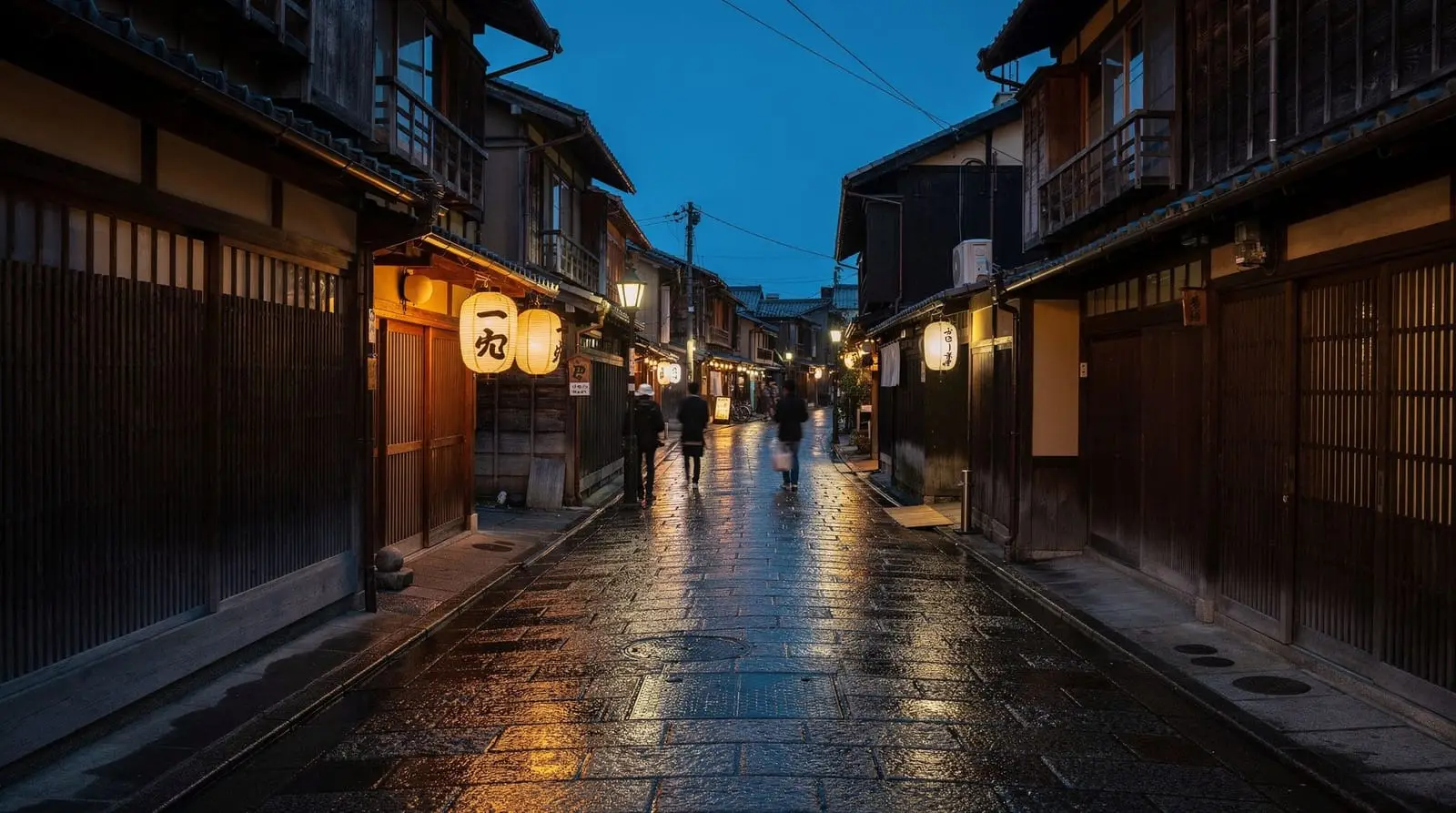
Roughly 5:30pm to 7pm is the practical window when geiko and maiko are most often seen moving briskly between appointments, typically heading to exclusive ochaya teahouses that tourists cannot enter. This is also when Gion’s wooden machiya streetscape looks best, with lanterns lit and the lattice-windowed teahouse facades catching evening light. A guide’s real value in this window is knowing the specific lanes with the best sighting odds and reading the architectural details — the distinctive koshi lattice windows that once signaled a teahouse’s status, for instance — that are easy to walk past without noticing.
The photography and etiquette issue you need to know before booking
Kyoto City has enforced photography restrictions on certain private lanes in Gion, including parts of Hanamikoji and the Shinbashi area, specifically because tourist behavior toward geiko and maiko — blocking their path, grabbing at kimono, demanding photos — became a genuine problem serious enough to warrant fines.
This is one of the more concrete reasons a guided tour is worth the modest cost even for budget-conscious travelers: a local guide steers you away from restricted lanes and models the respectful distance expected, without you needing to research fine-print local ordinances yourself. Read the Kyoto etiquette guide regardless of whether you book a tour, since this applies to any independent Gion evening walk too.
Walking tour vs dinner vs show: three different budgets, three different promises
The night walk in Gion, Kyoto’s geisha district and the Gion magical night walking tour and geisha culture both sit in the same category as the stories-of-geisha tour — history, architecture, and atmosphere at a similar price point, with format differences mostly in group size and guide style rather than substance. Compare start times and group size across these three rather than assuming meaningful content differences.
The Geisha dinner and Gion cultural walk is a genuinely different tier — a formal dinner with a maiko or geiko performing dance and hosting games at your table, guaranteed rather than left to chance, priced accordingly (often 3-5 times a walking tour). This is worth booking specifically if a guaranteed, close-up geisha performance and interaction is the priority experience, not a nice-to-have. It is not a better version of the walking tour; it’s a different product entirely, closer to a formal cultural performance than a neighborhood walk.
| Format | Guarantees a sighting? | Typical price tier |
|---|---|---|
| Stories-of-geisha walking tour | No — chance only | Base (¥3,500-6,000) |
| Night walk / magical night walk | No — chance only | Similar to base |
| Geisha dinner and cultural walk | Yes — booked performance | 3-5x the walking tour |
Honest expectations for a walking tour
Go in expecting a genuinely worthwhile history and architecture walk through one of Kyoto’s most atmospheric districts, with a possible — not guaranteed — geiko or maiko sighting. Guides are candid about this when asked directly; be skeptical of any operator implying a sighting is certain, since no one controls a real professional’s schedule. Even without a sighting, Gion’s preserved streetscape, the Yasaka Shrine approach, and the district’s centuries of hanamachi history make the walk worthwhile on its own terms — treat any sighting as a bonus, not the point.
Practical notes
Gion is walkable from Kiyomizu-dera and Higashiyama, making an evening tour here a natural close to an afternoon spent in that area — see the Higashiyama destination guide for how to sequence the two. Wear comfortable shoes for cobblestone lanes and dress modestly; this is a residential and business district, not a theme park, and locals notice disrespectful tourist behavior more here than almost anywhere else in the city given how much of it Gion has dealt with.
The Gion geisha guide covers the district’s broader history if you want deeper background before or after the tour, and the maiko experience guide explains the training path from apprentice to geiko if you want to understand what you might glimpse.
How to tell a real geiko or maiko from a costumed tourist
This is worth understanding regardless of whether you book a tour, since it directly affects how you should behave around anyone you see in traditional dress in Gion. Rental kimono for tourists (covered in the kimono rental review) is styled distinctly from professional geiko and maiko attire in several ways a trained eye catches immediately: maiko wear an elaborately tied, trailing obi sash, thick white makeup with a distinctive red and white lip pattern that changes with seniority, and an elaborate hairstyle using their own hair rather than a wig in most cases, decorated with seasonal kanzashi ornaments.
Geiko (senior professionals) wear simpler, more restrained styling than maiko, generally without the thick white face makeup for daily appointments, and a wig rather than styled natural hair.
Tourist kimono rental, by contrast, uses simpler tied obi bows, no white face makeup, and modern hairstyling rather than the traditional wig or elaborate updo. A guide points out these distinctions in real time, which is genuinely useful — it’s common for first-time visitors to mistake an elaborately dressed rental customer for a real maiko, and understanding the difference helps you know when a genuine sighting is actually happening versus when you’re looking at another tourist.
The economics of becoming a geiko or maiko, briefly
Understanding a small amount about the actual profession adds real depth to a Gion walk. Becoming a maiko typically begins around age 15-20, involves years of live-in training (shikomi) at an okiya (a boarding house/agency), and covers dance, shamisen, tea ceremony, conversation, and traditional games — a genuinely rigorous apprenticeship, not a costume job.
Maiko graduate to geiko status (erikae, literally “turning of the collar”) typically after several years, marking the shift to simpler, more restrained styling. The profession has declined substantially from its peak — Kyoto’s hanamachi districts, Gion included, now support a small fraction of the geiko and maiko population they did a century ago — which is part of why an actual sighting carries real weight rather than being a manufactured tourist spectacle.
The other hanamachi districts beyond Gion
Gion is the most well-known geisha district internationally, but Kyoto historically supported five hanamachi (flower town) districts, and several others still operate today, including Pontocho, a narrow lane running along the Kamo river with its own distinct atmosphere and restaurant scene, and Kamishichiken, Kyoto’s oldest hanamachi, considerably quieter and less tourist-oriented than Gion. A guide with genuine local knowledge will often mention these alternatives, and travelers who’ve already done a Gion evening walk on a previous trip might specifically seek out a Pontocho or Kamishichiken-focused tour instead for a less crowded, more locally textured version of the same general experience.
This matters because Gion’s popularity has a real downside worth naming honestly: it’s the most crowded of the districts specifically because it’s the most famous, and the sheer tourist volume has driven some of the photography restrictions and general local frustration discussed above. A quieter hanamachi district, while offering lower odds of a geiko or maiko sighting simply due to fewer total professionals working there, offers a calmer, arguably more respectful way to experience similar architecture and history without contributing to Gion’s most crowded evening hours.
What to actually wear and bring
Comfortable walking shoes for cobblestone lanes are non-negotiable — Gion’s streets are uneven stone paving, genuinely uncomfortable in anything without real support. Modest, reasonably neutral clothing is appropriate given the district’s residential and business character; this isn’t a formal dress requirement, but standing out as visibly tourist-costumed (beyond an intentional kimono rental) draws more attention than most visitors want in a neighborhood already sensitive to tourist behavior. A small notebook or phone for guide-shared history details is useful if you want to remember specific facts afterward, since a two-hour walk covers considerably more history than most people retain purely by listening.
Pairing this with dinner in the neighborhood
Gion and the adjacent Pontocho lane hold some of Kyoto’s best-regarded restaurants, ranging from affordable yakitori counters to formal, reservation-only kaiseki establishments — a natural pairing for an evening walking tour that ends around dinner time. If you’re booking a walking tour rather than the dinner-inclusive geisha format, consider timing it to finish by 7-7:30pm and having a dinner reservation lined up nearby rather than wandering afterward hoping to find a table, since Gion’s better restaurants fill up fast on evenings during peak travel seasons.
See the kaiseki dining guide if a formal multi-course dinner is part of your plan for the evening — booking that reservation well ahead matters considerably more than booking the walking tour itself, which generally has more same-day flexibility.
Weather and seasonal considerations for an evening walk
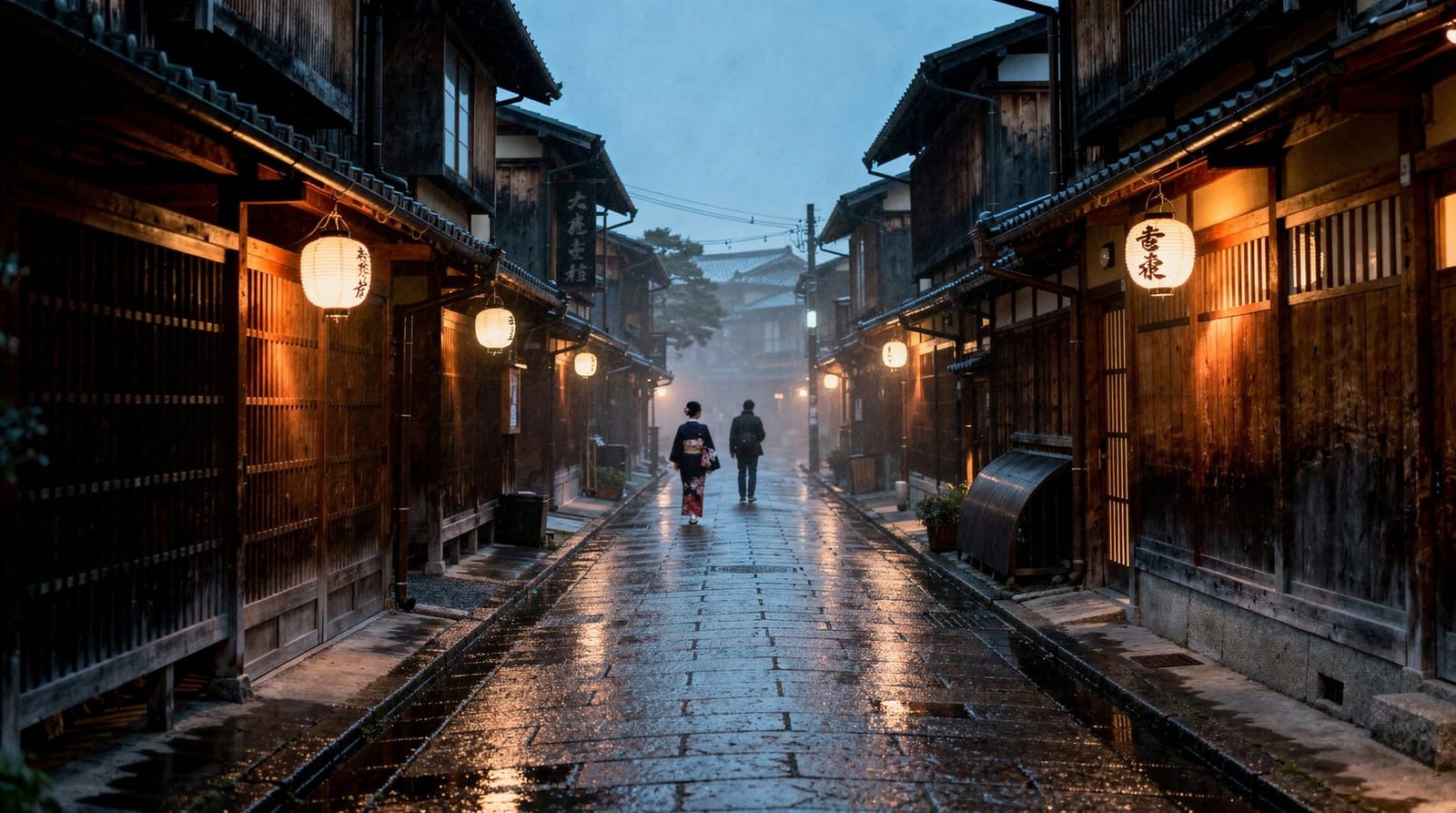
Gion’s evening walking tours run rain or shine, and the covered arcades near Shijo-dori offer some shelter if weather turns during the walk, but the atmospheric lantern-lit streets that make this experience worthwhile are genuinely diminished by heavy rain, both visually and in terms of comfort over a two-hour walk. Summer evenings, while warmer, are more comfortable than daytime Kyoto sightseeing given the sun has set, though humidity remains a factor through August. Winter evenings are cold enough to warrant a real jacket, not just a light layer, particularly given the walk’s outdoor, unhurried pace rather than brisk exercise that would otherwise generate warmth.
Language and how much English narration to expect
Most operators running Gion evening tours specifically for international visitors provide fluent English narration throughout, but it’s worth confirming this explicitly when booking rather than assuming, since some lower-cost options are run primarily for domestic Japanese tourists with limited English accommodation. Reviews mentioning specific guide names or explicitly praising English fluency are a reasonably reliable signal; vague reviews focused only on “atmosphere” without mentioning communication quality are less informative on this specific point.
Verdict
A Gion evening tour is worth booking for the history, architecture, and etiquette guidance — not as a guarantee of seeing a real geiko or maiko, which no honest operator can promise. The stories-of-geisha walking tour delivers on what it can control: context, timing, and respectful navigation of a genuinely sensitive local dynamic. If a guaranteed performance matters more to you than atmosphere and chance, redirect that budget toward a geisha dinner instead.