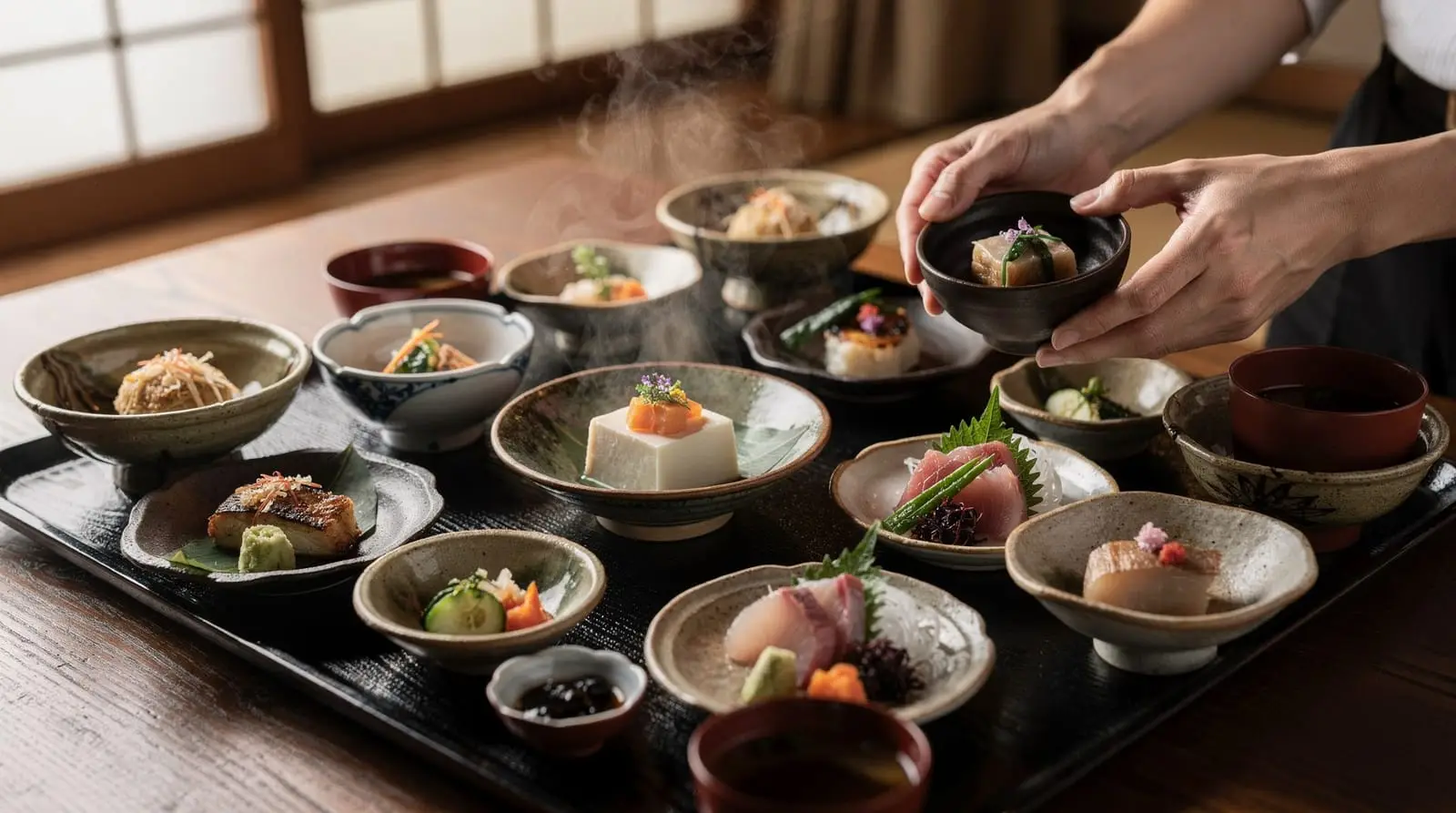
Kaiseki in Kyoto — how to book, what it costs and cheaper alternatives
Kyoto: Kaiseki Dinner at a Historical Townhouse
How much does kaiseki cost in Kyoto and how do you book it?
Dinner kaiseki at a well-regarded Kyoto restaurant typically runs ¥15,000-50,000+ (US$100-330+) per person; top-tier, multi-Michelin-starred restaurants can run considerably higher. Lunch kaiseki at the same or comparable restaurants is often 40-60% cheaper. Booking usually needs to happen days to weeks ahead by phone, through a hotel concierge, or via an online reservation platform, since small kaiseki restaurants may have fewer than 15 seats and don't accept same-day walk-ins.
Kaiseki is a sequence, not a menu you order from
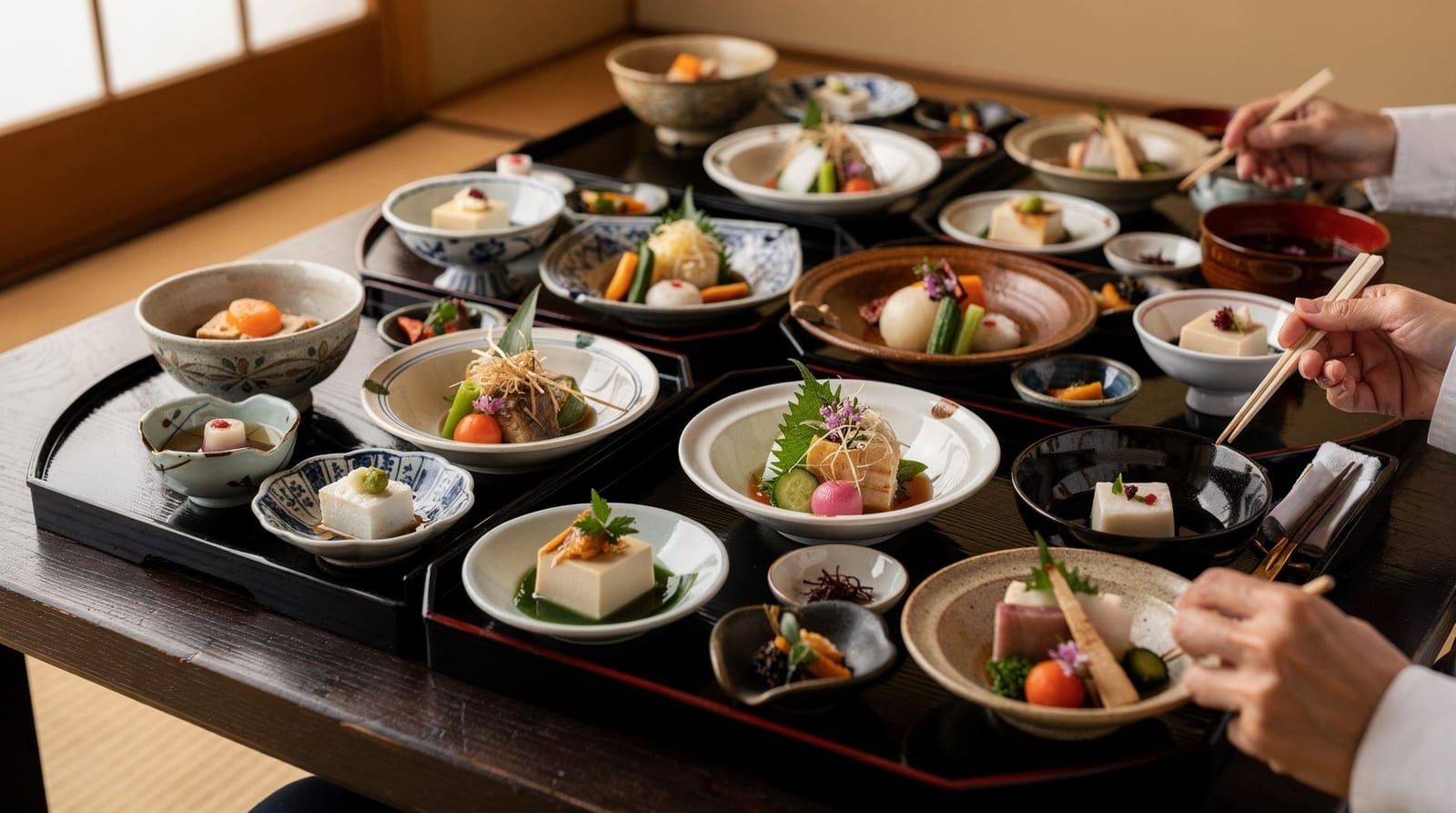
Kaiseki is Kyoto’s formal, multi-course haute cuisine, and the single most important thing to understand before booking is that you’re not ordering dishes — the chef has already decided the entire sequence, built around what’s genuinely in season that week, and you eat it in the order it arrives. It evolved from the simple meal served alongside tea ceremony (originally just rice, soup and a few dishes meant to settle the stomach before drinking concentrated matcha) and later absorbed the formality of honzen ryori, the elaborate banquet cuisine once served to samurai and nobility. What survives today is a meal that’s as much about pacing, presentation and seasonal storytelling as it is about individual dishes.
That’s worth internalizing before you book, because kaiseki disappoints people who go in expecting a quick, filling dinner. It’s slow — often two hours or more — and portions per course are deliberately small. Go in expecting a long, quiet evening built around craft, not a large meal.
| Where | Gion and Kyoto’s historic districts |
| Cost (dinner) | around ¥15,000-50,000+ per person |
| Cost (lunch) | around 40-60% cheaper than dinner |
| Time needed | 2 hours or more, unhurried |
| Booking | Days to weeks ahead, by phone, concierge, or platform |
What a typical course sequence looks like
Most kaiseki dinners in Kyoto run 8-12 courses, though naming and exact sequence vary by restaurant. A common structure: sakizuke, a small appetizer to start; suimono or wanmono, a clear soup course; mukozuke, a sashimi course; yakimono, something grilled, often fish; nimono, a simmered dish, frequently featuring kyo-yasai heirloom vegetables; hassun, a course presenting several small seasonal bites together, often the most visually elaborate course of the meal; followed by rice, pickles (tsukemono) and a final soup near the end, and a dessert to close.
Not every restaurant uses all these exact terms or this exact order, and some fold or expand courses depending on the season and the chef’s style, but this general shape holds across most traditional kaiseki restaurants in the city.
What it actually costs
Dinner kaiseki at a well-regarded Kyoto restaurant typically runs ¥15,000-50,000+ (US$100-330+) per person, and the city’s most established, multi-generation and Michelin-recognized names sit at or above the top of that range. This is genuinely expensive by any standard, and it’s worth going in with that expectation set correctly rather than being surprised by the bill.
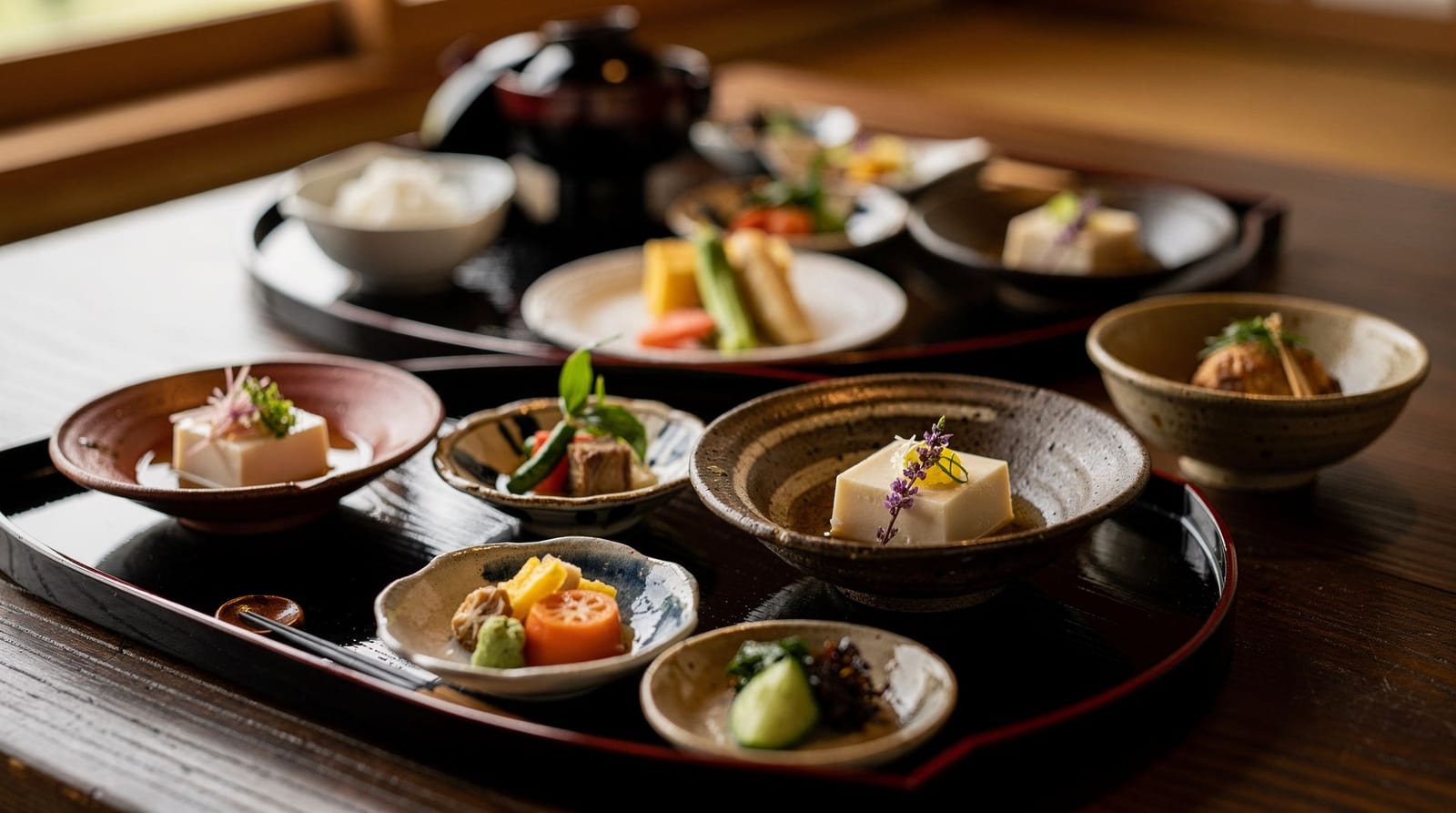
Kaiseki dinner at a historical Kyoto townhouseLunch kaiseki is the more budget-friendly entry point — often called kaiseki bento or hiru kaiseki, it’s typically 40-60% cheaper than the same restaurant’s dinner service, sometimes ¥5,000-15,000 (US$33-100), with a shorter course sequence but similar seasonal ingredients and the same kitchen. If a specific restaurant’s dinner price feels out of reach, checking whether it offers a lunch set is worth doing before crossing it off entirely.
Where to eat it: Gion and the historic districts
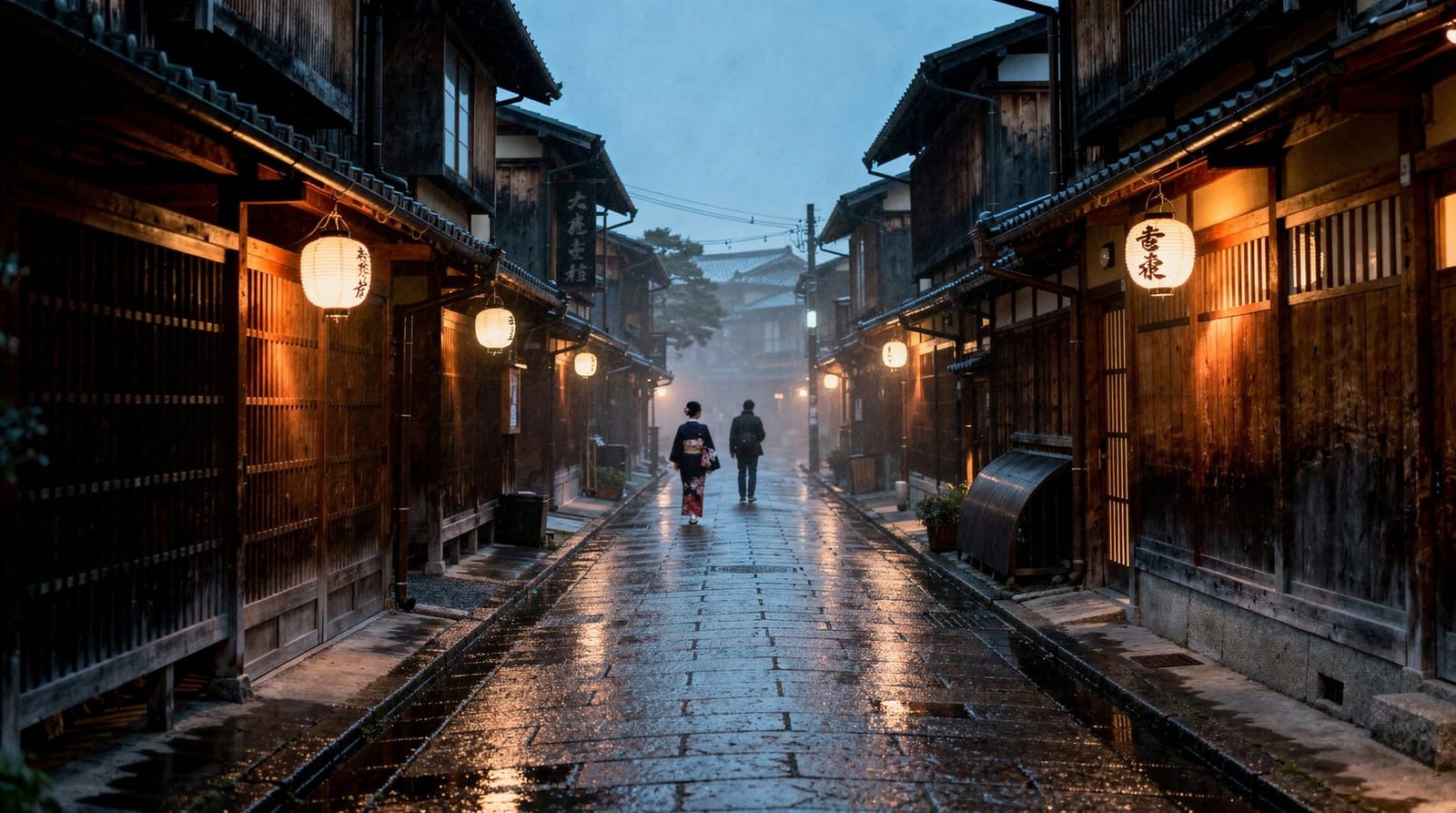
Kyoto’s highest concentration of well-regarded kaiseki restaurants sits in and around Gion and the adjoining historic districts, where many restaurants occupy converted traditional townhouses (machiya) with a private tatami room for each seating. Some restaurants combine the meal with cultural context — a geisha-hosted dinner, or a dining reservation inside a preserved historic building — which adds atmosphere beyond the food itself.
Kaiseki and cultural dining reservation at Hanasaki, GionSee the Gion destination guide for the wider neighborhood, including how kaiseki dining fits alongside the district’s geisha culture and evening atmosphere.
Wagyu kaiseki: a beef-forward variation
A specific and increasingly popular variation pairs the kaiseki course structure with premium wagyu beef as a featured course or courses, often served in a historic villa or restored traditional building. It’s a slightly different experience from a purely seasonal-vegetable-and-seafood-led kaiseki — more protein-forward — and tends to appeal to travelers who want the kaiseki format and setting without a meal built primarily around fish and vegetables.
Wagyu kaiseki dinner in a historic villaKappo: the more casual, counter-seat alternative
Kappo is kaiseki’s more casual sibling — usually served at a counter where you watch the chef work directly in front of you, and where you sometimes have more input into individual dishes than in a fully pre-set kaiseki sequence. It’s generally less expensive, often ¥8,000-20,000 (US$53-133) per person, and feels more like an interactive, conversational meal than a formal ceremony. For travelers who want the quality and seasonality of kaiseki-adjacent cooking without the full price or formality, a kappo restaurant is often the better fit, and Kyoto has a meaningful number of them, particularly around downtown and Pontocho.
Shun: the seasonal philosophy behind the menu
The concept underlying every kaiseki menu is shun — the idea that an ingredient has a specific, narrow window when it’s at its absolute best, and that cooking should showcase that window rather than serving something out of season simply because refrigeration and imports make it possible year-round. A chef building a spring kaiseki menu might feature bamboo shoots and cherry blossom-themed presentation for a two-to-three-week stretch, then move on entirely once that window closes, rather than keeping the same dish on the menu across seasons.
This is part of why repeat visits to the same kaiseki restaurant across different seasons can feel like genuinely different meals rather than a repeated experience, and why asking a restaurant what’s currently in season is a more useful question than asking what their “signature dish” is — a truly seasonal kitchen may not have one fixed signature at all.
Presentation and tableware as part of the meal
Kaiseki treats the vessel a dish is served in as inseparable from the dish itself, more so than most Western fine dining traditions. A single meal might use a dozen or more different plates, bowls and lacquerware pieces, chosen deliberately for color, shape and material to complement each course — a cool ceramic glaze for a summer dish, a warm-toned lacquer bowl for a winter soup. Some restaurants use antique or artisan-made tableware specifically, and a portion of what you’re paying for at the higher end of Kyoto’s kaiseki scene is this attention to the visual and tactile presentation, not just the ingredients and cooking technique.
It’s worth genuinely looking at the tableware during a kaiseki meal rather than focusing only on the food — noticing the deliberate pairing of dish and vessel is part of how the meal is meant to be experienced, and it’s one of the clearer ways the meal connects back to tea ceremony aesthetics, where the choice of utensils carries similar weight.
Geisha-hosted dinners: a related but distinct experience
A specific category worth distinguishing from standard kaiseki is a geisha- or maiko-hosted dinner, where a kaiseki meal is combined with the presence of a geisha or maiko (an apprentice geisha) who performs traditional dance, plays games, or simply provides conversation and company during the meal — the Hanasaki reservation described above is one accessible example of this format.
This is a genuinely different product from a standard kaiseki reservation — you’re paying partly for the meal and partly for the cultural performance and access, which is historically difficult to arrange without an existing introduction to a Gion teahouse. Tours and reservation services that package this experience for visitors have made it more accessible than it traditionally was, though it remains pricier than a comparable kaiseki meal without the hosted element.
How to actually book
Booking a well-known kaiseki restaurant in Kyoto usually needs to happen days to weeks in advance, and sometimes longer for the most famous names during cherry blossom or autumn foliage season. Smaller, more traditional restaurants — some with fewer than 15 seats — may not have English-language online booking and rely on phone reservations, which is where a hotel concierge becomes genuinely useful: many hotels will call and book on a guest’s behalf, and some restaurants specifically prefer bookings routed this way over direct guest calls from unfamiliar numbers. Larger or newer kaiseki restaurants increasingly accept reservations through English-language platforms directly.
Two practical points worth confirming when you book: cancellation policy (kaiseki restaurants often prepare specific seasonal ingredients per confirmed guest, so late cancellations can carry a fee) and any dietary restrictions, since substitutions are harder to make on a pre-set course sequence than on an à la carte menu.
Dress code and etiquette
Smart casual covers most kaiseki restaurants — collared shirts or a nice blouse, and shoes worth choosing carefully since some restaurants seat guests on tatami mats where footwear comes off at the entrance. Extremely casual dress (flip-flops, athletic wear) is best avoided, though Kyoto’s kaiseki scene overall is somewhat less rigid about formal dress than its reputation suggests, particularly outside the very top tier of restaurants.
If kaiseki isn’t for you: honest alternatives
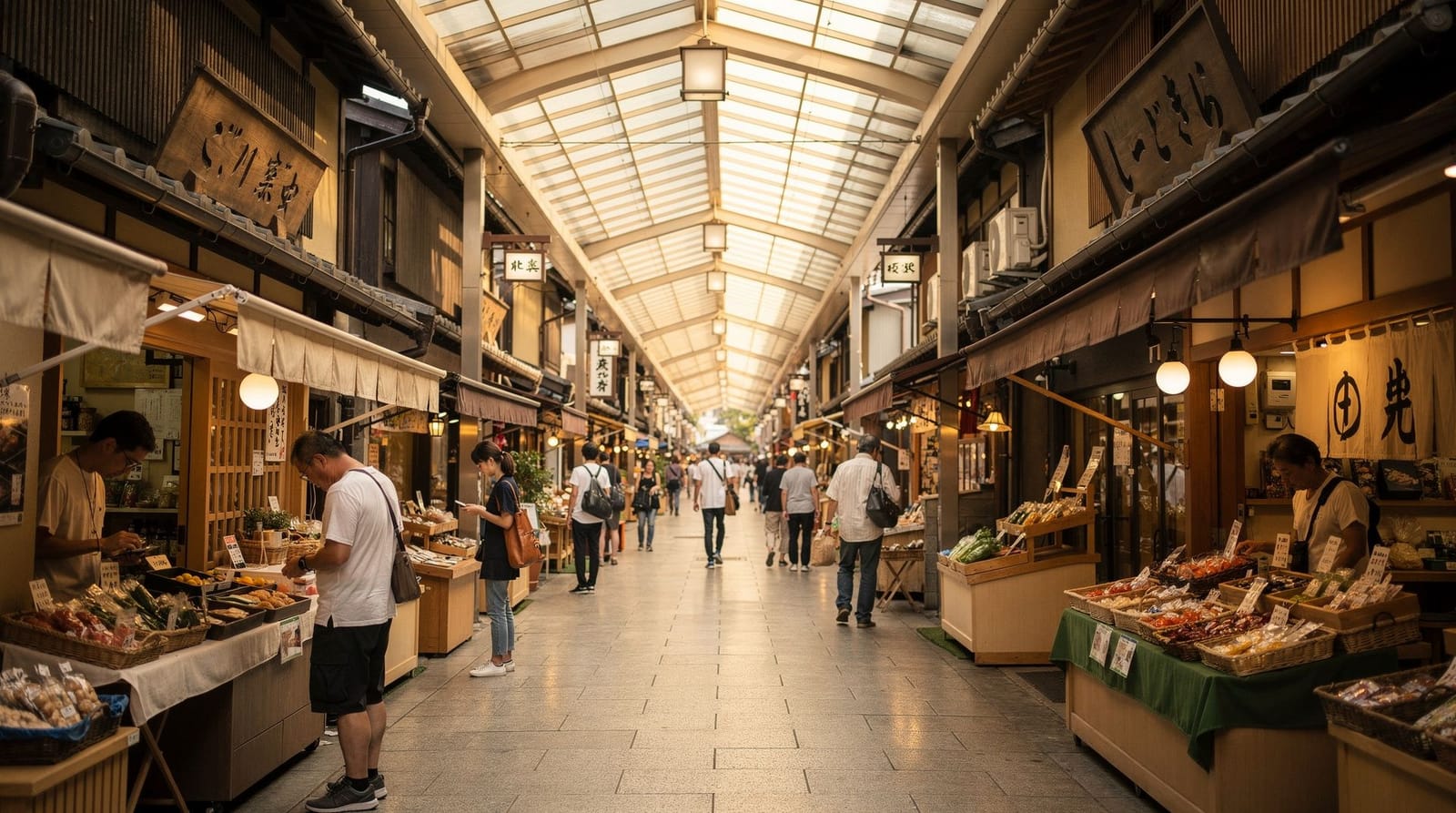
Kaiseki isn’t for everyone, and it’s fine to say so — it’s slow, formal, and expensive relative to portion size, which doesn’t suit every traveler or every night of a trip. A lunch kaiseki set gets you the format at a meaningfully lower cost. A kappo counter gets you similar quality with less formality and more interaction. And Kyoto’s obanzai restaurants — casual, home-style, built around small seasonal dishes — capture some of the same seasonal, vegetable-forward spirit at a fraction of the price, covered in the Kyoto food guide.
If a guided evening that samples several dishes rather than one long formal sequence sounds more appealing, the best food tours in Kyoto guide covers that alternative, and a night that pairs a kaiseki-adjacent meal with Gion’s geisha culture is covered in the Gion geisha guide. For where to stay near this concentration of restaurants, see the downtown Kyoto destination guide.
Frequently asked questions about kaiseki in Kyoto
What is the difference between kaiseki and kappo?
Kaiseki is a fixed, pre-set multi-course meal in a set sequence, typically in a private or semi-private room. Kappo is more casual, usually served at a counter where you watch the chef cook and can sometimes influence individual dishes. Kappo is generally less expensive, often ¥8,000-20,000 (US$53-133) per person.
Is lunch kaiseki a good way to try it on a smaller budget?
Yes — many restaurants offer a lunch set 40-60% cheaper than dinner, sometimes ¥5,000-15,000 (US$33-100), with a shorter course sequence but the same kitchen and similar seasonal ingredients.
How many courses does a typical kaiseki meal have?
Most run 8-12 courses: typically an appetizer, soup, sashimi, grilled dish, simmered dish, a multi-item seasonal course (hassun), rice and pickles, and dessert, though naming and order vary by restaurant.
Do you need to speak Japanese to book kaiseki in Kyoto?
Not necessarily. Many well-known restaurants accept English-language online bookings, and a hotel concierge can call on your behalf for restaurants without their own booking system — often the most reliable route for smaller, traditional venues.
What should you wear to a kaiseki dinner in Kyoto?
Smart casual — collared shirts or a nice blouse, and shoes worth choosing carefully since some restaurants seat guests on tatami. Extremely casual wear is best avoided, particularly at higher-end venues.
Are there vegetarian or vegan kaiseki options in Kyoto?
Full vegetarian kaiseki in the strict sense is rare outside shojin ryori, the Buddhist temple vegetarian tradition served at places like Tenryu-ji in Arashiyama. Some kaiseki restaurants can accommodate requests with advance notice — confirm directly rather than assuming.
What happens if you’re late or need to cancel a kaiseki reservation?
Restaurants often prepare seasonal ingredients per confirmed guest in advance, so late cancellations can carry a fee, and lateness of more than 15-20 minutes can mean losing your seating, especially at restaurants with only one or two seatings per evening.
Deciding if kaiseki fits your trip
Kaiseki works best as a single, deliberate splurge on a trip rather than a default dinner choice — the slow pacing and formal structure reward planning one evening around it, not fitting it in between other activities. If you’re weighing it against a broader look at Kyoto’s food scene, including cheaper obanzai and street food options, the Kyoto food guide covers the full range, and best food tours in Kyoto covers guided alternatives if you’d rather sample several dishes across an evening than commit to one long formal meal.
Frequently asked questions about Kaiseki in Kyoto — how to book, what it costs and cheaper alternatives
What is the difference between kaiseki and kappo?
Is lunch kaiseki a good way to try it on a smaller budget?
How many courses does a typical kaiseki meal have?
Do you need to speak Japanese to book kaiseki in Kyoto?
What should you wear to a kaiseki dinner in Kyoto?
Are there vegetarian or vegan kaiseki options in Kyoto?
What happens if you're late or need to cancel a kaiseki reservation?
Top experiences
Bookable activities with verified prices and instant confirmation on GetYourGuide.