Kyoto kimono rental review — where to book and what it actually costs
Kyoto: Traditional Kimono Rental near Gion w/ Photoshoot
The single most photographed activity in Kyoto
Quick answer: Kyoto kimono rental costs roughly ¥5,000-10,000 ($33-67) per person for a full-day rental with styling, plus another ¥7,000-12,000 ($47-80) if you add a professional photoshoot. It’s genuinely worth doing if you’re spending time in Gion or Higashiyama, where kimono-clad crowds are already the visual norm — book early morning slots to beat both the dressing-shop queues and the afternoon crowds at the best photo spots.
| Where | Shops cluster near Kiyomizu-dera and in Gion |
| Cost | Around ¥5,000-10,000 / $33-67; +¥7,000-12,000 for a photoshoot |
| Time needed | 30-45 min to dress; 6-8 hours or full-day rental |
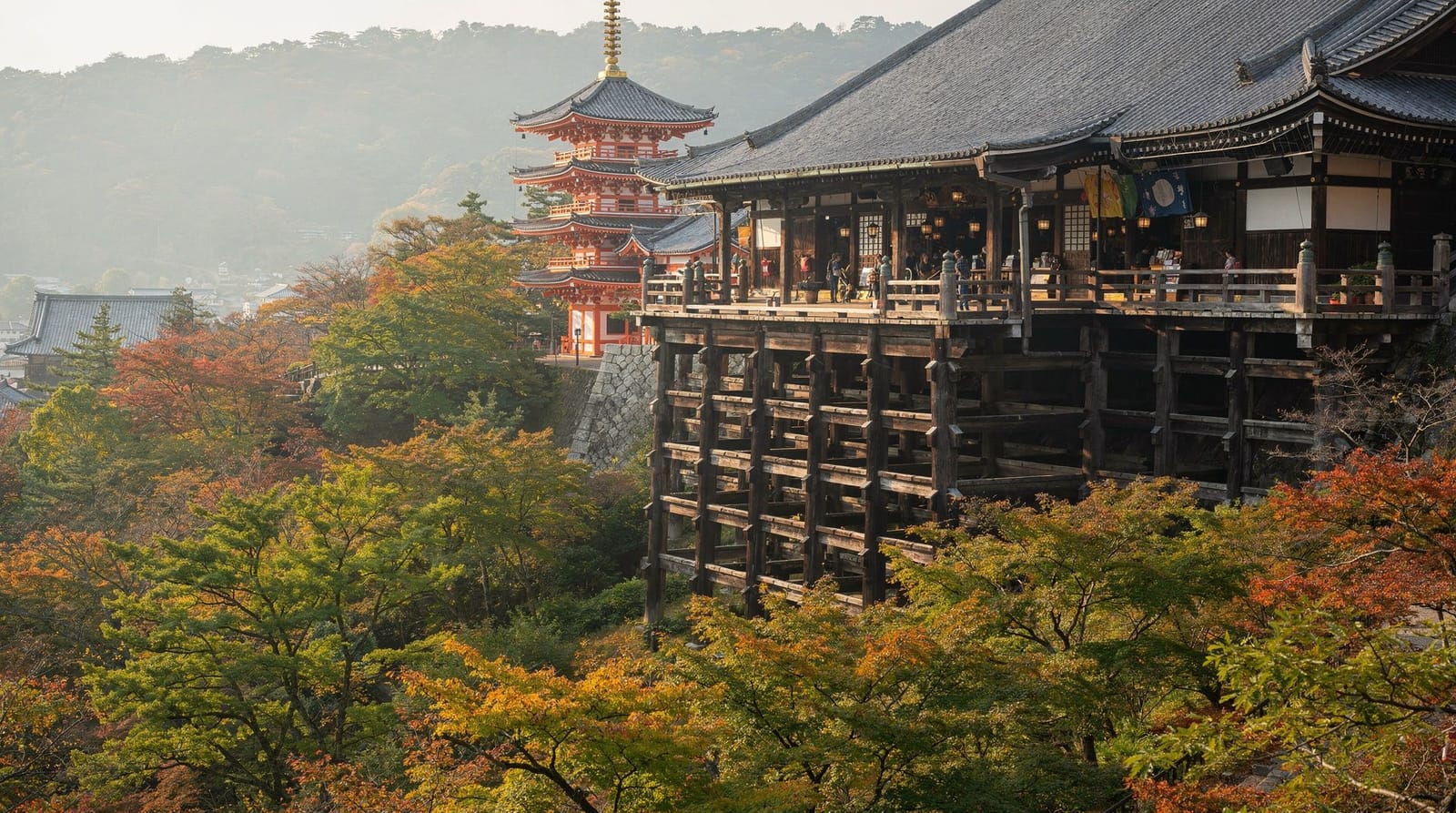
| Getting there | Walk to Kiyomizu-dera/Gion shops from Higashiyama |
| Best time | Before 9am to beat dressing queues and midday crowds |
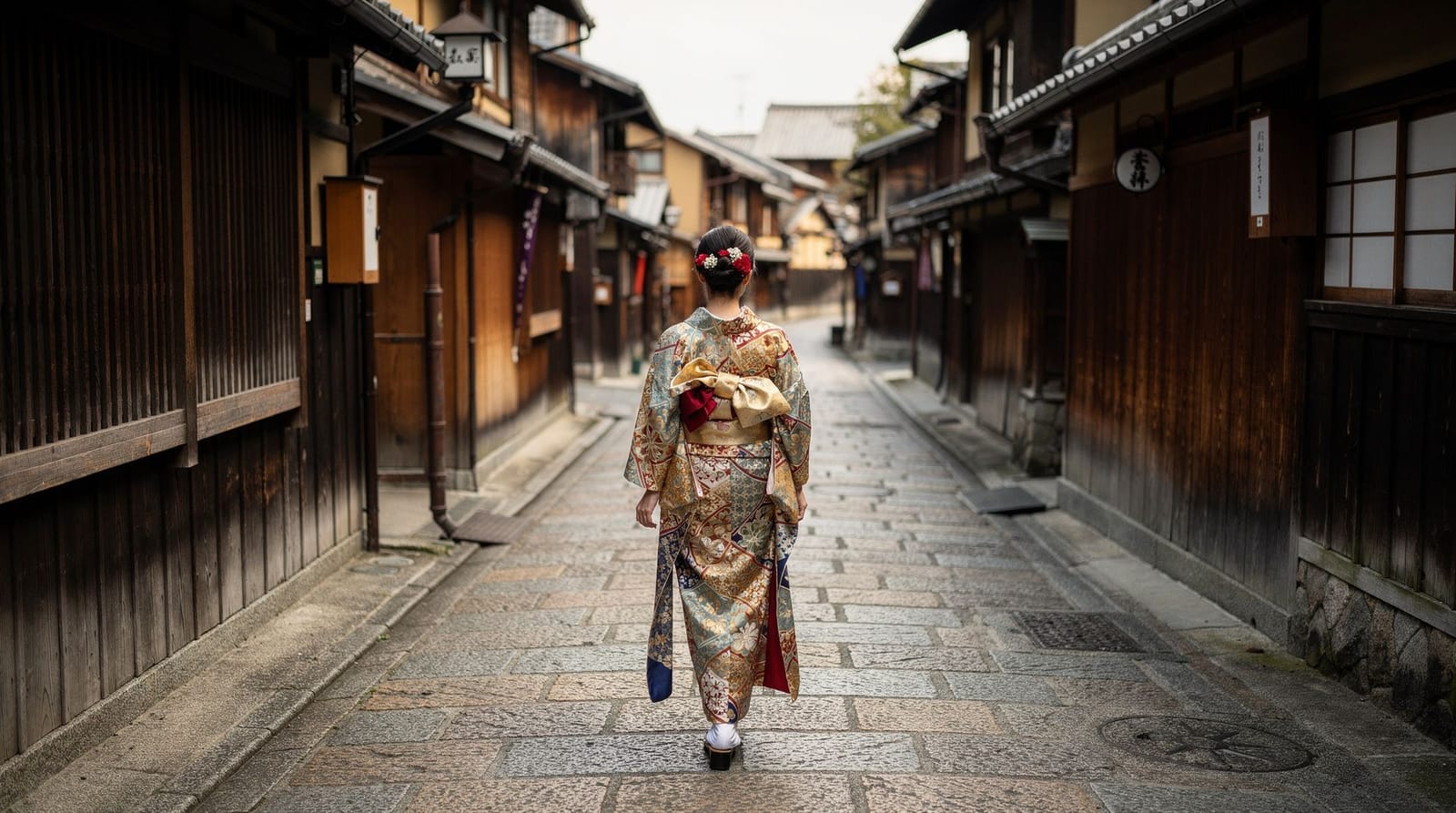
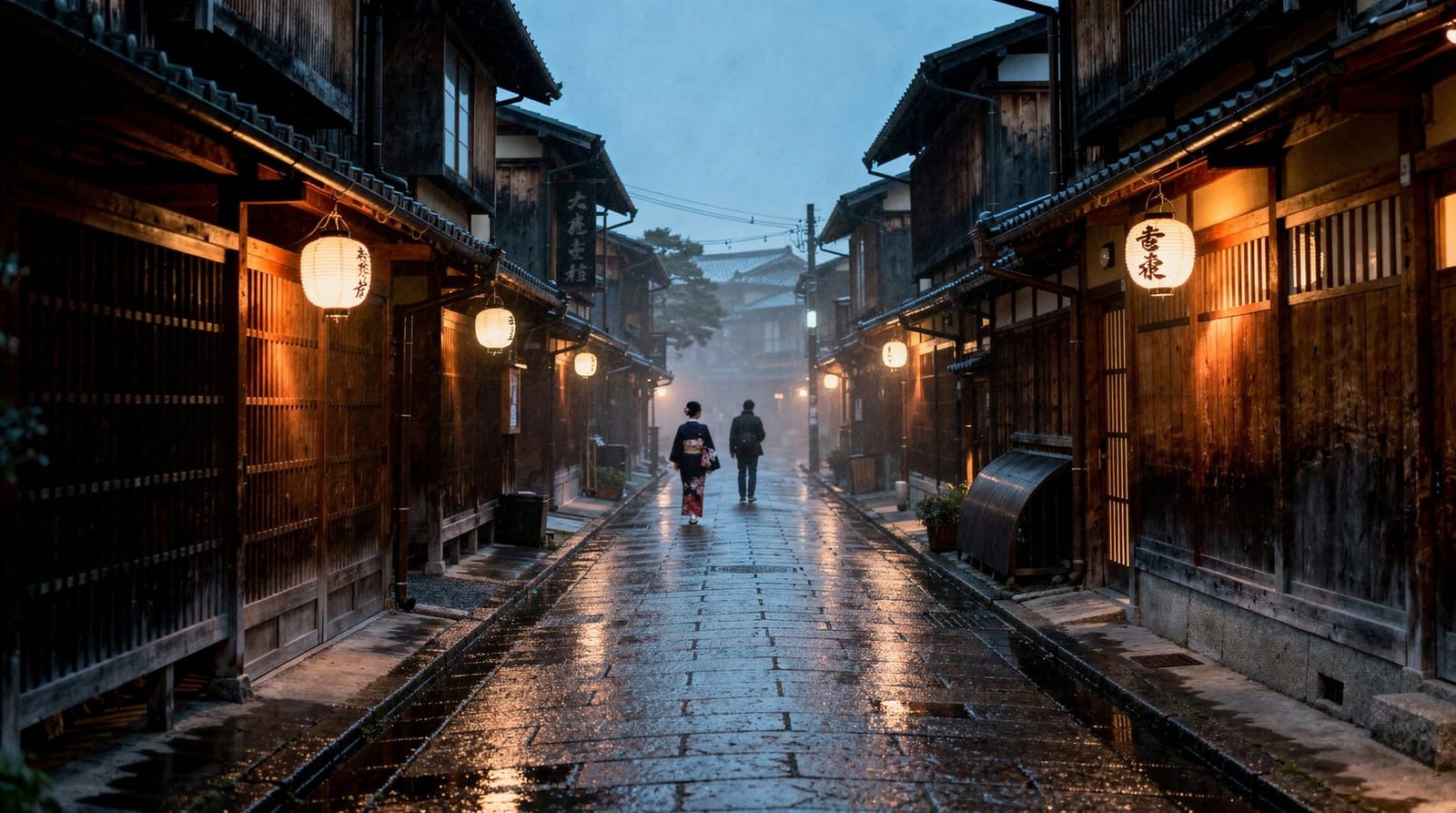
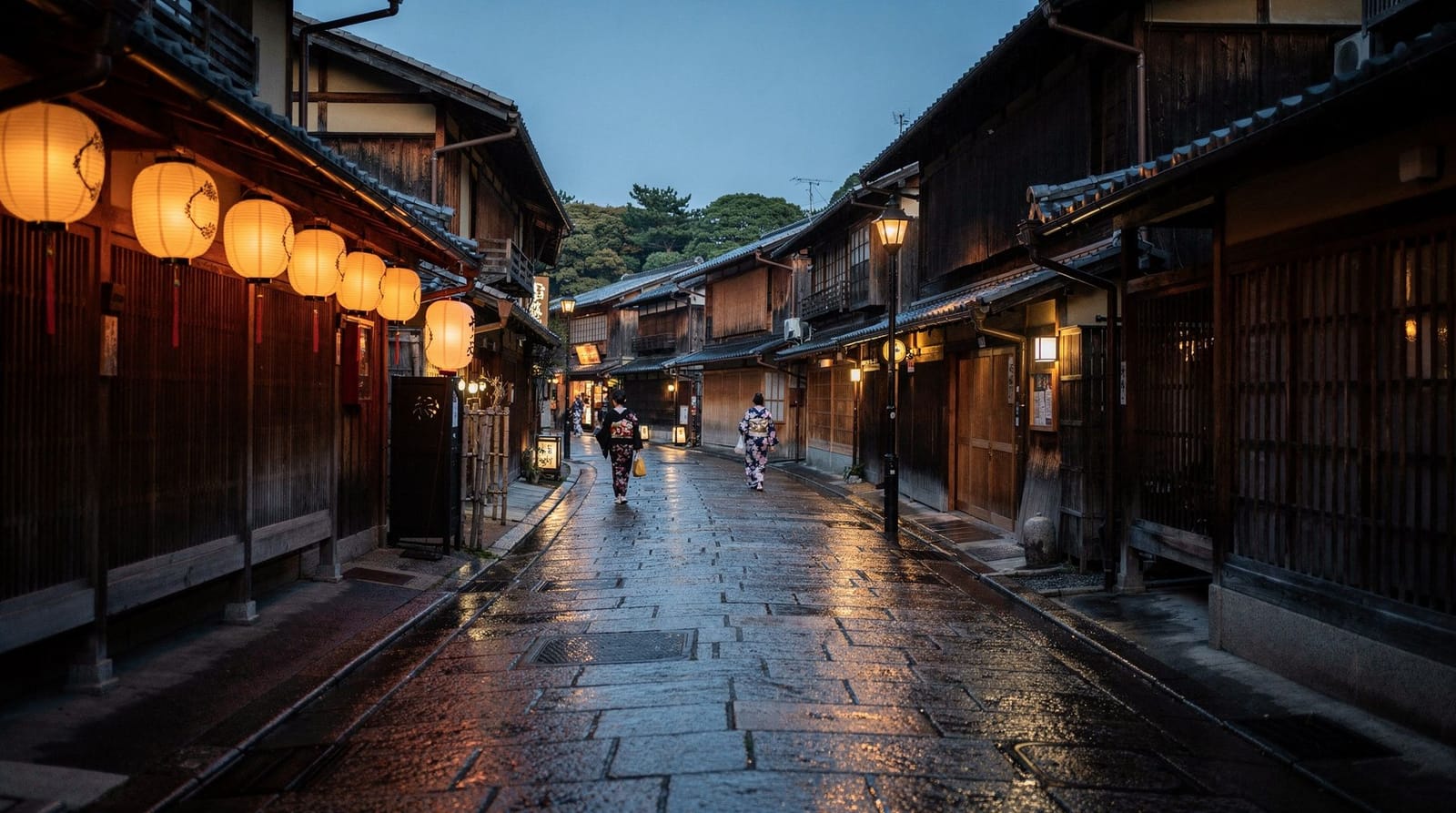
Walk through Higashiyama or Sannen-zaka on any given afternoon and a meaningful share of the people around you are tourists in rented kimono, not locals in traditional dress. This isn’t a niche activity — it’s arguably the default costume of Kyoto sightseeing photos, and the rental industry around Gion and Kiyomizu-dera is large, competitive, and generally well set up for non-Japanese speakers. The question isn’t really whether to do it, since most visitors who try it enjoy it, but which package and timing actually gets you a good day rather than a rushed, overpriced one.
The traditional kimono rental near Gion with photoshoot covers the full arc: dressing, styling, a full day’s rental, and a guided photo session at the classic Higashiyama backdrops.
What actually happens, step by step
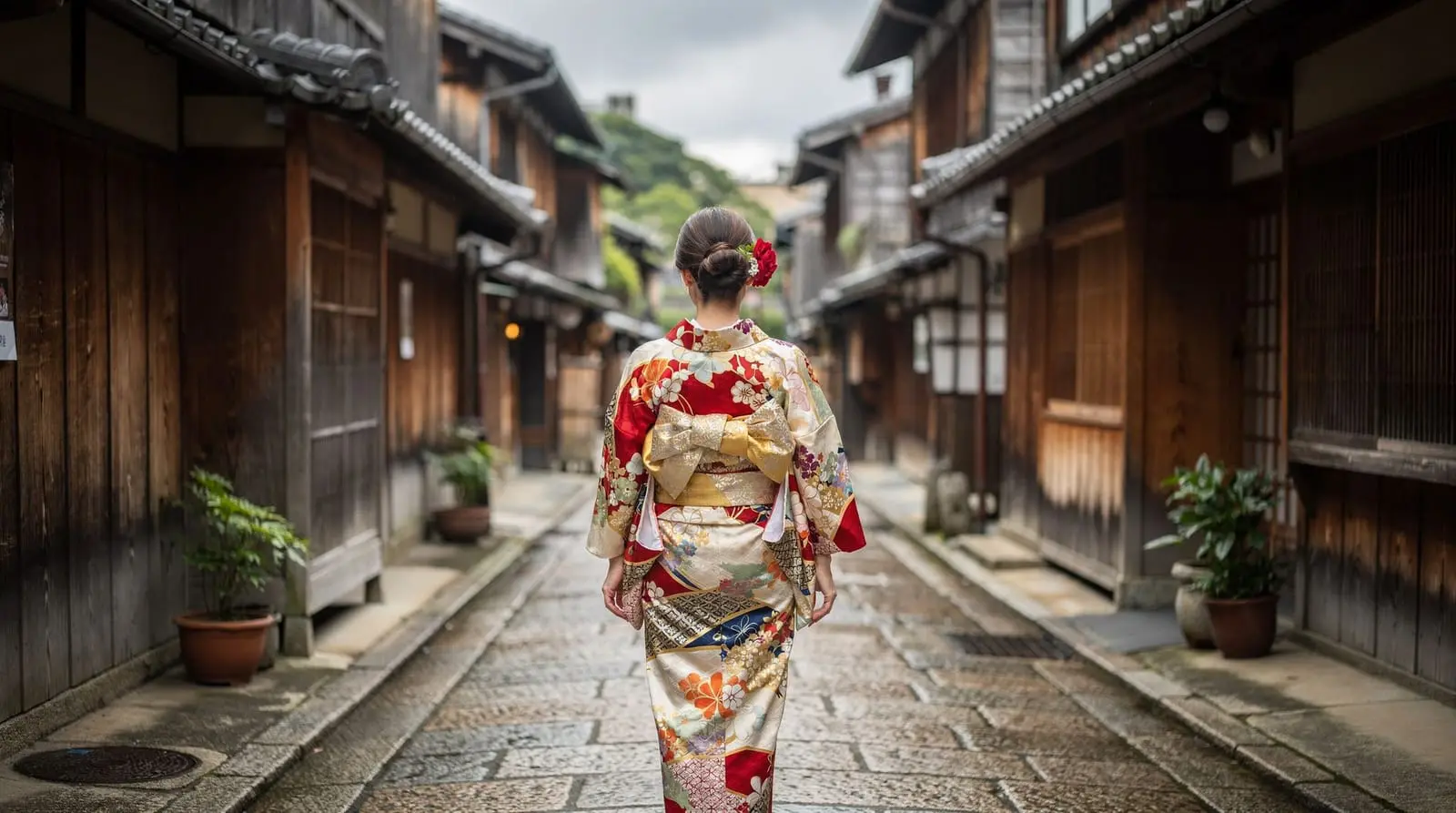
You arrive at the shop (most cluster within a 5-10 minute walk of Kiyomizu-dera or in Gion itself), choose a kimono pattern and color from the shop’s stock — ranging from simple solid colors to elaborate floral prints, with premium tiers offering a noticeably larger and higher-quality selection — and a staff member dresses you in the correct layered order. This takes 30-45 minutes and is not something to rush; a properly tied obi actually stays secure for hours of walking, while a poorly tied one loosens.
If you’ve added hairstyling, that happens after dressing, typically another 15-20 minutes. You’re then free for the rental period, usually 6-8 hours or until the shop’s evening return deadline, to walk, sightsee, and photograph yourself around the neighborhood. Geta or zori sandals are provided; they take a few minutes of practice to walk in comfortably, and shops generally let you swap into your own shoes for the return walk if your feet are struggling by the end of the day.
Standard, hairstyled, and photoshoot tiers compared
The baseline package, similar to what most walk-in shops offer, gets you the kimono, obi, undergarments, and footwear, with basic hair left mostly as-is or lightly adjusted. This is the right call if photos aren’t the main point and you just want the experience of walking through Higashiyama in kimono for an afternoon.
The kimono rental with hairstyling and accessories adds a proper updo styled to match traditional kimono aesthetics, plus hair ornaments (kanzashi) — worth the upgrade if photos matter to you at all, since an unstyled modern hairstyle under a traditional kimono is the single biggest giveaway in casual tourist photos, more than the kimono quality itself.
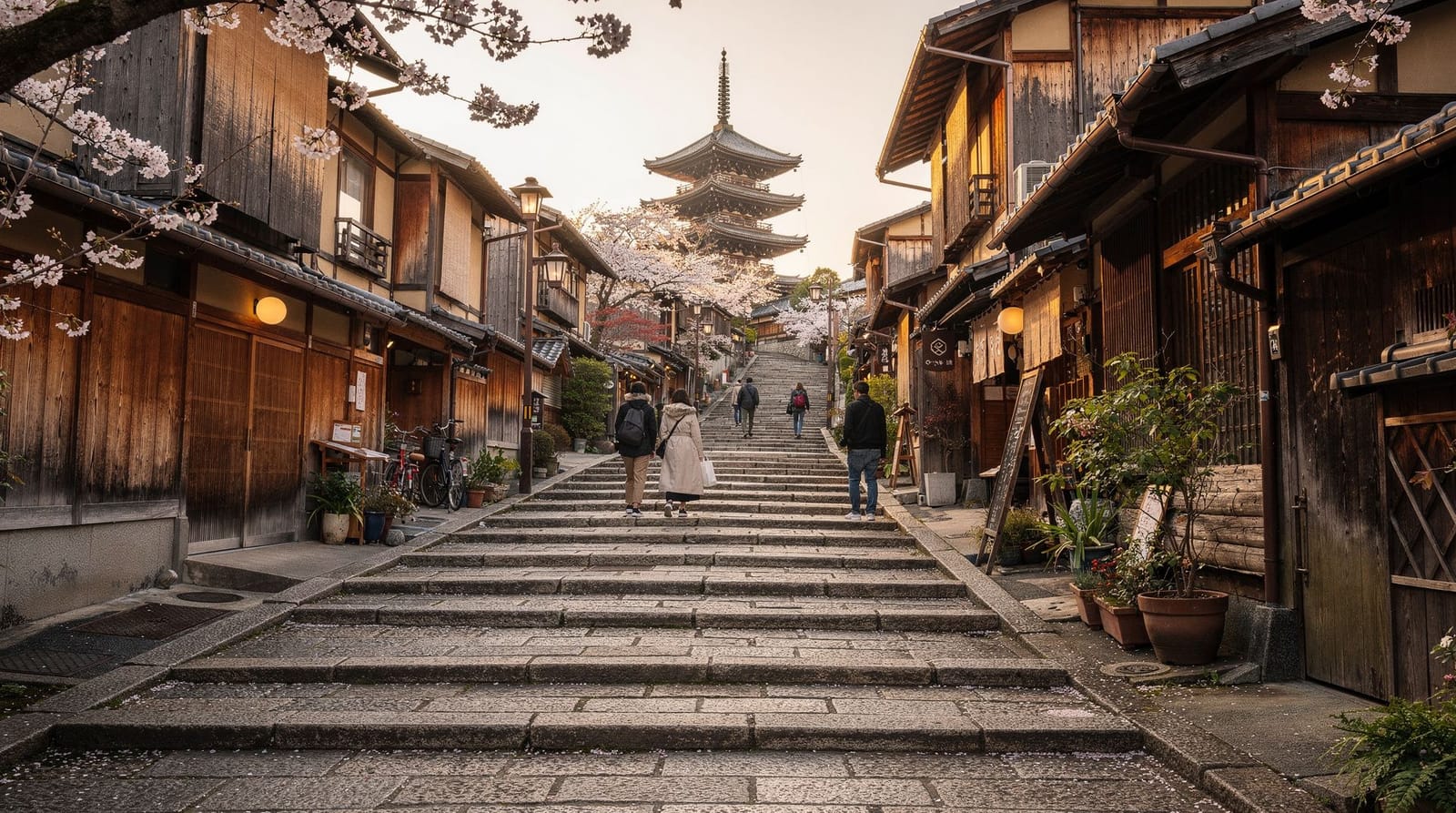
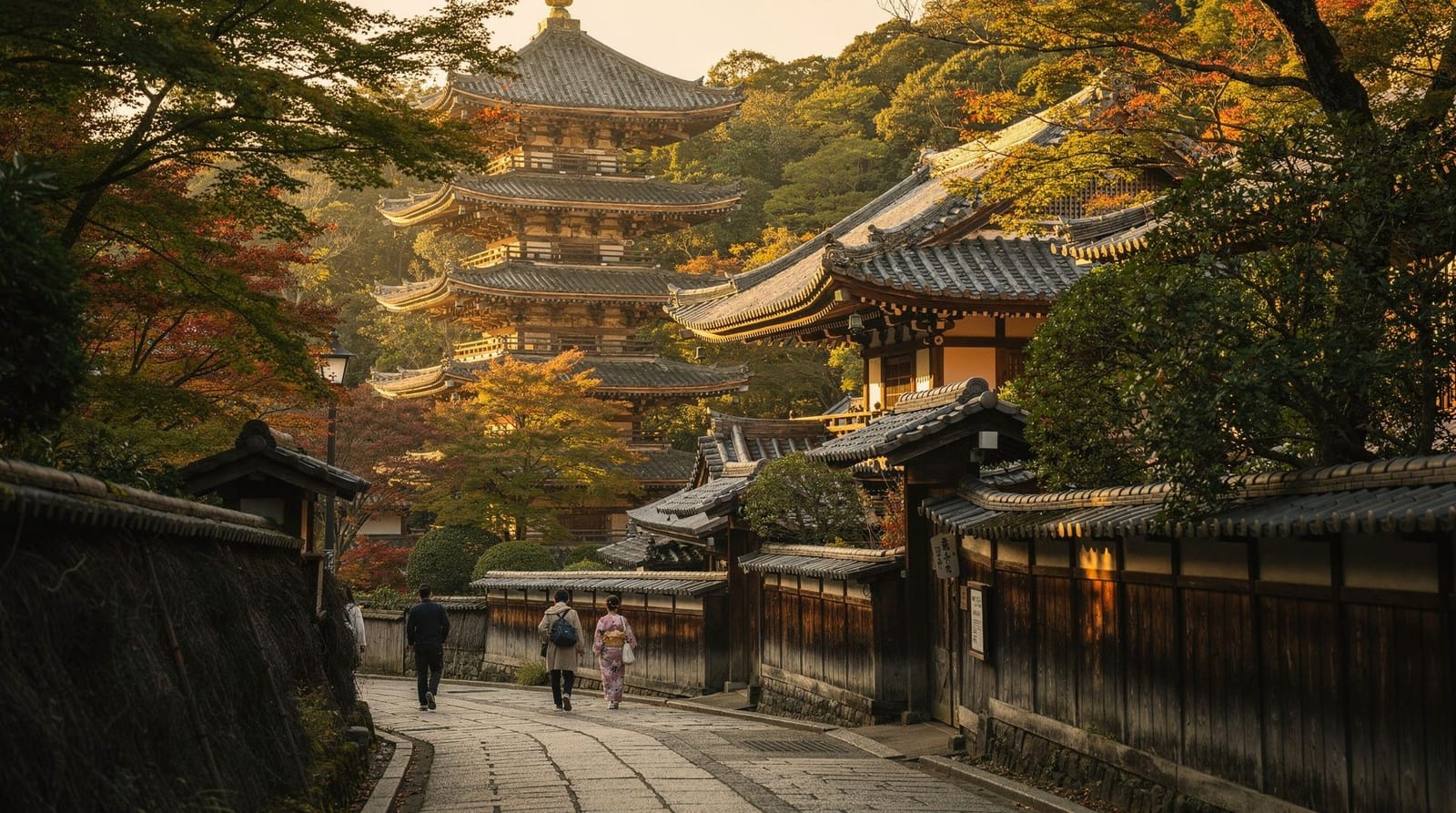
The professional photoshoot in traditional kimono pairs the rental with a dedicated photographer for 30-60 minutes at 2-3 locations near Kiyomizu-dera and the pagoda-lined slopes. This is worth the added cost specifically because these photographers know the timing and angles that avoid the worst crowd congestion in shots — something that’s genuinely difficult to replicate with a phone camera and a friend, given how packed Sannen-zaka gets by midday. Expect edited digital files delivered same day or within 48 hours, not physical prints unless specified.
For families, the kimono experience for kids and families at WARGO is built specifically around children’s sizing and faster dressing times, which matters — kids lose patience with a 45-minute adult dressing process fast, and family-oriented shops account for this with simplified layering for younger children.
| Tier | Best for | Trade-off |
|---|---|---|
| Basic rental | Just the experience of wearing kimono | Unstyled hair, simpler fabric |
| Hairstyling + accessories | Anyone wanting photos to look genuinely traditional | Adds 15-20 min to dressing |
| Professional photoshoot | Polished, guaranteed-good photos | Highest cost tier |
| Kids/family (WARGO) | Families with children | Simplified layering, not full formal dress |
Timing is the real variable that determines whether this is enjoyable
Book the earliest available slot, ideally before 9am. Two things happen by early afternoon: the dressing shops themselves develop queues that can add 30-60 minutes to your wait before you’re even dressed, and the classic photo spots — the Kiyomizu-dera approach, Yasaka Pagoda framed from Sannen-zaka, and the Gion stone streets — become dense enough with other kimono-clad tourists that clean photos become genuinely hard to get. An early slot solves both problems and also means you’re not wearing kimono, geta included, through the hottest part of a summer afternoon, which matters more than most first-timers anticipate — see the Kyoto in summer guide for just how humid an August afternoon gets.
Spring (cherry blossom season) and autumn (foliage season) are the two periods where kimono rental shops are busiest and priciest — book a few days ahead rather than walking in, since same-day availability at the better-reviewed shops can genuinely sell out. Check the best time to visit Kyoto guide for how these seasons compare for crowds generally, not just kimono bookings.
Practical notes the shop won’t necessarily volunteer
You’ll be walking on cobblestone slopes in geta sandals for hours — bring blister plasters or accept a slower pace than your normal walking speed, and know that most shops let you return in your own shoes if the sandals become genuinely uncomfortable by the end of the day. Bathroom breaks in a full kimono take longer and require a bit of technique the staff can show you before you leave the shop — ask if you’re unsure, since it’s a common enough question that no one will find it awkward.
Weather matters more than for normal sightseeing: rain is genuinely disruptive to both the kimono fabric and your hairstyle, and most shops don’t offer weather-based refunds, so check the forecast and consider rescheduling rather than pushing through a rainy day. If you’re combining this with temple visits, note that Kiyomizu-dera and most major temples charge separate entry — kimono rental doesn’t include admission anywhere. Read the Kyoto etiquette guide for the norms around photographing real geiko and maiko in Gion, a genuinely sensitive point locally and one that’s easy to get wrong by accident while dressed similarly yourself.
How to choose a pattern and what the fabric quality differences actually mean
Shop stock ranges widely, and it’s worth understanding what separates a ¥3,500 rental from a ¥10,000 one beyond just the styling add-ons. Budget-tier kimono are typically polyester, machine-printed with simpler, often repeating patterns, and while perfectly presentable in photos, they lack the visual depth of higher-tier fabrics. Mid-to-premium tiers use higher-quality synthetic weaves or genuine silk blends with hand-finished details, richer color layering (some patterns use 3-4 dye passes rather than a single print run), and a noticeably better drape when walking, which matters more than most first-time renters expect once you’re actually moving through Gion’s streets rather than standing still for a photo.
Color and pattern choice also carries some traditional logic, though rental shops are generally relaxed about tourists choosing whatever they like regardless of the old conventions (bold, bright florals traditionally signal younger wearers or unmarried women; more subdued, geometric patterns signal maturity or formality). If matching traditional convention matters to you, ask staff for guidance — most are happy to explain the logic behind pattern and color choices if you ask, and doing so tends to produce a more thoughtful, better-composed final look than picking purely by personal color preference.
Seasonal rental options: yukata versus full kimono
In summer specifically, many shops offer yukata rental as a lighter, cheaper alternative to a full kimono — a single-layer cotton garment traditionally worn to summer festivals and firework displays, requiring less underlayering and noticeably cooler in Kyoto’s summer humidity. Yukata rental typically costs ¥1,500-3,000 less than full kimono packages and takes less time to dress in, roughly 15-20 minutes rather than 30-45. If your visit falls in July or August, ask specifically about yukata options rather than defaulting to a full kimono package designed with cooler-weather comfort in mind — see the Kyoto in summer guide for just how demanding the heat and humidity get by midday.
Winter rentals, by contrast, often include an added haori jacket or shawl at no extra cost from better shops, since a single kimono layer alone is genuinely cold for a full day outdoors between November and February. Confirm this is included before booking a winter-season rental rather than assuming it, since not every shop bundles cold-weather layers automatically.
Booking ahead versus walking in
During cherry blossom and autumn foliage seasons, the busiest and most reputable shops near Kiyomizu-dera and Gion genuinely sell out same-day slots by mid-morning, particularly for premium tiers with hairstyling. Booking a few days ahead online is worth the small amount of planning it requires during these peak windows, since walking in and finding your preferred shop fully booked wastes real time you’d rather spend sightseeing. Outside peak season — summer heat aside — walk-in availability is considerably more forgiving, and same-day booking is a reasonable approach if you’re comfortable with some flexibility on which specific shop you end up at.
Cancellation policies vary meaningfully between operators — some allow free cancellation up to 24 hours ahead, others charge a partial fee for same-day changes given how tightly dressing appointments are scheduled. Check this before booking if your itinerary has any real uncertainty, particularly around weather, since rain is one of the more common reasons travelers want to reschedule a kimono rental at the last minute.
Group and couple packages
Several operators offer discounted packages for couples or small groups renting together, typically a modest per-person discount over booking individually, plus coordinated color or pattern selection if you want matching or complementary outfits for photos — a popular option for couples specifically. Family packages with children’s sizing bundled alongside adult rentals are also common, worth asking about directly rather than assuming standard pricing applies uniformly across age groups, since children’s kimono are simpler and faster to dress in and often priced accordingly lower.
What locals actually think of tourist kimono rental
It’s worth addressing directly since it’s a genuine point of curiosity for visitors: kimono rental for tourists is broadly accepted and unremarkable to Kyoto residents, distinct from more contested cultural dress situations in other countries. The practice has deep local roots — rental shops have operated in the city for decades, predating the current tourism boom, originally serving Japanese visitors from other regions wanting to experience Kyoto in traditional dress rather than international tourists specifically.
What does draw local irritation is specific bad behavior — blocking narrow streets for photos, disrespecting private property to get a backdrop shot, or (most sensitively) mistaking or harassing real geiko and maiko while dressed similarly yourself in Gion. Basic courtesy and awareness of your surroundings addresses essentially all of this — read the Gion geisha guide if you’re planning to walk through Gion in kimono, since it covers exactly this distinction.
Verdict
Kimono rental earns its popularity — it’s one of the few tourist activities in Kyoto that meaningfully changes how you experience the city for a day rather than just adding a stop to an itinerary. Book the earliest slot you can manage, add hairstyling if photos matter at all, and reserve the photoshoot upgrade for travelers who specifically want polished, professional images rather than casual phone shots. The Gion kimono rental with photoshoot is the strongest single package for most first-time visitors, combining styling, location, and guided photography without requiring three separate bookings.