Kyoto cycling tour review — the e-bike tours that actually cover ground
Kyoto: City Secrets eBike Tour
Duration: 225 minutes
Covering ground the bus network can’t match
Quick answer: a Kyoto e-bike cycling tour runs roughly ¥8,000-12,000 ($54-80) per person for 3-4 hours and typically covers 10-15km across 4-6 sights — noticeably more ground than a comparable walking or bus-based half-day. It’s worth booking if you want a varied, efficient itinerary and don’t mind riding in mixed city traffic; skip it if you’d rather move at a slower, unstructured pace or have real mobility limitations.
| Where | Routes vary — commonly eastern/northern Kyoto and the Philosopher’s Path |
| Cost | Around ¥8,000-12,000 / $54-80 per person |
| Time needed | 3-4 hours, covering 10-15km |
| Getting there | Meeting points typically central Kyoto |
| Best time | Morning for cooler temperatures and quieter streets |
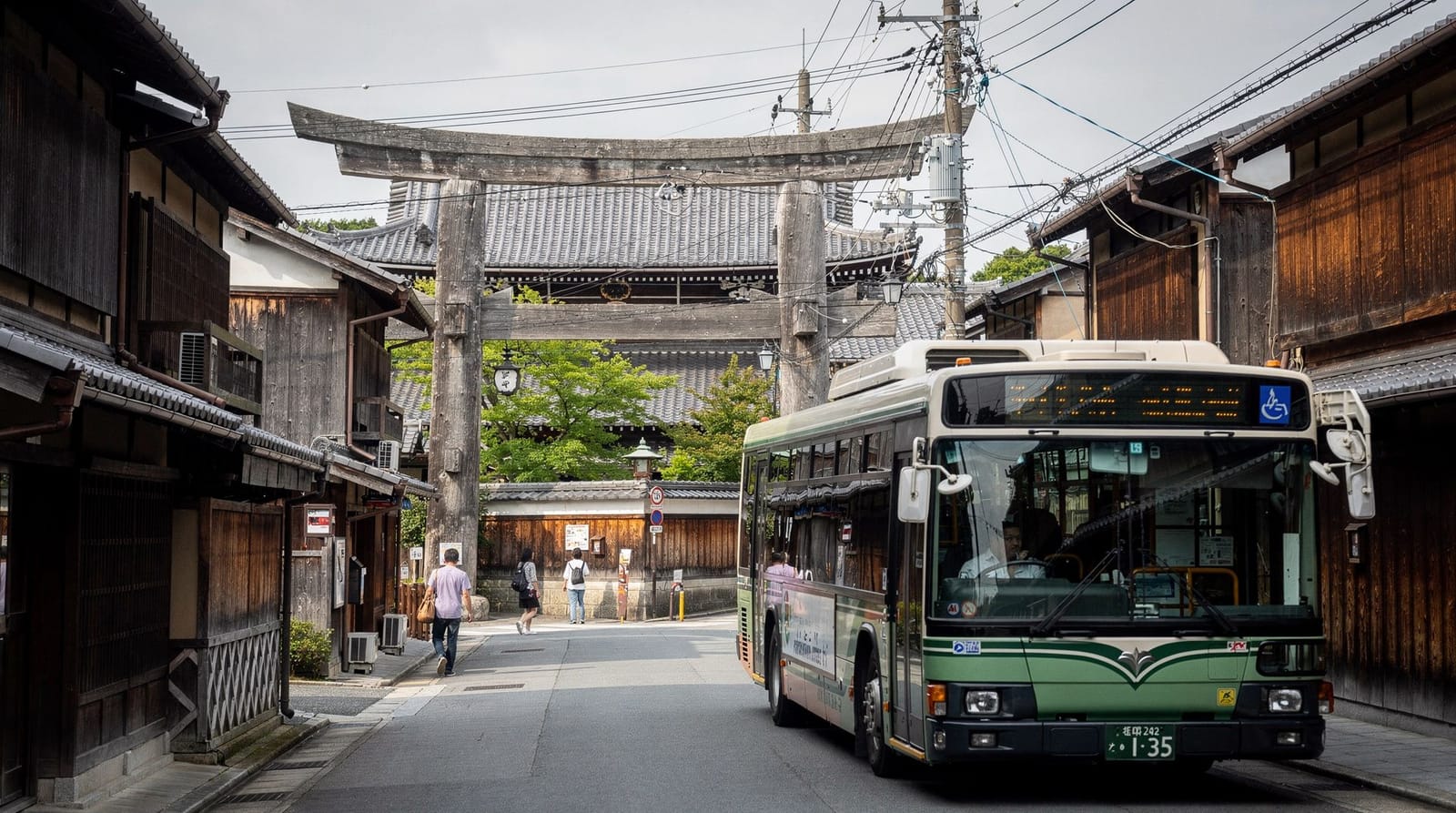
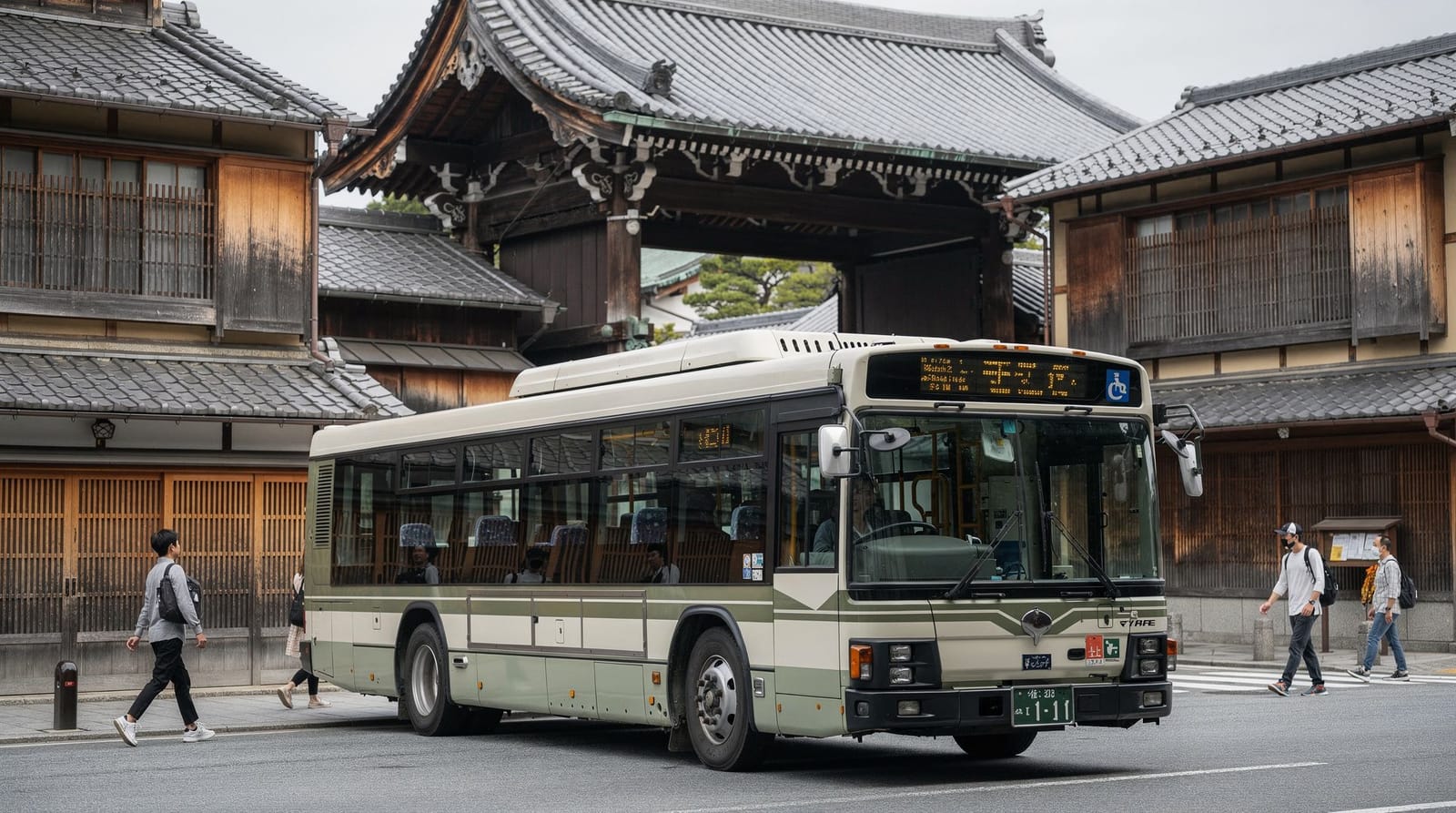
Kyoto’s bus network, while extensive, gets genuinely congested at peak sightseeing hours, and popular routes between major sights can involve real waiting time and standing-room-only rides during cherry blossom and autumn foliage seasons. Cycling sidesteps this entirely — you set your own pace within the group’s route, avoid bus queues altogether, and can reach smaller streets and shortcuts a bus simply can’t take. This is the core practical case for a cycling tour over walking or public transit for a half-day of sightseeing.
The Kyoto city secrets e-bike tour is a strong representative format: roughly 3.5-4 hours, mixing well-known sights with quieter neighborhood stops most walking or bus tours never reach.
Why e-bikes specifically, not standard bicycles
Pedal-assist e-bikes mean the electric motor does the bulk of the work on inclines and over sustained distance, which matters in a city with real elevation changes toward the eastern hills and northern temples. You don’t need to be an experienced or particularly fit cyclist — comfort balancing and steering at a leisurely pace is genuinely the only requirement, and most operators run a short practice loop before the group sets off if you haven’t ridden an e-bike before. This lowers the entry bar considerably compared to a standard bike tour, which can turn into a genuine workout on hillier routes.
What a typical route actually covers
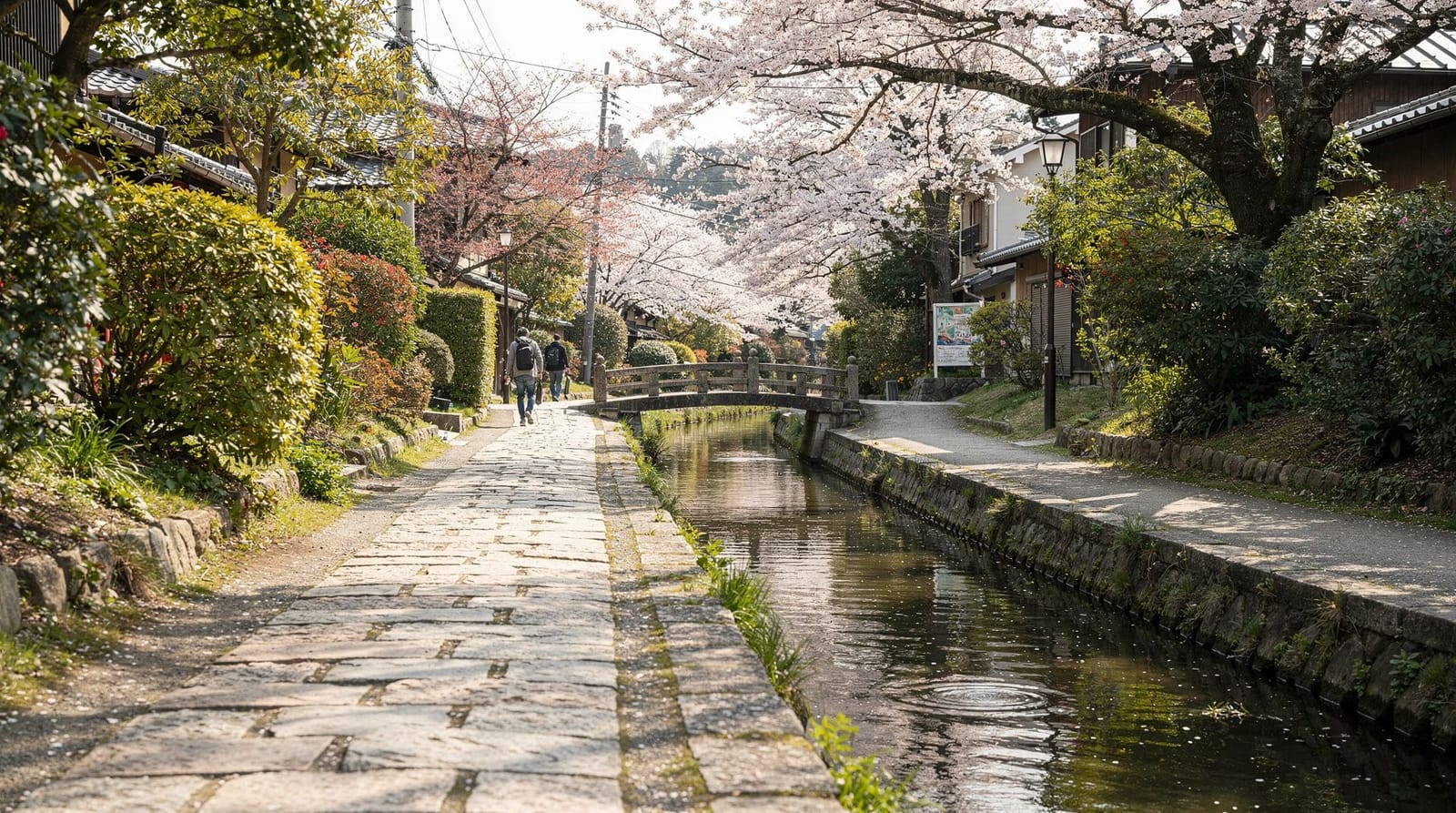
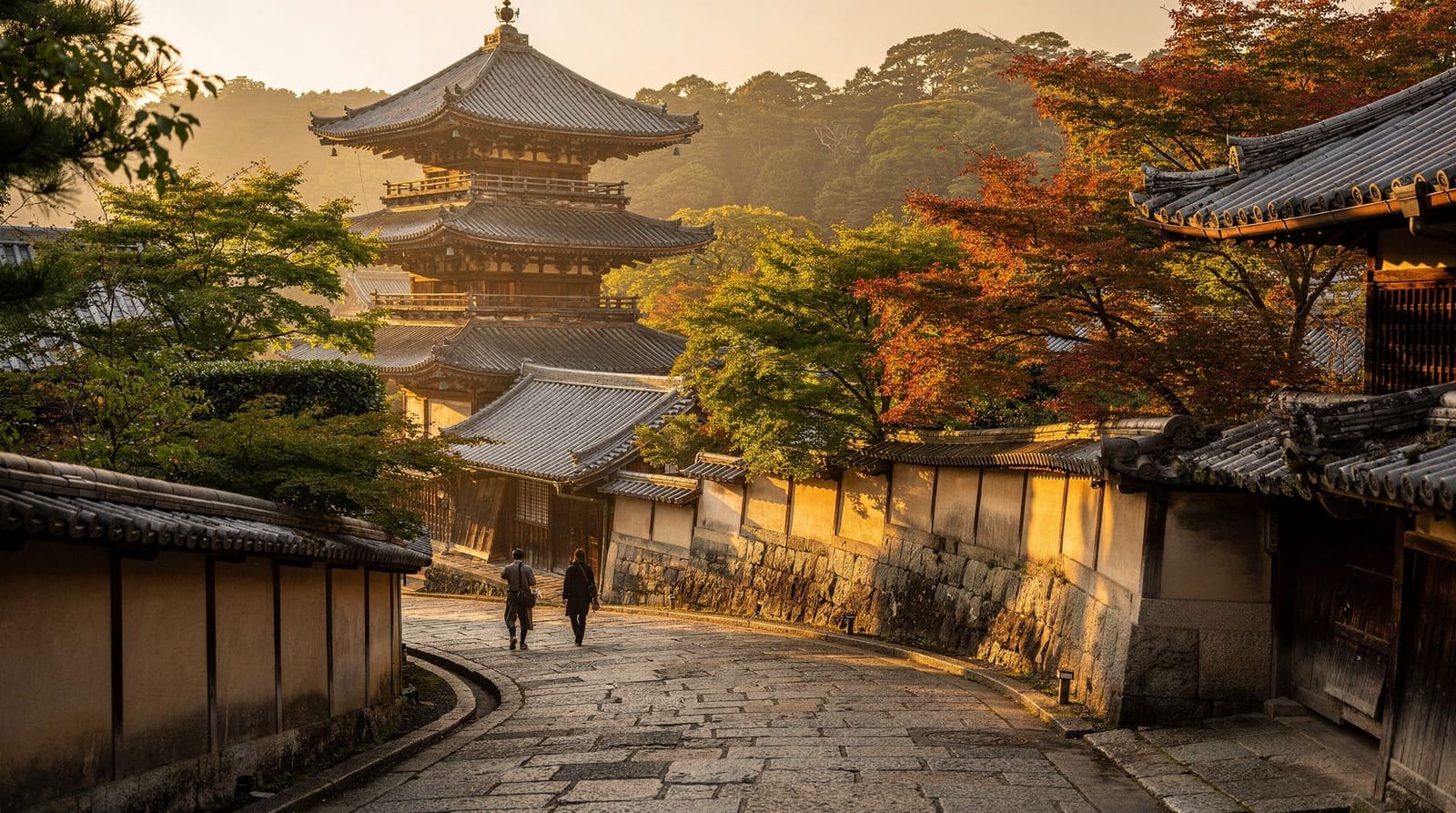
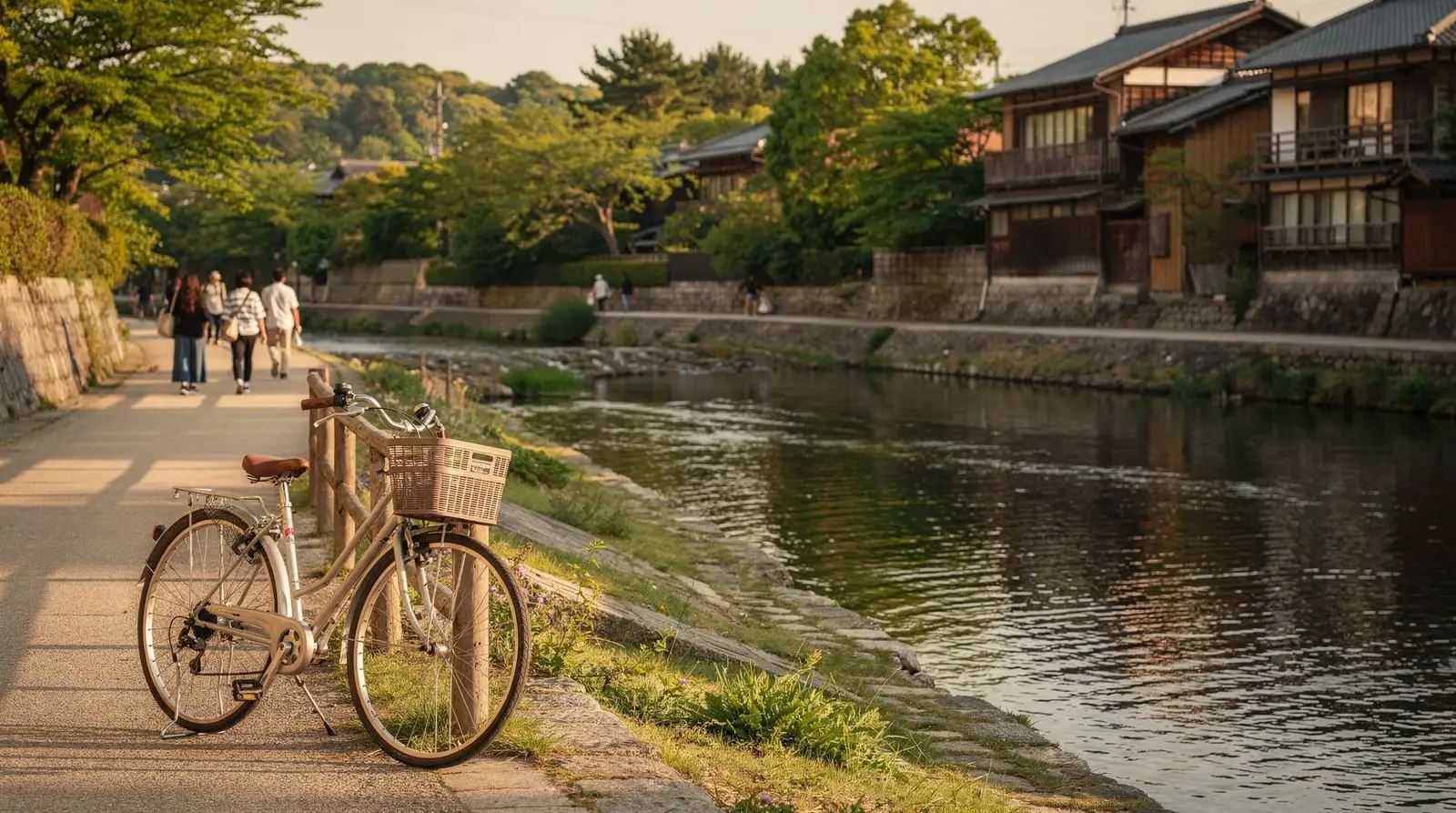
Good cycling tours deliberately mix major sights with connective, lesser-seen stretches — a canal path, a quiet residential lane, a small neighborhood temple that walking tours skip because it’s not a headline destination. This is arguably the format’s biggest strength over both walking and bus tours: the in-between spaces of Kyoto, often more atmospheric and far less crowded than the marquee sights, become part of the itinerary rather than something you rush past in a bus window.
The Ginkakuji and Philosopher’s Path e-bike tour is built specifically around this idea — combining the Silver Pavilion with a ride along the Philosopher’s Path canal, a route that rewards a slower pace than most walking tours allow given typical time constraints, made practical here by the e-bike’s assist on the path’s gentle but sustained incline sections.
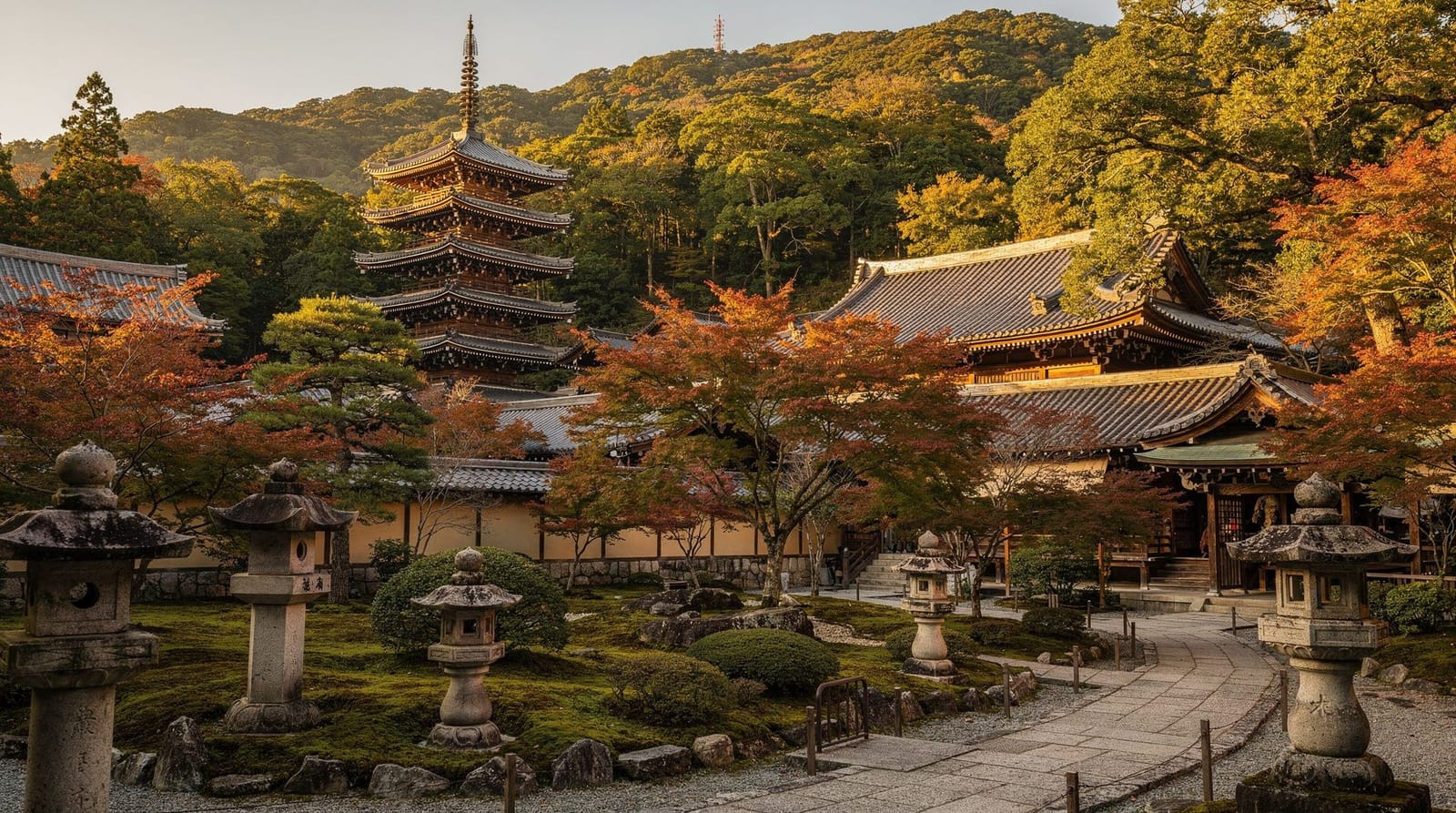
The three gardens bike tour takes a different approach, threading together multiple garden sights across a single ride — a strong pick if traditional Japanese garden design specifically is your priority over temples or shrines.
The underground Kyoto bike tour through sento, vintage, and café culture is the most distinctly different format on offer — skipping major temples almost entirely in favor of local bathhouse (sento) culture, vintage shopping streets, and neighborhood cafés most tourists never see. Worth booking specifically if you’ve already covered Kyoto’s headline sights on a previous visit and want a genuinely local-feeling half-day instead.
| Format | Best for | Trade-off |
|---|---|---|
| City secrets e-bike tour | First-timers wanting a broad mix | Standard route, less niche |
| Ginkaku-ji + Philosopher’s Path | Silver Pavilion plus a scenic canal ride | Narrower geographic focus |
| Three gardens bike tour | Garden design specifically | Skips temples/shrines outside gardens |
| Underground sento/vintage/café tour | Repeat visitors, local culture | Skips major temples almost entirely |
Is Kyoto safe to cycle as a first-time visitor?
Reasonably so, and cycling is a normal part of daily life here rather than a novelty activity — many streets have dedicated or de facto cycling space, and traffic speeds in central and eastern Kyoto are generally moderate compared to larger Japanese cities. That said, a guided group ride genuinely reduces the real logistics challenge of navigating unfamiliar, narrow, often one-way historic streets solo. Guides ride in a lead-and-sweep formation, communicate turns clearly, and choose routes that deliberately avoid the busiest arterial roads — worth the tour cost alone for anxious first-time visitors who’d otherwise hesitate to rent a bike independently.
Morning vs afternoon: timing genuinely changes the experience
Morning tours offer cooler temperatures (a real factor given Kyoto’s summer humidity — see the Kyoto in summer guide), quieter streets, fewer pedestrians to navigate around at popular stops, and better light for photos at east-facing temples along routes like the Philosopher’s Path. Afternoon and evening tours suit travelers with morning commitments elsewhere but involve noticeably more foot and vehicle traffic at any popular stop, particularly around Higashiyama or Kinkaku-ji.
Who should book this, and who should skip it
Book it if: you want to cover meaningfully more ground than a walking-only day allows, you’re comfortable riding a bike in mixed traffic at a leisurely group pace, or you specifically want access to the quieter connective spaces between major sights that bus and walking tours miss. This pairs particularly well with a trip focused on efficient sightseeing — see the getting around Kyoto guide for how cycling compares to the bus and train network generally.
Skip it if: you have mobility limitations that make cycling uncomfortable, you’re traveling with very young children who can’t ride independently or be safely carried on most tour operators’ bikes, or you simply prefer walking’s slower, more stoppable pace over a scheduled group ride with a fixed route.
How Kyoto’s cycling culture actually works day to day
Cycling is genuinely embedded in Kyoto daily life in a way that surprises many first-time visitors expecting a car- or transit-dominated city. Students, office workers, and elderly residents alike use bicycles for ordinary errands throughout the flatter central and eastern districts, and dedicated bicycle parking is common outside train stations, shops, and temples. This local cycling culture is part of why guided e-bike tours feel less like a novelty tourist activity and more like temporarily adopting how a meaningful share of Kyoto residents actually get around — a genuinely different lens on the city than moving between sights by bus or taxi.
That said, Kyoto’s cycling etiquette has specific local norms worth understanding: cyclists generally ride on the left side of designated paths or road shoulders, pedestrian right-of-way is taken seriously in mixed pedestrian-cycling zones (common near temples and shopping streets), and using a bicycle bell rather than shouting to signal your approach is standard practice. Guides typically brief the group on these norms at the start of a tour, which is a genuine practical benefit for anyone unfamiliar with cycling etiquette that differs from their home country’s conventions.
Renting a bike independently instead of joining a tour
If you’re an experienced cyclist comfortable navigating with a map app and don’t want a guided narrative, independent e-bike or standard bicycle rental is available throughout central Kyoto, typically ¥1,000-3,000 ($6.70-20) per day depending on bike type and rental duration — meaningfully cheaper than a guided tour.
What you give up is route curation and the local knowledge steering you toward quieter connective streets rather than the more obvious, more congested routes between major sights that a map app tends to default to. For a first Kyoto cycling experience, particularly for visitors unfamiliar with Japanese road conventions, the guided format’s added safety and routing value is a reasonable trade for the extra cost — independent rental is a better fit for a return visit once you already know the city’s layout.
Physical demands and who should think twice
E-bike assist genuinely lowers the fitness bar, but it doesn’t eliminate it entirely — a 3-4 hour tour covering 10-15km still involves sustained sitting, balancing, and periodic stops requiring you to dismount and remount, which adds up over a half-day even with motor assistance handling the hardest pedaling. Travelers with genuine mobility limitations, significant back or joint issues that make cycling uncomfortable regardless of assist level, or anyone who hasn’t ridden a bicycle in many years and isn’t confident relearning balance in unfamiliar traffic should think carefully before booking, since most operators don’t offer meaningful alternatives mid-tour if a participant struggles.
Pregnant travelers and those with certain health conditions should consult operators directly before booking, as policies vary — some restrict participation, others don’t address it explicitly, and it’s worth confirming rather than assuming either way. Children typically need to be a minimum age (commonly 12-14, varying by operator) to ride an e-bike independently on a group tour; younger children generally aren’t accommodated on standard adult-oriented cycling tours, and families with younger kids are better served by the Nara day trip or other lower-intensity activities.
Comparing cycling to a rickshaw tour as an alternative low-effort option
For travelers wanting to cover ground efficiently without cycling’s physical demands entirely, Kyoto’s traditional rickshaw (jinrikisha) tours offer a genuinely different, effort-free alternative, particularly popular in Higashiyama and Arashiyama.
Rickshaw tours cover considerably less ground per hour than cycling (a runner-pulled rickshaw is naturally slower and typically confined to a smaller area) and cost more per hour of coverage, but they require zero physical effort or balance from the passenger and include the runner’s live narration throughout, similar to a walking tour guide. Worth considering specifically for travelers who like the idea of efficient, guided ground-covering but are ruled out from cycling by mobility, confidence, or simply preference for being driven rather than pedaling themselves.
Combining a cycling tour with the rest of a multi-day itinerary
A cycling tour works best scheduled early in a multi-day Kyoto trip rather than at the end, since the ground it covers efficiently — a mix of major and secondary sights — can genuinely reshape which spots you prioritize revisiting on foot for a slower, closer look afterward.
Scheduling it on a day with otherwise light plans, rather than stacking it onto a day that also includes a long temple visit or another physically demanding activity, tends to produce a better experience overall, since 3-4 hours of cycling is a real time and energy commitment even with e-bike assist. See the how many days in Kyoto guide for how to sequence a cycling tour alongside temple visits, food experiences, and day trips across a typical multi-day stay.
Weather and what happens if it rains on tour day
Most operators run tours rain or shine unless conditions are genuinely severe (heavy storms, dangerous wind), with light ponchos sometimes provided for drizzle. Check the specific operator’s weather policy before booking, since cancellation and rescheduling terms for weather vary meaningfully — some offer free rescheduling for any rain, others only for more serious conditions. Cycling in genuine rain is uncomfortable and reduces visibility and traction, so if the forecast looks unfavorable for your booked date, contact the operator proactively about rescheduling rather than assuming they’ll cancel on your behalf, since many will run the tour as scheduled unless you request otherwise.
Verdict
A cycling tour is one of the more efficient ways to see a meaningful cross-section of Kyoto in a single half-day, and the e-bike format removes the fitness barrier that might otherwise make this feel intimidating. The city secrets e-bike tour is the strongest general pick for a first cycling tour in Kyoto, balancing well-known sights with the quieter neighborhood stretches that make cycling worth choosing over walking or the bus network in the first place.