Getting around Kyoto — buses, subway, trains, and IC cards explained
Kyoto: Japan/Asia eSIM Roaming Mobile Data Plan
What's the best way to get around Kyoto?
An Icoca IC card loaded with pay-as-you-go credit, used across city buses, the subway, and local trains, covers almost every trip a visitor needs. Buses reach the temple-heavy east and west sides best; the subway is faster for a handful of central and southern stops; JR, Keihan, Hankyu, and the Randen tram fill in the rest, including day trips to Uji, Fushimi, Arashiyama, and Osaka.
| Best single tool | Icoca IC card, works on every mode below |
| Bus flat fare | ¥230 within central zone |
| Subway base fare | ¥220, up to ~¥350 |
| Typical daily spend | ¥600-1,200 (US$4-8) |
| Day-trip fares | ¥150-1,600 each way depending on destination |
Kyoto doesn’t have one dominant transport mode the way Tokyo has its subway or Amsterdam has its bike lanes — it runs on a patchwork of city buses, a two-line subway, four separate private and JR train networks, and one heritage tram, each covering a different slice of the city well and the rest of it poorly. This guide works through every mode, what it actually covers, what it costs, and which combination gets a typical sightseeing day done with the least backtracking, with real fares in yen and US dollars throughout so a full day’s transport spend can be estimated before arrival rather than guessed at on the ground.
Kyoto has five ways to get around, and no single one covers everything
The practical starting point is accepting that no single pass or mode handles a full Kyoto itinerary. City buses reach the temple-dense east side (Higashiyama, Gion, Kiyomizu-dera) and the west side (Arashiyama) better than any train. The subway is fast but only touches a handful of central and southern stops. JR, Keihan, and Hankyu lines matter mostly for day trips — Uji, Fushimi Inari, Arashiyama again via a different route, and Osaka. Most visitors end up mixing three or four of these across a single day without much friction once an Icoca card removes the need to buy individual tickets.
City buses: the backbone of Kyoto sightseeing
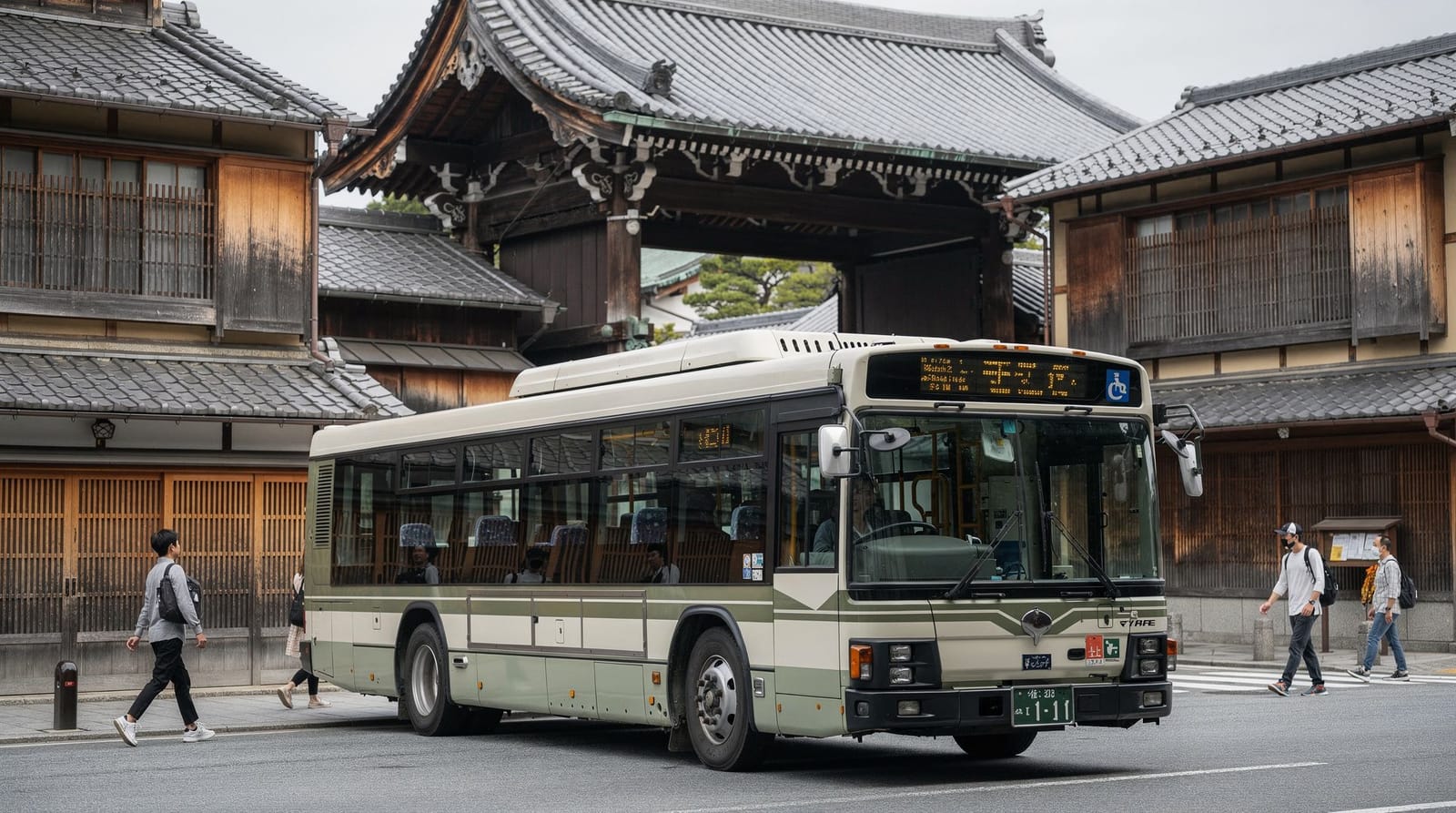
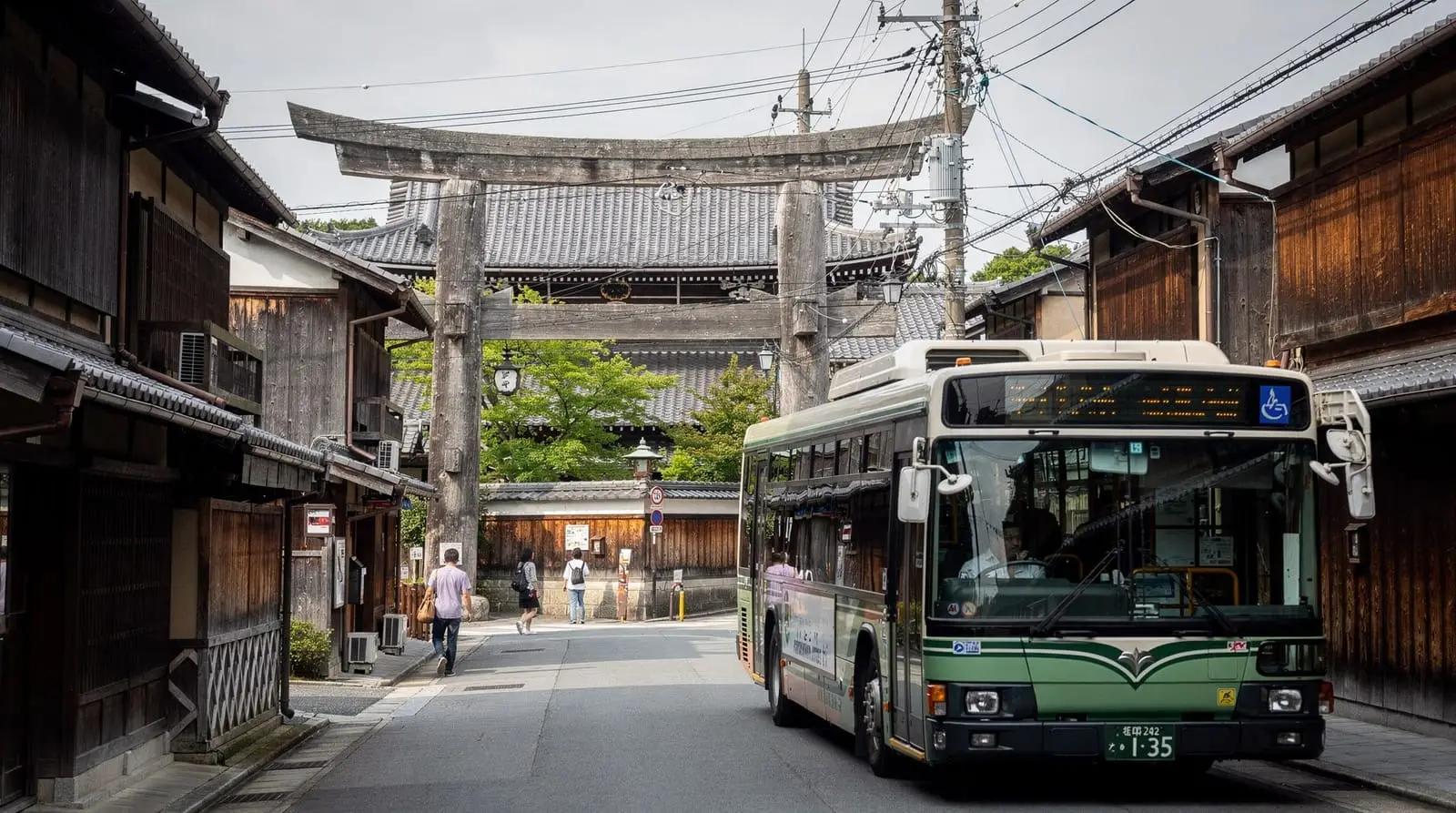
City buses cover more of Kyoto’s must-see sights than any other mode, which is why they’re consistently the most crowded transport option, particularly the 100 and 206 routes that loop through Kyoto Station, Higashiyama, Gion, and Kiyomizu-dera-michi. The flat fare within the central zone is ¥230 (about US$1.55) regardless of distance, paid on exit by tapping an IC card or dropping coins into the farebox. Board at the rear door, exit at the front. The full mechanics, key routes, and where buses fall short are covered in the Kyoto bus guide.
Subway: two lines, limited reach, but fast where it goes
Kyoto’s subway consists of two lines: the north-south Karasuma line, running from Kokusaikaikan in the north through Kyoto Station down to Takeda, and the east-west Tozai line, running from Rokujizo through Sanjo-Keihan, Higashiyama, and Nijojo-mae. Base fare starts at ¥220 and rises with distance, capping around ¥350 for the longest in-network trips. The subway’s genuine strength is speed on a small number of routes — Kyoto Station to Karasuma-Oike (for downtown Kyoto and Nijo Castle) in about 5 minutes, or Sanjo-Keihan to Higashiyama in about 3 minutes, both faster and less crowded than the equivalent bus. Outside those specific corridors, it doesn’t reach most sightseeing areas at all.
JR lines: useful for Uji, Fushimi, Arashiyama, and day trips
JR West operates three lines that matter for visitors. The Nara line runs south from Kyoto Station through Fushimi Inari’s own station (a two-minute walk from the shrine’s main torii gate) and on to Uji, making it the fastest way to both. The Sagano (San-in) line runs west to Arashiyama and Saga-Arashiyama stations, useful as an alternative to the bus or the Randen tram. The Kyoto line runs east toward Otsu and Lake Biwa and connects onward to Osaka. JR fares run by distance, typically ¥150-240 for these short intra-Kansai hops, and JR stations don’t require a transfer fee when connecting to other JR lines, unlike switching between private operators.
Japan/Asia eSIM roaming data plan — set up before landing so transit apps work from the first bus rideKeihan line: the fast route to Fushimi Inari, Gion, and Osaka
The Keihan main line runs along Kyoto’s eastern edge, with stations at Gion-Shijo (a short walk into Gion and Pontocho), Sanjo, Demachiyanagi, and Fushimi-Inari, before continuing south to Osaka’s Yodoyabashi terminus. It’s the most direct route between Gion and Fushimi Inari, avoiding both the bus’s traffic-dependent timing and the JR Nara line’s longer walk from Fushimi Inari’s own JR stop. A separate Keihan branch line serves Uji directly from Chushojima, offering a second route there alongside JR.
Hankyu line: Kawaramachi to Arashiyama and Osaka
The Hankyu Kyoto line connects Kawaramachi and Karasuma stations in downtown Kyoto to Osaka’s Umeda terminus, with a branch line splitting off toward Arashiyama. It runs slightly west of the Keihan line’s corridor and is the more convenient option for anyone staying near Shijo-Kawaramachi or Nishiki Market who’s heading to Osaka or Arashiyama without wanting to first backtrack to Kyoto Station.
Randen (Keifuku): the tram to Arashiyama and Kitano
Randen, officially the Keifuku Electric Railroad, is Kyoto’s last surviving tram line and one of its most charming rides — a single or two-car tram running street-level through residential Kyoto between Shijo-Omiya (near downtown) and Arashiyama, with a branch (the Kitano line) serving the Kinkaku-ji and Ryoan-ji area via Katabiranotsuji station. Flat fare is ¥250 regardless of distance, and it’s the slowest option covered here, but for visitors who want a slice of old Kyoto transit rather than the fastest route, it’s worth choosing deliberately rather than defaulting to the bus.
Icoca and other IC cards: the single best transport decision you’ll make
An Icoca card (or a nationally interoperable equivalent — Suica and Pasmo from Tokyo work identically here) removes fare-calculation friction entirely: tap on, tap off (or tap once on flat-fare buses), and the correct fare deducts automatically across every mode in this guide.
Cards are sold at ticket machines in major stations including Kyoto Station, typically for a ¥2,000 initial load with a ¥500 deposit refundable on return (deposit refunds have been suspended at points since 2023 due to a national chip shortage — check current terms at purchase). Reloading works at station machines and most convenience stores in ¥1,000 increments using cash. For a full cost comparison against day passes, see the Kyoto travel budget guide.
Taxis: when they’re worth it despite the cost
Kyoto taxis are metered, honest, and more useful than their reputation as a splurge-only option suggests. Flag-fall for a standard taxi starts around ¥500 for the first 1.2 kilometers, then adds roughly ¥100 per additional 300-400 meters — a typical 10-15 minute ride across a neighborhood runs ¥1,200-2,000, which is competitive with two or three bus fares once split between two or more people, particularly late at night when buses run infrequently or a group is carrying luggage between a hotel and a station.
Bicycle rental: fast, cheap, and underused by visitors
Kyoto is flatter and more bike-friendly than its temple-hill reputation suggests, and rental shops near Kyoto Station, Nijo Castle, and Arashiyama offer day rentals typically running ¥1,000-1,500. A bike cuts the Arashiyama-to-central-Kyoto trip that otherwise requires a bus-plus-transfer down to a direct 40-50 minute ride, and it’s genuinely the fastest way to cover the spread-out sights within Arashiyama itself (the bamboo grove, Tenryu-ji, the monkey park, and the river) without repeated short bus hops.
Walking: often the fastest option in central neighborhoods
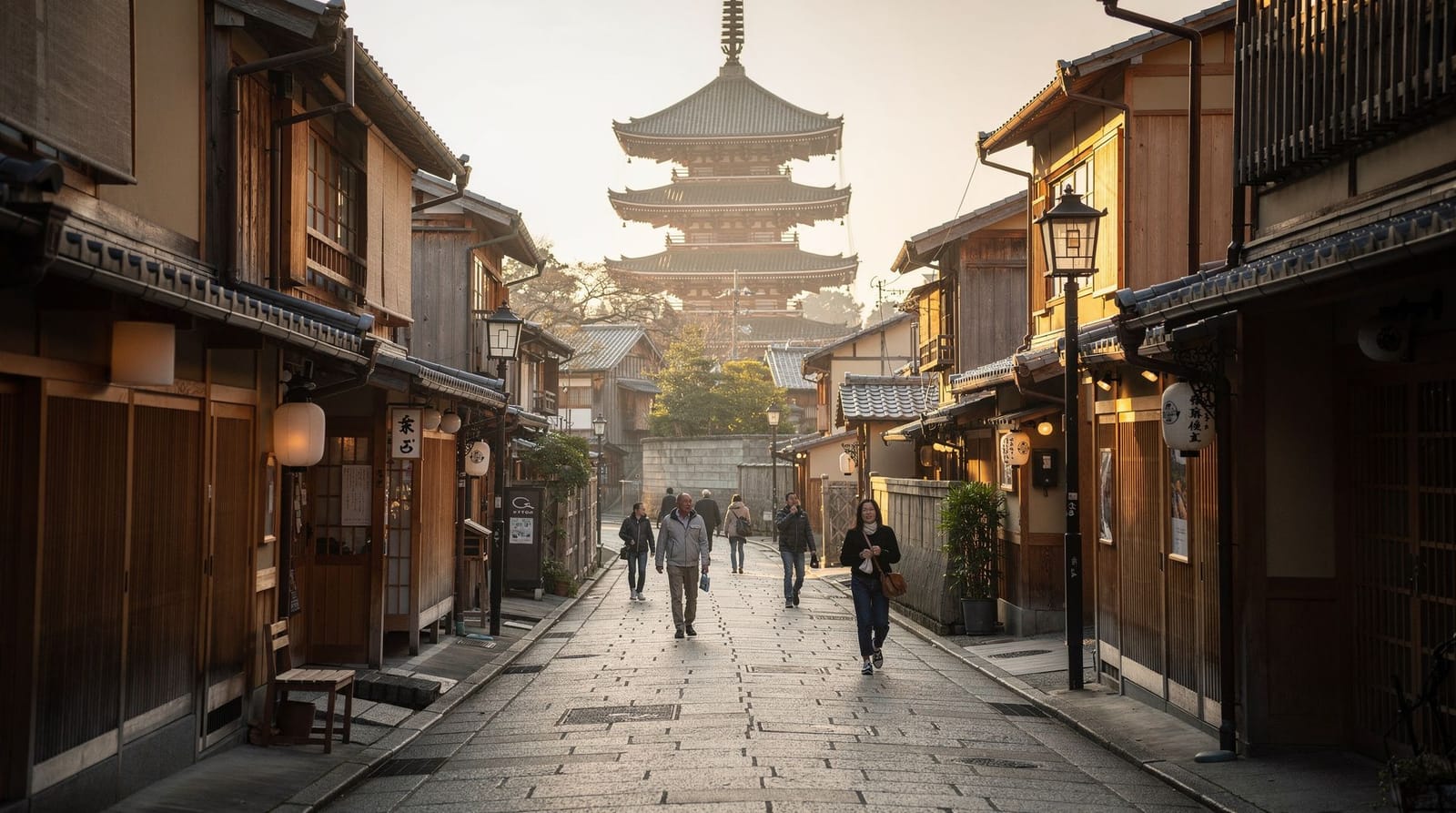
Within Higashiyama, Gion, and downtown Kyoto specifically, walking frequently beats waiting for a bus that covers the same 800-meter to 1.5-kilometer distance, especially during the mid-morning and mid-afternoon periods when buses run most crowded. The stretch from Kiyomizu-dera down through Sannenzaka and Ninenzaka to Yasaka Shrine and into Gion, roughly 25-30 minutes on foot, is a case where taking a bus for part of the route usually costs more time than it saves once boarding and alighting delays are counted.
Getting to specific neighborhoods: a quick reference
Higashiyama and Kiyomizu-dera: bus 100 or 206 to Kiyomizu-michi or Gojo-zaka. Gion: bus 100/206 to Gion, or Keihan to Gion-Shijo. Fushimi Inari: JR Nara line to Inari station (2-minute walk), or Keihan to Fushimi-Inari station. Arashiyama: JR Sagano line to Saga-Arashiyama, Hankyu to Arashiyama, or Randen to Arashiyama. Kinkaku-ji and the northern temples: bus 101, 102, or 205. Downtown and Nishiki Market: subway Karasuma line to Shijo, or walk from Kawaramachi. Kyoto Station itself connects to nearly everything above, which is why most itineraries return there at least once a day.
Passes worth considering (and the ones that usually aren’t)
A Kyoto city bus one-day pass existed for years but was discontinued in March 2023 due to overcrowding on buses, and the city now actively steers visitors toward IC cards instead — a genuinely useful piece of honest planning, since older guides still reference the paper pass. For trips extending into Osaka, Nara, Kobe, or Himeji, the regional rail passes below are worth pricing against individual fares; for Kyoto-only sightseeing, an Icoca card alone almost always works out cheaper than any bundled pass.
Hop-on hop-off sightseeing bus ticket — one flat cost covering stops between the main sightseeing areasThe full breakdown of which regional pass fits which itinerary is in the JR Pass for Kyoto guide and the Kansai Thru Pass guide.
Reaching Osaka, Nara, Kobe, and Himeji from Kyoto
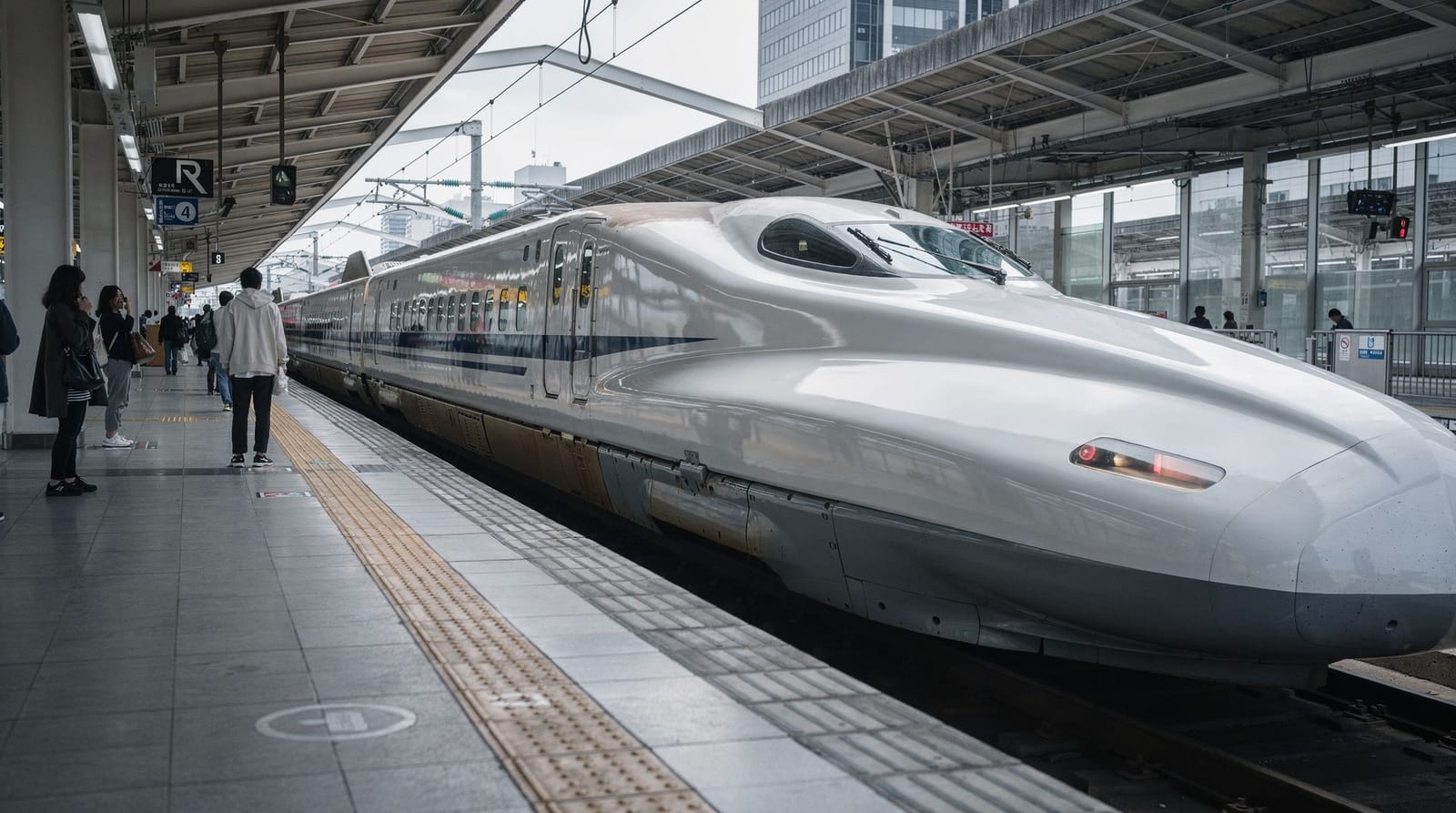
Kyoto Station is the practical hub for every major day trip. Osaka is roughly 30 minutes by JR special rapid train (¥580) or 45 minutes by Hankyu from Kawaramachi. Nara runs about 45 minutes by JR Nara line rapid (¥720) or slightly longer by Kintetsu from a different station. Kobe takes about 55 minutes by JR special rapid (¥1,110), and Himeji, for the castle, runs 55-90 minutes depending on whether a Shinkansen or the slower JR Kobe line special rapid is used. None of these routes require the subway or city buses at all — they’re straightforward JR or private-rail trips that an Icoca card covers the same way as a local Kyoto ride, just at a higher fare reflecting the distance.
Coin lockers and luggage on transit days
Kyoto Station has extensive coin lockers on multiple floors, running roughly ¥300-700 depending on size, and it’s the most reliable place to store luggage on a day-trip day rather than hauling bags onto buses or trains. Smaller stations along the JR, Keihan, and Hankyu lines often have far fewer lockers or none at all, so stashing bags at Kyoto Station before heading out — even if the day’s first stop is elsewhere — is usually worth the short backtrack. Buses in particular have limited luggage space and get crowded fast, making them a poor choice for anyone moving between accommodation with full suitcases; a taxi is the better call for that specific trip.
Rush hour, crowding, and timing your rides
Kyoto’s buses run genuinely crowded during three windows: weekday commuter hours (roughly 7:30-9am), the mid-morning tourist peak (10am-1pm, worst on the 100 and 206 routes), and any afternoon during cherry blossom or autumn foliage season, when buses toward Higashiyama and Arashiyama can run standing-room-only for stretches. Shifting sightseeing starts to before 8:30am or after 3pm avoids most of this, and it’s also when the temples themselves are least crowded — a rare case where the transport-crowding fix and the sightseeing-crowding fix point the same direction.
Common mistakes first-time visitors make
Buying single paper tickets instead of using an IC card is the most common friction point, since it requires knowing the exact fare before boarding and fumbling with the farebox’s change machine. A second is assuming the subway covers more of the city than it does and planning a route around it that a bus would serve directly. A third is underestimating bus travel time during peak sightseeing hours — a route that Google Maps estimates at 20 minutes can run 30-35 minutes when a bus is skipping full stops or waiting through traffic near Kiyomizu-dera or Arashiyama on a weekend afternoon.
Accessibility: step-free routes and elevators
Kyoto’s transit accessibility has improved substantially over the past decade but remains uneven. Kyoto Station and most subway stations have elevators connecting platforms to street level, and low-floor buses with a fold-out ramp now run on most city routes, though not universally on smaller feeder lines. The bigger challenge tends to be the sights themselves rather than the transit — Fushimi Inari’s upper trail, Kiyomizu-dera’s approach up Sannenzaka, and several hillside temple gardens involve stairs and slopes that no transport choice avoids. Randen’s older stations are the least accessible in this guide, with several stops lacking step-free platform access.
A sample day of mixed transport, cost, and time
A representative day — Fushimi Inari in the morning, lunch in Gion, Kiyomizu-dera in the afternoon — might run: JR Nara line from Kyoto Station to Inari (¥150, 5 minutes), Keihan from Fushimi-Inari back to Gion-Shijo (¥270, 15 minutes), a 15-minute walk to Kiyomizu-dera or a short bus hop (¥230), and a bus or taxi back to the hotel in the evening (¥230-1,500 depending on choice). Total transport cost for the day: roughly ¥650-2,150 (US$4-14) per person, comfortably within the transport line item covered in the Kyoto travel budget guide.
Frequently asked questions about getting around Kyoto
Do I need an IC card in Kyoto, or can I buy paper tickets?
An IC card (Icoca, or any nationally interoperable card like Suica or Pasmo) is strongly recommended over paper tickets. It works on every bus, subway, and train line in this guide with a single tap, avoids fumbling for exact change on buses, and removes the need to work out fares in advance.
Is Kyoto’s bus network confusing for first-time visitors?
Somewhat, yes — Kyoto runs more buses than most cities of its size, and several operators share overlapping route numbers. Loading a transit app and boarding at the rear door, paying flat-fare on exit, resolves most of the confusion within a day. See the Kyoto bus guide for the full breakdown.
Is the Kyoto subway worth using given how limited it is?
For the specific stops it serves — Kyoto Station, Karasuma-Oike, Shijo, and the Tozai line’s Higashiyama-area stations — yes, since it’s faster and less crowded than the equivalent bus route. It’s not a citywide solution the way Tokyo’s or Osaka’s subway networks are.
Can I use my Tokyo Suica or Osaka Icoca card in Kyoto?
Yes. Suica, Pasmo, Icoca, and the other nationally interoperable IC cards all work interchangeably on Kyoto’s buses, subway, and trains, so there’s no need to buy a separate card if you already hold one from elsewhere in Japan.
How much should I budget for transport per day in Kyoto?
Most visitors spend ¥600-1,200 (US$4-8) a day covering three to five bus or train rides, more on days that include a day trip to Uji, Fushimi, Arashiyama, or Osaka.
Are taxis affordable in Kyoto?
For a single short ride, yes — flag-fall starts around ¥500 for the first 1.2 kilometers, and a 10-15 minute ride commonly runs ¥1,200-2,000, reasonable when split across two or three people or used late at night.
What’s the fastest way to get between Arashiyama and central Kyoto?
The JR Sagano line from Kyoto Station to Saga-Arashiyama is fastest at roughly 15-20 minutes, versus 40-50 minutes on a bus with a transfer, or a similar time by rental bike once traffic and lights are factored in.
Multi-day passes: when they actually pay off
Beyond the discontinued city bus pass, a handful of regional passes remain genuinely worth pricing against individual fares for specific itineraries. The Kansai Thru Pass, covering private railways (not JR) across Kyoto, Osaka, Kobe, and Nara, pays off for travelers making several day trips within the region over a short window — full details are in the Kansai Thru Pass guide and the broader Kansai area passes comparison.
A JR Pass, national or regional, only makes financial sense for travelers combining Kyoto with a longer-distance trip involving the Shinkansen, since Kyoto’s own city transport barely touches JR lines that a national pass would otherwise cover — see the JR Pass for Kyoto guide for the exact math. For most itineraries confined to Kyoto itself plus one or two regional day trips, a simple Icoca card without any bundled pass remains the cheapest and most flexible option.
Renting a car: why most visitors shouldn’t
Self-driving in Kyoto is technically possible but a poor fit for nearly every visitor itinerary, and worth ruling out explicitly rather than defaulting to it out of habit from other trips. Central Kyoto’s narrow, one-way historic streets weren’t designed for car traffic, parking near major temples is scarce and expensive (often ¥300-500 per 30 minutes near popular sights), and the city’s excellent bus, train, and subway coverage removes most of the practical reasons to drive in the first place.
A rental car makes more sense specifically for reaching rural areas with poor transit connections — parts of the wider Kansai countryside beyond Uji or Lake Biwa’s shoreline — but even then, a day-trip train-and-taxi combination usually beats the hassle of navigating, parking, and eventually returning a rental car in an unfamiliar city with signage that’s only partially in English. International visitors also need an International Driving Permit, obtained before arrival in Japan, which is an easy detail to overlook when a car doesn’t fit the trip in the first place.
Frequently asked questions about Getting around Kyoto — buses, subway, trains, and IC cards explained
Do I need an IC card in Kyoto, or can I buy paper tickets?
Is Kyoto's bus network confusing for first-time visitors?
Is the Kyoto subway worth using given how limited it is?
Can I use my Tokyo Suica or Osaka Icoca card in Kyoto?
How much should I budget for transport per day in Kyoto?
Are taxis affordable in Kyoto?
Top experiences
Bookable activities with verified prices and instant confirmation on GetYourGuide.