Kyoto in summer — heat, humidity, Gion Matsuri, and how to cope
Fushimi Inari Night Hike
Is summer a bad time to visit Kyoto?
Summer (June-August) brings genuinely difficult heat and humidity, with daytime temperatures of 33-35°C, but it's also the cheapest, least crowded season and coincides with Gion Matsuri, Kyoto's largest festival. Structuring days around early mornings and midday indoor breaks makes it workable rather than a season to avoid outright.
| Daytime highs | 33-35°C in July-August |
| Rainy season | Early June-mid July (tsuyu) |
| Signature festival | Gion Matsuri, most of July |
| Cost/crowds | Cheapest and thinnest of the year outside Obon |
| Coping strategy | Sightsee before 9am, indoor break midday |
Summer is Kyoto’s most physically demanding season and, for that same reason, its most misunderstood — genuinely difficult heat and humidity coexist with the cheapest hotel rates and thinnest crowds of the year, plus the city’s single largest festival. This guide covers what summer in Kyoto actually feels like month by month, the specific summer traditions worth experiencing, and the practical adaptations that make a July or August visit workable rather than something to simply endure. For crowd and cost comparisons across the full year, see best time to visit Kyoto.
June: rainy season begins, hydrangeas bloom
June opens summer with tsuyu, Japan’s rainy season, typically running from early June to mid-July in the Kyoto area. Expect frequent, sometimes heavy showers and overcast, humid days rather than continuous all-day rain — a genuine but rarely trip-derailing weather pattern. Temperatures stay comparatively mild through most of June, generally 22-28°C, before the full heat of July sets in.
Hydrangeas (ajisai) bloom through June, and several temples build a small seasonal identity around them — Mimurotoji in nearby Uji and Sanzen-in in Ohara are both known for hydrangea displays that pair well with June’s quieter, rain-adjacent atmosphere. Crowds thin out noticeably compared to spring, making June a reasonable trade-off month for travelers willing to carry an umbrella.
Early-to-mid July: heat builds, Gion Matsuri arrives
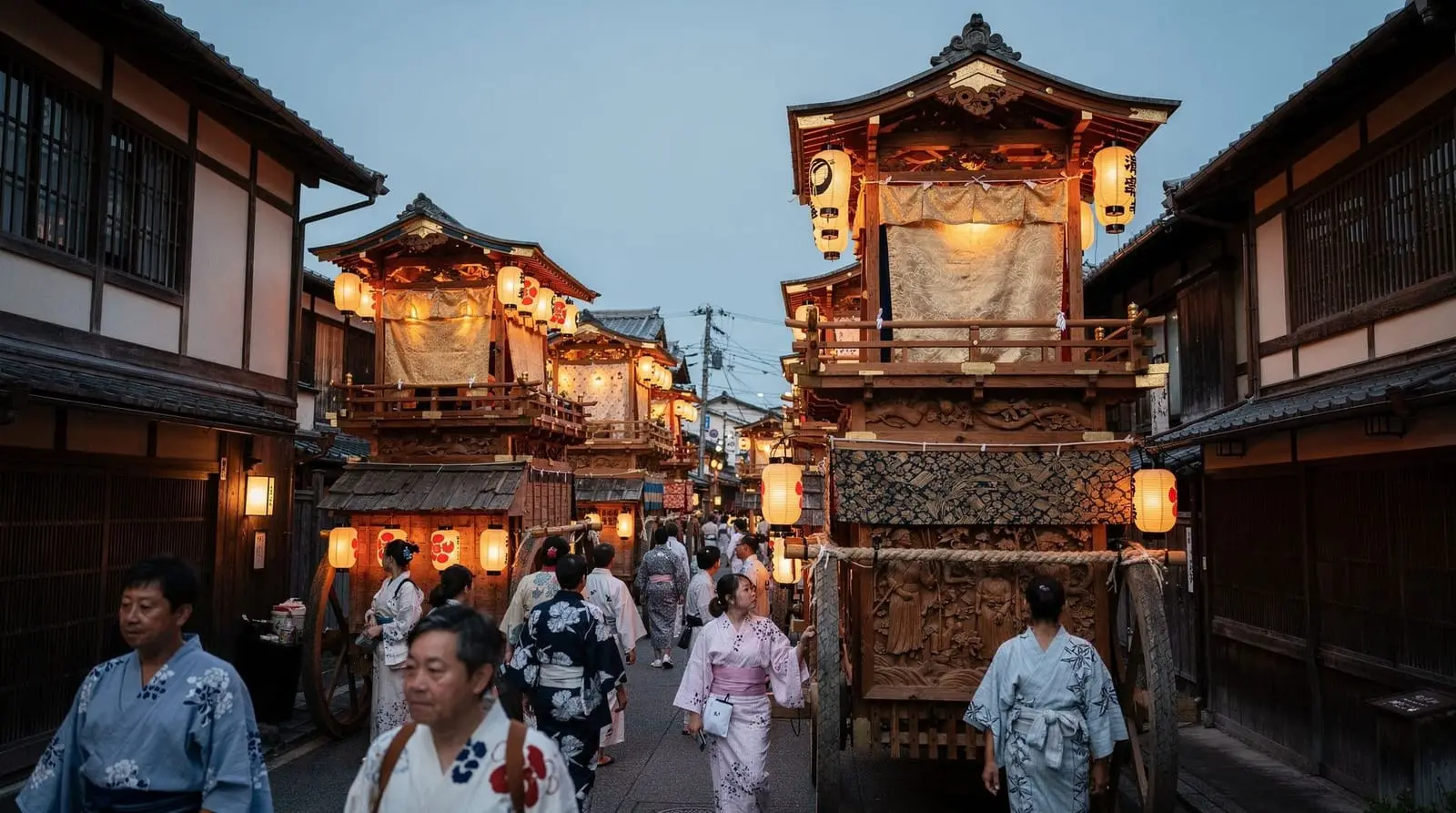
July’s heat intensifies through the month, moving from June’s mild-to-warm range toward the full 33-35°C daytime highs of true summer by month’s end. The defining event of the month, though, is Gion Matsuri, Kyoto’s largest and most famous festival, running through most of July with its climax in the two float processions on July 17 and July 24, preceded by three evenings of pedestrian-only street festival (yoiyama) from July 14-16.
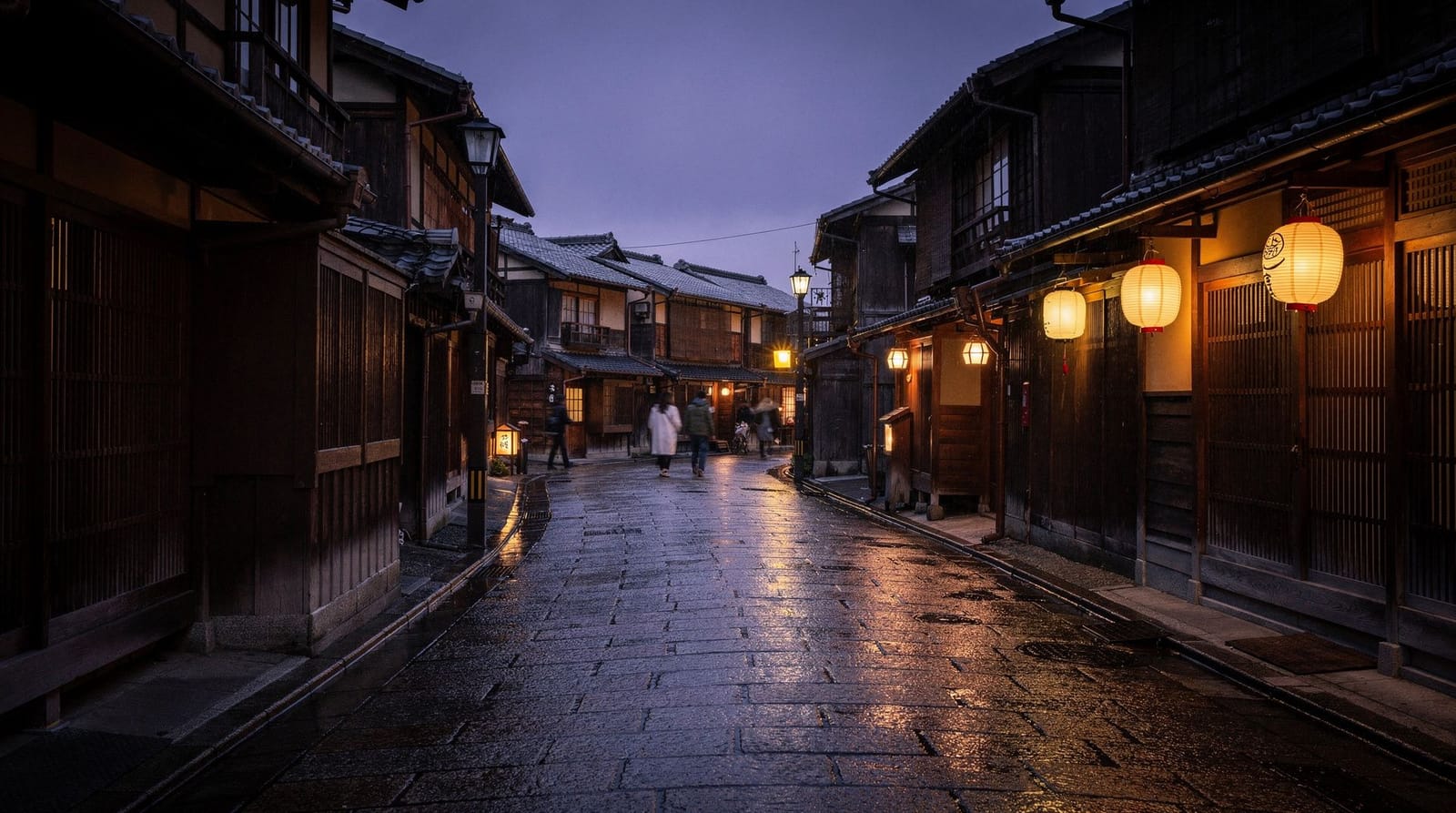
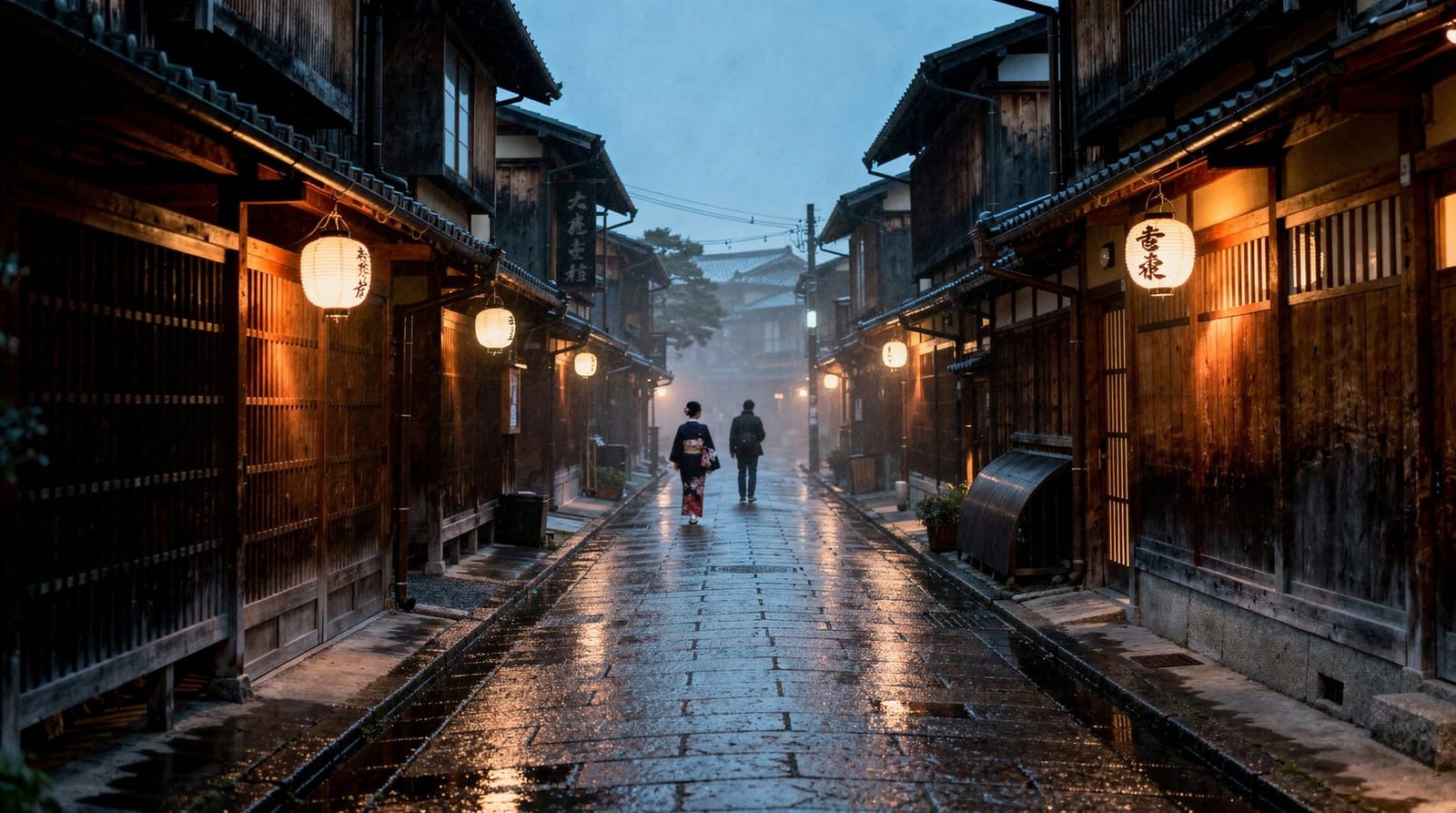
Evening Gion food tour — a practical way to experience Gion after dark when the heat has easedSee the dedicated Gion Matsuri guide for full logistics — processions routes, yoiyama crowd management, what to wear, and how to handle the heat during a festival that runs through the hottest part of the year.
Late July-August: peak heat
Late July into August is Kyoto’s hottest, most humid stretch — daytime temperatures of 33-35°C combined with high humidity make full days of temple walking genuinely taxing, particularly in the city’s basin setting, which traps heat more than Japan’s more coastal cities. Mornings before 8-9am remain comfortable even at the height of summer, which is the single most useful fact for structuring a summer itinerary: front-load outdoor, walking-heavy sightseeing into the early morning, and treat midday through early afternoon as a natural indoor break rather than wasted time.
Arashiyama day tour with train, boat, and onsen — includes a natural midday break from walking-heavy heatObon, a major domestic holiday period typically falling August 13-16, adds a crowd spike on top of the heat, as many Japanese travelers return to hometowns or take family trips, pushing trains and popular sights toward capacity again despite the temperatures. Kyoto’s own Gozan no Okuribi bonfire festival, lighting giant characters on hillsides around the city, falls on August 16 and draws large crowds to specific viewing spots.
Kawadoko and yuka: dining built for the heat
Kawadoko (also called yuka), elevated wooden dining platforms built out over water, are one of Kyoto’s most distinctive seasonal traditions and a genuinely practical response to summer heat. Kamogawa yuka platforms line the Kamo River through central Kyoto’s Pontocho and Kiyamachi districts, typically operating May through September, letting diners eat with the river’s cooler air beneath and around them rather than in an enclosed dining room. Kibune’s kawadoko, in a forested valley north of the city, sits at higher elevation and runs noticeably cooler than the central-Kyoto platforms — often 5°C or more below downtown — making it a specific, deliberate escape-the-heat dining destination rather than just a scenic option.
Reservations for either matter more in peak summer than most other Kyoto dining, since both are seasonal and popular specifically because of the heat they’re built to escape.
Fireworks: Lake Biwa and the wider region
The Lake Biwa Fireworks Festival, held on the lake near Otsu just east of Kyoto, is the largest fireworks display within easy reach of the city, typically held on a single August evening with tens of thousands of shells fired over the water — a genuinely major event drawing large crowds from across the Kansai region. Kyoto itself doesn’t host a comparable standalone fireworks festival, though smaller local displays occur at various points through the wider region during summer. See the Lake Biwa destination guide for transport details if planning a trip out for the fireworks specifically.
Practical heat-coping strategies that actually work
Carrying more water than feels necessary is the single most underrated piece of summer advice — Kyoto’s convenience stores and vending machines make this easy, and dehydration compounds faster than most visitors expect during a walking-heavy day in high humidity. Breathable, moisture-wicking clothing genuinely outperforms anything chosen primarily for how it photographs; cotton in particular holds moisture and heat in a way that makes a hot day noticeably worse. A handheld or neck fan, widely sold in Japanese convenience stores and drugstores during summer, is a small, cheap purchase that makes a real difference over a multi-day trip.
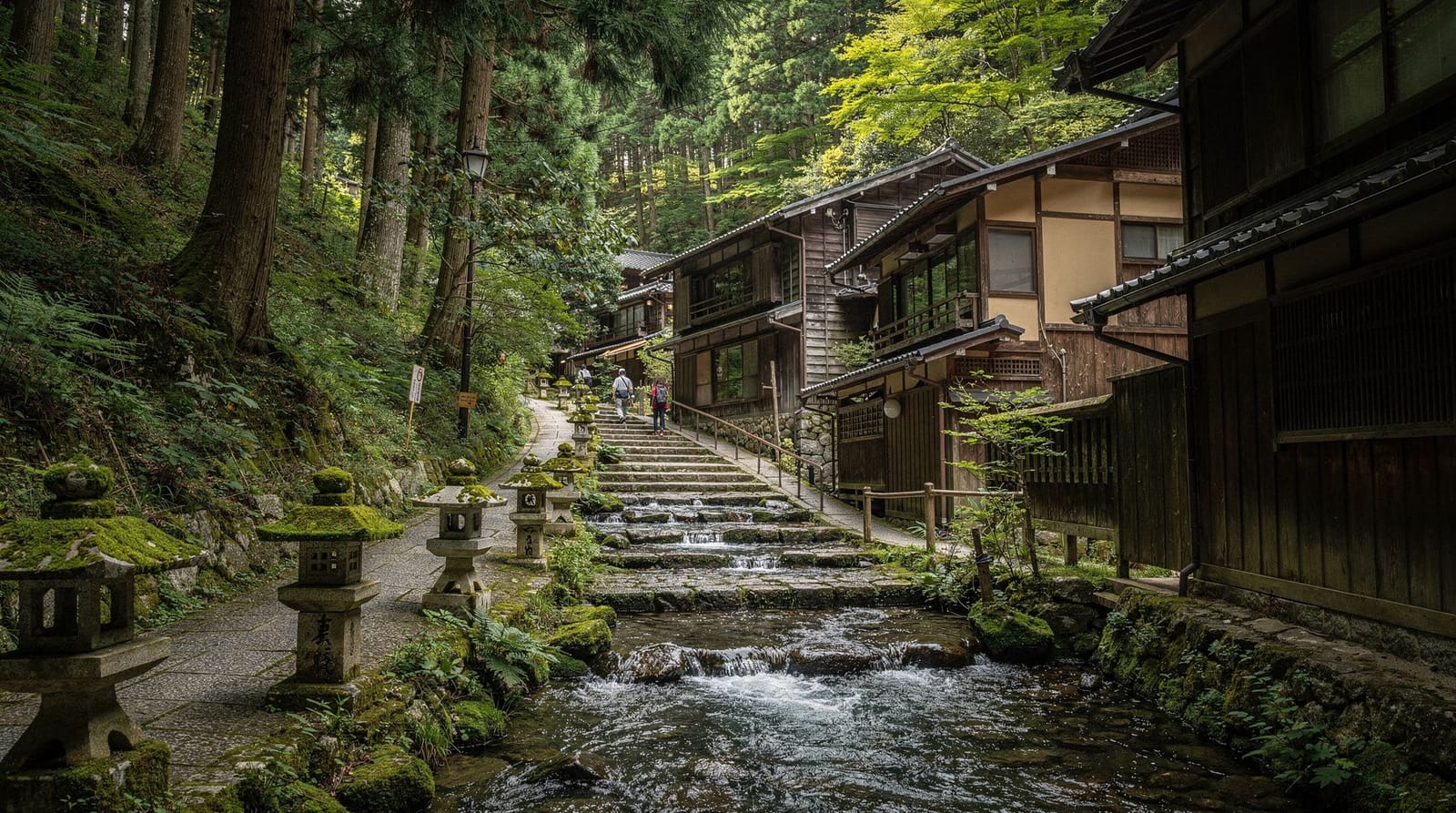
Fushimi Inari night hike — sightseeing structured around the cooler evening hours rather than midday heatTreating a midday air-conditioned break — a department store, a museum, a café — as a normal, planned part of the day rather than wasted sightseeing time is the structural fix that makes the biggest difference to how a summer trip actually feels, more than any single gear purchase.
Why summer is genuinely the cheapest, least crowded season
Outside the Obon week spike in mid-August, summer’s hotel rates run well below the citywide average, and major sights — Fushimi Inari, Kiyomizu-dera, Arashiyama — see noticeably thinner crowds than at any point during spring or autumn. For budget-conscious travelers, or those simply less bothered by heat than by crowds and cost, summer is a legitimate and often underrated choice rather than a season to avoid by default. See the Kyoto travel budget guide for how the seasonal price swing compares directly against spring and autumn peaks.
Combining summer sightseeing with day trips
Kurama and Kibune, a pair of mountain villages just north of Kyoto with cooler temperatures, kawadoko dining, and hiking trails through cedar forest, make a natural summer day-trip escape from the city’s basin heat. See the Kurama-Kibune destination guide for transport and what a half-day or full-day visit looks like, and avoiding crowds in Kyoto for early-morning strategies that double as heat-avoidance strategies during summer specifically.
Summer food and drink specialties
Summer brings a distinctly refreshing shift to Kyoto’s food scene, built around the season’s heat rather than in spite of it. Kakigori, shaved ice topped with syrup and often condensed milk or matcha, is sold widely through summer at cafés and dedicated shaved-ice shops, with some specialty shops drawing genuine lines for elaborate, fruit-topped versions during peak heat.
Hiyashi somen and hiyamugi, chilled thin wheat noodles served with a cold dipping sauce, are a common light summer lunch, and nagashi somen — noodles sent flowing down a bamboo chute for diners to catch with chopsticks — is both a genuine seasonal dish and a small piece of participatory dining theater found at select restaurants during summer. Cold matcha and hojicha drinks, along with beer served at kawadoko platforms, round out the season’s drink identity, all built around the same core logic as the food: cold, light, and built to counter the heat rather than add to it.
Rainy season packing and logistics
Tsuyu, the June-to-mid-July rainy season, calls for specific packing beyond a generic summer kit: a genuinely waterproof, packable rain jacket works better than an umbrella for temple-hopping days involving stairs and crowds, where an open umbrella becomes an obstacle. Quick-dry clothing that doesn’t stay damp through a humid day, and a spare pair of socks for feet that inevitably get wet, both make a real difference during this specific window. Footwear matters more in rainy season than any other point in the year — sandals or quick-drying shoes handle sudden downpours better than sneakers, which can stay damp for the rest of a day once soaked.
Comparing summer to Kyoto’s other seasons
Summer’s core trade-off — genuine physical difficulty in exchange for the lowest prices and thinnest crowds of the year outside winter — sits in clear contrast to spring’s cherry blossom peak, covered in Kyoto in spring, where the crowd and cost premium is the trade-off rather than the reward.
Compared to Kyoto in winter, the other low-cost, low-crowd season, summer offers longer days, more festivals (Gion Matsuri chief among them), and considerably worse walking comfort. For travelers deciding between the two off-peak seasons, winter tends to suit temple-focused, contemplative sightseeing better, while summer suits travelers prioritizing festivals, river dining, and evening activities over daytime temple-hopping comfort.
Who summer actually suits
Summer in Kyoto isn’t for every traveler, and being honest about that upfront saves real disappointment. It suits budget-conscious travelers willing to structure days around the heat, festival-focused travelers timing a trip around Gion Matsuri specifically, and heat-tolerant travelers from similarly humid climates who don’t find 33-35°C with high humidity as taxing as a visitor from a cooler, drier climate might. It doesn’t suit travelers with limited heat tolerance, those prioritizing a jam-packed, all-day sightseeing schedule without built-in breaks, or anyone whose primary goal is temple-garden photography, since summer’s flat, hazy midday light is generally the least flattering of any season for that specific purpose.
Booking accommodation and restaurants for a summer trip
Outside the Gion Matsuri core week (roughly July 14-17) and the Obon holiday (mid-August), summer accommodation booking carries far less urgency than spring or autumn — rates stay comparatively low and availability comparatively open even a few weeks out, a genuine contrast to the months-ahead planning sakura or momiji season demands.
Restaurants with kawadoko or yuka riverside seating are the one summer booking category worth prioritizing further ahead, since the seasonal, weather-dependent nature of the platforms makes them a specific draw that fills up on the most comfortable evenings. Gion Matsuri week itself should be booked with the same lead time as a sakura or momiji trip, given the concentrated single-week demand it creates in the downtown core specifically.
A realistic three-day summer itinerary
A summer trip benefits from a structure built explicitly around the heat rather than ignoring it. Day one might open with an early (7-8am) visit to Fushimi Inari, before the day’s heat fully sets in, followed by an indoor midday break — the Kyoto Railway Museum or a department store — before an evening Gion food tour once temperatures ease.
Day two could open early at Arashiyama’s bamboo grove, continue to the onsen-and-boat combination tour for a genuine midday cooling break, and close with dinner at a kawadoko platform along the Kamo River. Day three, if timed within Gion Matsuri’s window, shifts entirely to festival logistics — daytime rest, evening yoiyama; outside festival dates, a day trip to Kurama and Kibune’s cooler mountain air offers a similar structural break from the city’s basin heat.
Health and safety specifics for Kyoto’s summer heat
Heat exhaustion is a genuine risk for visitors unaccustomed to Japan’s combination of high temperature and high humidity, and it’s worth knowing the warning signs specifically: heavy sweating, dizziness, headache, and nausea are early indicators that call for an immediate move to shade or air conditioning and rehydration with water or an electrolyte drink (widely available at any convenience store, marketed as “ion drinks” like Pocari Sweat or Aquarius).
Pharmacies throughout the city stock cooling patches and electrolyte supplements without requiring a prescription. Children and older travelers are at meaningfully higher risk during peak heat and benefit disproportionately from the same early-morning, midday-break structure recommended for the general itinerary above, applied more strictly rather than treated as optional.
Indoor and air-conditioned alternatives for the hottest hours
Structuring a summer day around indoor breaks works better with a specific list of options in mind rather than improvising once the heat becomes uncomfortable. The Kyoto Railway Museum and Kyoto Aquarium both offer several hours of genuinely engaging, fully air-conditioned sightseeing near Kyoto Station, useful for a midday break without wasting the day entirely.
Department stores along Shijo-dori and around Kyoto Station combine shopping, food courts, and reliable air conditioning, and their basement food halls (depachika) double as a good lunch option. Traditional indoor experiences — a tea ceremony, an indoor workshop like pottery painting or a kintsugi class — convert what could be wasted midday hours into a genuine cultural activity rather than simply hiding from the heat.
Summer transport and what changes
Kyoto’s buses run at their most crowded and heat-affected during summer’s peak months, with un-air-conditioned waiting areas at some stops making the wait itself part of the day’s heat exposure. Trains and the subway offer more reliably air-conditioned relief between stops than buses, worth prioritizing on the hottest days even if it means a short additional walk at either end of a journey. An eSIM or pocket wifi becomes particularly useful in summer for checking real-time bus and train delays, which run higher than average during the rainy season specifically, and for locating the nearest air-conditioned convenience store or café during an unplanned heat break.
Summer for travelers coming from cooler climates
Visitors arriving from northern Europe, the UK, or similarly temperate, low-humidity climates consistently underestimate how much humidity — rather than temperature alone — drives Kyoto’s summer discomfort; a 33°C day with Kyoto’s typical humidity feels considerably more taxing than the same number would in a drier climate. Building in a genuinely lighter daily sightseeing load than a spring or autumn itinerary of the same length, rather than assuming the same pace will work, is the single most useful adjustment for travelers from these climates specifically, alongside the general early-morning, midday-break structure that applies to all summer visitors.
Summer day trips that suit the heat
Some day-trip destinations near Kyoto suit summer’s heat better than others, and it’s worth weighing that when planning a hot-season itinerary. Kurama and Kibune, with their forested, higher-elevation setting and kawadoko dining, are close to purpose-built for escaping summer heat and are among the strongest summer-specific day trips available. Lake Biwa, beyond its August fireworks festival, offers water-adjacent activities and a slightly cooler lakeside breeze compared to central Kyoto’s basin heat. Nara and Osaka, both lower-elevation and similarly hot in summer, don’t offer the same heat-escape value, though they remain reasonable choices for travelers prioritizing sightseeing over temperature relief specifically.
Final planning notes for a summer trip
Summer rewards travelers who plan the day’s structure as deliberately as its sightseeing list — deciding in advance which hours are for walking and which are for an indoor break, rather than improvising once the heat becomes uncomfortable, makes the biggest single difference to how a summer trip actually feels. Building in more rest and fewer total sights per day than a spring or autumn itinerary of equivalent length is not a compromise so much as a realistic adjustment to the season, and travelers who make that adjustment consciously tend to come away from a summer Kyoto trip considerably more positive than those who try to force a peak-season pace onto peak-heat conditions.
Summer for first-time versus budget-focused visitors
A first-time visitor with flexible dates is usually better served targeting spring or autumn instead, since summer’s heat genuinely works against the slow, contemplative temple pace that makes a first Kyoto trip memorable. A budget-focused or Gion Matsuri-focused traveler, on the other hand, gets real value from summer specifically — the cheapest hotel rates of the year outside Obon, thin crowds at Fushimi Inari and Kiyomizu-dera, and a festival no other season offers. See Kyoto for first-time visitors for general trip pacing and Kyoto on a budget for how summer’s savings stack against the rest of the year.
Hozugawa river boat and Sagano train tour — a genuinely cooler, water-adjacent way to spend a hot summer afternoonFrequently asked questions about Kyoto in summer — heat, humidity, Gion Matsuri, and how to cope
How hot does it get in Kyoto in summer?
What is Japan's rainy season and when does it hit Kyoto?
What is kawadoko dining?
When is Gion Matsuri and is it worth visiting Kyoto for?
How do I deal with the heat as a tourist in Kyoto?
Are there fireworks displays near Kyoto in summer?
Is summer really the cheapest time to visit Kyoto?
Top experiences
Bookable activities with verified prices and instant confirmation on GetYourGuide.