Best time to visit Kyoto — month-by-month weather, crowds & sakura guide
Kyoto: Guided Walking Tour around Philosopher’s Path
What is the best time to visit Kyoto?
Early April (cherry blossoms) and mid-to-late November (autumn colors) are Kyoto's most beautiful weeks, but also its most crowded and expensive. For a calmer trip with still-strong weather, target early-to-mid June, late September through mid-October, or January-February — all offer good conditions with a fraction of the peak-season crowds and hotel rates.
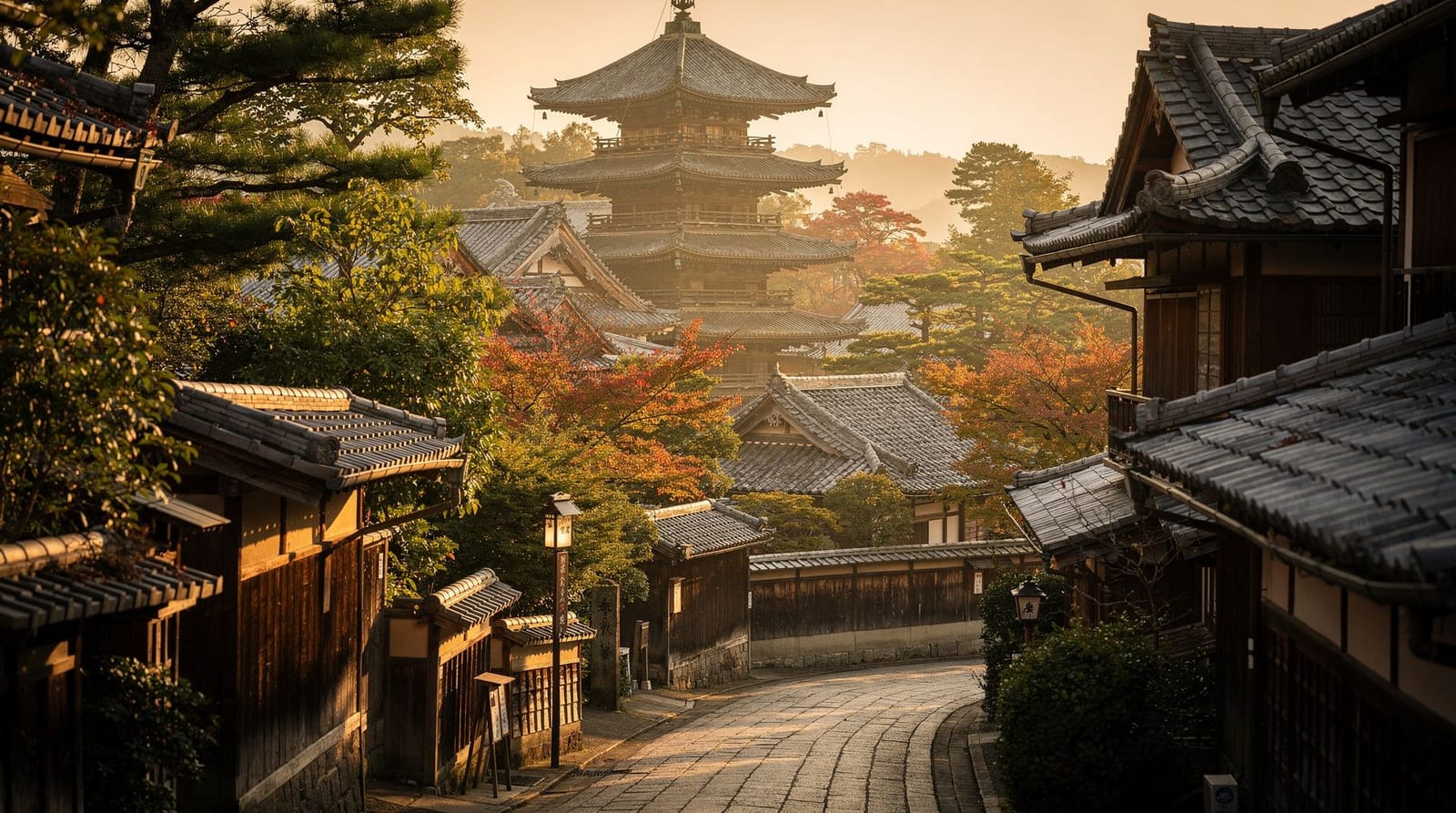
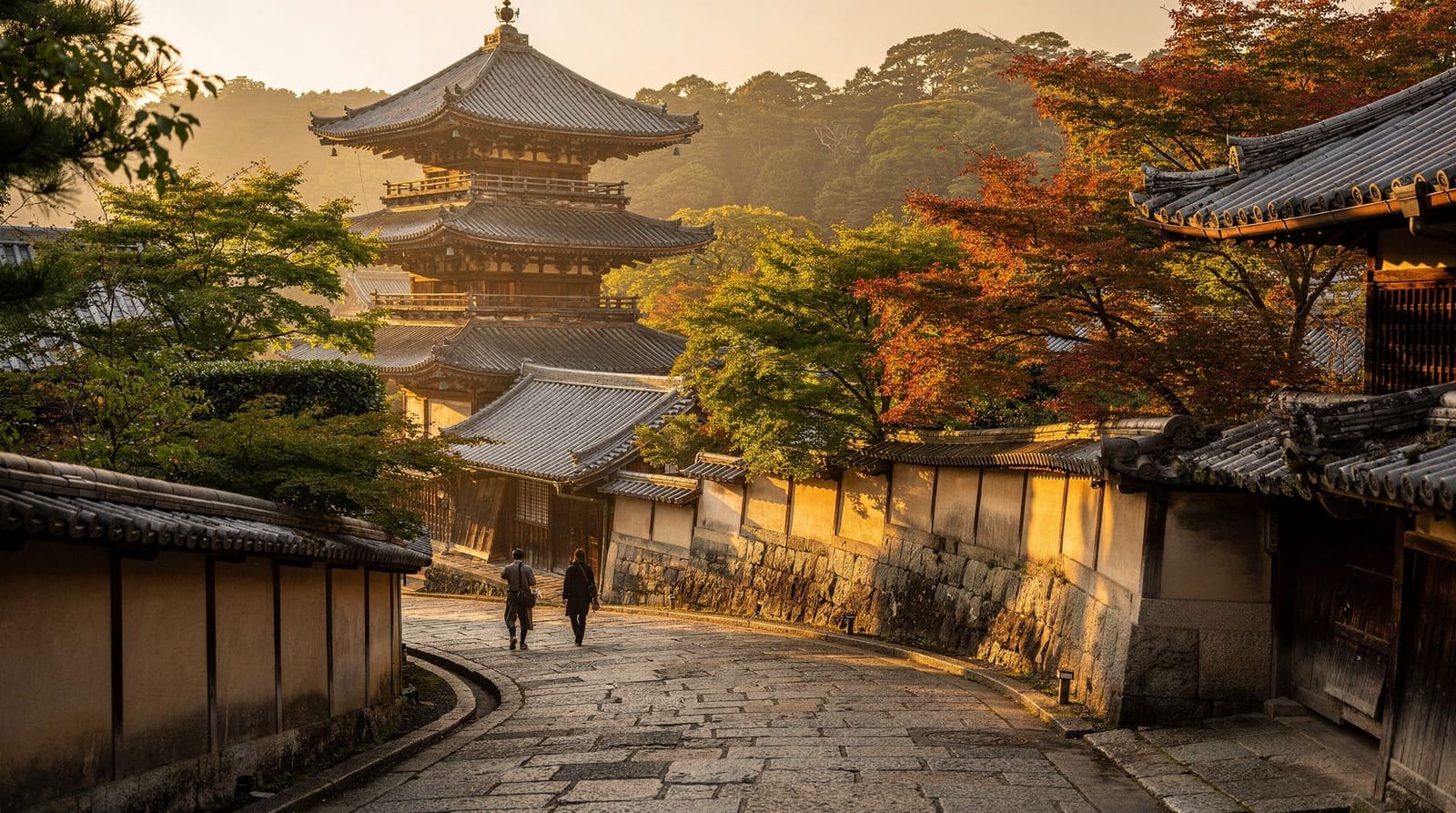
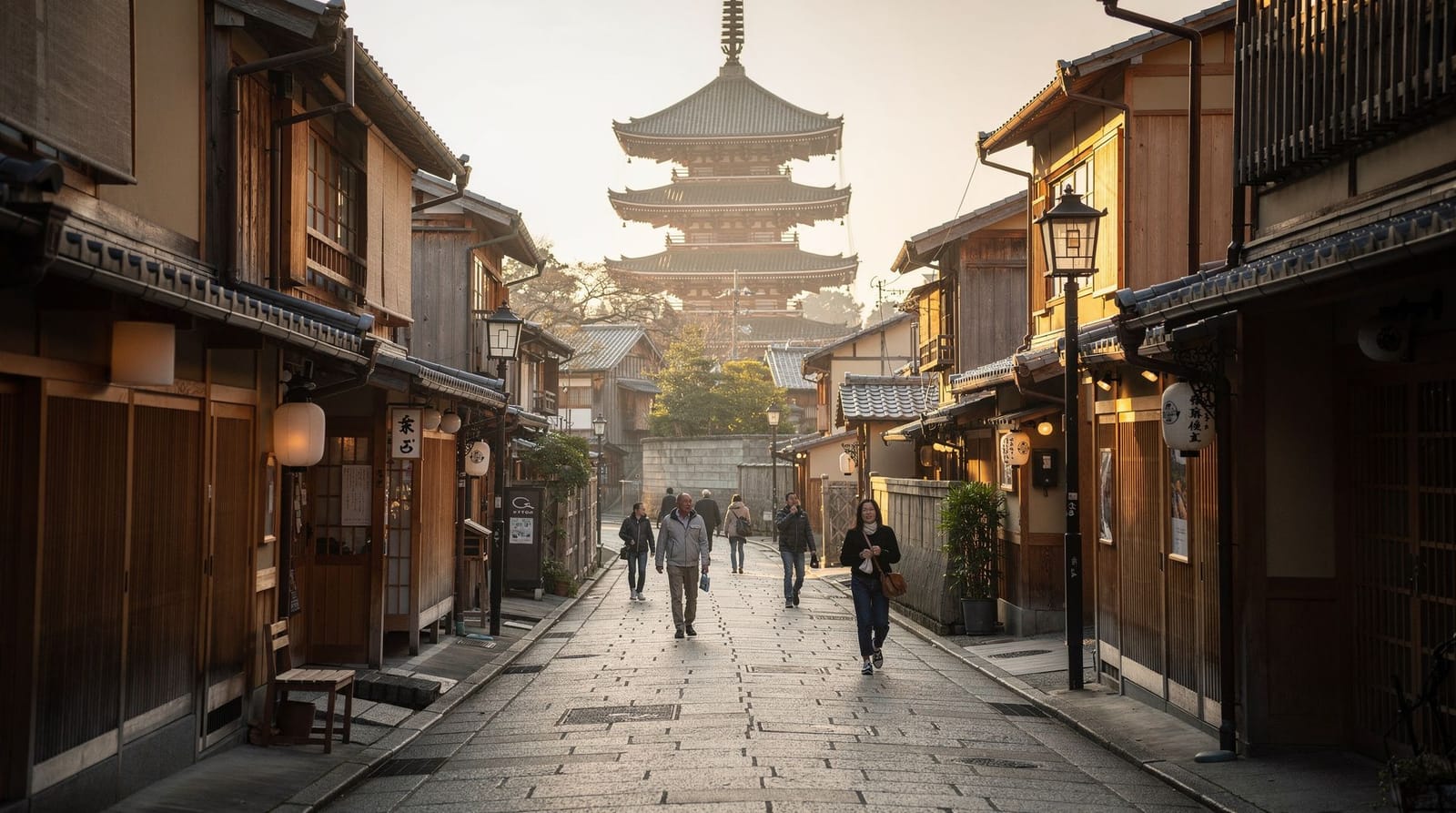
Kyoto changes character more dramatically by season than most cities on a typical Japan itinerary — the same temple garden can look entirely different in April’s pink bloom, July’s deep green, November’s red maple canopy, or January’s occasional dusting of snow. This guide works through the year month by month, covering weather, crowd levels, and the specific trade-offs each window involves, so a trip date can be chosen deliberately rather than defaulting to whichever season a flight deal happened to land in.
| Peak beauty, peak cost | Early April (sakura), mid-to-late November (momiji) |
| Best value windows | Early-to-mid June, late September-mid October, January-February |
| Hottest | July-August, 33-35°C with high humidity |
| Coldest, quietest | January-February, daytime highs 6-10°C |
| Rainy season | Early June-mid July (tsuyu) |
| Avoid if flexible | Golden Week, April 29-May 5 |
There is no single best time — there’s a trade-off
Kyoto’s calendar splits cleanly into two beautiful, crowded peaks (cherry blossom and autumn foliage) and several quieter, cheaper windows that offer genuinely good weather without the crowd and cost premium. Which is “best” depends entirely on whether seeing the city at its most visually spectacular outweighs dealing with its most crowded and expensive conditions — for many travelers it does, and this guide isn’t arguing against a sakura or momiji trip, just laying out honestly what that trade-off costs.
March-April: cherry blossom season
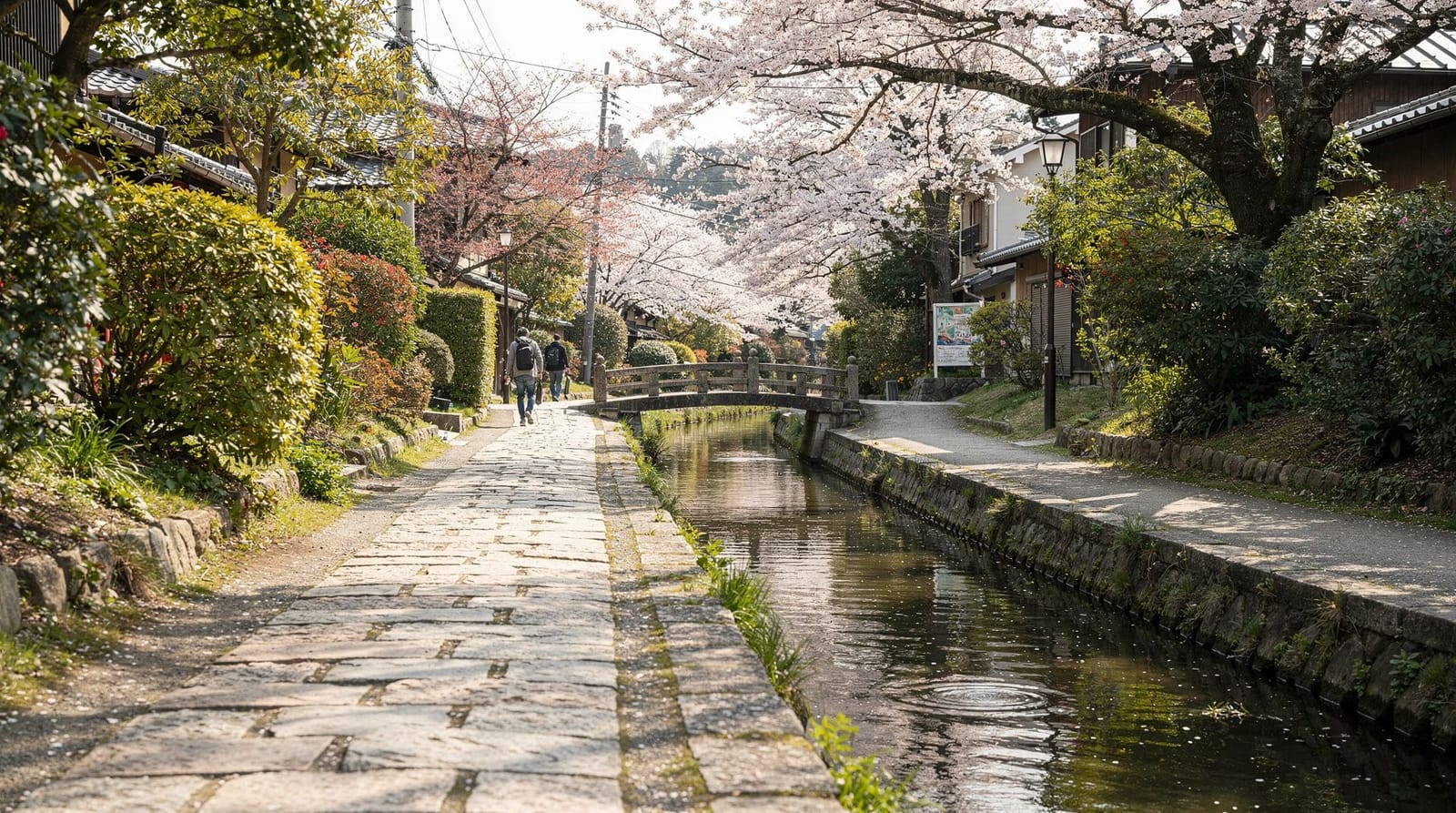
Sakura season is Kyoto’s most famous window, and for good reason — the Philosopher’s Path, Maruyama Park, and the Kamo River banks all line with blooming cherry trees, and several temples (Kiyomizu-dera, Ninna-ji) run night illuminations during peak bloom. Bloom timing varies year to year but typically lands in a window from late March to mid-April, with full bloom (mankai) most often around the first week of April; the bloom period itself is short, roughly one to two weeks from first flowers to petals falling.
Guided walking tour along the Philosopher’s Path — timed well during peak sakuraThe cost of this beauty is real: hotel rates in central Kyoto commonly run 60-100% above baseline, popular restaurants and ryokan book out weeks to months ahead, and the Philosopher’s Path and Maruyama Park see their densest crowds of the year. Weather is mild (12-18°C daytime) but can be unpredictable, with rain showers common enough to pack a light rain jacket regardless of forecast.
Within sakura season, timing within the day matters as much as timing within the season — the Philosopher’s Path and Maruyama Park are considerably calmer before 8am than by midday, and a handful of less-publicized viewing spots (the Kamo River banks north of downtown, Nijo Castle’s grounds before the crowds arrive) offer a genuine blossom experience without the density of the headline locations. Late-blooming varieties in the northern and higher-elevation parts of the city can extend the window by several days if early-April travel dates miss the main peak downtown.
May: green season, before the heat
May offers some of Kyoto’s most comfortable weather — mild temperatures (18-24°C), fresh green foliage (shinryoku) across the temple gardens, and noticeably fewer crowds than April once the sakura rush passes, aside from the Golden Week spike at the start of the month. Early May (after May 5) through the end of the month is a genuinely underrated window: warm enough for comfortable walking, green and vivid in the gardens, and cheaper than either sakura or momiji season.
Golden Week (April 29-May 5) is the one period within May worth actively avoiding if flexible — a cluster of national holidays drives Japan’s biggest domestic travel surge of the year, and Kyoto’s trains, hotels, and major sights all run at capacity.
June-July: rainy season into summer heat
June through mid-July is Japan’s tsuyu (rainy season) — expect frequent, sometimes heavy showers, high humidity, and overcast skies, though rarely all-day rain. Temples with moss gardens and hydrangeas (Sanzen-in in Ohara is a well-known hydrangea spot) are at their best during this window, and crowds thin out noticeably compared to spring. Late July into August shifts into full summer heat — daytime temperatures of 33-35°C combined with high humidity make midday temple walking genuinely taxing, though mornings before 8am remain comfortable even at the height of summer.
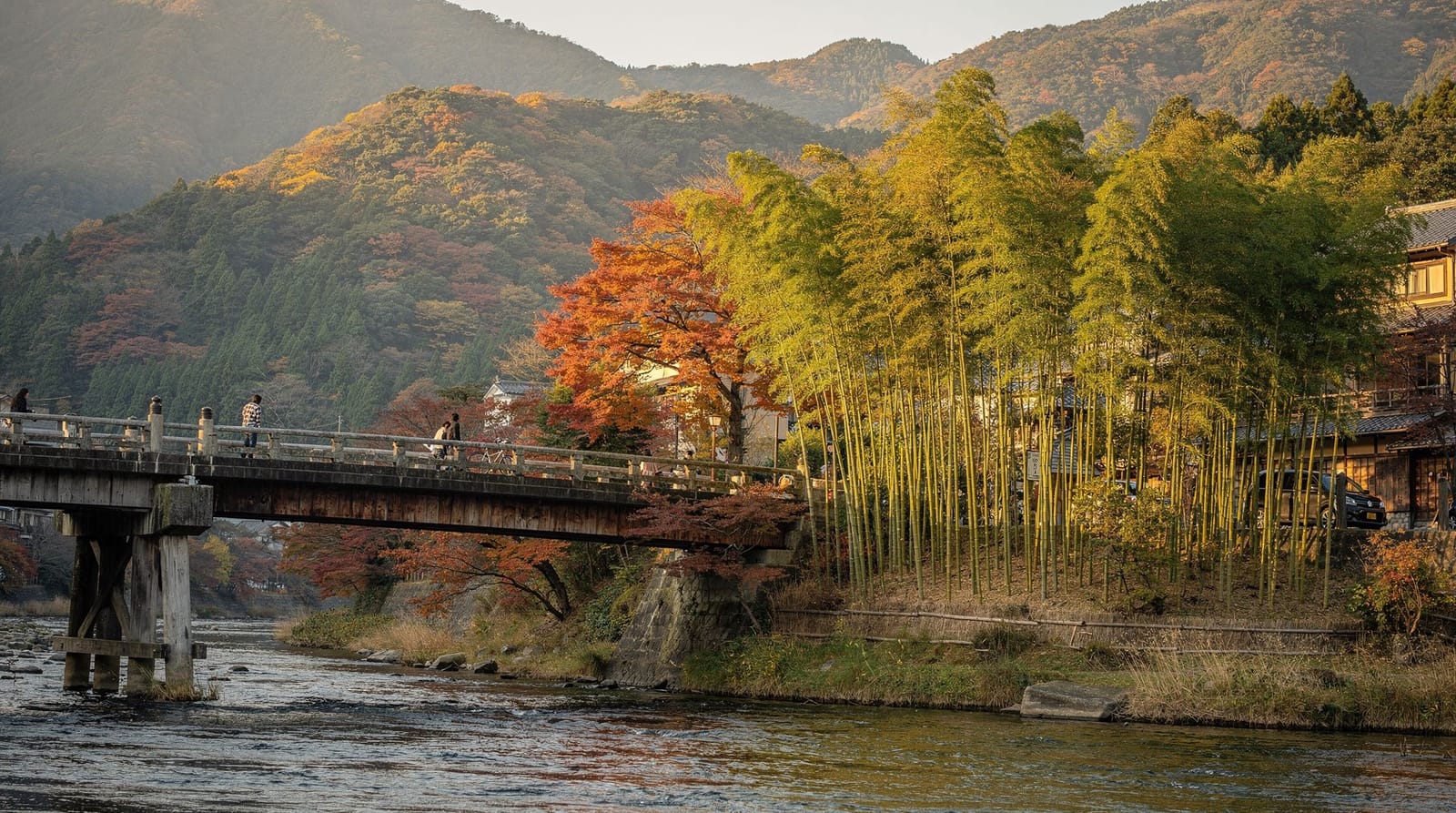
Arashiyama bamboo forest morning bike tour — built around the cooler early-morning windowThis is Kyoto’s cheapest and least crowded season for accommodation and major sights, which makes it a reasonable choice for budget-conscious or heat-tolerant travelers willing to structure days around early starts and midday breaks. Practical adaptations matter more here than in any other season — carrying more water than feels necessary, wearing genuinely breathable clothing rather than what looks good in photos, and treating a midday air-conditioned break (a department store, a café, a museum) as a normal part of the day rather than wasted time all make a real difference to how enjoyable a summer visit feels.
August: peak heat and Obon
August continues summer’s heat and humidity, with the added crowd pressure of Obon (mid-August, dates vary slightly by region but commonly August 13-16), a major domestic holiday period when many Japanese travelers return to hometowns or take family trips, pushing trains and popular sights toward capacity again despite the heat. Kyoto’s Gozan no Okuribi bonfire festival, lighting giant characters on the hillsides around the city, falls on August 16 and draws large crowds to specific viewing spots. Outside Obon week itself, August’s crowd levels resemble the rest of summer — thinner than spring or autumn, just hotter.
September-October: the most underrated window
Late September through mid-October is arguably Kyoto’s best-kept secret — summer heat has broken, humidity drops, daytime temperatures settle into a comfortable 20-26°C, and crowds remain well below the spring and autumn peaks since it’s neither cherry blossom nor peak foliage season. Typhoon season (roughly August through October) is a genuine consideration, with occasional storms affecting travel for a day or two, but the trade-off against the crowds and cost of the two headline seasons is favorable for most travelers.
November: autumn foliage (momiji) season
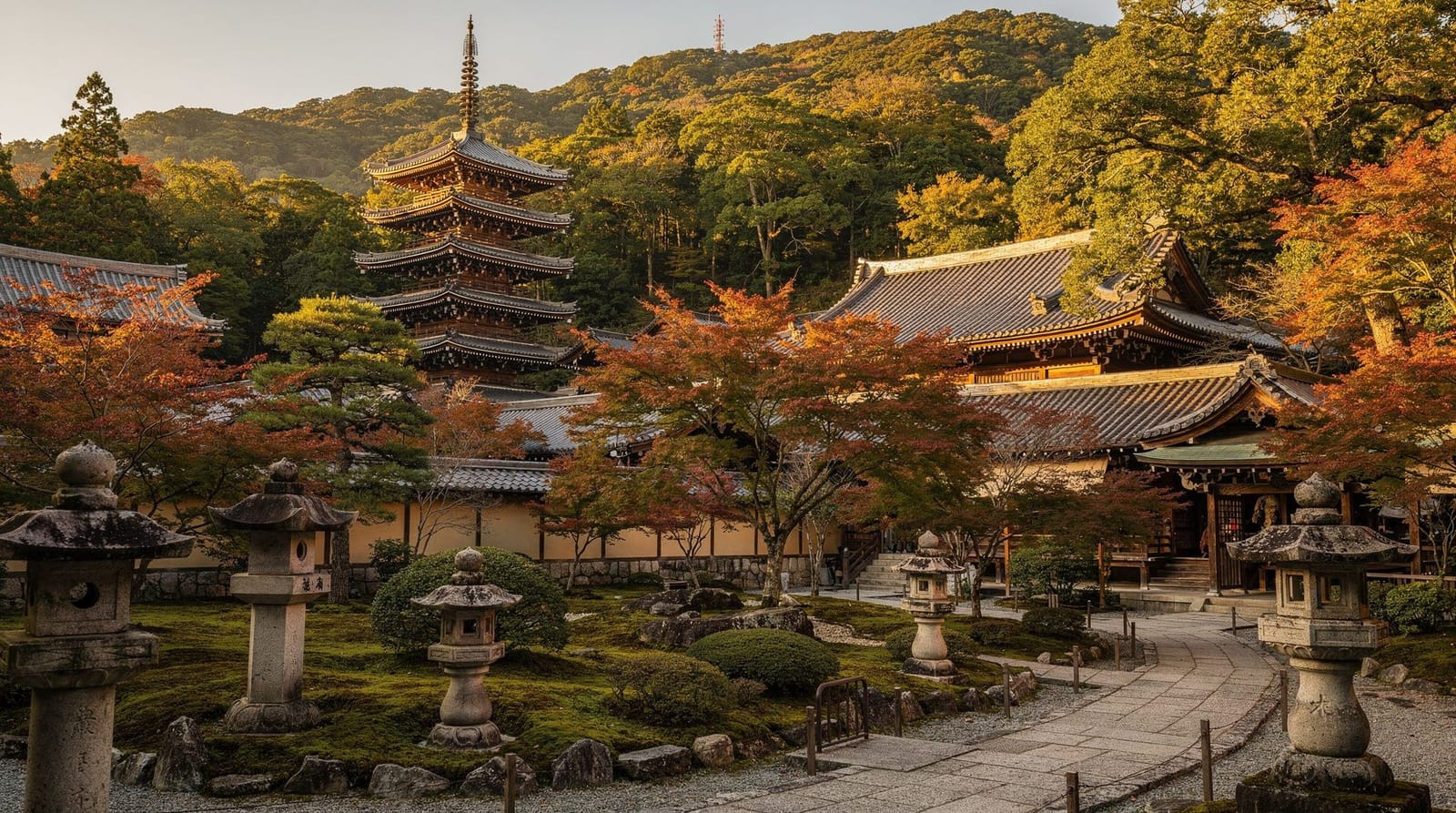
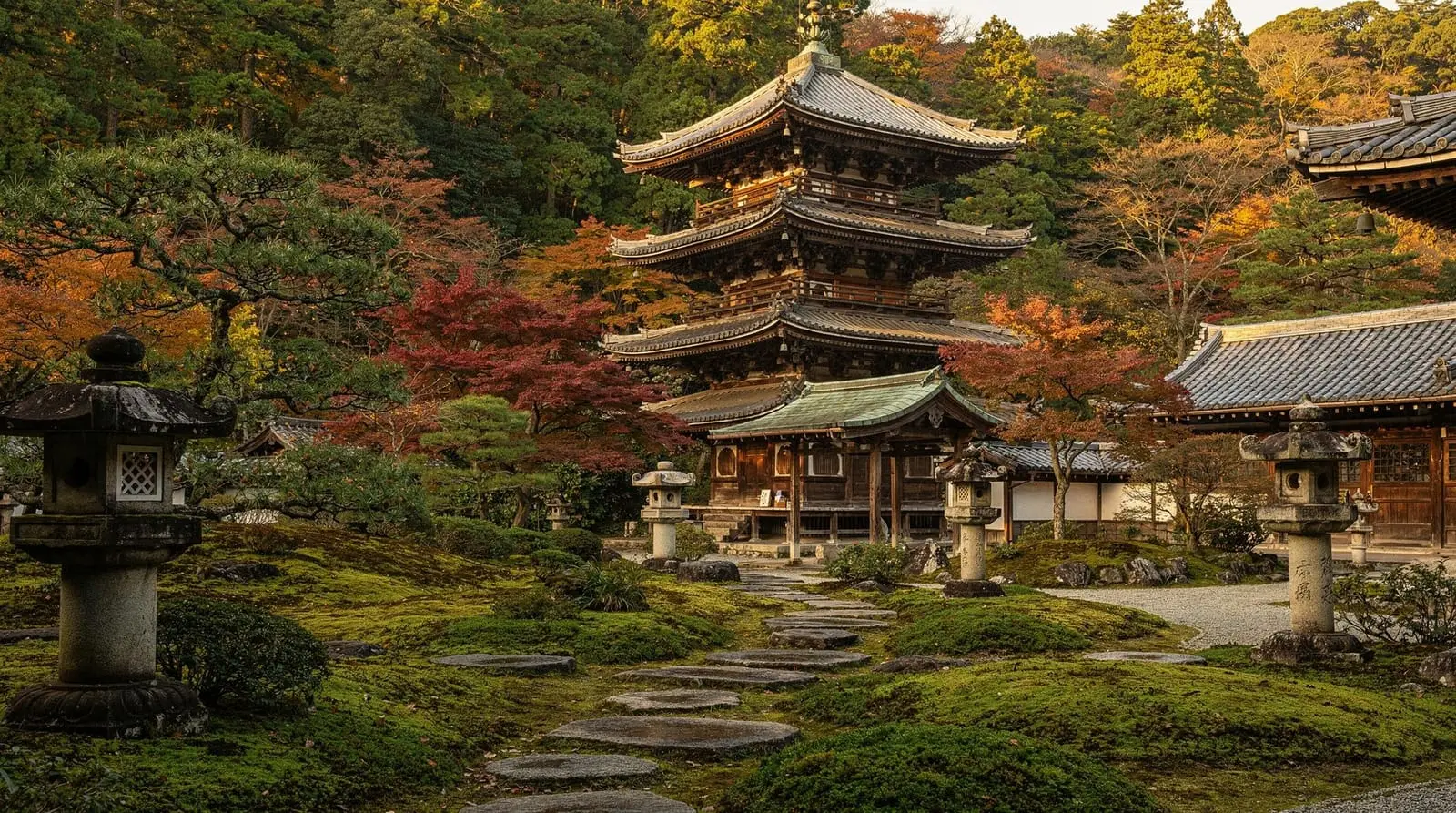
Momiji season rivals sakura for Kyoto’s most spectacular window, with maple trees turning vivid red and orange across the Higashiyama temples, Arashiyama, and especially Tofuku-ji’s maple-lined valley bridge. Peak color typically falls in the last two weeks of November, sometimes stretching into the first few days of December, and — like sakura — the exact timing shifts year to year with autumn temperatures.
Crowd-free tour of Kiyomizu-dera and Ginkaku-ji — a structured way to beat momiji-season crowds at two of the most photographed autumn spotsCrowd and cost patterns mirror sakura season closely: hotel rates spike, popular temples and viewing spots (Tofuku-ji, Eikan-do, Arashiyama) get genuinely packed during peak weekends, and advance booking for accommodation and restaurants matters as much here as in spring.
Tofuku-ji’s maple-covered Tsutenkyo bridge is arguably the single most photographed momiji spot in the city and correspondingly the most crowded — arriving at opening (8:30am) is close to essential for a photo without dozens of other visitors in frame. Arashiyama’s bamboo grove and riverside take on a different but equally striking character with the surrounding hillsides turning red and orange behind the green bamboo, and Eikan-do’s illuminated evening viewing (a paid ticketed event during peak weeks) offers a genuinely different experience from the daytime crowds at the same temple.
December: quiet shoulder season with illuminations
Early December often catches the tail end of autumn color at higher-elevation or shaded temple gardens, with crowds already thinning noticeably from November’s peak. Several temples and gardens run winter illumination events through December, and the city takes on a calmer, more contemplative atmosphere than either of its two flower-and-foliage peaks. Late December sees a crowd uptick again as New Year approaches, when many temples and shrines hold hatsumode (first shrine visit of the year) events drawing large local crowds from December 31 into early January.
January-February: the cheapest, quietest window
Excluding the New Year period itself (roughly December 29-January 3, when domestic travel and shrine visits spike), mid-January through late February is Kyoto’s quietest and cheapest season. Cold but rarely frigid (daytime highs typically 6-10°C), with a real if unpredictable chance of light snow — usually just a handful of days each winter — that briefly turns Kinkaku-ji’s gold pavilion into one of the most striking, least crowded photo opportunities available anywhere in the city. Fushimi Inari, Kiyomizu-dera, and most major temples see noticeably thinner crowds than any other point in the year, and hotel rates run well below the citywide average.
Setsubun, a bean-throwing festival marking the transition to spring on the lunar calendar, falls on February 3 and draws crowds to several major temples and shrines (Yasaka Shrine, Rozan-ji) for ceremonies involving throwing roasted soybeans to ward off bad luck — a fun, distinctly local event worth timing a visit around if the date lines up. Plum blossoms (ume), often overshadowed by their more famous cherry cousins, bloom in February and early March at several temple gardens, including Kitano Tenmangu, offering a quieter preview of spring’s flowering season without any of April’s crowds.
Combining Kyoto’s timing with a wider Japan trip
For travelers combining Kyoto with Tokyo, Osaka, or other cities, seasonal timing generally moves together across the country — sakura blooms in Tokyo roughly 4-7 days before Kyoto in a typical year, and momiji follows a similar north-to-south, then elevation-driven pattern. This means a trip built around cherry blossoms can realistically catch the bloom in both cities by starting in Tokyo and moving to Kyoto a few days later, following the bloom line south, rather than trying to time both cities for the exact same week. The same logic applies loosely to autumn foliage, where Tokyo and lower-elevation areas color slightly later than Kyoto and the mountains around it.
Festivals worth timing a trip around
A handful of annual festivals are worth deliberately scheduling around, independent of general seasonal weather. Gion Matsuri, Kyoto’s largest festival, runs through most of July, with the two main processions of elaborately decorated wooden floats (yamahoko) on July 17 and July 24, and the three preceding evenings (yoiyama, July 14-16) turning downtown Kyoto into a pedestrian-only night market — a genuinely spectacular event, though it adds significant crowds to an already-warm month.
Jidai Matsuri, on October 22, features a procession of participants in historical costume spanning over a thousand years of Kyoto fashion, marching from the Imperial Palace to Heian Shrine. Aoi Matsuri, on May 15, is one of Kyoto’s oldest festivals, a Heian-period costume procession between the Imperial Palace and the Kamo shrines. None of these require restructuring an entire trip, but landing in Kyoto during one is worth building a free afternoon around rather than missing by a day or two through poor timing.
Clothing and what to pack by season
Layering matters more in Kyoto than a single seasonal description suggests, since temple visits often mean long stretches outdoors regardless of weather. Spring (March-May) and autumn (October-November) both swing 8-10°C between morning and afternoon, so a light jacket that can come off midday is more useful than a single heavy layer.
Summer (June-September) calls for breathable, moisture-wicking fabric over style, plus a compact umbrella for the June-July rainy season and sun protection for the intense August heat. Winter (December-February) rarely drops below freezing during the day, but wind off the surrounding hills makes it feel colder than the thermometer suggests, and a proper coat rather than just layers is worth packing for anyone visiting temples at dawn.
How weather affects a walking-heavy itinerary
Kyoto sightseeing involves genuinely significant walking — the Higashiyama temple route alone easily covers 5-6km on foot — which makes weather a bigger practical factor here than in cities with more indoor sightseeing.
Rainy season (June-early July) and typhoon season (August-October) both carry real potential for a full or partial day of disrupted outdoor plans; building one flexible, indoor-friendly day (a museum, a covered market, an indoor tea ceremony) into any itinerary spanning these windows is a reasonable hedge rather than assuming every day will go entirely to plan. Summer heat similarly argues for front-loading outdoor walking into the early morning and treating early-to-mid afternoon as a natural break, whether spent indoors or simply moving slower.
Sakura or momiji: which to prioritize if you can only pick one
A common planning question is whether to build a trip around cherry blossoms or autumn foliage if only one is possible. Momiji season tends to be the more reliable bet for a first-time visitor: the autumn color window (mid-to-late November) runs slightly longer than peak sakura, which can pass in under a week if a warm spell or rain shortens it, and the deep reds of maple trees against temple architecture photograph arguably even better than the softer pink of cherry blossoms.
Sakura carries more cultural weight and a livelier atmosphere — hanami (blossom viewing) picnics in Maruyama Park, night illuminations — that momiji season doesn’t quite replicate in the same festive register. Neither choice is wrong; a traveler prioritizing photography and reliability leans momiji, one prioritizing atmosphere and cultural tradition leans sakura.
Checking bloom forecasts before booking
Because both sakura and momiji timing shift by a week or more year to year, checking forecasts before finalizing flights and hotels is worth the effort if either is the trip’s priority. The Japan Meteorological Corporation and several specialist sites publish sakura bloom forecasts starting in early February, refining weekly as the season approaches, and similar forecasts exist for momiji starting in September. Neither forecast is precise more than 3-4 weeks out, which is part of why both seasons carry inherent timing risk — booking a trip 6 months ahead around a specific date is a reasonable bet based on historical averages, not a guarantee.
Best time for photography specifically
Photographers chasing specific light or scenes have slightly different priorities than general sightseeing timing. Early morning (before 7am) works year-round for empty compositions at Fushimi Inari and Arashiyama’s bamboo grove, independent of season. For seasonal color, momiji season’s deeper, more saturated reds tend to photograph more dramatically than sakura’s softer pinks, particularly in the golden-hour light of late afternoon at east-facing temples like Kiyomizu-dera. Winter’s rare snow days are the single hardest to plan around but most rewarding if timing allows — Kinkaku-ji under snow is one of the most requested but least commonly achieved shots among Kyoto photographers, given how infrequently it actually snows.
Choosing a date if your trip is fixed months in advance
Many trips get booked around fixed dates — school holidays, work schedules, flight deals — long before seasonal bloom forecasts are available. In that situation, it’s more useful to plan around the reliable seasonal character of your fixed window than to chase an unpredictable bloom date months out.
A late-March trip should expect a reasonable chance of early sakura but plan the itinerary so it still works if the blossoms haven’t opened yet; a mid-November trip can lean into momiji with more confidence, since autumn color timing is somewhat more consistent year to year than sakura’s. Building flexibility into which days are dedicated to flower-viewing spots, rather than locking a single day to a single garden months ahead, hedges against the timing risk either season carries.
A quick month-by-month summary
March-April: cherry blossoms, beautiful but crowded and expensive. May: comfortable and green, minus Golden Week. June-early July: rainy season, hydrangeas, thinning crowds. Late July-August: peak heat, Obon crowd spike mid-month. September-October: underrated, comfortable, moderate crowds — the best balance for most travelers. November: autumn foliage, spectacular but crowded like sakura season.
December: quiet with illuminations, New Year crowds at the very end. January-February: cheapest, quietest, occasional snow. See the avoiding crowds in Kyoto guide for how to handle timing within any of these months, and the Kyoto travel budget guide for how season affects accommodation cost specifically.
Matching the season to the kind of trip you’re taking
The “best” window also depends on who’s traveling and why, not just weather and crowd data in the abstract. A first visit built around ticking off Kyoto’s headline sights benefits most from September-October or late spring, when good weather makes long days of temple-hopping comfortable without sakura or momiji-level crowd stress — see the Kyoto first-timer’s guide for how a shoulder-season trip fits that goal. A photography-focused trip has a stronger case for accepting the crowds of peak sakura or momiji, since the visual payoff is genuinely different from any other window — the Kyoto photo spots guide covers timing by location.
Families traveling with young children often do better avoiding both extremes: peak-season crowds and heat both wear on kids faster than adults, which tilts the calculus toward May or late September, detailed further in the Kyoto with kids guide.
Budget-conscious travelers have the clearest win of any group, since January-February and the June-July rainy season combine noticeably lower hotel rates with genuinely workable sightseeing conditions, a trade-off explored fully in the Kyoto on a budget guide and the month-by-month weather guide, which breaks down temperature and rainfall data beyond the seasonal summary here.
How far ahead to book flights and accommodation
Booking timing depends heavily on which window you’re targeting. For sakura or momiji, international flights are worth booking 4-6 months ahead for reasonable fares, well before bloom forecasts firm up — accept that the exact dates are a bet on historical averages rather than a certainty, and choose accommodation with flexible or free cancellation so a shifted forecast doesn’t strand a non-adjustable itinerary. For the shoulder-season windows (May, September-October), booking 2-3 months ahead is generally sufficient, since demand is real but not at the same fever pitch as the two headline seasons.
For January-February, even a few weeks’ notice is often workable, since it’s the one stretch of the year when Kyoto’s hotel inventory genuinely loosens up. Domestic flights and the Shinkansen from Tokyo or Osaka carry less booking-window pressure than international flights or hotel rooms in central Kyoto, so it’s usually the accommodation and any headline-season restaurant reservations, not transport, that force an early commitment.
Frequently asked questions about Best time to visit Kyoto — month-by-month weather, crowds & sakura
When do cherry blossoms bloom in Kyoto?
When is autumn foliage (momiji) at its best in Kyoto?
Should I avoid visiting Kyoto during Golden Week?
Is summer a bad time to visit Kyoto?
Does Kyoto get snow?
What is the cheapest and least crowded time to visit Kyoto?
Top experiences
Bookable activities with verified prices and instant confirmation on GetYourGuide.