Kyoto tea ceremony review — is a 45-minute matcha lesson worth it?
Kyoto: Tea Ceremony in a Traditional Tea House near Kiyomizu
Duration: 45 minutes
What you’re actually paying for
Quick answer: a bookable Kyoto tea ceremony gets you a genuine, guided introduction to chanoyu — real utensils, correct etiquette, a trained host — condensed into 45-60 minutes for roughly ¥4,000-7,000 (about $27-47) per person. It’s worth booking if you want to understand the ritual, not just watch it; skip it if you’re pressed for time or already know you find slow, formal rituals tedious.
| Where | Venues cluster near Kiyomizu-dera, Gion, and Higashiyama |
| Cost | Around ¥4,000-7,000 / $27-47; ¥12,000-18,000 for maiko-hosted |
| Time needed | 45-60 minutes |
| Getting there | Walkable from most Higashiyama/Kiyomizu-dera stops |
| Best time | Midday, as a seated rest point between temple visits |
Kyoto has more tea ceremony operators competing for tourist bookings than almost any other single experience category in the city, which makes it easy to end up in a rushed, overcrowded session that feels more like a group photo op than an introduction to chado, the way of tea. The better operators — usually the smaller ones running sessions in an actual machiya townhouse or a dedicated tea room rather than a hotel conference space — cap groups at 6-10 people and give you real instruction, not just a demonstration to watch from folding chairs.
The tea ceremony in a traditional tea house near Kiyomizu is a solid representative of the format: a small-group, 45-minute session in a proper tatami tea room a short walk from Kiyomizu-dera, with a host who explains each gesture as they perform it rather than rushing through in silence.
What actually happens in the room
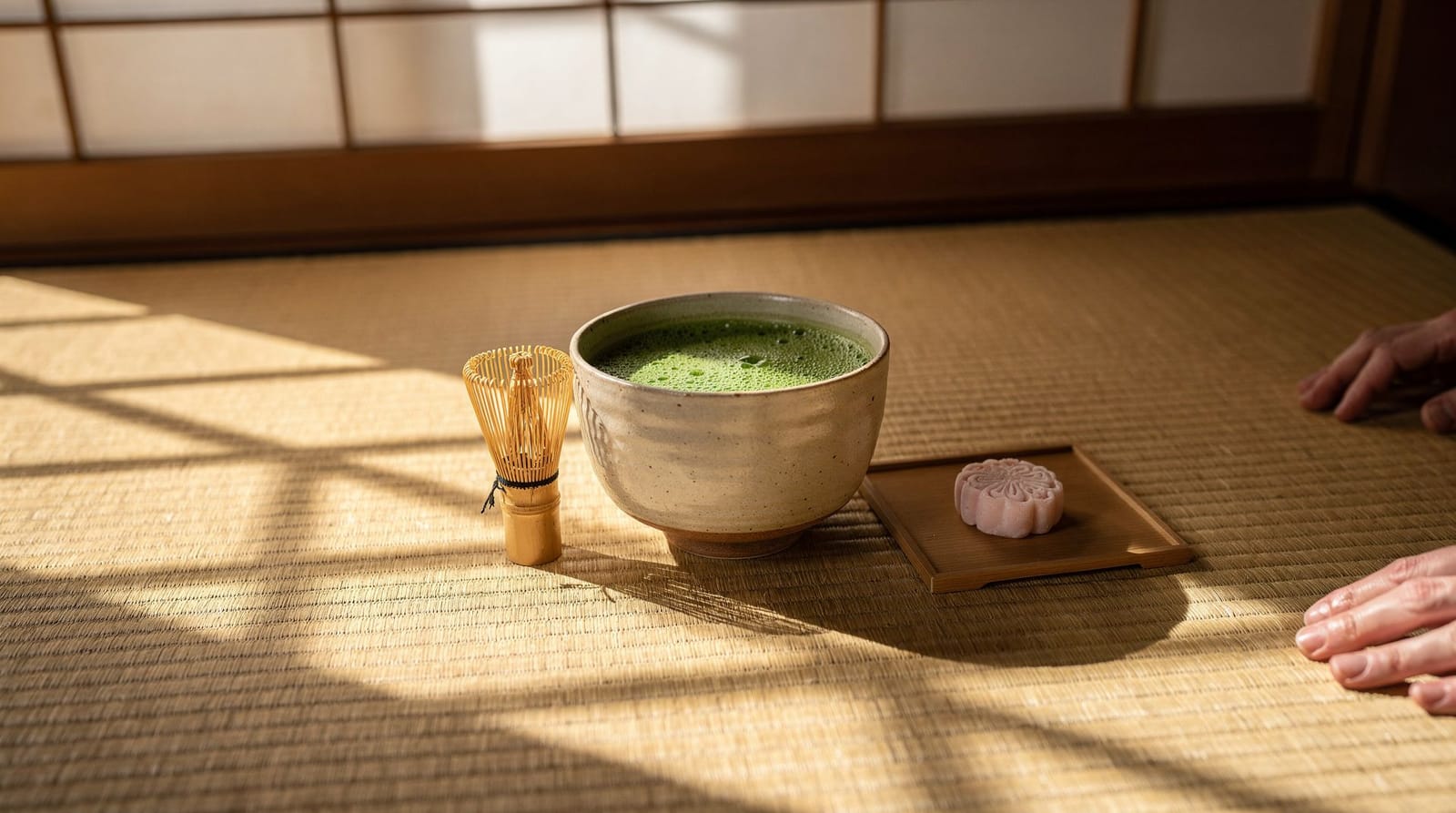
Every tourist-facing ceremony follows roughly the same skeleton, adapted from the real ritual. You remove your shoes, are seated on tatami (a low chair option is often available if kneeling is uncomfortable — ask when booking if this matters to you), and the host explains the basic etiquette: how to bow, how to receive the tea bowl with both hands, rotating it before drinking so you don’t drink from the “front” of the bowl, and how to wipe the rim afterward.
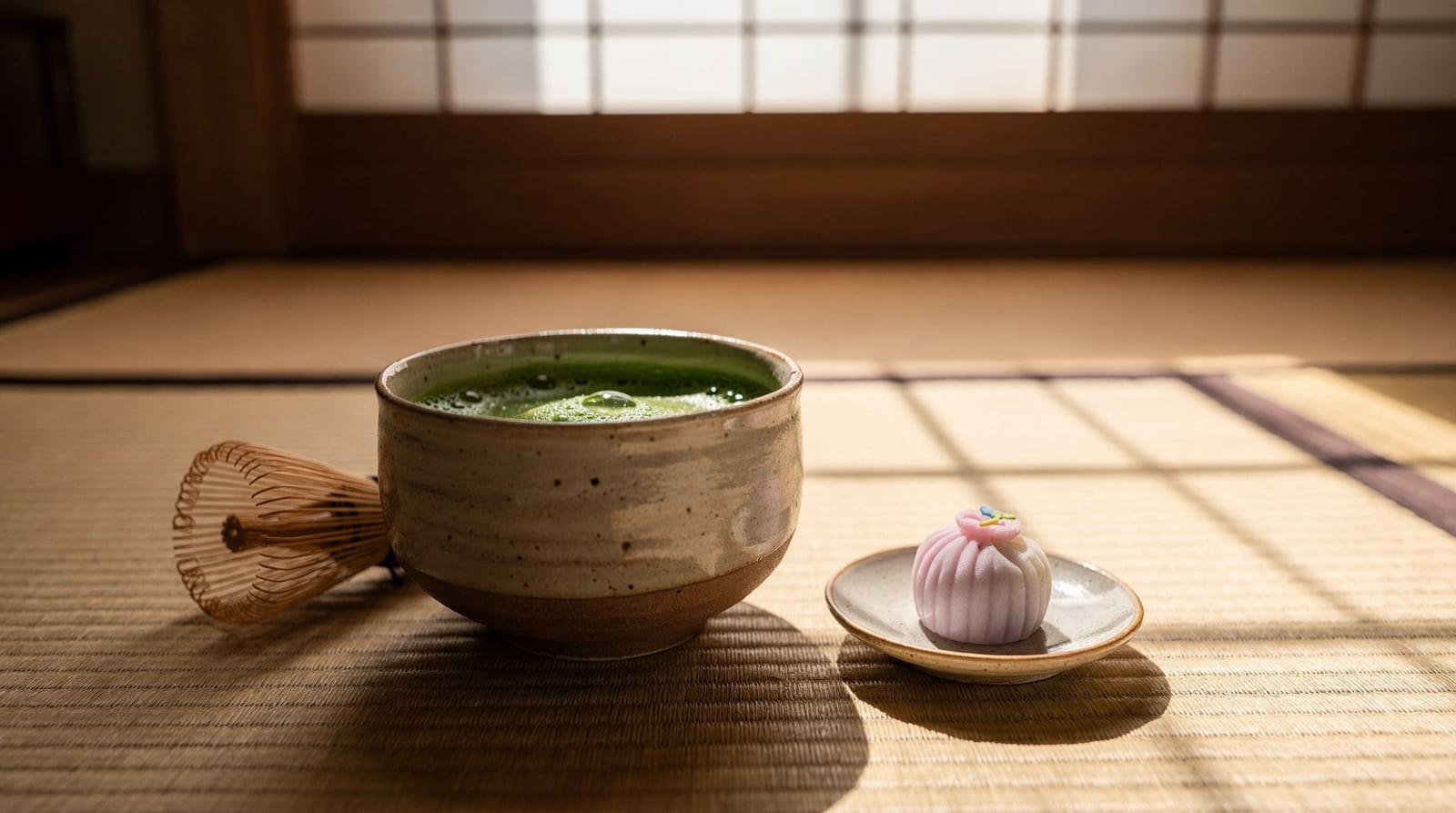
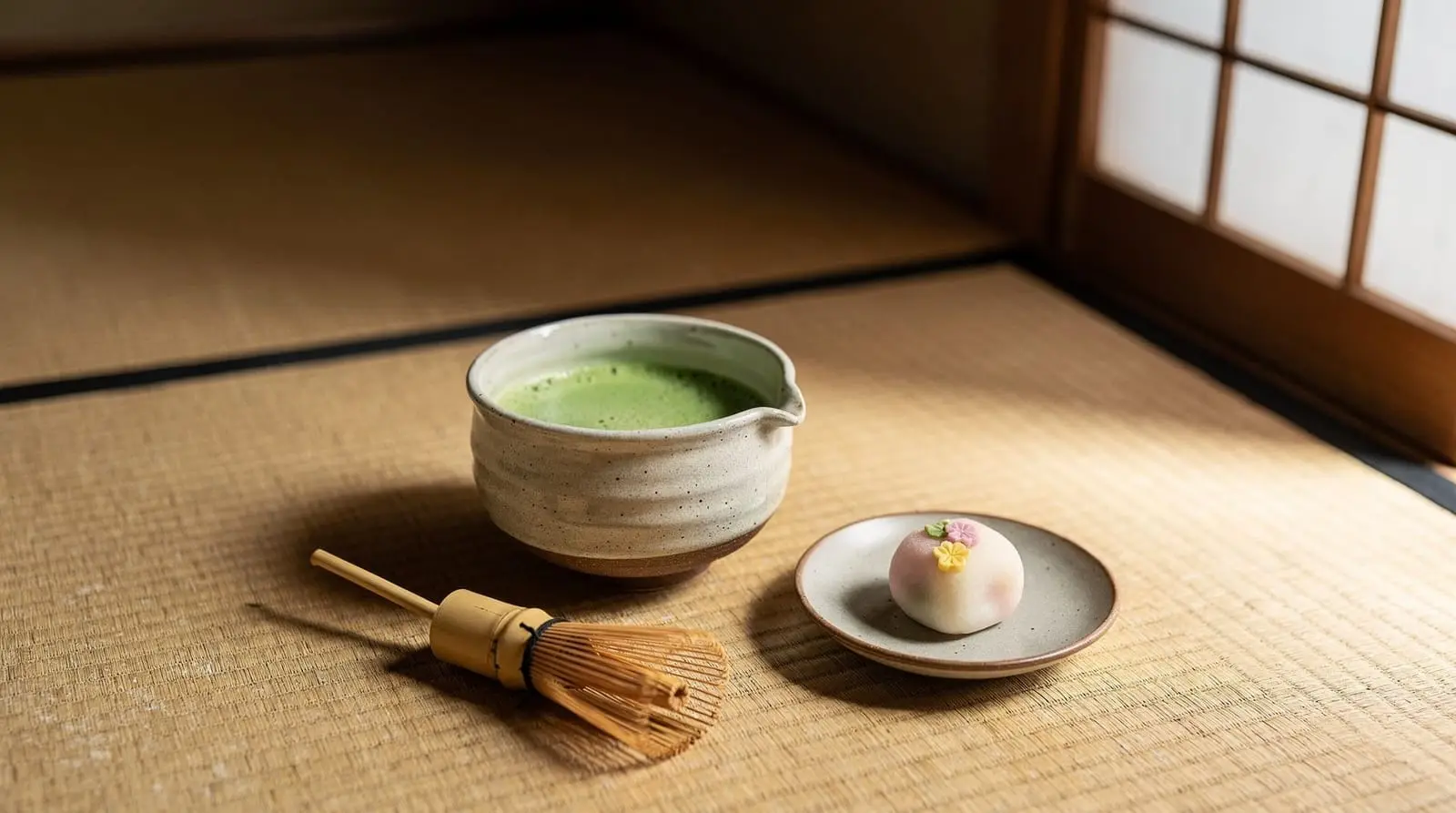
You’re then served a wagashi — a small, seasonal sweet, often shaped and colored to reflect the time of year (cherry blossom motifs in spring, maple leaves in autumn) — which you eat before the tea arrives, since the sweetness balances matcha’s natural bitterness. The host prepares the tea using a bamboo whisk (chasen) and scoop (chashaku), explaining the significance of the tools and the deliberate, economical movements involved. In interactive formats, you then whisk your own bowl under supervision, which is the part most participants find genuinely memorable, since doing it yourself makes the technique’s difficulty obvious in a way watching never does.
Sessions close with a short Q&A and, at most venues, a chance to photograph the room and utensils. Total time in the seat: 30-45 minutes for standard formats.
Standard vs premium vs kid-friendly: what changes
The authentic matcha and tea ceremony experience in a traditional house runs a similar format to the Kiyomizu session but in a different historic townhouse setting, with a slightly stronger emphasis on the cultural history of chado alongside the practical demonstration — worth choosing if you want more context and less pure ritual-watching.
The 45-minute tea ceremony lesson experience is the fastest, most straightforward option and the best fit if you’re squeezing this in between Kiyomizu-dera and Gion on a tight afternoon — it strips the format to its essentials without cutting the interactive whisking portion, which is the part worth protecting if you have to choose what to cut.
The premium tier, a maiko-hosted tea ceremony, roughly triples the price for the novelty of a trainee geisha performing the ceremony in full costume, with more posed photo time built in. Be clear-eyed about what you’re buying here: the tea ceremony content is not more educational, since maiko training centers on dance, shamisen, and hospitality rather than years of chado study. It’s a photography and atmosphere upgrade, not a knowledge upgrade — reasonable if that’s genuinely what you want, a poor value if you’re hoping for a deeper lesson.
For families, several operators explicitly welcome children and adjust seating (low stools instead of tatami kneeling) and pacing — worth specifying when you book if you’re traveling with kids under 10, since not every venue is set up for it and a few explicitly aren’t.
| Tier | Best for | Trade-off |
|---|---|---|
| Kiyomizu tea house session | First-timers wanting the full standard experience | Shared group of 6-10 |
| Authentic matcha experience | More cultural/historical context | Similar length and price |
| 45-minute lesson | Squeezing in between other stops | Most stripped-down format |
| Maiko-hosted premium | Photos and atmosphere | 3-4x the price, no deeper tea instruction |
Where the pricing actually lands
Budget ¥4,000-5,000 (about $27-34) for a standard 45-minute group session, ¥6,000-8,000 (about $40-54) for smaller groups or slightly longer formats with more one-on-one attention, and ¥12,000-18,000 (about $80-120) for maiko-hosted premium versions. Private sessions for a family or small group, rather than joining strangers, typically add a 30-50% premium over the shared-group rate but are worth it if you have young children or simply prefer not to whisk tea next to six strangers.
Compare this to the free public demonstrations occasionally run at temples during seasonal events — genuinely worth attending if your schedule allows, but they’re demonstrations you watch, not sessions you participate in, and there’s rarely English narration beyond a handout.
Who should book this, and who should skip it
Book it if: you’ve never experienced a tea ceremony and want to understand the etiquette and philosophy behind it rather than just seeing photos; you’re combining it with a Higashiyama walk since most venues cluster near Kiyomizu-dera and Gion; or you want a genuinely quiet, seated 45 minutes in the middle of an otherwise fast-paced sightseeing day.
Skip it if: you’re on a one-day Kyoto stopover with a packed itinerary — the Kyoto in one day itinerary prioritizes Fushimi Inari, Kinkaku-ji, and Gion over seated cultural experiences for good reason, since 45 minutes plus transit time is a meaningful chunk of a single day; or you already find slow, ritualized experiences tedious rather than meditative, since this format doesn’t accelerate for anyone.
Booking logistics and etiquette notes
Most venues are within a 5-10 minute walk of Kiyomizu-dera, Gion, or Higashiyama, making this easy to slot between temple visits without a dedicated trip. Book at least a few days ahead in cherry blossom season (late March-early April) and autumn foliage season (mid-November), when both slots and English-speaking hosts fill up fastest — see the best time to visit Kyoto guide for how these seasons affect the wider city, not just this experience.
Arrive 10 minutes early; most operators are strict about seating a session on time since the room setup doesn’t allow for staggered arrivals. Photography is generally welcome during the explanation portion but ask before photographing the host during the actual whisking, since some hosts prefer full attention during that segment. Read the Kyoto etiquette guide before your trip for the wider set of temple and public-space norms this experience draws on.
The history behind the ritual you’re watching
Chado, the way of tea, developed in Japan from the 9th century onward when Buddhist monks brought powdered tea back from China, but the ceremony as it’s recognized today owes its form to Sen no Rikyu, a 16th-century tea master who codified the aesthetic principles — wabi-sabi, an appreciation of simplicity, imperfection, and transience — that still govern how a tea room is built and how a ceremony unfolds. Kyoto sits at the center of this history: the two major schools of tea, Urasenke and Omotesenke, both trace their lineage to Rikyu’s descendants and are headquartered in the city, which is part of why Kyoto remains the place most visitors associate with an authentic tea ceremony rather than Tokyo or Osaka.
Understanding this context changes how the small details register during a session. The tea room’s deliberately narrow entrance (nijiriguchi), found in more traditional venues, historically forced samurai to remove their swords and everyone — regardless of rank — to bow low entering, a physical enforcement of the idea that the tea room is a space of equality.
The seasonal wagashi sweet isn’t just a palate-balancing snack; its shape and color are chosen specifically to reflect the current season, part of a broader Japanese aesthetic sensibility (mono no aware, an awareness of the impermanence of things) that runs through tea ceremony, garden design, and much of traditional Kyoto culture. A host who explains this while performing the ritual is doing more than narrating steps — they’re translating a genuinely different aesthetic philosophy into something a first-time visitor can grasp in 45 minutes.
Combining a tea ceremony with the rest of a Higashiyama day
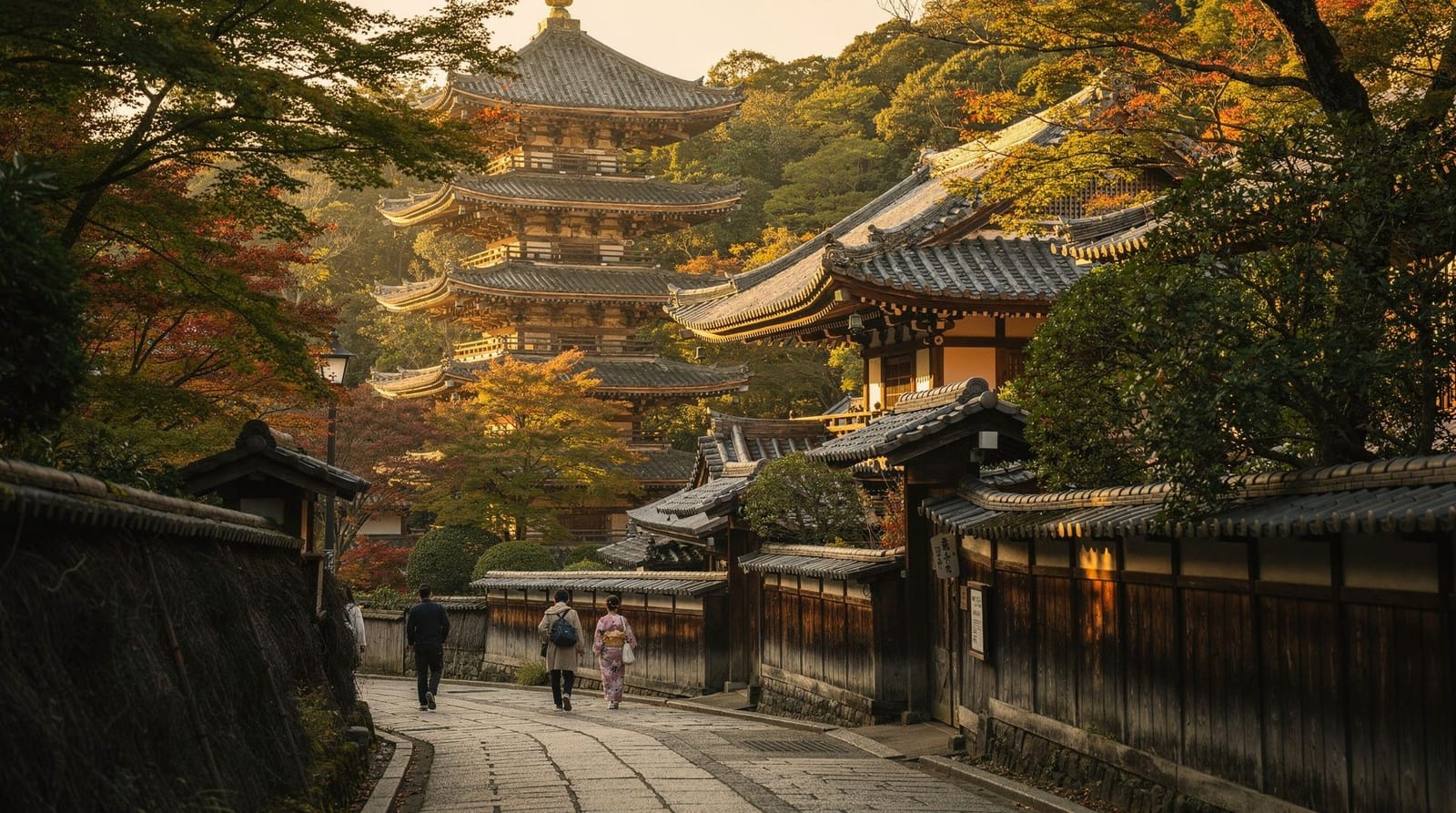
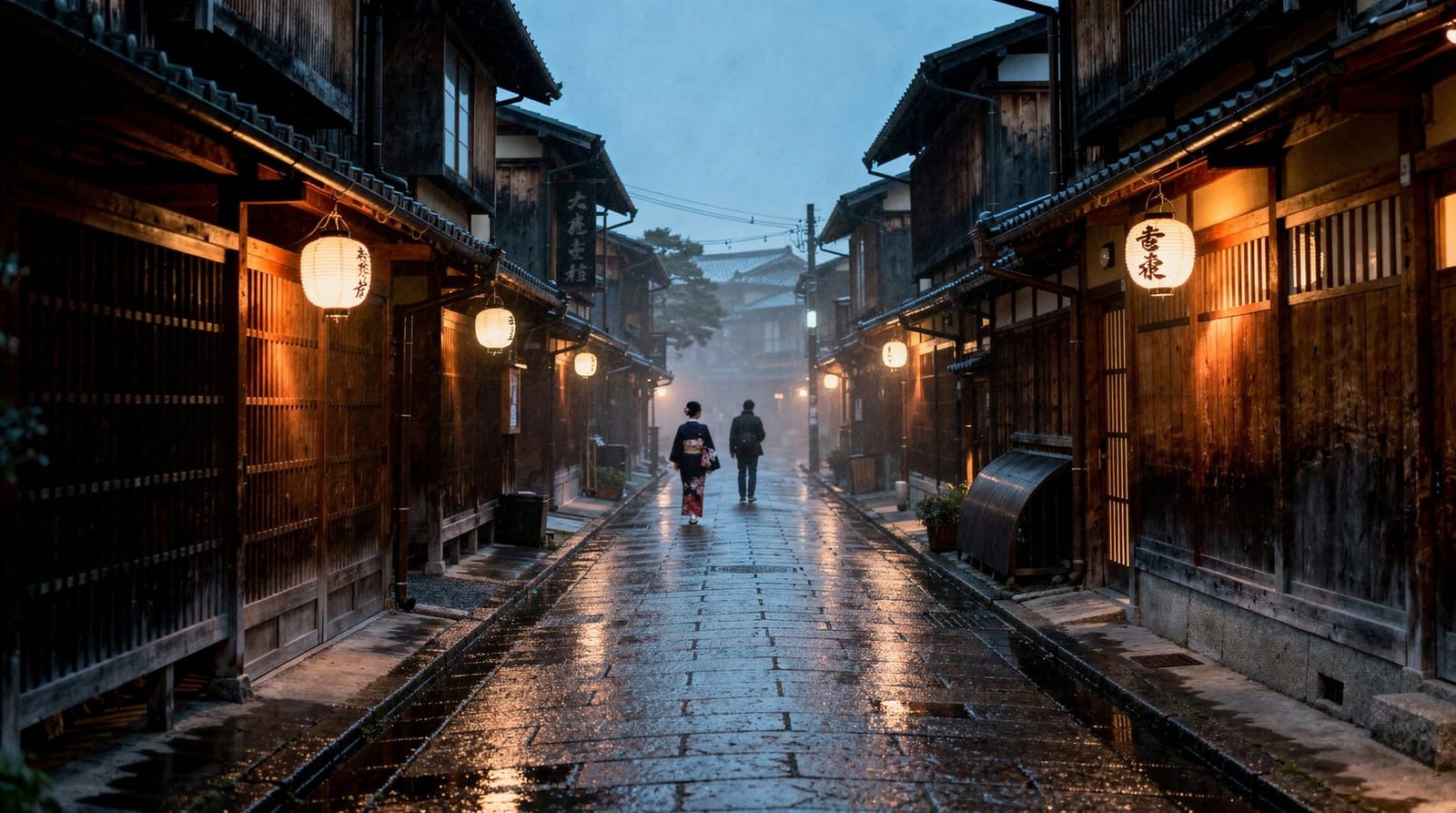
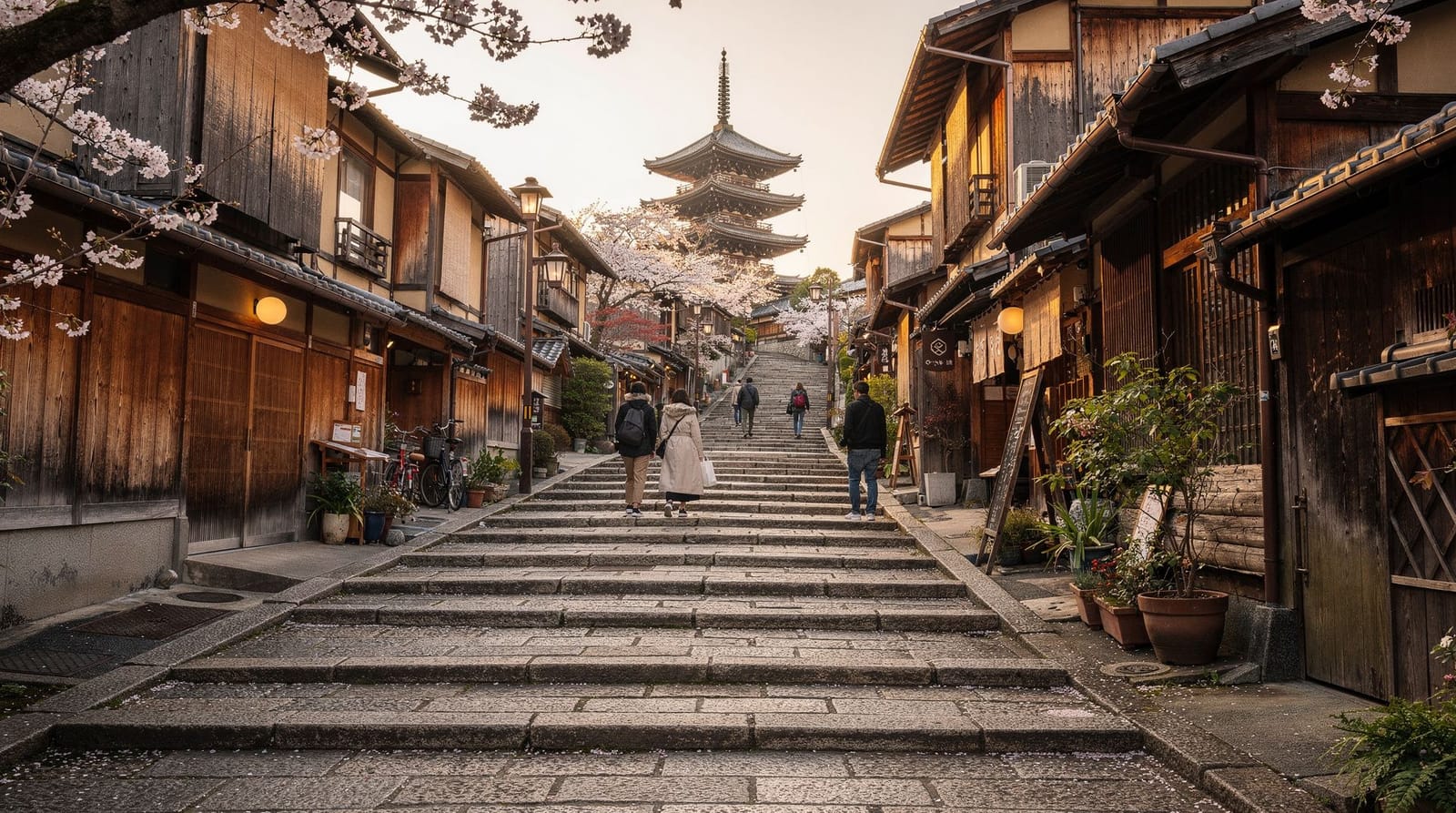
Most bookable tea ceremony venues cluster within a short walk of Kiyomizu-dera and the Higashiyama district, which makes this an easy addition to an existing sightseeing plan rather than a dedicated trip. A common, well-paced sequence: Kiyomizu-dera in the morning before crowds peak, a tea ceremony slot around midday as a genuine rest point (sitting for 45 minutes is a welcome break after a morning of temple stairs), then the Ninenzaka and Sannenzaka slopes down toward Gion in the afternoon, timed to arrive in Gion for early evening when geiko and maiko sightings are most likely.
This sequencing solves a real practical problem beyond convenience: Kyoto sightseeing days can become relentlessly foot-heavy, and a seated, quiet 45 minutes genuinely helps pace a day that otherwise involves hours of walking on stone paths and temple grounds. Booking the tea ceremony as a deliberate midday pause, rather than squeezing it in wherever a gap appears, tends to produce a noticeably better experience of both the ceremony itself and the rest of the day’s sightseeing.
If you’re staying multiple days in Kyoto, consider scheduling the tea ceremony on a day with lighter walking plans — pairing it with the Nishiki Market food tour or a slower morning rather than stacking it onto your most physically demanding temple-hopping day.
Group size and what changes at each tier
Group size affects this experience more than most tourist activities because the room itself is often genuinely small — a real tatami tea room built for intimate gatherings, not a lecture hall retrofitted for tour groups.
Sessions capped at 6-8 participants generally allow everyone a turn at whisking their own bowl and time for individual questions; sessions running 12-15 people at once, common at some of the larger operators near major temples, tend to shift toward watching a demonstration with only a subset of participants actually whisking tea themselves. If hands-on participation matters to you specifically, confirm group size and whether every participant whisks their own bowl before booking, since marketing materials don’t always make this distinction clear upfront.
Private sessions, booked for just your own group, cost a meaningful premium — often double the shared-group per-person rate — but guarantee full participation for everyone in your party and allow the host to adjust pacing for children, mobility considerations, or simply a slower, more conversational session. Worth the premium for families with young children, where a shared session with strangers can feel rushed or awkward if a child needs extra patience during the etiquette explanation.
Comparing this to Kyoto’s other seated cultural experiences
Kyoto offers several other short, bookable cultural sessions that overlap conceptually with tea ceremony — calligraphy classes, ikebana (flower arranging) experiences, and kimono-inclusive combination packages. Of these, tea ceremony tends to be the most broadly appealing starting point specifically because it requires no artistic skill to enjoy (unlike calligraphy or ikebana, where the finished product’s quality varies with your own effort) and because the etiquette and philosophy translate clearly even in a short session.
If you have time for only one seated cultural booking during your Kyoto trip, tea ceremony is the strongest single choice for most first-time visitors; calligraphy and ikebana are better suited to travelers with a specific existing interest in those crafts rather than a general cultural introduction.
For travelers wanting to go deeper, some operators offer extended 90-minute to 2-hour sessions that include both tea ceremony and a related craft (calligraphy or a wagashi-making component), worth considering on a second Kyoto visit or for anyone with a genuine, sustained interest in Japanese traditional arts rather than a single introductory taste.
Verdict
A tea ceremony experience is one of the better-value seated cultural bookings in Kyoto precisely because it’s short, cheap relative to most bookable experiences, and genuinely teaches you something rather than just narrating scenery. The Kiyomizu tea house session is the strongest all-round pick for first-timers: real tatami room, real instruction, manageable length, and a location that slots naturally into a Higashiyama sightseeing day. Save the maiko-hosted premium tier for a special-occasion splurge rather than your primary introduction to chado — the substance is the same either way, only the costume and price tag change.