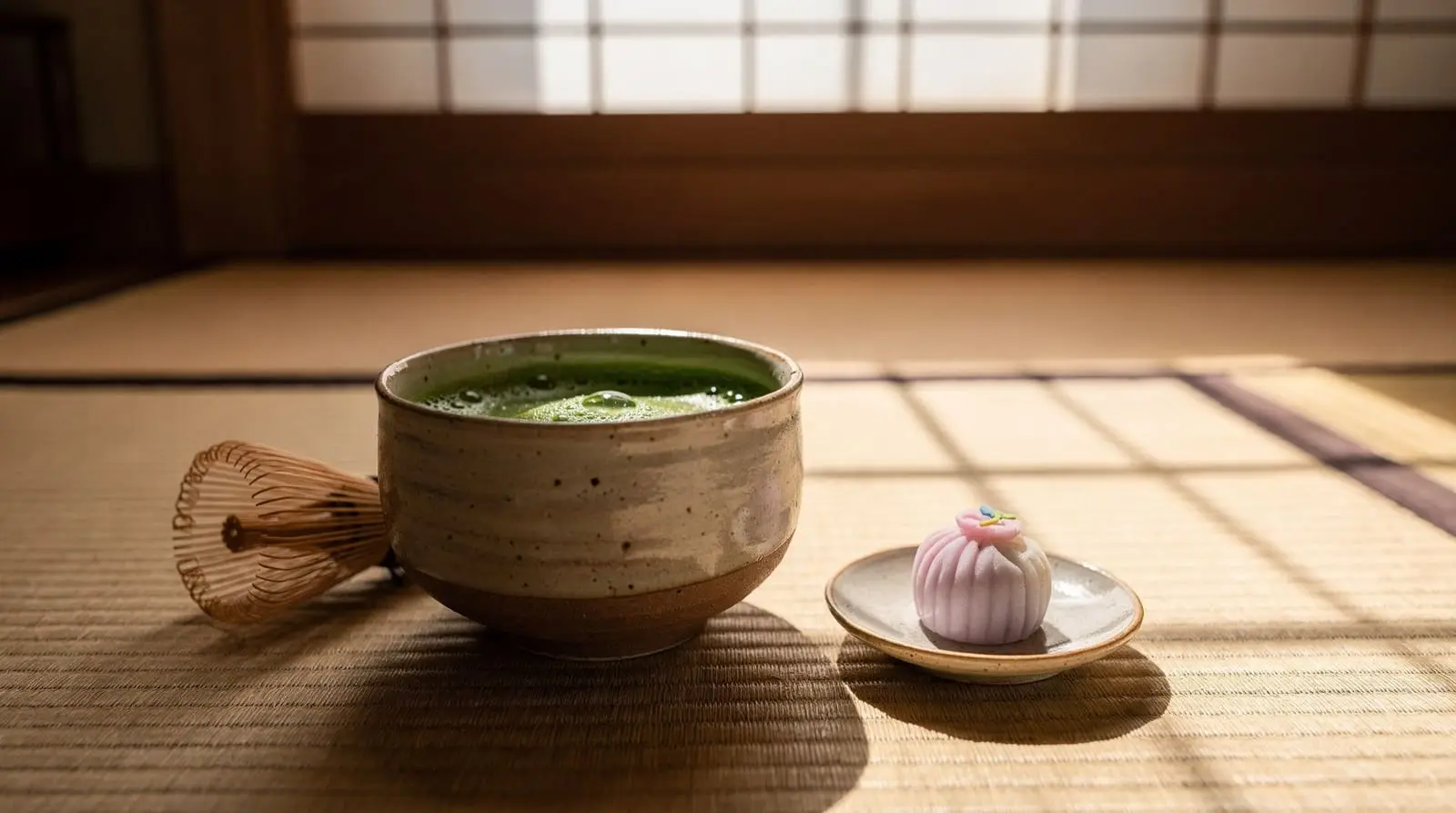
Matcha and Uji guide — tea tasting, grinding and where locals actually drink it
Half-day matcha tour in Uji, home of tea culture, with a local guide
Duration: 4 hours
Why is Uji considered Japan's best matcha region, and is it worth a day trip from Kyoto?
Uji has grown tea since at least the 13th century, and its specific soil, humidity and shading techniques (tencha grown under cover before grinding) produce some of the most prized matcha in Japan. It's a genuinely worthwhile day trip — 15-20 minutes from Kyoto Station by JR Nara Line rapid train — combining real stone-grinding demonstrations, tastings at multi-generation tea houses, and the UNESCO-listed Byodo-in temple, all within easy walking distance of Uji Station.
Why Uji, specifically, and not just “Kyoto matcha”
Matcha is sold everywhere in central Kyoto, but the tea itself mostly comes from Uji, a town about 15 minutes south of Kyoto Station that’s been growing tea since at least the 13th century. Uji’s specific combination of river fog, soil and centuries of refined shading technique — growing tea leaves under cover for the final weeks before harvest — is what produces tencha, the shade-grown leaf that gets stone-ground into matcha. Kyoto city shops sell the tea; Uji is where it’s actually grown, processed and, in several cases, still ground by hand using traditional stone mills.
| Where | Uji, ~15-20 min south of Kyoto Station by JR Nara Line |
| Cost | Around ¥240 one-way train; tasting ¥800-1,500 |
| Grinding experience | Around ¥2,000-4,000 standalone |
| Guided half-day tour | Around ¥8,000-15,000, incl. ceremony/temple |
| Combine with | Byodo-in (UNESCO), ¥700 grounds + ¥300 museum |
| Best time | Morning, before midday tour-bus crowds |
That distinction matters for planning: a matcha sweet or drink in central Kyoto is perfectly genuine, but an afternoon in Uji gets you closer to the source — tea fields, working grinding demonstrations, and tea houses with real multi-generation histories rather than a shop selling matcha-flavored souvenirs.
Shade-grown tencha: what actually makes matcha different
The core technical fact worth knowing before a tasting: matcha starts as tencha, tea leaves shaded from direct sun for roughly the last two to three weeks before harvest, traditionally under woven reed screens, now often black netting. Shading increases chlorophyll and amino acid content while suppressing the bitter compounds that develop under full sun, which is why good matcha tastes rounder and slightly sweet rather than sharply astringent.
After harvest, the leaves are steamed to stop oxidation, dried, and have their stems and veins removed, leaving just the leaf flesh — called tencha at this stage — which is then stone-ground into the fine, bright-green powder sold as matcha. Regular sencha, by contrast, grows in full sun and is steeped as loose leaves that get discarded after brewing, so you only extract part of what’s in the leaf. Matcha, whisked directly into water, means you’re drinking the whole ground leaf — part of why it carries noticeably more caffeine per serving than a cup of steeped green tea.
Grinding your own matcha: what the experience actually involves
Several venues in Uji offer hands-on stone-grinding sessions, where you sit at a traditional granite mill and grind dried tencha leaves into powder yourself — a slow, repetitive motion that makes clear why machine-ground matcha became standard for anything beyond ceremonial use; producing even a small amount by hand takes real time. A basic grinding session runs roughly ¥2,000-4,000 (US$13-27) as a standalone activity, and is often bundled into half-day guided tours in the ¥8,000-15,000 (US$53-100) range that also include a tea ceremony, tasting, or a stop at Byodo-in.
Uji tea museum tickets and matcha grinding experienceIt’s a good activity for understanding why properly made matcha costs what it does, and it’s genuinely hands-on rather than a passive demonstration — worth prioritizing if you only have time for one Uji activity beyond a tasting.
Tasting versus tea ceremony: two different things sold under similar names
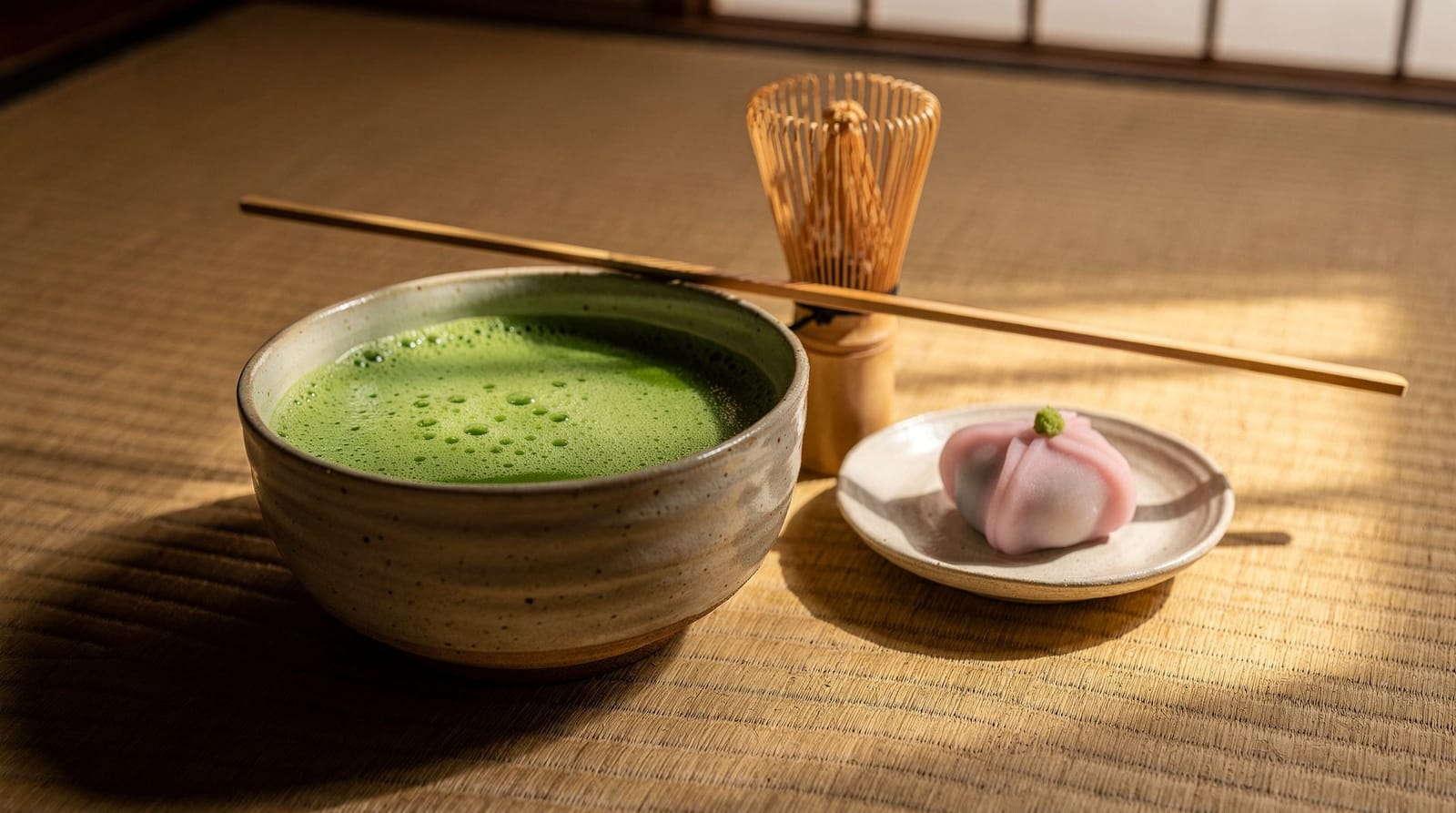
Uji and central Kyoto both offer two distinct experiences that get bundled together loosely in marketing: a matcha tasting and a formal tea ceremony. A tasting is informal — a prepared bowl of matcha and a small sweet, served at a tea house counter, no ritual required, typically ¥800-1,500 (US$5.30-10). A formal tea ceremony (chado or sado) follows a structured sequence rooted in Zen Buddhist practice — how the tea is prepared, presented and received all follow set movements — and runs 45 minutes to an hour including instruction for first-timers, usually costing more (¥3,000-6,000 / US$20-40 for a group session, more for private).
Uji matcha experience and World Heritage tourIf you only have time for one, a tasting is the lower-commitment option; a ceremony is the deeper cultural one. Neither is objectively better — they’re different products aimed at different amounts of time and interest.
The real tea houses: Nakamura Tokichi, Itoh Kyuemon and Tsuen
Two multi-generation tea houses anchor most Uji itineraries, both a short walk from Uji Station: Nakamura Tokichi Honten and Itoh Kyuemon. Both sell loose-leaf tea by weight from their own or partner tea fields, and both are well known for matcha parfaits and soft serve alongside more traditional tastings — a genuinely popular combination of old tea-house credibility and modern dessert format. Expect a wait at peak lunch hours (weekends, early afternoon) at either.
Tsuen Tea, right by Uji Bridge, is worth a special mention — it claims a history stretching back to the 12th century and is often cited as the oldest tea shop in Japan. Even if you’re not stopping for a full tasting, it’s a five-minute detour on the way to or from Byodo-in, and the shop itself sells loose tea by weight rather than only souvenir tins.
Half-day matcha tour in Uji with a local guideByodo-in: the UNESCO temple next door
Byodo-in, whose Phoenix Hall is famous enough to appear on the back of Japan’s ¥10 coin, sits a short walk from Uji Station and from most of the town’s tea houses, making it an easy add-on to a matcha-focused visit rather than a separate trip. It’s a UNESCO World Heritage Site, part of the Historic Monuments of Ancient Kyoto listing. Grounds admission is ¥700 (US$4.70), with an additional ¥300 (US$2) for the treasure hall museum, which holds original Heian-period Buddhist statuary and bronze work.
Most visitors pair Byodo-in with one or two tea house stops and call it a half day; adding the Uji tea museum or a grinding session extends that to a full day comfortably.
Where tea came from: a brief, useful history
Tea cultivation reached Japan from China centuries before Uji became its most celebrated growing region, with early planting generally credited to Buddhist monks who saw tea as an aid to meditation. Uji’s specific reputation solidified during the medieval period, when its river fog, well-drained hillside soil and proximity to Kyoto’s imperial and shogunal courts made it the preferred supplier for the highest grades of tea in the country — a status formalized under the Ashikaga shogunate, which designated specific Uji tea gardens for exclusive supply to the ruling elite.
That historical head start is a large part of why “Uji matcha” still carries real weight as a label today, in the same way a wine region’s name can signal quality independent of the specific producer.
The shading technique that defines tencha and therefore matcha is generally understood to have developed in Uji specifically during this period, as growers experimented with covering tea plants to refine flavor and color for their most demanding customers. It’s one of relatively few cases in food history where a luxury product’s defining technique and its most famous growing region are this directly and traceably linked.
Tea grades: how gyokuro, matcha and sencha relate
Uji doesn’t only produce matcha — understanding where it sits among Japan’s other tea grades helps make sense of a tea house menu. Gyokuro is also shade-grown, similar to tencha, but is dried as whole leaves and steeped rather than ground into powder, producing an intensely savory, low-bitterness brew that’s arguably Japan’s most prized steeped tea and is often more expensive per gram than matcha itself.
Sencha, the everyday green tea most commonly drunk in Japan, is grown in full sun and steeped as loose leaves — no shading, more astringency, lower price. Hojicha is roasted green tea, usually made from sencha or bancha leaves, with a toasted, less caffeinated character that’s become popular as a dessert flavor (hojicha soft serve is common alongside matcha versions).
A well-stocked Uji tea house typically sells all four, and trying a small flight of gyokuro, matcha and sencha side by side is one of the more useful ways to actually understand what shading and processing change about flavor, rather than taking it on faith from a shop description.
The harvest calendar: why timing affects quality
Japan’s tea harvest follows a seasonal calendar that affects both quality and, to some extent, availability. Ichibancha, the first flush harvested in late April through May, is considered the highest quality, with the most concentrated flavor and the lowest bitterness, and commands the highest prices. Later flushes — nibancha (second flush, early-to-mid summer) and beyond — are generally used for everyday-grade tea and blended products.
This isn’t usually something a visiting tourist needs to plan a trip around, since tea houses sell tea year-round from stored and processed stock, but it explains why a shop might describe a specific product as ichibancha or “first flush” at a premium price, and why that premium is a genuine quality signal rather than marketing inflation.
Getting to Uji from Kyoto
The JR Nara Line rapid (kaisoku) service from Kyoto Station to Uji Station takes about 17-20 minutes and costs roughly ¥240 (US$1.60) one-way — the simplest and fastest option for most visitors. Local (futsu) trains cover the same route in closer to 30 minutes for a similar fare. A Keihan line route exists via a transfer at Chushojima, but it’s not meaningfully faster and adds a connection, so the direct JR line from Kyoto Station is the better default choice.
Uji Station itself sits close enough to the town’s main tea houses and to Byodo-in that a car or taxi isn’t necessary — most of a matcha day trip is walkable from the station.
Spotting the tourist-trap version
Uji has, inevitably, attracted shops selling matcha-flavored novelty items — Kit Kats, cookies, soft-serve cones — with no actual loose-leaf tea for sale and staff who can’t answer a basic question about where the tea comes from. These aren’t a scam exactly, and a matcha soft serve is a fine treat, but they’re not the same category as a tea house selling its own or a partner farm’s leaf. A reasonable filter: if a shop sells tea by weight and someone there can tell you roughly what grade or region it’s from, it’s operating as an actual tea business rather than a souvenir stand riding the matcha trend.
Matcha and mitarashi dango sweet workshopFrequently asked questions about matcha and Uji
What is the difference between matcha and regular green tea?
Matcha comes from tencha, tea leaves grown under shade for the final weeks before harvest, which increases chlorophyll and amino acids, then stone-ground into powder that’s whisked whole into water. Regular sencha is grown in full sun and steeped as loose leaves that are discarded, extracting only part of the leaf’s compounds.
How much does a matcha tasting or grinding experience cost in Uji?
A basic tasting with a sweet runs roughly ¥800-1,500 (US$5.30-10). A hands-on grinding experience runs ¥2,000-4,000 (US$13-27) standalone, or is bundled into half-day guided tours around ¥8,000-15,000 (US$53-100).
What is the difference between a matcha tasting and a full tea ceremony?
A tasting is informal — a prepared bowl of matcha and a sweet with little ritual. A formal tea ceremony follows a structured sequence rooted in Zen Buddhist practice and takes 45 minutes to an hour including instruction. A tasting is faster and cheaper; a ceremony is the deeper cultural experience.
How do you get from Kyoto to Uji, and how long does it take?
The JR Nara Line rapid train from Kyoto Station takes about 17-20 minutes and costs roughly ¥240 (US$1.60) one-way. Local trains take closer to 30 minutes for a similar fare.
What are the best tea houses in Uji to visit?
Nakamura Tokichi Honten and Itoh Kyuemon, both a short walk from Uji Station, known for matcha parfaits and traditional tastings. Tsuen Tea, near Uji Bridge, claims a history back to the 12th century and is often cited as Japan’s oldest tea shop.
Is Byodo-in temple worth combining with a matcha day trip to Uji?
Yes — this UNESCO World Heritage Site sits a short walk from Uji Station and most tea houses. Grounds admission is ¥700 (US$4.70), plus ¥300 (US$2) for the treasure hall museum.
How do you tell an authentic Uji tea house from a tourist-trap one?
Authentic tea houses sell loose-leaf tea by weight and can answer basic questions about origin and grade. A shop selling only matcha-flavored novelty snacks with no actual tea for sale is aimed at a quick tourist transaction rather than tea culture.
Combining Uji with other day trips
Uji sits south of central Kyoto on the JR Nara Line, which makes it geographically awkward to combine with a full day trip to Nara or Osaka without a fair amount of backtracking, since neither city sits directly on the same rail line. Most visitors treat Uji as a self-contained half day rather than a stop on a longer multi-city itinerary, saving the full-day trips for Nara or Osaka separately.
If you’re building a broader itinerary around Kyoto’s UNESCO sites, Byodo-in pairs conceptually with the other Historic Monuments of Ancient Kyoto listings covered in the Kyoto UNESCO sites guide, even though it’s geographically separate from the main cluster of temples inside the city itself.
Buying matcha to take home
Most Uji tea houses sell loose-leaf matcha by weight, typically in 20-40g tins running roughly ¥1,000-3,000 (US$6.70-20) depending on grade, with ceremonial-grade tea (meant for whisking and drinking on its own) costing meaningfully more than culinary-grade tea (meant for baking or lattes).
A reasonable rule for a first-time buyer unsure what grade to pick: ask directly whether you plan to drink it whisked plain or use it in cooking, since staff at genuine tea houses are generally happy to steer you toward the right grade rather than upselling the most expensive tin. Vacuum-sealed tins travel well in checked luggage, and matcha keeps its quality for several months if kept cool and away from direct light, though it’s best used within a few weeks of opening for the brightest flavor.
Planning a matcha-focused day
A realistic half-day plan: take the 9am or 10am JR rapid train from Kyoto Station, spend the first hour at Byodo-in before the midday crowds build, then move to Nakamura Tokichi or Itoh Kyuemon for a tasting or parfait, and finish with a grinding session or a stop at Tsuen Tea near the bridge before heading back. Combine it with the broader Uji destination guide for other sights in town, or read the Kyoto food guide for how matcha and wagashi fit into the city’s wider food culture.
Frequently asked questions about Matcha and Uji guide — tea tasting, grinding and where locals actually drink it
What is the difference between matcha and regular green tea?
How much does a matcha tasting or grinding experience cost in Uji?
What is the difference between a matcha tasting and a full tea ceremony?
How do you get from Kyoto to Uji, and how long does it take?
What are the best tea houses in Uji to visit?
Is Byodo-in temple worth combining with a matcha day trip to Uji?
How do you tell an authentic Uji tea house from a tourist-trap one?
Top experiences
Bookable activities with verified prices and instant confirmation on GetYourGuide.