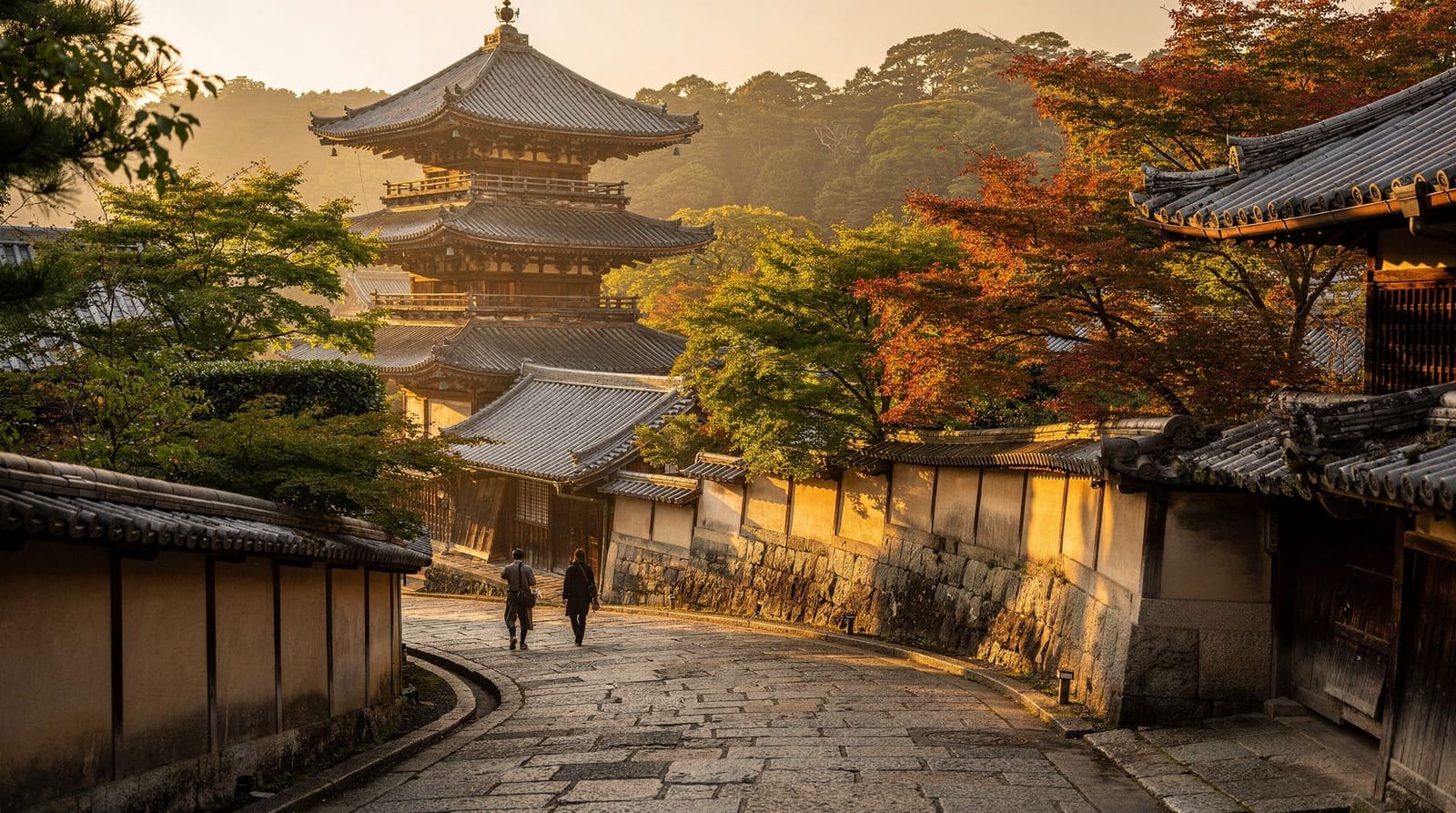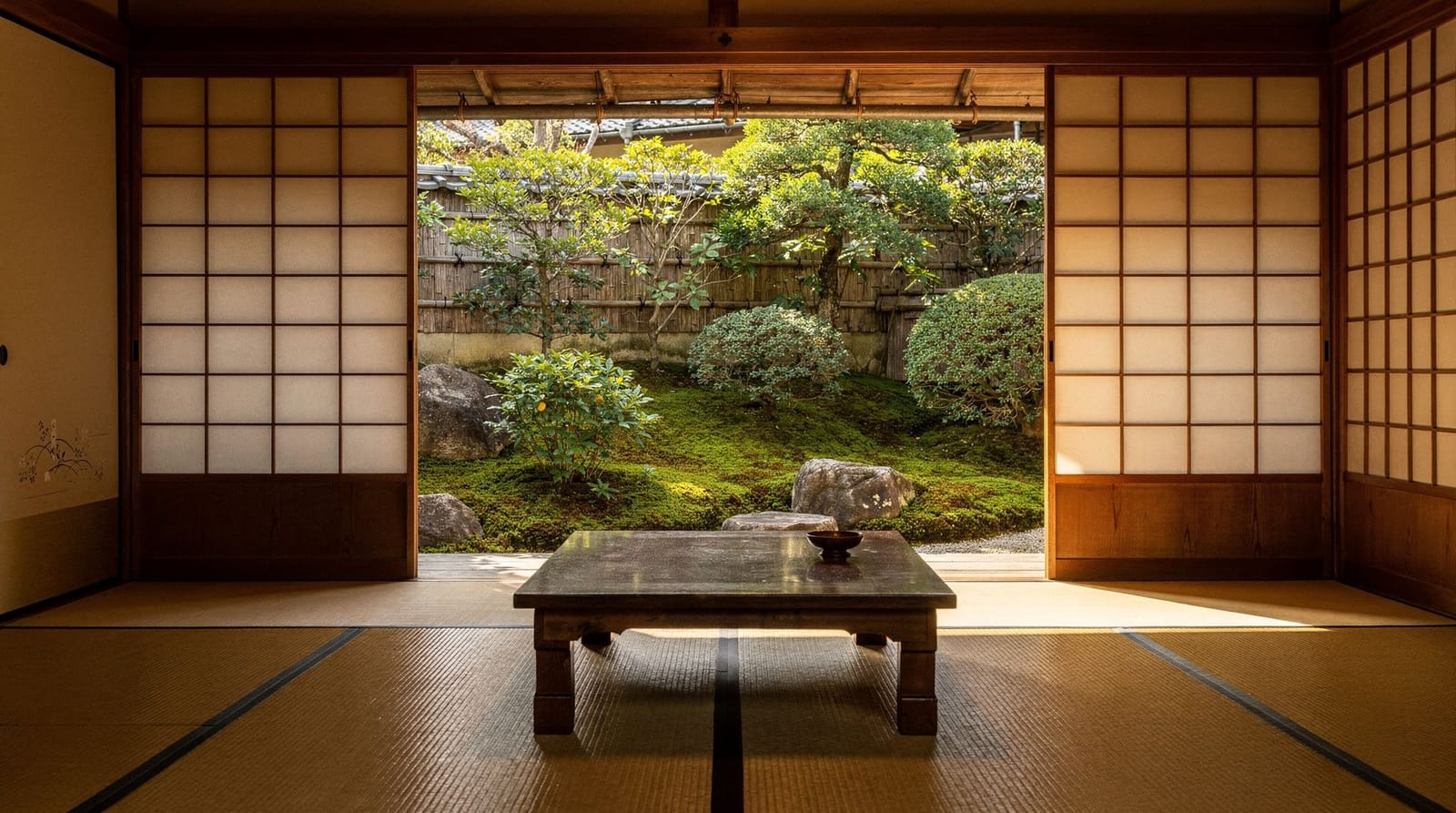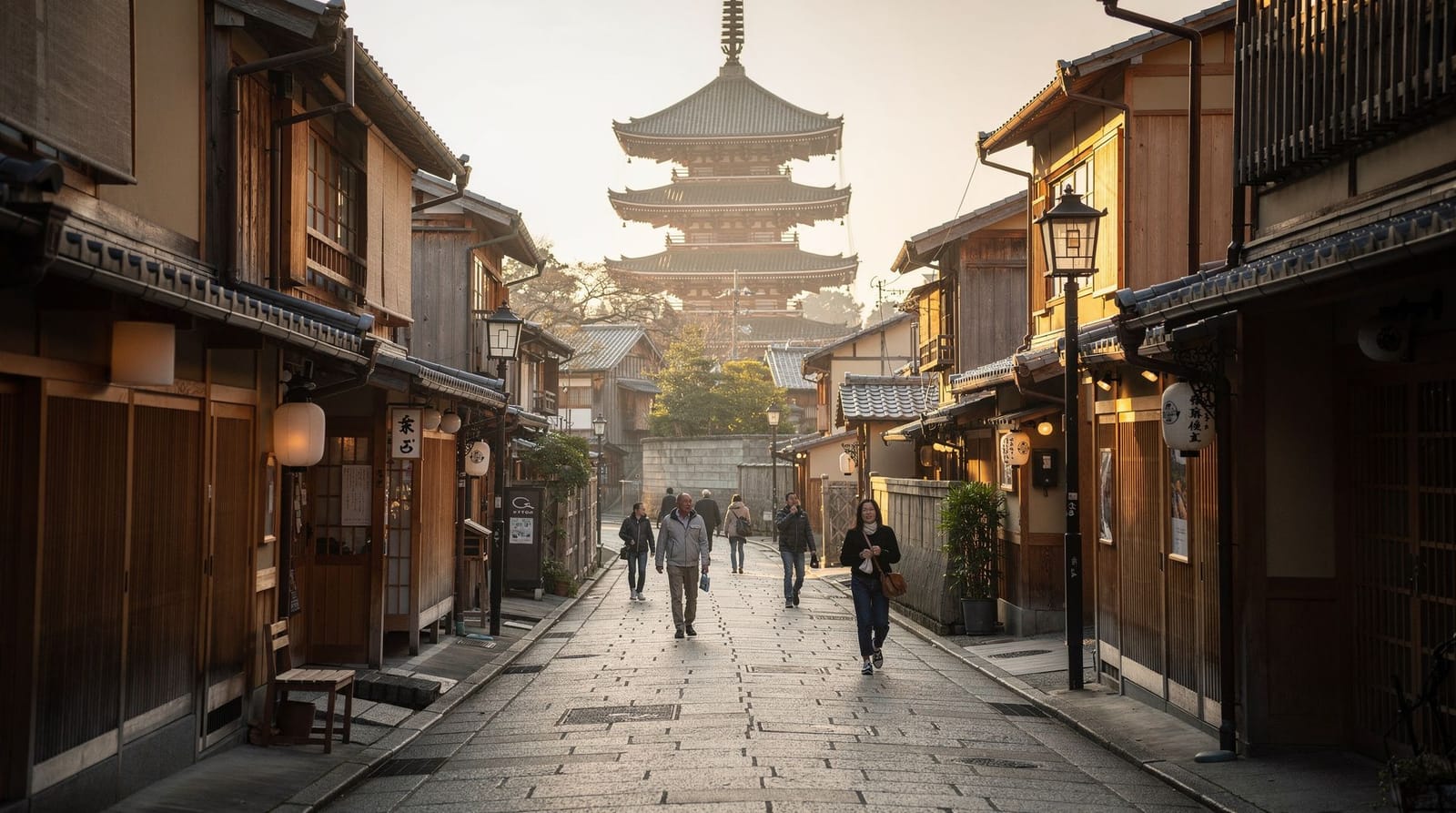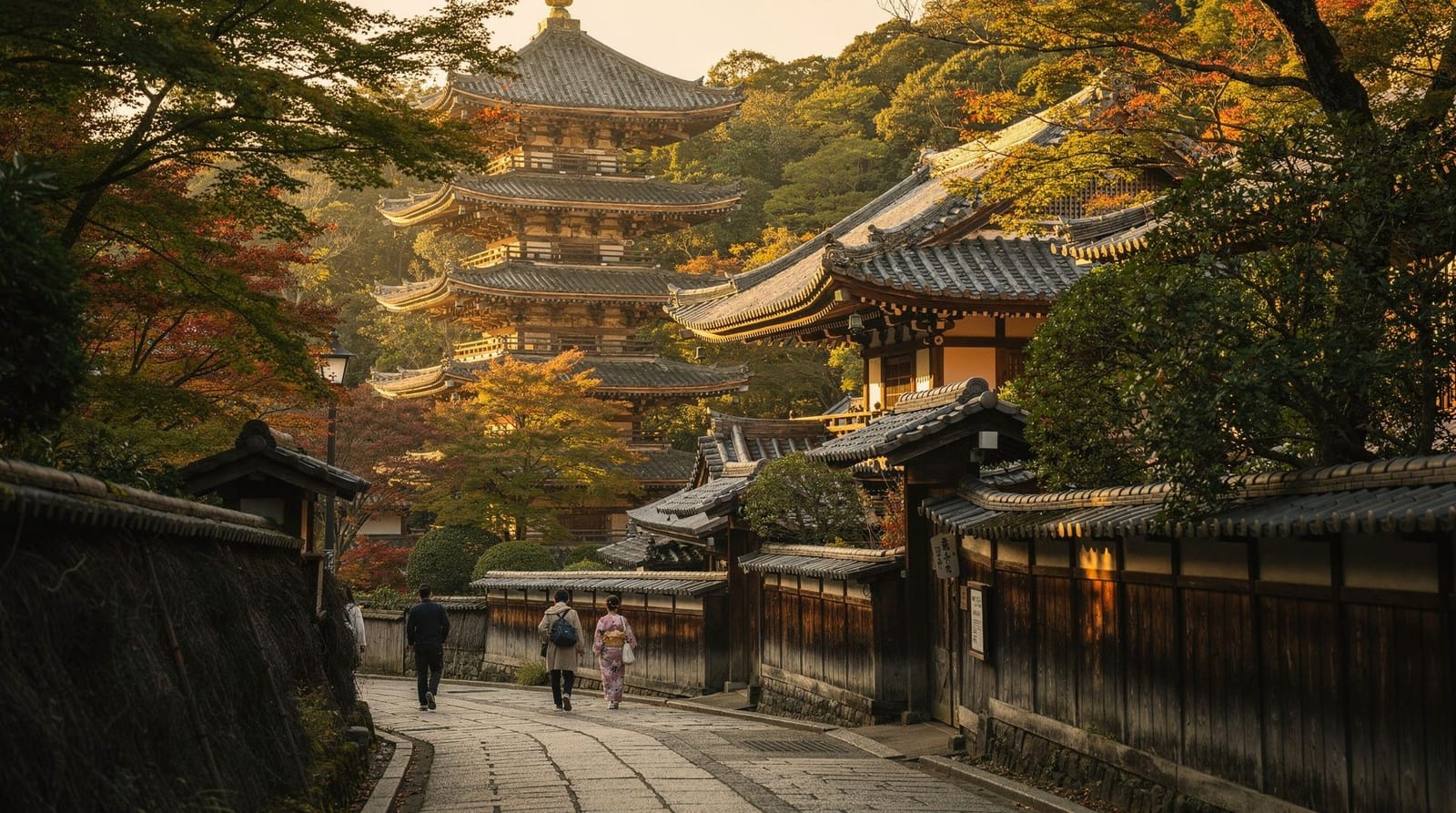
Kyoto for first-time visitors — a practical planning guide
Kyoto: Golden Triangle Tour
How many days do you need for a first trip to Kyoto, and where should you stay?
Three full days covers the essentials — Fushimi Inari, Higashiyama's temples, and Arashiyama — without rushing. Four or five days lets you add Nara or Uji as a day trip and slow down. For a first stay, Kyoto Station or downtown (Shijo-Kawaramachi) give you the best transit connections; Gion is atmospheric but pricier and further from the station.
| Days needed | 3 minimum, 4-5 comfortable |
| Where to stay | Kyoto Station or Shijo-Kawaramachi downtown |
| Getting there | KIX via JR Haruka (~75-80 min) or shinkansen from Tokyo (~2h20) |
| Getting around | Icoca IC card on buses, subway, JR trains |
| Book ahead for | Late March-early April and mid-to-late November |
Kyoto is bigger and slower than people expect
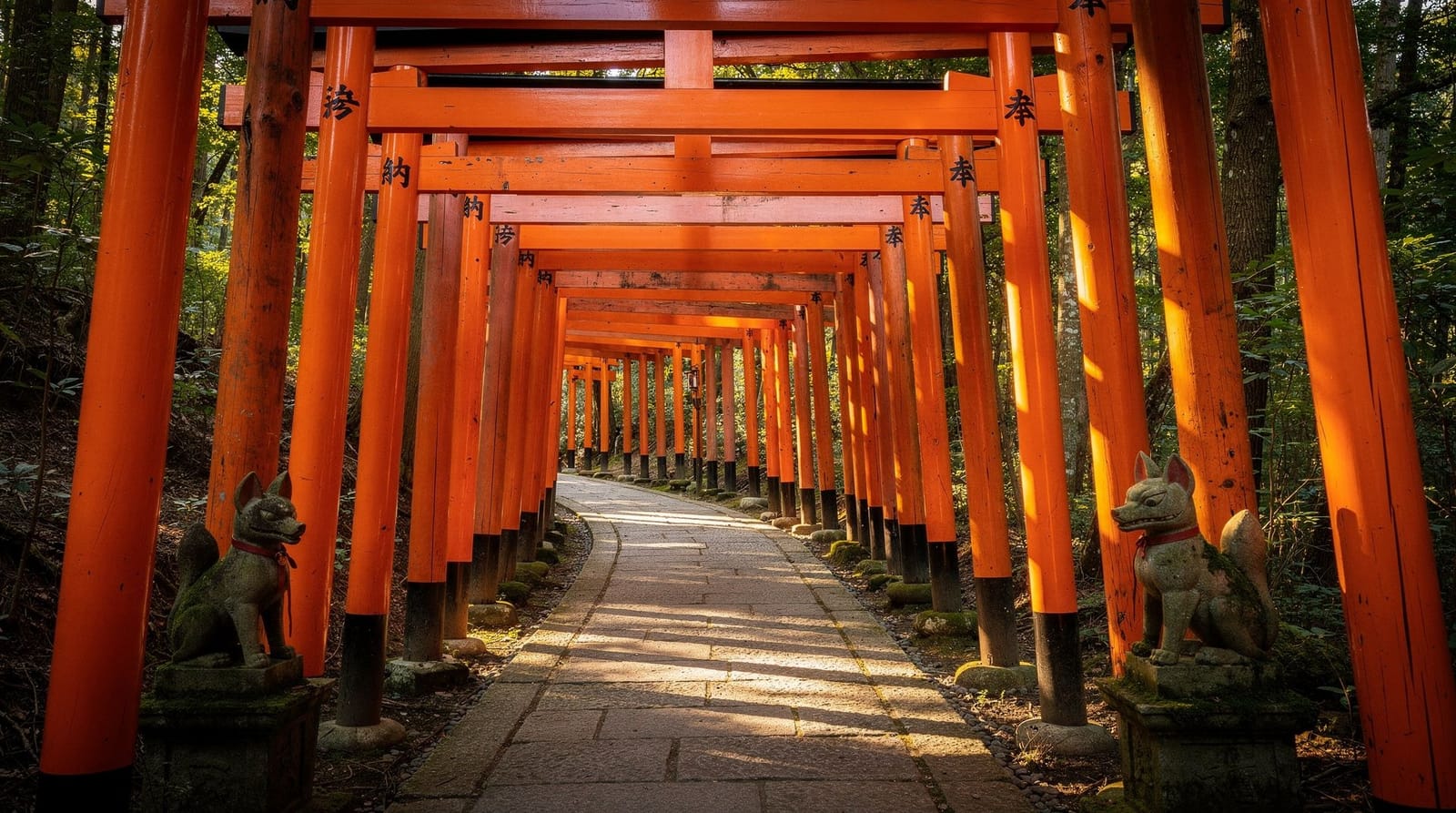
First-time visitors usually arrive with a mental image built from a handful of photos — the Fushimi Inari torii tunnel, the Arashiyama bamboo grove, a geisha silhouette in Gion. The reality is that Kyoto was Japan’s imperial capital for over a thousand years (794 to 1868), and it shows: the city holds more than 1,600 Buddhist temples and roughly 400 Shinto shrines spread across a metro area of 1.5 million people, not a compact old-town district you can walk end to end. Fitting even the well-known highlights into a short visit means picking a handful and letting the rest go, rather than trying to complete a checklist.
The other adjustment is pace. Kyoto rewards slowness in a way few cities do — a garden viewed for ten minutes in near-silence at 7am is a genuinely different experience from the same garden at 1pm with a tour group moving through every ninety seconds. That single fact — that timing changes the experience more than sight selection does — is the one piece of advice that matters most for a first trip.
How many days you actually need
Three full days is the realistic minimum for a satisfying first visit: one day for Fushimi Inari and the Fushimi sake district, one for the Higashiyama temple walk (Kiyomizu-dera down through Sannenzaka and Ninenzaka to Yasaka Shrine and Gion), and one for Arashiyama’s bamboo grove and Tenryu-ji. Two days works if you’re willing to cut one of those three areas entirely — trying to compress all three into two days usually means rushing each one and skipping the early-morning visits that make the difference between a crowded photo and a genuinely quiet moment.
Four or five days is more comfortable and lets you add a day trip to Nara for the deer park and Todai-ji, or to Uji for matcha and the Byodo-in temple pictured on the ¥10 coin. The how many days in Kyoto guide breaks down exactly what fits at each length, day by day.
Kyoto Golden Triangle Tour — Kinkaku-ji, Nijo Castle, Fushimi Inari in one guided dayWhich neighborhood to base yourself in
For a first stay, Kyoto Station and the downtown Shijo-Kawaramachi area are the two safest choices. Kyoto Station puts you on the JR Nara Line (for Fushimi Inari, two stops), the JR Sagano Line (for Arashiyama), and the shinkansen and JR lines to Osaka and Nara — genuinely useful if your trip extends beyond Kyoto itself. Hotel Granvia Kyoto sits directly above the station if you want zero-walk convenience, with dozens of business hotels (APA Hotel Kyoto Ekimae, Kyoto Tower Hotel) within a few minutes on foot at lower prices.
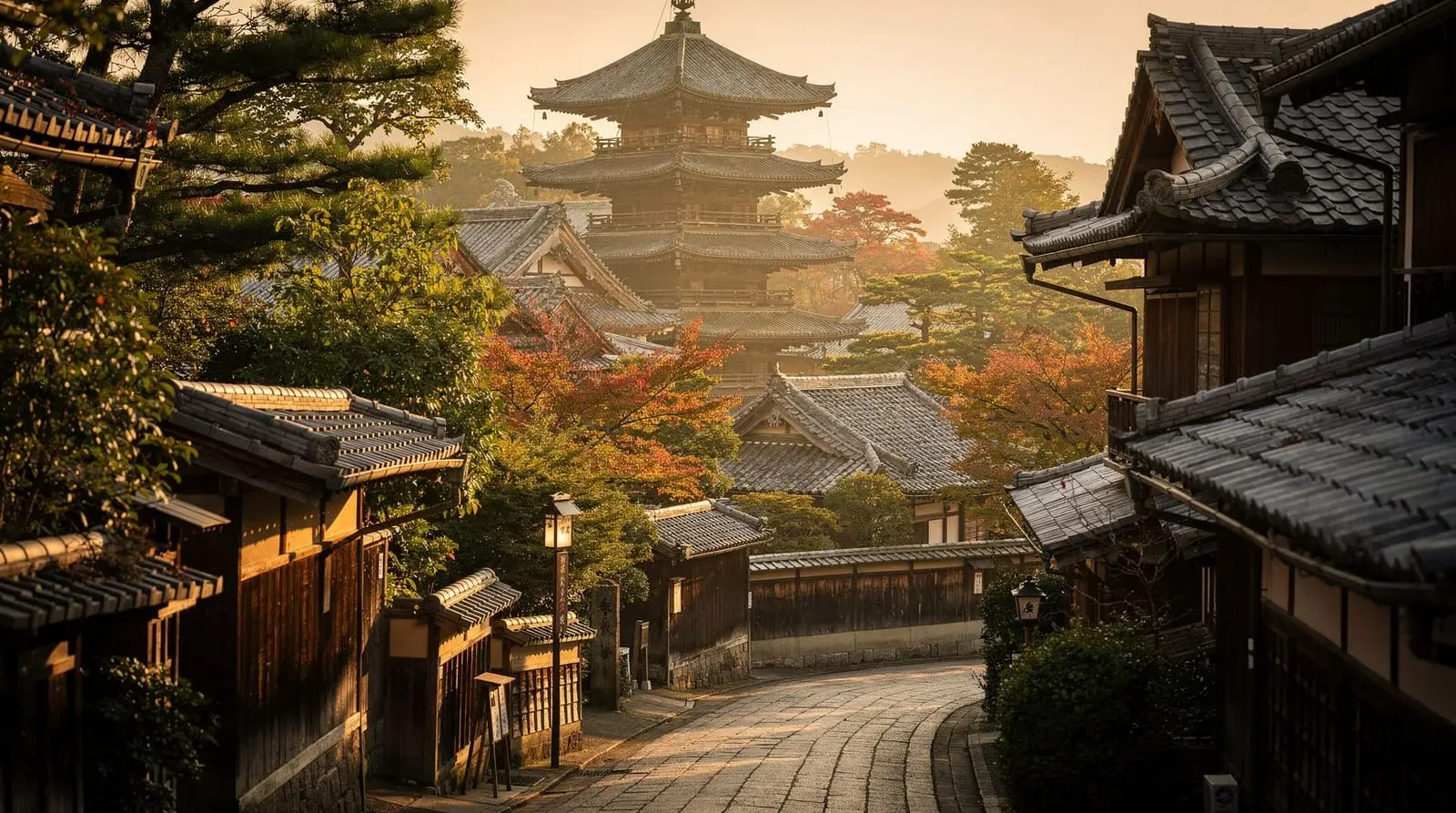
Downtown, around Shijo-Kawaramachi and Sanjo, puts you closer to Gion, Pontocho’s restaurant alley, and Nishiki Market, with the Hankyu and Keihan lines a short walk away. Gion itself is the most atmospheric base — traditional wooden machiya architecture, geisha sightings at dusk — but it sits at the edge of the main bus network, so late-night returns often mean a longer walk or a taxi. The where to stay in Kyoto guide covers Arashiyama, Higashiyama, and ryokan options in more depth if a traditional stay is part of the plan.
The mistake almost everyone makes: over-scheduling temples
Kyoto’s sheer density of significant sites creates a specific planning trap — stacking five or six temples into a single day because they’re all technically nearby. In practice, visiting Kinkaku-ji, Ryoan-ji, Ninna-ji, and Nijo Castle back to back in one afternoon (a genuinely common first-timer itinerary) leaves no time to actually sit with any of them, and by the fourth stop, temples start blending together in memory.
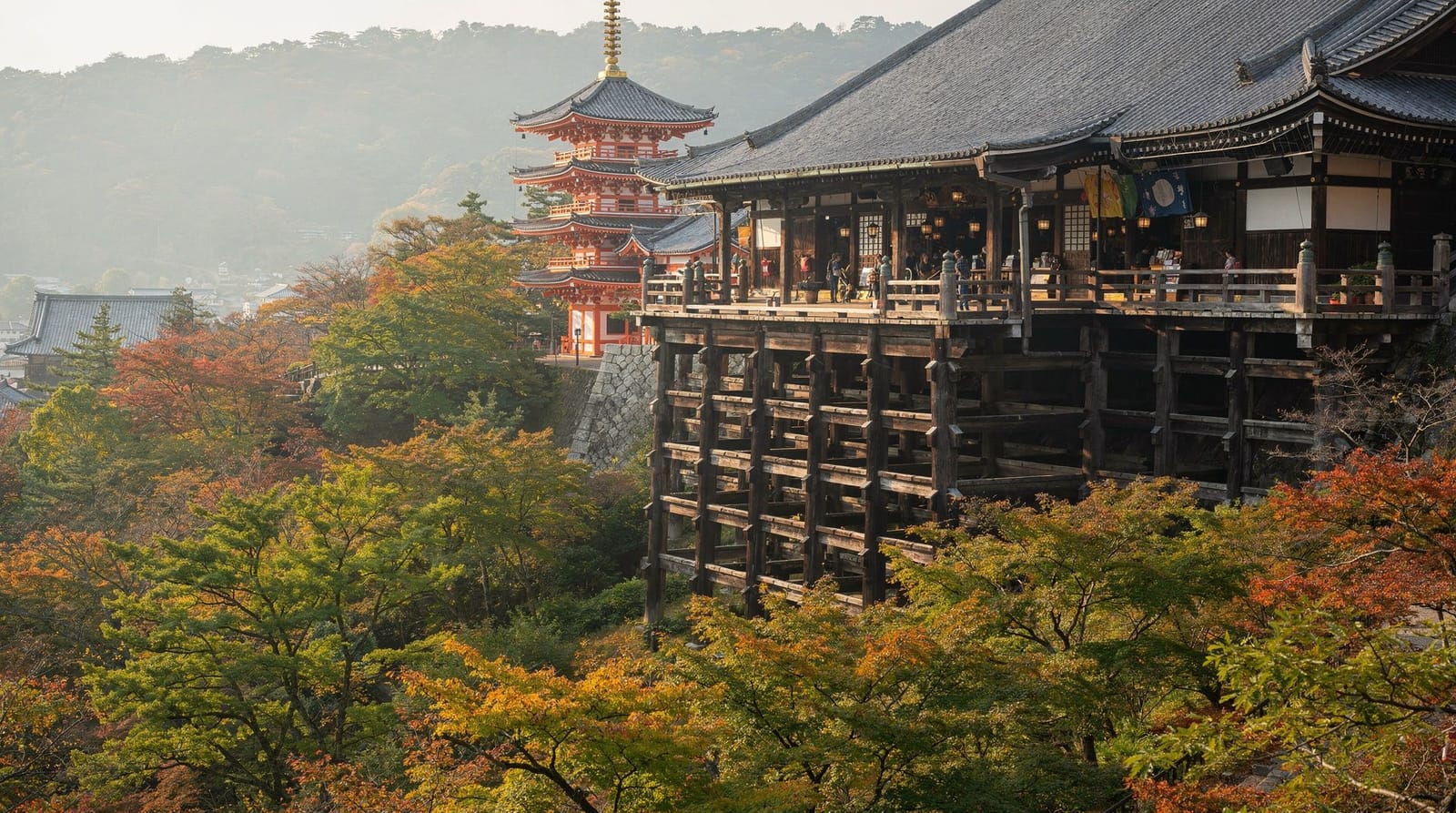
A better default: two, at most three, temple or shrine visits per day, chosen for contrast rather than proximity — a famous headline sight paired with a quieter one nearby. Kiyomizu-dera’s wooden stage in the morning, then a slow walk through the Sannenzaka lanes rather than a fourth ticketed site, tends to be remembered more clearly a year later than a checklist of six.
Book ahead if you’re visiting late March-early April or November
Cherry blossom season (roughly the last week of March through the first two weeks of April, though the exact dates shift year to year) and autumn foliage season (mid-to-late November) are Kyoto’s two peak windows, and hotel rates in central neighborhoods can roughly double compared to a July or February visit. Popular ryokan and well-reviewed restaurants near Higashiyama and Gion routinely book out weeks ahead during these windows. If your trip lands in either period, lock in accommodation and any must-do restaurant reservations before flights, not after.
Outside those two windows, Kyoto is considerably calmer and cheaper without being a lesser experience — early June’s fresh green maple leaves and late-January’s occasional light snow on Kinkaku-ji’s gold pavilion are both underrated. The best time to visit Kyoto guide covers the month-by-month trade-offs in detail.
Getting around without overthinking it
Kyoto’s transport runs on three layers: JR trains (Fushimi Inari, Arashiyama, Nara day trips), the Kyoto subway (two lines, useful for Nijo Castle and the northern temples), and city buses (Higashiyama, Kinkaku-ji, most single-stop sights), with a flat ¥230 fare on city buses regardless of distance. Buy an Icoca IC card at the airport or any station on arrival — it works on every train, subway, and bus in the city and removes the need to calculate exact fares or buy paper tickets each ride. A one-day bus pass exists but rarely pays for itself unless you’re taking four or more bus rides in a single day, which is uncommon on a well-planned itinerary that groups sights by neighborhood.
Japan/Asia eSIM roaming data plan — set up connectivity before you landWalking covers more than first-timers expect once you’re inside a neighborhood — Higashiyama’s temple walk, Arashiyama’s bamboo grove and riverside, and downtown’s shopping streets are all built for foot traffic, with buses and trains mainly connecting the districts rather than moving you within them.
Google Maps and the Japan Transit Planner app both handle bus and train routing reliably in Kyoto, including real-time delays, which matters more for buses than trains — city buses can run 5-10 minutes behind schedule during peak sightseeing hours as they queue through single-lane stretches near Kiyomizu-dera and Kinkaku-ji. Building a small buffer into any bus-dependent morning plan avoids a cascade of missed connections later in the day.
Getting from the airport to Kyoto
Kyoto has no international airport of its own — almost every first-time visitor arrives via Kansai International Airport (KIX) near Osaka, occasionally via Itami Airport for domestic connections. From KIX, the JR Haruka limited express runs directly to Kyoto Station in about 75-80 minutes; a reserved seat costs roughly ¥3,640 one way (about US$24), or slightly less unreserved. A discounted Haruka + Icoca combo ticket for foreign passport holders brings the fare down further and is worth buying at the KIX JR ticket counter rather than the standard fare gate. A taxi covers the same route for ¥20,000-25,000 (US$130-165) and only makes sense for groups of four splitting the cost or very late arrivals after trains stop.
If you’re routing through Tokyo first, the Tokyo-Kyoto shinkansen leg takes about 2 hours 20 minutes on the Nozomi (fastest, not covered by the JR Pass) or 2 hours 40 minutes on the Hikari (JR Pass eligible), landing directly at Kyoto Station.
What to pack and wear for a temple-heavy itinerary
Comfortable walking shoes matter more in Kyoto than almost any other city on a typical Japan itinerary — Higashiyama’s stone lanes, Arashiyama’s paths, and Fushimi Inari’s hillside trail all involve real distance on uneven or sloped surfaces, easily 15,000-20,000 steps on a temple-focused day. Slip-on shoes are genuinely useful: several temple interiors (Kiyomizu-dera’s inner hall, Nijo Castle’s Ninomaru Palace) require removing footwear at the entrance, and fumbling with laces in a queue is a minor but recurring annoyance.
Dress is casual by Western standards at most sights, though sleeveless tops and very short shorts draw occasional stares at the more traditional temples and shrines — nothing is enforced, but modest clothing blends in better. Layering matters seasonally: summer (June-September) is hot and humid enough that breathable fabric matters more than style, while winter (December-February) rarely drops below freezing during the day but the wind off the surrounding hills is sharper than the temperature alone suggests.
Tourist traps and overpriced setups to skip
A few patterns come up often enough to flag directly. Kimono rental shops cluster near Kiyomizu-dera and Arashiyama at wildly varying quality and price — reputable studios (Yumeyakata, Okamoto) run ¥4,000-8,000 for a basic set with styling, while some tourist-strip storefronts charge similar prices for lower-quality rentals and rushed dressing. Compare a couple of options rather than booking the first shop you pass.
Geisha and maiko photography has become a genuine friction point in Gion — private tour operators and even some residents have reported tourists blocking narrow streets or touching kimono sleeves for photos. Several backstreets in the Gion geisha district are now off-limits to photography entirely, with signage and fines (up to ¥10,000) for violations; treat any geisha or maiko you encounter as a working professional commuting to an appointment, not a photo subject, and see the Kyoto etiquette guide for the specifics.
Separately, a handful of restaurants directly on the Sannenzaka-Ninenzaka approach to Kiyomizu-dera charge tourist-strip prices for mediocre food — walking two or three side streets off the main lane usually finds better value.
Gion history and geisha culture walking tour — context and etiquette from a local guide, not a photo huntFood worth prioritizing on a first visit
Kyoto’s food identity centers on shojin ryori (Buddhist vegetarian temple cuisine), yudofu (simmered tofu, a Kyoto specialty especially around Arashiyama’s temples), and kaiseki, the multi-course formal dinner that originated partly in Kyoto’s tea ceremony tradition. None of these require a special trip to find — Nishiki Market’s covered arcade downtown is the easiest single stop for a food-focused hour, with stalls selling yuba (tofu skin), tsukemono (pickles), matcha sweets, and skewered street food at ¥300-800 per item.
A sit-down kaiseki dinner runs ¥8,000-25,000 per person depending on the restaurant’s tier, while a casual yudofu set lunch near a temple costs closer to ¥2,000-3,000 — both are worth budgeting for at least once rather than defaulting to convenience-store meals for the entire trip, which undersells what the city does well.
Day trips worth adding with extra time
If your itinerary runs to four days or more, Nara — 45 minutes by JR or Kintetsu train — adds the free-roaming deer park and Todai-ji’s Great Buddha hall as a half-day or full-day trip. Uji, 20 minutes by JR, is the center of Japan’s matcha production and home to Byodo-in, the temple pictured on the ¥10 coin. Osaka, 15 minutes by shinkansen or about 45 minutes by regular JR train, offers a food-and-nightlife contrast to Kyoto’s temple pace if you want one evening that isn’t shrine-focused. All three fit within a day without needing to change hotels, which keeps the core Kyoto stay intact.
A realistic three-day skeleton
Day one: Fushimi Inari early (ideally before 8am), then the Fushimi sake district or a return downtown for Nishiki Market and lunch. Day two: Kiyomizu-dera at opening (6am), then the Sannenzaka-Ninenzaka walk down to Kodai-ji, Yasaka Shrine, and Gion, finishing with an evening walk through Pontocho. Day three: Arashiyama’s bamboo grove early, Tenryu-ji temple, and the riverside, with Kinkaku-ji added in the afternoon if energy allows — it’s a separate bus or taxi ride from Arashiyama, not walkable.
Private customized walking tour with a local insider — built around your actual interestsThis skeleton assumes a moderate pace with real breaks, not a race to see the maximum number of sights — which, per the mistake above, tends to produce a better trip and a clearer memory of it than a denser schedule does.
Is Kyoto safe for first-time visitors
Kyoto ranks among the safer major cities in the world for violent crime, and first-time visitors rarely encounter more than the pickpocket-level caution any crowded tourist area warrants — the Fushimi Inari trail, Nishiki Market, and the Higashiyama lanes during peak hours are the spots where bag awareness matters most, simply because of density. Solo travelers, including women, generally report feeling comfortable walking after dark in the main tourist neighborhoods, though the same common-sense rules that apply anywhere (well-lit streets, awareness in empty side lanes late at night) still hold.
The more relevant safety consideration is heat, not crime: summer (July-August) combines temperatures near 33-35°C with high humidity, and heat exhaustion is a genuine risk on a full day of walking between temples with limited shade. Carrying water and building in shaded breaks matters more than it might on a European city itinerary.
Handling luggage between hotels
If your itinerary moves between cities — Tokyo to Kyoto to Osaka, for instance — Japan’s takkyubin door-to-door luggage forwarding service is worth using rather than hauling large suitcases through train stations and up hotel stairs. Hotels and convenience stores handle the drop-off, and a standard suitcase typically costs ¥2,000-3,000 (US$13-20) to forward to your next hotel, arriving the following day. This is standard practice among Japanese domestic travelers and works reliably for foreign visitors as well, freeing you to carry only a day bag on travel days.
What first-timers consistently underrate
Nishiki Market’s covered arcade for a food-focused hour, the Philosopher’s Path for a genuinely peaceful walk between Ginkaku-ji and Nanzenji, and simply sitting in a temple garden without a phone out for ten minutes — none of these show up on “top 10 Kyoto” lists the way Fushimi Inari does, but first-time visitors who build in unstructured time consistently rate their trips higher than those who move from ticketed sight to ticketed sight all day. Kyoto’s temples are, functionally, some of the most successful designed spaces for stillness anywhere, and that only registers if there’s time built in to actually stop.
A note on jet lag and your first day
Most international arrivals into the Kansai region land after a long-haul flight, and jet lag genuinely affects how much a first day or two in Kyoto delivers. Rather than scheduling a demanding temple-heavy itinerary immediately on arrival day, a lighter first afternoon — checking in, a short walk near the hotel, an early dinner — sets up a more successful early start the following morning than pushing straight into a full sightseeing day while running on minimal sleep. Kyoto’s early-morning strategy for beating crowds works best when you’re actually able to wake up early, which a poorly managed first 24 hours can undermine more than any planning mistake covered elsewhere in this guide.
Kyoto versus Osaka and Tokyo: what each city is actually for
First-timers building a Japan itinerary often wonder whether Kyoto duplicates Tokyo or Osaka, and it genuinely doesn’t. Tokyo is Japan’s modern, high-energy capital — Kyoto is where the temple density, traditional architecture, and centuries of imperial history actually live. Osaka, 15 minutes away by shinkansen, is the food-and-nightlife counterpoint to Kyoto’s quieter pace, worth a day or an evening rather than a full separate multi-day stay for most first-time itineraries. See the Kyoto vs Osaka guide and Kyoto vs Tokyo guide for the fuller comparison if the itinerary is still taking shape.
Connectivity: SIM, eSIM, and staying online
Reliable data matters more in Kyoto than in most cities on a first trip, given how much day-to-day navigation depends on real-time bus and train info. An eSIM set up before landing avoids the airport SIM counter queue entirely and works the moment the plane touches down, a genuine convenience over hunting for a physical SIM on arrival day.
Japan/Asia eSIM roaming data plan — set up before you landA realistic first-morning checklist
Rather than treating arrival day as a full sightseeing day, a realistic first morning covers: picking up an Icoca IC card at the station, confirming the route to your hotel, and identifying the nearest convenience store for water and snacks before the jet lag mentioned above starts to bite. This sounds minor, but skipping it in favor of rushing straight to Fushimi Inari on zero sleep is a common reason first days underdeliver — the getting around Kyoto guide covers the transit basics in more depth than fits here.
Where to go next
Once the basic shape of the trip is set, the how many days in Kyoto guide and where to stay in Kyoto guide handle the two decisions that shape everything else. For the practical side of daily spending, the Kyoto travel budget guide lays out real costs by travel style, and the Kyoto etiquette guide covers temple, shrine, and public-space norms worth knowing before you go rather than learning on the spot.
For the individual sights mentioned here, see the Fushimi Inari guide and Kiyomizu-dera guide, and for neighborhood detail, the Higashiyama and Arashiyama destination pages.
Frequently asked questions about Kyoto for first-time visitors — a practical planning
Is Kyoto worth visiting if it's your first trip to Japan?
How many days in Kyoto is enough for a first visit?
What's the biggest mistake first-time visitors make in Kyoto?
Where should a first-time visitor stay in Kyoto?
Do you need a car in Kyoto?
Should you buy a Japan Rail Pass just for Kyoto?
Is English widely spoken in Kyoto?
Top experiences
Bookable activities with verified prices and instant confirmation on GetYourGuide.