Kansai Thru Pass and other regional passes — which one to choose
Kansai: Wide Area Rail and Bus Pass
What is the Kansai Thru Pass and is it worth buying?
The Kansai Thru Pass covers unlimited rides on private railways, subways, and buses across Kyoto, Osaka, Nara, and Kobe — including Kyoto's city buses and subway — but explicitly excludes all JR lines. It's worth buying for a multi-day itinerary hopping between these cities using non-JR transport, priced around ¥4,480 for 2 days or ¥5,600 for 3 days as of recent rates, but it loses value fast if your itinerary leans on JR lines like the Nara line or Haruka.
Kansai has several overlapping regional transport passes, and the two most commonly confused are the Kansai Thru Pass (private railways and buses, no JR) and the JR West regional passes (JR only, no private lines) — a distinction that trips up a meaningful number of travelers who buy the wrong one for their planned route. This guide breaks down what the Thru Pass actually covers, its real cost against buying individual tickets or an Icoca card, and how to decide between it and the JR-based alternatives, using real fares rather than a generic “get a pass” recommendation that doesn’t account for which specific lines a given itinerary actually rides.
| Covers | Private railways, subways, Kyoto city buses |
| Excludes | All JR lines, including Haruka |
| Cost | around ¥4,480 (2-day) / ¥5,600 (3-day) |
| Validity | any 2 or 3 days within roughly 14 days |
| Buy | Kansai Airport, private-rail stations, tourist info counters |
The core distinction: JR versus non-JR
Japan’s rail network in Kansai splits into JR-operated lines (JR West, including the Nara line, Sagano line, and Haruka airport train) and private operators (Keihan, Hankyu, Kintetsu, Nankai, plus Osaka Metro, Kyoto’s subway and buses, and Kobe’s subway and buses). The Kansai Thru Pass covers the second group entirely and the first group not at all. This single fact determines whether the pass suits a given itinerary more than any other consideration in this guide.
What the Kansai Thru Pass actually covers
The pass covers unlimited rides across a wide network: Kyoto’s city buses and subway, Keihan and Hankyu lines (useful for Fushimi Inari via Keihan, Arashiyama via Hankyu, and travel to Osaka), Kintetsu (partial coverage, useful for Nara), Nankai (useful for Kansai Airport’s non-Haruka train connection and Koyasan), Osaka Metro, and Kobe’s municipal subway and bus network. For a multi-city Kansai trip built around these specific operators, it’s a genuinely broad single pass.
What it explicitly excludes
Every JR line in the region: the Nara line (the fastest route to Fushimi Inari and Uji), the Sagano line (to Arashiyama), the Kyoto-Osaka JR Kyoto line, and critically, the Haruka airport express connecting Kansai Airport to Kyoto. A traveler planning to use Haruka or the JR Nara line as their primary routes will find the Thru Pass doesn’t help with either, no matter how many other rides it covers.
Current pricing
As of recent JR West and Kansai private-rail pricing, a 2-day Kansai Thru Pass runs approximately ¥4,480 (US$30) and a 3-day pass approximately ¥5,600 (US$37). The pass’s days don’t need to be consecutive — they’re valid on any 2 or 3 days within a longer window (commonly 14 days from first use), which suits an itinerary with non-consecutive heavy-transit days better than a strict day-by-day pass would. Verify current pricing before buying, since regional pass rates are periodically revised.
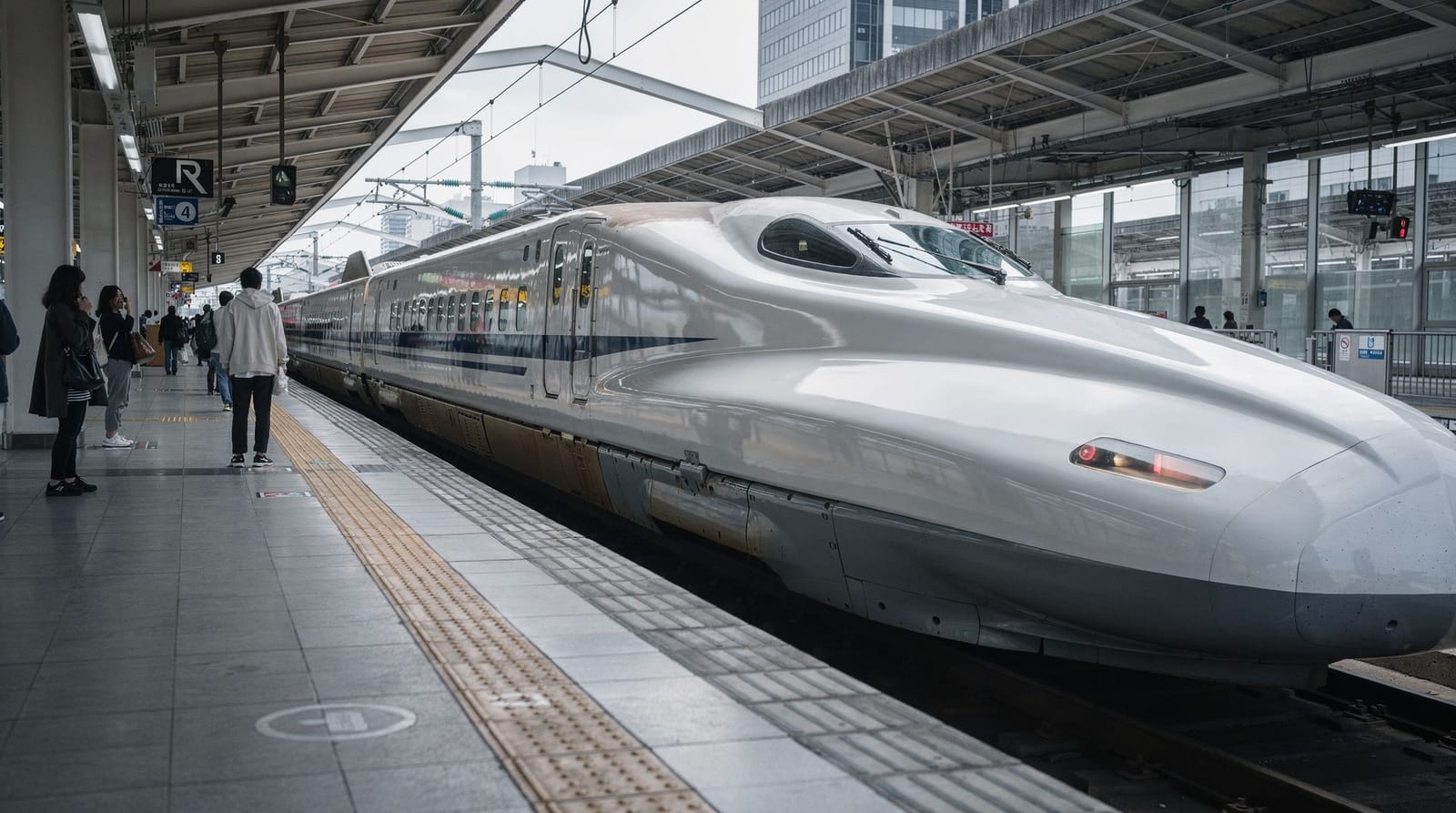
Kansai: Wide Area Rail and Bus Pass — the JR-based alternative covering Haruka, Himeji, and Sanyo Shinkansen segments the Thru Pass excludesDoes the Thru Pass beat an Icoca card for Kyoto sightseeing?
Usually not, for Kyoto-only sightseeing specifically. Kyoto’s city bus flat fare is ¥230, and a typical sightseeing day involves three to five rides — ¥690-1,150 — well under the Thru Pass’s per-day cost of roughly ¥2,240 (half the 2-day price). The pass only pulls ahead of an Icoca card’s pay-as-you-go model on days with an unusually high ride count or when several longer private-rail trips (Kyoto-Osaka, Kyoto-Kobe) are packed into the same day, which most itineraries, organized by neighborhood rather than crisscrossing the region, don’t hit.
Where the Thru Pass genuinely wins
The pass’s value case is strongest for a multi-day itinerary specifically structured around non-JR travel between cities: a day in Kyoto using city buses, a day trip to Osaka via Hankyu or Keihan, a day trip to Nara via Kintetsu, and a day in Kobe via the private lines serving it. Add up the individual one-way fares for that pattern — Kyoto-Osaka roughly ¥400-600, Kyoto-Nara roughly ¥600-700 via Kintetsu, Kyoto-Kobe roughly ¥600-1,000 — and across several such days plus daily Kyoto bus use, the 3-day pass’s ¥5,600 price comfortably pays for itself.
Coordinating the Thru Pass with connectivity and other trip essentials
A regional transport pass is only one piece of the pre-trip setup most visitors handle before or on arrival — alongside an Icoca card for the days the Thru Pass isn’t active, and a working data connection for navigating between the region’s several overlapping rail networks in the first place. Having transit apps working from the moment of landing matters more on a multi-pass, multi-operator Kansai itinerary than on a simpler single-city trip, since tracking which line, and which pass, a given ride requires gets genuinely harder without live map data.
The Himeji problem
Himeji Castle, one of the most common Kansai day trips, sits specifically on a JR line (the JR Kobe/Sanyo line, or the Sanyo Shinkansen for a faster run), meaning the Kansai Thru Pass provides zero coverage for this specific trip despite covering Kobe itself. A traveler planning both a Kobe day and a Himeji day needs to budget separately for the Himeji JR fare (or use a JR-based pass like the Kansai Wide Area Pass, covered in the JR Pass guide) even while the Thru Pass handles the rest of the itinerary.
Combining the Thru Pass with a JR ticket or pass
For itineraries that need both networks — say, JR to Nara or Fushimi Inari on some days and private-rail city hopping on others — buying the Thru Pass for the non-JR days and separate individual JR tickets for the JR-specific legs is a completely normal, common approach, rather than needing to pick a single pass to cover everything. The two systems don’t conflict; they simply require tracking which day uses which pass or ticket.
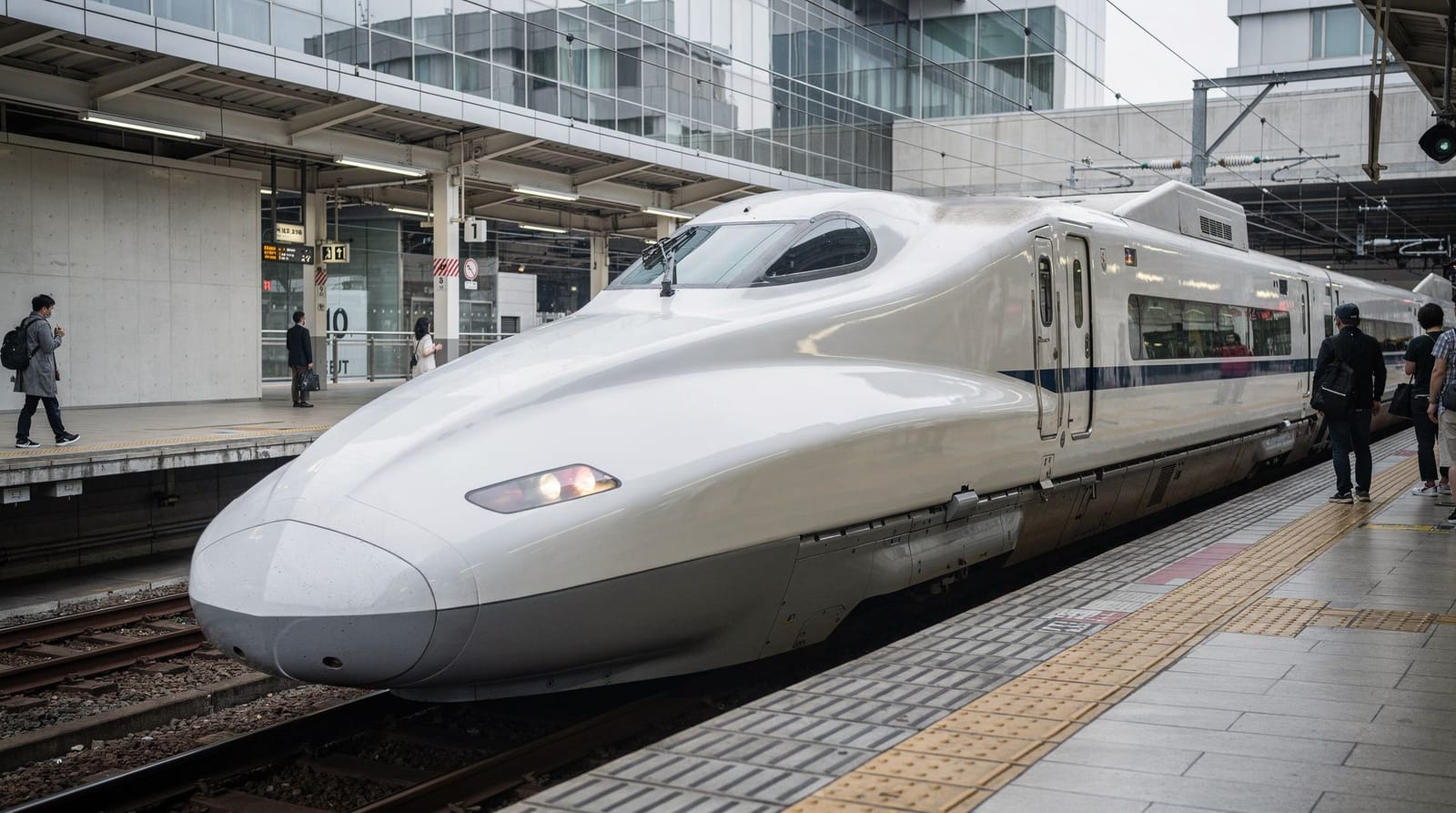
JR West: Kansai Mini Pass — the complementary JR-only pass for days the Thru Pass doesn’t coverKyoto city buses: a real strength of the Thru Pass
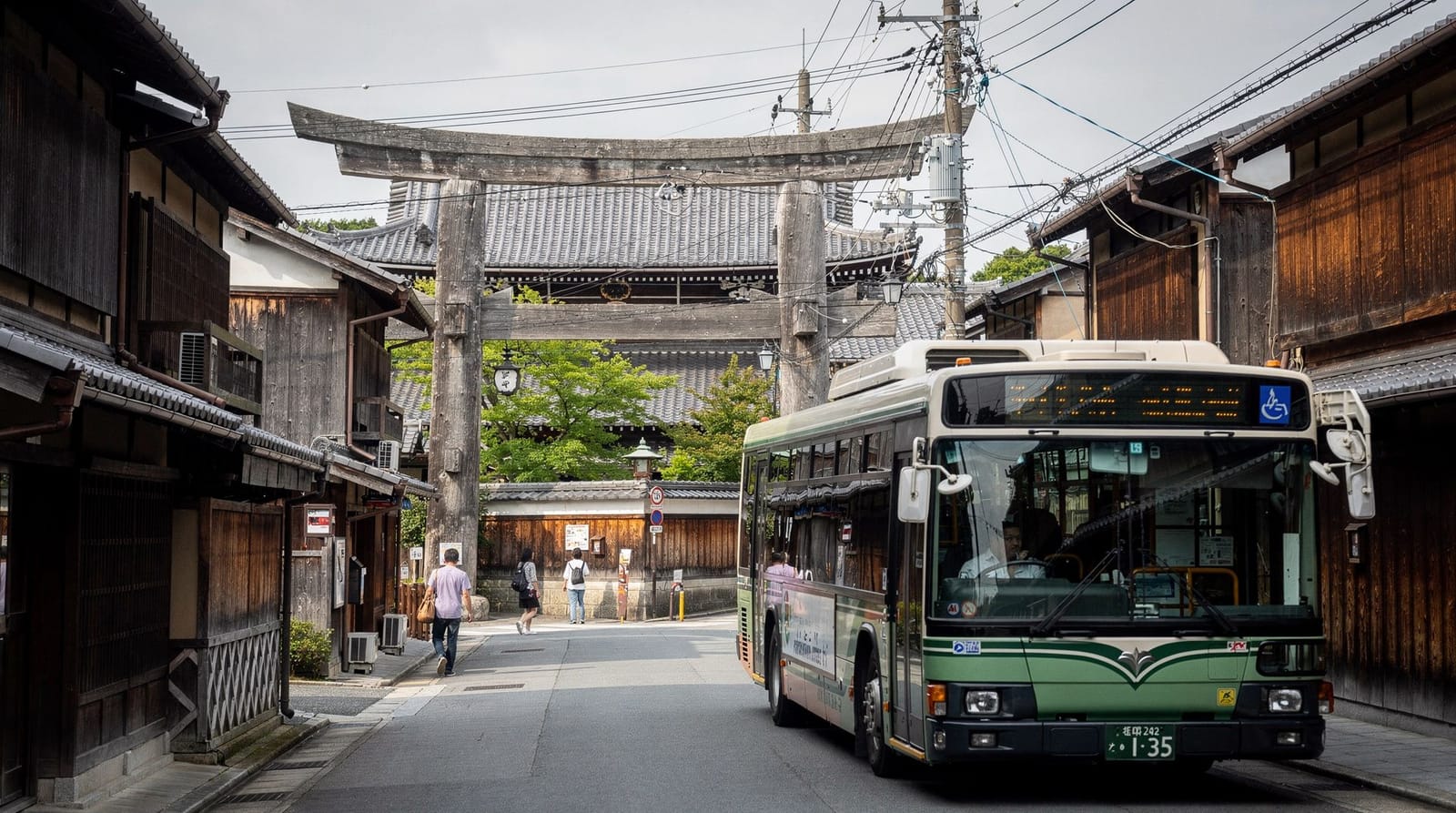
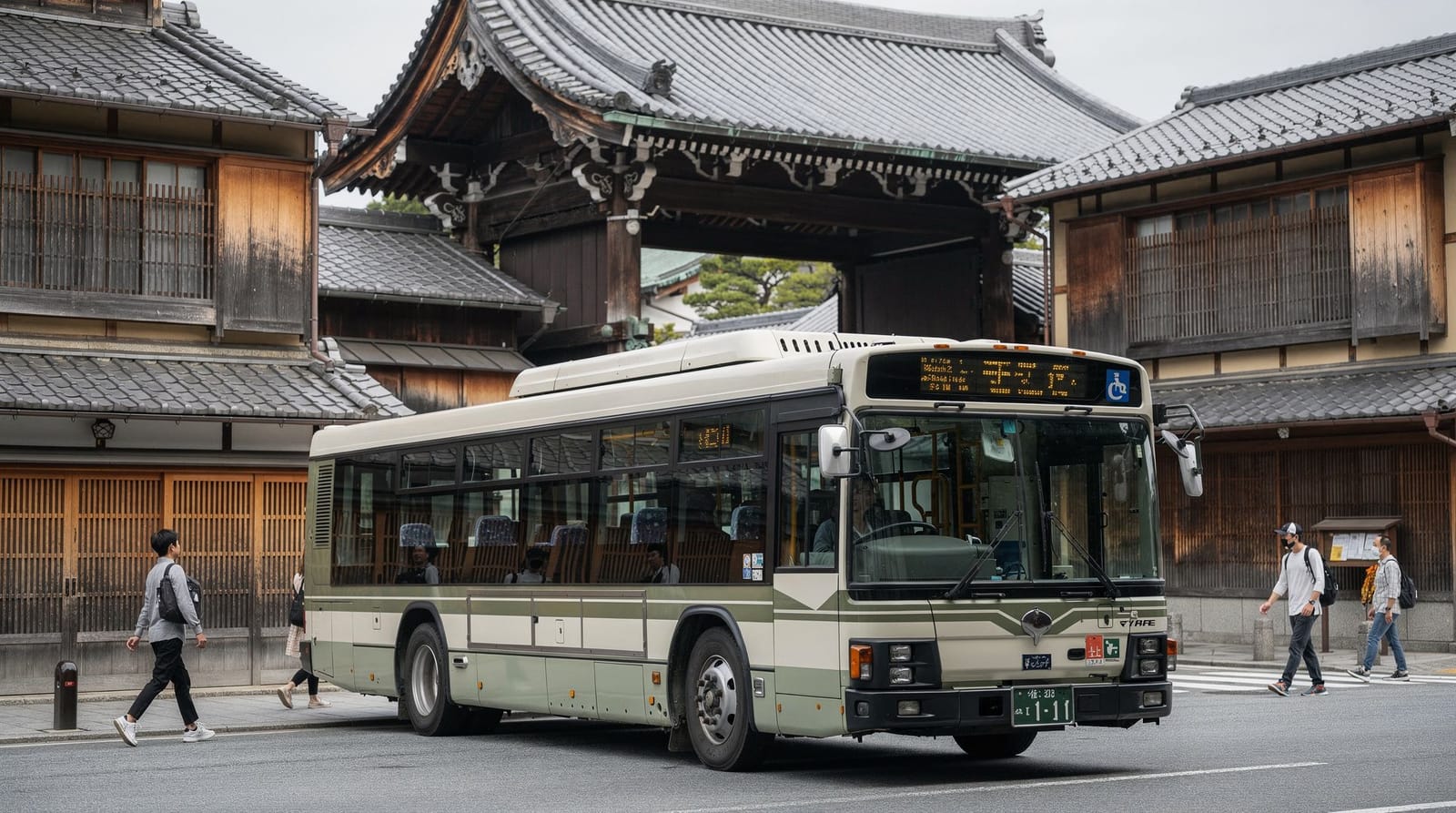
Unlike the JR-based regional passes, the Kansai Thru Pass includes Kyoto’s city buses, which matters because buses — not JR trains — handle most of Kyoto’s actual in-city sightseeing (Higashiyama, Gion, the northern temples), as covered in the Kyoto bus guide. For a bus-heavy Kyoto itinerary combined with private-rail day trips, this is a genuine advantage the JR-only passes can’t match.
Validity windows: non-consecutive days matter more than they sound
The Thru Pass’s non-consecutive validity — 2 or 3 usable days within a roughly 14-day window rather than 2 or 3 days in a row — is a genuinely useful feature that’s easy to underrate. It suits an itinerary that alternates transit-heavy sightseeing days (multiple cities, lots of rides) with lighter days spent entirely on foot within one neighborhood, since there’s no reason to activate the pass on a day it won’t be used enough to pay for itself. Planning which specific days will be pass days before the trip, based on which days involve the most private-rail and bus travel, gets the most value out of this flexibility.
Where to buy the Kansai Thru Pass
The pass is sold at Kansai Airport’s information counters, major private railway stations (Keihan, Hankyu, Kintetsu ticket offices), and some convenience stores and tourist information centers across the region, generally requiring a passport for the foreign-visitor rate. It’s not sold through JR ticket machines or counters, since it’s explicitly a non-JR product — a detail worth knowing so it’s not searched for in the wrong place on arrival.
Foreign-visitor requirements and passport checks
Like most Japanese tourist-oriented regional passes, the Kansai Thru Pass is priced and sold specifically for short-term foreign visitors, requiring a passport showing a temporary visitor status at purchase, and sales counters typically check this at the point of sale rather than trusting a self-declared status. Japanese residents and long-term visa holders generally aren’t eligible for the discounted foreign-visitor rate, which is worth knowing for mixed groups (a Japanese resident traveling with visiting family, for instance) planning to buy passes together, since not everyone in the group may qualify for the same product.
How the Thru Pass compares to buying a hop-on hop-off bus ticket instead
For visitors whose Kyoto sightseeing centers almost entirely on a small set of major stops rather than a spread-out multi-city itinerary, a dedicated hop-on hop-off sightseeing bus ticket is a simpler, narrower alternative worth comparing against the Thru Pass’s broader but more complex network. It won’t help with Osaka, Nara, or Kobe day trips, but for a compact 1-2 day Kyoto-only visit, it can be more straightforward than learning which of several private-rail operators the Thru Pass includes.
Hop-on hop-off sightseeing bus ticket — a simpler single-city alternative for a short, Kyoto-only visitComparing all three regional options side by side
Kansai Thru Pass: private rail and buses, no JR, ¥4,480-5,600 for 2-3 days, strongest for multi-city non-JR hopping. Kansai Mini Pass: JR only, cheaper, strongest for JR-line day trips (Nara line, Sagano line) without Osaka-Kobe-Nara hopping on private lines. Kansai Wide Area Pass: JR only, broader radius including Himeji and Haruka, strongest for a trip combining the airport transfer with a wide day-trip radius. None of the three covers everything, and a genuinely mixed itinerary may reasonably use two of them across different trip segments, or skip passes entirely in favor of an Icoca card if daily ride volume stays modest.
A practical decision guide
If your itinerary is Kyoto-only or Kyoto-plus-one-JR-accessible day trip (Nara or Uji via JR), skip both regional passes and use an Icoca card. If it includes several private-rail-served cities (Osaka, Kobe, Nara via Kintetsu) across multiple days, the Kansai Thru Pass likely pays off. If it centers on the airport transfer plus Himeji or a wider JR-served radius, the Kansai Wide Area Pass is the better fit — see the Kansai area passes guide for the full side-by-side comparison. The full local Kyoto transport picture, regardless of which regional pass (if any) is chosen, is covered in the getting around Kyoto guide.
For the airport transfer itself, whichever pass you land on, see the Kansai Airport to Kyoto guide for how the Thru Pass’s Nankai route compares to the JR-based Haruka option this pass doesn’t cover.
Does the Thru Pass cover Randen, Kyoto’s tram?
Yes — Randen (the Keifuku Electric Railroad) is included in the Thru Pass’s network, which matters for anyone planning an Arashiyama day using the tram rather than JR or Hankyu, covered in more detail in the getting around Kyoto guide. This rounds out the pass’s Kyoto coverage to nearly everything except JR — city buses, subway, and Randen all included, with only the JR Nara and Sagano lines left outside its reach.
Children’s pricing for the Kansai Thru Pass
The Kansai Thru Pass offers a discounted children’s rate, typically around half the adult price for children aged 6-11, following the same structure as most Japanese regional transport passes. Children under 6 generally ride free when accompanying a paying adult on the same rides the pass covers, consistent with the general fare rules across Kansai’s private rail and bus operators.
A sample 3-day itinerary using the Thru Pass
Day one: Kyoto sightseeing entirely on city buses (Higashiyama, Gion, Kinkaku-ji), roughly 5 rides at ¥230 each if bought individually (¥1,150), all covered by the pass. Day two: a day trip to Osaka via Hankyu (¥400 each way, ¥800 round trip) plus Osaka Metro rides during the day (roughly ¥400-600), all covered. Day three: a day trip to Nara via Kintetsu (¥660 each way, ¥1,320 round trip) plus a stop in Fushimi Inari on the way back via Keihan (¥270). Summing the individual-ticket cost across these three days — roughly ¥3,540-3,740 — already approaches the 3-day pass’s ¥5,600 price once the daily Kyoto bus rides on other days of a longer trip are factored in, and clears it comfortably if even one more private-rail-heavy day is added.
What happens if you lose your pass or need a refund
Regional passes like the Kansai Thru Pass are typically non-refundable once activated and function like a prepaid, non-replaceable ticket — losing the physical pass mid-trip generally means it’s gone, with no reissue possible at most sales counters. This is worth factoring into the decision versus an Icoca card, which can be temporarily suspended or eventually replaced if lost (with the stored balance sometimes recoverable through a formal process), since the Thru Pass carries no equivalent protection.
The most common mistake: buying the wrong regional pass
The single most common mistake among travelers researching Kansai transport passes is assuming “Kansai pass” refers to one product, then buying whichever one appears first in a search result without checking whether it covers the specific lines their itinerary actually uses. A traveler planning to ride the Haruka airport train and the JR Nara line to Fushimi Inari, then buying the Kansai Thru Pass expecting it to cover both, discovers on the platform that neither is included. Reading the coverage section of this guide against your specific planned routes, rather than the pass’s popularity or a general “worth it” reputation, is the only reliable way to avoid this.
Frequently asked questions about the Kansai Thru Pass
Does the Kansai Thru Pass cover JR trains?
No — this is the pass’s key limitation. It covers private railways (Keihan, Hankyu, Kintetsu, Nankai), Osaka Metro, Kobe’s subway and buses, and Kyoto’s city buses and subway, but no JR lines at all.
How much does the Kansai Thru Pass cost?
Approximately ¥4,480 (US$30) for a 2-day pass and ¥5,600 (US$37) for a 3-day pass as of recent pricing, valid on any 2 or 3 days within a longer window rather than requiring consecutive days.
Is the Kansai Thru Pass better than an ICOCA card for Kyoto sightseeing?
For Kyoto-only sightseeing, usually no — an Icoca card with pay-as-you-go credit is typically cheaper unless your day involves an unusually high number of rides.
Can I reach Himeji Castle with the Kansai Thru Pass?
Not directly — Himeji is reached via JR lines, which the Thru Pass excludes entirely. A separate JR ticket or a JR-based regional pass is needed.
What’s the difference between the Kansai Thru Pass and the JR West Kansai passes?
They cover entirely different networks: the Thru Pass covers private railways and buses with no JR, while the JR West Mini Pass and Wide Area Pass cover only JR lines.
Does the Kansai Thru Pass cover Kyoto’s city buses?
Yes — a genuine strength for a bus-heavy Kyoto itinerary, since city buses are otherwise ¥230 per ride and add up quickly.
Where can I buy the Kansai Thru Pass?
At Kansai Airport’s information counters, major private railway ticket offices (Keihan, Hankyu, Kintetsu), and some tourist information centers, generally requiring a passport for the foreign-visitor rate. It isn’t sold at JR stations.
Is the Kansai Thru Pass refundable if I lose it?
No, generally not — like most regional tourist passes, it functions as a non-replaceable prepaid ticket once activated, unlike an Icoca IC card, which offers some recovery options if lost.
Do I need a passport to buy the Kansai Thru Pass?
Yes — it’s priced specifically for short-term foreign visitors and requires a passport showing temporary visitor status at the point of sale. Japanese residents and long-term visa holders generally don’t qualify for this rate.
Frequently asked questions about Kansai Thru Pass and other regional passes — which one to choose
Does the Kansai Thru Pass cover JR trains?
How much does the Kansai Thru Pass cost?
Is the Kansai Thru Pass better than an ICOCA card for Kyoto sightseeing?
Can I reach Himeji Castle with the Kansai Thru Pass?
What's the difference between the Kansai Thru Pass and the JR West Kansai passes?
Does the Kansai Thru Pass cover Kyoto's city buses?
Top experiences
Bookable activities with verified prices and instant confirmation on GetYourGuide.