Fushimi sake tasting tour review — 18 tastings, one afternoon
Kyoto: Fushimi Sake Brewery Tour - 18 Tastings in 2.5 Hours
Duration: 2.5 hours
The water district that built Japan’s second sake capital
Quick answer: a Fushimi sake tasting tour runs roughly ¥6,000-9,000 ($40-60) per person for around 18 small pours across 2.5 hours at multiple breweries. It’s worth it for sake newcomers who want a structured, well-explained introduction and access to smaller producers you wouldn’t find alone — less essential if you’re happy visiting one museum-style brewery independently for a fraction of the cost.
| Where | Fushimi ward, along the Horikawa canal |
| Cost | Around ¥6,000-9,000 / $40-60 per person, incl. 18 tastings |
| Time needed | About 2.5 hours |
| Getting there | Keihan Main Line to Fushimi-Momoyama, ~15-20 min |
| Best time | Late morning through mid-afternoon; breweries close by evening |
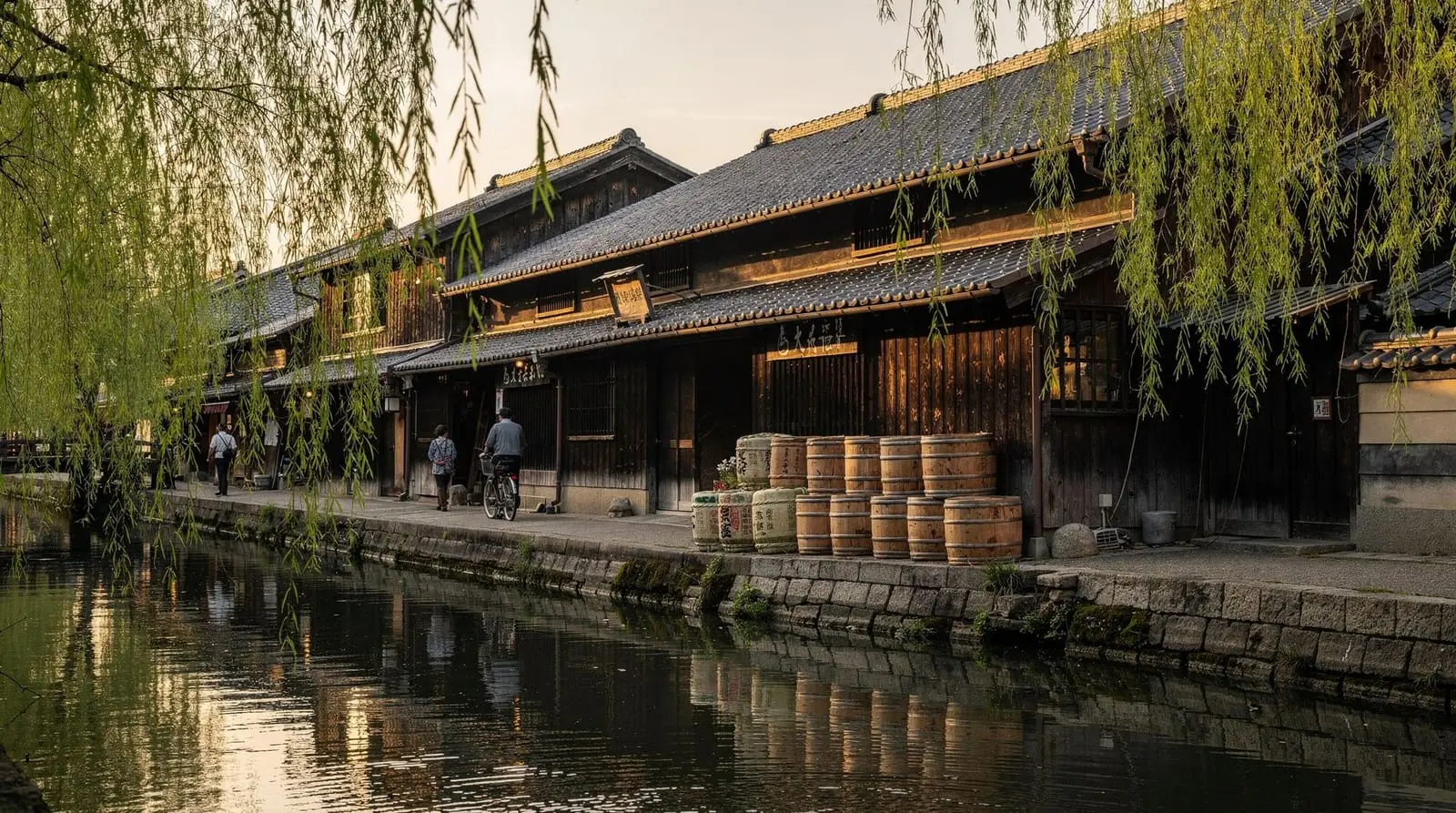
Fushimi has brewed sake for centuries, ranking alongside Nada in Hyogo as one of Japan’s two most significant sake-producing districts — a reputation built on the area’s exceptionally soft, mineral-balanced groundwater, which brewers consider genuinely superior for sake production. Around 20 breweries still operate today, several clustered along the historic Horikawa canal in buildings that have functioned continuously as breweries for generations, including recognizable names like Gekkeikan and Kizakura alongside smaller producers most visitors would never find without local knowledge.
The Fushimi sake brewery tour with 18 tastings in 2.5 hours is the representative format: small-group visits to multiple breweries with a guide explaining sake classification and production as you taste your way through the district.
What 18 tastings actually means in practice
Don’t let the number alarm you — each pour is a small measure, typically 15-30ml, meaning 18 tastings across 2.5 hours totals roughly the alcohol content of 2-3 standard drinks, spread over several hours with food and walking between pours. That said, sake runs 13-17% ABV, noticeably stronger than most wine, so tastings compound faster than the small pour sizes might suggest. Eating beforehand and pacing yourself across the tour matters more here than at a typical wine tasting.
The genuine value of the format is variety: rather than sampling one brewery’s full range, you’re comparing across producers, which makes differences in rice polishing ratio, water source, and brewing style far more apparent than tasting a single brewery’s lineup alone would show. A good guide explains classification as you go — honjozo, ginjo, daiginjo, junmai — and how the rice polishing ratio (how much of the outer grain is milled away before fermentation) drives both flavor profile and price, a system that’s genuinely unintuitive to newcomers used to wine labeling conventions.
Comparing the tour formats
The sake brewery and tasting tour in Fushimi is a more streamlined version, fewer stops and tastings than the 18-tasting format but a shorter overall time commitment — worth choosing if 2.5 hours feels like too long an afternoon or if you’re pairing this with another activity the same day.
The insider sake brewery tour with sake and food pairing adds structured food pairings alongside the tastings, which meaningfully changes the experience — certain sake styles are genuinely better understood alongside food than in isolation, and this format is the strongest choice if you want to actually learn how sake functions at a meal rather than just tasting it standalone.
The sake tasting journey to two iconic breweries narrows focus to two well-regarded producers rather than a broader multi-stop crawl — a reasonable choice if depth at fewer breweries appeals more than breadth across many, particularly if you want more time and conversation with each brewery’s own staff.
| Format | Best for | Trade-off |
|---|---|---|
| 18-tastings tour | Breadth across many producers | Longest single commitment (2.5 hrs) |
| Streamlined brewery tour | Shorter afternoon, pairing with other plans | Fewer stops and pours |
| Food-pairing tour | Learning sake alongside a meal | Higher price for the pairing |
| Two-brewery journey | Depth over breadth | Less variety across styles |
The independent alternative, honestly assessed
Several Fushimi breweries welcome walk-in visitors without a tour booking. Gekkeikan’s Sake Okura Museum, for instance, offers a self-guided or lightly guided visit with English materials and an on-site tasting room, typically for a modest fee around ¥600-1,000 ($4-6.70) covering a few tastings and a small souvenir cup. This is a genuinely reasonable option if you want a taste of the district without committing to a multi-hour, multi-brewery tour, and it costs a fraction of the guided tour price.
What you don’t easily replicate solo is the curated multi-brewery route and access to smaller producers that don’t have dedicated visitor centers — a guide’s local knowledge is doing real work here, not just narrating what a sign already explains. If your interest in sake is casual, the independent single-brewery visit is enough; if you want a genuine comparative tasting across styles and producers, the guided tour delivers something you can’t easily assemble yourself.
Pairing with Fushimi Inari
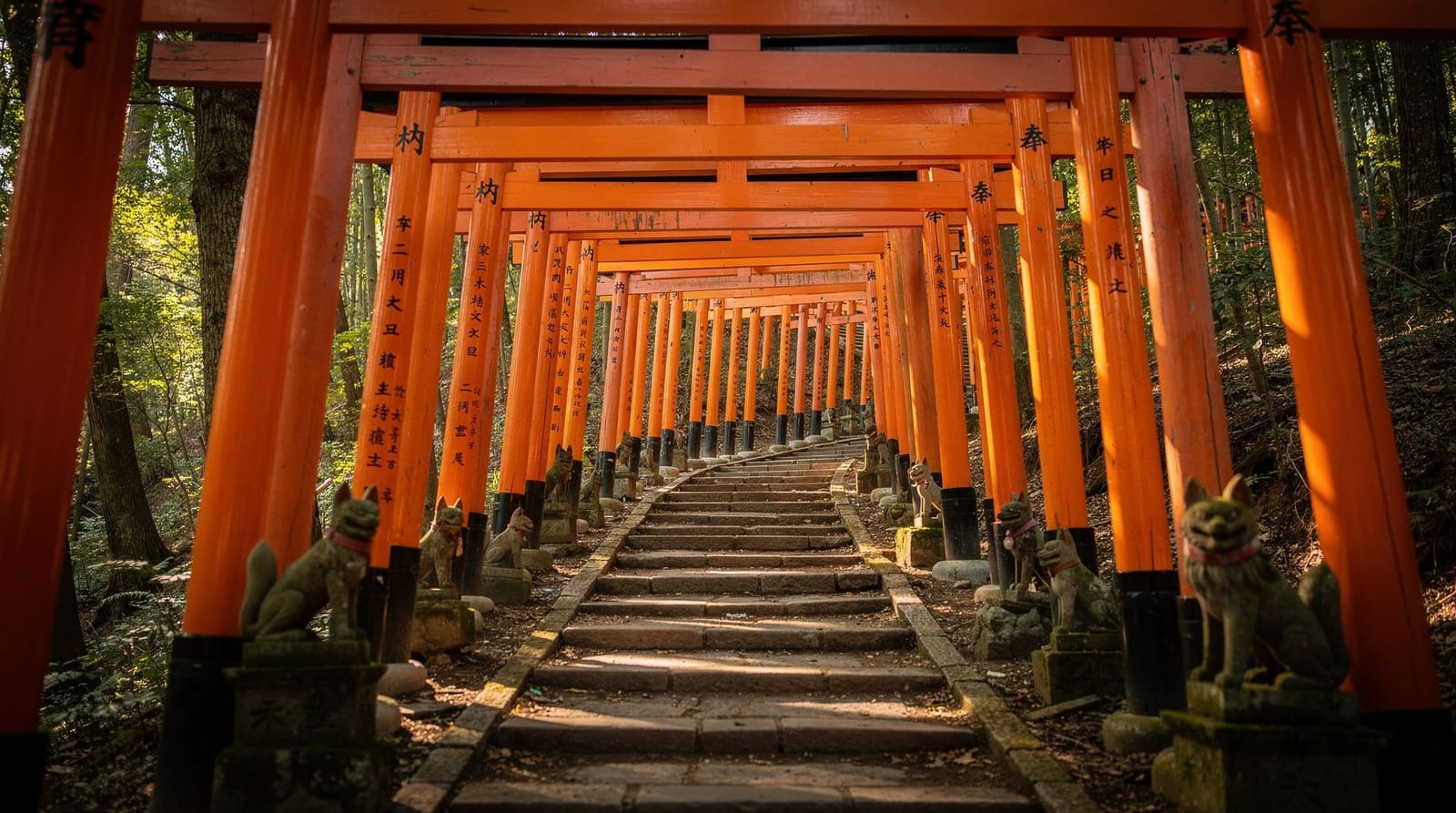
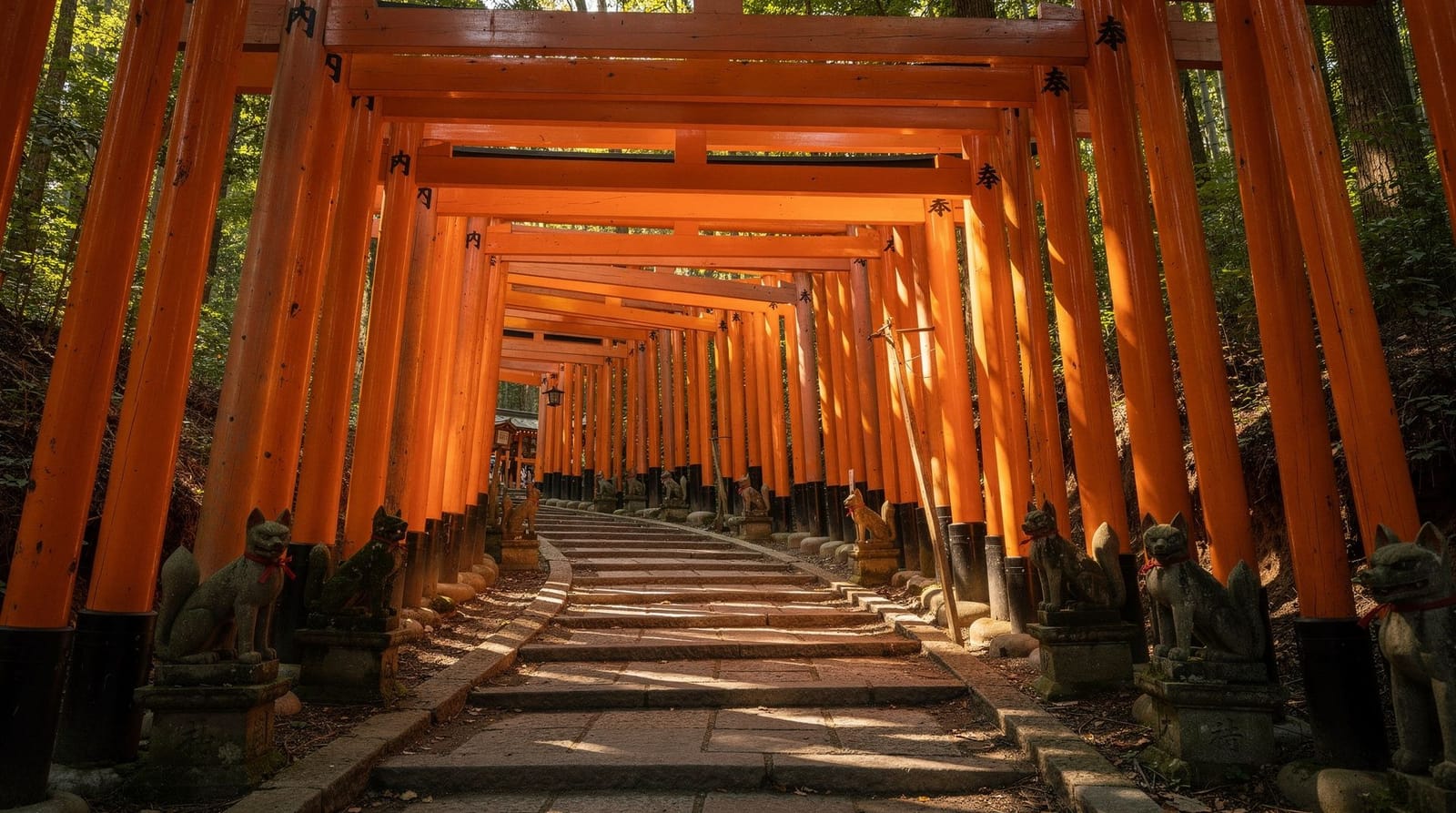
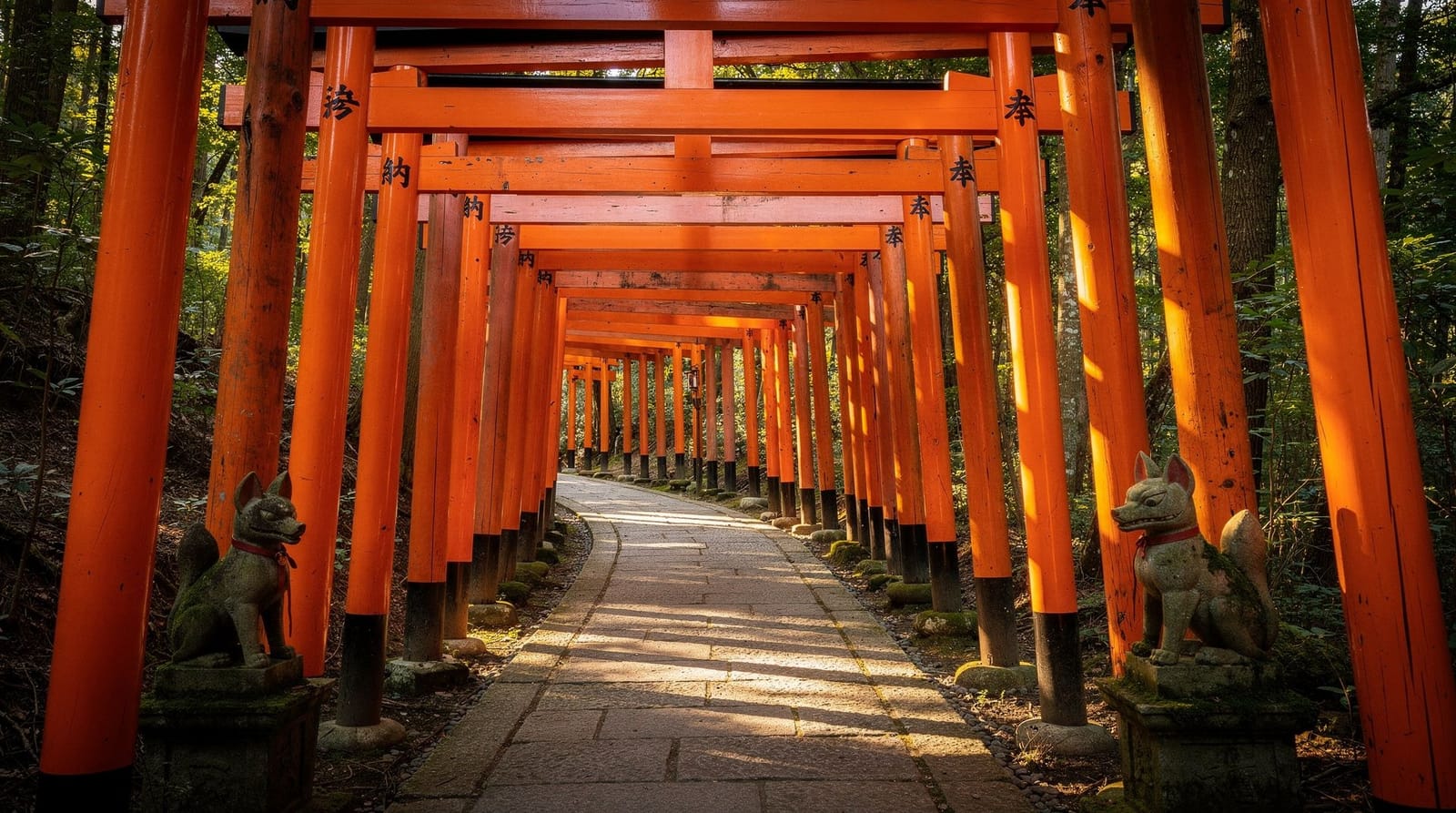
Fushimi’s sake district and Fushimi Inari shrine sit in the same general ward, a genuine walk or short transit ride apart, making a combined day logical and common: shrine first thing in the morning (ideally before 8am to beat the crowds, as covered in the Fushimi Inari guided tour review), sake tasting in the afternoon once the morning’s hiking is behind you. This sequencing also solves a practical problem — you don’t want to be climbing Mount Inari’s stone steps after an afternoon of sake tastings.
Who should skip this
This is fundamentally an alcohol-centered activity, and there isn’t a meaningfully different experience on offer for non-drinkers or families traveling with children — the museum and history components are real but typically a small fraction of total tour time. Non-drinking travelers are better served redirecting this slot toward the Fushimi Inari guided tour or Nishiki Market food tour, both genuinely strong Kyoto experiences that don’t center on alcohol.
Understanding what actually separates one sake from another
Beyond the classification terms a guide walks you through, the two variables that matter most for describing what you actually like are rice polishing ratio and temperature serving style. Rice polishing ratio (seimaibuai) refers to how much of the outer rice grain is milled away before brewing — a lower percentage remaining (meaning more polishing) generally correlates with a lighter, more fragrant, more expensive sake, since daiginjo-grade sake requires polishing away at least 50% of the grain, a labor- and rice-intensive process.
Junmai-grade sake, made purely from rice, water, koji, and yeast with no added distilled alcohol, tends toward a fuller, more savory (umami-forward) profile compared to honjozo styles, which include a small amount of added brewing alcohol to lighten and smooth the finish.
Serving temperature is the other variable most newcomers don’t expect: unlike the common assumption that sake is always served warm, premium ginjo and daiginjo styles are generally best served chilled, since warming tends to mute their delicate aromatics, while some robust junmai styles genuinely improve when gently warmed. A good tasting tour serves multiple sake at their intended temperatures specifically to make this distinction tangible rather than explaining it only in the abstract — worth paying attention to during the tour, since it’s the kind of detail that immediately improves how you order sake anywhere in Japan afterward.
Buying bottles to bring home
Most breweries sell bottles on-site, often including limited releases or brewery-exclusive styles not available in ordinary retail shops — a genuine advantage of visiting in person over buying sake at a Kyoto Station gift shop later. Bottle prices range widely, roughly ¥1,500-3,000 ($10-20) for solid mid-tier junmai or honjozo styles up to ¥8,000+ ($54+) for premium daiginjo. Be mindful of airline liquid restrictions if flying onward internationally — sake bottles need to go in checked luggage, well-padded, since breakage is a real risk without proper wrapping, and some breweries sell specifically designed protective packaging for this purpose if you ask.
Sake versus whisky and shochu tastings in Kyoto
Fushimi’s sake focus is worth distinguishing from Kyoto’s smaller but growing Japanese whisky and shochu tasting scene, which caters to a somewhat different interest. Japanese whisky tastings, generally held at dedicated bars rather than production breweries (Kyoto itself doesn’t have a major whisky distillery within the city, unlike Osaka’s nearby Yamazaki), focus on tasting and understanding a spirits category that’s gained substantial international reputation over the past two decades.
Sake tastings in Fushimi, by contrast, happen at or near the actual production sites, giving you brewery context — the buildings, equipment, and sometimes the brewing process itself — that a bar-based whisky tasting simply can’t offer. If understanding production and history matters as much as the tasting itself, Fushimi’s sake tours deliver something a whisky bar tasting doesn’t; if you’re specifically curious about Japanese whisky as a category, that’s a separate booking entirely, not an add-on to a sake-focused day.
The Gekkeikan Okura Sake Museum as a standalone stop
Worth calling out specifically since it’s the most accessible single independent option in the district: Gekkeikan, one of Japan’s largest and oldest sake producers (founded 1637), operates the Sake Okura Museum in a preserved Meiji-era brewery building along the Horikawa canal, with English information panels, historical brewing equipment on display, and a tasting counter offering a few pours included in the modest entry fee.
This is worth visiting even if you’ve booked a separate multi-brewery guided tour elsewhere in the district, since it adds historical and production context (actual vintage equipment, not just tasting) that a pure tasting-focused tour doesn’t always include. Combine it with the guided tour if your schedule allows both, or treat it as the standalone budget option discussed earlier if you’re skipping the paid tour entirely.
Timing your visit around brewery operating patterns
Most Fushimi breweries and tasting rooms operate on a fairly standard daytime schedule, roughly 10am to 5pm, with some smaller producers closing earlier or requiring advance reservation for tastings rather than accepting walk-ins. This makes Fushimi fundamentally a daytime activity, unlike the food and drink scenes in Gion or Pontocho, which lean toward evening. Plan a Fushimi sake day for late morning through mid-afternoon, and avoid scheduling it as an evening activity expecting bars or lounges — that’s simply not how this district’s brewery-focused tasting culture operates, and arriving late in the day risks finding some smaller producers already closed for tastings.
Getting to Fushimi and moving between breweries
Fushimi’s sake district is reachable from central Kyoto via the Keihan Main Line to Fushimi-Momoyama Station or the Kintetsu line to Momoyama-Goryomae, both roughly 15-20 minutes from central Kyoto stations, with the brewery cluster along the Horikawa canal a short walk from either. The district itself is compact and flat, genuinely walkable between breweries without need for a taxi or bus once you’ve arrived, which is part of why guided tours here move efficiently on foot rather than requiring transport between stops the way some of Kyoto’s more spread-out day trips do.
Non-alcoholic options for anyone joining a group but not drinking
If you’re accompanying a group but not drinking yourself — a designated driver isn’t relevant here given the walking format, but pregnancy, medication, or simple personal choice are common reasons — most breweries offer amazake, a low-alcohol or non-alcoholic sweet rice beverage made through a related fermentation process, as a reasonable substitute during tastings. Flag this to your guide at the start of the tour rather than partway through, so they can adjust which stops emphasize the museum and history components versus pure tasting for your benefit specifically.
Verdict
Fushimi’s sake district rewards a guided visit more than most Kyoto food-and-drink experiences, since sake classification and production genuinely benefit from explanation that a casual walk-in visit won’t provide. The 18-tastings tour delivers real variety and structured learning across an efficient 2.5 hours — worth booking for anyone curious about sake beyond a single souvenir bottle, best paired with an early Fushimi Inari visit the same day.