Fushimi sake guide — breweries, tastings and Kyoto's sake district
Kyoto: Fushimi Sake Brewery Tour - 18 Tastings in 2.5 Hours
Duration: 2.5 hours
Why is Fushimi known for sake, and how far is it from central Kyoto?
Fushimi has brewed sake for over 400 years, thanks to naturally soft, mineral-light groundwater that's considered ideal for brewing — one of Japan's two most historically significant sake regions alongside Nada in Hyogo. It's about 15-20 minutes south of central Kyoto by train (Keihan or JR line to Fushimi-Momoyama or Chushojima), making it an easy half-day trip, and is a separate area from Fushimi Inari Shrine, which sits closer to central Kyoto.
Fushimi, not to be confused with Fushimi Inari
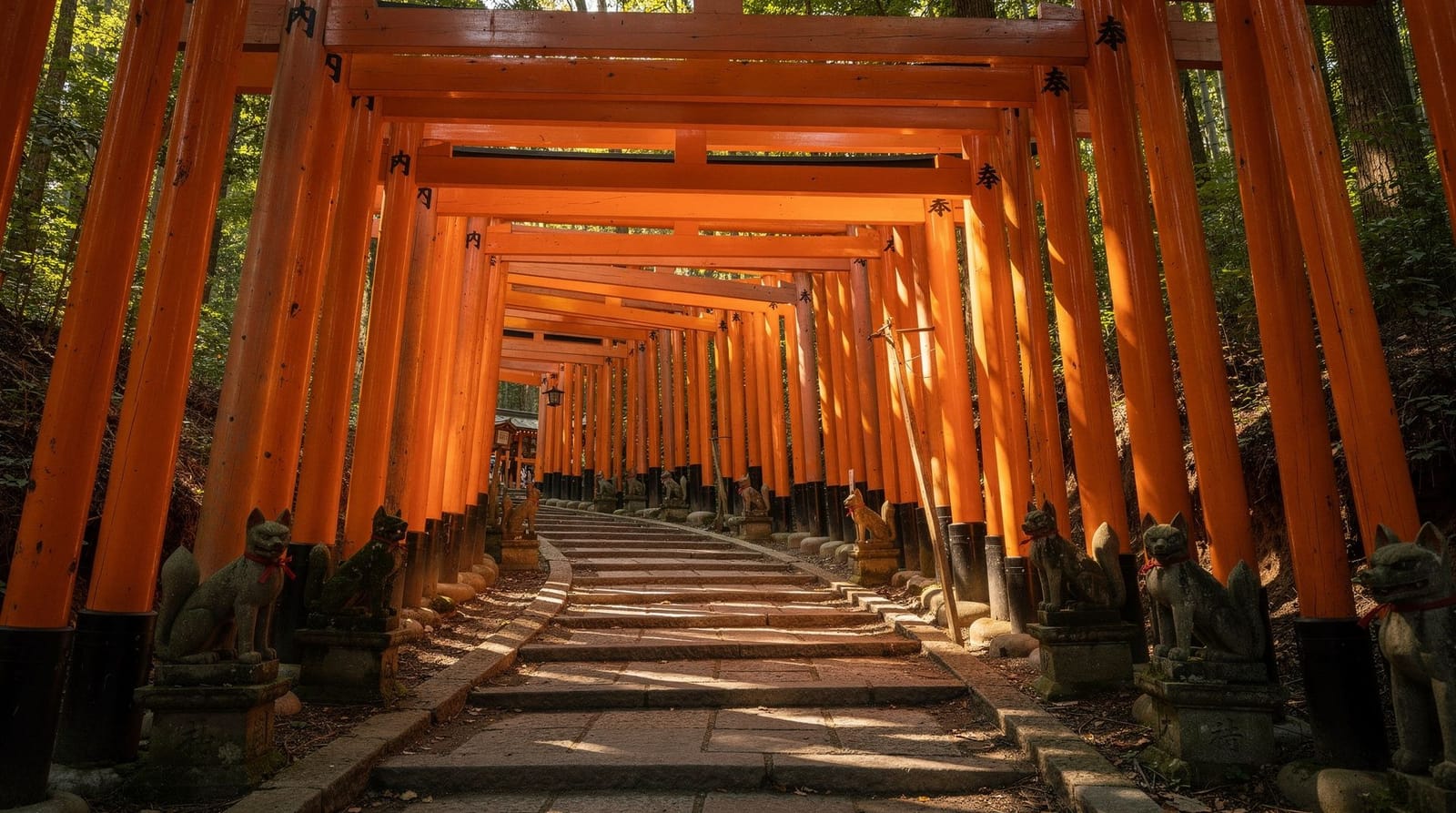
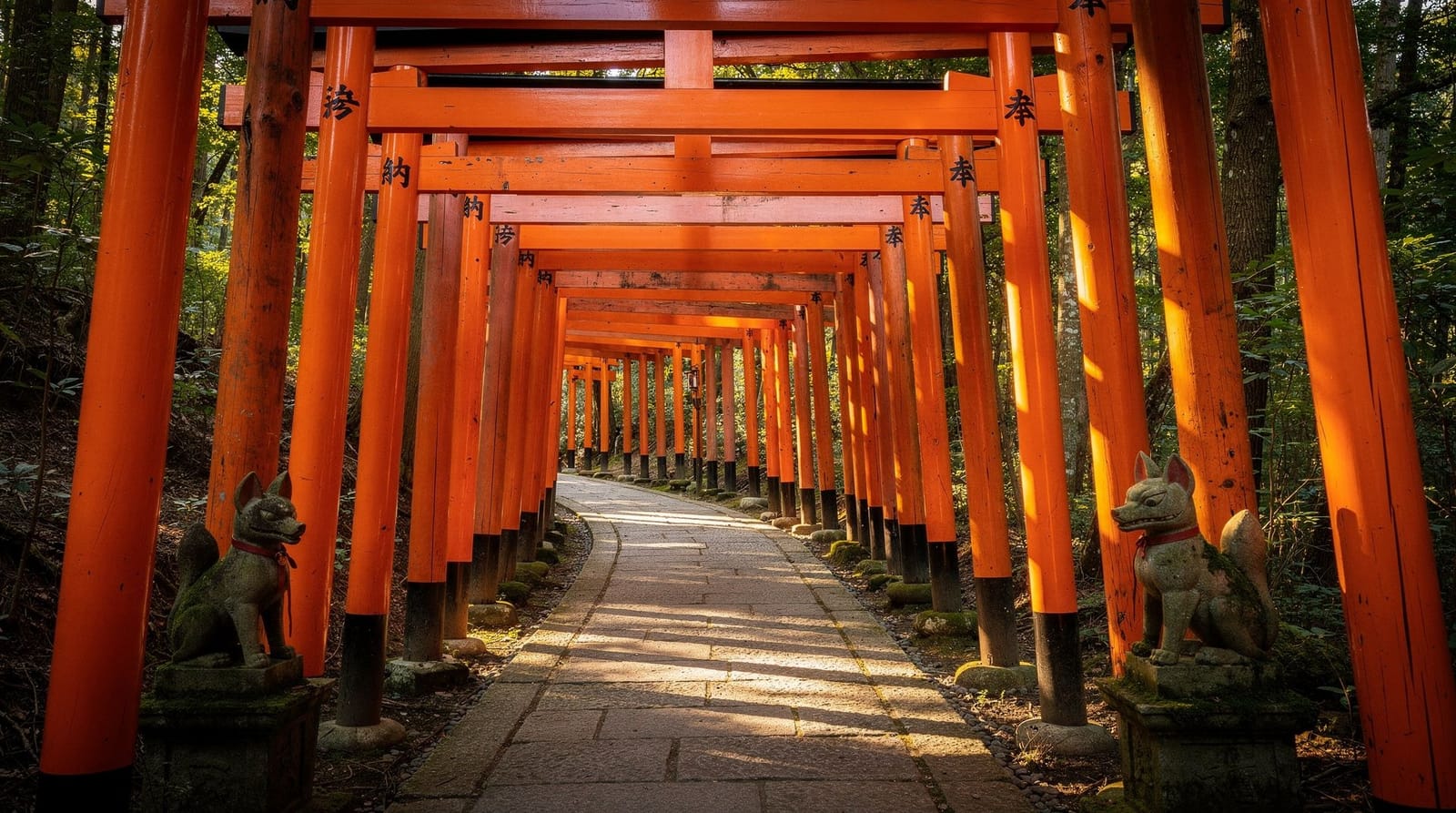
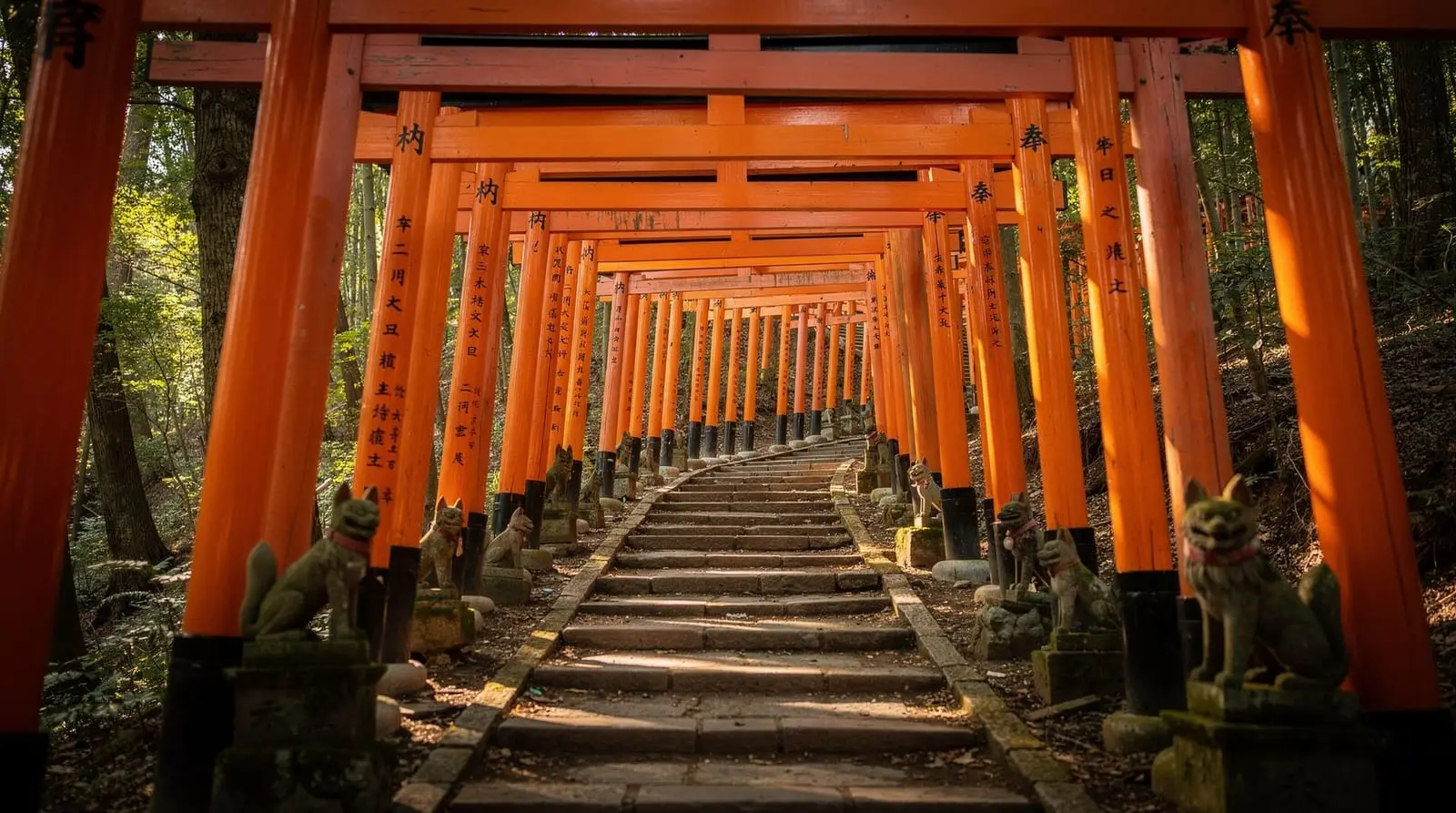
Fushimi’s sake district and Fushimi Inari Shrine share a ward name and confuse a lot of first-time visitors into thinking they’re the same trip. They’re not. Fushimi Inari, with its famous tunnels of orange torii gates, sits close to JR Inari Station, just a few minutes south of Kyoto Station. The sake brewery district is a further 10-15 minutes south by train, centered on Fushimi-Momoyama and Chushojima stations, along a historic canal called the Horikawa. If your plan is “see the torii gates and drink sake in the same afternoon,” it’s doable, but budget real travel time between them rather than assuming they’re next door — see the Fushimi Inari guide for the shrine itself.
| Where | Fushimi ward, around Fushimi-Momoyama & Chushojima stations |
| Cost | Around ¥600-900 self-guided; around US$60-100 for a guided tasting tour |
| Time needed | Half day (2-3 hours for a guided tour, longer self-guided) |
| Getting there | Keihan or JR line, around 15-20 min from Kyoto Station |
| Best time | Any season; cherry blossom season adds a canal boat option |
Over 400 years of brewing, built on the water
Fushimi has brewed sake since at least the 17th century, and today ranks alongside Nada, in Hyogo prefecture near Kobe, as one of Japan’s two most historically significant sake regions. The reason traces back to geology: Fushimi sits on a groundwater basin with naturally soft water, low in iron and other minerals that can discolor sake or interfere with fermentation. It’s the same underlying soft-water advantage that makes central Kyoto’s tofu good, just put to different use here.
That soft water produces a sake style locally sometimes described as onnazake — “feminine sake” — lighter and smoother than the harder-water style associated with Nada, sometimes called otokozake (“masculine sake”) by contrast. Neither is objectively better; they’re genuinely different styles shaped by different water chemistry, and tasting both side by side (Fushimi and a Nada-style sake) is one of the more interesting things you can do if you’re at all curious about how terroir affects sake the way it does wine.
Gekkeikan: Japan’s oldest major sake brand
Gekkeikan, founded in 1637, is both Japan’s oldest sake producer still operating and one of its largest, exporting internationally. Its Okura Sake Museum, housed in a preserved Edo-period brewery building along the Horikawa canal, is the most accessible way to see the district’s history in one stop — original brewing tools, a short walk through the old building, and a tasting included in the roughly ¥600-900 (US$4-6) admission, sometimes with a small souvenir cup. It’s a self-guided, walk-in venue, no booking required.
Fushimi sake brewery tour, 18 tastings in 2.5 hoursKizakura: the smaller, kappa-themed brewery
Kizakura, founded in 1925, is younger and smaller than Gekkeikan but has built its own distinct visitor experience around Kizakura Kappa Country, a brewery complex with a small museum, an on-site restaurant, and a tasting bar. The kappa — a mischievous water-dwelling creature from Japanese folklore — is part of the brand’s origin story and shows up throughout the complex’s decor and merchandise, which makes it a slightly different visit from Gekkeikan’s more purely historical museum: less formal, more playful, and with food available on-site if you want to turn a tasting into a proper lunch stop.
Sake brewery and tasting tour in FushimiWhat a guided tasting tour adds over a self-guided museum visit
A self-guided stop at Gekkeikan’s museum gives you history and one tasting for a small admission fee. A guided small-group tasting tour goes further — typically covering 15-18 or more different sakes across one or two breweries over 2-3 hours, with a guide explaining grades (junmai, ginjo, daiginjo and the polishing ratios behind them), serving temperature differences, and food pairing, for roughly US$60-100 per person. If you’re new to sake and want to actually understand what you’re tasting rather than just working through a flight, the guided version is worth the premium.
Sake tasting journey to two iconic Fushimi breweriesSome tours also pair sake with small bites of local food, which is a genuinely useful addition — sake’s flavor shifts noticeably alongside food compared to tasted alone, and a guide who can explain which pairings work is doing something a self-guided museum visit can’t replicate.
Insider sake brewery tour with sake and food pairingUnderstanding the grades: junmai, ginjo, daiginjo
Sake grading in Japan is based mainly on how much of the outer rice grain has been polished away before brewing — the more polishing, the more refined (and typically more expensive) the resulting sake, since polishing removes fats and proteins that can add unwanted flavors. Junmai (“pure rice”) sake uses no added brewing alcohol and can be made at various polish ratios.
Ginjo and daiginjo denote increasingly higher polish ratios (roughly 60% or less, and 50% or less of the original grain remaining, respectively), generally producing lighter, more fragrant sake. None of these terms describe sweetness or dryness directly — that’s a separate spectrum most labels indicate with a numeric scale — so it’s worth asking a guide or brewery staff specifically about sweetness if that’s what you’re optimizing for.
Beyond Gekkeikan and Kizakura: the wider district
Gekkeikan and Kizakura are the two most visitor-accessible names, but Fushimi is home to roughly 20 sake producers in total, a legacy of the district’s centuries-long concentration of brewing along the Horikawa canal. Several smaller, less internationally known breweries — including long-established names like Kinshi Masamune, which also runs an onsen fed by the same soft groundwater used in brewing — sell directly from small shopfronts scattered through the district’s back streets, without the museum infrastructure of the two bigger operators.
These are worth a stop if you’re spending a full afternoon in the area rather than a quick visit, mainly for the chance to try labels that don’t get exported and to see a working brewery street at a slower, less curated pace than the main museums offer.
The Horikawa canal itself, once used to transport sake barrels by boat toward the Yodo River and on to Osaka, still runs through the district and can be seen by a short seasonal sightseeing boat during cherry blossom season, alongside the more common option of simply walking its banks past the breweries.
Serving temperature and how it’s traditionally drunk
Sake’s serving temperature is a genuine variable, not just a stylistic choice — the same bottle can taste noticeably different served chilled, at room temperature, or warmed, and different grades suit different temperatures. Ginjo and daiginjo sakes, prized for their aromatic, fruity qualities, are generally best served chilled, since warming can mute the delicate aromas that justify their higher polish ratio and price. Junmai and other fuller-bodied styles hold up better warmed, which was historically the more common way sake was served in Japan before refrigeration made chilling practical and fashionable.
Traditional serving vessels are part of the experience at a proper tasting: ochoko are small individual cups, tokkuri are the narrow-necked flasks used to pour and sometimes warm sake, and a masu is a small square wooden box, historically a rice-measuring tool, still used at some traditional venues either as a cup itself or as a saucer that catches an overflowing pour — a symbolic gesture of generosity at more ceremonial servings.
Getting there and getting around
From central Kyoto, the Keihan Main Line runs to Fushimi-Momoyama and Chushojima stations, both within walking distance of the main brewery district; the JR Nara Line and a short walk also reaches the area via Momoyama Station. Total travel time from Kyoto Station is roughly 15-20 minutes. Once there, the district is compact enough to cover entirely on foot — Gekkeikan’s museum, Kizakura’s complex, and the canal-side streets between them are all within a 15-20 minute walk of each other and of the train stations, so no car or bus transfer is needed.
Taking sake home: what you can actually bring
Most breweries and their gift shops sell bottles on-site, including some limited or brewery-exclusive labels not distributed outside Fushimi. Japan’s duty-free allowance for alcohol brought through customs is commonly three 760ml bottles per adult, though this and other customs allowances can change, so it’s worth checking current rules before buying multiple bottles for personal import elsewhere. If you’re flying onward within Japan or internationally, remember that liquid restrictions apply to carry-on luggage, not checked bags — pack any bottles accordingly.
Frequently asked questions about Fushimi and sake
Is Fushimi’s sake district the same area as Fushimi Inari Shrine?
No. Fushimi Inari Shrine sits close to JR Inari Station, a few minutes south of Kyoto Station. The sake district is a further 10-15 minutes south, around Fushimi-Momoyama and Chushojima stations. They share a ward name but are separate destinations roughly 2-3km apart.
What is the difference between Gekkeikan and Kizakura?
Gekkeikan, founded in 1637, is Japan’s oldest and among its largest sake producers, running the Okura Sake Museum in a preserved Edo-period building. Kizakura, founded in 1925, is smaller and runs Kizakura Kappa Country, a museum-restaurant-tasting bar complex themed around kappa folklore.
How much does a sake tasting cost in Fushimi?
A self-guided museum tasting, like at Gekkeikan, runs roughly ¥600-900 (US$4-6) including admission. Guided tasting tours covering 15-18+ sakes across breweries run roughly US$60-100 for 2-3 hours.
Can you walk between Fushimi’s sake breweries, or do you need transport?
Walk. The main breweries and the Horikawa canal district sit within a 15-20 minute walk of each other and of the train stations — no car, bus or taxi needed.
What does Fushimi’s water have to do with sake quality?
Fushimi sits on a groundwater basin with naturally soft, low-mineral water, ideal for brewing. It produces a lighter, smoother sake style, sometimes called onnazake, in contrast to the harder-water style associated with Nada near Kobe.
Is it possible to buy sake directly from Fushimi breweries to take home?
Yes — most breweries and their gift shops sell bottles on-site, including some brewery-exclusive labels. Japan’s duty-free alcohol allowance is commonly three 760ml bottles per adult, though rules can change, so check current allowances before buying multiple bottles.
Do you need to book Fushimi sake tastings in advance?
Self-guided museum visits like Gekkeikan’s generally accept walk-ins without booking. Guided small-group tasting tours do require booking, especially on weekends.
The rice behind the rice wine
Sake quality starts before brewing, with the rice itself. Sake rice (shuzo koteki mai, “rice suitable for brewing sake”) is a distinct category from table rice, bred for a larger starch core and lower protein content, which brews more cleanly.
Yamada Nishiki, first cultivated in Hyogo prefecture in the 1930s, is the most prized variety nationally and is used by a number of Fushimi breweries for their premium ginjo and daiginjo labels, though many breweries also use other respected varieties, including some grown locally within Kyoto prefecture. A guide or brewery information panel that names the specific rice variety and its polishing ratio on a label is giving you a genuine quality signal, similar to a wine label naming a specific grape and vineyard.
Water, rice, koji (a mold culture that converts rice starch into fermentable sugar) and yeast are the only legally permitted ingredients in junmai sake, which is part of why brewers talk about their water source with the same reverence a winemaker gives to soil — in Fushimi’s case, that reverence is well earned given the documented, testable difference the local groundwater makes.
Planning a half day in Fushimi
A workable half day: take the Keihan line to Fushimi-Momoyama or Chushojima, start at Gekkeikan’s Okura Sake Museum for the history and first tasting, walk the Horikawa canal district to Kizakura Kappa Country for lunch and a second tasting, and finish with a browse through either gift shop for bottles to take home. It combines well with a later stop at Fushimi Inari Shrine on the same day if you start early, though treating them as two separate half-day activities rather than rushing both is the more comfortable plan. For the wider food picture, see the Kyoto food guide, and for the shrine itself, the Fushimi Inari guide.
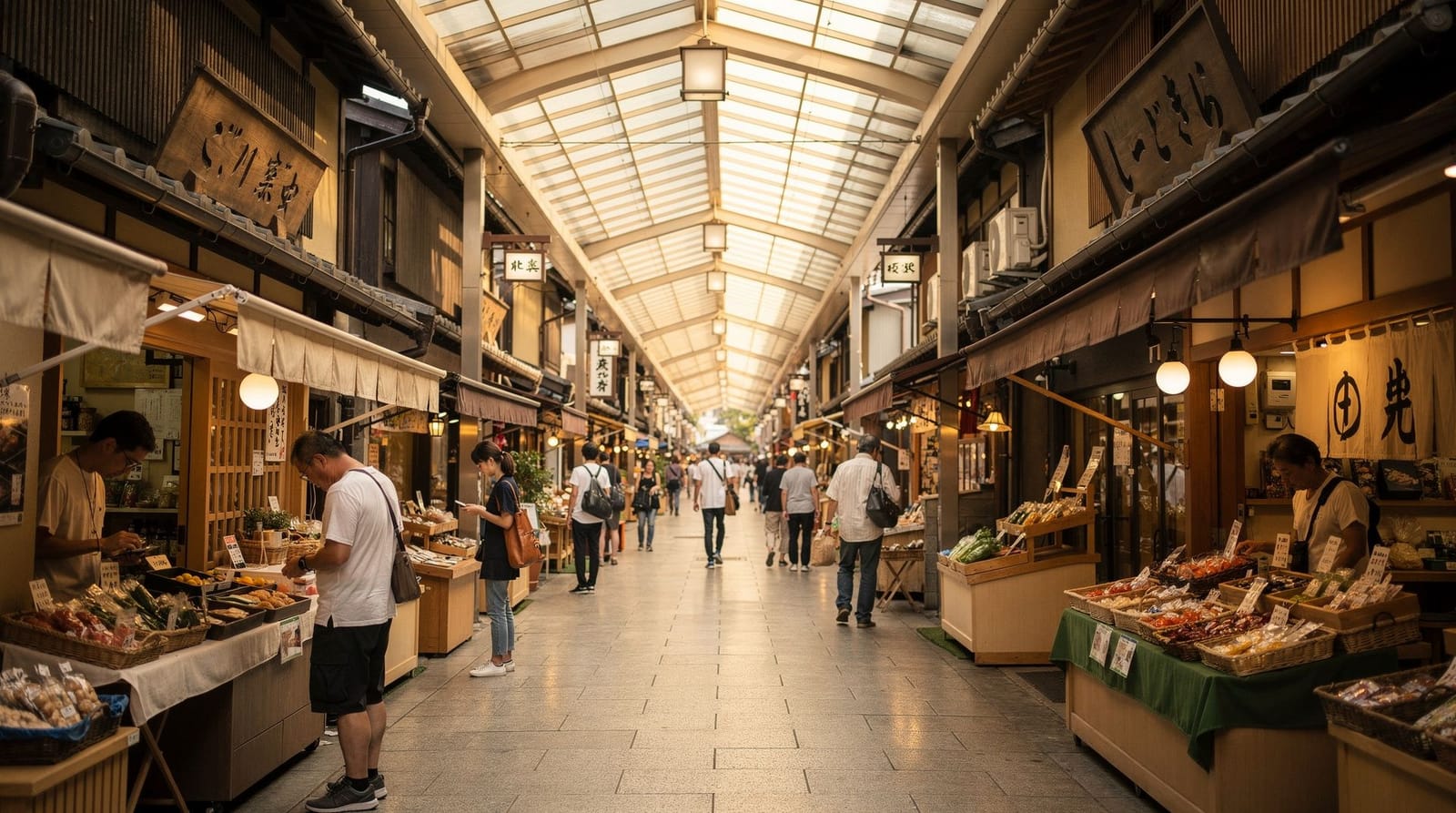
If sake tasting is one stop on a longer Kyoto food itinerary, pair it with the best food tours in Kyoto or a wander through Nishiki Market for a savory counterpart to the tastings. For where to base yourself for easy access to both Fushimi and central Kyoto, see where to stay in Kyoto.
Frequently asked questions about Fushimi sake guide — breweries, tastings and Kyoto's sake district
Is Fushimi's sake district the same area as Fushimi Inari Shrine?
What is the difference between Gekkeikan and Kizakura?
How much does a sake tasting cost in Fushimi?
Can you walk between Fushimi's sake breweries, or do you need transport?
What does Fushimi's water have to do with sake quality?
Is it possible to buy sake directly from Fushimi breweries to take home?
Do you need to book Fushimi sake tastings in advance?
Top experiences
Bookable activities with verified prices and instant confirmation on GetYourGuide.