The best gardens in Kyoto — strolling ponds and dry stone, ranked honestly
Arashiyama/Tenryu-ji Temple Guided Tour
What is the single best garden to visit in Kyoto?
There isn't one answer — it depends on how much planning you're willing to do. Tenryu-ji and Ginkaku-ji are walk-in, world-class, and open every day for ¥500. Saiho-ji (the moss temple) and Katsura Imperial Villa are arguably better but both require advance reservations made weeks ahead, which rules them out for spontaneous trips.
Kyoto has two garden traditions, and most lists don’t say so
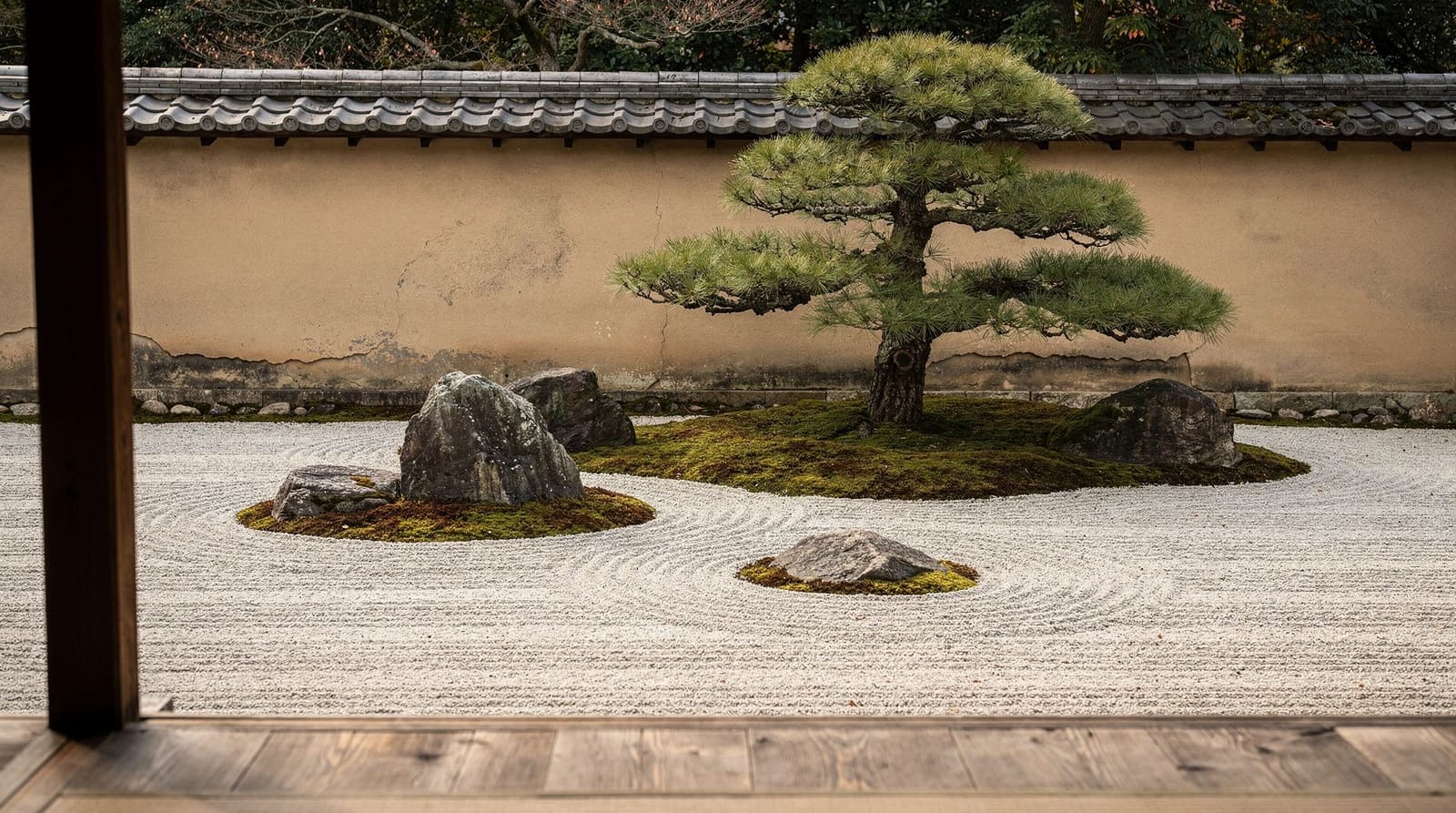
Every “best gardens in Kyoto” list ends up mixing two genuinely different things together: strolling ponds designed to be walked around, and dry rock gardens designed to be sat in front of. Treating them as one category is why so many of those lists feel repetitive — Ryoan-ji and Tenryu-ji don’t compete for the same slot in an itinerary any more than a museum and a park would. This guide separates the two traditions, ranks the honest standouts in each, and flags which ones need advance booking so you’re not caught out planning a same-day visit to a garden that requires a reservation made weeks in advance.
| Best walk-in | Tenryu-ji or Ginkaku-ji, ¥500, no reservation |
| Best overall (if you can book) | Katsura Imperial Villa or Saiho-ji |
| Cost range | Free (donation) to ¥4,000 (Saiho-ji) |
| Time needed | 20-60 minutes per garden |
| Booking lead time | Saiho-ji 2-3 months; Katsura 1-3 months |
For the dry-garden (karesansui) side specifically, see the companion best zen gardens in Kyoto guide, which covers Ryoan-ji, Daitoku-ji, Tofuku-ji and Kennin-ji in depth. This page focuses mainly on strolling gardens and moss, plus the handful of sites — Tenryu-ji among them — that blend elements of both.
The five gardens, compared
| Garden | Type | Cost | Reservation | Crowds |
|---|---|---|---|---|
| Saiho-ji (Kokedera) | Moss strolling garden | ¥4,000 | Required, 2-3 months ahead | None (capped entry) |
| Ginkaku-ji | Dry garden + moss hillside | ¥500 | None | Moderate-heavy |
| Tenryu-ji | Pond, shakkei | ¥500 (+¥300 interior) | None | Heavy |
| Katsura Imperial Villa | Pond + teahouses | Free | Required, 1-3 months ahead | None (capped entry) |
| Shosei-en | Pond garden | Donation | None | Almost none |
Saiho-ji: 120 species of moss, and a reservation you can’t skip
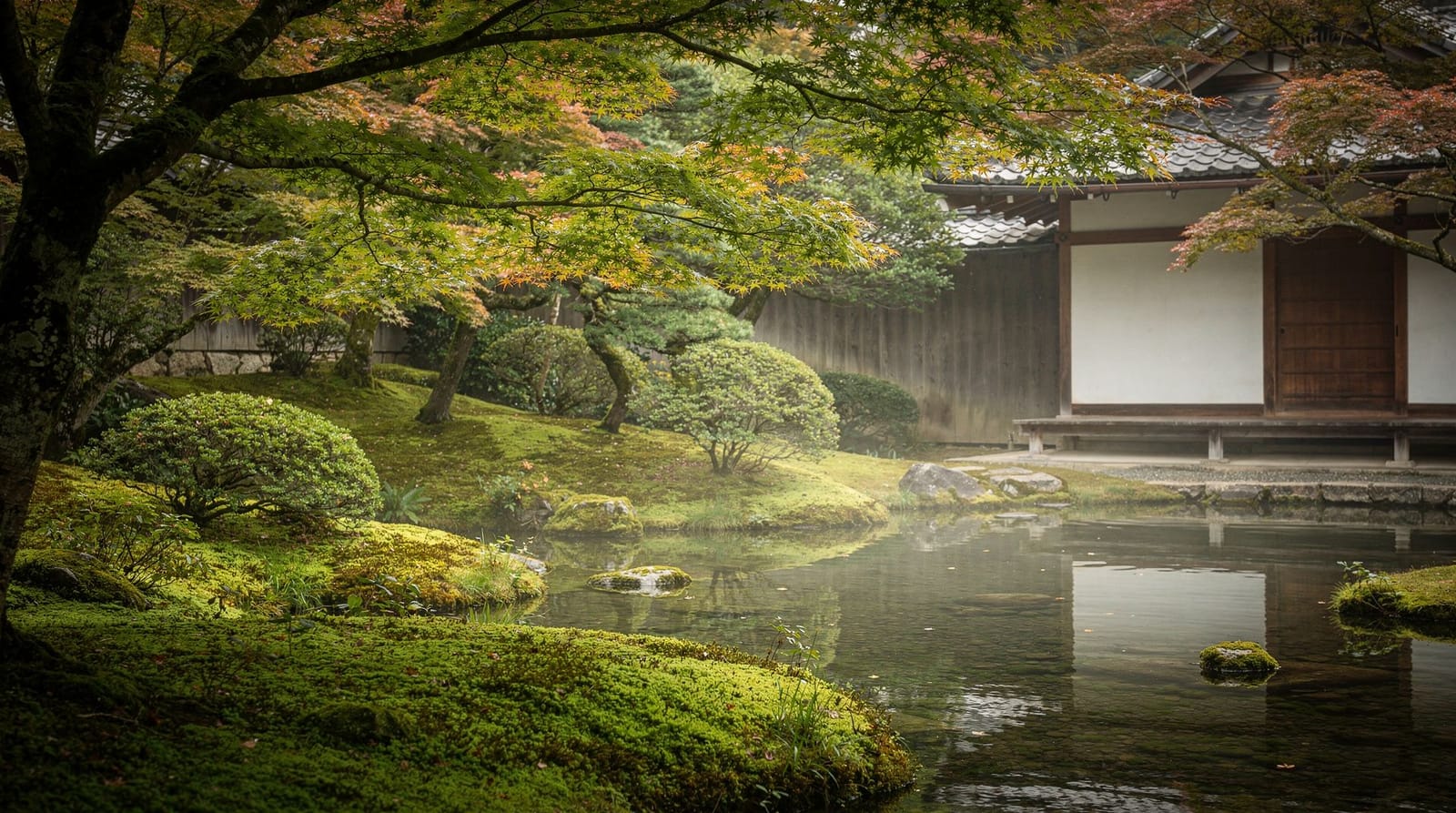
Saiho-ji, universally known by its nickname Kokedera (“moss temple”), is Kyoto’s most famous strolling garden by reputation, and the hardest to actually see. The grounds hold an estimated 120 species of moss carpeting the ground beneath maple and pine, a effect that developed gradually after flooding in the early 20th century changed the site’s drainage and, unintentionally, its ecology. Visiting requires an advance reservation — no walk-up entry exists — and includes a period of sutra copying (shakyo) at low writing desks before the garden itself opens, part meditative practice, part crowd-control mechanism.
Admission is ¥4,000, considerably more than any other Kyoto garden on this list, which reflects both the capped visitor numbers and the temple’s decision to prioritize a quiet, unhurried experience over volume. Full details — how to book, what the sutra-copying session actually involves, and whether it’s worth the price — are in the dedicated Saiho-ji guide.
Ginkaku-ji: dry sand at ground level, moss on the hillside
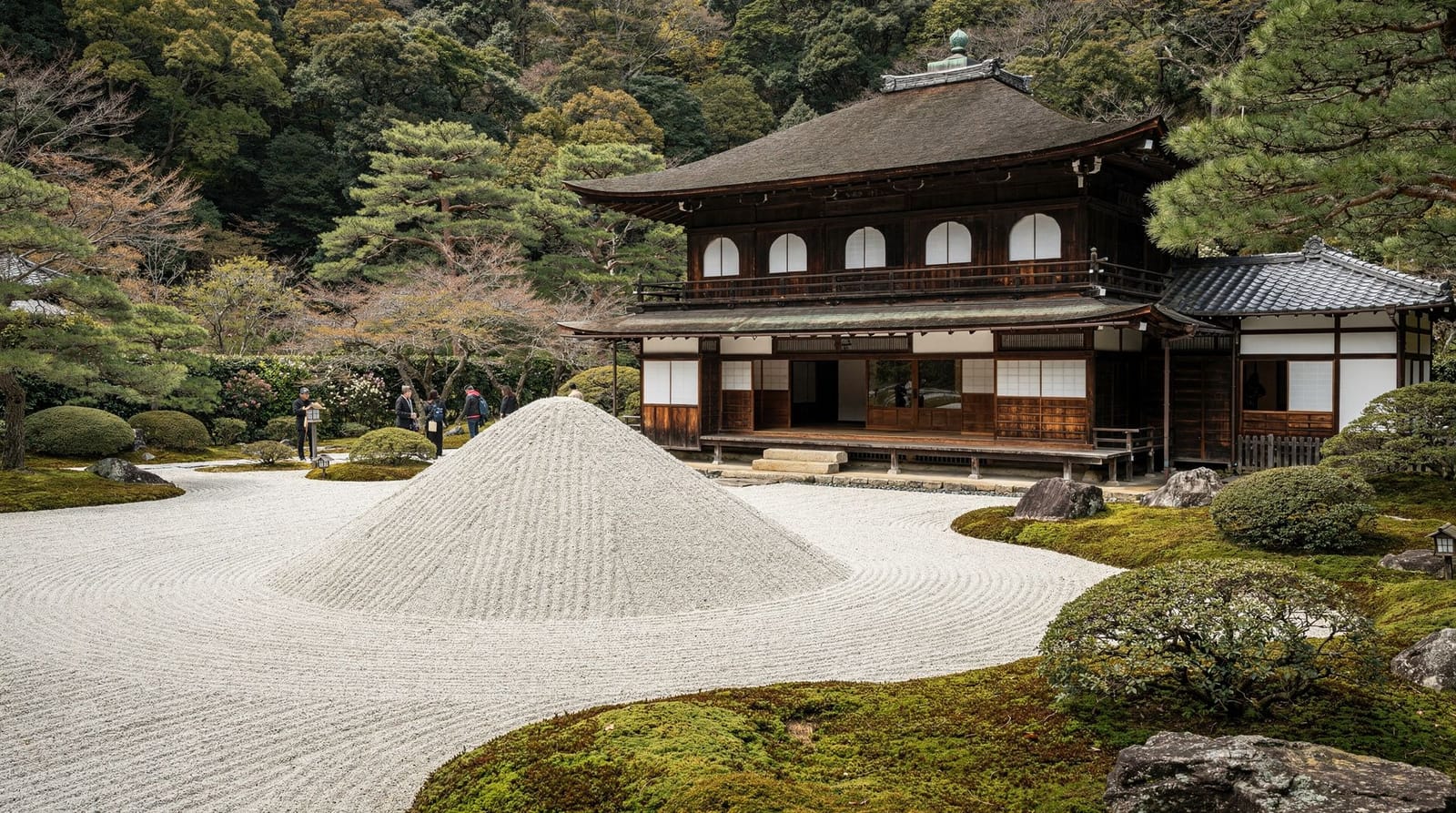
Ginkaku-ji (the Silver Pavilion, which was never actually covered in silver) pairs two garden styles on one site. At ground level, a dry sand garden includes Kogetsudai, a truncated cone of raked sand whose exact symbolic meaning is debated — moon-viewing platform is the most common explanation, though it wasn’t part of the original 15th-century design and was added later during Edo-period renovations.
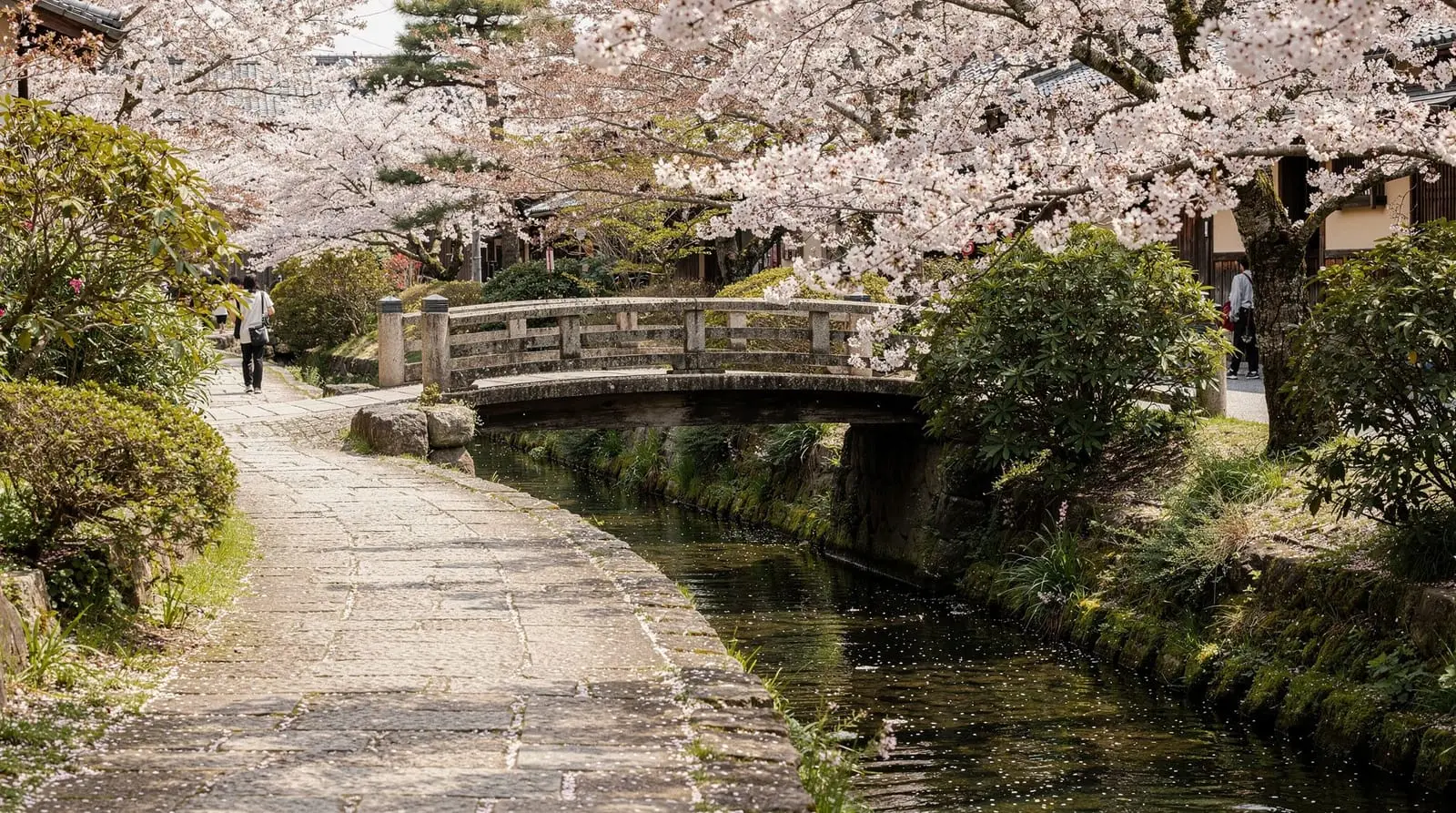
Behind it, a moss-covered path climbs the hillside past a spring and small waterfall, offering an elevated view back over the temple grounds and, on clear days, across the city. Admission is ¥500, and the full site — building exterior, dry garden, and hillside loop — takes about 40-50 minutes at a relaxed pace. See the Ginkaku-ji guide for hours, crowd timing, and how it pairs with a walk along the nearby Philosopher’s Path.
Guided walking tour around the Philosopher’s Path and Ginkaku-jiTenryu-ji: a pond garden that borrows the mountain behind it
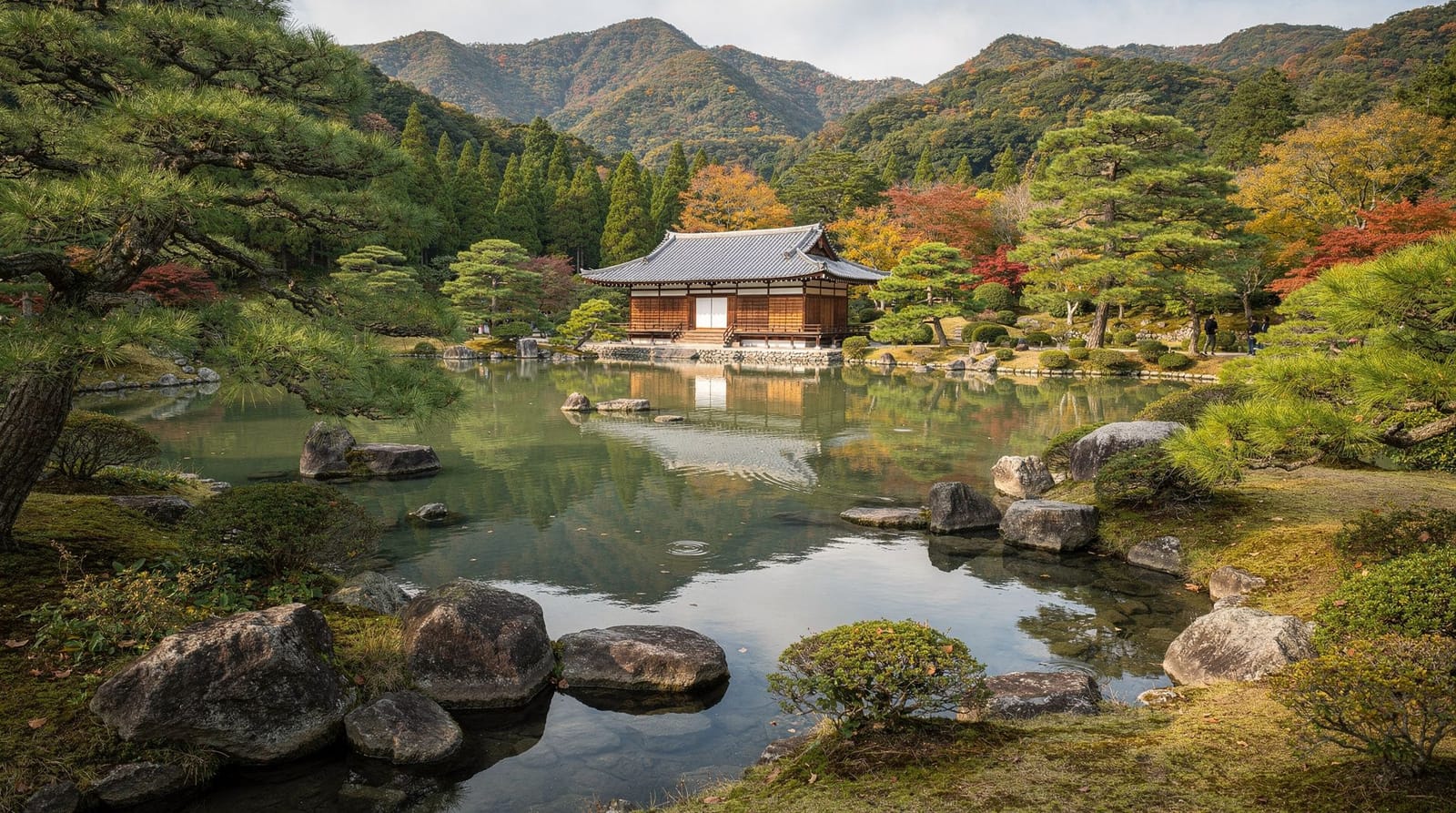
Tenryu-ji’s Sogenchi garden, in Arashiyama, is the clearest example in Kyoto of shakkei — “borrowed scenery” — a design technique that incorporates the landscape beyond the garden’s walls into its visual composition. The pond is positioned to be viewed from the temple’s main hall, with the wooded Arashiyama hillside behind it, so the garden appears to extend into the mountain rather than stopping at a fence line.
It’s a UNESCO World Heritage Site, attributed to the 14th-century monk and garden designer Muso Soseki, and one of the oldest surviving garden layouts in Japan still following its original design, even though the buildings around it have been rebuilt multiple times after repeated fires. Garden admission is ¥500, with an extra ¥300 for the temple’s interior buildings. The full guide, including its direct connection to the Arashiyama bamboo grove just outside the north gate, is at the Tenryu-ji guide.
Tenryu-ji temple guided tour in ArashiyamaKatsura Imperial Villa: widely considered the finest, hardest to book
Garden historians and architects — Bruno Taut most famously among Western critics — have called Katsura Imperial Villa’s grounds the finest example of Japanese garden design in existence, built for imperial family members in the 17th century around a large pond dotted with small islands, connected by stone bridges, and lined with a sequence of rustic teahouses meant to be discovered one at a time along a winding path.
The catch is access: visits run as scheduled, capped-capacity guided tours booked through the Imperial Household Agency (Kunaicho), either online in advance or via a same-day lottery for a small number of unclaimed spots. Popular slots, especially during cherry blossom and autumn foliage weeks, can fill up weeks ahead. Entry is free, but the reservation process — passport required, application in advance, no flexibility on tour timing — makes this a garden to plan a Kyoto trip around rather than slot in casually.
Shosei-en: the free, uncrowded pond garden by Kyoto Station
Shosei-en is a detached garden belonging to Higashi Honganji temple, a 10-15 minute walk from Kyoto Station, built around a large pond with seasonal plantings and several small teahouse structures, on grounds with a garden history tracing back to the early Edo period. Almost nobody visits it — a genuine surprise given the proximity to Kyoto’s busiest transit hub — which makes it one of the few pond gardens in the city where a quiet, unhurried walk is close to guaranteed regardless of time of day or season.
Entry is by donation rather than a fixed ticket price. It won’t replace Tenryu-ji or Katsura for garden design significance, but as a low-effort, zero-crowd stop before catching a train, it’s genuinely underused. See the Kyoto Station destination guide for how it fits alongside other quick stops near the station.
How to choose if you only have time for one or two
If your trip allows only one strolling garden and no advance booking, Tenryu-ji is the strongest single choice — UNESCO-listed, walk-in, and paired naturally with the bamboo grove and the rest of Arashiyama. If you’re willing to book ahead, Saiho-ji’s moss and Katsura’s pond-and-teahouse circuit are both genuinely different experiences from anything walk-in, and worth building an itinerary around rather than treating as an add-on. Ginkaku-ji is the best value pairing if you’re already doing the Philosopher’s Path, since the dry garden, moss hillside, and walk are all within a single half-day.
Three gardens bike tour of KyotoReservation timelines at a glance
Saiho-ji’s online booking window typically opens two to three months before each date and can fill for weekends and peak-season weekdays within days of opening — see the dedicated guide for the exact process. Katsura Imperial Villa’s Kunaicho reservation system allows booking roughly one to three months ahead depending on season, with a limited same-day lottery available at the villa itself for those without an advance reservation, though relying on the lottery during peak season is a gamble. Tenryu-ji, Ginkaku-ji, and Shosei-en require no reservation at all — walk up, pay, and enter, subject only to the temple’s daily hours.
Crowds: which gardens actually feel crowded
Because Saiho-ji and Katsura cap visitor numbers by design, neither ever feels crowded once you’re inside, regardless of season — the reservation system itself does the crowd control. Tenryu-ji and Ginkaku-ji, by contrast, can get genuinely busy, particularly Tenryu-ji given its direct connection to the bamboo grove, one of the most-visited short walks in Japan. Arriving at opening (8:30am for Tenryu-ji, similar for Ginkaku-ji) is the reliable way to see either with a manageable crowd; both fill up considerably by mid-morning. See the crowd-avoidance guide for exact opening-time strategies across the city’s major sights.
Seasonal notes across all five gardens
Spring (late March into early April) brings cherry blossoms to Katsura’s pondside paths and Tenryu-ji’s garden approach, coinciding with the year’s heaviest crowds at every walk-in site. Early summer, particularly June’s rainy season, is when Saiho-ji’s moss and Ginkaku-ji’s hillside path look their deepest, most saturated green — an underrated window that few visitors plan around specifically. Autumn foliage, usually peaking mid-to-late November, is the single busiest season at Tenryu-ji and Ginkaku-ji, while Saiho-ji and Katsura remain unaffected by crowding thanks to their capped-entry systems, making late November arguably the best time to book either if you can get a slot.
What to wear and practical notes
None of these five gardens require removing shoes to walk the outdoor grounds, though Saiho-ji’s sutra-copying session and any interior building visits (Tenryu-ji’s ¥300 add-on, for instance) do involve sitting on tatami with shoes off, so easily removable footwear is worth planning for. Paths are a mix of gravel, packed earth, and stone, occasionally uneven — none of the five are fully wheelchair accessible, though Shosei-en and Tenryu-ji’s main garden loop are among the more manageable for visitors with limited mobility.
A note on garden photography
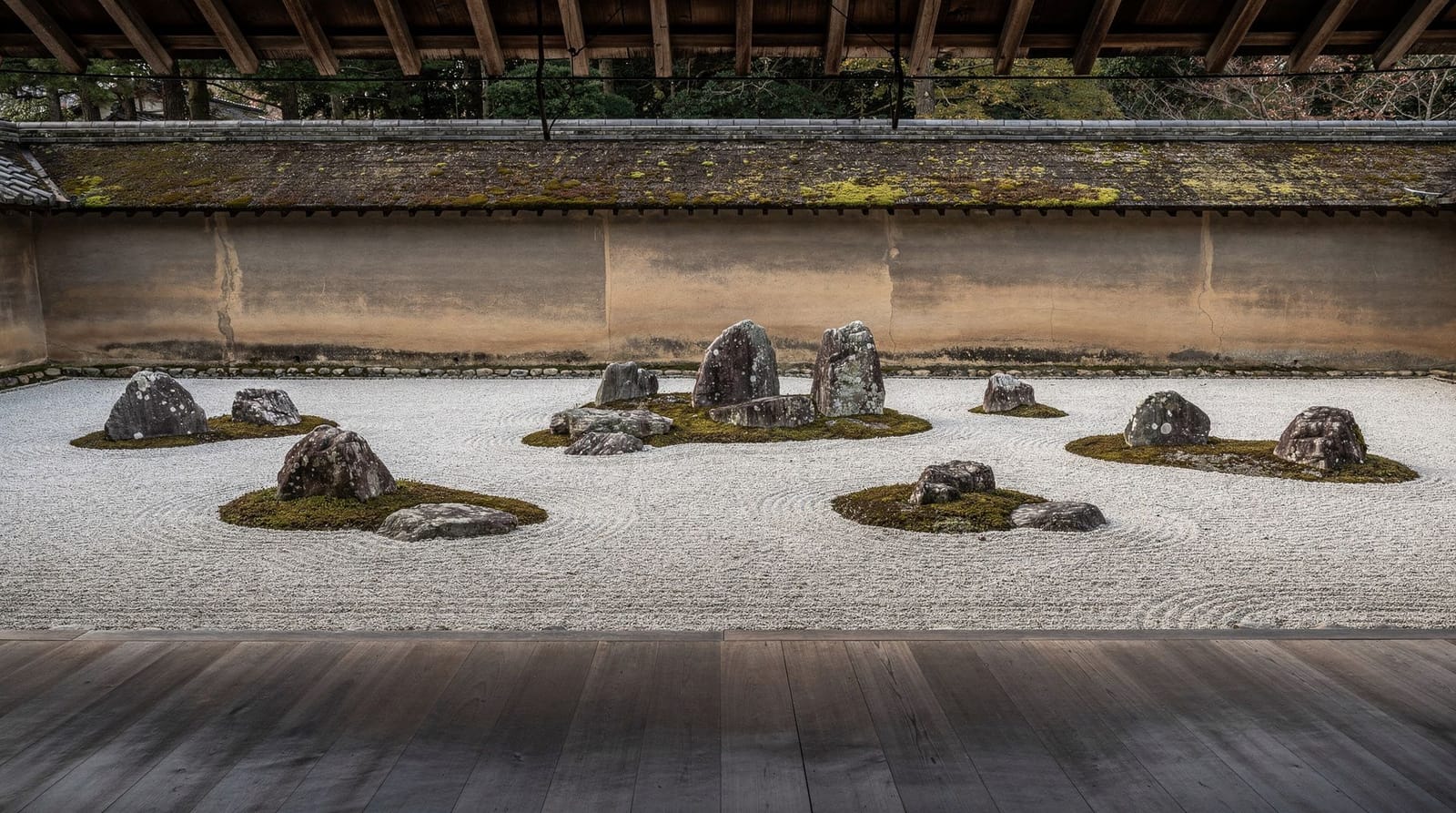
Strolling gardens like Tenryu-ji and Katsura reward slow movement around the pond rather than a single fixed shot — each turn in the path changes the composition, which is the entire point of the design. Dry gardens work the opposite way: Ryoan-ji’s rock garden, covered in the zen gardens guide, is meant to be viewed from one seated position rather than walked around. Saiho-ji restricts photography inside the moss garden itself in some sections — check current signage on arrival, since rules have shifted over the years as visitor numbers required tighter management of a site this ecologically fragile.
A short history of the strolling garden tradition
Kyoto’s kaiyu-shiki teien tradition traces back to Heian-period (794-1185) aristocratic estates, where gardens built around a central pond were designed for boating and poetry gatherings rather than contemplative walking. The walking-circuit format that defines Tenryu-ji and Katsura today developed later, heavily shaped by Zen Buddhist ideas imported from China from the 13th century onward, which introduced the notion of a garden as a sequence of curated views to be discovered on foot rather than admired from a fixed veranda or boat.
Muso Soseki, the monk-designer credited with Tenryu-ji’s Sogenchi garden, sits at the hinge point of that shift — his gardens still use a pond as the central organizing feature, in the older aristocratic style, but treat the surrounding landscape and walking path with a Zen-influenced attention to sequence and framing that hadn’t fully existed before.
By the time Katsura Imperial Villa was built in the 17th century, the strolling garden had matured into the form most visitors recognize today: a circuit path revealing a series of deliberately composed scenes, each framed to look complete on its own rather than as part of a single continuous view. Understanding this lineage doesn’t change how any individual garden looks, but it explains why Tenryu-ji, Katsura, and Saiho-ji — built roughly three centuries apart — still read as part of one continuous design tradition rather than three unrelated gardens.
Combining gardens with the rest of a Kyoto itinerary
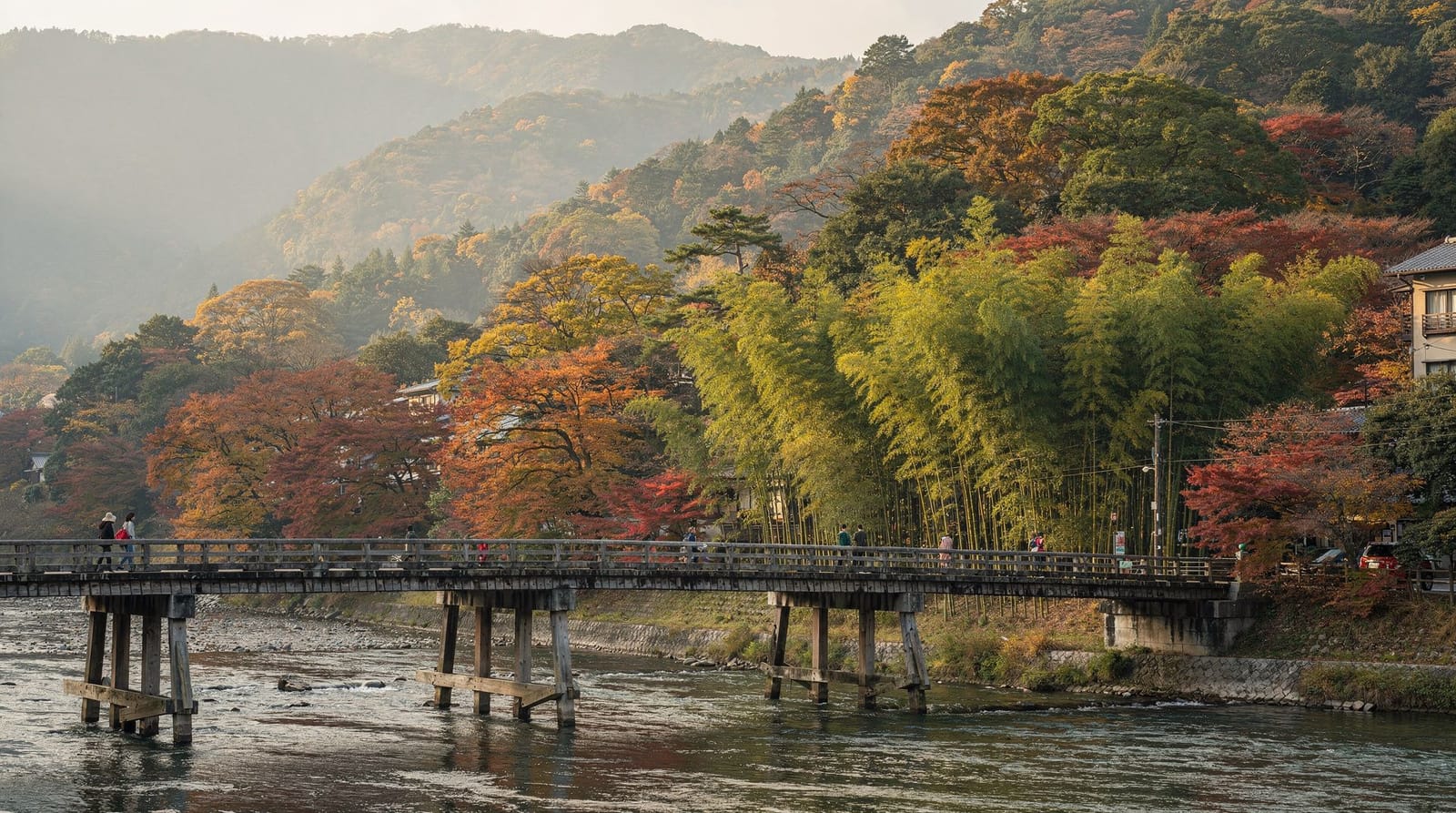
Tenryu-ji pairs naturally with the rest of a half-day Arashiyama visit — bamboo grove, Iwatayama Monkey Park, and the Togetsukyo Bridge are all within a short walk. Ginkaku-ji sits at one end of the Philosopher’s Path, making a garden-plus-walk half-day toward Nanzen-ji and Eikan-do straightforward. Saiho-ji and Katsura, given their reservation requirements and less central locations, are better treated as their own half-day plan rather than squeezed alongside other sightseeing — build the day around the booked time slot, not the other way around. For a full sense of how many days a garden-focused Kyoto trip actually needs, see how many days in Kyoto.
Which garden fits which kind of traveler
First-time visitors with limited planning time are best served by Tenryu-ji or Ginkaku-ji — both deliver a genuinely world-class garden experience without any advance booking, and both slot naturally into a half-day that already includes other sightseeing.
Travelers who’ve already covered Kyoto’s headline temples on a previous trip, or who specifically prioritize garden design over convenience, get the most out of booking Saiho-ji or Katsura ahead — the capped visitor numbers mean an unhurried, genuinely quiet experience that none of the walk-in gardens can match regardless of what time you arrive. Anyone traveling with young children or limited mobility should weigh Shosei-en and Tenryu-ji’s main loop more heavily than Saiho-ji’s sutra-copying session, which asks for a sustained, quiet sit that doesn’t suit every child.
A note on donations and etiquette at Shosei-en
Because Shosei-en runs on donation rather than a fixed ticket price, there’s no formal gate or turnstile enforcing payment, which occasionally leads visitors to wonder whether entry is genuinely free — it isn’t, in the sense that a donation is expected, even if not strictly checked. A small amount (a few hundred yen) at the donation box near the entrance is the norm, consistent with how several of Kyoto’s smaller temple gardens are funded. The relaxed enforcement is part of why the garden stays so quiet: it isn’t positioned or marketed as a paid attraction, so it doesn’t appear on most tour itineraries or ticket-bundle deals.
Frequently asked questions about The best gardens in Kyoto — strolling ponds and dry stone, ranked honestly
What's the difference between a strolling garden and a dry garden in Kyoto?
Which Kyoto garden requires the most advance planning?
Can I visit Saiho-ji without a reservation?
Is Tenryu-ji or Ginkaku-ji the better walk-in garden?
What is Shosei-en and why isn't it more famous?
Do any of Kyoto's major gardens charge extra for buildings versus the garden itself?
What's the best time of year to see Kyoto's gardens?
How much walking is involved in a typical Kyoto strolling garden?
Top experiences
Bookable activities with verified prices and instant confirmation on GetYourGuide.