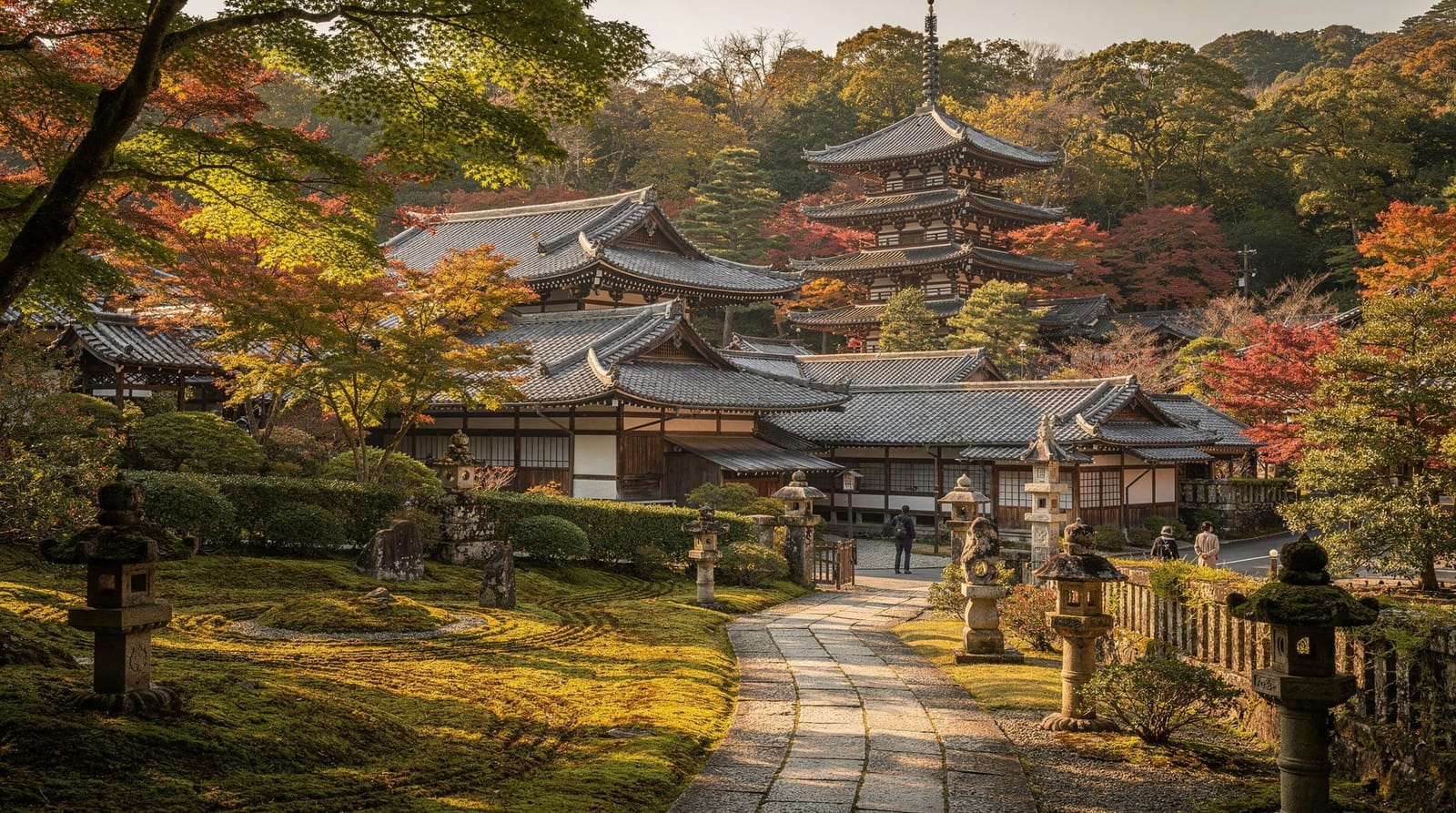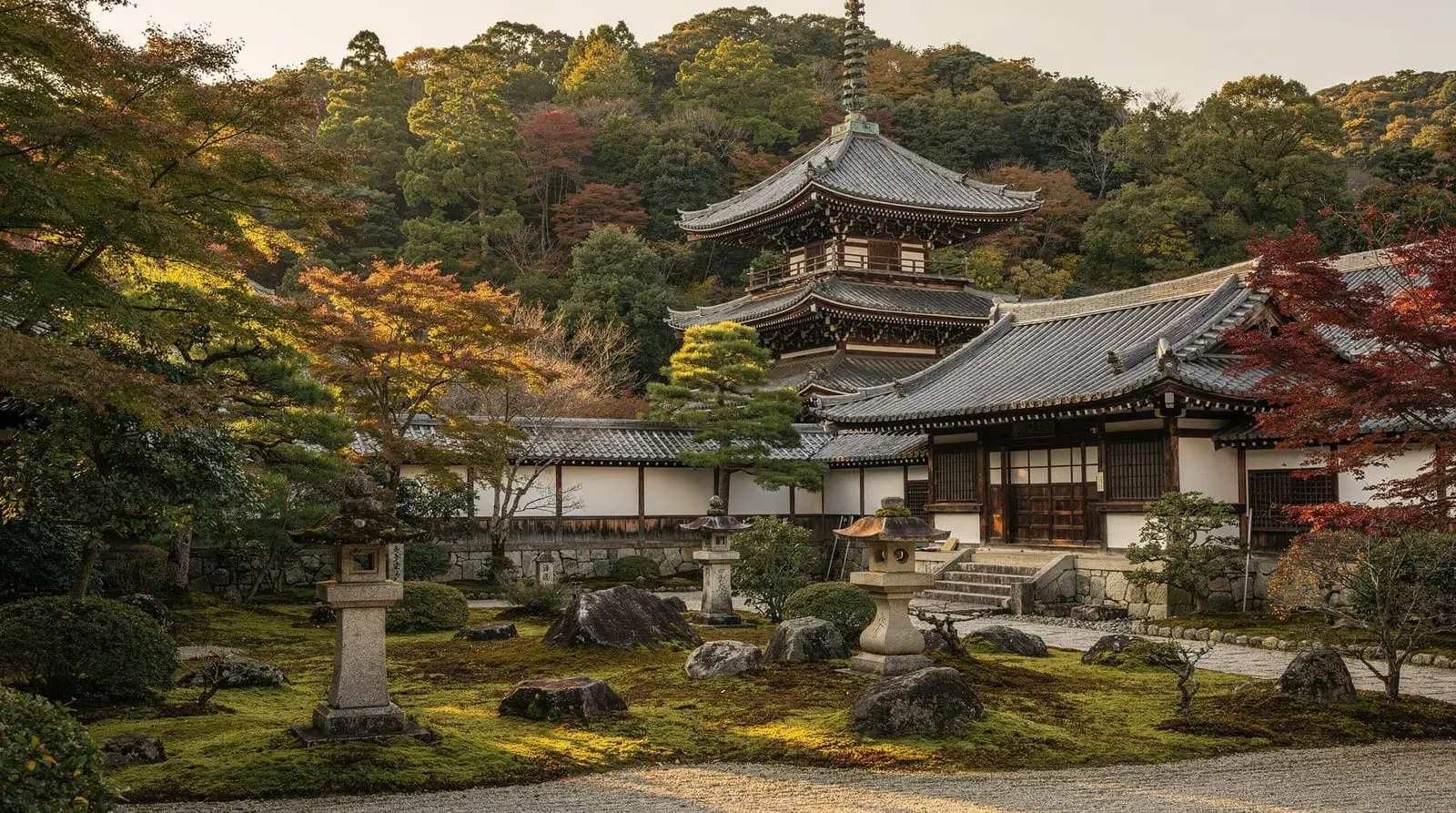
The best Shinto shrines in Kyoto
Kyoto: Fushimi Inari Taisha Guided Walking Tour
What's the difference between a shrine and a temple in Kyoto, and which shrines matter most?
Shrines (jinja) are Shinto sites marked by a torii gate and dedicated to kami (spirits); temples (tera/-ji) are Buddhist. Kyoto's essential shrines are Fushimi Inari Taisha (thousands of red torii gates, free, open 24 hours), Yasaka Shrine (Gion's guardian shrine), Heian Jingu (Meiji-era, huge orange torii, spacious garden) and the paired Shimogamo and Kamigamo shrines (among Japan's oldest, set in ancient forest).
Kyoto’s shrines get less individual attention in most guidebooks than its temples, partly because one shrine — Fushimi Inari — is so photogenic that it absorbs most of the coverage on its own. That’s a reasonable instinct, since Fushimi Inari genuinely is Kyoto’s single most-visited site by some measures, but it leaves out shrines that are older, quieter, and in some cases more historically significant than the famous torii corridor.
| Must-see | Fushimi Inari Taisha — free, open 24 hours |
| Cost | Free (Heian Jingu’s garden ¥600) |
| Time needed | 45 min (lower gates) to 2-3 hrs (full mountain loop) |
| Best time | Before 8am for Fushimi Inari’s lower gates |
| Etiquette | Two bows, two claps, one bow — different from temple etiquette |
The five essential shrines, compared
| Shrine | Known for | Cost | Time needed |
|---|---|---|---|
| Fushimi Inari Taisha | Senbon Torii tunnel | Free | 45 min-3 hrs |
| Yasaka Shrine | Gion’s guardian, Gion Matsuri | Free | 20-30 min |
| Heian Jingu | Huge torii, Meiji-era garden | Free (garden ¥600) | 30-45 min |
| Shimogamo Shrine | Primeval forest setting | Free | 30-40 min |
| Kamigamo Shrine | Oldest, thatched roofs | Free | 30-40 min |
Shrine or temple: how to tell at a glance
The fastest way to tell a Shinto shrine from a Buddhist temple in Kyoto is the gate. A torii — typically two upright posts topped by one or two crossbeams, often (but not always) painted vermilion — marks the entrance to shrine grounds and signals a boundary between ordinary space and the space of the kami, the spirits or deities Shinto venerates. Temples instead have a sanmon, a more elaborate roofed gate, often with guardian statues.
Inside, shrines center on a honden (main sanctuary, usually not enterable by visitors) fronted by a haiden (worship hall) where visitors pray; temples center on a main hall housing Buddhist statues, often enterable, sometimes with an admission fee to see the interior. Shrine visits are typically free; temple visits typically charge for entry to the main building or garden, though the outer grounds of both are usually free to walk.
Etiquette also differs. At a shrine: purify your hands and mouth at the temizuya (water basin) near the entrance, approach the haiden, toss a coin into the offering box, then follow the standard sequence of two bows, two claps, one final bow (ni-rei ni-hakushu ichi-rei) before making a silent wish or prayer. At a temple: a single quiet bow and a moment of silence is standard; clapping is specific to Shinto worship and out of place at a Buddhist site. Getting this backwards is a common, harmless mistake — nobody will stop a visitor who claps at a temple — but knowing the difference makes each visit make more sense.
Fushimi Inari Taisha: the torii corridor
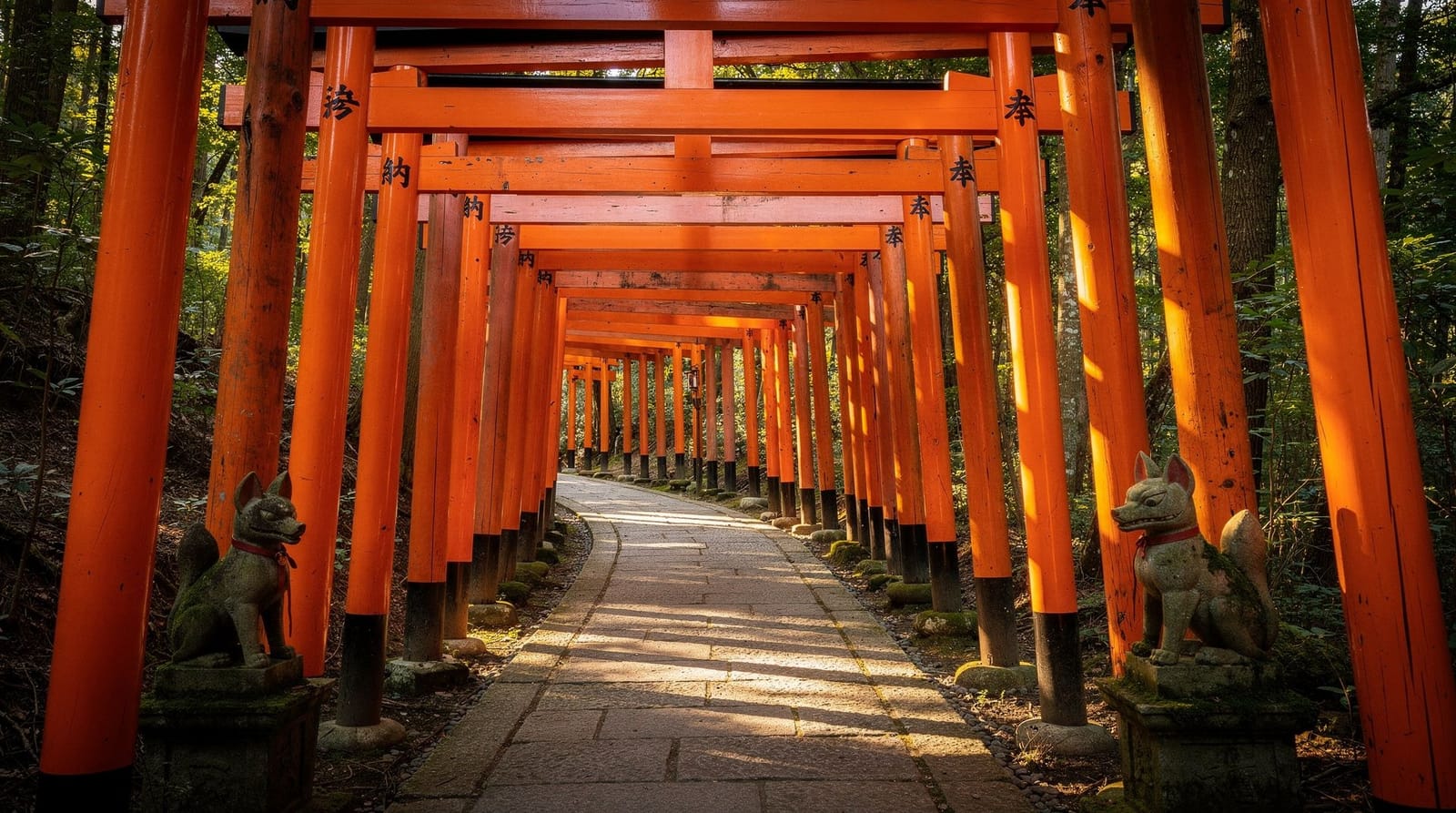
Fushimi Inari Taisha is the head shrine for some 30,000 Inari shrines across Japan, dedicated to Inari, the kami of rice, agriculture and business prosperity. Its defining feature is the Senbon Torii — thousands of vermilion torii gates donated by individuals and businesses over centuries, each inscribed with the donor’s name, forming continuous tunnels along the paths up Mount Inari. Entry is free and the shrine is open 24 hours, which is unusual for a major Kyoto site and part of why early-morning and evening visits have become popular strategies for avoiding the daytime crowds that otherwise pack the lower gates almost constantly.
Guided walking tour of Fushimi Inari TaishaThe full loop to the summit and back covers roughly 4 kilometers and takes 2–3 hours round trip, climbing steadily through the forested mountain; most visitors don’t complete it, turning back at the Yotsutsuji intersection (roughly 30–45 minutes up, with a worthwhile city view) once the gate density thins out beyond that point. The lower section near the main shrine buildings is where the crowds concentrate — by mid-morning it can take real patience to get an unobstructed photo of the classic gate tunnel — while the upper sections past Yotsutsuji are dramatically quieter year-round. Our Fushimi Inari guide covers the full route in more detail.
Yasaka Shrine: Gion’s guardian
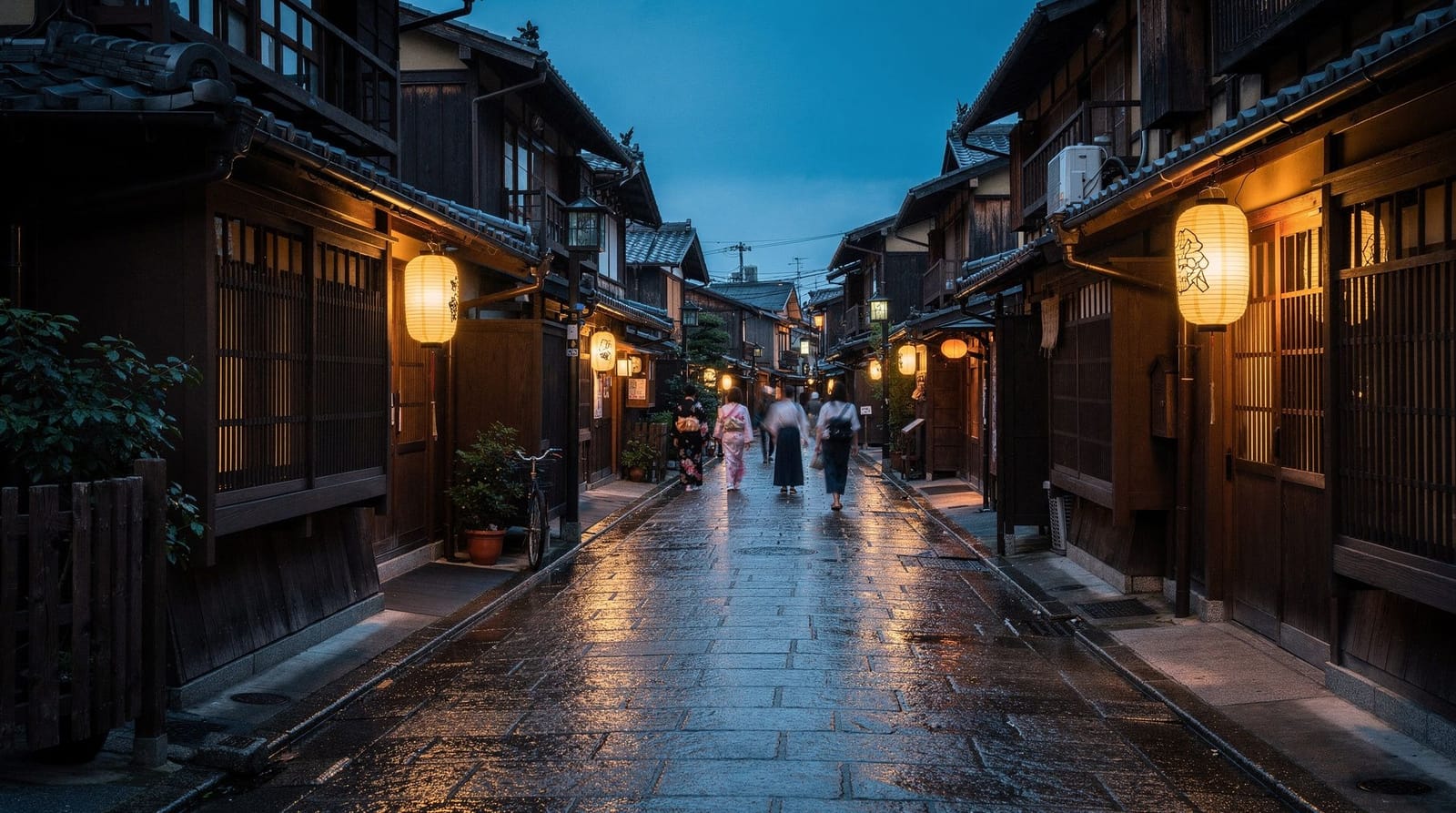
Yasaka Shrine sits at the eastern end of Shijo-dori, marking the boundary of the Gion district, and functions as the neighborhood’s guardian shrine — its main hall’s distinctive orange-and-white facade and rows of hanging lanterns are one of the more recognizable images of the area, especially lit at night. Founded over 1,350 years ago (traditional accounts date it to 656), Yasaka is the shrine behind Gion Matsuri, Kyoto’s largest annual festival, held throughout July and centered on a series of elaborate float processions in mid-month.
Entry is free and the grounds stay open late, making it a natural stop on an evening walk through Gion. Behind the main shrine, the grounds connect directly into Maruyama Park, Kyoto’s oldest public park and one of the city’s best cherry-blossom spots in early April, anchored by a large weeping cherry tree lit at night during the bloom.
Yasaka Shrine, Higashiyama and Gion guided walkHeian Jingu: Meiji-era scale
Heian Jingu is, by Kyoto shrine standards, a recent addition — built in 1895 to mark the 1,100th anniversary of Kyoto’s founding as the imperial capital, and modeled at reduced scale on the original Heian-era imperial palace. Its most photographed feature is the freestanding vermilion torii gate near the approach, one of the tallest in Japan at roughly 24 meters, visible from a considerable distance down the wide boulevard leading to the shrine.
The shrine’s Shinen garden, a spacious Meiji-era strolling garden with a large pond, is separately ticketed (around ¥600) and is a notably different style from the older temple gardens elsewhere in the city — more expansive, less austere, closer in spirit to a formal park than a contemplative rock garden. Heian Jingu’s relative youth means it lacks the deep historical weight of Fushimi Inari or the Kamo shrines, but its scale and the garden make it a worthwhile stop, particularly for visitors interested in Meiji-period design and the iris and water-lily blooms in the garden’s ponds in late spring.
Shimogamo and Kamigamo: Kyoto’s oldest shrines
Shimogamo Shrine and Kamigamo Shrine, together known as the Kamo shrines, rank among the oldest Shinto shrines in Japan, with roots that likely predate Kyoto’s founding as the capital in 794. Shimogamo sits within Tadasu no Mori, a rare surviving stretch of primeval forest inside the city, and the walk through the trees to reach the shrine buildings is itself part of the experience — a genuinely different atmosphere from anywhere else on this list, cool and quiet even in summer. Kamigamo, further north, is known for its thatched-roof structures and a pair of conical sand mounds (tatesuna) in front of the main worship hall, said to represent sacred mountains and among the more visually distinctive details in any Kyoto shrine.
Both shrines host the Aoi Matsuri in May, one of Kyoto’s three major annual festivals, featuring a procession in Heian-period court dress between the imperial palace and both shrines. Neither draws crowds comparable to Fushimi Inari or Yasaka, which is arguably the point — these are the shrines to visit for atmosphere and history without the density of Kyoto’s more famous sites, though it does mean a specific trip north of central Kyoto rather than a stop that fits naturally into another itinerary.
Omikuji, omamori and ema: the small rituals worth understanding
Most Kyoto shrines sell small, inexpensive items that visitors often photograph without fully understanding, and knowing what they’re for makes the experience more interesting than a curiosity purchase. Omikuji are paper fortunes, typically ¥100–300, drawn at random (often by shaking numbered sticks from a box and matching the number to a fortune) and ranging from great blessing (dai-kichi) to great curse (dai-kyo); a fortune deemed unlucky is traditionally tied to a designated rack or nearby tree branch at the shrine rather than taken home, symbolically leaving the bad luck behind, while a good fortune is often kept.
Omamori are small brocade charms, usually ¥500–1,000, sold for specific purposes — safe travel, academic success, romantic luck, safe childbirth — and are meant to be carried rather than opened; opening one is considered to release its protective effect. Ema are small wooden plaques, usually ¥500–1,000, on which visitors write a wish or prayer before hanging it on a designated rack at the shrine; racks of hundreds of ema, densely covered in handwriting in multiple languages, are themselves worth a slow look at shrines like Fushimi Inari and Kitano Tenmangu.
Shrine festivals worth planning around
Kyoto’s shrine calendar includes several major festivals that are worth deliberately timing a visit around rather than encountering by accident. Gion Matsuri, centered on Yasaka Shrine, runs throughout July, with the main float processions (Yamaboko Junko) on July 17 and 24 drawing enormous crowds along Shijo and Kawaramachi streets — one of the largest and oldest festivals in Japan, dating back over a thousand years to a purification ritual against plague.
Aoi Matsuri, in mid-May, involves a procession in Heian-period court dress traveling from the Kyoto Imperial Palace to Shimogamo and then Kamigamo shrines, one of Kyoto’s three major annual festivals alongside Gion Matsuri and Jidai Matsuri. The Fushimi Inari Hatsuuma festival in early February marks the anniversary of the deity’s arrival on Mount Inari and draws large crowds specifically to the shrine’s lower precincts. None of these require advance tickets to observe from the street, but they do mean significantly larger crowds than a normal visit — worth building into trip planning either as a highlight or something to actively avoid, depending on preference.
Other shrines worth knowing about
Beyond the five covered above, a handful of smaller shrines reward a visit for specific reasons. Kitano Tenmangu, in northwest Kyoto, is dedicated to Sugawara no Michizane, the deified spirit of scholarship, and draws students before exam season; its plum blossom grove in February is a genuine alternative to the more famous cherry blossoms, blooming weeks earlier with far fewer crowds.
Toyokuni Shrine, near Sanjusangendo and the Kyoto National Museum, is dedicated to Toyotomi Hideyoshi, the 16th-century unifier of Japan, and its ornate karamon gate is a National Treasure worth a quick look if already in the area. Jishu Shrine, technically a separate small shrine within the Kiyomizu-dera temple grounds, is dedicated to romantic matchmaking and centers on two “love stones” placed 18 meters apart — tradition holds that walking between them with eyes closed successfully predicts future romantic luck, and it’s one of the more popular small stops for younger visitors touring Higashiyama.
Shrines versus temples: which should you prioritize with limited time?
Visitors building a first Kyoto itinerary sometimes ask whether shrines or temples deserve priority given limited time, and the honest answer is that the two categories aren’t really substitutes for each other — Fushimi Inari’s torii-gate corridor and Kiyomizu-dera’s wooden stage are different enough experiences that skipping one to see more of the other rarely makes sense.
That said, if forced to choose a single non-temple stop, Fushimi Inari is close to unanimous as the top recommendation among both guidebooks and repeat visitors: it’s free, open around the clock, visually unlike anything else in the city, and flexible enough to fit either a rushed 45-minute visit to the lower gates or a full 2–3 hour mountain hike depending on available time. Yasaka Shrine is the natural second choice specifically because it’s already on the walking route between Higashiyama and Gion, adding minimal extra time to an itinerary that likely already includes both neighborhoods.
Etiquette specifics worth knowing before you go
A few shrine-specific customs are easy to miss: don’t walk through the center of a torii gate, which is traditionally reserved for the kami — walk slightly to one side. At the temizuya, the correct sequence is to rinse the left hand, then the right, then cup water in the left hand to rinse the mouth (without touching the ladle to your lips), then rinse the left hand again and tip the ladle upright to let remaining water run down the handle for the next visitor. None of this is strictly enforced for foreign visitors, and shrine staff generally don’t correct tourists, but getting the basics right is a low-effort way to visit respectfully.
Shrines and shopping: what’s actually worth buying
Shrine gift shops sell a fairly standardized range of items across the city, but a few specifics are worth knowing. Fushimi Inari’s shops near the main entrance sell fox-themed items (the kitsune, or fox, is Inari’s messenger, which is why fox statues rather than human figures flank the shrine’s gates) — small ceramic fox figurines and fox-face ema plaques (shaped like a fox’s face for visitors to draw their own expression on) are specific to this shrine and not found elsewhere.
Heian Jingu’s shop, reflecting the shrine’s Meiji-era imperial connections, sells items referencing the historical Heian court in addition to standard omamori. As with any shrine purchase, prices are fixed and non-negotiable, and proceeds directly support the shrine’s upkeep — there’s no expectation of restraint the way there might be at a souvenir shop, and buying an omamori is generally treated as a small, ordinary act of respect rather than a purely commercial transaction.
Combining shrines with a wider Kyoto day
Fushimi Inari’s location south of central Kyoto makes it a natural anchor for a half-day that also includes Tofuku-ji and Sanjusangendo, both a short ride away on the same rail corridor. Yasaka Shrine sits directly on the walking route between Higashiyama and Gion, so it rarely needs a dedicated trip of its own.
Heian Jingu pairs naturally with a visit to the nearby Okazaki cultural zone, including the Kyoto City Zoo and several museums, for visitors who want to break up a temple-heavy day with something different. Shimogamo and Kamigamo, being further from the city center and from each other’s usual pairings, are best treated as their own dedicated outing rather than squeezed into an already-packed itinerary — see how many days in Kyoto for how to budget time for shrines that need a standalone visit.
Accessibility across the five shrines
Fushimi Inari’s lower grounds and main hall area are flat and manageable for most visitors, though the mountain trail beyond Yotsutsuji involves real, sustained stone steps unsuitable for wheelchairs or significant mobility limitations. Yasaka Shrine and Heian Jingu are both largely flat and among the more accessible shrine visits on this list, with paved or level approaches. Shimogamo’s forest path to the main shrine is flat but unpaved in sections, occasionally uneven with tree roots; Kamigamo’s grounds are similarly flat but spread over a larger area, meaning more total walking distance even without steep terrain.
Weather considerations at open-air shrines
All five shrines on this list are entirely outdoor sites with no significant indoor shelter beyond small covered offering halls, which matters more here than at temples with substantial interior spaces to retreat into during rain. Fushimi Inari’s mountain trail, in particular, turns genuinely slick on wet stone steps, worth factoring in before attempting the full loop in poor weather. A light rain jacket rather than a large umbrella is the more practical choice at Fushimi Inari specifically, since the narrower sections of the gate tunnel don’t comfortably accommodate an open umbrella alongside other visitors moving in both directions.
Frequently asked questions about Kyoto’s shrines
What’s the difference between a shrine and a temple in Kyoto?
Shrines (jinja) are Shinto sites marked by a torii gate, dedicated to kami; temples (tera or -ji) are Buddhist, marked by a sanmon gate and housing Buddhist statues. Shrine visits are typically free; temples typically charge admission to enter the main hall or garden.
Is Fushimi Inari free to visit?
Yes, entry is free and the shrine is open 24 hours a day, which is unusual among Kyoto’s major sites and one reason early-morning and evening visits have become popular for avoiding crowds.
How long does it take to walk the whole Fushimi Inari trail?
The full loop to the summit of Mount Inari and back is roughly 4 kilometers and takes 2–3 hours. Most visitors turn back at the Yotsutsuji intersection, about 30–45 minutes up, where gate density thins and crowds drop sharply.
What is the correct way to pray at a Shinto shrine?
The standard sequence is two bows, two claps, then a silent prayer followed by one final bow (ni-rei ni-hakushu ichi-rei), after tossing a coin into the offering box. This differs from temple etiquette, where a single quiet bow without clapping is standard.
Which Kyoto shrine is best for cherry blossoms?
Yasaka Shrine’s connected Maruyama Park, home to Kyoto’s oldest public park and a large illuminated weeping cherry tree, is one of the city’s most established early-April cherry blossom spots.
Are Shimogamo and Kamigamo shrines worth visiting if I’ve already seen Fushimi Inari and Yasaka?
Yes, particularly for visitors interested in history and atmosphere over photogenic density — both rank among Japan’s oldest shrines and sit in settings (primeval forest at Shimogamo, thatched historic buildings at Kamigamo) unlike anything at the more famous shrines.
Do I need to remove my shoes at a Shinto shrine?
Not at the outdoor shrine grounds or worship hall exterior. Some shrine buildings that permit interior entry, or associated structures, may require shoe removal — follow posted signage or staff instructions at each specific site.
Is it disrespectful to visit a shrine just for photography?
Not inherently — shrines are accustomed to visitors, and photography of the grounds is generally welcome. The distinction that matters is behavior at the actual worship area: treat the haiden and offering box as an active place of prayer rather than a photo prop, avoid posing directly in front of worshippers mid-prayer, and check for posted signage restricting photography in specific inner areas, which some shrines do enforce around their most sacred structures.
Can I combine Fushimi Inari with Tofuku-ji or Sanjusangendo in one day?
Yes — Fushimi Inari sits a few train stops from both Tofuku-ji and Sanjusangendo on the JR Nara Line/Keihan Main Line corridor south of Kyoto Station, making a combined half-day itinerary straightforward.
Top experiences
Bookable activities with verified prices and instant confirmation on GetYourGuide.