Kyoto on a budget — free temples, cheap eats, and real money-saving tactics
JR West: Kansai Mini Pass
Can you visit Kyoto cheaply without missing the highlights?
Yes. Fushimi Inari, the Philosopher's Path, most Shinto shrines, and Nishiki Market's window shopping are all free, and a budget traveler can cover Kyoto's signature experiences on roughly ¥8,000-12,000 (US$53-80) a day including hostel accommodation, transit, and food. The main trade-off is paid temple interiors like Kinkaku-ji and Nijo Castle, which cost ¥300-1,300 each and add up if visited daily.
| Daily budget | ¥8,000-12,000 (US$53-80), hostel-based |
| Best free sight | Fushimi Inari, free and open 24/7 |
| Cheap eats | Konbini ¥300-800, obanzai ¥400-900/dish |
| Private hostel room | ¥4,000-8,000/night |
| Avoid | Late March-early April, mid-November |
Kyoto’s reputation as an expensive city is only half-true — the paid temple circuit and upscale ryokan and kaiseki experiences can run up a bill quickly, but a genuinely large share of the city’s best-known experiences cost nothing at all. This guide focuses on the free sights, affordable food, and budget lodging that let a careful traveler see Kyoto properly without spending like a luxury trip.
Free sights that aren’t consolation prizes
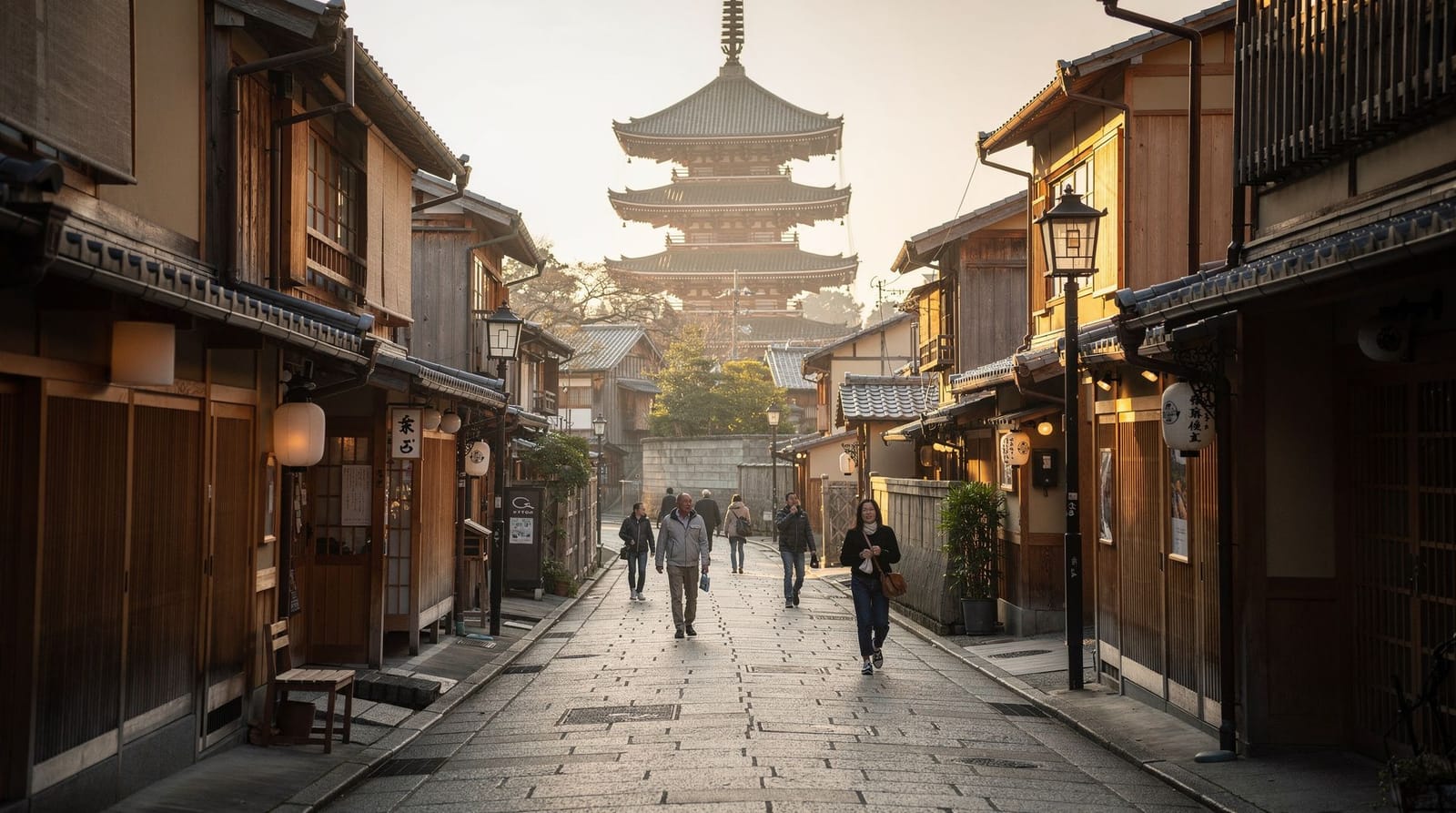
Fushimi Inari Taisha — thousands of vermillion torii gates climbing a forested mountain — is completely free and open 24 hours, and it’s routinely ranked among Kyoto’s single best experiences regardless of budget. The Philosopher’s Path, a canal-side walking route connecting Ginkaku-ji to Nanzen-ji through Higashiyama, costs nothing and passes several free-to-enter shrine grounds along the way.
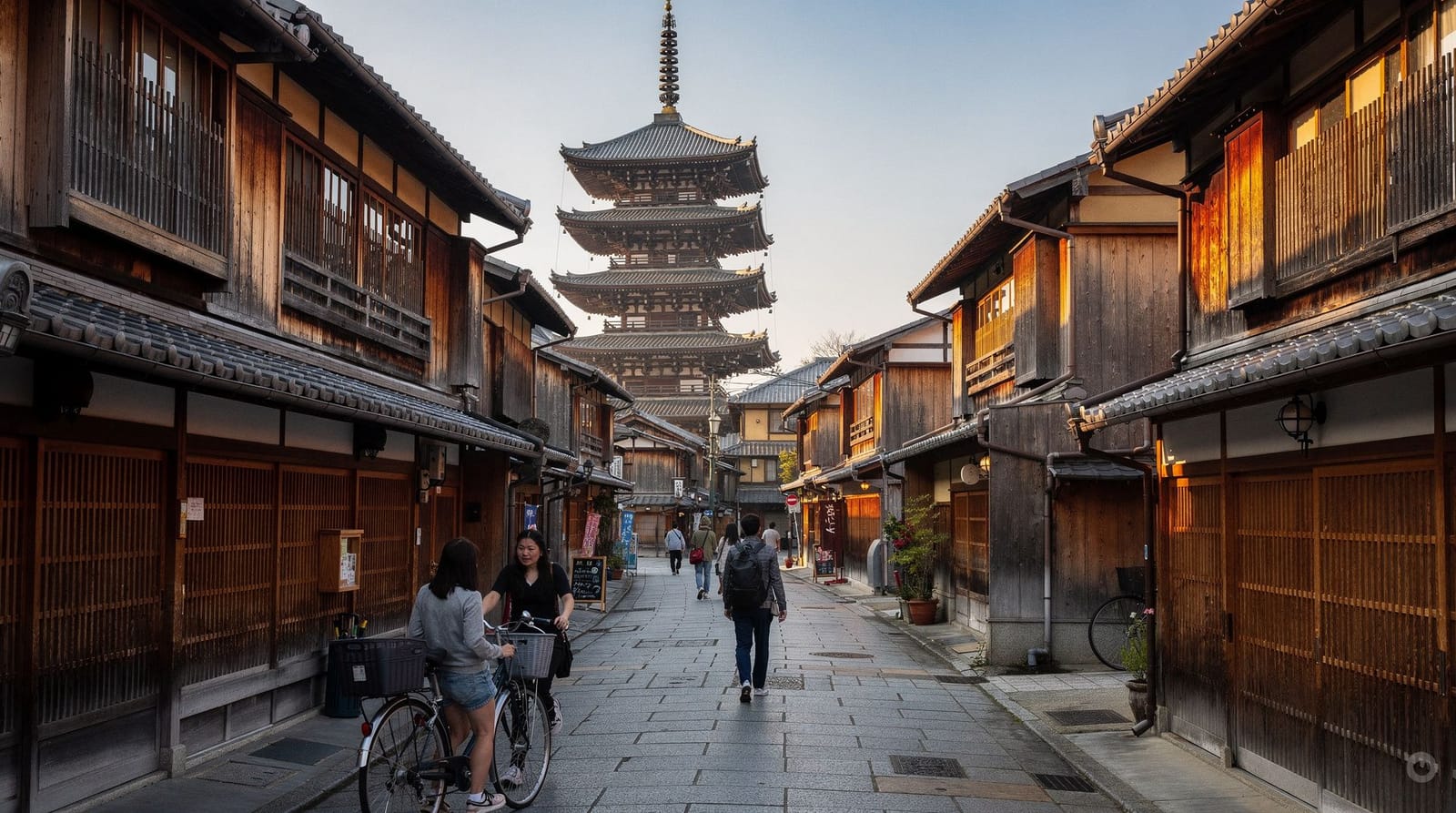
Yasaka Shrine’s grounds, the wider Gion district for an evening walk, and Nishiki Market’s browsing (not sampling) are all free. Many temples charge for their inner halls or gardens but leave outer grounds and approach paths open — Kiyomizu-dera’s approach through the Sannenzaka and Ninenzaka slopes, lined with traditional shops, costs nothing even if you skip the ¥500 inner temple fee.
Eating well without paying restaurant prices
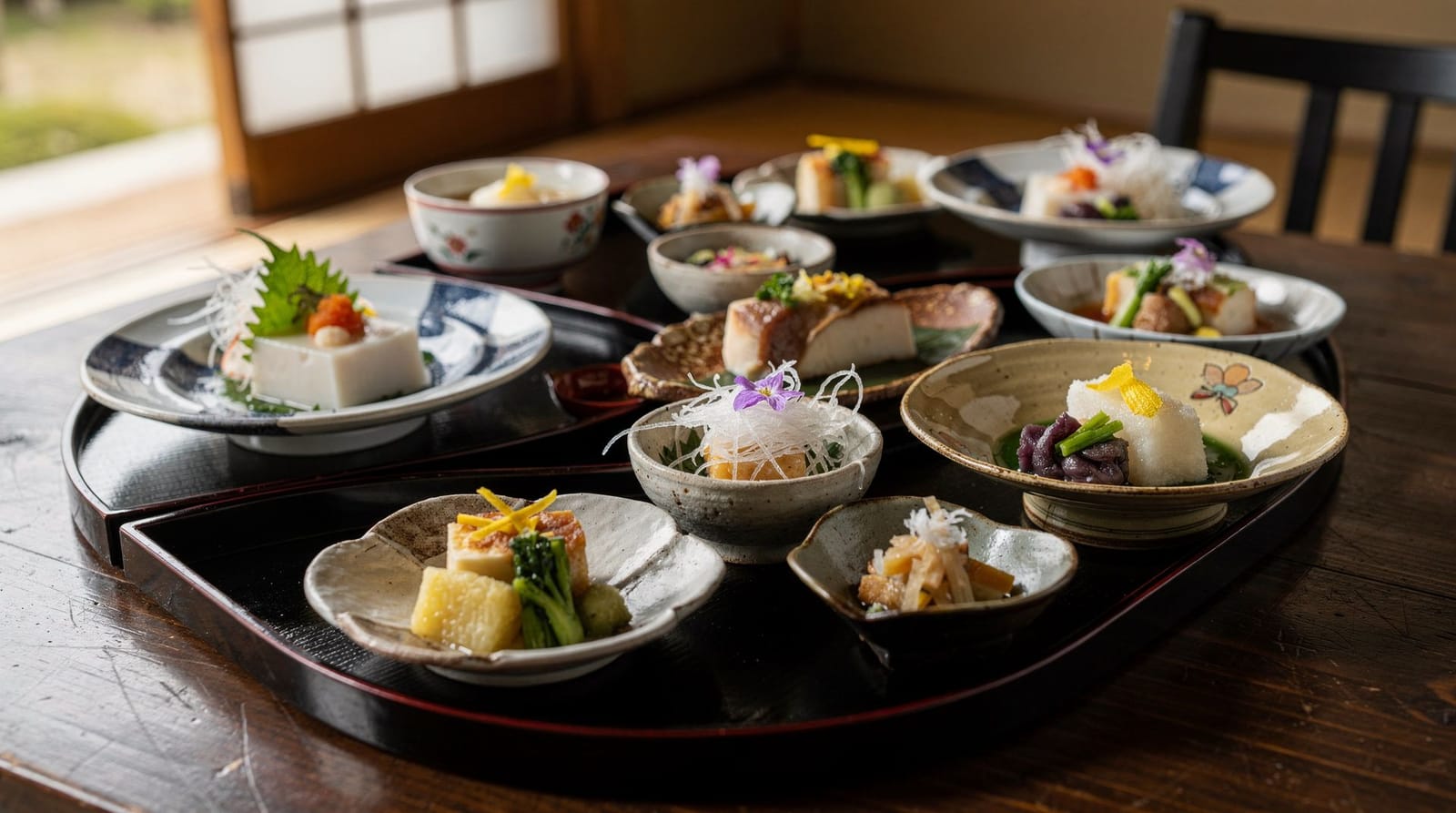
Convenience stores are a legitimate budget meal strategy in Japan, not a last resort — 7-Eleven, Lawson, and FamilyMart all sell fresh onigiri, sandwiches, and bento boxes in the ¥300-800 range with genuinely good quality control. Standing soba and udon counters, common near train stations, serve a full bowl for ¥400-700 and are designed for a fast, no-frills meal. Nishiki Market’s food stalls sell individual tastings for ¥200-500 each — grazing four or five stalls adds up to a full meal for roughly the cost of one restaurant dish, with the added benefit of trying more varieties. See the Kyoto street food guide for specific stalls and dishes worth seeking out.
Budget lodging that doesn’t sacrifice safety or cleanliness
Japanese hostels and capsule hotels generally run to a much higher cleanliness and safety standard than budget accommodation elsewhere, which makes this category a genuinely reasonable choice rather than a compromise. Private hostel rooms run ¥4,000-8,000 a night — real privacy in a compact space, distinct from a shared dorm bed. Kyoto Station and the downtown area have the densest concentration of budget-friendly options with the strongest transit connections, which matters for a budget trip since it reduces reliance on taxis. See the where to stay in Kyoto guide for neighborhood-by-neighborhood pricing.
Transport: skip the pass math that doesn’t pay off
Japan/Asia eSIM roaming data plan — set up before landing, avoids an airport SIM counter line and its markupAn Icoca IC card loaded with pay-as-you-go credit beats a bus day pass for most itineraries, since Kyoto’s flat ¥230 bus fare means a day pass only pays off with four or more rides in a single day — uncommon if sightseeing is grouped by neighborhood. If day trips to Nara, Osaka, or Kobe are on the itinerary, price a regional pass against individual tickets before assuming it saves money; it often does for three or more day trips in a short window, less often for one or two.
JR West Kansai Mini Pass — worth comparing against individual day-trip fares if visiting several nearby citiesTiming your trip for lower prices, not just fewer crowds
Traveling outside cherry blossom (late March-early April) and autumn foliage (mid-November) weeks is the single biggest lever on accommodation cost — rates in central neighborhoods commonly double during those windows regardless of hotel tier. January-February and June-early July (before peak summer heat) offer meaningfully cheaper lodging and thinner crowds at the same sights, without requiring any compromise on what you actually see. See the Kyoto weather month by month guide for what conditions to expect in the cheaper off-peak windows.
Free walking routes that cover real ground
Beyond individual free sights, several full walking routes string together multiple highlights without a single admission fee along the way. The Philosopher’s Path to Nanzen-ji route covers roughly 2km of canal-side walking connecting Ginkaku-ji’s approach to Nanzen-ji’s outer grounds, passing several free shrine precincts and small cafés along the way — only the inner halls of the temples along the route charge admission, and skipping them still leaves a genuinely worthwhile walk.
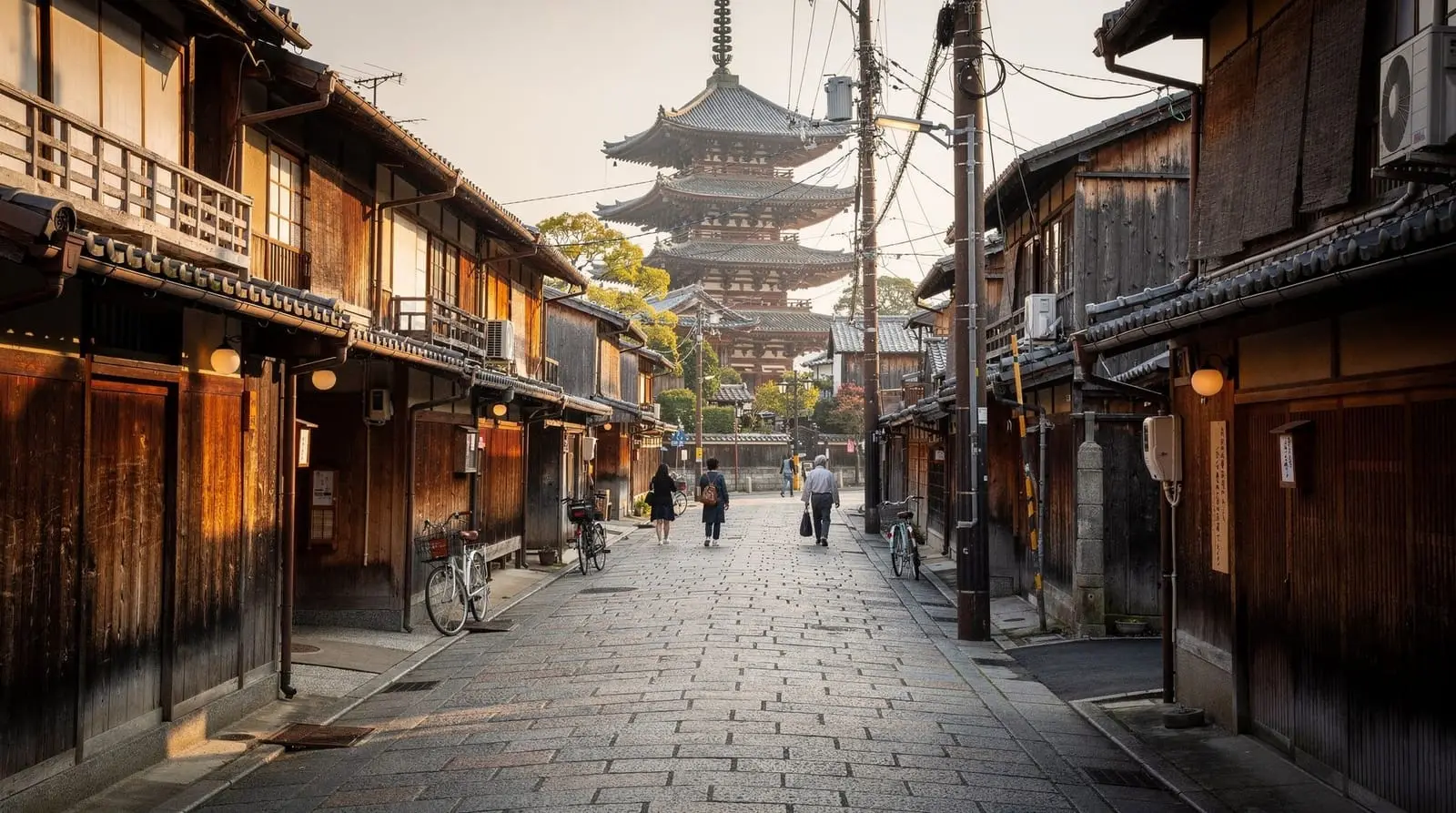
The Higashiyama slopes from Kiyomizu-dera down through Sannenzaka, Ninenzaka, and Yasaka Shrine to Gion cover Kyoto’s most photogenic traditional streetscape entirely on foot and entirely free, aside from whichever individual temple interiors you choose to pay for along the way. Both routes are worth building a full free day around rather than treating as connective tissue between paid stops.
Combination tickets and free-entry days
A handful of Kyoto’s paid sights offer combination tickets that discount multiple entries booked together — worth checking specifically for any temple complex with several sub-halls charging separately, since paying for each individually at full price is usually the most expensive way to visit. Some museums and cultural facilities, particularly city-run rather than temple-run sites, offer free entry on specific days each month or during designated cultural heritage weeks (often in November); checking the specific sight’s website for the current month’s schedule before visiting is worth the few minutes it takes, since this information changes and isn’t always well publicized to international visitors.
Sento: a genuinely local, genuinely cheap experience
Beyond onsen and ryokan baths, Kyoto has a number of neighborhood sento (public bathhouses) that charge a flat, government-regulated rate — typically around ¥490 for adults — for a proper hot soak, a fraction of what a hotel spa or dedicated onsen facility charges. These are a genuinely local experience rather than a tourist attraction, frequented by residents rather than visitors, and offer a real (if unglamorous) window into daily Kyoto life alongside a legitimately relaxing, cheap activity after a full day of walking. The etiquette is the same as any shared bath — wash and rinse fully before entering the communal tub — and tattoo restrictions common at onsen often apply here too, worth checking with the specific venue.
Budget-friendly day trips
Uji, roughly 20 minutes from Kyoto by local train for about ¥560 round trip, offers a full day of temple visits (including the free-to-view exterior of Byodo-in, with a modest fee for the interior and museum), riverside walking, and Kyoto’s best matcha at a fraction of what a similar day trip involving Osaka or Nara’s transport costs adds up to. Fushimi (the sake-brewing district south of central Kyoto, distinct from Fushimi Inari though nearby) is reachable by a short, cheap train ride and offers free-to-walk historic streets and several sake breweries offering low-cost or free tastings, a budget-friendly afternoon that doubles as a genuinely distinctive experience.
Free museums, gardens, and cultural spaces worth knowing about
Beyond the well-known free shrines and walking routes, a handful of specific cultural spaces cost nothing to enter. The Kyoto International Manga Museum’s exterior grounds and the lobby area of several university-affiliated cultural centers around the city are free, even where the main exhibition halls charge.
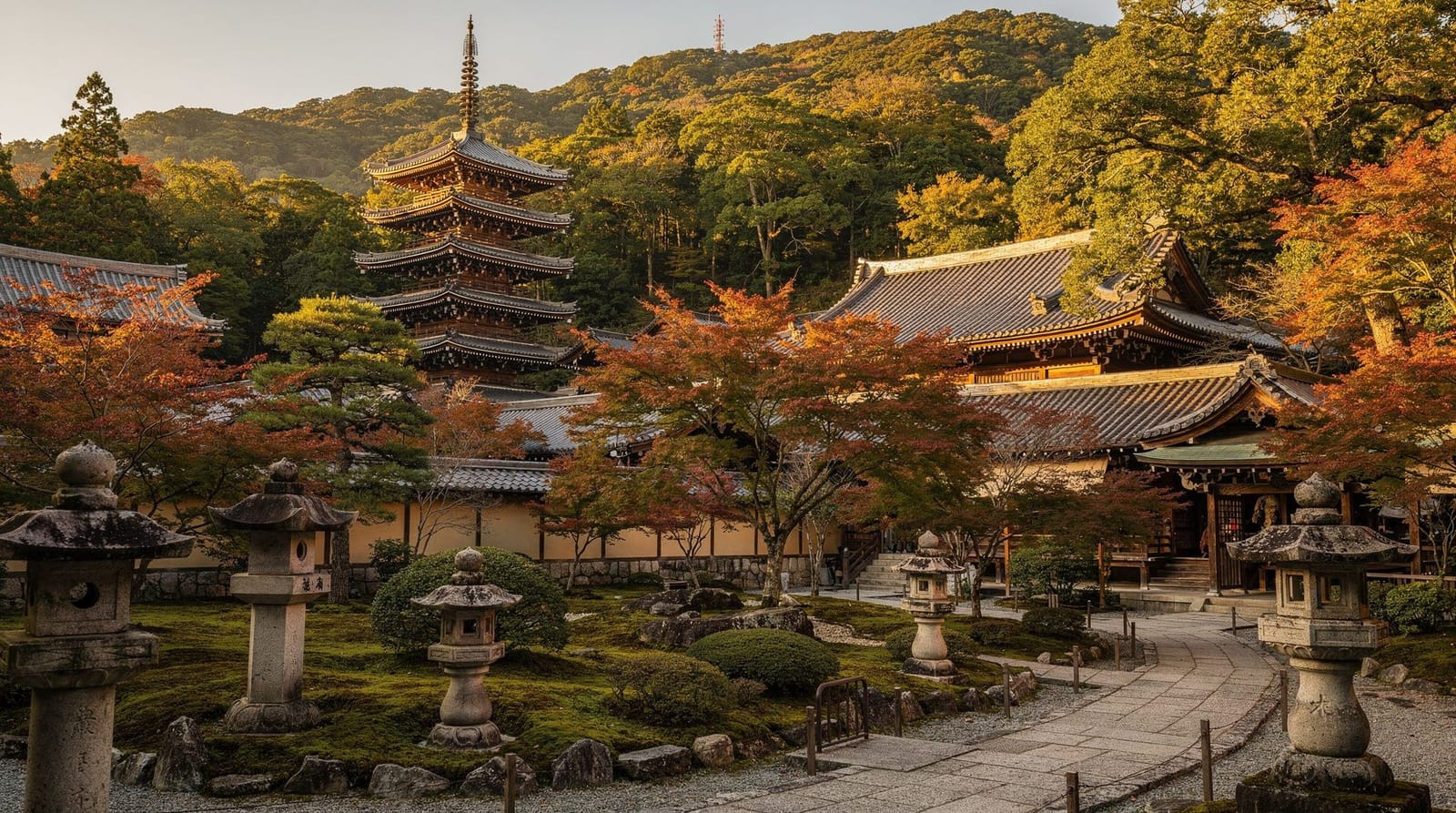
Many temple rock gardens and moss gardens are viewable from a free outer approach even when the inner hall charges — worth checking a specific temple’s fee structure before assuming the whole property requires payment, since Japanese temples commonly separate free grounds access from paid interior or garden-specific admission. The Kyoto Botanical Garden charges a modest fee (around ¥200) that’s low enough to functionally read as a budget option relative to most paid attractions, offering a large, well-maintained green space that rewards a slow afternoon walk.
Timing sightseeing around free or discounted hours
A smaller number of paid sights offer reduced admission during specific hours — early morning or just before closing — though this is inconsistent enough across individual temples that it’s worth checking a specific sight’s current posted hours and pricing rather than assuming a blanket rule. What is consistent: visiting popular paid sights right at opening avoids not just crowds but often shorter queue times that otherwise eat into a day’s schedule, which has its own indirect cost-saving effect by letting you fit more into a single-day transit pass or Icoca card’s worth of travel.
Budget-friendly ways to experience culture without a paid show
A full-price geisha or maiko performance at a venue like Gion Corner runs several thousand yen, but a genuinely free alternative exists for travelers on a tight budget: an evening walk through Gion and Pontocho around dusk, timed to when geiko and maiko are commuting between appointments, offers a real (if unplanned and not guaranteed) chance of a respectful, distant sighting at no cost, alongside simply absorbing the district’s atmosphere — lantern-lit streets, traditional facades, the sound of shamisen occasionally drifting from a teahouse.
This isn’t a substitute for a paid, guaranteed cultural performance, but it’s a legitimate free way to experience part of what draws people to Gion in the first place, provided it’s approached with the same respectful distance covered in the honest Kyoto and etiquette guides.
Small daily habits that add up over a multi-day trip
A few low-effort habits compound meaningfully over a week-long trip even though each saves only a small amount individually. Refilling a water bottle from a hotel or hostel tap (Kyoto’s tap water is safe to drink) instead of buying bottled water each day saves roughly ¥150-200 per bottle avoided, which adds up across a hot summer trip drinking several bottles a day.
Buying a bento or onigiri from a convenience store the night before for the next morning’s breakfast, rather than paying for a hotel breakfast or a sit-down café, is a small but real saving many travelers overlook simply because it doesn’t occur to them until partway through a trip. None of these habits meaningfully change the character of a trip, which is exactly why they’re worth adopting — they save money without asking you to skip anything you’d actually miss.
Traveling in a group to cut costs further
Splitting accommodation costs across a group is the single most effective budget lever beyond anything covered above — a machiya or larger vacation rental (see the machiya stays guide) split three or four ways often brings the per-person nightly rate below even hostel pricing, while adding a kitchen that further reduces the food budget through shared self-catered meals. Group taxi rides, impractical for a solo traveler given the flat-fare bus and train system already being cheap, can become cost-competitive with individual transit tickets when split four ways for a specific point-to-point trip, particularly late at night when trains have stopped running.
What’s worth paying for anyway
A tight budget doesn’t have to mean skipping every paid experience — a single well-chosen splurge, like one kaiseki dinner or one modest ryokan night, adds real value to an otherwise budget trip and is worth planning for specifically rather than avoiding altogether. The honest approach is concentrating spending on one or two deliberate highlights rather than spreading a slightly larger budget thin across every day.
For the full category-by-category cost picture this guide draws from, see the Kyoto travel costs guide, and for daily-tier comparisons including a luxury benchmark, the Kyoto travel budget guide shows what the higher end of spending buys by comparison.
Budget day-tour options worth the money
Not every paid activity works against a tight budget — some genuinely save money compared to figuring out transport and entry independently. A hop-on hop-off bus ticket covers several sights for a flat rate that can beat individual bus fares if the day’s itinerary is spread out, particularly for travelers combining central Kyoto with slightly outlying sights in a single day.
Kyoto hop-on hop-off sightseeing bus ticket — worth comparing against individual bus fares for a spread-out dayFor day trips specifically, pricing a regional pass like the JR West Kansai Mini Pass against buying individual tickets for each planned trip, rather than assuming either option is automatically cheaper, is the only way to know which actually saves money for a given itinerary.
Free and low-cost ways to fill an evening
Evenings don’t have to mean restaurant spending. A walk along the Kamo River, particularly the stretch near downtown Kyoto where locals gather on the riverbank in warmer months, costs nothing and is a genuinely pleasant way to spend an hour after a day of sightseeing. Convenience store beer or a canned highball, consumed riverside rather than at a bar, is a legitimate and common budget alternative to a night out in Pontocho or Kiyamachi, covered in more atmospheric detail in the Kyoto by night guide. A sento visit, already covered above, doubles as both a budget activity and a practical way to unwind after a long day of walking.
Frequently asked questions about Kyoto on a budget — free temples, cheap eats, and real money-saving tactics
Which of Kyoto's major sights are actually free?
What's the cheapest way to eat well in Kyoto?
Is hostel accommodation in Kyoto actually comfortable?
Are city passes worth it for a budget trip to Kyoto?
How do you avoid the extra cost of peak season in Kyoto?
What's one splurge worth keeping even on a tight Kyoto budget?
Top experiences
Bookable activities with verified prices and instant confirmation on GetYourGuide.