Kyoto in winter — snow, quiet temples, illuminations, and New Year
Kyoto: Kinkaku-ji Guided Tour with Entry Ticket
What is winter like in Kyoto?
Winter runs December through February, with cold but rarely frigid days (typically 6-10°C) and a real if unpredictable chance of light snow, most often in January. It's the cheapest, least crowded season of the year outside the New Year holiday itself, when domestic travel spikes for a few days around January 1.
| Temperature range | 6-15°C, rarely below freezing by day |
| Crowds | Thinnest of the year outside New Year |
| Snow chance | Real but unpredictable, most likely in January |
| Signature event | Setsubun bean-throwing, February 3 |
| Cost | Cheapest window of the year alongside summer |
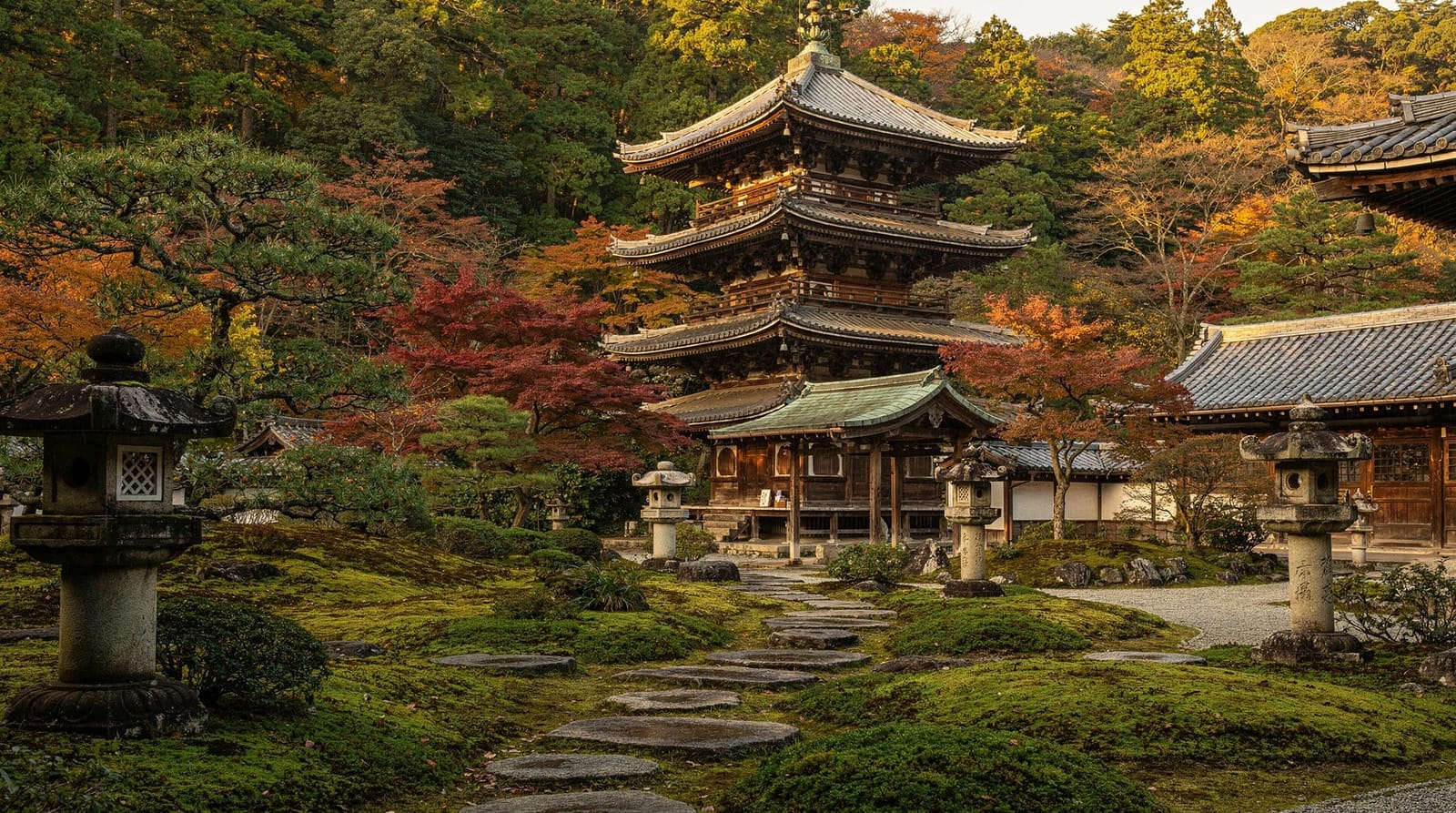
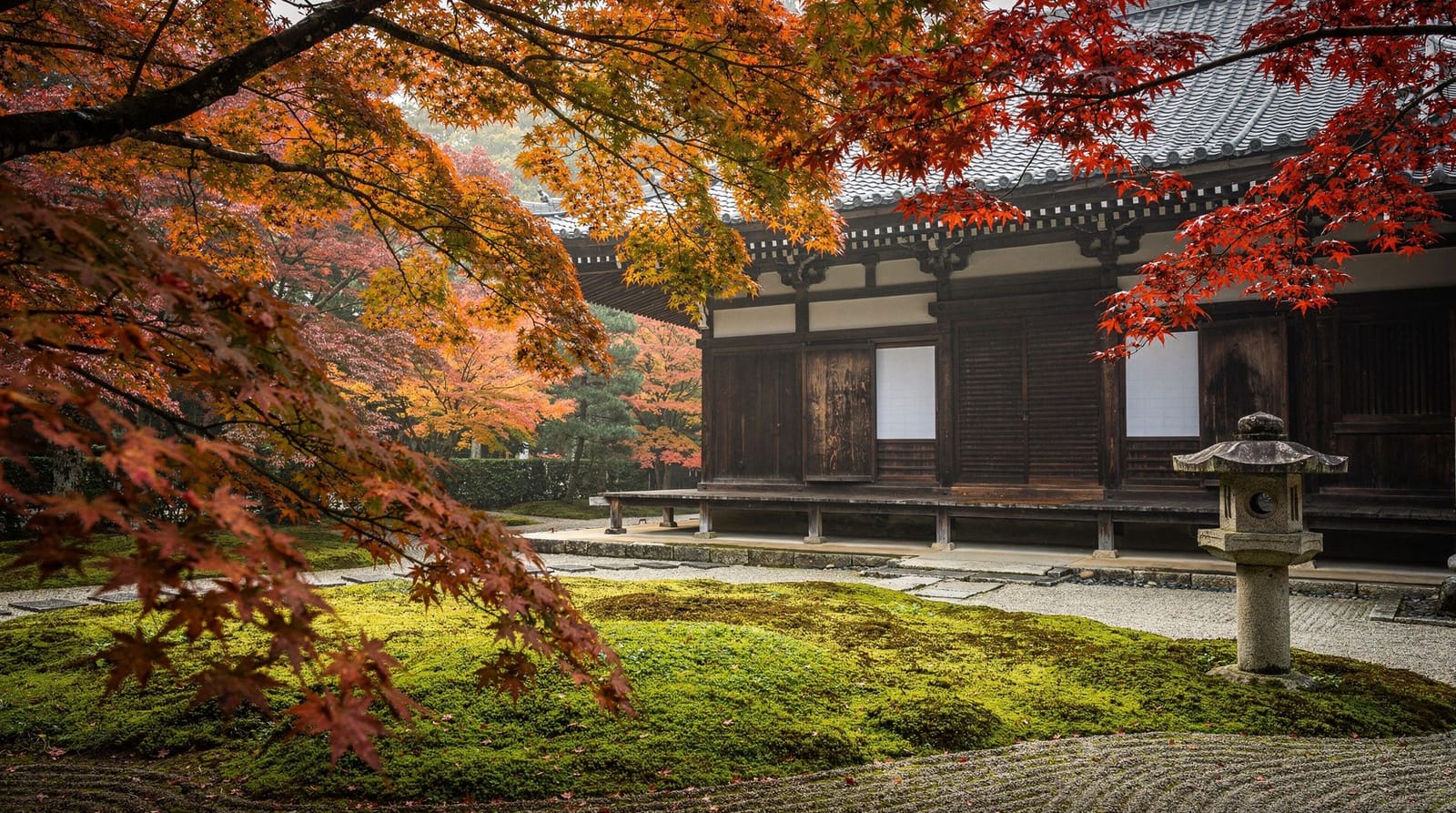
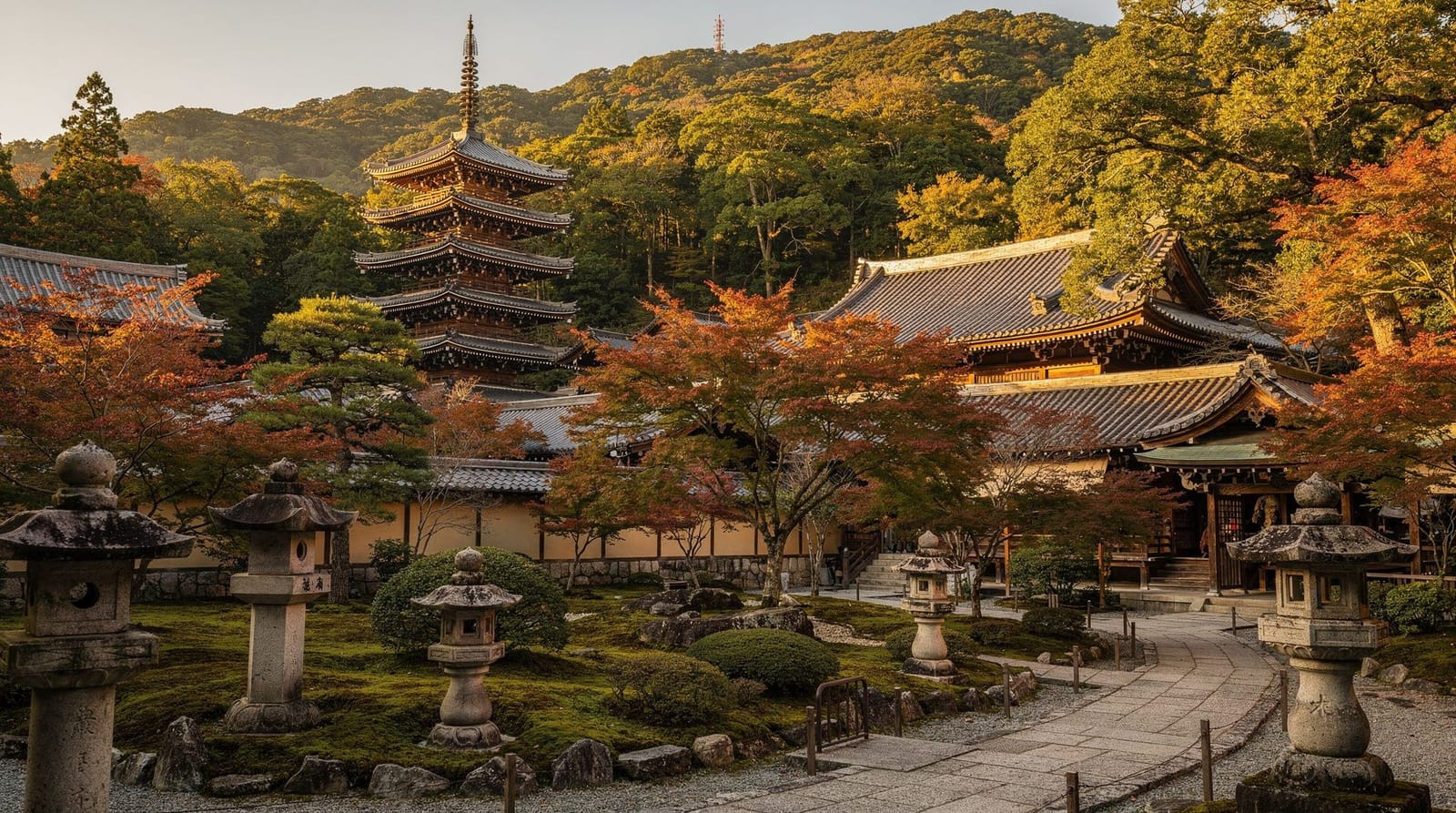
Winter is Kyoto’s quietest, cheapest, and least visited season, and — for travelers who prioritize calm temple visits over seasonal spectacle — arguably one of its most rewarding. This guide covers what December through February actually looks like month by month: cold but rarely severe weather, a genuine if unpredictable chance of snow, and the specific events (New Year, Setsubun, winter illuminations) worth timing a visit around. For the full year in context, see best time to visit Kyoto.
December: momiji’s tail end, then a calm descent into winter
Early December often catches the last of autumn color at higher-elevation or shaded temple gardens, with crowds already thinning noticeably from November’s momiji peak. Temperatures drop steadily through the month, from a mild-for-winter 12-15°C in early December to a cooler 6-10°C by month’s end. Several temples and gardens run winter illumination events through December, a smaller-scale, less crowded counterpart to the spring and autumn illuminations that draw bigger events earlier in the year.
Late December sees a crowd uptick as New Year approaches — many temples and shrines begin preparations for hatsumode (first shrine visit of the year), and the atmosphere shifts from December’s quiet middle stretch toward the specific energy of the year-end period.
New Year (oshogatsu): late December into early January
Oshogatsu, Japanese New Year, is one of the country’s most significant holiday periods, and Kyoto — with its density of major shrines — sees a genuine local crowd spike around it. Hatsumode, the first shrine visit of the year, draws large numbers of local visitors to major shrines from December 31 into the first few days of January, particularly Yasaka Shrine and Fushimi Inari, both of which stay open through the night on New Year’s Eve for this purpose.
Many small shops, some restaurants, and a handful of smaller attractions close for several days around January 1-3, which is worth planning around specifically if a trip lands exactly on those dates — meals may need more advance planning than at other times of year, though hotels and major sights generally remain open and operating.
January: the coldest month, and a real chance of snow
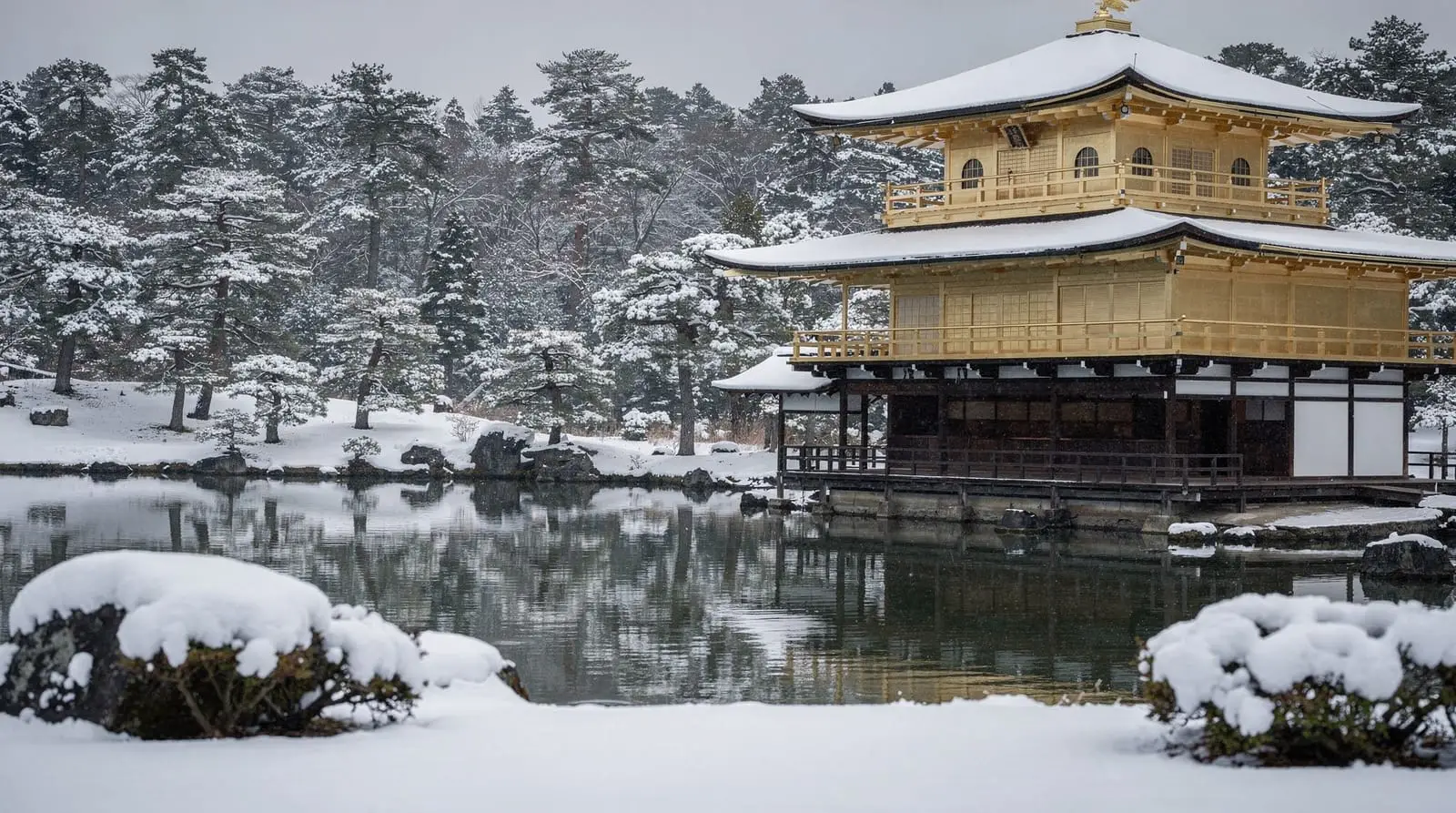
January is Kyoto’s coldest month, with daytime highs typically 6-10°C and mornings that can dip close to freezing, particularly around temple grounds away from the urban center. It’s also the month carrying the best (though still low and unpredictable) chance of snow — Kyoto’s basin setting means it rarely gets heavy snowfall, but a handful of days most winters bring a light dusting that briefly transforms the city’s temple roofs and gardens.
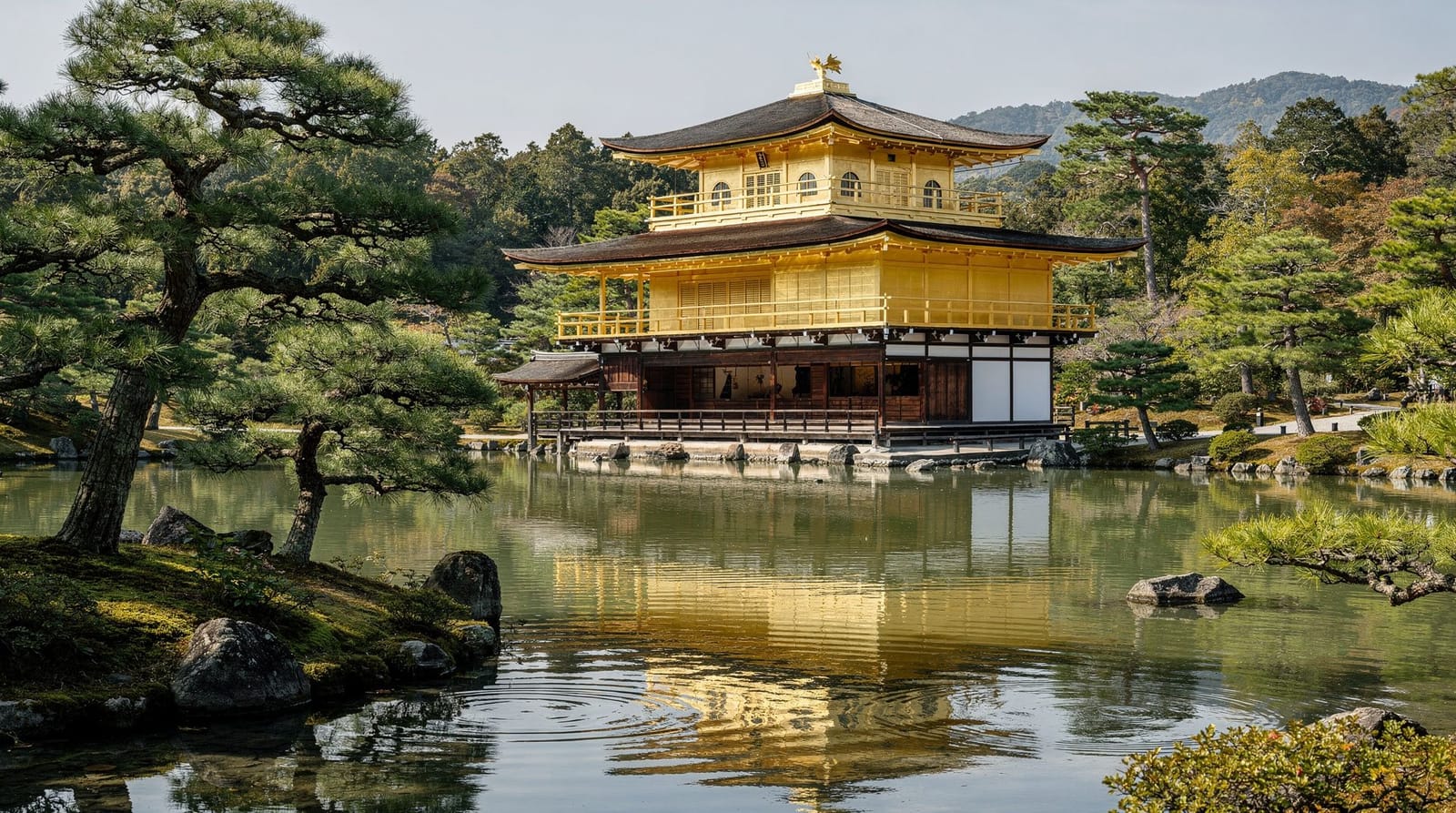
Kinkaku-ji guided tour with entry ticket — the gold pavilion under a rare snowfall is one of the most sought-after sights in the citySnow rarely lasts more than a day, and there’s no way to plan a trip around it with any precision, but a January visit carries a real, if unpredictable, chance of catching it. Crowds during January (once the first week’s New Year spike passes) are among the thinnest of the entire year at every major sight, including Fushimi Inari and Kiyomizu-dera.
February: the quietest month, plum blossoms, and Setsubun
February continues January’s cold, quiet pattern, with daytime highs similarly in the 6-10°C range, and remains one of the cheapest, least crowded months to visit. Setsubun, a bean-throwing festival marking the lunar-calendar transition to spring, falls on February 3 and draws crowds to several major temples and shrines — Yasaka Shrine and Rozan-ji among the best known — for ceremonies involving throwing roasted soybeans to ward off bad luck, a fun, distinctly local event worth timing a visit around if the date fits a February trip.
Ryoan-ji Zen garden guided tour — the famous rock garden is particularly contemplative during winter’s quiet crowdsPlum blossoms (ume) begin blooming in late February at several temple gardens, most notably Kitano Tenmangu, offering a quiet, uncrowded preview of spring’s flowering season without any of April’s sakura crowds. By the very end of February, the first hints of the coming spring season start to show, though the shift into genuinely mild weather doesn’t arrive until March.
How thin the crowds actually get
Winter’s crowd advantage is real and measurable, not just a general “off-season” claim — Fushimi Inari, Kiyomizu-dera, and most major temples see noticeably thinner crowds in January and February than at any other point in the year, including the comparatively quiet stretch of June or September. For travelers who’ve found spring or autumn’s peak crowds genuinely off-putting on a previous trip, winter offers a version of the same major sights with a fundamentally different, calmer pace.
Early morning Fushimi Inari tour — beats even winter’s already-thin crowds for a genuinely quiet visitWhat winter costs, and where the savings are
Hotel rates in January and February (outside the short New Year spike) run well below the citywide average, often the cheapest window of the entire year alongside parts of summer. Combined with thinner crowds at every paid attraction, winter is a genuinely strong value season for budget-conscious travelers willing to trade seasonal spectacle for savings and calm. See the Kyoto travel budget guide for how this compares directly against spring and autumn peak pricing.
Packing and practical adaptations for winter
A proper coat, rather than relying on layers alone, is worth packing specifically for Kyoto winter — wind off the surrounding hills makes the city feel colder than the daytime high suggests, even though temperatures rarely drop below freezing during actual daylight hours. Early-morning temple visits, when the thinnest crowds coincide with the coldest part of the day, call for genuinely warm layers rather than a light jacket.
Indoor spaces (restaurants, museums, some temple interiors) are reliably heated, making a winter day easier to structure around warm breaks than a summer day is around cool ones. See the Kyoto etiquette guide for general temple visit customs that apply year-round but matter especially at winter’s quieter, more contemplative sights.
Winter day trips and the northern hills
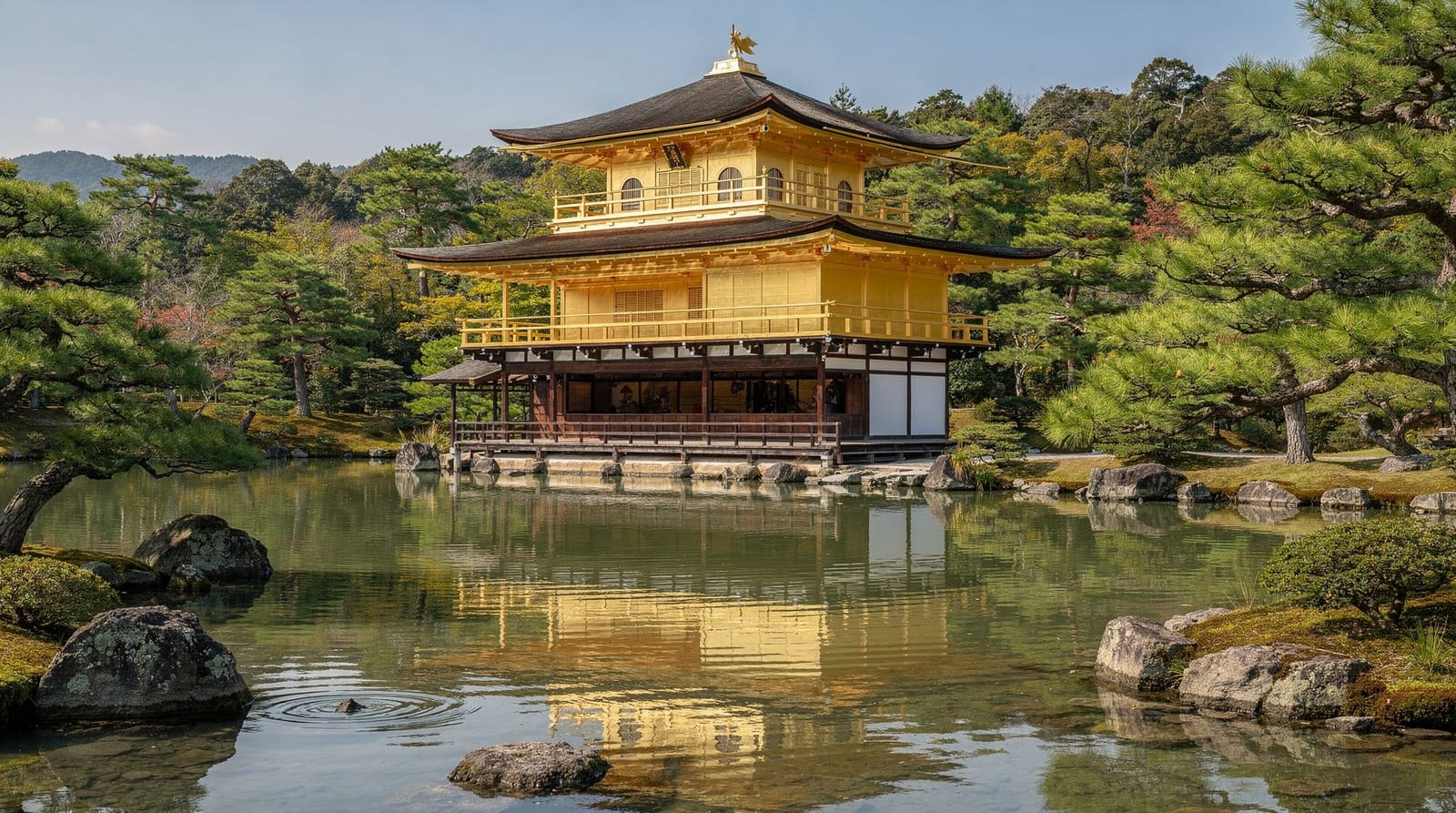
Kinkaku-ji and the northern Kitayama district are worth prioritizing specifically in winter, since the gold pavilion’s reflection and the district’s Zen gardens both benefit from the clear, low winter light and thin crowds more than most other parts of the city. See the Kinkakuji-Kitayama destination guide for a fuller neighborhood breakdown, and avoiding crowds in Kyoto for how winter’s baseline calm compounds with early-morning timing for the quietest possible visit to any major sight.
Winter food and seasonal specialties
Winter brings Kyoto’s coziest, most warming seasonal food identity. Yudofu, simmered tofu served in a simple kombu broth with dipping sauces, is a genuine Kyoto specialty with deep roots in the city’s temple cuisine tradition, particularly around the Arashiyama and Nanzen-ji temple areas, where several restaurants specialize in little else. Nabe (hot pot), in its many regional variations, is a common winter meal citywide, built around communal, slow-cooked sharing that suits winter’s colder evenings.
Kani (crab), particularly from the nearby Sea of Japan coast, comes into season through winter and appears on kaiseki menus and at specialty crab restaurants. Amazake, a warm, low-alcohol or non-alcoholic sweet rice drink, is sold at shrines and temples during the New Year period specifically, a genuinely traditional winter warming drink worth trying alongside a hatsumode shrine visit.
Winter illuminations in more detail
Beyond the general winter illumination events mentioned by month, several specific displays are worth knowing by name for trip planning. Arashiyama’s Hanatouro, typically held in December, lights the bamboo grove and surrounding temple grounds with lanterns in the evening, creating one of the most atmospheric night walks available in the city during the colder months.
Higashiyama’s own Hanatouro, usually in March just before spring’s start, bookends the winter season with a similar lantern-lit evening walk through the Higashiyama temple district. These events are generally smaller in scale and crowd than the spring sakura or autumn momiji illuminations, making them a comparatively easy, low-stress evening activity to add to a winter itinerary.
Sample winter itinerary structure
A winter trip benefits from leaning into the season’s specific strengths rather than trying to replicate a spring or autumn itinerary in colder weather. A New Year-adjacent trip might open with a hatsumode visit to Fushimi Inari or Yasaka Shrine, timed for the first few days of January when the local energy is at its most distinctive, before shifting into a slower-paced week covering the major temples with none of their usual crowds. A late-January or February trip suits a genuinely relaxed pace — fewer sights per day than a spring or autumn itinerary would need, since winter’s thin crowds mean less time lost to queuing or navigating dense foot traffic at any single stop, freeing up time for longer, unhurried visits to fewer places.
Comparing winter to Kyoto’s other seasons
Winter and summer, covered in Kyoto in summer, are Kyoto’s two off-peak seasons, but they suit different travelers — winter rewards temple-focused, contemplative sightseeing with genuinely comfortable (if cold) walking conditions, while summer’s heat makes similar contemplative pacing considerably harder to sustain across a full day. Compared to spring and autumn’s headline seasons, covered in Kyoto in spring and Kyoto in autumn, winter trades visual spectacle entirely for calm, cost savings, and a small, genuine chance of snow that neither of the other seasons can offer at all.
Booking timelines for a winter trip
Winter carries the most relaxed booking timeline of any Kyoto season, with the single exception of the New Year period itself. Accommodation for January and February trips can generally be booked a few weeks to a couple of months ahead without major availability concerns, a genuine contrast to the four-to-six-month lead time sakura or peak momiji season demands. Trips landing on or immediately around December 31-January 3 are the exception — hatsumode’s domestic travel spike means hotels near major shrines, and transport more broadly, should be booked with considerably more lead time, closer to two to three months ahead, than a typical winter date requires.
Health and comfort considerations for winter travel
Kyoto’s winter cold, while rarely severe by international standards, has specific practical implications worth planning around. Many older buildings, including some traditional restaurants and smaller shops, rely on localized heating (kotatsu, space heaters) rather than central heating, meaning indoor spaces can be less uniformly warm than visitors from centrally-heated climates might expect — dressing in layers that work both outdoors and in imperfectly-heated indoor spaces is more practical than assuming indoor spaces will always be warm.
Temple grounds, largely outdoors and often involving stone paths, can develop icy patches on the rare occasions frost or light snow falls, worth watching for underfoot particularly at shaded, north-facing sections of a temple’s grounds.
A realistic three-day winter itinerary
A winter trip suits a slower, more deliberate pace than spring or autumn’s crowd-driven urgency demands. Day one might open with a relaxed, mid-morning (rather than dawn) visit to Fushimi Inari, taking advantage of winter’s already-thin crowds without needing the extreme early start other seasons require, followed by an afternoon in the Higashiyama temple cluster.
Day two suits Kinkaku-ji and the northern Kitayama district, ideally chosen on a day with any chance of snow in the forecast, followed by Ryoan-ji’s contemplative rock garden in the calm winter atmosphere. Day three works well for a day trip to Nara or Uji, both of which see similarly thin winter crowds, or, if timed for early February, building a half-day around Setsubun’s bean-throwing ceremonies at Yasaka Shrine or Rozan-ji.
Winter for photographers specifically
Winter’s clear air and low-angle sun produce some of the year’s sharpest, most contrast-rich light for photography, a genuine advantage over summer’s hazy midday conditions or the softer light of spring and autumn. Kinkaku-ji’s gold pavilion, reflecting in its pond under a clear winter sky, photographs with a crispness that’s harder to achieve in the more humid air of other seasons, and the rare snow day — while impossible to plan around precisely — remains one of the most sought-after and least commonly achieved shots among Kyoto photographers specifically because of how infrequently it happens.
Transport across winter
Kyoto’s buses and trains run at their most reliable and least crowded during winter, outside the specific New Year spike around hatsumode, when routes serving major shrines like Fushimi Inari and Yasaka can see a temporary but genuine crowd surge concentrated in the first few days of January. An Icoca IC card remains the simplest way to handle transit, and unlike peak sakura or momiji season, winter rarely requires switching from bus to train to avoid delays, since the underlying crowd pressure driving those delays in other seasons is largely absent. Occasional snow, on the rare days it falls, can cause brief delays on some routes, worth building a small buffer into any tightly-timed winter itinerary during January specifically.
Winter shopping and seasonal goods
Winter brings New Year-specific shopping traditions worth knowing about even for visitors not marking the holiday personally. Omamori (protective charms) sold at shrines see a specific New Year rush, as visitors traditionally purchase a new charm for the coming year during their hatsumode visit, returning the previous year’s charm for ritual disposal. Nengajo (New Year’s postcards) and related seasonal stationery appear in shops through December, a distinctly Japanese seasonal tradition worth noting even if not participating directly.
Kyoto’s traditional crafts shops, covered in the Kyoto traditional crafts guide, tend to be at their least crowded during January and February, making winter a genuinely good season for an unhurried browse through ceramics, textiles, or lacquerware studios without the crowd pressure of peak tourist months.
Winter for families and less mobile travelers
Winter’s thin crowds make it one of the easier seasons for families and travelers needing more space or slower pacing, avoiding the dense foot traffic of peak sakura or momiji season entirely. The cold itself is the main trade-off — proper layering handles most of it, but very young children or travelers with limited cold tolerance may find extended outdoor temple visits during January’s coldest mornings genuinely uncomfortable without careful planning around indoor breaks.
Structuring a winter family itinerary with shorter outdoor stretches and more frequent indoor stops than a spring or autumn trip would need is a reasonable adaptation, taking advantage of winter’s relaxed pace rather than fighting against the cold with an overly ambitious schedule.
Winter day trips worth prioritizing
Nara’s deer park and Todai-ji, largely outdoor but manageable in winter’s cold with proper layering, see some of their thinnest crowds of the year during January and February, making winter a genuinely strong window for a day trip there specifically. Uji’s tea houses and indoor matcha experiences suit winter’s cold better than its more outdoor-focused summer offerings, since much of the experience shifts naturally indoors during the colder months. Himeji Castle, largely an outdoor and open-corridor structure, is less naturally suited to winter’s cold compared to its spring and autumn appeal, though its own crowd levels drop considerably during the season for travelers prioritizing a quiet visit over ideal comfort.
Winter for first-time versus repeat visitors
A first-time visitor chasing Kyoto’s headline seasonal images — sakura pink or momiji red — won’t find them in winter, and should weigh that honestly before committing to a December-February trip as a first visit. A repeat visitor, or a first-timer who genuinely prioritizes calm and value over seasonal spectacle, gets a version of Kyoto’s major sights that spring and autumn simply can’t offer: near-empty approach paths at Fushimi Inari and Kiyomizu-dera, and a real if unpredictable shot at snow on Kinkaku-ji’s gold pavilion. See Kyoto for first-time visitors for how a winter trip compares to the more crowded headline seasons.
Nishiki Market and depachika food tour — a warm, indoor-adjacent way to spend part of a cold winter dayFrequently asked questions about Kyoto in winter — snow, quiet temples, illuminations, and New Year
Does it snow in Kyoto, and when?
Is Kyoto worth visiting in winter?
What is oshogatsu and does it affect a Kyoto visit?
What is Setsubun and when is it?
Are there winter illuminations in Kyoto?
What should I pack for winter in Kyoto?
Is January or February better for visiting Kyoto?
Top experiences
Bookable activities with verified prices and instant confirmation on GetYourGuide.