Kyoto in autumn — month-by-month weather, festivals, and momiji
Kyoto: Nanzenji Zen Walk Through Gardens and Historic Sanmon
What is autumn like in Kyoto?
Autumn runs September through November, opening with lingering summer heat and typhoon risk in September, settling into some of the year's most comfortable weather (20-26°C) by late September through October, then building to peak momiji foliage and its crowds in November.
| Best value window | Late September-mid October |
| Peak momiji | Last two-three weeks of November |
| Temperature range | 8-26°C across the season |
| Book ahead | 4-6 months for late November |
| Signature festival | Jidai Matsuri, October 22 |
Autumn in Kyoto spans a wider range than its headline reputation for momiji foliage suggests — September still carries summer’s residual heat, October offers arguably the year’s best all-around weather, and only November delivers the crowded, dramatic foliage season most travelers picture. This guide works through the season month by month, covering weather, festivals, and crowd levels, so a trip can target the specific week that matches actual priorities rather than defaulting to the busiest one. For a deep dive on momiji timing and spots specifically, see the autumn foliage guide; for the full year, see best time to visit Kyoto.
September: summer’s tail end, and typhoon risk
Early September carries real summer heat and humidity, often still reaching 30°C or above, alongside genuine typhoon risk for the wider Kansai region running roughly August through October. This combination makes early September one of the less comfortable windows in Kyoto’s calendar, closer in feel to late summer than to autumn proper.
The back half of September, particularly after the 20th, sees a genuine shift — temperatures begin dropping toward the comfortable low-to-mid 20s°C, humidity eases, and the first hints of autumn color start appearing at higher elevations. Crowds remain moderate throughout the month, well below either summer’s Obon spike or November’s momiji peak, making late September a reasonable, underrated window for travelers prioritizing comfort and value over dramatic foliage.
October: arguably the best all-around month
October is widely regarded as Kyoto’s most comfortable, best-balanced month — daytime temperatures settle into a genuinely pleasant 18-24°C, typhoon risk tapers off as the month progresses, and crowds stay moderate right up until the very final days when early momiji-chasers begin arriving. Temple gardens transition gradually through the month, with early hints of color appearing at higher elevations and shaded spots by late October.
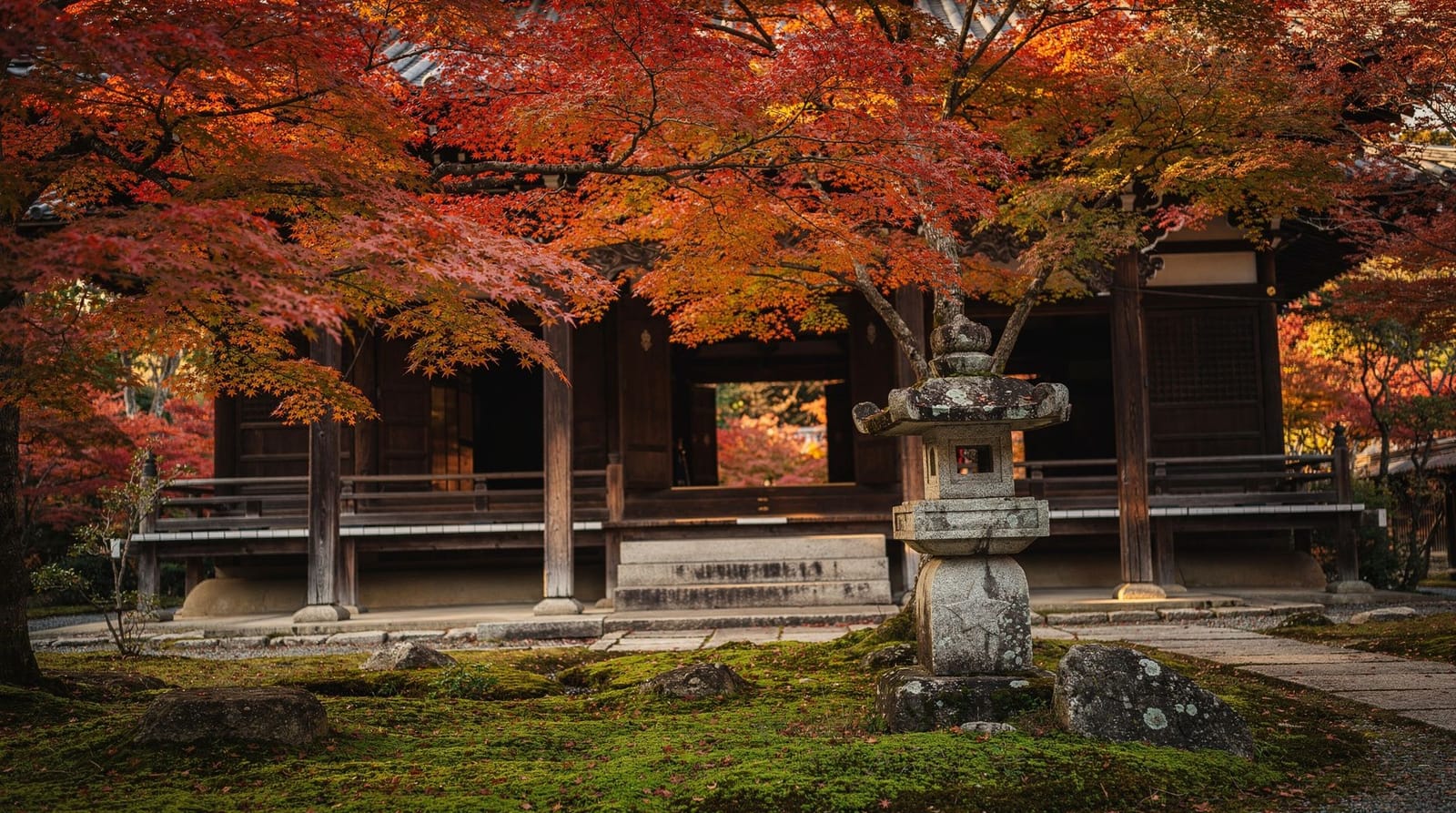
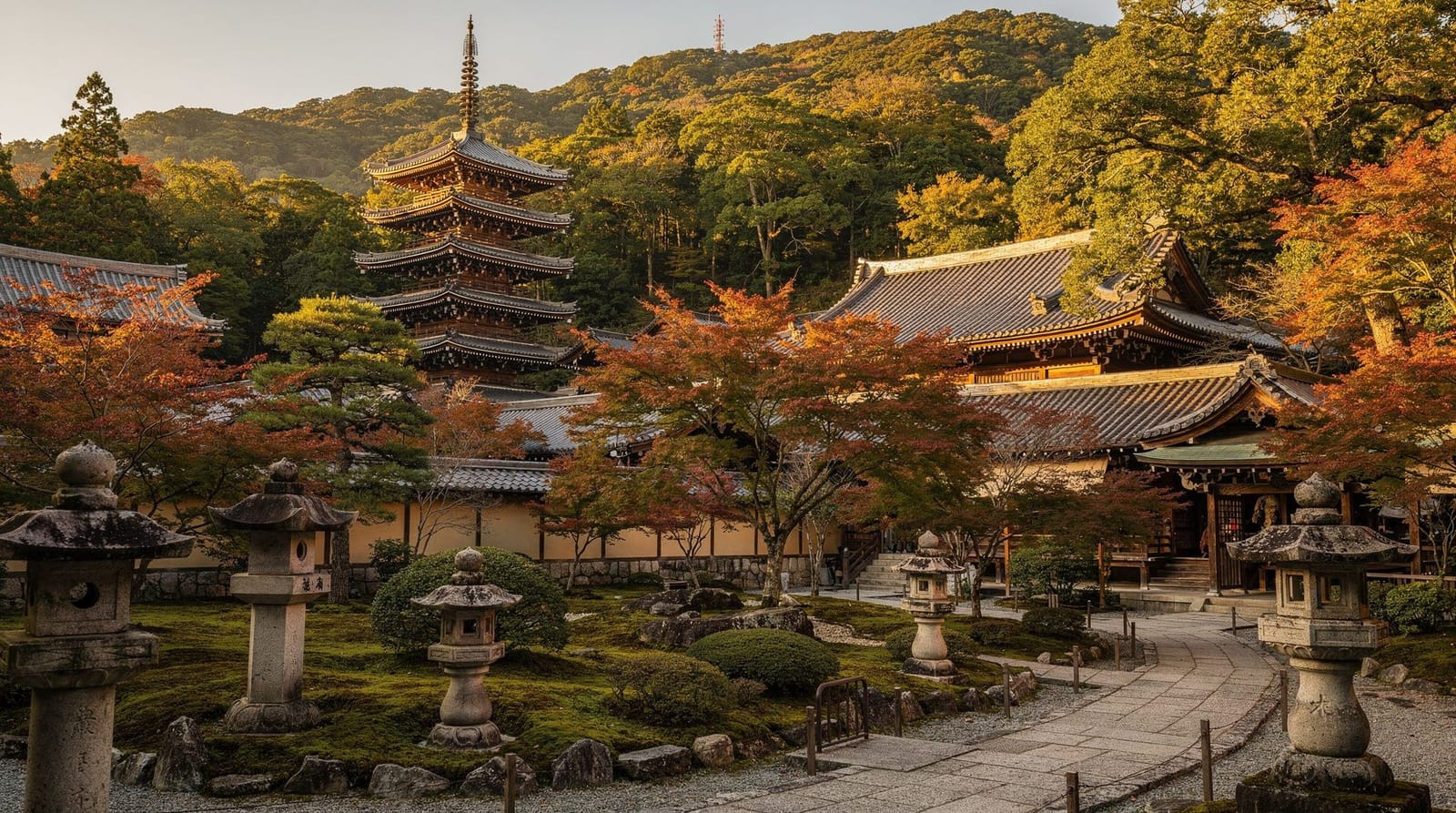
Nanzenji Zen walk through gardens and the historic Sanmon gate — comfortable in October’s mild weatherJidai Matsuri, one of Kyoto’s three major annual festivals alongside Aoi Matsuri and Gion Matsuri, falls on October 22 — a free, publicly viewable procession of participants in historical costume spanning over a thousand years of Kyoto fashion, marching from the Imperial Palace to Heian Shrine. It’s a genuinely distinctive event worth timing a trip around if dates align, without requiring major itinerary restructuring, since the route and viewing are straightforward to fit around a normal sightseeing day.
Early November: color builds, crowds start rising
The first two weeks of November see autumn color developing steadily, starting at higher elevations and in shaded spots (parts of Ohara, Kurama, and higher-elevation temple gardens) before spreading to the lower-elevation, more central temples over the course of the month. Crowds during this stretch sit above October’s moderate levels but below the full peak that arrives in the back half of the month, making early-to-mid November a reasonable middle-ground window for travelers wanting a taste of momiji without the absolute peak-week crowds.
Late November: momiji peak, and crowds to match
The last two to three weeks of November, sometimes stretching into the first few days of December, bring Kyoto’s peak autumn foliage — and, closely mirroring cherry blossom season, its second-heaviest crowd and cost spike of the year. Hotel rates commonly run well above baseline, and popular momiji spots including Tofuku-ji, Eikan-do, and Arashiyama get genuinely packed on peak weekends.
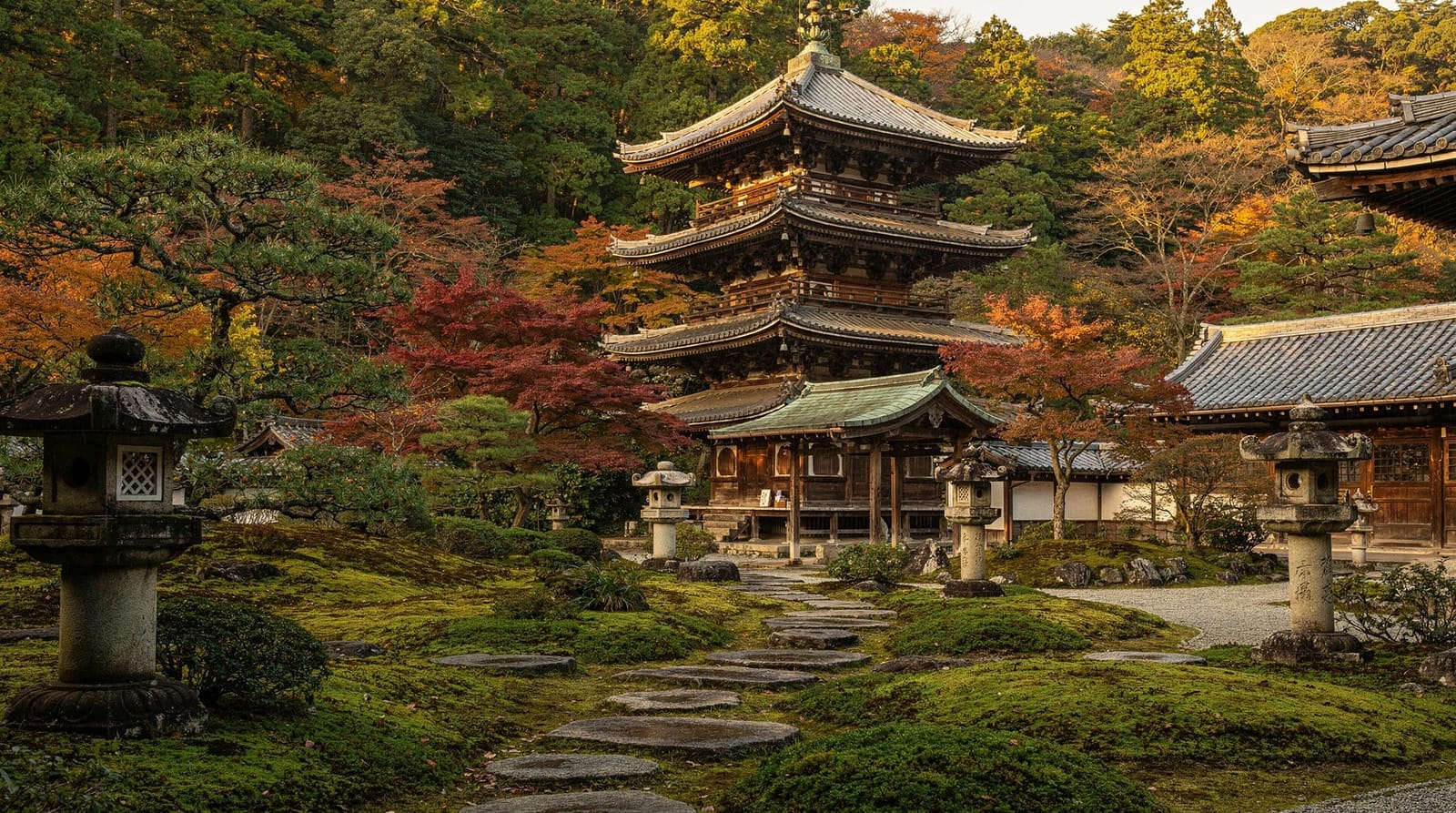
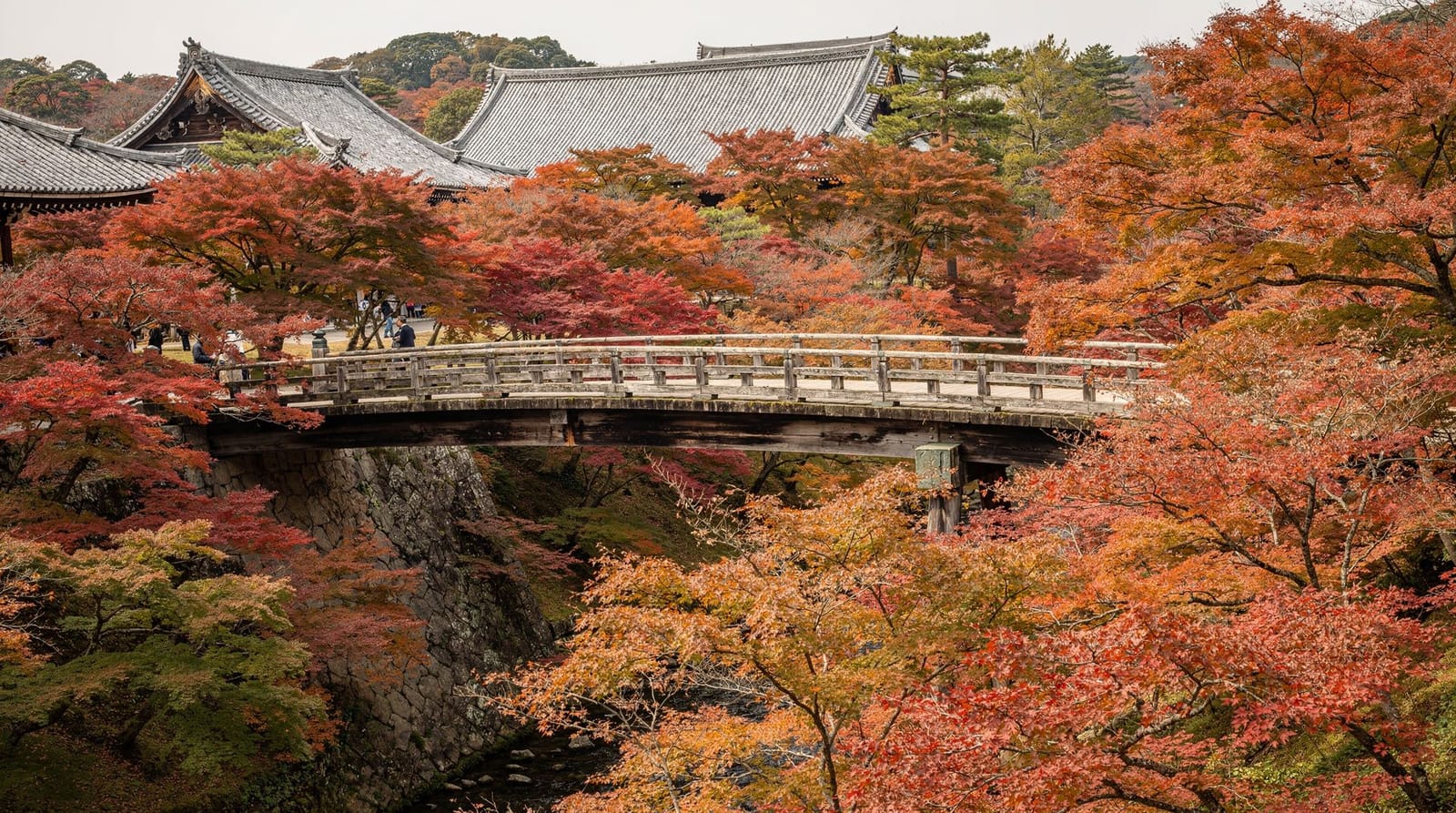
Tofuku-ji and Komyo-in guided walking tour, timed for peak momijiSee the dedicated autumn foliage guide for a full spot-by-spot breakdown of where to see momiji and how to manage the crowds this window brings — it’s a large enough topic to deserve its own coverage beyond this month-by-month overview.
Weather variability and what to pack
Autumn’s temperature swing between morning and afternoon can reach 8-10°C, even on a day that feels comfortable overall, making layers more useful than a single heavy or light garment across the whole season. September calls for light layers and a compact umbrella given typhoon-season rain risk; by November, a proper jacket for morning temple visits (which can dip to 8-10°C) is worth packing alongside lighter layers for warmer afternoons.
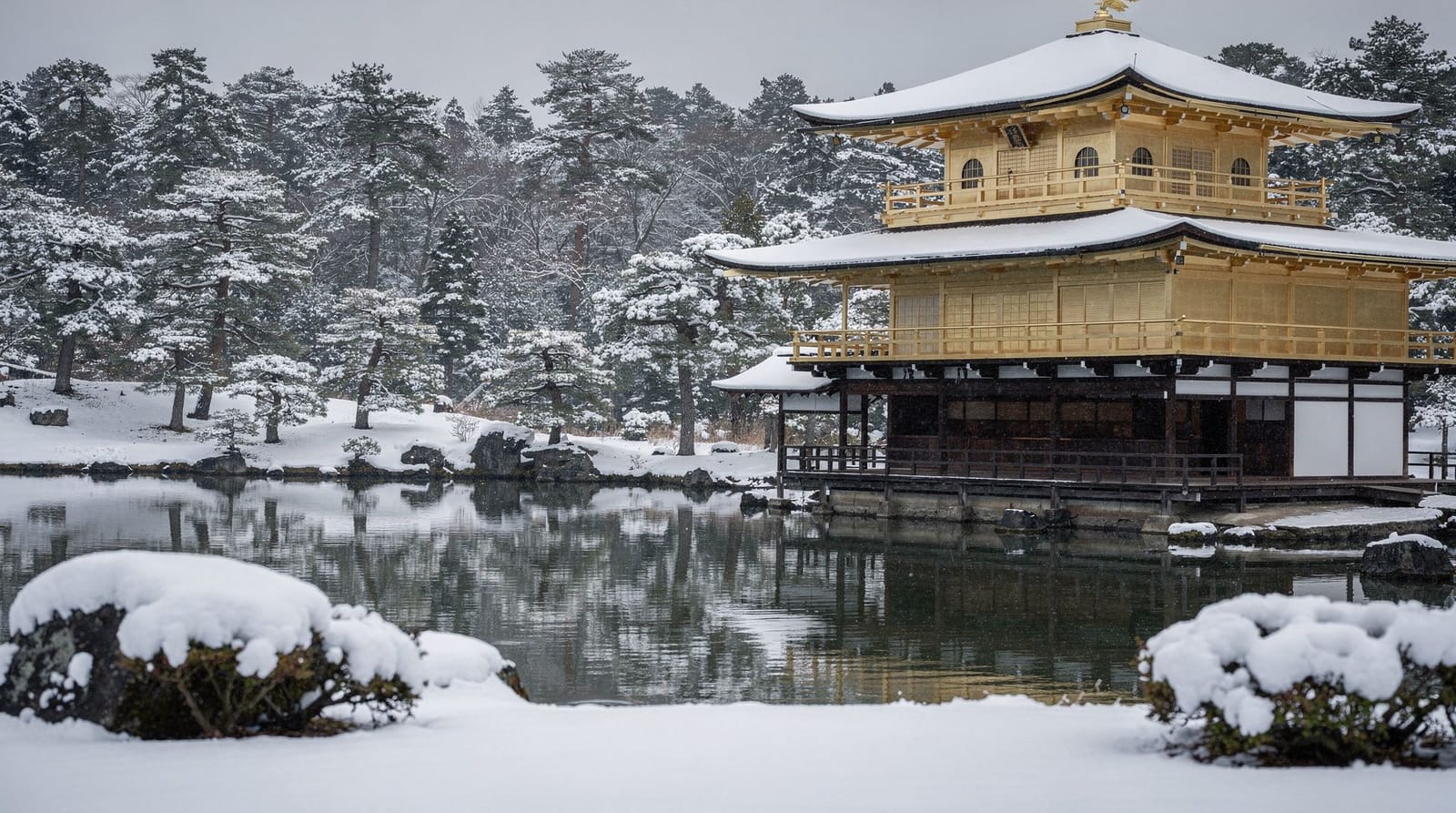
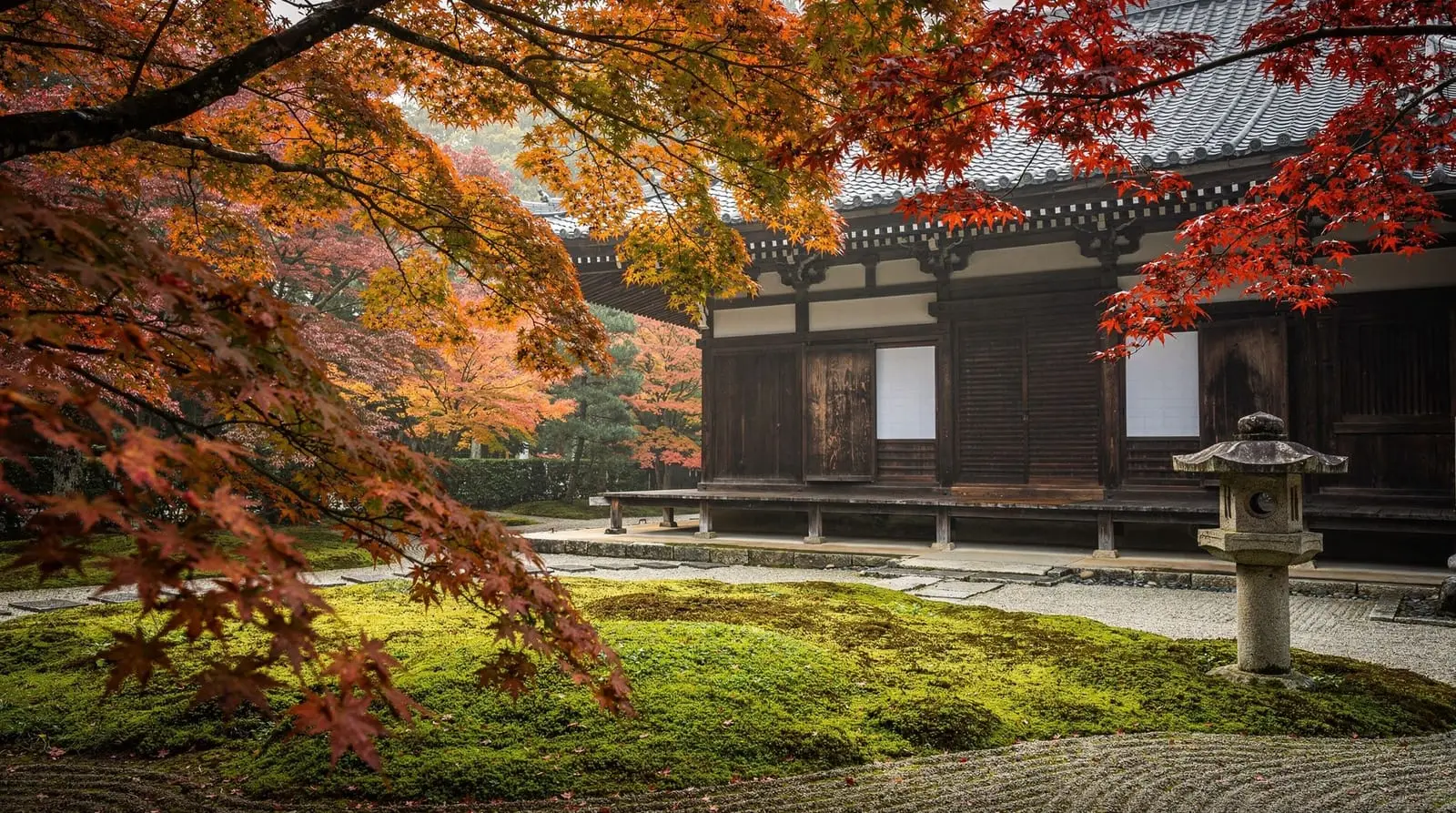
Kinkaku-ji Golden Pavilion private tour — the golden reflection pairs well with autumn’s clear skiesComparing autumn’s three months for trip planning
For travelers weighing which autumn month to target, the trade-off is fairly clean: September carries residual heat and typhoon risk for the reward of thin crowds and low cost; October offers close to ideal weather and moderate crowds without dramatic foliage; November delivers the season’s visual peak at a real crowd and cost premium. A trip built purely around comfort and value leans October; one built around seeing Kyoto at its most photogenic accepts November’s trade-offs consciously. See avoiding crowds in Kyoto for tactics that reduce crowd exposure within any of these windows, particularly during the November peak.
Autumn day trips
Nara’s Todai-ji grounds and Himeji Castle both color well during the same window and pair naturally with a Kyoto-based autumn trip. See the Nara destination guide and Himeji destination guide for transport details, and how many days in Kyoto for general pacing across a multi-day autumn itinerary.
Autumn festivals beyond Jidai Matsuri
Beyond Jidai Matsuri’s October 22 procession, several temples run smaller autumn-specific ceremonies and seasonal openings of normally-closed gardens or halls timed to the foliage season, particularly in the final two weeks of November. These vary year to year and aren’t always announced far in advance, so checking individual temple websites or the Kyoto UNESCO sites guide closer to a November trip date is worth the effort for anyone wanting to catch a specific seasonal opening rather than just the standard year-round sights.
Autumn food and seasonal specialties
Autumn brings one of Kyoto’s strongest seasonal food identities, worth building into a trip regardless of which month is chosen. Matsutake mushroom, an expensive, short-season delicacy, appears on kaiseki menus through October and November, typically served simply — grilled or in a clear dashi broth — to showcase its aroma rather than mask it with heavy seasoning.
Kuri (chestnut) shows up in kuri gohan (chestnut rice) and in seasonal wagashi through the season, and sanma (Pacific saury), a grilled autumn fish, appears on izakaya menus as a genuine seasonal marker distinct from the fish served the rest of the year. Persimmons, both fresh and dried (hoshigaki), are widely sold and visibly drying on strings in rural areas like Ohara through October and November, a small but real piece of the season’s visual and culinary identity.
Clothing by month across autumn
September calls for light, breathable clothing similar to summer, with a rain jacket worth carrying given typhoon-season risk. October is the season’s easiest month for packing — a light-to-mid-weight jacket handles most days, with layers underneath for the wider morning-to-afternoon temperature swing that starts appearing as the month progresses. November requires a genuine jacket, particularly for early-morning temple visits, which can dip to 8-10°C even as afternoons remain comfortable in the high teens Celsius — the same layering logic that applies to spring applies here, in reverse seasonal direction.
Sample autumn itinerary structure
A trip built around late September through October might open with central and eastern Kyoto sightseeing, taking advantage of the comfortable weather and moderate crowds for a relaxed pace through Higashiyama and downtown, before adding a day trip to Nara or Uji, both of which suit October’s mild temperatures well. A trip targeting the November momiji peak instead benefits from front-loading Tofuku-ji and other early-opening momiji spots into the first two or three days, before crowds build toward the very end of the month, then closing with less momiji-dependent sightseeing (shopping, museums, Nijo Castle) during the peak weekend crush rather than fighting the largest crowds at the most photographed spots.
Comparing autumn to Kyoto’s other seasons
Autumn’s momiji peak parallels spring’s sakura peak closely in both visual drama and crowd cost, discussed further in Kyoto in spring — the two seasons are Kyoto’s closest rivals for “most beautiful week of the year,” and the choice between them is largely personal preference.
Compared to Kyoto in summer, autumn offers dramatically more comfortable walking weather through October specifically, at the cost of higher prices and crowds once November’s peak arrives. Compared to Kyoto in winter, autumn’s October window offers a similar level of crowd calm with meaningfully warmer, more comfortable temperatures, making it a strong candidate for travelers who want winter’s ease without winter’s cold.
Booking timelines across autumn’s three months
Booking urgency changes considerably across the season. September trips can generally be booked a few weeks to a couple of months out without major availability issues, similar to summer’s relaxed timeline, though it’s worth checking typhoon forecasts closer to departure. October, given its status as one of the year’s most comfortable months, benefits from booking two to three months ahead, particularly for the back half of the month as momiji anticipation starts building demand.
The last two weeks of November require sakura-level lead time — four to six months ahead for accommodation, particularly anything within walking distance of Tofuku-ji, Arashiyama, or the Higashiyama cluster — given the crowd and cost premium that peak momiji season carries.
A realistic three-day autumn itinerary
For a trip targeting the comfortable October window, a reasonable structure opens with central and eastern Kyoto — downtown, Higashiyama, Kiyomizu-dera — taking advantage of the mild weather for a relaxed walking pace, continues with a day trip to Nara for Todai-ji and the deer park, and closes with western Kyoto (Arashiyama, Kinkaku-ji) before departure. For a trip targeting peak November momiji, front-loading Tofuku-ji into the first morning (before crowds build across the trip), continuing with Eikan-do and a Higashiyama walk on day two, and closing with Arashiyama and, if a third day allows, Ohara for its quieter counterpoint, spreads the season’s most crowd-intensive sights across the earliest, freshest days of the trip.
Autumn for travelers combining Kyoto with a wider Japan trip
Autumn color moves south and downward in elevation through the season, meaning a trip combining Tokyo and Kyoto can realistically follow the color south — Tokyo’s parks typically peak slightly later than Kyoto’s temples given differences in tree species and urban heat, so a Tokyo-first, Kyoto-second itinerary in November has a reasonable chance of catching good color in both cities rather than needing to choose one.
The same elevation logic applies within a single Kyoto-based trip: starting with lower-elevation Tofuku-ji early in a visit and moving toward higher-elevation Ohara or Kurama later extends the practical color-viewing window across a multi-day stay, similar to the elevation-based strategy covered for pure momiji trips in the autumn foliage guide.
Transport considerations across autumn
Kyoto’s transit network handles September and October’s moderate crowds without much strain, but November’s peak momiji weekends push buses serving Tofuku-ji, Arashiyama, and Higashiyama toward the same standing-room-only, delay-prone conditions seen during peak sakura season.
Trains — the JR Nara Line and Keihan Main Line for Tofuku-ji, the Randen line for Arashiyama — generally offer more reliable service than buses during these peak weekends specifically, and shifting to rail options for the last two weeks of November is worth the small extra planning effort. September’s typhoon risk occasionally disrupts JR and Shinkansen services for a day, worth checking forecasts for if a day trip to Nara, Osaka, or further afield is planned during that specific month.
Autumn shopping and seasonal goods
Autumn brings its own rotation of seasonal goods worth a browse alongside the foliage sightseeing. Momiji-themed crafts and stationery, similar to spring’s sakura-themed goods, appear in shops citywide during peak season, often produced by local artisans specifically for the window rather than sold year-round. Nishiki Market’s stalls shift toward autumn produce — chestnuts, mushrooms, persimmons — reflecting the same seasonal food identity covered earlier in this guide, worth a browse even without a specific purchase in mind.
Kyoto’s traditional crafts scene, covered in the Kyoto traditional crafts guide, is worth combining with an autumn visit generally, since the comfortable October weather in particular suits an unhurried afternoon browsing workshops and studios better than either summer’s heat or peak November’s crowd-driven urgency.
Health and comfort considerations across the season
September’s residual heat calls for the same hydration and sun-protection habits as summer specifically, worth not abandoning simply because the calendar has turned to autumn. October’s genuinely comfortable conditions require the least active management of any month in this guide, making it a natural choice for travelers with heat sensitivity or general comfort priorities. November’s cooler mornings, particularly for the early arrivals recommended at Tofuku-ji and other peak momiji spots, call for layers that can be shed as the day warms — a light base layer under a jacket handles the 8-10°C morning-to-afternoon swing more comfortably than a single heavy garment worn all day.
Autumn for photographers beyond momiji
While momiji dominates autumn’s photography reputation, September and October offer their own worthwhile subjects. Clear, low-humidity October skies produce some of the year’s sharpest long-distance views from elevated spots like Kiyomizu-dera’s stage or the hills around Fushimi Inari, an underrated advantage over spring and summer’s hazier conditions.
Harvest scenes in the rural areas around Ohara and Uji, with rice fields turning gold before harvest in September and early October, offer a genuinely different, more rural photography subject than the temple-focused shots most itineraries default to. Combined with the golden-hour advantage covered in the autumn foliage guide for peak momiji weeks, autumn as a whole is arguably Kyoto’s strongest season for photography across its full three-month span, not just during the November color peak.
Autumn for solo travelers and slower-paced trips
October’s comfortable weather and moderate crowds make it a particularly good fit for solo travelers wanting a self-directed, unhurried pace without either summer’s heat management overhead or November’s crowd-navigation demands. Extended, contemplative visits to individual temples — spending an hour at Nanzen-ji’s gardens rather than rushing through in fifteen minutes — are easier to sustain comfortably during October than in almost any other month, given the combination of mild temperatures and below-peak crowd levels working in a solo traveler’s favor simultaneously.
Final planning notes for an autumn trip
Autumn’s three months each reward a different kind of trip, and being deliberate about which one a specific itinerary is chasing avoids the common mistake of trying to combine September’s affordability, October’s comfort, and November’s foliage into a single visit that ends up compromising on all three.
A traveler prioritizing value and calm should target September or October explicitly; one prioritizing the most dramatic possible foliage should accept November’s crowds and cost as the price of that choice rather than being surprised by them on arrival. Either way, autumn as a whole remains one of Kyoto’s strongest all-around seasons, and even a visit that misses the exact momiji peak by a week or two still tends to deliver comfortable weather and a genuinely rewarding trip.
Autumn for first-time versus repeat visitors
A first-time visitor with only one autumn trip in them should lean toward catching at least a few days of momiji color, even at November’s crowd and cost premium, since foliage this dramatic isn’t something a first Kyoto trip easily substitutes for. A repeat visitor who has already seen peak momiji once has more room to target October deliberately for its comfort and lighter crowds, treating a return trip as a chance to slow down at temples that felt rushed on a first, foliage-chasing visit. See the Kyoto first-time guide for how an autumn trip fits into a broader first visit, and how many days in Kyoto for pacing either way.
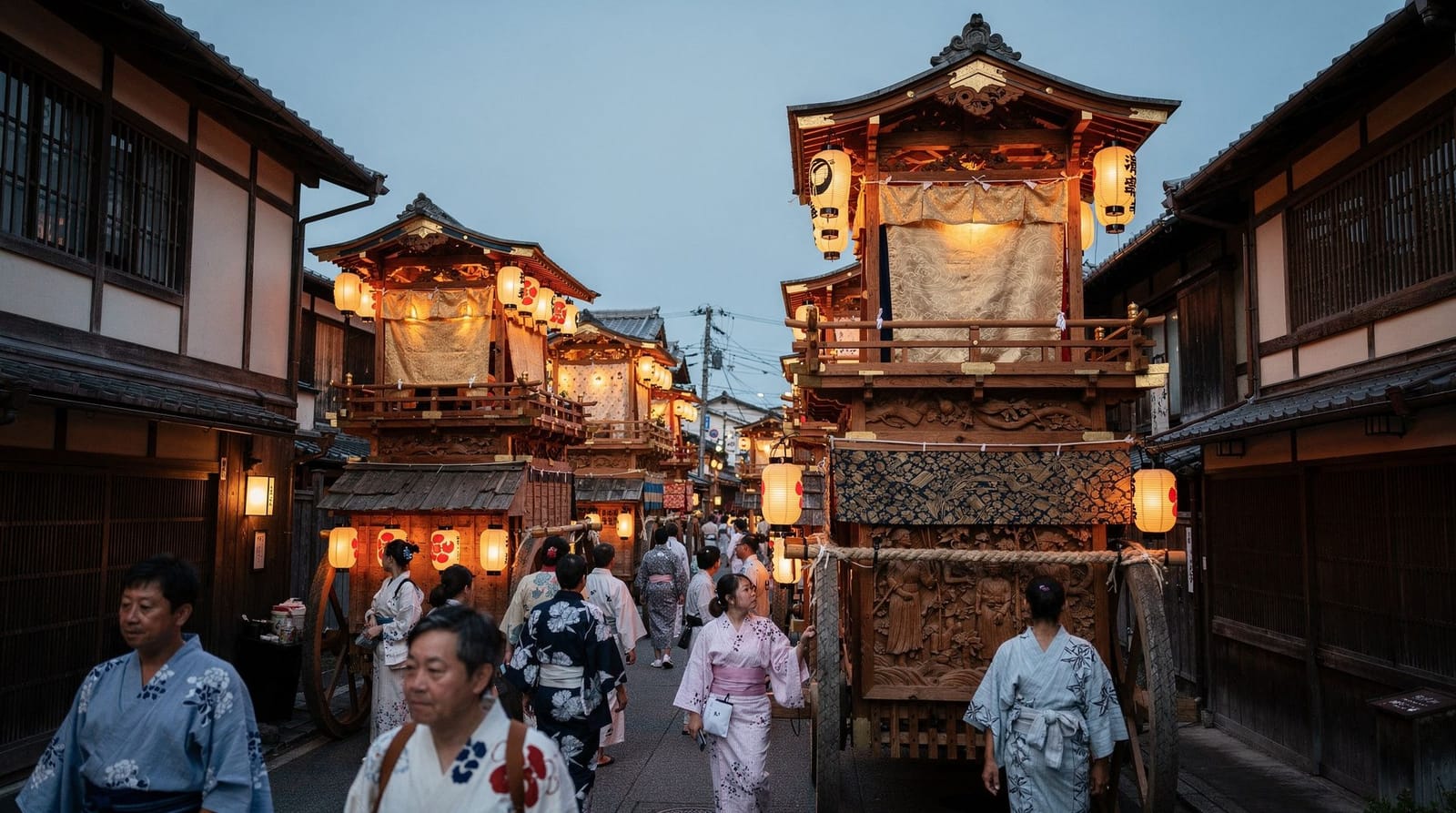
Kiyomizu-dera, Fushimi Inari and Gion half-day tour — a solid one-day introduction for a first autumn visitFrequently asked questions about Kyoto in autumn — month-by-month weather, festivals, and momiji
What is the best autumn month to visit Kyoto?
Does typhoon season affect Kyoto in autumn?
What is Jidai Matsuri and when is it?
How crowded is Kyoto in November?
Is September a good time to visit Kyoto?
What should I pack for autumn in Kyoto?
Top experiences
Bookable activities with verified prices and instant confirmation on GetYourGuide.