Kyoto vs Osaka: where should you stay?
Kyoto: Private Tour with Local Licensed Guide
Should I stay in Kyoto or Osaka?
For most first-time visitors doing Kyoto, Osaka and Nara together, basing yourself in Kyoto for temples and gardens while adding one or two nights in Osaka for food and nightlife works best. The two cities are only 29 minutes apart by JR Special Rapid train (about $3.90 one-way), so neither choice locks you out of the other.
Should I stay in Kyoto or Osaka? Stay in Kyoto if temples, gardens and traditional atmosphere are your priority; stay in Osaka if you want cheaper hotels, easier transport and a bigger food and nightlife scene. The two cities sit just 29 minutes apart on the JR Special Rapid line, at roughly 580 yen (about $3.90) one-way, so picking one as your base does not cut you off from the other. This guide walks through the real differences in atmosphere, cost, food and logistics so you can decide with actual numbers instead of guesswork.
| Train link | 29 min, ~580 yen (US$3.90) one-way |
| Hotel prices | Osaka runs 15-30% cheaper than Kyoto |
| Best for temples | Kyoto |
| Best for food/nightlife | Osaka |
| Common split | 4 nights Kyoto, 2 nights Osaka (6-night trip) |
Kyoto and Osaka at a glance
Before the details, here is how the two cities stack up on the factors that actually affect a trip.
| Kyoto | Osaka | |
|---|---|---|
| Atmosphere | Reserved, formal, quiet by evening | Loud, informal, lively late |
| Hotel cost | Higher, especially in peak season | 15-30% cheaper on average |
| Transport | Mostly buses, smaller subway | Dense, efficient subway network |
| Signature strength | Temples, gardens, geisha culture | Street food, nightlife, shopping |
| Evenings | Quiet by 9-10pm outside Gion | Busy well past midnight |
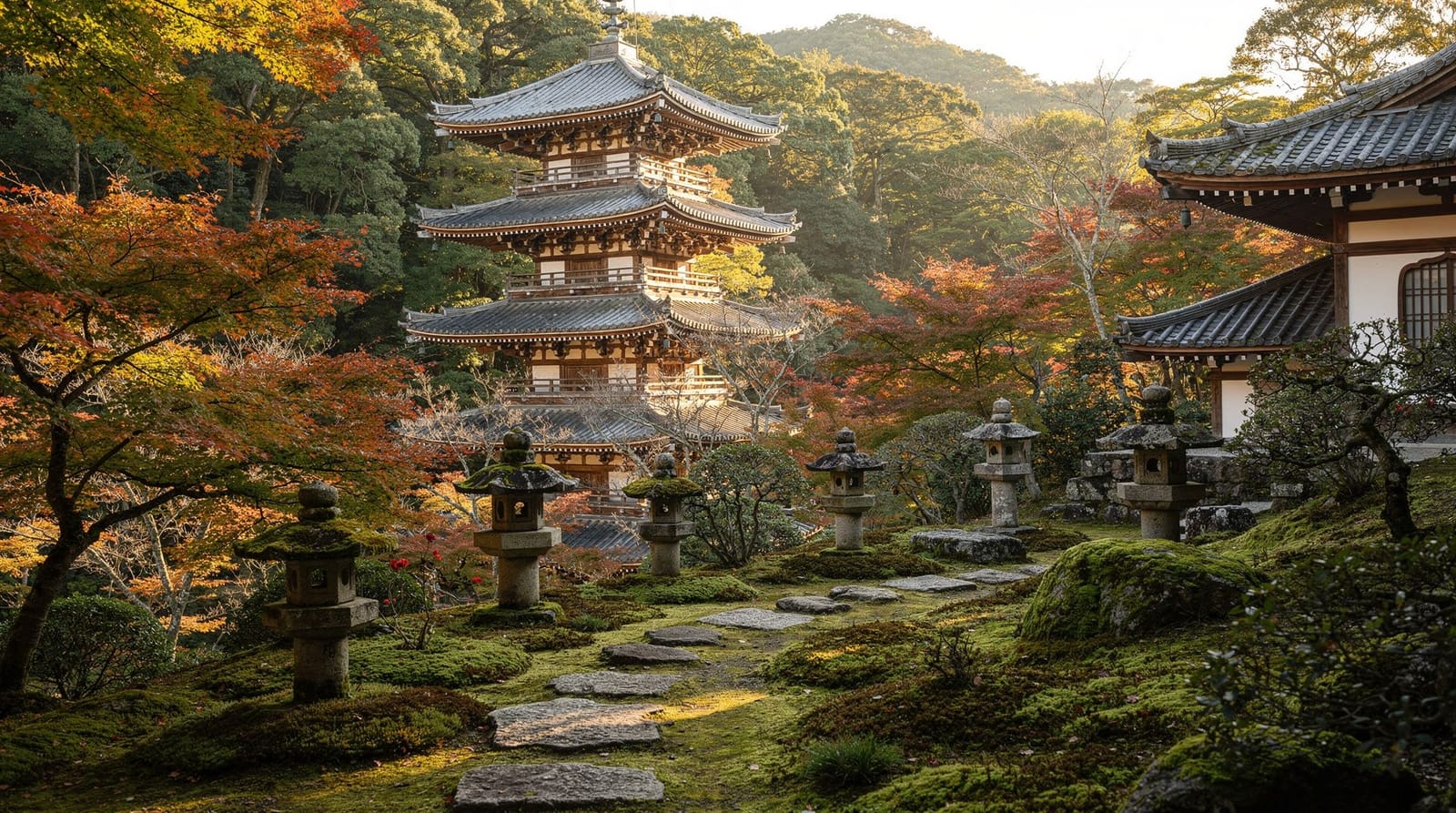
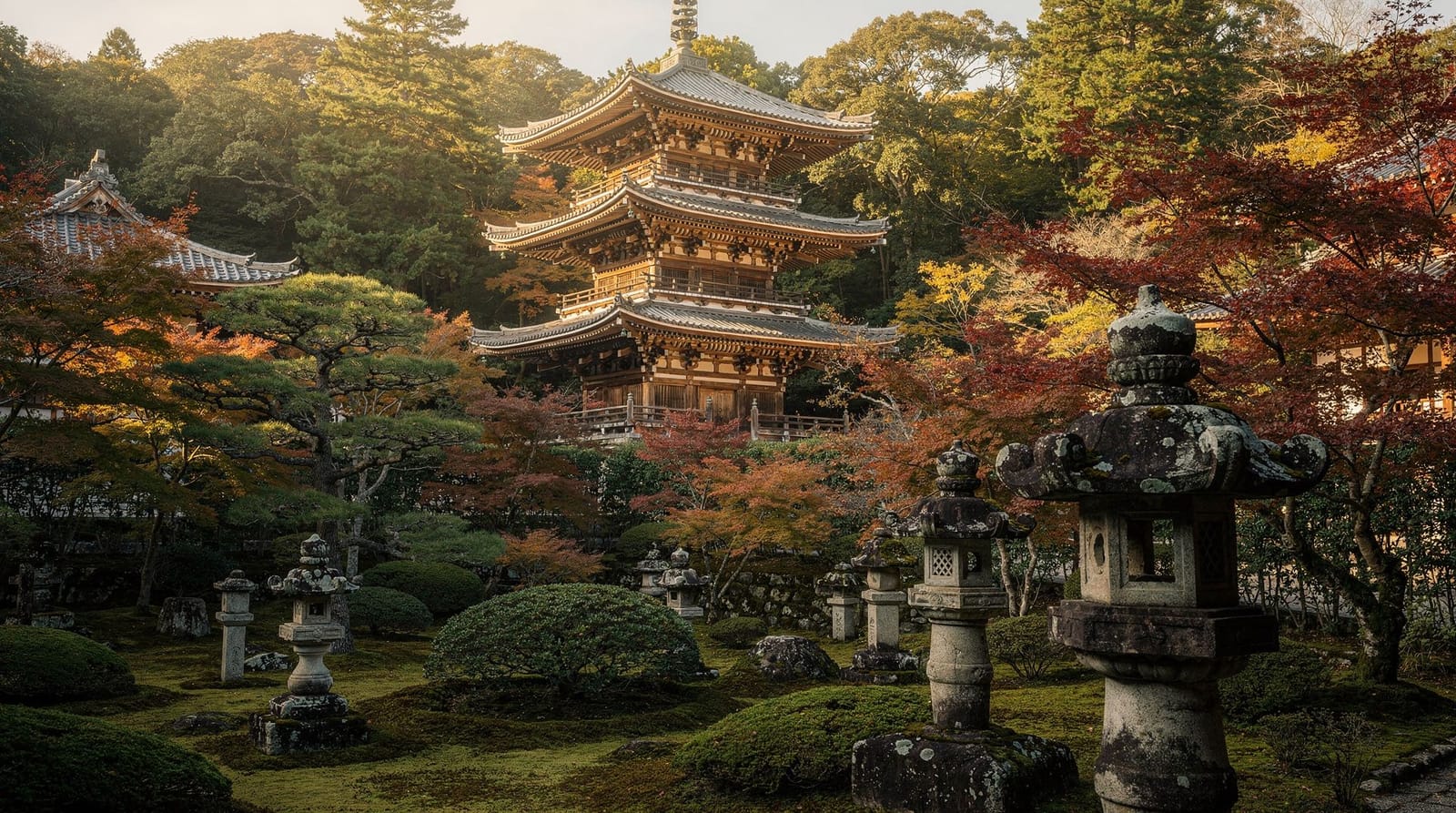
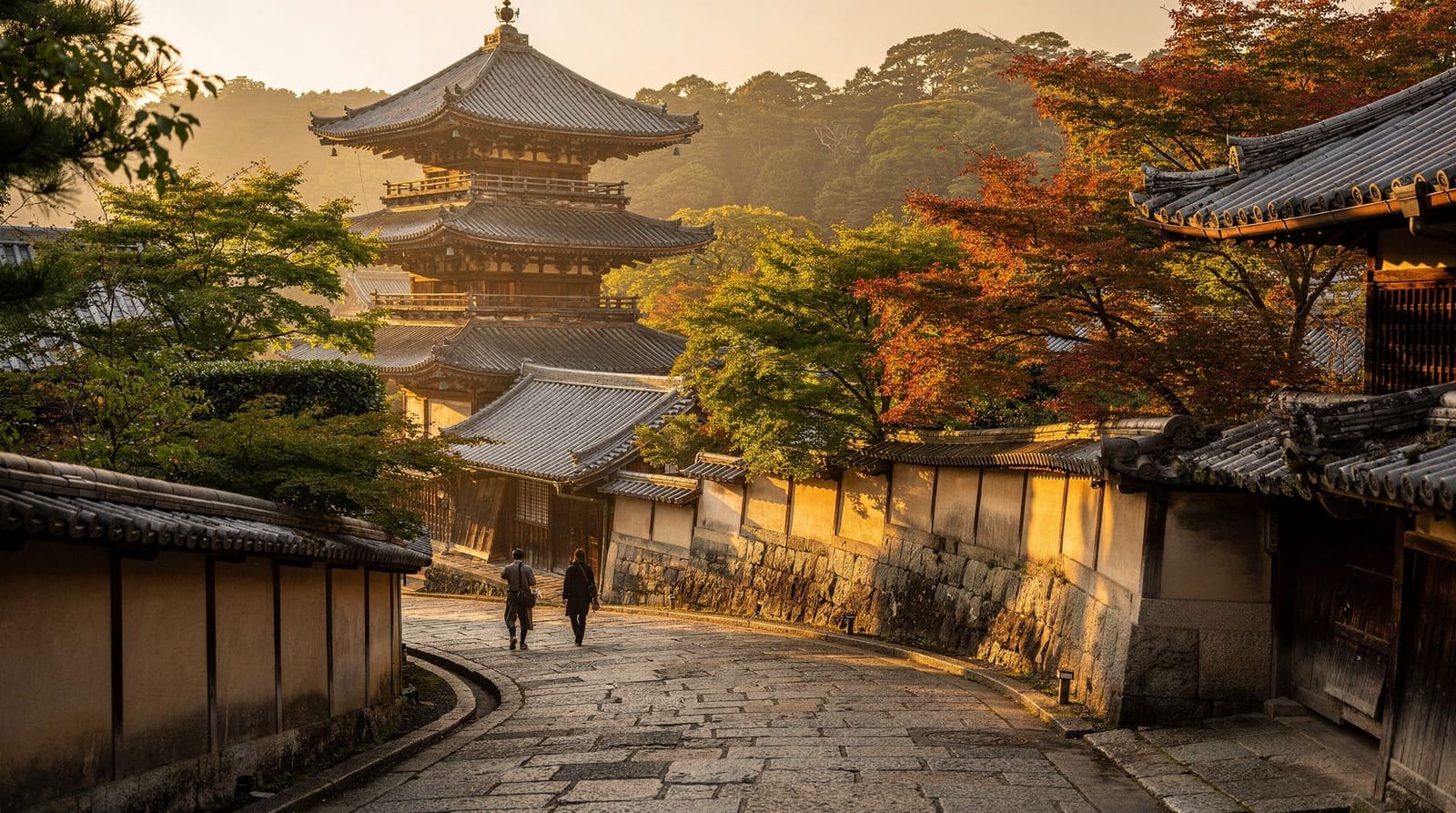
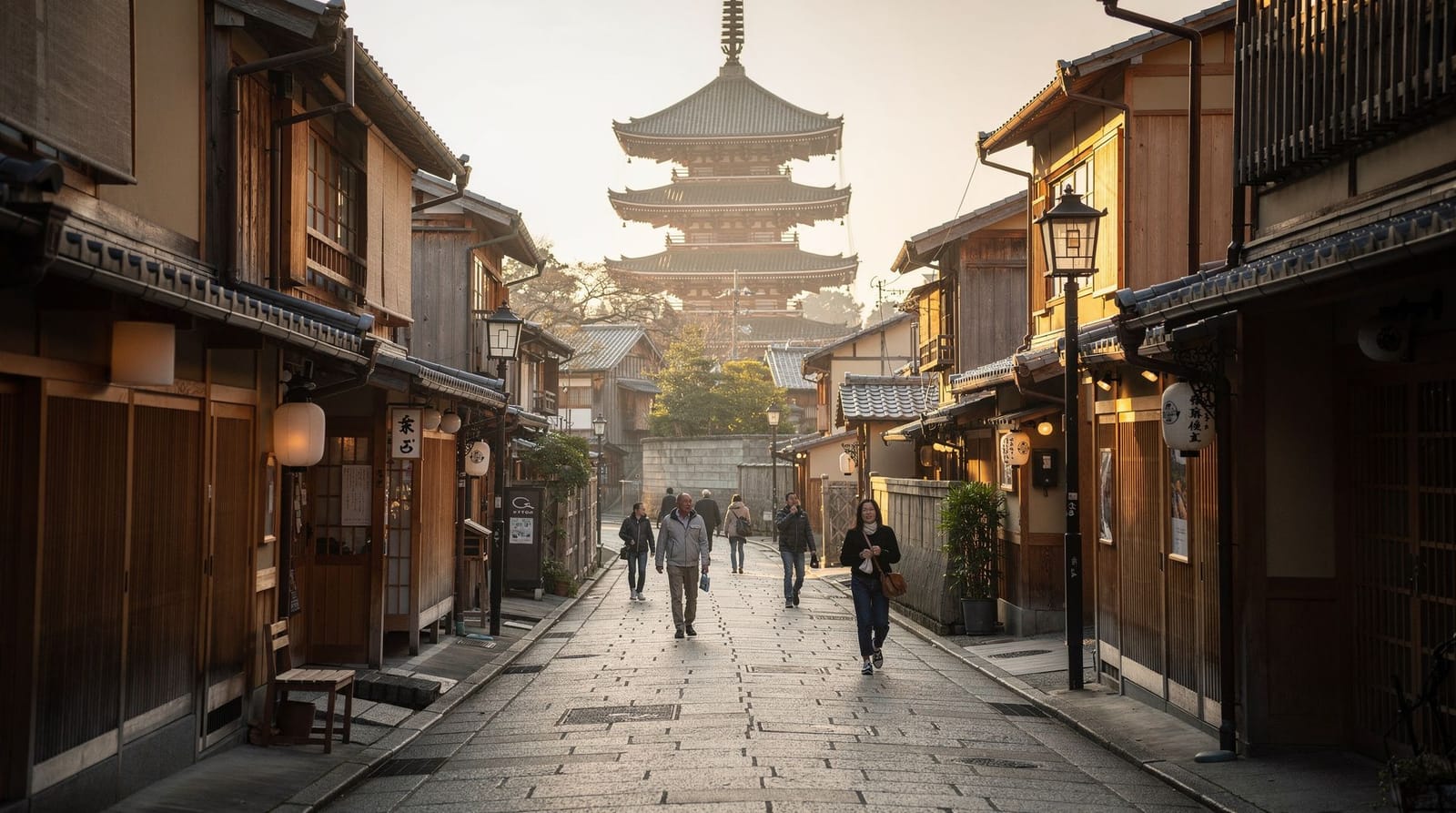
Kyoto was Japan’s imperial capital from 794 to 1868, and it still carries that history in its layout: roughly 2,000 temples and shrines, preserved historic districts such as Gion, Higashiyama and Arashiyama, and a citywide culture of formality and quiet that shapes everything from how shopkeepers greet you to how early the streets empty out. It is a compact city for sightseeing purposes, with most major sights reachable by bus or a short taxi, though the bus network gets genuinely crowded during peak seasons since Kyoto has no large subway system to spread the load.
Osaka grew up as a merchant city, and that commercial, informal energy is still its defining trait. It is one of Japan’s largest metropolitan areas, built around a dense and efficient subway network (Osaka Metro) plus a central JR and Shinkansen hub, which makes it easy to get around without much planning. Hotel rates in Osaka are consistently lower than Kyoto for a comparable standard of room, and the city’s identity is built around food and nightlife rather than heritage sites.
Neither city is objectively “better.” They are built for different kinds of days, which is really the whole point of this comparison.
Size is worth spelling out too, since it affects how a trip actually feels day to day. Kyoto’s tourist core is dense but geographically contained: most travelers spend their time in a handful of districts, moving between temples, gardens and shopping streets that are close enough together to string into a single day’s walk. Osaka is a sprawling metropolitan area, and while its core entertainment and dining districts (Namba, Dotonbori, Umeda) are each walkable in isolation, moving between them means relying on the subway more than you would in Kyoto. That is not a downside so much as a different rhythm: Kyoto rewards walking and lingering, Osaka rewards hopping between neighborhoods by train.
Atmosphere and character: reserved versus loud
This is the difference travelers notice first, often within an hour of arriving.
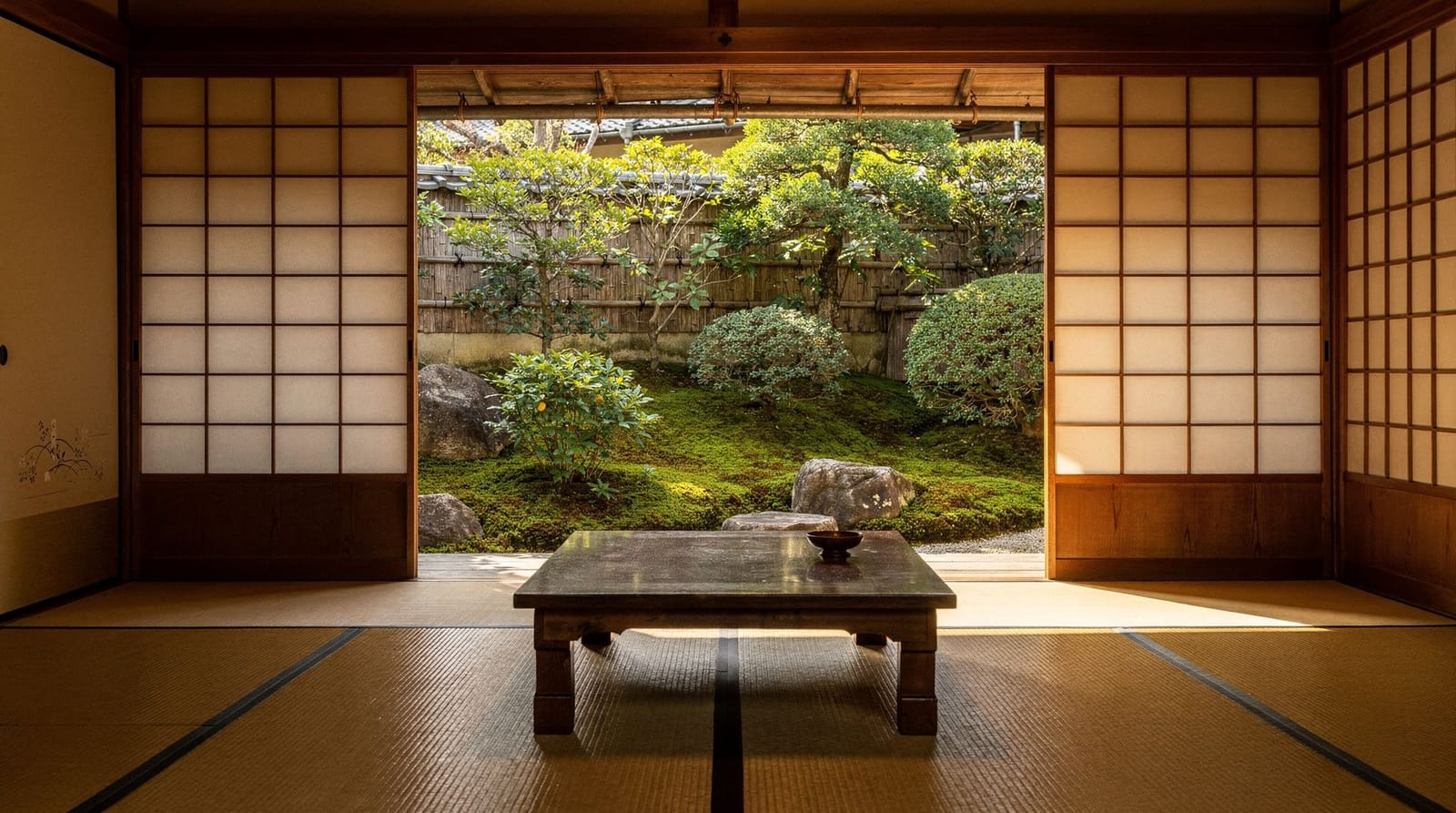
Kyoto is reserved. Conversations in shops and restaurants tend to be quieter, service is more formal, and neighborhoods like Gion still function as a working geisha and maiko district where visitors are expected to behave with a degree of restraint, not just take photos. Streets in downtown Kyoto are busy but rarely chaotic, and the city’s overall pace slows down noticeably by early evening, especially outside the main tourist strips.
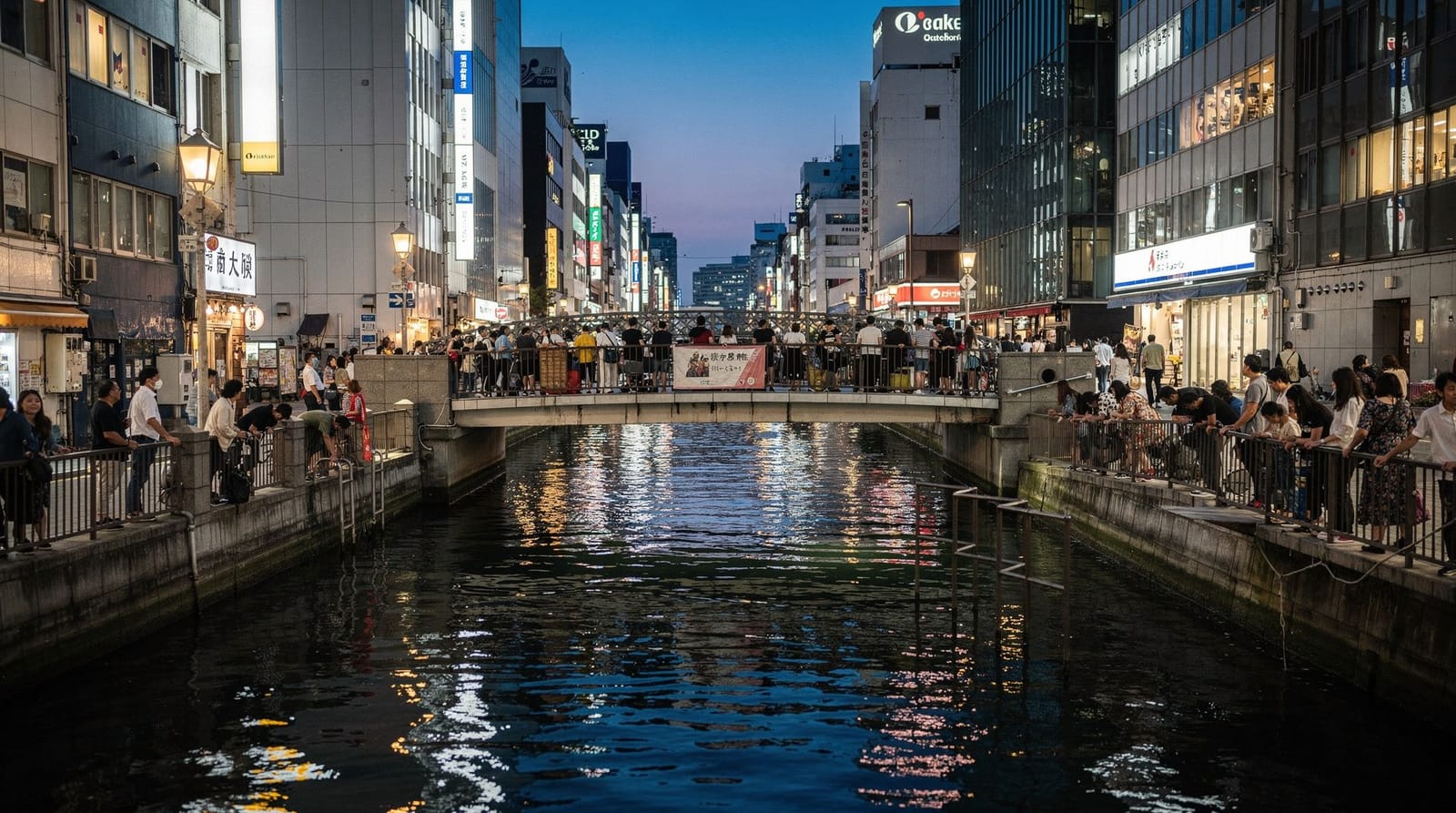
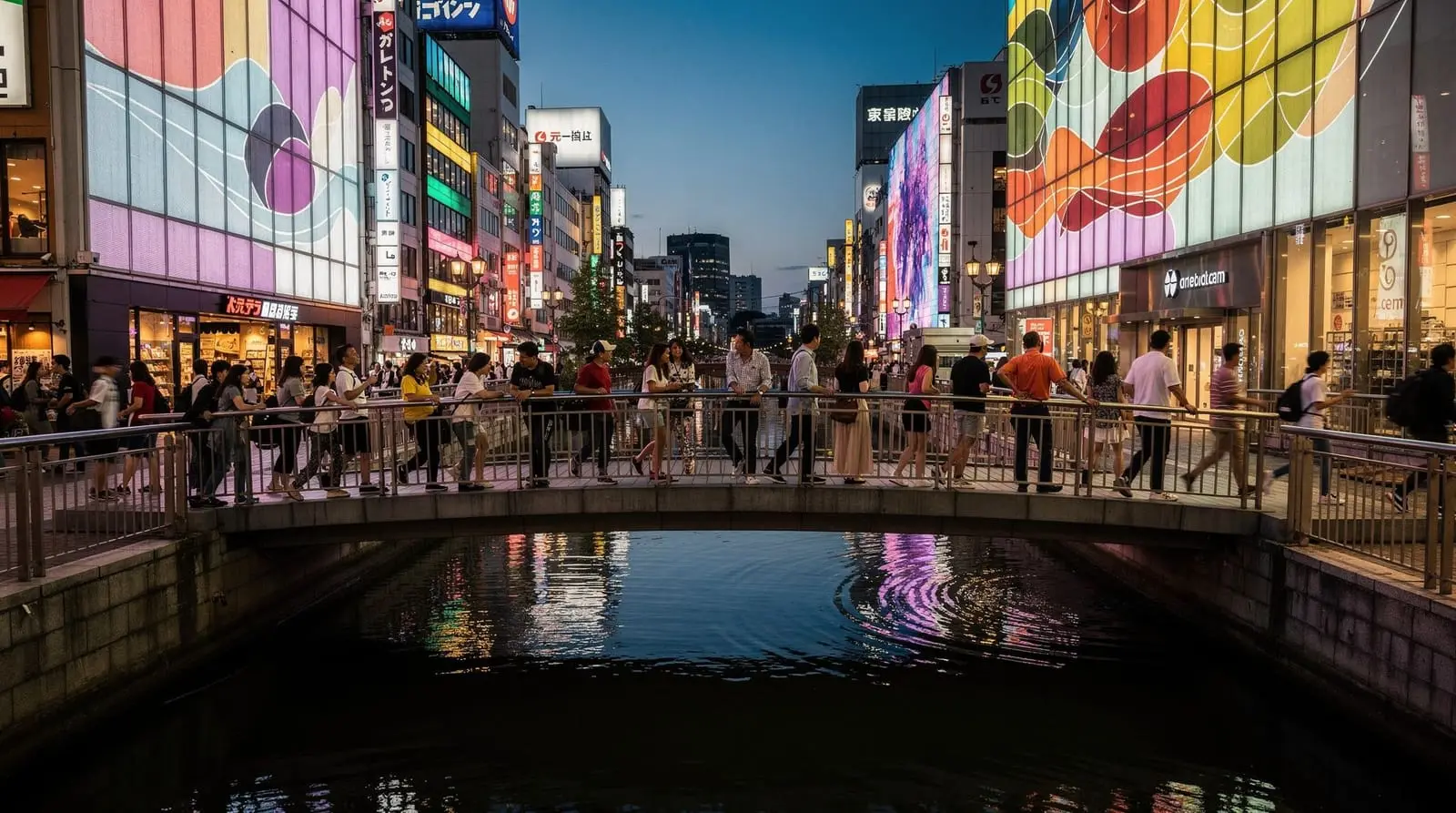
Osaka is loud, in a good way. Dotonbori’s illuminated signs, the crowds around Namba, and vendors calling out over sizzling griddles are the city’s signature. Locals have a reputation, deserved, for being more talkative and less formal with strangers than in most of Japan. If Kyoto asks you to slow down and look closely, Osaka asks you to keep moving and eat something.
Neither mood is wrong for a Japan trip. The mismatch happens when travelers pick the city whose character doesn’t suit their travel style, then wonder why the destination felt “off.”
This shows up in small, practical ways too. In Kyoto, taxi drivers, shop staff and hotel clerks tend to use more formal Japanese and expect the same restraint back, and photography etiquette is taken seriously, particularly in Gion, where signs now warn visitors away from private alleys after repeated complaints about tourists blocking residents and chasing maiko for photos. In Osaka, people are noticeably more willing to strike up conversation, haggle lightly at market stalls, and treat a slightly chaotic street scene as normal rather than something to apologize for. If you find Kyoto’s formality calming, you’ll likely enjoy the city. If you find it stiff, Osaka’s informality will probably feel like a relief.
Where to stay and what it costs
Hotel pricing is the most concrete difference between the two cities, and it is worth planning around rather than discovering at checkout.
A mid-range hotel room in Kyoto typically costs 15-30 percent more than an equivalent room in Osaka, and that gap grows during Kyoto’s peak seasons: cherry blossom season in late March to early April, and autumn foliage (momiji) season in November. Kyoto’s inventory of traditional ryokan and boutique machiya townhouse stays adds to the appeal but also to the price, and the best of these book out weeks or months ahead during peak periods. Our where to stay in Kyoto guide breaks down neighborhood-by-neighborhood pricing and which areas near Kyoto Station or downtown make the most practical bases.
Osaka’s hotel market is larger and less seasonal in its pricing swings, which makes it a more forgiving choice if you are booking late or traveling on a tighter budget. Standard business hotels near Namba or Umeda routinely undercut a comparable Kyoto property, and the wider inventory means you are less likely to get squeezed out during high season.
If budget is the deciding factor, Osaka wins outright. If you want to wake up walking distance from a temple garden before the crowds arrive, that convenience is only available by staying in Kyoto itself, not by day-tripping in.
Booking timing matters more in Kyoto than in Osaka. Because Kyoto’s inventory of well-located, well-reviewed hotels and ryokan is smaller relative to demand, waiting until a month or two before travel during peak season often means settling for a worse location or a significantly higher price than travelers who booked six months out. Osaka’s larger hotel stock is more forgiving of late planning, though the best-value options near Namba and Umeda still go first. If your dates are fixed around cherry blossom or autumn foliage season, book Kyoto accommodation as early as you can and treat Osaka as the more flexible half of the trip to plan later.
Food: refined tradition versus street food capital
Both cities take food seriously, but they express it in almost opposite ways.
Kyoto’s food culture centers on refinement: kaiseki multi-course dinners built around seasonal ingredients, yudofu (simmered tofu) restaurants near the temple districts, and some of the country’s most respected matcha producers and tea houses. Meals here tend to be sit-down experiences, often requiring reservations, and the pace is unhurried by design. Our Kyoto food guide covers where to find kaiseki at different price points and how to book ahead.
Osaka is widely regarded as Japan’s street food capital, summed up by the local phrase “kuidaore” (eat until you drop). Takoyaki stalls, okonomiyaki grills, and izakaya packed shoulder to shoulder around Dotonbori and Namba make Osaka a city built for grazing rather than formal dining. Prices per dish are generally lower than Kyoto’s sit-down restaurants, and the informality means you can eat well without a reservation almost anywhere.
If you want one structured, memorable meal, Kyoto delivers it better. If you want to eat constantly and cheaply while wandering, Osaka is the easy winner.
Matcha deserves its own mention, since Kyoto’s Uji district, just south of the city, is one of the most respected matcha-growing regions in Japan, and that reputation shows up throughout central Kyoto in dedicated tea houses and matcha desserts that are noticeably higher quality, and priced accordingly, than what you’ll typically find elsewhere. Osaka’s food strengths lean the opposite direction: cheap, fast, shareable dishes meant for grazing between bars rather than a single destination meal. Neither city’s food scene requires advance research to enjoy well, but Kyoto rewards booking ahead for its best kaiseki spots, while Osaka rewards simply showing up hungry.
Transport and logistics
This is where the “which city” question loses some of its weight, because the connection between them is genuinely fast.
The JR Special Rapid service links Kyoto Station and Osaka Station in about 29 minutes for roughly 580 yen (about $3.90) one-way, with departures every 10-15 minutes through most of the day. That frequency means you can treat a day in the other city as low-risk: no advance booking required, no meaningful schedule planning beyond checking the last train home.
Airports matter more for your first and last day than for your base city choice. Kansai International Airport (KIX) is the main international gateway for the region and connects to Osaka’s Namba or Umeda districts in about 45-65 minutes by train, making Osaka the more convenient landing spot if you fly in from abroad. Osaka Itami Airport handles domestic routes only and sits closer to central Osaka than KIX does.
If your itinerary continues on to Tokyo or elsewhere in eastern Japan, Kyoto Station has a slight edge: it sits directly on the Tokaido Shinkansen line, so you board without transferring. Most Shinkansen services from Osaka also run through Kyoto without requiring a change, so this is a minor consideration rather than a deciding one. For trips that also include Nara, Himeji or Kobe, Osaka is a marginally more central hub for some of those connections, but Kyoto Station remains a major transport node in its own right, not a detour.
Within each city, day-to-day transport differs more than travelers expect. Osaka’s subway network is dense enough that most sights and neighborhoods are a short walk from a station, and trains run frequently well into the evening. Kyoto has a smaller subway system covering only two lines, so buses handle most of the load, and those buses get crowded fast around peak sightseeing hours near Kiyomizu-dera, Fushimi Inari and the Arashiyama bamboo grove. If you’re staying in Kyoto during peak season, budget extra time for standing-room buses in the late morning and early afternoon, or lean on walking and taxis in the most congested districts instead.
Luggage logistics are also worth planning if you’re splitting nights between the two cities. Both Kyoto Station and Osaka’s major stations offer coin lockers and same-day luggage forwarding services (takkyubin), which many travelers use to send bags ahead to their next hotel rather than hauling suitcases on the 29-minute train. It typically takes most of a day for forwarded luggage to arrive, so this works better when you’re moving between cities in the morning than late in the evening.
Nightlife and daily rhythm
If your evenings matter as much as your days, this is a real differentiator.
Osaka’s entertainment districts, especially Dotonbori and Namba, run late. Bars, izakaya and street food stalls stay busy well past midnight, and the atmosphere encourages spontaneous wandering rather than sit-down plans booked in advance.
Kyoto shuts down earlier. Restaurants in downtown Kyoto and around Gion often stop taking orders by 9 or 10pm, and the historic districts empty out noticeably after dark, partly by design, since much of Gion remains a residential and working geisha district rather than a nightlife zone. There is nightlife in Kyoto, but it is smaller in scale and easier to exhaust in a night or two.
Who Kyoto suits best
Kyoto is the better base if you are prioritizing temples, shrines and gardens and want to visit them at quieter hours, if traditional culture (tea ceremony, geisha districts, machiya architecture) is a core reason for your trip, if you are comfortable paying a premium for a ryokan or boutique stay, and if an early, calmer evening rhythm suits your travel style. A private guide can make a real difference here: a full-day private tour with a nationally licensed guide in Kyoto lets you reach temples before tour buses arrive and skip the guesswork of navigating bus routes on your own.
Who Osaka suits best
Osaka is the better base if hotel budget is a real constraint, if you want a dense, easy-to-use subway network instead of relying on buses, if food and nightlife matter more to you than temple visits, and if you are flying in through Kansai International Airport and want to minimize your first-night transfer. Osaka Castle is the city’s signature historic sight and a good anchor for a first day; an Osaka Castle guided tour with a local guide adds context on the castle’s Toyotomi-era origins that’s easy to miss walking through on your own.
The real answer: combine both with a smart night split
For most travelers doing a combined Kansai trip that includes Nara, framing this as an either/or choice is the wrong exercise. The more useful question is how to split your nights.
A workable example for a six-night Kansai stay: four nights in Kyoto and two nights in Osaka. That gives enough time to cover Kyoto’s major districts, Higashiyama, Arashiyama and central Kyoto, without rushing, while still leaving a proper block of time for Dotonbori, Namba and Osaka Castle rather than squeezing Osaka into a single rushed day trip. Nara, being closer to Kyoto and Osaka than either is to most other Kansai destinations, works well as a day trip from whichever city you’re in at the time; our best day trips from Kyoto guide covers the logistics.
If your trip is shorter, say three or four nights total in Kansai, picking one city as a single base and day-tripping to the other is more realistic than splitting hotels twice. In that case, use the “who Kyoto suits best” and “who Osaka suits best” sections above to decide, and treat the other city as a one-day visit rather than a place you need to sleep in. Our Osaka day trip guide lays out a full one-day itinerary from Kyoto, and if Tokyo is also on your route, Kyoto vs Tokyo covers that separate comparison.
Whichever way you split it, first confirm how many days you actually have. Our how many days in Kyoto guide and Kyoto travel budget breakdown are worth checking before you lock in hotel bookings, and if this is your first visit to the region, Kyoto for first-time visitors covers the basics that apply regardless of which city you sleep in. For a first look at Osaka itself, our destination guide covers neighborhoods, transport and what a first day there typically looks like.
Frequently asked questions about choosing Kyoto vs Osaka
Is Kyoto or Osaka better for a first-time visitor to Japan?
Kyoto is the stronger base if your priority is temples, gardens and traditional culture, since Gion, Higashiyama and Arashiyama reward slow, repeated visits at different times of day. Osaka is the stronger base if you want cheaper hotels, easier metro transport and a livelier food and nightlife scene. Many first-timers split the difference: Kyoto for the bulk of the trip, Osaka for two or three nights.
How long does it take to get from Kyoto to Osaka?
The JR Special Rapid service between Kyoto Station and Osaka Station takes about 29 minutes and costs roughly 580 yen (about $3.90) one-way. Trains run every 10-15 minutes for most of the day, so a day trip in either direction is straightforward without pre-booking anything.
Is it cheaper to stay in Osaka than Kyoto?
Generally yes. A mid-range hotel room in Osaka typically runs 15-30 percent cheaper than a comparable room in Kyoto, and the gap widens during cherry blossom season and autumn foliage season, when Kyoto hotels fill up faster and raise rates more aggressively.
Can I visit Osaka as a day trip from Kyoto?
Yes, easily. Osaka is one of the most popular day trips from Kyoto, and the 29-minute JR ride means you can leave after breakfast, spend a full day around Dotonbori and Osaka Castle, and be back in Kyoto in time for dinner. See our guide to day trips from Kyoto for a full itinerary.
Which airport should I fly into, Kansai or Itami?
If you are arriving internationally, Kansai International Airport (KIX) is your entry point regardless of where you base yourself, and it connects to Osaka’s Namba or Umeda districts in roughly 45-65 minutes by train. Osaka Itami Airport handles domestic flights only and sits closer to central Osaka.
Does it matter which city I stay in if I’m also visiting Tokyo?
It matters a little. Kyoto Station sits directly on the Tokaido Shinkansen line, so trains to Tokyo depart without a transfer. From Osaka, most Shinkansen services also run through without a change, but Kyoto has a marginal edge for onward travel toward Tokyo and the rest of eastern Japan.
How many nights should I spend in each city?
For a six-night Kansai stay, a common and workable split is four nights in Kyoto and two nights in Osaka. That gives enough time to cover Kyoto’s major temple districts at an unhurried pace while still getting a proper evening or two in Osaka’s Dotonbori and Namba areas.
Is Osaka safe to stay in at night compared to Kyoto?
Both cities are very safe by international standards, including at night. The difference is atmosphere rather than safety: Osaka’s entertainment districts like Dotonbori and Namba stay lively and well-lit until late, while Kyoto’s streets, including Gion, tend to quiet down noticeably earlier.
Frequently asked questions about Kyoto vs Osaka: where should you stay?
Is Kyoto or Osaka better for a first-time visitor to Japan?
How long does it take to get from Kyoto to Osaka?
Is it cheaper to stay in Osaka than Kyoto?
Can I visit Osaka as a day trip from Kyoto?
Which airport should I fly into, Kansai or Itami?
Does it matter which city I stay in if I'm also visiting Tokyo?
How many nights should I spend in each city?
Is Osaka safe to stay in at night compared to Kyoto?
Top experiences
Bookable activities with verified prices and instant confirmation on GetYourGuide.