Where to stay in Kyoto — neighborhood guide by travel style and budget
What's the best area to stay in Kyoto?
Kyoto Station and the downtown Shijo-Kawaramachi area are the two best all-round choices for a first stay — both connect easily to every part of the city by train and bus. Gion is more atmospheric but pricier and further from late-night transit; Arashiyama is scenic but isolated for evening dining outside its own district.
Where to stay in Kyoto shapes the rest of the trip more than most travelers expect — the city’s temples, markets, and geisha districts spread across four or five neighborhoods with genuinely different transit access, price levels, and evening atmosphere, and the wrong base can quietly cost an hour of commuting every day without ever feeling like an obvious mistake in the moment. This guide breaks down the main options honestly, including where the trade-offs actually bite.
| Best all-round | Kyoto Station or downtown Shijo-Kawaramachi |
| Most atmospheric | Gion (also priciest, weakest transit after dark) |
| Best value | Business hotels near Kyoto Station |
| Budget | Hostels/capsules, mostly around the station and downtown |
| Booking window | 2-3 months ahead normally, 4-6 for cherry blossom/autumn |
Neighborhood comparison at a glance
| Area | Best for | Price level | Transit |
|---|---|---|---|
| Kyoto Station | First-timers, day trips | Budget-mid | Best in the city |
| Downtown | Evenings, nightlife | Mid-upper | Very good |
| Gion | Atmosphere, geisha district | Highest | Weak after dark |
| Higashiyama | Quiet, traditional streets | Mid-upper | Similar to Gion |
| Arashiyama | Scenic, early bamboo grove | Mid-luxury | Isolated, 20-25 min |
Start with transit, not aesthetics
Kyoto’s sights are spread across four or five distinct areas that don’t overlap on foot, which makes where you sleep a bigger logistical decision here than in a more compact city. The temptation is to pick a neighborhood for its look and feel — Gion’s lantern-lit lanes, Arashiyama’s riverside calm — without checking how that choice affects the daily commute to wherever the day’s sightseeing actually is. This guide works through the main options by what they’re genuinely good and bad at, rather than ranking them on charm alone.
Kyoto Station: best all-round transit hub
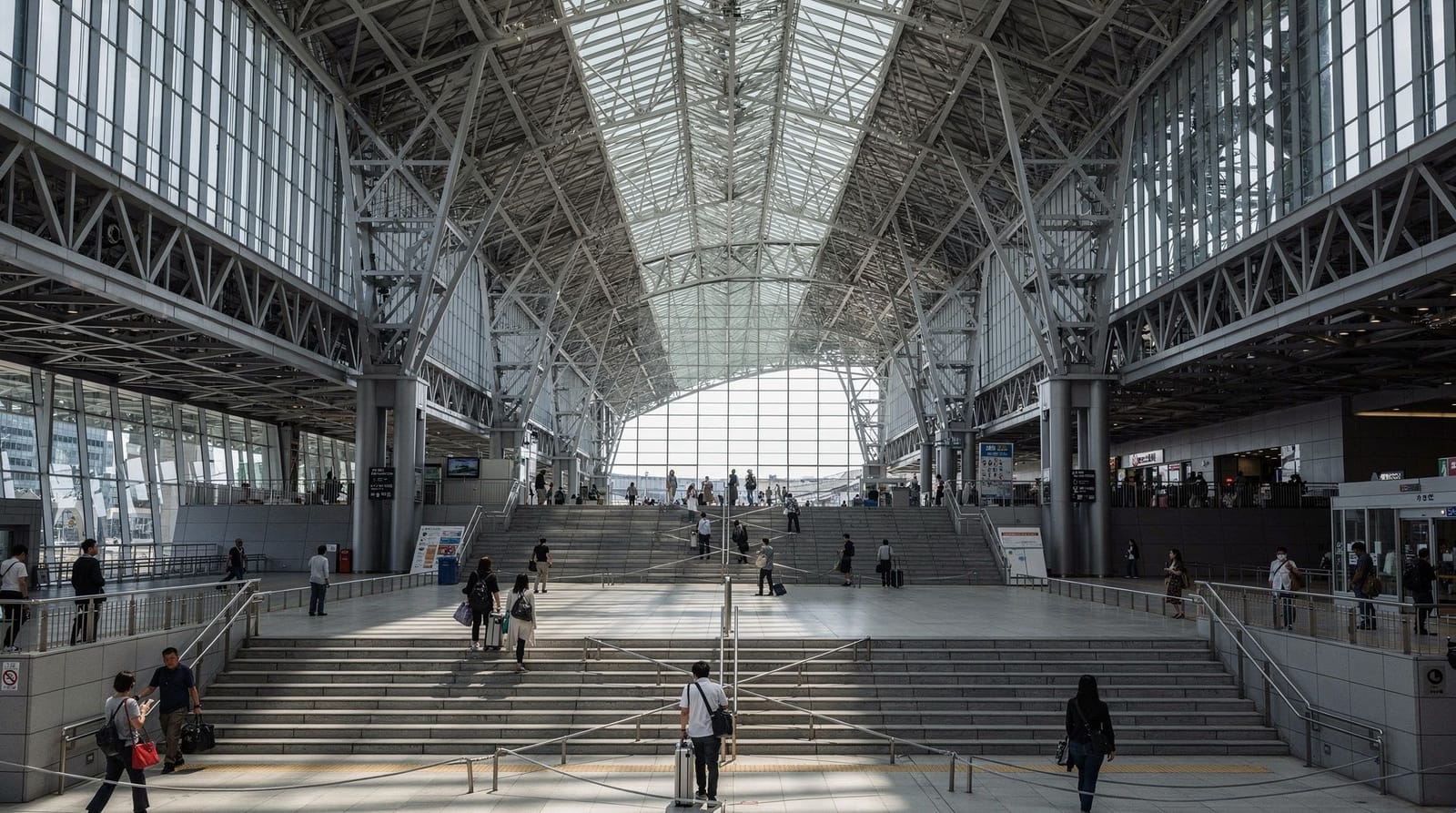
Kyoto Station is the single best-connected base in the city. It’s the starting point for the JR Nara Line to Fushimi Inari (two stops, 5 minutes), the JR Sagano Line to Arashiyama (15-20 minutes), the JR line to Nara (45 minutes) and Osaka (30-45 minutes), the shinkansen platforms, and the Karasuma subway line. Most city bus routes to Higashiyama and Kinkaku-ji also originate from the station’s bus terminal.
Hotel Granvia Kyoto sits directly above the station concourse for zero-walk convenience at a mid-to-upper price point. A dense cluster of business hotels — APA Hotel Kyoto Ekimae, Kyoto Tower Hotel, several Toyoko Inn and Comfort Hotel branches — sit within 5-10 minutes on foot at considerably lower rates, generally the city’s best value-for-transit combination. The trade-off is character: the immediate station area is modern and functional rather than atmospheric, and evening dining options skew toward department store restaurant floors and chain izakaya rather than the traditional lanes found elsewhere.
Downtown (Shijo-Kawaramachi and Sanjo): best for evenings
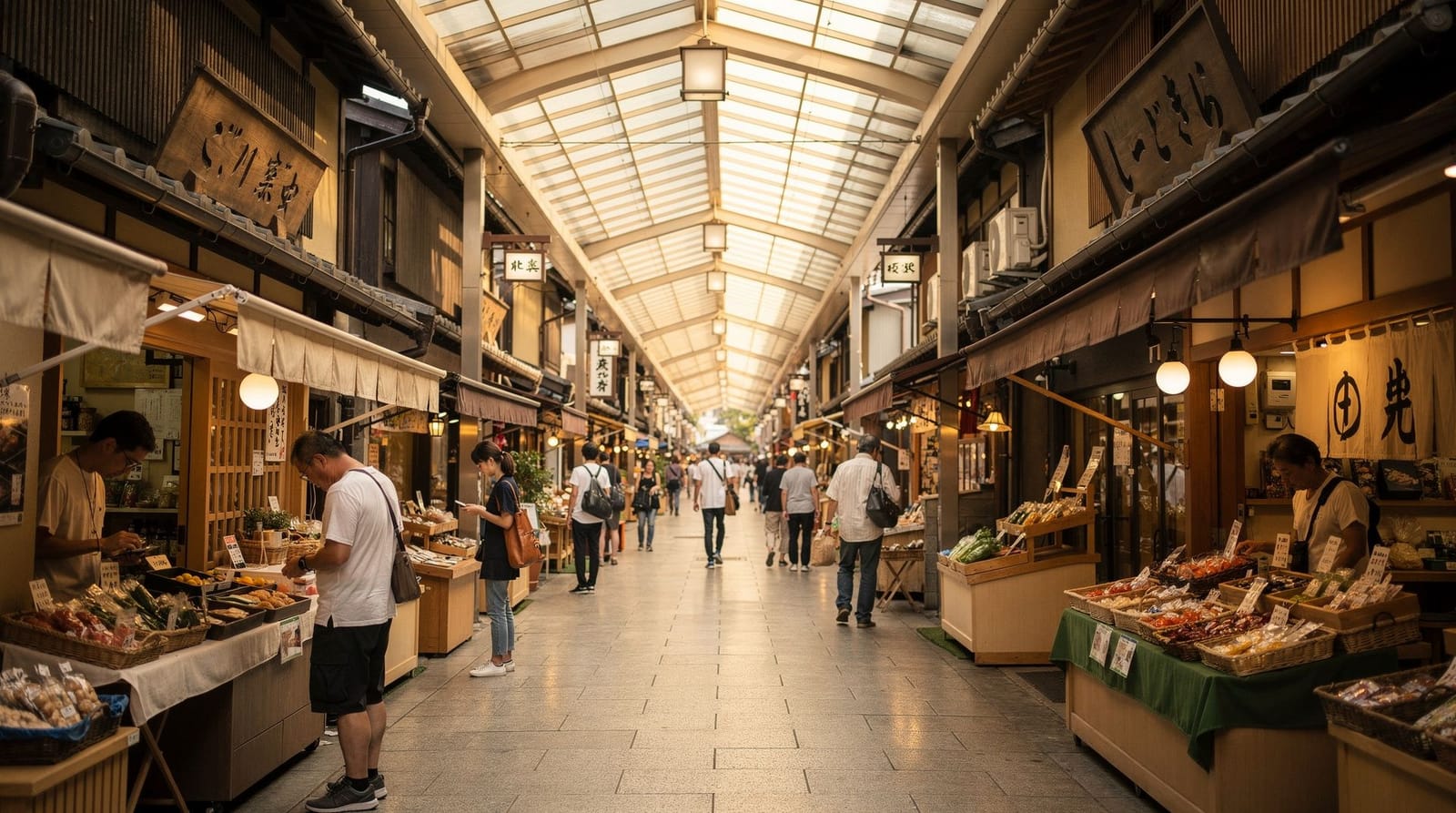
The downtown core around Shijo-Kawaramachi and Sanjo puts you within walking distance of Gion, Pontocho’s restaurant alley, Nishiki Market, and the main shopping streets, with the Hankyu and Keihan lines both accessible on foot. This is the area with the widest range of evening dining and nightlife, from casual izakaya to high-end kaiseki, and it stays walkable back to your hotel later than Gion or Arashiyama typically allow.
Mitsui Garden Hotel Kyoto Sanjo and the Ace Hotel Kyoto (in the renovated Shinpuhkan complex) are two well-regarded mid-to-upper options in this area; budget travelers have a wide choice of hostels and capsule hotels around Kawaramachi station. Downtown loses some points on direct access to Arashiyama and Fushimi Inari compared to Kyoto Station, since both require a train transfer rather than a direct line, though the difference is usually only 10-15 extra minutes.
Gion: most atmospheric, priciest, least convenient after dark
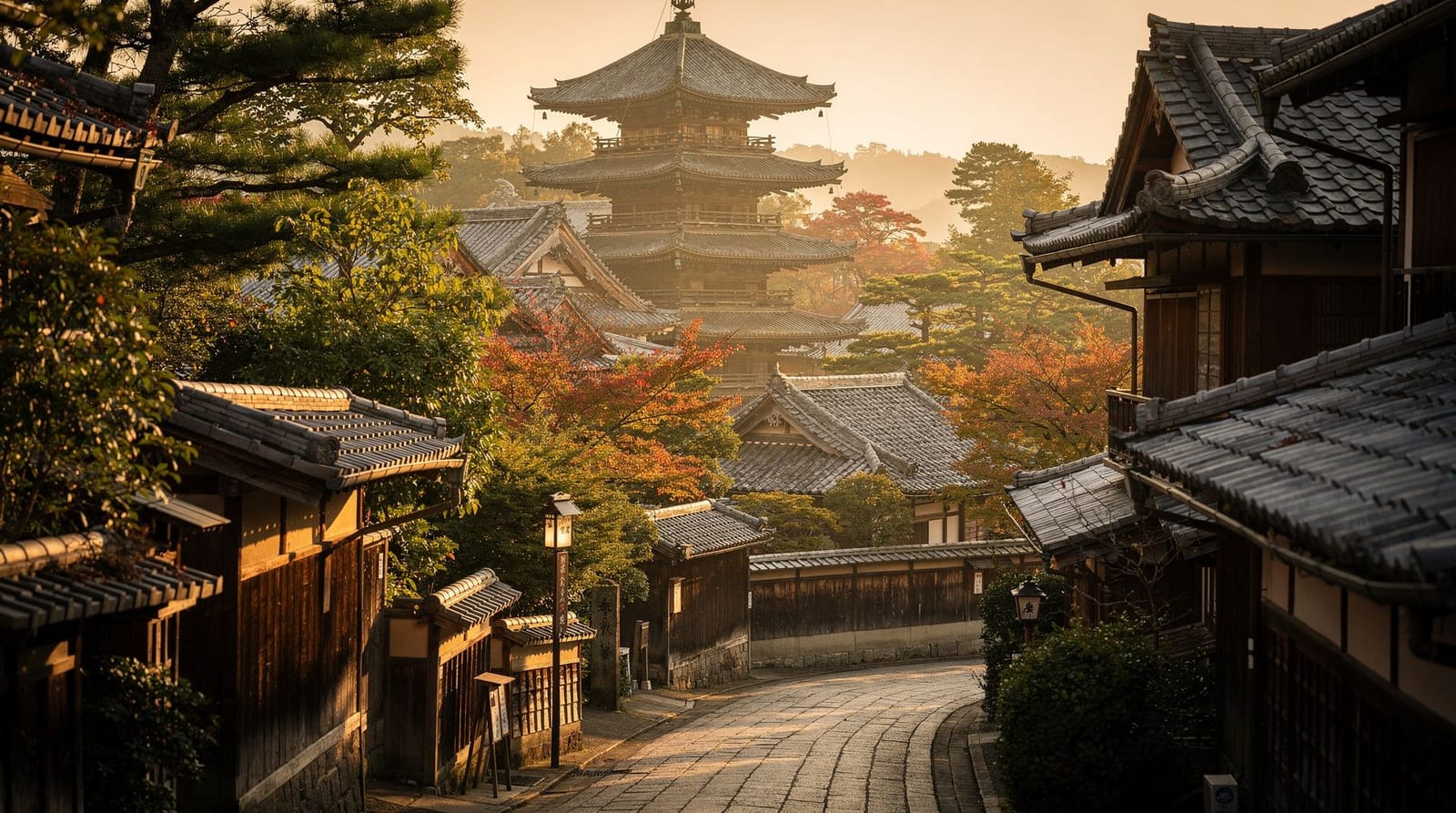
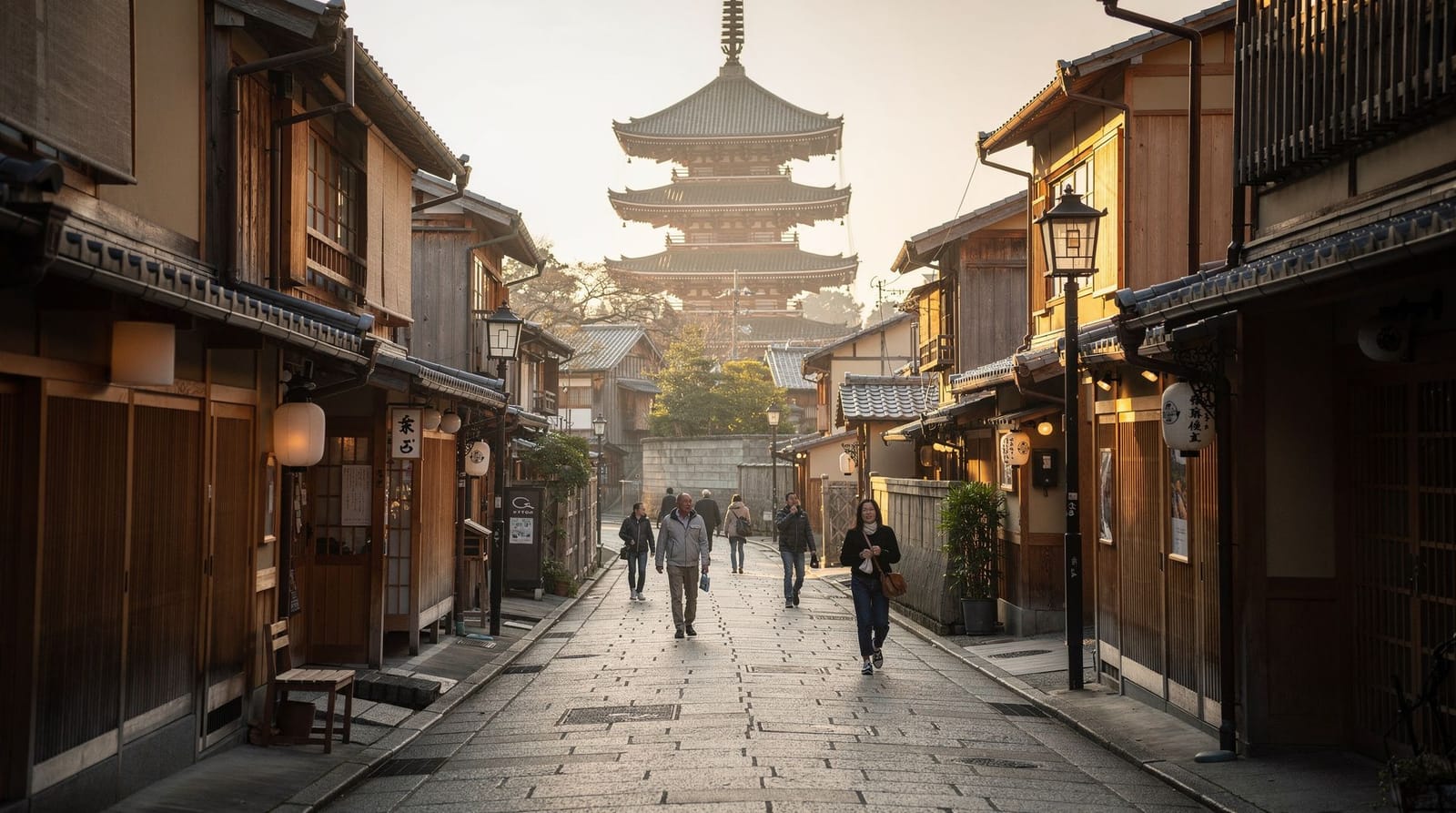
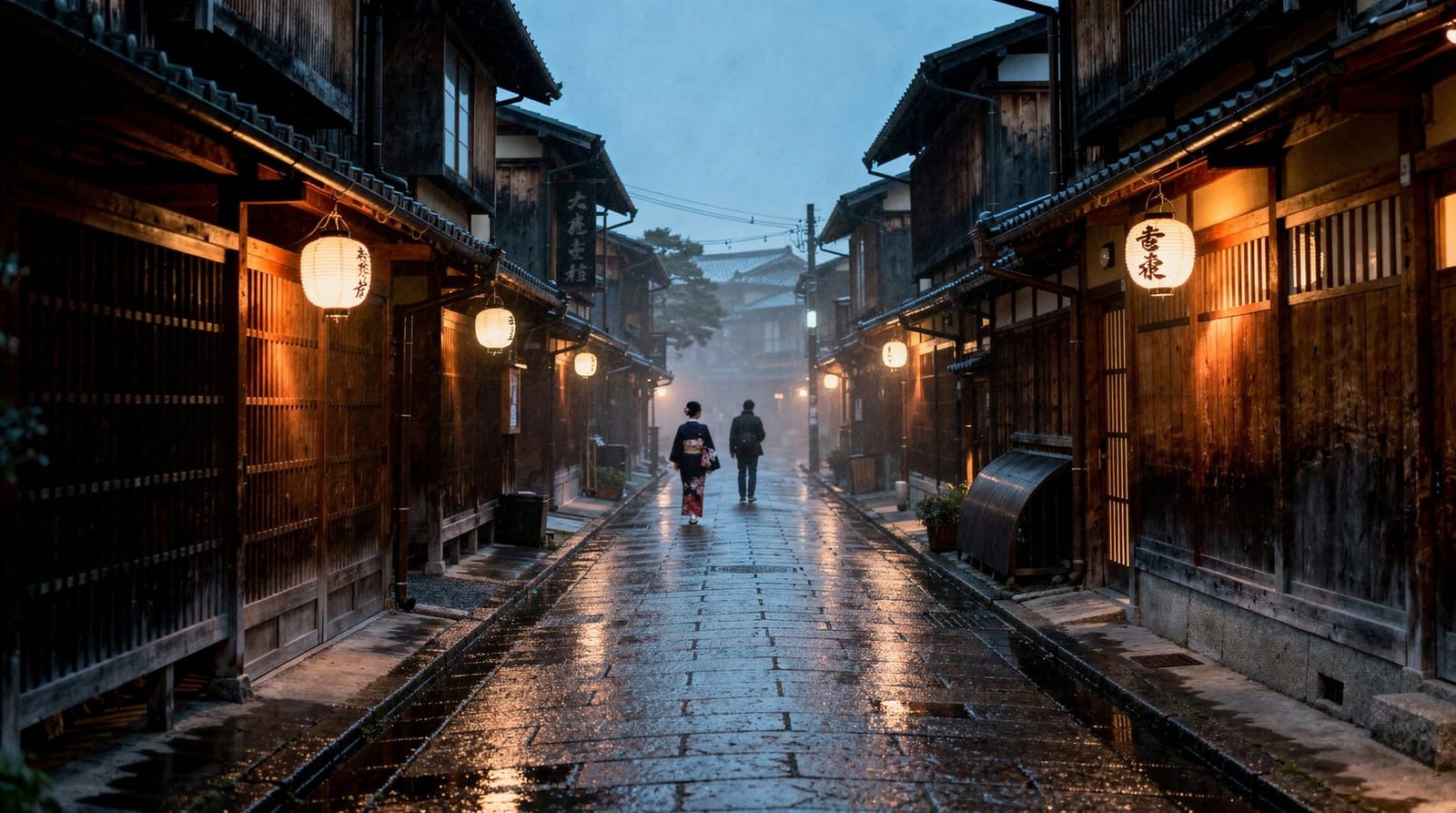
Gion is Kyoto’s most photographed neighborhood for a reason — traditional wooden machiya buildings, narrow stone lanes, and Kyoto’s most concentrated geisha district. Staying here means waking up inside the postcard rather than commuting to it, and puts Yasaka Shrine and the start of the Higashiyama temple walk within a few minutes’ walk.
The costs are real. Traditional ryokan and boutique hotels in Gion command a premium over similar properties elsewhere in the city, often 30-50% above a comparable downtown room. Gion also sits toward the edge of the main bus network — a late dinner in Arashiyama or a night visit to Fushimi Inari means either a taxi back (roughly ¥1,500-2,500 depending on distance) or accepting that buses thin out earlier here than downtown. For a one or two-night splurge within a longer, multi-base trip, Gion is worth it; as a sole base for four or five nights, the transit trade-off adds up.
Higashiyama: a quieter alternative to Gion
The wider Higashiyama district, stretching from Kiyomizu-dera down through Sannenzaka toward Gion, offers a middle path — traditional streetscapes and proximity to the temple walk, generally at a step down in price from Gion proper, with a genuinely peaceful atmosphere once the day-trip crowds clear out by early evening. Ryokan and small guesthouses here tend to be family-run rather than luxury properties, which suits travelers prioritizing atmosphere over five-star amenities. The area shares Gion’s relative distance from Arashiyama and the northwest temples, so the same commute trade-off applies.
Arashiyama: scenic but isolated
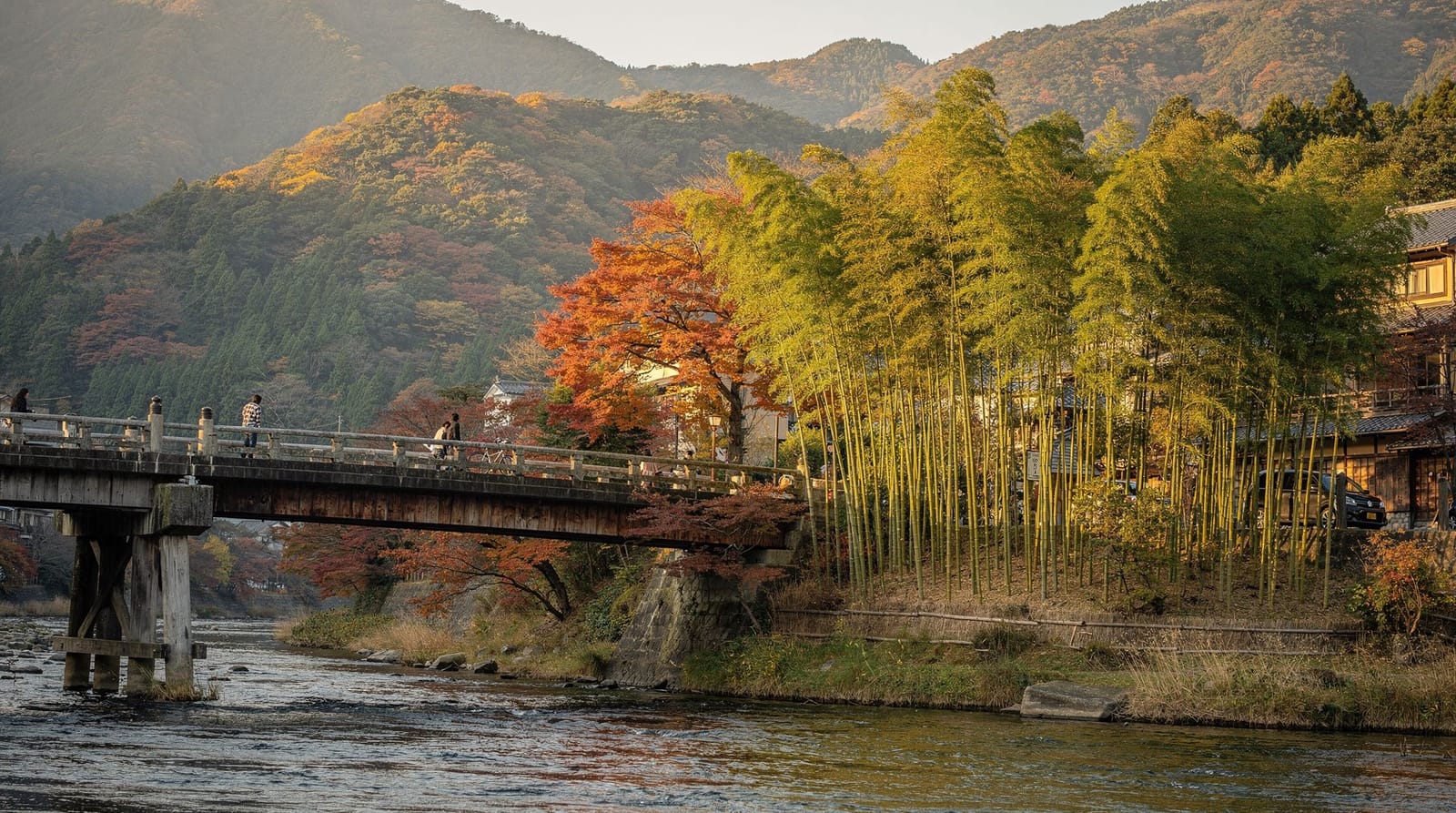
Arashiyama, on the western edge of the city along the Katsura River, is the most self-contained of Kyoto’s neighborhoods — its own restaurants, its own quiet evening atmosphere once the bamboo grove crowds disperse, and direct early-morning access to the grove and Tenryu-ji before the day-trip visitors arrive by train. Hoshinoya Kyoto, reached by a short boat trip up the river, is the area’s best-known luxury property and one of the more distinctive stays in the entire city.
The isolation cuts both ways: Arashiyama is roughly 20-25 minutes by JR train from central Kyoto, workable for a day trip but repetitive as a nightly base if the rest of your itinerary sits in Higashiyama or Fushimi. It suits one or two nights within a longer, multi-base stay — particularly for travelers who want the bamboo grove at dawn without an early train ride — better than a full trip.
What each area is genuinely bad at
It’s worth being direct about the weaknesses, not just the strengths, since most hotel-booking guides skip this. Kyoto Station is genuinely dull to walk around in the evening once you’re past the station building itself — fine for sleeping and catching early trains, less good if evening atmosphere matters to you. Downtown is loud and commercial in its core blocks (Shijo-Kawaramachi’s main strip runs closer to a big-city shopping district than traditional Kyoto), which some travelers find jarring against the image they came for.
Gion’s charm evaporates somewhat by mid-morning, when day-trip crowds fill the same lanes that feel intimate at dawn — staying there doesn’t insulate you from the crowds during the day, only before and after them. Arashiyama, similarly, is genuinely serene before 8am and after 6pm and genuinely packed in between, so staying there mainly pays off if you’re using the early and late windows deliberately rather than expecting quiet all day.
Downtown alternative bases: Kyoto’s quieter edges
A few less-obvious options suit specific priorities. Kyoto Station’s south side and the area near Toji Temple run cheaper than the main station-front hotels for budget travelers willing to walk a few extra minutes. The area near Nijo Castle and the Kyoto subway’s Tozai Line offers a quieter, more residential base with easy access to the northwest temple cluster (Kinkaku-ji, Ryoan-ji) via a short bus ride, at generally lower rates than downtown proper. Neither is a common first-timer choice, but both are worth knowing about if the main areas are fully booked during peak season.
Budget options: hostels and capsule hotels
Kyoto has a solid hostel and capsule hotel scene, concentrated mainly around Kyoto Station and downtown. A dorm bed runs roughly ¥3,000-5,000 (US$20-33) a night, and a private hostel room or capsule pod runs ¥5,000-9,000 (US$33-60) — both well below the mid-range hotel bracket. Piece Hostel Kyoto and K’s House Kyoto are two established, well-reviewed options near the station area with both dorm and private room configurations.
The trade-off at this price point is mainly space and shared facilities — most capsule and hostel setups mean shared bathrooms and limited luggage storage in-room, which matters more on a longer stay than a short one. For solo travelers or anyone prioritizing budget over comfort, this tier is a legitimate way to keep accommodation costs down without sacrificing location, since several of the best-placed budget properties sit as close to the station as mid-range hotels charging two or three times as much.
The accommodation tax you’ll pay at checkout
Kyoto City levies a lodging tax on every overnight stay, charged per person per night on top of the room rate and collected separately at check-in or check-out rather than folded into the advertised price. As of the most recent structure, it scales with the nightly rate: roughly ¥200-1,000 (about US$1.30-6.60) per person per night for most budget-to-upper-mid-range stays, rising further for luxury rooms above ¥50,000 a night. It’s a minor cost relative to the room rate itself, but worth knowing about so it doesn’t come as a surprise at checkout, particularly for a family or group where the per-person charge multiplies across everyone in the room.
Ryokan versus hotel: what you’re actually choosing between
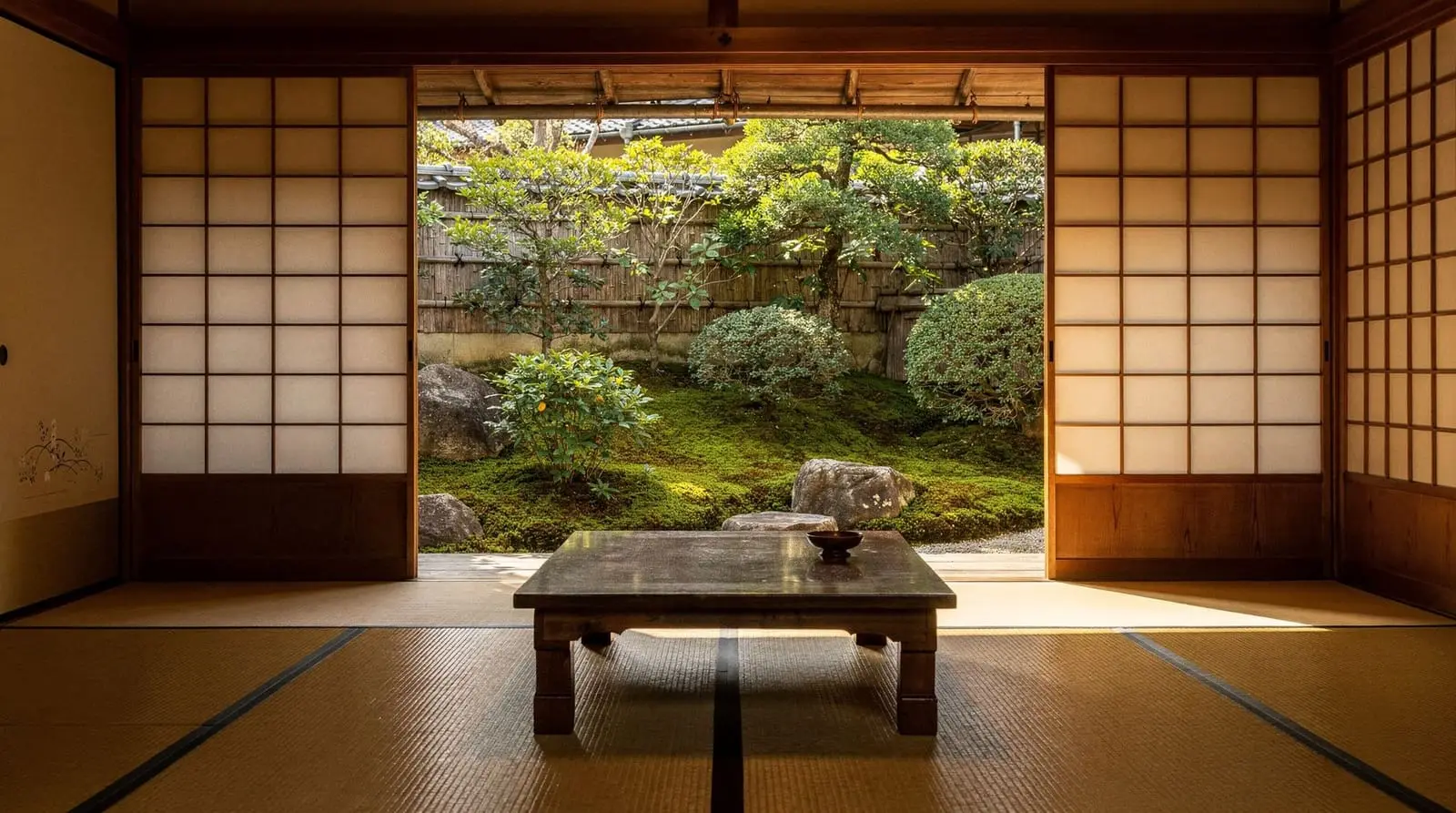
A ryokan is a traditional Japanese inn — tatami-mat rooms, futon bedding laid out in the evening, communal or private baths, and often a multi-course kaiseki dinner and breakfast included in the rate. Staying in one is a genuine cultural experience worth building into at least one night of a Kyoto trip, particularly given the city’s concentration of long-established properties; Tawaraya and Hiiragiya, both centuries-old ryokan near Nijo Castle, are among the most famous in Japan, with rates to match (often ¥80,000-150,000+ per person per night including meals).
More accessible ryokan exist across most price points, but even mid-range options — ¥25,000-45,000 per person with dinner — cost meaningfully more than an equivalent hotel room, partly because the rate is per person rather than per room, and partly because the included dinner and breakfast add real cost. The dinner timing (usually served in-room or in a private dining area starting around 6-7pm) also suits a slower one or two-night stay better than a schedule built around early starts and full sightseeing days, which is why most multi-night itineraries mix one ryokan night with several standard hotel nights rather than a ryokan stay throughout.
A standard hotel — whether a business chain near the station or a boutique property downtown — offers more flexibility on check-in and check-out timing, doesn’t require removing shoes at the entrance or navigating shared bathing customs if that’s unfamiliar, and generally costs less per night for equivalent quality. For a first Kyoto trip, one or two ryokan nights bookended by hotel stays covers the cultural experience without committing the whole trip’s budget and schedule to it.
A practical note on ryokan logistics: many traditional properties, especially the higher-end ones, have earlier check-in windows (often 3-4pm) and expect guests back for the evening kaiseki dinner, typically served between 6 and 7:30pm. That’s a real constraint on a sightseeing day — a ryokan night works best slotted in after a lighter afternoon rather than immediately following a full day trip to Nara or Arashiyama, where an on-time return isn’t guaranteed.
Some ryokan also have gender-separated communal baths (onsen or sento-style) rather than en-suite bathrooms in every room, worth checking before booking if that’s a dealbreaker; most mid-range and upper properties do offer rooms with private bathrooms as an option, usually at a higher rate.
Deciding between price and location
When budget and location pull in different directions, the more useful trade-off to consider isn’t hotel star rating but transit time saved. A room that costs ¥5,000 less per night but adds 20-30 minutes of extra travel time to and from your main sightseeing areas each day works out to a real time cost over a multi-day trip — often more disruptive to an early-morning strategy (arriving at Fushimi Inari or Kiyomizu-dera before 8am) than the money saved is worth. As a rough rule, prioritizing a shorter commute to whichever area you’ll visit most often — usually Higashiyama or downtown for a first-time itinerary — tends to produce a better trip than prioritizing the lowest nightly rate available citywide.
Booking timing by season
Standard advice — book Kyoto accommodation 2-3 months ahead for a normal season visit — tightens considerably during cherry blossom season (late March-early April) and autumn foliage season (mid-November), when well-reviewed ryokan and hotels in central neighborhoods routinely sell out 4-6 months in advance, and remaining inventory carries a substantial price premium. Golden Week (April 29-May 5) and Obon (mid-August) see similar pressure from domestic Japanese travel rather than international tourism specifically. Outside these windows — June through early September aside from Obon, and December through early March aside from New Year — booking even a few weeks ahead is usually workable, and rates run noticeably lower.
Accessibility and traveling with limited mobility
Kyoto’s older neighborhoods present real accessibility challenges — Gion and Higashiyama’s stone lanes are uneven and occasionally stepped, many traditional ryokan have raised thresholds and stairs without elevators, and Sannenzaka and Ninenzaka’s sloped, cobbled paths are genuinely difficult for wheelchair users or anyone with limited mobility.
Modern hotels near Kyoto Station and in the downtown core generally offer more reliable accessibility — barrier-free rooms, elevators, and step-free entrances — than traditional properties, and are the more dependable choice if mobility is a concern. Kyoto’s bus and subway system has improved accessibility over the past decade, with most subway stations offering elevator access, though older buses and some smaller stations still present gaps worth researching for a specific route in advance.
Traveling with family or a group
For families, room size matters more in Kyoto than in many destinations, since traditional Japanese hotel and ryokan rooms often run smaller than equivalent Western hotel rooms, particularly outside the largest chain properties. Station-area business hotels and larger international chains (Hyatt Regency Kyoto, Kyoto Marriott, both near Higashiyama) tend to offer more consistent access to family-sized or connecting rooms than boutique downtown properties. Group travel splitting across multiple rooms often finds better value and more flexible booking at these larger properties than trying to coordinate several ryokan reservations, which frequently have per-room occupancy limits of two or three guests.
Booking channels: direct versus third-party platforms
Booking directly with independent ryokan and smaller guesthouses, rather than exclusively through third-party platforms, occasionally unlocks slightly better rates or small perks (an early check-in, a room upgrade) that don’t show up on aggregator listings, since many smaller Kyoto properties still value direct relationships with guests.
For larger chain hotels, the difference between direct and third-party booking is usually negligible, and the convenience of comparing multiple properties on one platform tends to outweigh any marginal savings from booking direct. Whichever channel you use, checking cancellation policies carefully matters more in Kyoto than in many destinations, since peak-season bookings are often non-refundable or only partially refundable given how quickly rooms sell out.
Matching neighborhood to trip length
For a short 2-3 night stay, a single well-connected base — Kyoto Station or downtown — minimizes the overhead of checking in and out, which matters more on a short trip than the marginal atmosphere gain of a more traditional neighborhood. For a longer 4-6 night stay, splitting between two bases (a downtown or station stay for the bulk of the trip, plus one or two nights in Gion or Arashiyama for the immersive experience) captures both the convenience and the atmosphere without the cost of a full trip at premium rates.
See the how many days in Kyoto guide for how trip length affects this decision, and the Kyoto travel budget guide for how accommodation choice affects total trip cost. For sightseeing content specific to each area, see the Kyoto Station, downtown Kyoto, Gion, Higashiyama, and Arashiyama destination guides.