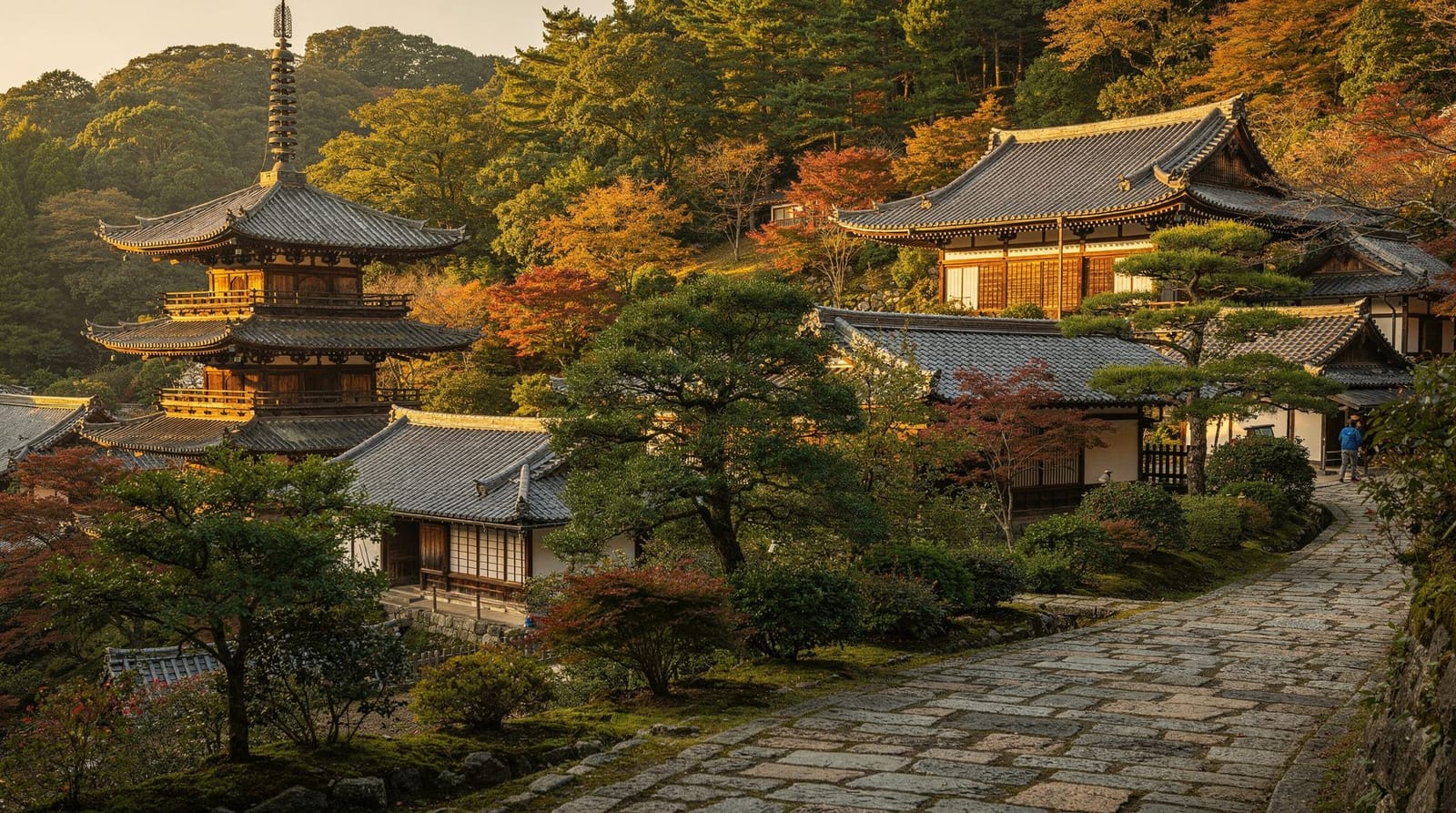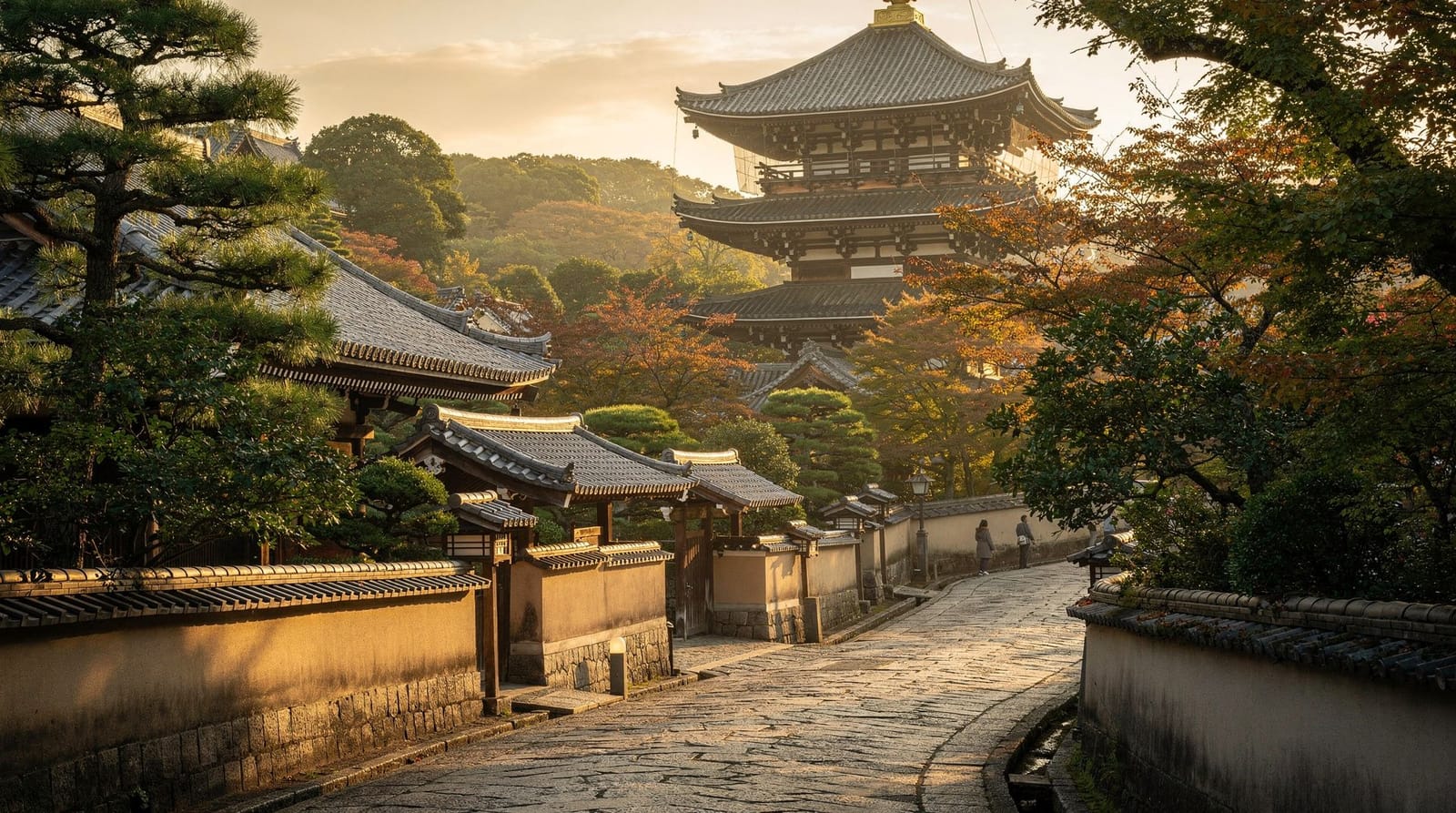
Kyoto in 4 days — the 3-day plan plus a full Nara day trip
Kyoto: Nara, Todai-ji & Kasuga Taisha shrine private full day
Why Nara earns the fourth day
With three days already covering Kyoto’s east side, west side, and downtown core (see the 3-day itinerary for that full plan), a fourth day is best spent leaving the city rather than adding a fourth Kyoto district.
| Where | Days 1-3 Kyoto (east/west/downtown); Day 4 Nara day trip |
| Cost | Around ¥28,000-35,000 ($190-240) per person for all 4 days |
| Time needed | 4 full days; Day 4 runs roughly 8.5 hours door to door |
| Getting there | JR/Kintetsu Nara Line for Day 4; JR + city buses + subway for Days 1-3 |
| Best time | Year-round; summer heat makes Nara’s ~3-4km of walking more taxing |
Nara is Japan’s first permanent capital, established in 710, six decades before the court moved to Kyoto — so a Nara day trip is also, in a real sense, a look at what preceded Kyoto rather than just an add-on excursion. The city sits close enough that it works as a full day out and back without needing a hotel change: JR or Kintetsu trains from Kyoto Station take 35-45 minutes each way, meaning even a 9am departure gets a full day on the ground with an evening return to Kyoto accommodation.
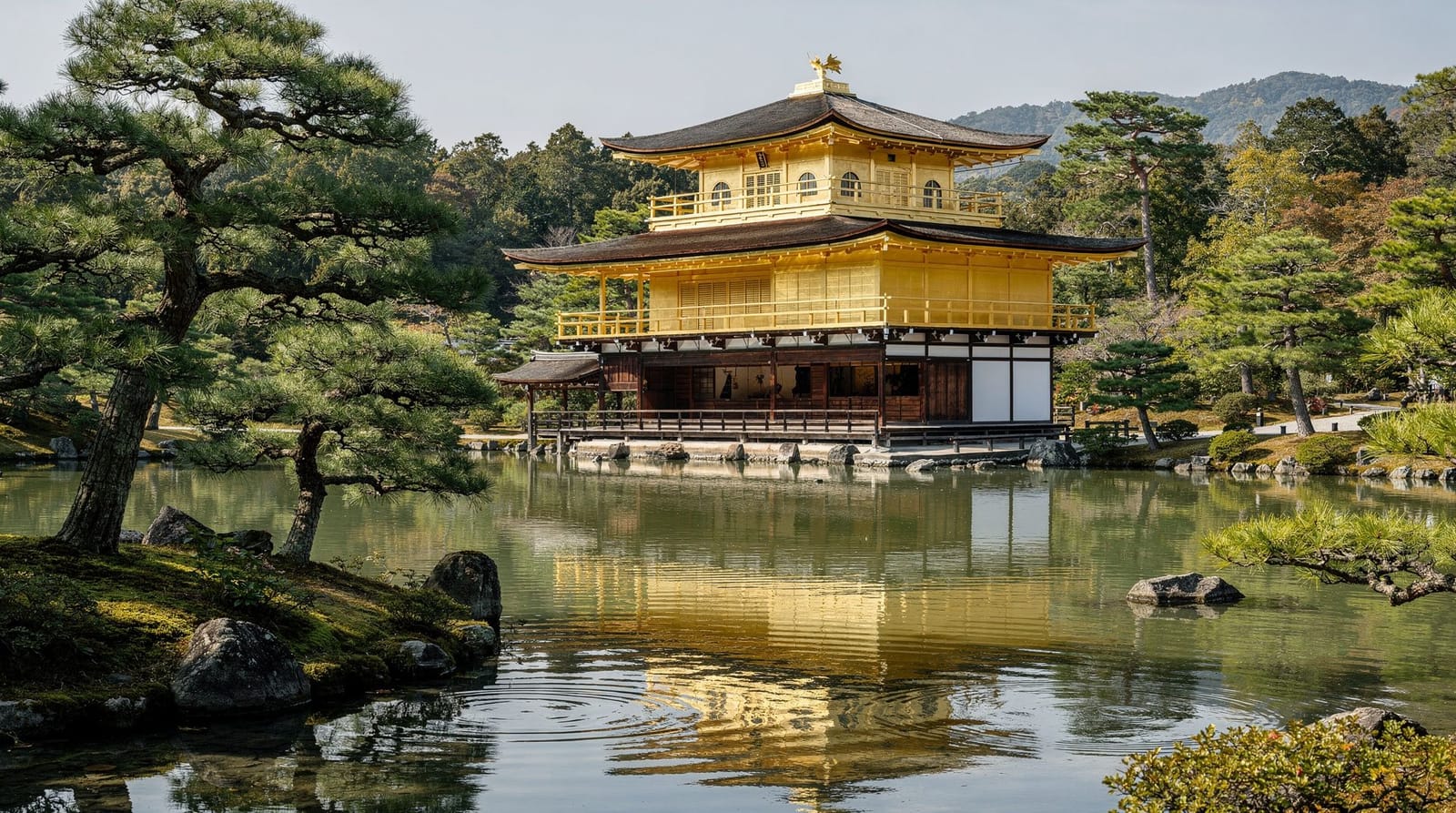
Days 1-3 of this itinerary follow the identical east/west/downtown structure as the 3-day plan — Fushimi Inari, Higashiyama, and Gion on Day 1; Arashiyama and Kinkaku-ji on Day 2; Nijo-jo, Nishiki Market, and the Philosopher’s Path on Day 3. What follows here focuses on the new fourth day; full hour-by-hour detail for Days 1-3 is in the 3-day Kyoto itinerary.
Days 1-3 — the complete east/west/downtown plan
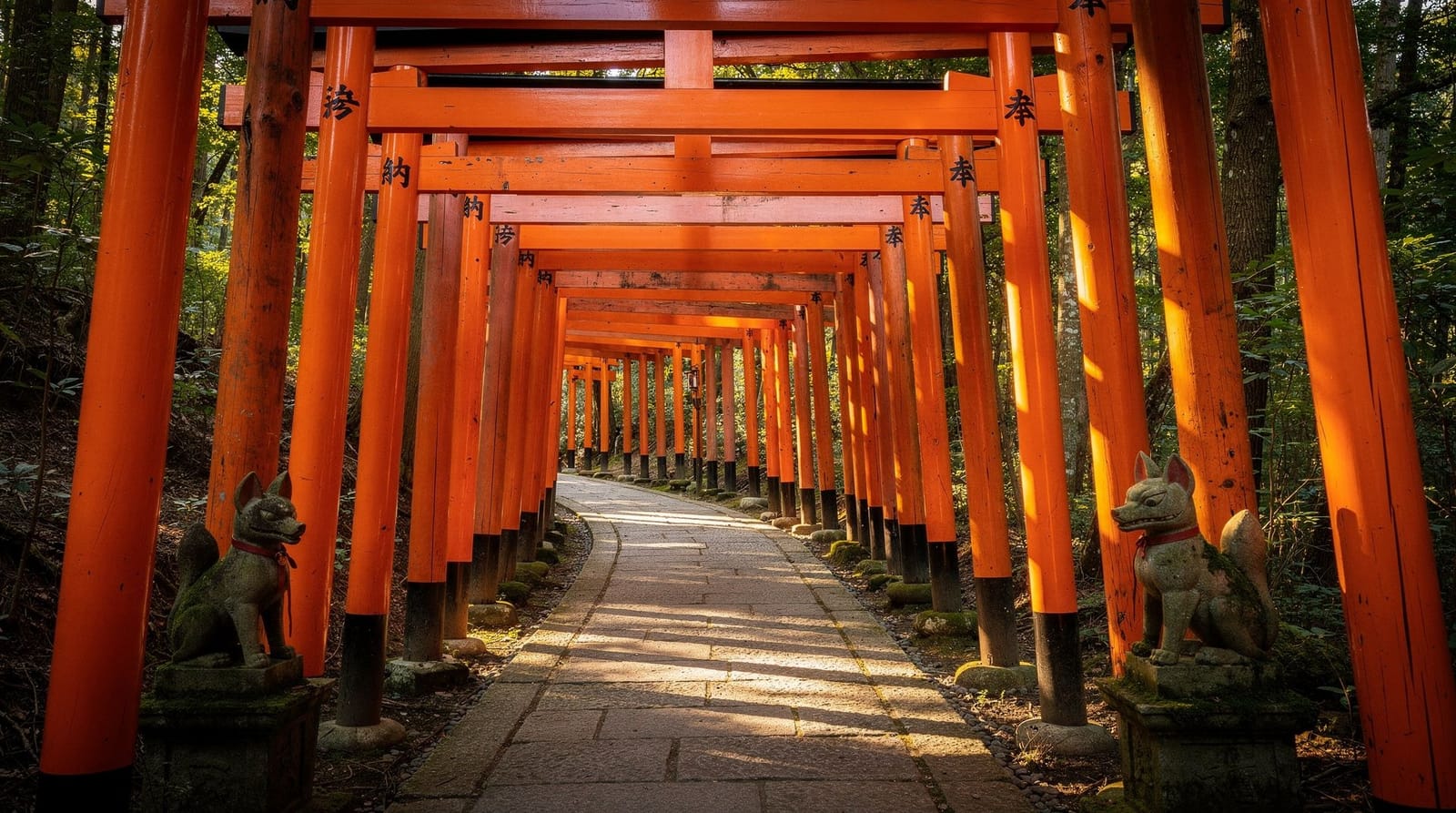
Day 1 starts at Fushimi Inari before 8am (JR Nara Line, 2 stops, ~5 min, ¥150), moves to Kiyomizu-dera and the Sannen-zaka/Ninen-zaka lanes of Higashiyama by mid-morning, and finishes in Gion in the early evening for the best chance of seeing a maiko en route to an appointment. Day 2 covers the Arashiyama bamboo grove and Tenryu-ji before 9am (JR Sagano Line, ~15-20 min, ¥240), then Kinkaku-ji by bus in the afternoon. Day 3 covers Nijo-jo Castle in the morning, Nishiki Market at midday, and the Philosopher’s Path in the afternoon. See the 3-day itinerary for the full timed breakdown, prices, and etiquette notes for each stop.
Early-morning Fushimi Inari shrine tour Nijo-jo Castle samurai and shogun private tourDay 4 — Nara: deer park, Todai-ji, Kasuga Taisha
08:30 — Depart Kyoto Station for Nara
Two practical options: the JR Nara Line direct rapid service (~45 minutes, ¥720/$5) to JR Nara Station, or the Kintetsu Nara Line express (~35 minutes, ¥760/$5.25) to Kintetsu-Nara Station, which sits noticeably closer to the deer park and Todai-ji than the JR station. Unless you already hold a JR-affiliated pass, Kintetsu is usually the better choice on this specific route purely for the shorter walk at the other end.
09:15 — Nara Park and the deer
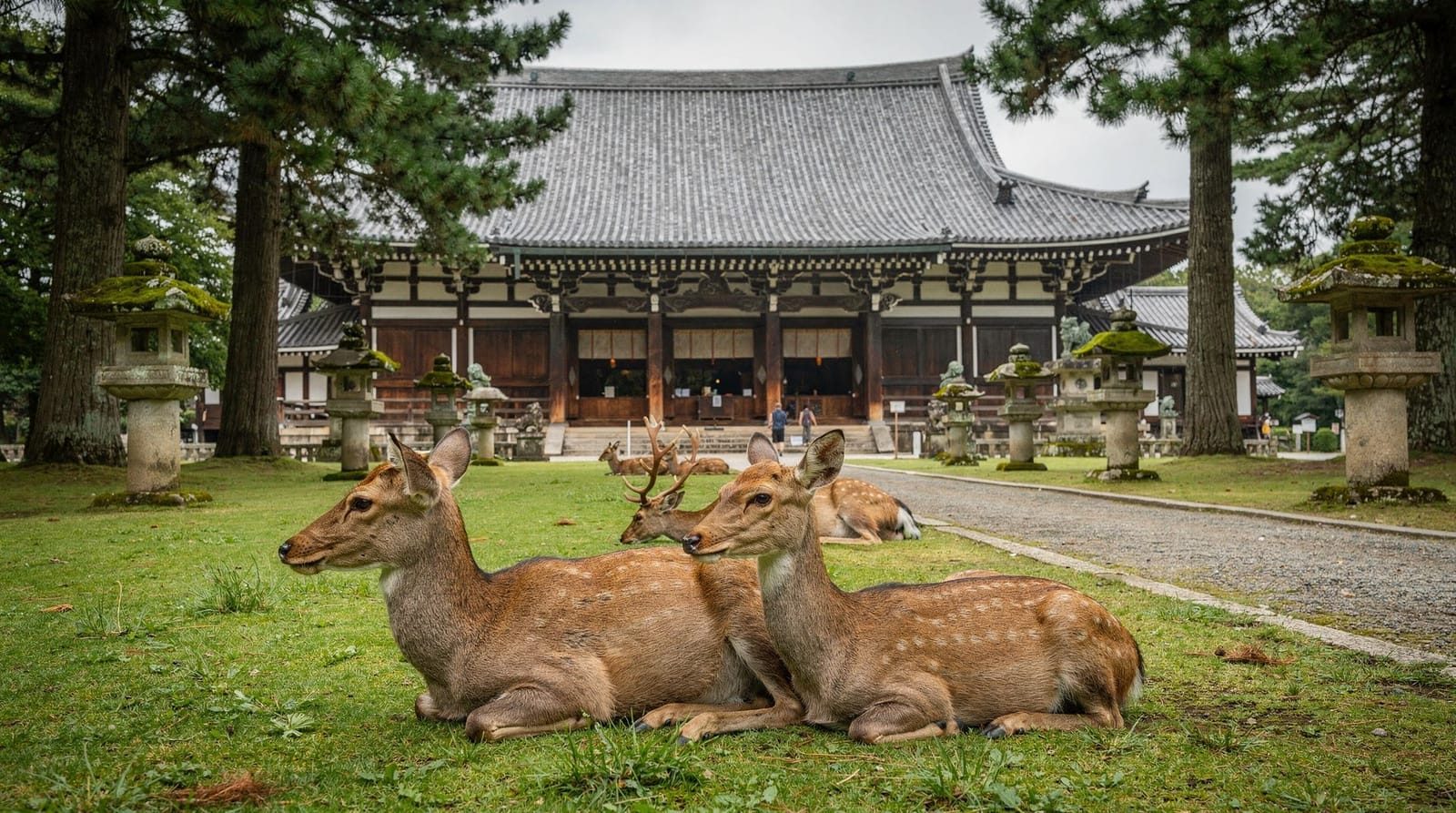
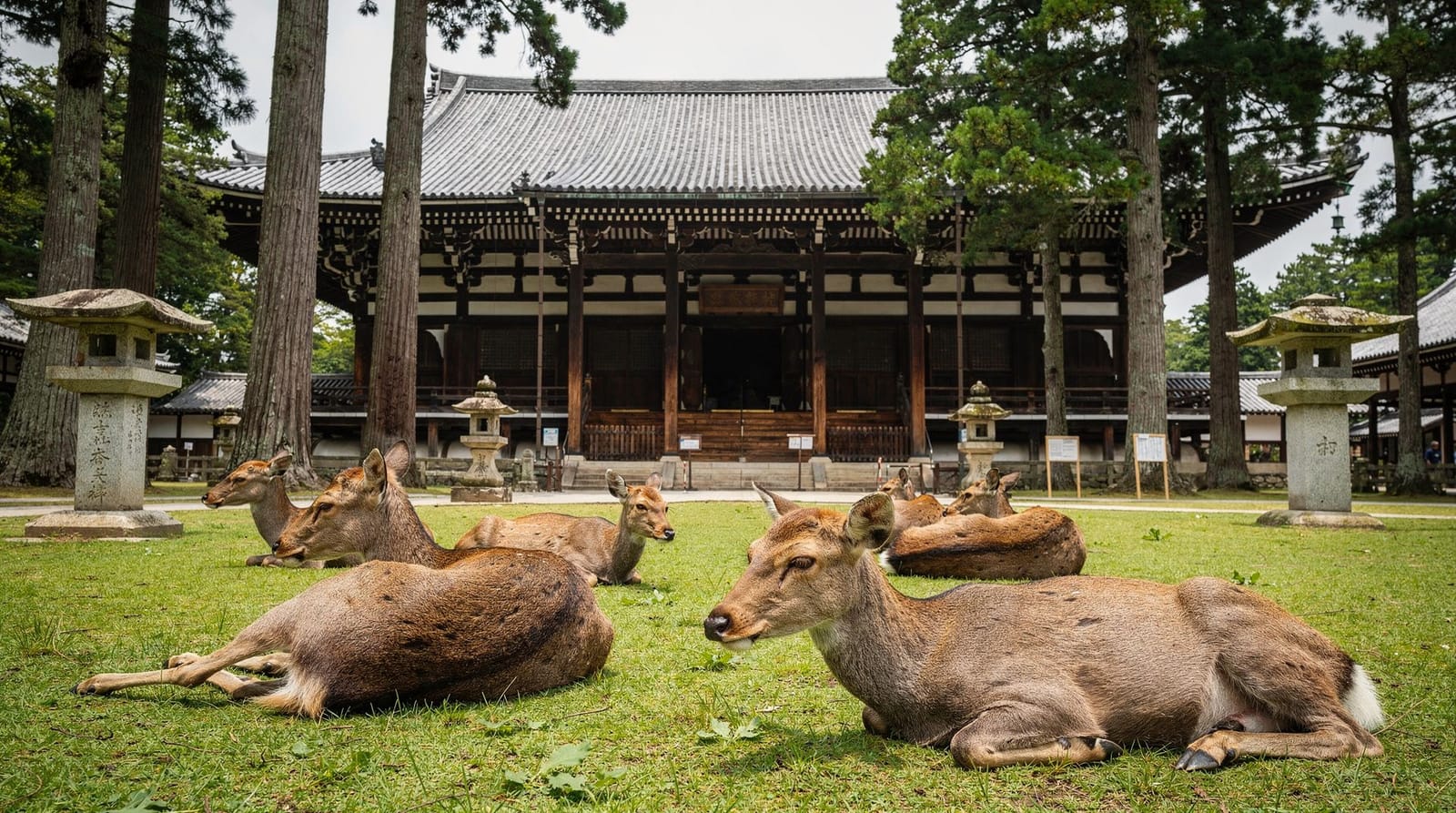
Nara Park is free and unfenced — the park’s roughly 1,200 sika deer wander the grounds and streets around it, considered messengers of the gods in local Shinto tradition and protected as a national natural treasure since 1957. Shika senbei (deer crackers) are sold by park vendors for ¥200 ($1.40) a pack; deer have learned to bow for a cracker before it’s handed over, which is genuinely as charming as it sounds, though also genuinely capable of nipping at pockets and bags that smell like food. Keep crackers visible and out of bags once purchased, and be aware some deer, particularly around feeding stalls, can be pushier than the photos suggest.
10:15 — Todai-ji and the Great Buddha
Entrance to the Daibutsuden (Great Buddha Hall) is ¥600 ($4). The bronze Buddha inside stands roughly 15 meters tall — the largest bronze Buddha statue in the world — and the hall itself, despite being rebuilt in 1692 at about two-thirds its original 8th-century footprint after fire destroyed earlier versions, remains the largest wooden building on Earth. Budget 45-60 minutes, including the walk from the park entrance through the Nandaimon gate, which itself houses two enormous Nio guardian statues worth pausing for.
Nara Todai-ji and Kasuga Taisha private full-day tour12:00 — Lunch near Nara Park
Restaurants directly bordering the park charge tourist rates for average food; walking 5-10 minutes toward Sanjo-dori, Nara’s main shopping street, improves both price and quality — casual set meals run ¥1,000-1,800 ($7-12.50). Kakinoha-zushi (persimmon-leaf-wrapped sushi), a genuine Nara regional specialty rarely found elsewhere, is worth seeking out specifically.
13:30 — Kasuga Taisha
A 20-25 minute walk east from Todai-ji through the park, or a short bus ride. Kasuga Taisha is known for its roughly 3,000 stone and bronze lanterns donated over centuries, lining the approach path and covering the shrine’s structures — most are only lit during the twice-yearly Mantoro lantern festivals (February and August), but the sheer density is striking even unlit. The shrine grounds are free; the inner area (Chuo-tei) costs ¥500 ($3.50).
Nara half-day tour, four must-see spots and the deer park15:30 — Naramachi, the old merchant quarter
A 20-minute walk south of the park, Naramachi is a preserved Edo-period merchant district with narrower, quieter streets than central Nara Park — worth 45-60 minutes for anyone with time before the return train, with small craft shops and cafés set into converted machiya townhouses.
17:00 — Return to Kyoto
Kintetsu Nara Line express back to Kyoto (~35 minutes, ¥760/$5.25) or JR Nara Line (~45 minutes, ¥720/$5). An evening arrival back in Kyoto by 18:00 leaves time for a final dinner in whichever neighborhood you’re staying in.
Practical notes for 4 days in Kyoto plus Nara
Transport cost: Days 1-3 run roughly ¥2,000-2,500 ($14-17) in Kyoto-internal JR, bus, and subway fares. Day 4’s Nara round trip adds ¥1,440-1,520 ($10-10.50) via Kintetsu or JR.
JR Pass: still not worth it for this itinerary. The single Nara round trip (¥1,440-1,520) plus three days of short Kyoto hops totals well under ¥4,000 ($27) in rail fares — nowhere near the ~¥50,000 ($340) cost of a 7-day national JR Pass. The Kyoto travel budget guide covers when a rail pass actually pays off (multi-city trips involving shinkansen).
Season: Nara Park works year-round, though summer heat (July-August) is more taxing on the roughly 3-4km of walking the day involves, and the deer themselves are calmer in cooler months — spring rutting season and autumn (when bucks can be more aggressive around mating season) call for a bit more caution with children.
Budget: with mid-range meals across all four days, entrance fees, and transport, a realistic total is ¥28,000-35,000 ($190-240) per person, excluding accommodation.
Extending further: the 5-day Kyoto itinerary keeps these four days intact and adds a fifth focused on a deeper return to Arashiyama plus a quieter mountain day trip (Ohara or Kurama-Kibune).
The four days at a glance
| Day | Focus | Key stops | Early start? |
|---|---|---|---|
| 1 | East Kyoto | Fushimi Inari, Kiyomizu-dera, Gion | Yes, 07:00 |
| 2 | West Kyoto | Bamboo grove, Tenryu-ji, Kinkaku-ji | Yes, 07:30 |
| 3 | Downtown | Nijo-jo, Nishiki Market, Philosopher’s Path | Moderate, 08:45 |
| 4 | Nara | Deer park, Todai-ji, Kasuga Taisha, Naramachi | Moderate, 08:30 |
Packing and pacing for the Nara add-on day
Day 4 is physically different from the first three: instead of stone steps and hillside inclines, it’s mostly flat walking across Nara Park’s open grounds, punctuated by two train legs. Comfortable shoes still matter, but the real packing note is food-related — deer will investigate any bag or pocket that smells like a snack, so keep shika senbei out of sight until you’re ready to hand them over, and consider a bag that closes securely if you’re carrying loose food for the rest of the day. Because Day 4 is a genuine day trip rather than city sightseeing, it’s also worth checking out of anything requiring a mid-day hotel return — there isn’t one built into this schedule.
Deciding between Nara and a second Kyoto deep-dive
Not every traveler wants to leave the city on day four — some would rather use the extra day to revisit Fushimi Inari’s full summit hike, add Ohara or Kurama-Kibune’s quieter northern temples, or simply slow down inside Kyoto. Nara earns its place here because it delivers a genuinely different experience (wildlife, a different historical capital, different architecture) rather than a fourth variation on Kyoto’s temples — but if wildlife or a second city isn’t the draw, swapping this day for a quieter mountain day works fine within the same overall structure. The 5-day itinerary actually includes both, for travelers who don’t want to choose.
a 2-hour Todai-ji and Great Buddha guided tourFrequently asked questions about 4 days in Kyoto with a Nara day trip
Is Nara worth a full day, or can it be done in half a day?
A half-day covers the deer park and Todai-ji, which are genuinely the two essential stops — several tours package exactly this. A full day adds Kasuga Taisha and Naramachi, which reward the extra time but aren’t essential on a first visit if the schedule is tight. See the best day trips from Kyoto guide for how Nara compares to other options.
Should I choose JR or Kintetsu to get to Nara?
Kintetsu Nara Line express (~35 min, ¥760/$5.25) is faster and lands closer to the deer park and Todai-ji than JR Nara Line (~45 min, ¥720/$5), which arrives at JR Nara Station, a longer walk from the main sights. Kintetsu is the better default unless you already hold a JR-affiliated pass covering the route.
Are the deer at Nara Park actually safe to approach?
Generally yes, and feeding them is part of the experience, but they’re wild animals, not petting-zoo animals — bites and headbutts happen, usually when a deer smells food in a bag or pocket and doesn’t get it fast enough. Buy shika senbei only from official park vendors, keep the pack visible once purchased, and supervise children closely around feeding areas.
Can I visit Nara and Uji on the same day trip?
It’s possible but tight, since both require separate train legs from Kyoto and neither is a quick stop — realistically this stretches a single day thin. If both matter, consider dedicating this itinerary’s Day 4 to Nara and adding Uji as a separate half-day if a fifth day is available; see the Uji matcha guide.
What’s the best time of day to see the deer bowing for crackers?
Any time the park is open, though mid-morning through early afternoon tends to have the most active, food-motivated deer near the main paths, since that’s when foot traffic and cracker sales peak. Early morning has calmer deer and thinner crowds for photography, at the cost of some deer being less immediately responsive.
Do I need to book Todai-ji or Kasuga Taisha tickets in advance?
No — both charge at the gate with no advance booking needed for general admission. Guided tours bundling entrance with historical context are optional, not required.
How does a Nara day trip compare to adding a fourth day inside Kyoto instead?
By day four, most first-time visitors have already covered Kyoto’s clearest highlights across the first three days; a Nara day trip adds a genuinely different experience — wildlife, a different historical period, a different city entirely — rather than a fourth, increasingly marginal Kyoto temple. See how many days you need in Kyoto for how this trade-off is typically weighed.
Is Nara walkable, or is a lot of the day spent on transport?
Nara Park, Todai-ji, and Kasuga Taisha sit close enough together to link on foot in about 3-4km of walking across the day; only the Kyoto-Nara train legs (35-45 minutes each way) count as significant transit time, and the deer park itself is genuinely pleasant to walk through rather than a means to an end.
Top experiences
Bookable activities with verified prices and instant confirmation on GetYourGuide.