Kyoto and Nara in 2 days — eastern Kyoto plus a full Nara day trip
From Kyoto: Nara heritage half-day tour
Duration: Half day
Two days, two very different kinds of sightseeing
This plan gives you one day inside Kyoto proper and one full day in Nara, Japan’s earlier capital and a 45-minute train ride south.
| Where | Day 1 eastern Kyoto (Fushimi Inari, Higashiyama, Gion); Day 2 Nara |
| Cost | Around ¥10,000-15,000 ($68-100) per person per day |
| Time needed | 2 full days, one base for both nights |
| Getting there | JR Nara Line, Keihan Main Line, JR/Kintetsu to Nara |
| Best time | Early summer (May-June) or late autumn for fewer crowds at a similar price |
The logic behind putting Fushimi Inari and Nara on separate days, rather than combining them as some tour operators do, is simple: both deserve unhurried time, and stacking a 24-hour shrine with no closing time against a day trip that also runs on a schedule tends to rush one or the other. Splitting them means you get a proper morning at Fushimi Inari before the crowds build, and a full day in Nara without racing the last train back.
Base yourself near Kyoto Station or in the Higashiyama/Gion area for these two days — both put you within a short walk or single train hop of everything on day one, and Kyoto Station is the departure point for Nara on day two regardless of where you sleep. A room near Kyoto Station adds slightly more walking to reach Gion in the evening but saves time on the Nara morning departure; a room in Higashiyama is more atmospheric but means backtracking to Kyoto Station on day two.
Day 1 — Fushimi Inari, Higashiyama, and Gion
07:30 — Fushimi Inari Taisha (2 stops, JR Nara Line, ~5 min, ¥150/$1)
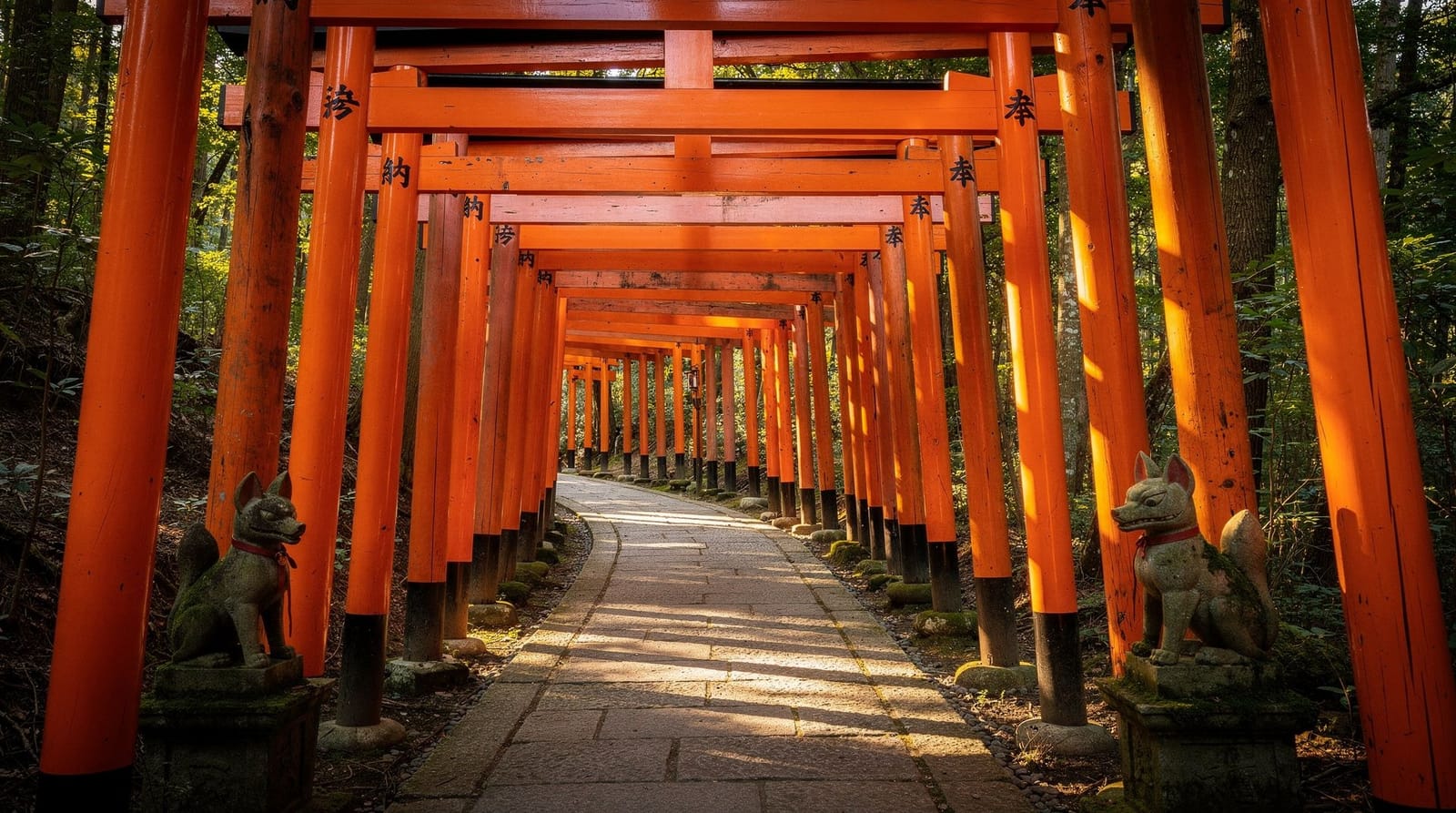
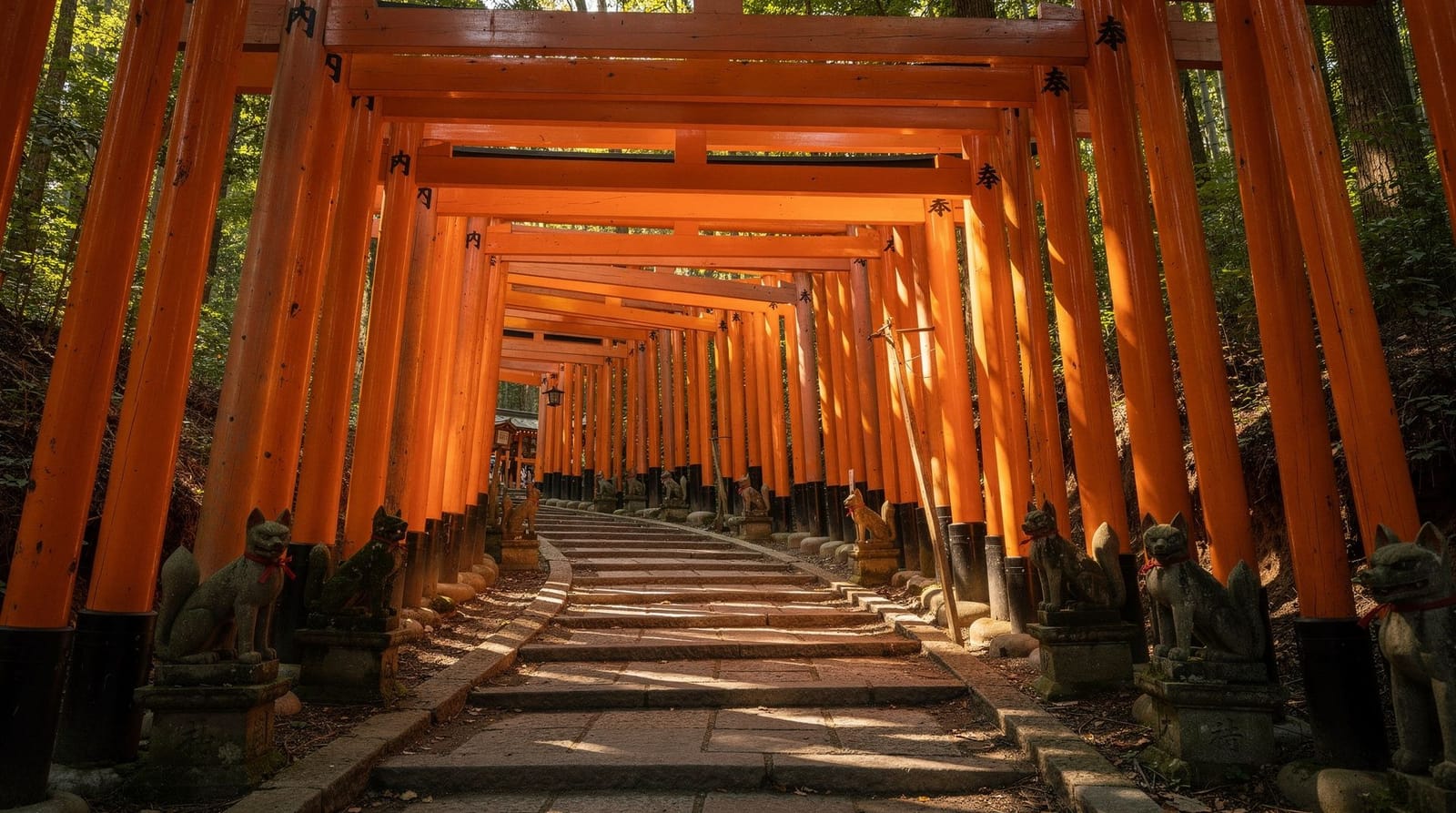
Start early. Fushimi Inari is free and open 24 hours, and the difference between arriving at 7:30am and 10am is the difference between an empty Senbon Torii tunnel and a shuffling queue for photos. From Kyoto Station, the JR Nara Line reaches Inari Station in two stops; the shrine entrance is directly across the street. Walk the Senbon Torii tunnel, then continue up toward Yotsutsuji if you have the legs for it — that round trip adds about an hour but includes a real view over southern Kyoto. See the Fushimi Inari guide for the full trail breakdown.
guided walking tour of Fushimi Inari10:00 — Back to Higashiyama (Keihan Main Line to Kiyomizu-Gojo, ~10 min, ¥230/$1.50)
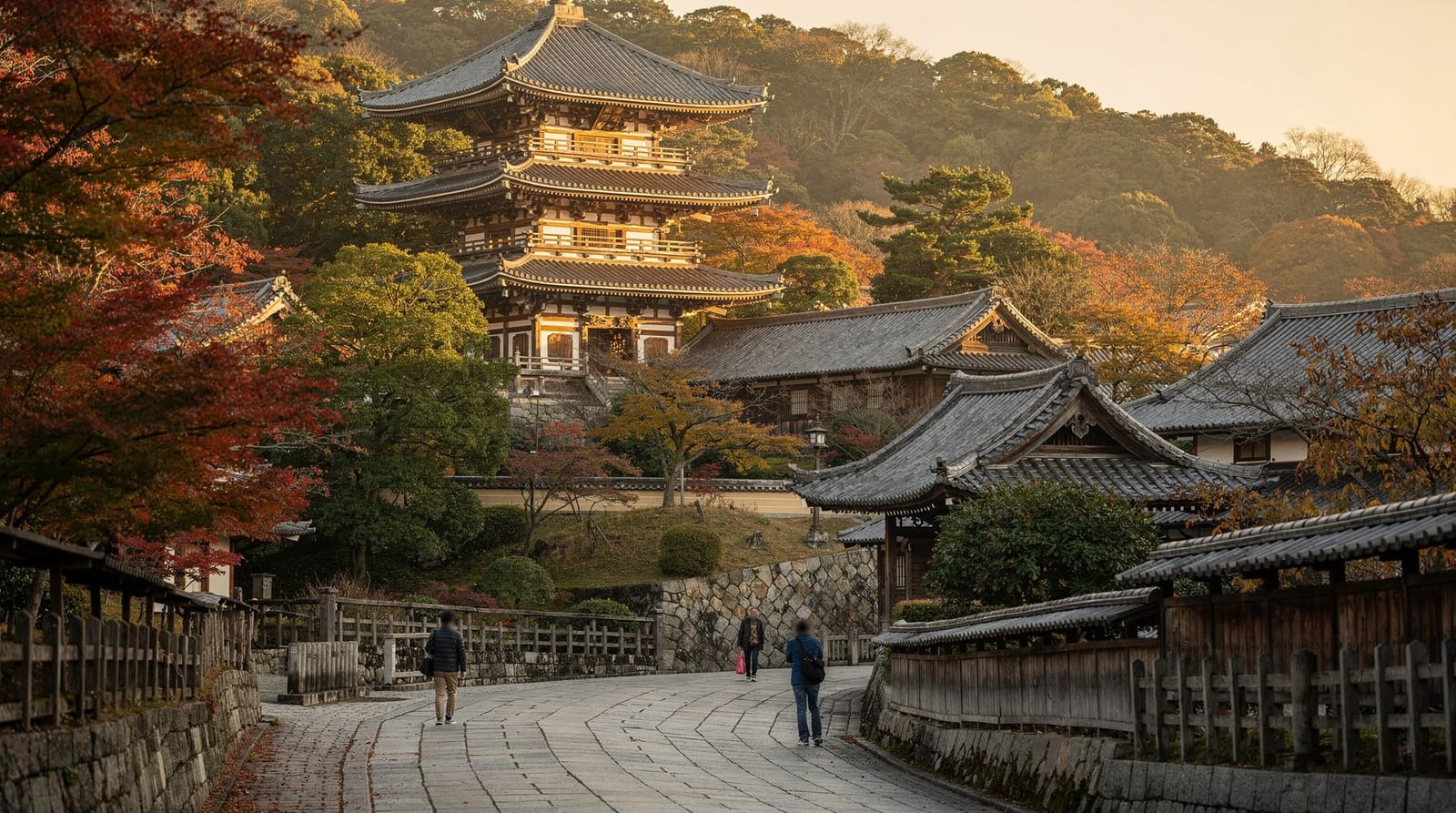
From Fushimi-Inari Station on the Keihan line, ride north to Kiyomizu-Gojo, then walk uphill (about 15 minutes) into Higashiyama, Kyoto’s best-preserved old quarter. Kiyomizu-dera opens at 6am and charges ¥400-500 ($2.70-3.40); its wooden stage and hillside views justify the climb even with a moderate crowd. Allow 45-60 minutes.
12:00 — Ninenzaka and Sannenzaka, lunch
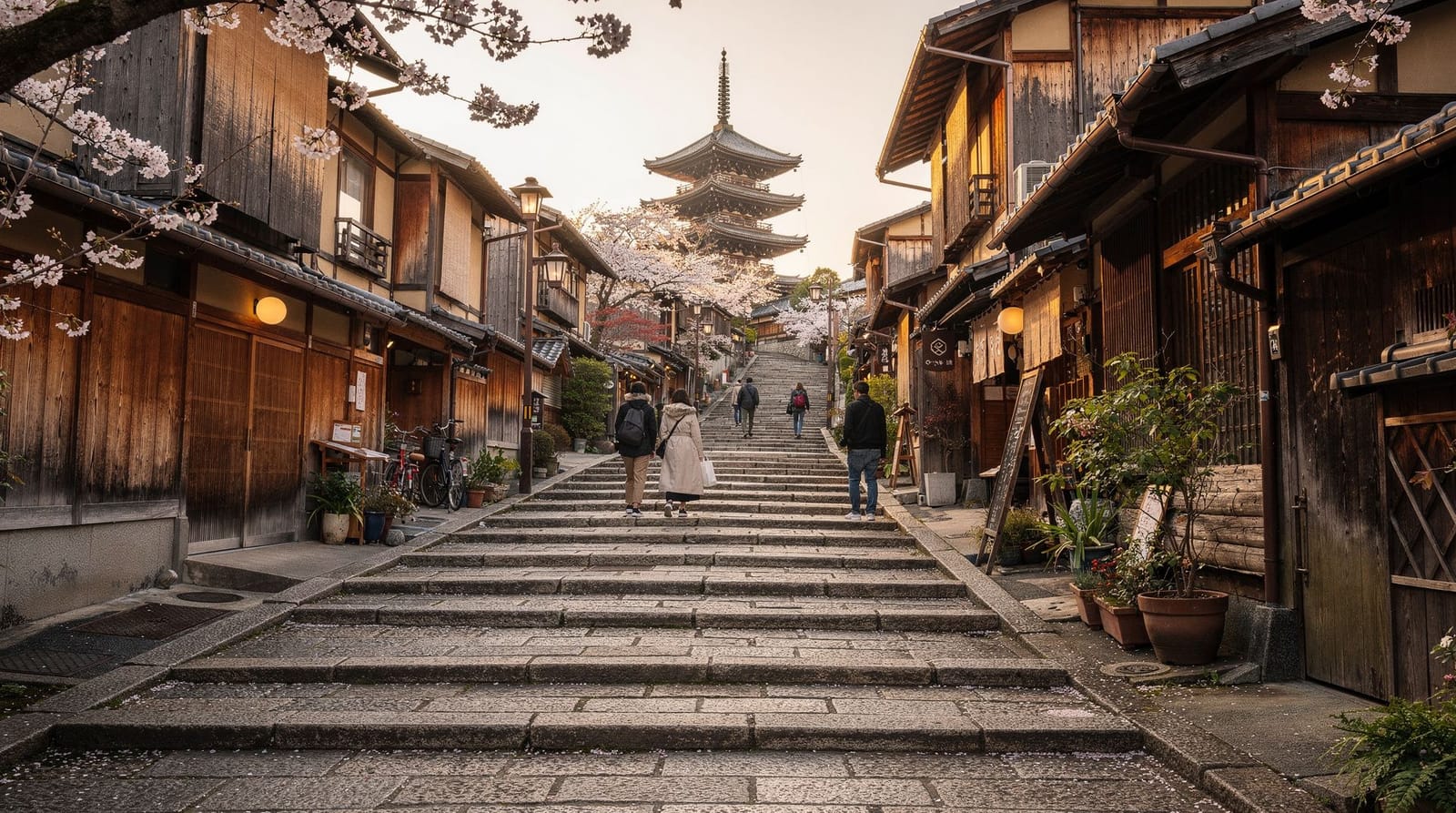
Walk down through Ninenzaka and Sannenzaka, the stone-paved lanes lined with machiya townhouses, teahouses, and craft shops connecting Kiyomizu-dera to the rest of Higashiyama. Lunch options along the way run ¥1200-2500 ($8-17) for noodles, tofu-based sets, or a casual kaiseki lunch. Avoid restaurants with laminated photo menus and staff calling out from the doorway — a reliable sign of tourist pricing rather than genuine Kyoto cooking; see the Kyoto food guide for names worth seeking out.
13:30 — Kodai-ji and Yasaka Shrine (15-20 min walk)
Continue north through Ninenzaka to Kodai-ji (¥600/$4, gardens and a bamboo grove, smaller crowds than Arashiyama’s) and then to Yasaka Shrine, free to enter, marking the transition from Higashiyama into Gion.
16:30 — Gion
Gion is Kyoto’s best-known geisha and maiko district. The most reliable time to see a maiko or geiko en route to an evening appointment is roughly 5:30-6:30pm along Hanamikoji-dori. Etiquette here is strict and enforced with fines in parts of the private Gion Kobu district: do not touch, block, or chase a maiko for a photo, and do not photograph inside private alleys marked as off-limits. See the Kyoto etiquette guide before you arrive. Nishiki Market is a 20-minute walk or short bus ride away if you want to browse food stalls before dinner instead.
18:30 — Dinner in Gion or Pontocho
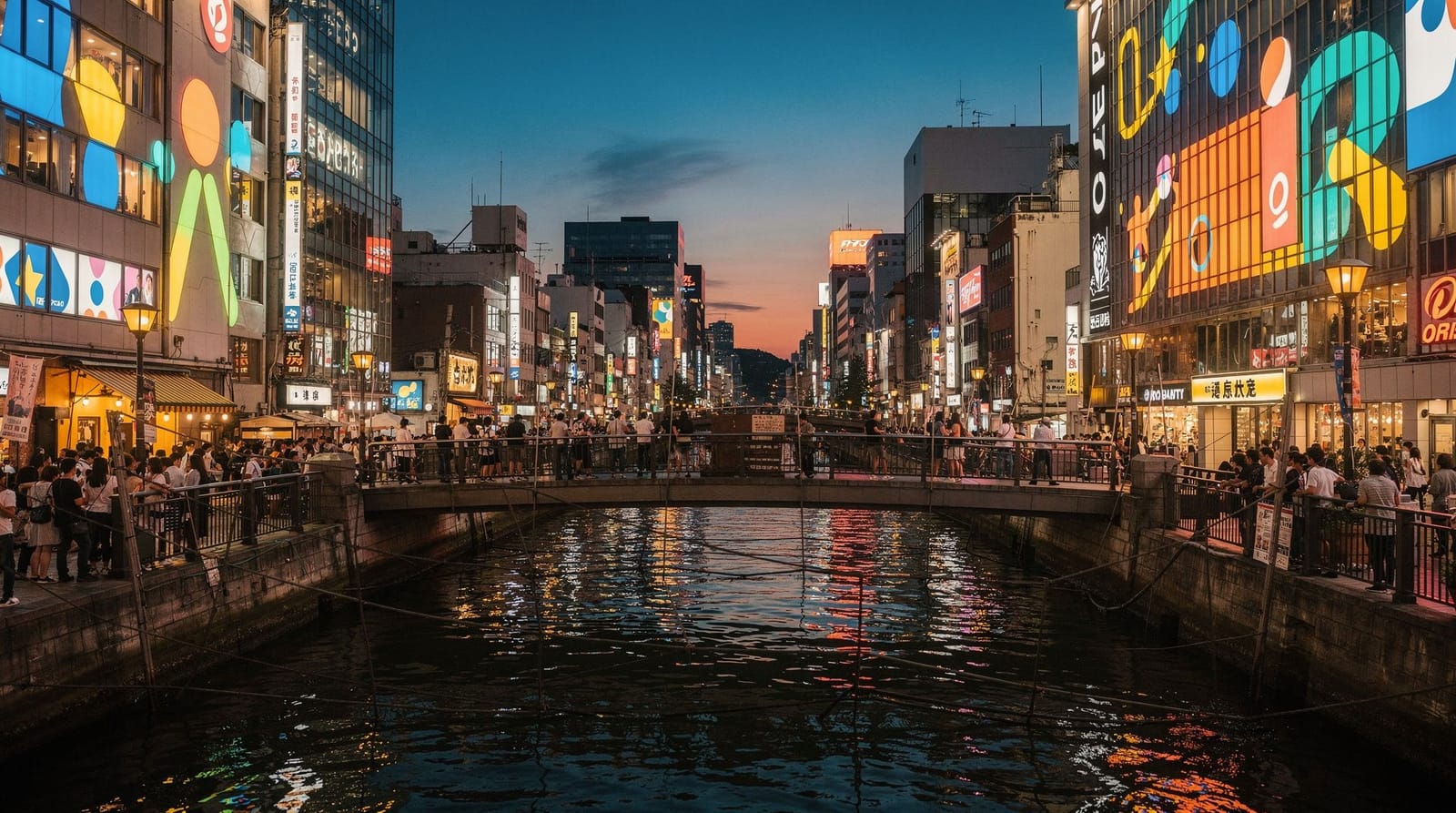
Pontocho, the narrow lane running parallel to the Kamo River one stop west, has a denser concentration of restaurants at a range of budgets, from ¥1500 ($10) yakitori counters to ¥8000+ ($55+) kaiseki. River-facing terrace seating (kawadoko) runs May through September and is worth booking a day ahead in peak season.
Day 2 — Nara day trip
08:00 — Depart Kyoto Station for Nara
Two routes work. The JR Nara Line runs direct from Kyoto Station to JR Nara Station in about 45 minutes (¥720/$4.90 one way, no reservation needed off-peak). The Kintetsu Nara Line is faster on its limited express service — about 35 minutes to Kintetsu Nara Station for ¥760/$5.20 plus a limited express surcharge, or around 45 minutes on the regular express for the base fare. Kintetsu Nara Station is marginally closer to the deer park; JR Nara Station is a 20-minute walk or short bus ride from the same area. Either way, budget the full morning — Nara rewards an unhurried pace.
09:00 — Nara Park and the deer
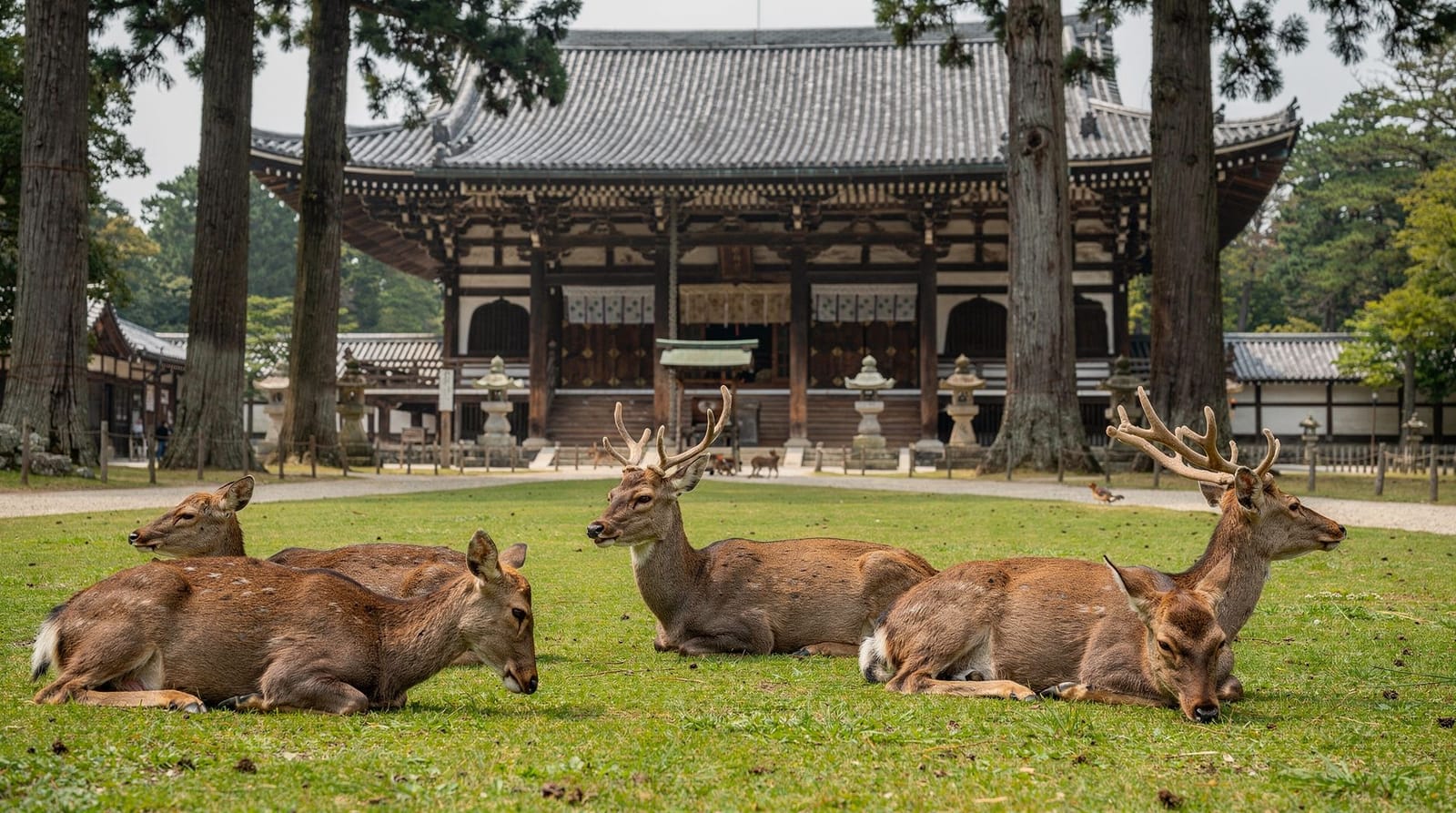
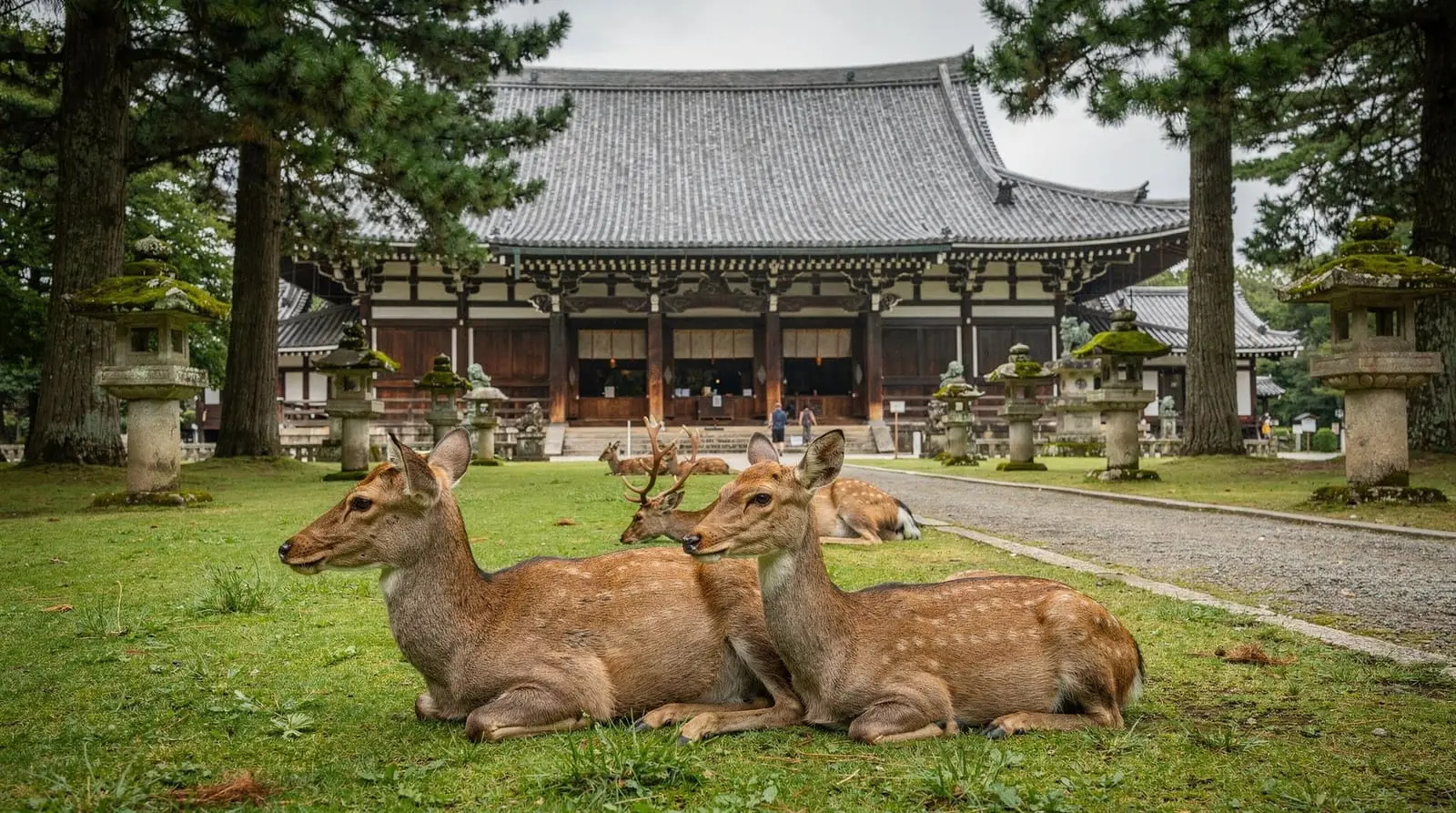
Nara Park’s roughly 1,200 free-roaming sika deer, considered sacred messengers of the local Shinto gods, are the reason most visitors come. The park itself is free and always open. Shika senbei (deer crackers) are sold from stalls throughout the park for ¥200 ($1.35) — bow to a deer before feeding it and many will bow back, though some in the busiest sections have learned to nip at pockets and bags for more, so keep food out of sight until you’re ready to hand it over.
Nara half-day tour covering the deer park and four main sites10:00 — Todai-ji
Todai-ji’s Great Buddha Hall (Daibutsuden) is the largest wooden building in the world by volume, rebuilt in 1709 at roughly two-thirds its original Nara-period footprint yet still large enough that the bronze Buddha inside — 15 meters tall — feels proportionate to the space. Entry is ¥600 ($4.10), and the hall opens at 7:30am (8am November-March), so this fits well as a mid-morning stop after the deer park. Allow 45-60 minutes including the surrounding grounds and the Nandaimon Gate’s guardian statues.
11:30 — Kasuga Taisha (20 min walk through the park)
Kasuga Taisha, founded in 768, is known for its roughly 3,000 stone and bronze lanterns lining the approach through the forest — donated over centuries in a similar tradition to Fushimi Inari’s torii gates. The shrine grounds are free; the inner sanctuary (haiden) costs ¥500 ($3.40) and is worth it for closer access to the vermillion architecture. The forest walk from Todai-ji is itself one of the more atmospheric stretches of the day, often with deer wandering between the trees.
private full-day Nara tour covering Todai-ji and Kasuga Taisha13:00 — Lunch near Sanjo-dori or Nara-machi
Sanjo-dori, the main shopping street connecting JR Nara Station toward the park, has casual lunch options from ¥900-1800 ($6-12), including several soba and udon counters. If you’d rather eat inside Nara-machi, several converted machiya townhouses serve set lunches in the same range with more atmosphere and typically a short wait.
14:00 — Nara-machi
Nara-machi is the old merchant quarter south of Sanjo-dori — narrow lanes of preserved Edo and Meiji-era wooden townhouses, now home to small museums, craft shops, and cafes rather than major sights. It’s free to wander and considerably quieter than the deer park area. The Nara-machi Shiryokan (folk museum, free) and several machiya interiors open to the public give a sense of pre-modern merchant life without an entrance fee. Allow 60-90 minutes at a relaxed pace.
Nara cultural heritage tour by rickshaw16:00 — Return to Kyoto
Trains run frequently until late evening on both the JR Nara Line and Kintetsu Nara Line, so there’s no need to rush the afternoon. Allow 35-45 minutes back to Kyoto Station depending on the service.
Practical notes
Best season: spring (cherry blossoms, late March-early April) and autumn (foliage, mid-November) are the most visually rewarding but also the most crowded and the most expensive for accommodation. Early summer (May-June, before the rainy season) and late autumn offer a reasonable compromise.
Transport: an IC card (ICOCA or Suica) covers every train and bus in this itinerary without needing to calculate individual fares at each gate. A national JR Pass is not worth it for two days limited to Kyoto and Nara — the JR Nara Line round trip costs less than a day’s worth of the pass. If you’re adding Osaka or Himeji, reconsider; see the 3-day Kyoto and Osaka itinerary.
Budget: expect ¥10,000-15,000 ($68-100) per person per day for a mid-range pace covering transport, temple entries, and meals, excluding accommodation.
Extending the trip: if two days feels tight, the week-long Kyoto itinerary folds this same Nara day into a longer plan that also covers Osaka, Uji, and Arashiyama. For a lighter, beginner-focused version of day one, see the first-timers itinerary.
The two days at a glance
| Day | Location | Anchor sights | Pace |
|---|---|---|---|
| 1 | Eastern Kyoto | Fushimi Inari, Kiyomizu-dera, Gion | Early start, active |
| 2 | Nara | Deer park, Todai-ji, Kasuga Taisha, Nara-machi | Moderate start, full day |
Why this pairing works for a short trip
Fushimi Inari and Nara’s deer park are, for many first-time visitors, the two single most-anticipated stops in the wider Kansai region — and this itinerary puts both within a tight two-day window without compromising either. That’s a real advantage over itineraries that try to squeeze both into a single overloaded day: Fushimi Inari alone rewards at least 2-3 hours if you want to walk past Yotsutsuji, and Nara genuinely needs a full day to cover the deer park, both temples, and Nara-machi without rushing. For travelers with only a weekend or a stopover between Tokyo and Osaka, this is close to the most efficient possible use of two days in the region.
If you’re arriving with luggage
Short trips and stopovers often mean traveling with full luggage rather than a settled base. Kyoto Station has coin lockers in a range of sizes (¥400-700/$3-5 for the day) directly inside the station complex, making it realistic to arrive with bags, stash them, and head straight to Fushimi Inari without checking into a hotel first — useful if your room isn’t ready yet or you’re departing the same evening as day two ends. Nara Station also has lockers, though fewer and smaller, so it’s generally better to leave heavier bags in Kyoto rather than carry them on the day-two round trip.
a Japan eSIM for data on the go across both daysFrequently asked questions about a 2-day Kyoto and Nara itinerary
Is two days enough for Kyoto and Nara?
Two days covers eastern Kyoto’s main sights (Fushimi Inari, Higashiyama, Gion) and a full Nara day trip comfortably, but it leaves out western Kyoto (Arashiyama, Kinkaku-ji) entirely. If those matter to you, look at the 3-day itinerary or the week-long plan instead.
How do I get from Kyoto to Nara?
The JR Nara Line runs direct from Kyoto Station to JR Nara Station in about 45 minutes for ¥720 ($4.90). The Kintetsu Nara Line is faster on its limited express (about 35 minutes, ¥760 plus surcharge) and drops you slightly closer to the deer park at Kintetsu Nara Station.
Do I need a full day for Nara, or is a half-day enough?
A half-day (4-5 hours) covers the deer park, Todai-ji, and a quick look at Kasuga Taisha. A full day, as in this itinerary, adds unhurried time at Kasuga Taisha and Nara-machi, which most half-day tours skip entirely.
Is Fushimi Inari worth visiting if I’ve already seen photos of it?
Photos only show the Senbon Torii tunnel near the base, which is a small fraction of the full site. Walking the trail yourself, especially past the crowds at Yotsutsuji, and visiting the working shrine buildings gives a genuinely different experience than the famous photo suggests. See the Fushimi Inari guide for the full trail.
What should I know about deer etiquette in Nara Park?
Bow before offering a shika senbei and most deer will bow back — a learned behaviour rather than a trained trick. Keep crackers out of sight until you intend to feed one, since deer in busy areas will nip at bags or clothing they associate with food. Deer can headbutt if provoked or teased, so approach calmly and don’t corner one for a photo.
Can I see maiko in Gion without paying for a tour?
Yes — walking Hanamikoji-dori and the surrounding lanes around 5:30-6:30pm, when maiko and geiko head to evening engagements, is free and the most common way visitors see one. Sightings are not guaranteed. Respect the no-touching, no-blocking rules; some private alleys in Gion Kobu carry photography fines for violations.
Should I book Fushimi Inari or Nara tours in advance?
Neither site requires reservations for independent visits. Guided tours, if you want context or don’t want to navigate transit yourself, are worth booking a day or two ahead in peak season (spring and autumn), but walking both sites independently using this itinerary works fine year-round.
What’s the best order — Fushimi Inari first or Nara first?
Fushimi Inari on day one works better logistically since it’s inside Kyoto and pairs naturally with Higashiyama and Gion on the same day. Reversing the order (Nara first) is fine too, but means tackling Gion’s best viewing window on a day when you’ve already done a full day trip, which can feel rushed by early evening.
Top experiences
Bookable activities with verified prices and instant confirmation on GetYourGuide.