Kyoto in a week — a 7-day itinerary with Nara, Osaka, and Uji day trips
Kyoto: Fushimi Inari Taisha Guided Walking Tour
A week gives you Kyoto proper, plus the three trips worth leaving for
Three days is enough to cover Kyoto’s headline temples.
| Where | Kyoto (east/west/central) + Nara, Osaka, Uji, Ohara or Kurama-Kibune day trips |
| Cost | Around ¥12,000-18,000 ($82-125) per person per day, ~¥84,000-126,000 for the week |
| Time needed | 7 days from one Kyoto base, no accommodation changes |
| Getting there | ICOCA IC card for everything; a national JR Pass rarely pays off |
| Best time | Late April-May or October for most of the visual payoff with thinner crowds |
The structure front-loads Kyoto itself — days one through three stay inside the city, building familiarity with its bus and train network before day four’s first day trip. From day four onward, you’re using Kyoto Station or a regional line each morning and returning most evenings, so a single hotel for the full week works fine; there’s no reason to change accommodation partway through.
On transport: for seven days covering Kyoto, Nara, Osaka, and Uji, a national JR Pass rarely pays for itself, since none of these distances are long enough to offset its cost. A Kansai Wide Area Pass is worth pricing out if you’re also adding Himeji or Hiroshima beyond this itinerary. For the week as written, an ICOCA IC card loaded and reloaded as needed is the simplest, cheapest approach — though the Kansai Wide Area Rail and Bus Pass is worth pricing against pay-as-you-go if you’re extending beyond this itinerary.
Day 1 — Eastern Kyoto: Fushimi Inari, Higashiyama, Gion
07:30 — Fushimi Inari Taisha (JR Nara Line, 2 stops, ~5 min, ¥150/$1)
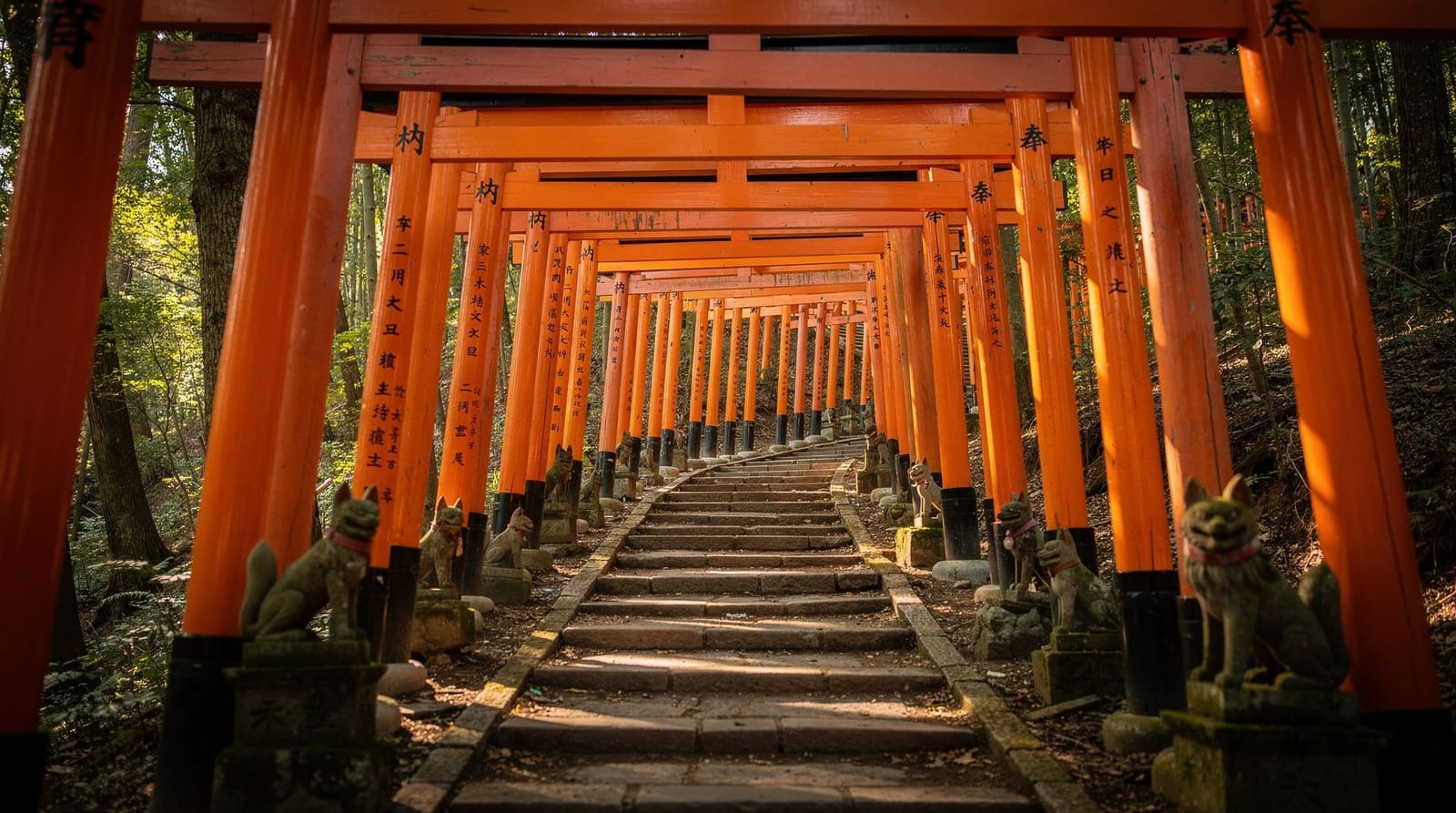
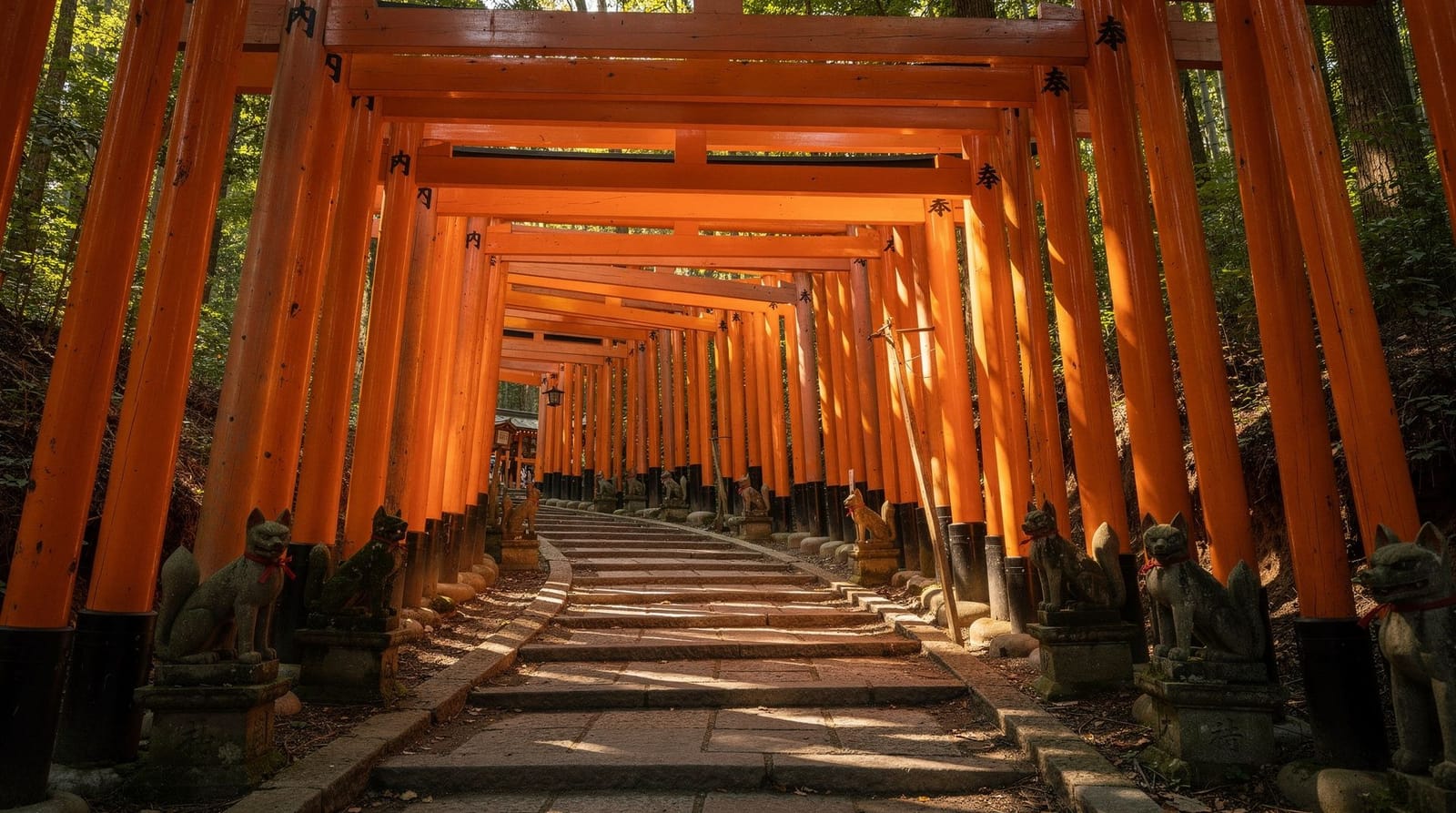
Fushimi Inari is free and open 24 hours, so an early arrival is purely about crowds, not opening times. Before 8am, the Senbon Torii gate tunnel is close to empty; by mid-morning it’s a shuffling queue for photos. Walk as far up Mount Inari as you like — Yotsutsuji, about a third of the way to the summit, is a reasonable stopping point with a real view over southern Kyoto. Full trail detail is in the Fushimi Inari guide.
guided walking tour of Fushimi Inari, useful for day one if you’d rather have context than navigate alone10:00 — Kiyomizu-dera and Higashiyama (Keihan Main Line to Kiyomizu-Gojo, ~10 min)
Move to Higashiyama via the Keihan line, then walk uphill to Kiyomizu-dera (¥400-500/$2.70-3.40, opens 6am). Its wooden stage, built without nails and extending 13 meters above the hillside, is one of the more photographed views in the city and earns it honestly. Allow 45-60 minutes.
12:00 — Lunch and Ninenzaka/Sannenzaka
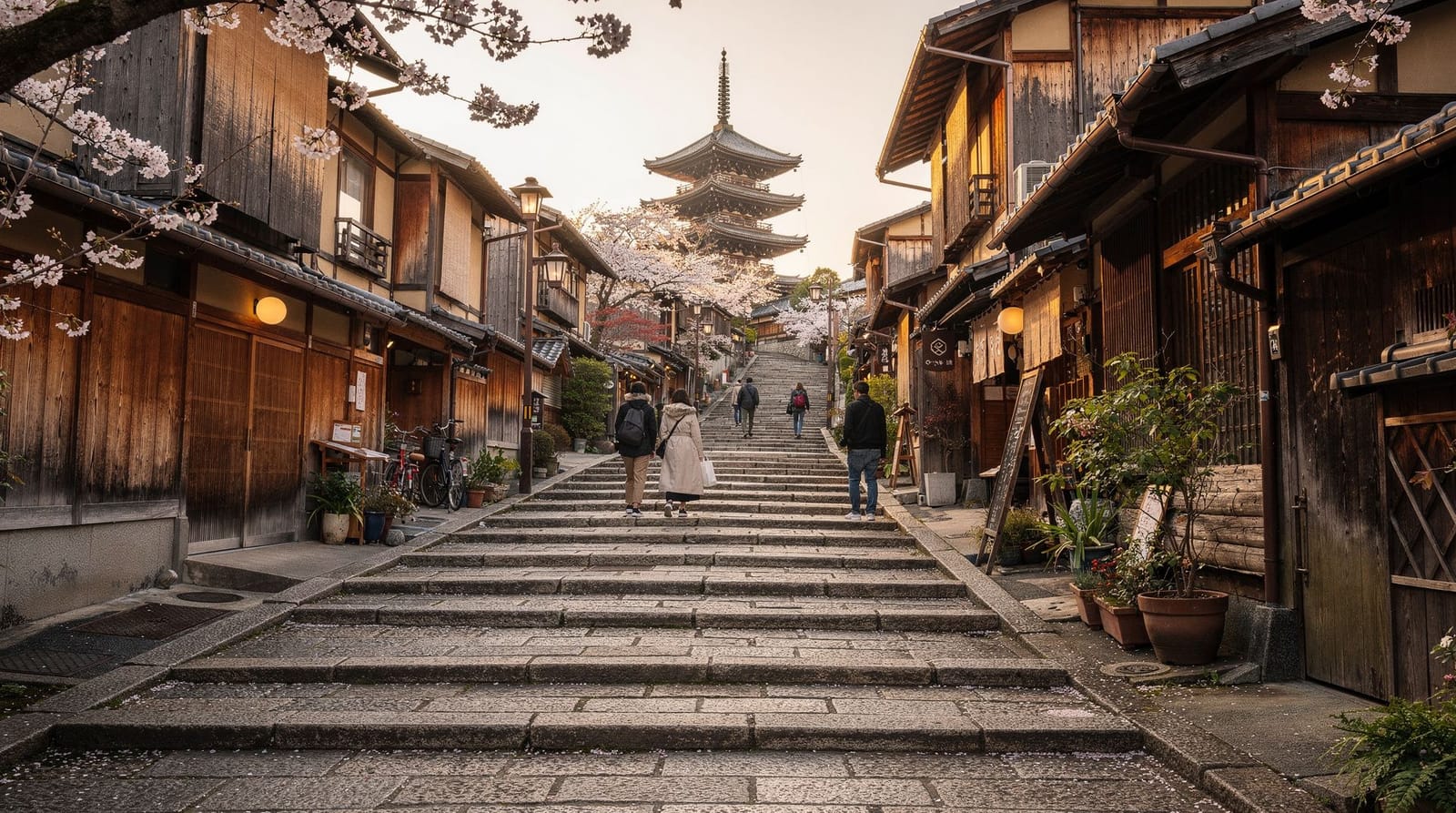
Walk down through the stone-paved Ninenzaka and Sannenzaka lanes — machiya townhouses, teahouses, craft shops — toward lunch (¥1200-2500/$8-17 for a noodle or tofu-based set). Skip restaurants with staff calling from the doorway or laminated photo menus; see the Kyoto food guide for names worth seeking out instead.
14:00 — Yasaka Shrine and Maruyama Park
Yasaka Shrine (free) marks the boundary between Higashiyama and Gion. The adjoining Maruyama Park is Kyoto’s most popular cherry blossom spot in season and a pleasant place to rest year-round.
16:30 — Gion
The best window for spotting a maiko or geiko heading to an evening engagement is roughly 5:30-6:30pm along Hanamikoji-dori. Etiquette matters here: no touching, blocking, or chasing for a photo, and some private alleys in the Gion Kobu district carry photography fines. See the Kyoto etiquette guide before you arrive.
19:00 — Dinner in Gion or Pontocho
Pontocho’s riverside lane spans budgets from ¥1500 ($10) yakitori counters to ¥8000+ ($55+) kaiseki. Kawadoko terrace seating over the river runs May-September.
Day 2 — Western Kyoto: Arashiyama and Kinkaku-ji
07:30 — Arashiyama bamboo grove (JR Sagano Line, ~15-20 min, ¥240/$1.60)
Arashiyama’s bamboo grove is free and genuinely different before 8am, when it’s largely empty. Tenryu-ji next door opens at 8:30am (¥500/$3.40) and has one of Kyoto’s better Zen gardens.
10:30 — Togetsukyo Bridge, riverside, lunch
Walk to the Togetsukyo Bridge over the Katsura River, free and scenic. Yudofu (hot tofu) sets run ¥2000-3500 ($13.50-24) at sit-down restaurants near Tenryu-ji, or eat more cheaply from stalls along the main approach for under ¥1000 ($6.80).
13:00 — Kinkaku-ji (bus, ~40 min, ¥230-460/$1.50-3.10)
Kinkaku-ji, the gold-leaf Golden Pavilion, is exterior-viewing only — a set path around the pond rather than a walk-through building. Entry is ¥500 ($3.40) and the visit takes 30-45 minutes. Full detail in the Kinkaku-ji guide.
15:00 — Ryoan-ji (bus, ~15 min from Kinkaku-ji, ¥230/$1.50)
Ryoan-ji’s rock garden — fifteen stones arranged so that no viewing angle shows all fifteen at once — is a quieter, sit-and-look counterpart to Kinkaku-ji’s photo-stop pace. Entry ¥600 ($4).
17:00 — Return downtown, free evening
Keep the evening open after two active days. Downtown Kyoto (Shijo-Kawaramachi) has abundant dinner options if you haven’t planned anything specific.
Day 3 — Central Kyoto: castles, palace grounds, and Nishiki Market
09:00 — Nijo Castle (subway/bus to downtown)
Nijo Castle (¥800-1000/$5.40-6.80) was the Kyoto residence of the Tokugawa shoguns, notable for its “nightingale floors” — corridors engineered to chirp underfoot as a defense against intruders sneaking up on the shogun. Grounds close at 4pm (building) / 5pm, so a morning visit is safest. Allow 90 minutes.
11:00 — Kyoto Imperial Palace grounds
The Kyoto Imperial Palace park (free) is a short walk or bus ride from Nijo Castle. The palace buildings themselves can be viewed via a scheduled walk-through (free, no reservation needed since 2016 rule changes, though bring ID) or from outside the walls if timing doesn’t align — either way, the surrounding park is a genuinely restful green space in the middle of the city.
13:00 — Nishiki Market
Nishiki Market, five covered blocks of food stalls known as “Kyoto’s kitchen,” is free to walk with piece-by-piece food from ¥200-800 ($1.35-5.40). A reasonable lunch stop rather than a sit-down meal.
15:00 — Philosopher’s Path (subway/bus, ~20 min)
The Philosopher’s Path, a stone walkway following a canal between Ginkaku-ji and Nanzen-ji, is free and particularly good in a slower afternoon slot without a fixed endpoint. Ginkaku-ji (¥500/$3.40) sits at the northern end if you want a temple stop.
17:30 — Nanzen-ji (southern end of the path)
Nanzen-ji’s brick aqueduct, an unexpected Meiji-era engineering structure cutting through the temple grounds, is free to view from outside and a striking contrast to the wooden architecture surrounding it. The main garden costs ¥600 ($4) if it’s still open when you arrive; check seasonal hours.
Day 4 — Nara day trip
08:00 — Depart for Nara (JR Nara Line, ~45 min, ¥720/$4.90, or Kintetsu limited express, ~35 min, ¥760+surcharge/$5.20+)
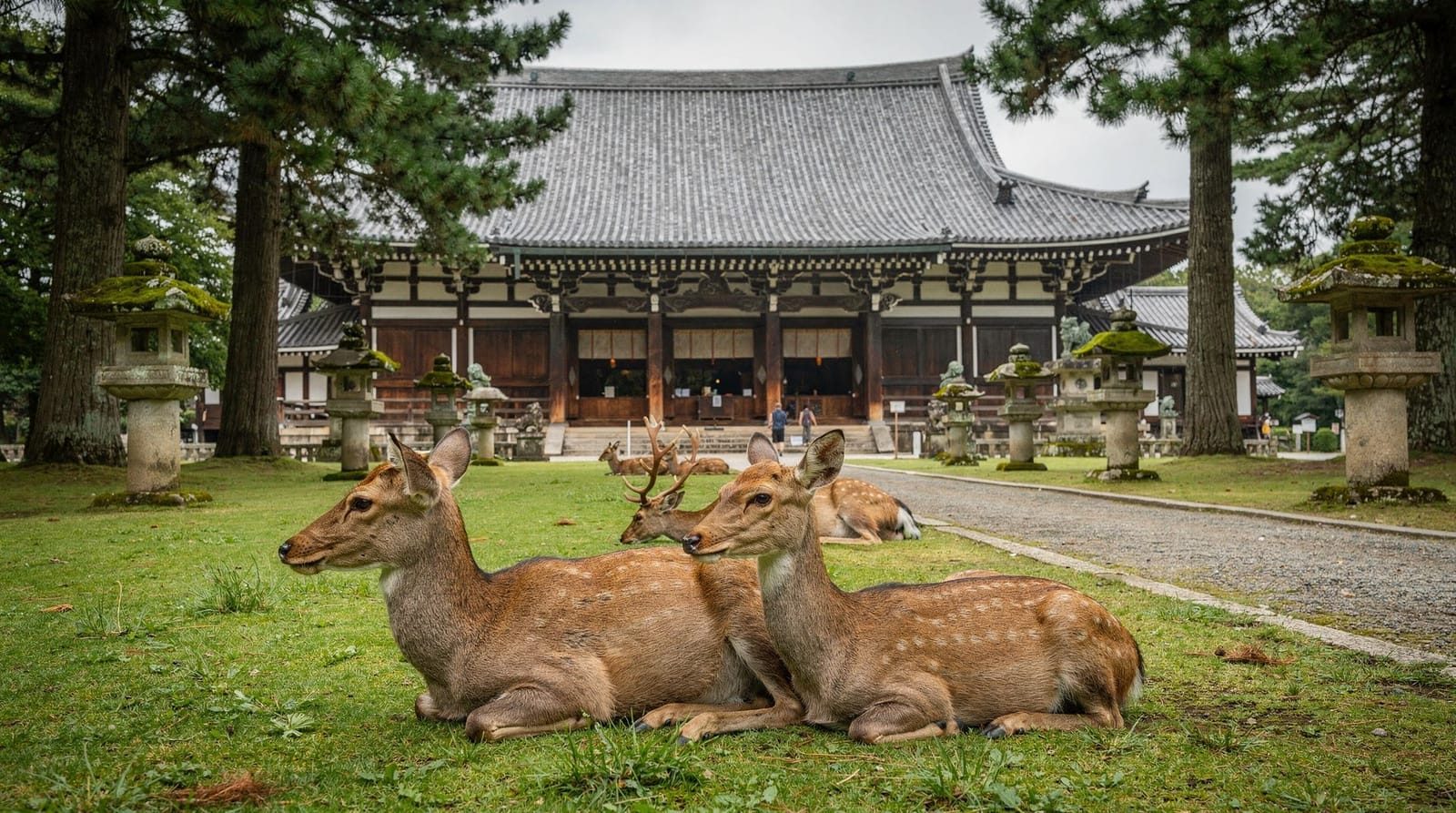
Nara, Japan’s capital before Kyoto, is built around roughly 1,200 free-roaming sika deer considered sacred messengers in local Shinto belief. Nara Park is free and always open; shika senbei (deer crackers) cost ¥200 ($1.35) from stalls throughout.
09:30 — Todai-ji
Todai-ji’s Great Buddha Hall is the largest wooden building in the world by volume, housing a 15-meter bronze Buddha. Entry is ¥600 ($4.10). Allow 45-60 minutes including the Nandaimon Gate’s guardian statues.
private full-day Nara tour covering Todai-ji and Kasuga Taisha11:30 — Kasuga Taisha (20 min walk through the park)
Kasuga Taisha, founded in 768, is known for roughly 3,000 stone and bronze lanterns lining its forest approach. Grounds are free; the inner sanctuary costs ¥500 ($3.40).
13:00 — Lunch, then Nara-machi
Lunch near Sanjo-dori (¥900-1800/$6-12) followed by a slower walk through Nara-machi, the old merchant quarter of preserved Edo and Meiji-era wooden townhouses — free to wander, with small museums and craft shops rather than major paid sights.
16:00 — Return to Kyoto
Trains run frequently until late evening on both lines; no need to rush the afternoon.
Day 5 — Osaka day trip
08:30 — Depart for Osaka (JR Kyoto Line Special Rapid, ~28-30 min, ¥580/$4)
Osaka is a genuinely different city in tone from Kyoto — louder, faster, and built around food rather than temples. The Special Rapid from Kyoto Station is the quickest non-Shinkansen option; the Shinkansen covers the same distance in about 15 minutes for ¥1450 ($10), reasonable only if you already hold a pass that covers it.
09:30 — Osaka Castle
The castle park is free; the reconstructed donjon interior (a 1931 rebuild with a modern museum inside) costs ¥600 ($4.10). Allow an hour including the surrounding moats and stone walls.
11:30 — Kuromon Ichiba Market
Osaka’s main food market — a covered arcade of seafood, produce, and street food eaten on the spot, ¥300-1500 ($2-10) per item. Some stalls near the main entrance overcharge for the same items sold cheaper further in; walk the full arcade before buying.
13:30 — Dotonbori
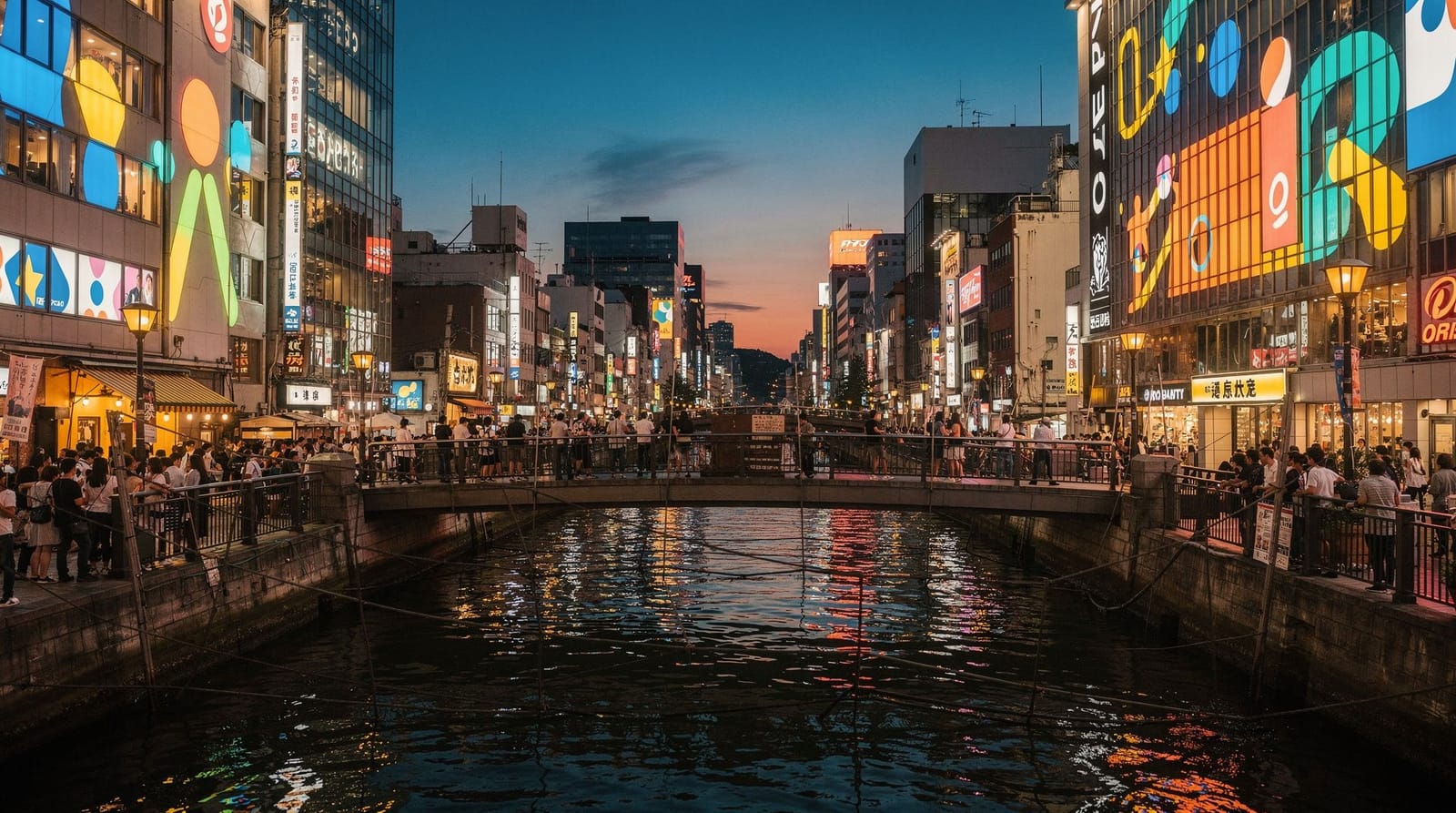
Osaka’s neon canal district, free to walk. Takoyaki runs ¥500-800 ($3.40-5.40) for six to eight pieces; okonomiyaki sets run ¥900-1500 ($6-10) just off the main strip. The Glico Running Man sign is the district’s free photo landmark.
16:00 — Umeda Sky Building (optional)
The Floating Garden Observatory (¥1500-2000/$10-13.50) gives an open-air rooftop panorama connecting two towers, a different vantage than anything in Kyoto. Skip it if the day is running long.
18:30 — Dinner in Dotonbori or return to Kyoto
The JR Kyoto Line runs until close to midnight, so there’s no need to rush back.
Day 6 — Uji and the Fushimi sake district
09:00 — Depart for Uji (JR Nara Line, ~20 min, ¥240/$1.60)
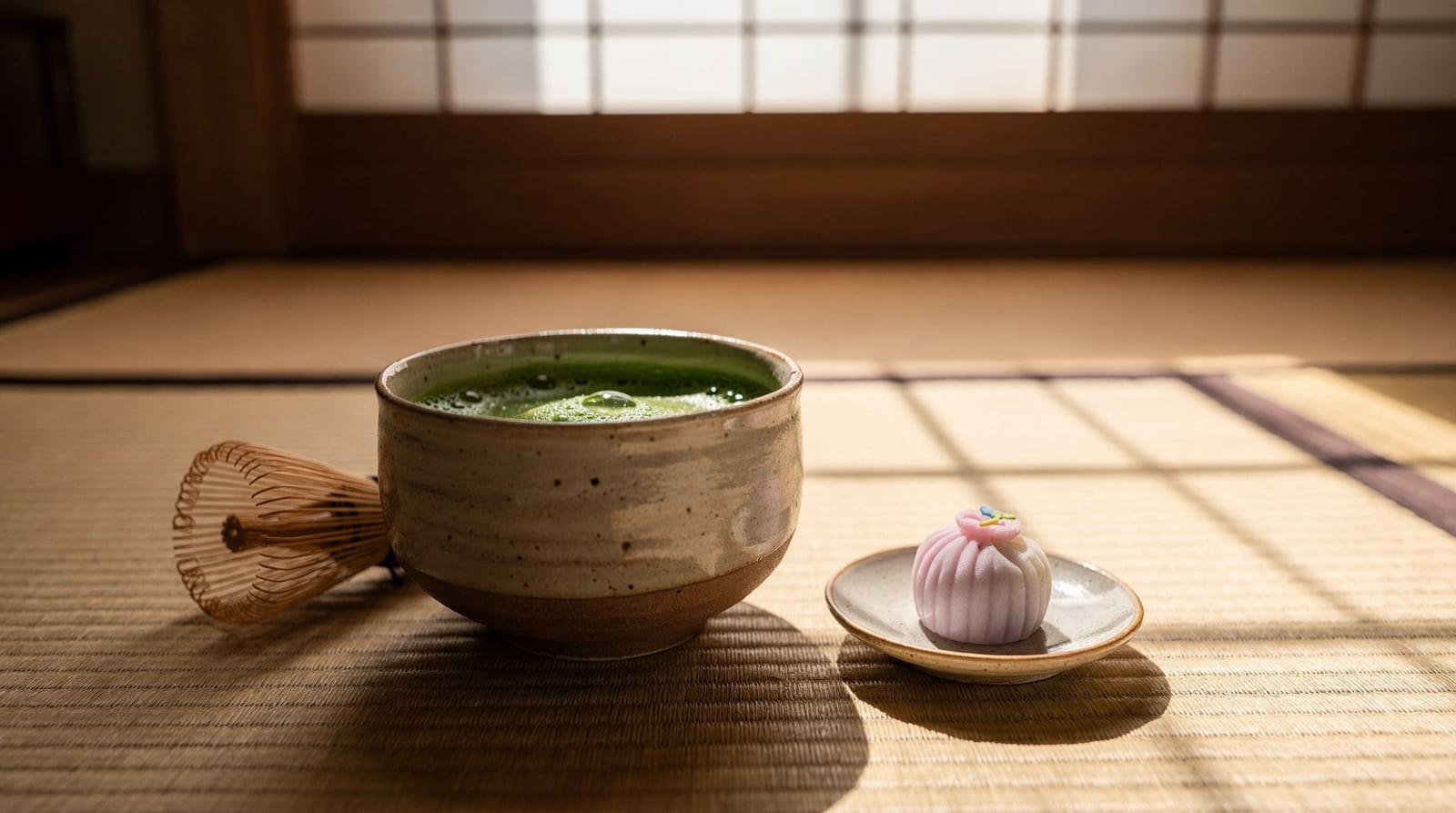
Uji, Japan’s historic center of matcha production, is a short train ride south of Kyoto. Byodo-in Temple (¥600/$4), whose Phoenix Hall appears on the ¥10 coin, is the town’s main sight and worth an unhurried hour.
Uji green tea tour with Byodo-in and Koshoji temple11:00 — Matcha tasting and Uji town
Uji’s main street, Byodo-in Omotesando, is lined with tea shops offering tastings and matcha sweets — expect ¥500-1500 ($3.40-10) for a tasting set. This is a genuinely different kind of stop from temple-hopping: slower, seated, worth lingering over rather than rushing through. See the Uji matcha guide for shop-by-shop detail.
13:00 — Lunch in Uji
Matcha soba, a local specialty using tea-infused noodles, runs ¥1200-2000 ($8-13.50) at restaurants near the river.
14:30 — Return toward Fushimi (JR Nara Line back to Fushimi area or Momoyama, ~10-15 min)
Rather than returning all the way to Kyoto Station, get off at Momoyama or Fushimi to reach the Fushimi sake-brewing district along the Horikawa canal — a neighborhood most three-day visitors skip entirely because they’ve already “done” Fushimi with the shrine on day one. This is where the actual town, rather than just the shrine trail, becomes worth the detour.
15:30 — Fushimi sake breweries
Fushimi is one of Japan’s two most significant sake-producing regions, its groundwater historically prized for brewing. Gekkeikan Okura Sake Museum (¥600/$4, includes tastings) and several smaller breweries along the canal offer tours and tastings in the ¥1000-2500 ($6.80-17) range. See the Fushimi sake guide for which breweries offer English tours and which are walk-in versus reservation-only.
Fushimi sake brewery tasting tour18:00 — Dinner in Fushimi or back in central Kyoto
Fushimi has its own small cluster of izakaya near the canal (¥2500-4000/$17-27 per person) if you’d rather stay in the neighborhood than travel back for dinner.
Day 7 — Ohara and Kurama-Kibune, or secondary temples
This last day has two genuinely different directions, and which one to pick depends on pace preference rather than one being objectively better.
Option A — Ohara and Kurama-Kibune (rural, forested, slower). Ohara, about an hour north of central Kyoto by bus (¥560/$3.80), centers on Sanzen-in Temple (¥700/$4.80), known for its moss gardens and small stone Jizo statues tucked among the trees — a markedly quieter, more rural feel than anywhere in central Kyoto. Kurama-Kibune, reached via the Eizan Railway (~30 min, ¥470/$3.20) from Demachiyanagi Station, is a forested valley with Kurama-dera Temple, a hiking trail over the ridge to Kibune, and riverside kawadoko dining platforms in summer. Combining both in one day is ambitious but doable if you start by 8am; more realistically, pick one.
Option B — Tofuku-ji and Sanjusangendo (temple-focused, easier logistics). Tofuku-ji, a short ride south from Kyoto Station, is known for its autumn maple canopy viewed from the Tsutenkyo Bridge and gets far fewer crowds outside peak foliage season than its reputation suggests (¥500/$3.40). Sanjusangendo’s hall of 1,001 life-size wooden Kannon statues, each individually carved, is one of Kyoto’s most striking interiors and typically overlooked by three-day itineraries (¥600-700/$4-4.80). Both sit closer to central Kyoto than Ohara or Kurama, making this option easier if you’re tired by day seven.
Evening — final dinner
Whichever direction you choose, keep the final evening flexible for a return visit to whichever neighborhood — Gion, Pontocho, or downtown — left the strongest impression during the week.
Practical notes for a full week
Best season: spring (late March-early April, cherry blossoms) and autumn (mid-November, foliage) are the most rewarding visually and the most crowded and expensive. A week in late April-May or October gets most of the visual payoff with noticeably thinner crowds.
Transport: an ICOCA IC card covers everything in this itinerary. A national JR Pass isn’t worth it for Kyoto, Nara, Osaka, and Uji alone — the combined fares are less than a 7-day pass. Reconsider only if adding Hiroshima or Himeji, which brings the JR Pass (around ¥50,000/$340 for 7 days) back into contention.
Budget: ¥12,000-18,000 ($82-125) per person per day at a mid-range pace for a full week, covering transport, entries, and meals, excluding accommodation. Day five (Osaka) and day six (sake tastings) tend to run slightly higher than the temple-focused days.
Pacing: this is a full week with two genuinely active days (1 and 2) and two full day-trip days (4 and 5). If it feels like too much, drop day seven’s rural option in favor of a rest day, or compress days one and three into a single day and use the freed-up time to slow down elsewhere.
The week at a glance
| Day | Focus | Type | Notable cost |
|---|---|---|---|
| 1 | East Kyoto (Fushimi Inari, Higashiyama, Gion) | City | Mostly free/low-cost |
| 2 | West Kyoto (Arashiyama, Kinkaku-ji, Ryoan-ji) | City | ~¥1,700 entries |
| 3 | Central Kyoto (Nijo Castle, palace, Nishiki, Philosopher’s Path) | City | ~¥1,400-2,000 entries |
| 4 | Nara day trip | Day trip | ~¥1,440-1,520 transport |
| 5 | Osaka day trip | Day trip | ~¥1,160 transport |
| 6 | Uji + Fushimi sake district | Day trip | ~¥1,700-4,700 tastings/temple |
| 7 | Ohara/Kurama-Kibune or Tofuku-ji/Sanjusangendo | Flexible | Varies |
Building in genuine rest across seven days
A week-long trip is long enough that ignoring fatigue catches up with you by day five or six. Days 1 and 2 are the most physically demanding of the week — two consecutive early starts plus significant walking on stone steps and hillside paths — and days 4 and 5 add full-day round trips to Nara and Osaka on top of that.
If energy is flagging by day 6, it’s entirely reasonable to trim Uji to a half-day (skip the Fushimi sake extension) rather than pushing through a second full day-trip day back to back. Day 3’s central Kyoto sights are the most forgiving to rearrange if you need a lighter morning somewhere in the week — Nijo Castle, the Imperial Palace grounds, and Nishiki Market don’t require an early start the way Fushimi Inari or the bamboo grove do.
Where to stay for a full week in one base
Since every day trip in this itinerary returns to central Kyoto by evening, the hotel choice matters more for daily convenience than for any single day’s logistics. Kyoto Station remains the strongest all-round choice: it’s the departure point for the Nara, Osaka, and Uji day trips (days 4-6) and has direct bus and subway links to the Day 1-3 city sights. Staying instead in Gion or Higashiyama trims Day 1’s evening walk but adds a consistent 10-15 minutes to the start of every day-trip morning across days 4-6 — a small cost that compounds over three separate mornings. See the where to stay in Kyoto guide for a fuller area comparison.
Eating across a full week without repeating yourself
A week is long enough that meals genuinely benefit from planning ahead rather than defaulting to whatever’s nearest each evening. Kyoto’s own strengths — kaiseki, Nishiki Market grazing, yudofu in Arashiyama — are covered across days 1-3; Osaka’s day (day 5) is built around a food crawl rather than a sit-down meal; and Uji’s matcha tastings on day 6 are a genuinely different, slower kind of eating experience worth budgeting real time for rather than rushing between temple stops. The Kyoto food guide and kaiseki in Kyoto guide are worth reading before day 1 if food is a priority for the trip, since several of the best options need reservations made days ahead.
Nishiki Market food tour with 7 tastingsFrequently asked questions about a week-long Kyoto itinerary
Is a week too long for Kyoto?
Not if you’re including Nara, Osaka, and Uji as day trips, as this itinerary does. A week spent only inside Kyoto proper would be excessive for most visitors — the 3-day itinerary or 2-day itinerary cover the city’s essential sights more efficiently if day trips aren’t a priority.
Do I need a JR Pass for a week covering Kyoto, Nara, Osaka, and Uji?
No. These are all short regional distances, and a national JR Pass costs more than the combined fares for this itinerary. It becomes worthwhile only if you extend to Hiroshima or Tokyo.
Which day trip is most worth keeping if I have to cut the week to five days?
Nara is the hardest to skip — the deer park and Todai-ji are genuinely distinct from anything inside Kyoto. Osaka is the easiest to compress into an evening rather than a full day if time is tight. Uji can be folded into a half-day if you skip the Fushimi sake district extension.
What’s the difference between Ohara and Kurama-Kibune on day seven?
Ohara centers on Sanzen-in’s moss gardens and a rural, contemplative pace. Kurama-Kibune combines a temple, a ridge hike, and riverside dining, and is more active. Both take roughly similar travel time from central Kyoto; picking one over the other is about which kind of day you want, not which is objectively better.
Is the Fushimi sake district different from the Fushimi Inari shrine visited on day one?
Yes, and this is a common point of confusion. Fushimi Inari Taisha (day one) is the torii-gate shrine. The Fushimi sake-brewing district, visited on day six, is a separate part of the same broader Fushimi neighborhood, centered on the Horikawa canal rather than the shrine trail. See the Fushimi sake guide for the distinction.
Can I do this itinerary without changing hotels?
Yes. Every day trip in this itinerary returns to central Kyoto by evening, so a single hotel for all seven nights works fine — there’s no need to relocate for Nara, Osaka, or Uji.
What should first-time visitors prioritize if they can’t do the full week?
Days one, two, and four (eastern Kyoto, western Kyoto, Nara) cover the sights most visitors regret missing most. See the first-timers itinerary for a more beginner-paced three-day version built around the same core sights.
Is Uji worth a full day, or just a half-day?
A half-day (3-4 hours) covers Byodo-in and a matcha tasting comfortably. This itinerary extends it to a fuller day by adding the Fushimi sake district afterward, which is a separate stop rather than part of Uji itself — worth doing together mainly because the train route back from Uji passes directly through Fushimi.
Top experiences
Bookable activities with verified prices and instant confirmation on GetYourGuide.

Kyoto: Fushimi Inari Taisha Guided Walking Tour

Kyoto: Nara, Todai-ji & Kasuga Taisha shrine private full day

From Osaka: Kyoto & Nara day trip
Kyoto: Sake Brewery and Tasting Tour in Fushimi

Uji: Kyoto Tea and Religious Culture Private Immersion Tour