Hiroshima and Miyajima day trip from Kyoto: the honest logistics
Kyoto: Hiroshima and Miyajima day trip with guide
Can you do Hiroshima and Miyajima in one day from Kyoto?
Yes, but it's the longest and most demanding day trip on this list. Expect 5-6 hours of cumulative transport (shinkansen, local train, and ferry, each way) against roughly 5-6 hours on the ground. It works if you leave Kyoto by 7:30-8am and accept a return around 8pm. If that sounds exhausting, sleeping one night in Hiroshima or Miyajima is the more comfortable option.
| Distance | About 1.5–2 hrs to Hiroshima by shinkansen, plus ~35–40 min to Miyajima |
| Cost | Around ¥11,000 (~$73) Nozomi one way, or JR Pass-eligible Hikari |
| Time needed | Full day — depart Kyoto by 7:30–8am, return around 8–9:30pm |
| Best for | Travelers with 4–5+ days in Kyoto, motivated by Peace Park + torii |
| Easier alternative | One night in Hiroshima or Miyajima instead of a single day |
Can you do Hiroshima and Miyajima in one day from Kyoto? Yes, but you should go in with your eyes open about what that day actually looks like. Hiroshima is roughly 1.5-2 hours from Kyoto by shinkansen, and Miyajima adds another 35-40 minutes of train and ferry on top of that, each way. Do the math on a round trip and you’re looking at 5-6 hours of cumulative transport against 5-6 hours on the ground to see Peace Memorial Park, eat lunch, and cross to the island for Itsukushima Shrine. It’s doable. It’s also the longest, most tightly scheduled day trip covered on this site, and it rewards an early start more than any other.
Why this day trip is different from the others
Most day trips from Kyoto — Nara, Uji, even Osaka — leave you with a comfortable margin if a train runs late or you linger somewhere longer than planned. Hiroshima and Miyajima together don’t offer that margin. You’re combining a long-distance shinkansen leg with a local train transfer and a ferry crossing, twice, and stacking two very different kinds of sightseeing — the sober, historically weighted Peace Memorial Park and the more classically scenic Itsukushima Shrine — into the middle of it.
If you’ve read our guide on how many days to spend in Kyoto, this is the trip that most argues for staying longer: cramming it into a two- or three-day Kyoto visit means giving up most of another day to travel.
None of that is a reason to skip it. Peace Memorial Park and the floating torii are two of the most distinctive sights in this part of Japan, and neither is replicated anywhere near Kyoto. It’s simply a trip that needs an honest hour-by-hour plan rather than a loose “we’ll figure it out” approach, which is what the rest of this guide is for.
An honest hour-by-hour plan
This is a realistic version of the day, not an idealized one. Times assume you’re starting from Kyoto Station and using the fastest reasonable connections.
- 7:15-7:30am — Arrive at Kyoto Station, buy or use your shinkansen ticket, board a Nozomi toward Hiroshima.
- 9:00-9:10am — Arrive Hiroshima Station. Drop bags in a coin locker if you’re not checking into a hotel.
- 9:15-9:30am — Take a tram or short taxi to Peace Memorial Park.
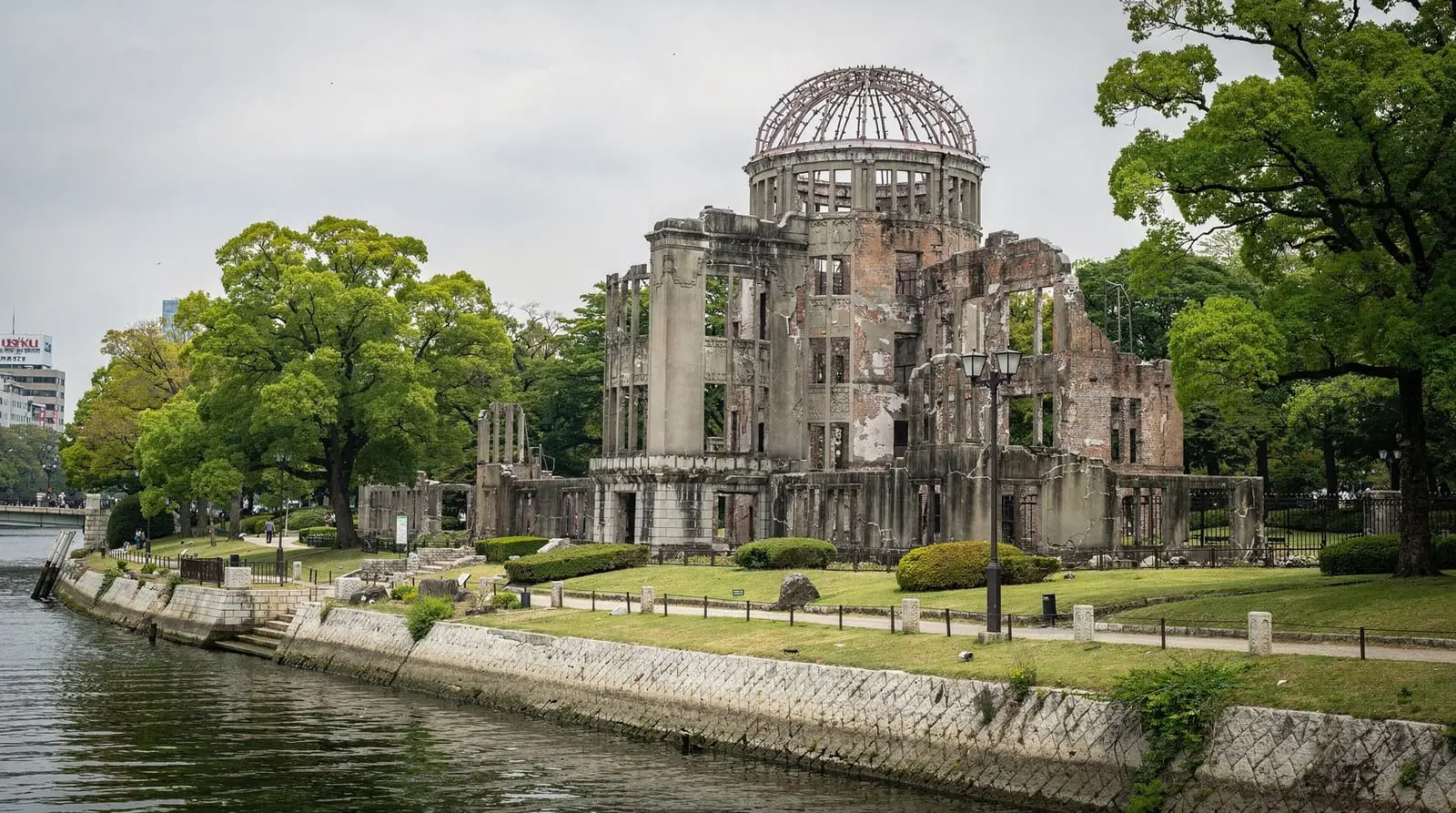
- 9:30-11:30am — Peace Memorial Park: the Atomic Bomb Dome, the Peace Memorial Museum (1-1.5 hours minimum), the Children’s Peace Monument, and the cenotaph.
- 11:30am-12:15pm — Lunch nearby, ideally Hiroshima-style okonomiyaki.
- 12:30-1:00pm — Train from Hiroshima Station to Miyajimaguchi (25-30 minutes), then the JR ferry to Miyajima (about 10 minutes).
- 1:15-4:30pm — Miyajima: Itsukushima Shrine, the torii gate at whichever tide is in effect, the shopping street, and time with the island’s deer.
- 4:45-5:15pm — Ferry back to Miyajimaguchi, train back to Hiroshima Station.
- 5:30-6:30pm — Buffer time: a coffee, a last look at the station shops, or simply breathing room in case a connection ran late.
- Around 7-8pm — Shinkansen back to Kyoto, arriving roughly 8:30-9:30pm depending on the train.
If you’re not naturally an early riser, or you’d rather not watch a schedule all day, that buffer window is the first thing to sacrifice, and it’s worth reading the overnight alternative further down before you commit to the single-day version.
Getting there: the shinkansen, the local train, and the ferry
The Tokaido-Sanyo Shinkansen runs directly between Kyoto and Hiroshima with no transfers. Two train types matter for planning:
- Nozomi: the fastest option at about 1 hour 35 minutes, one-way fare around ¥11,000 (~$73). Not covered by any Japan Rail Pass, at any tier.
- Hikari: about 2 hours, marginally slower, but covered by the JR Pass if you’re already holding one for other legs of your trip.
From Hiroshima Station, the JR Sanyo Line runs to Miyajimaguchi in roughly 25-30 minutes. At Miyajimaguchi, the JR ferry to Miyajima Island takes about 10 minutes and is free with a JR Pass; without one, it’s a few hundred yen. Add it up and the one-way trip from Kyoto to Miyajima runs about 2.5-3 hours, meaning a same-day round trip alone accounts for 5-6 hours of your day before you factor in the tram or taxi ride to Peace Memorial Park at the Hiroshima end.
For those who’d rather not manage three separate connections and two transfers on a schedule, a guided day trip to Hiroshima and Miyajima from Kyoto handles the shinkansen booking, the train-to-ferry transfer, and the pacing between sites, which removes a meaningful amount of the logistical pressure described above.
Peace Memorial Park
Peace Memorial Park sits at the confluence of the Motoyasu and Honkawa rivers, close to where the atomic bomb detonated on August 6, 1945. The Atomic Bomb Dome, the skeletal remains of the former Hiroshima Prefectural Industrial Promotion Hall, is the park’s best-known structure and a UNESCO World Heritage Site, preserved deliberately in its damaged state rather than restored.
Inside the park, the Peace Memorial Museum documents the bombing and its aftermath through photographs, personal accounts, and recovered objects. Admission is ¥200 (~$1.30), inexpensive for what’s covered, and the museum is dense enough that 1 to 1.5 hours is a reasonable minimum if you want to actually read and absorb the exhibits rather than walk through quickly. The Children’s Peace Monument, dedicated to Sadako Sasaki and the child victims of the bombing, and the cenotaph, which frames the Atomic Bomb Dome through its arch, are both worth the short walk between them.
This isn’t a stop to rush or treat as a photo backdrop. Go in with the expectation of a quiet, sobering couple of hours, and build the rest of the day’s schedule around that rather than trying to compress it. If you want a broader sense of how to pace serious historical sites against livelier stops elsewhere in your trip, our guide to avoiding crowds in Kyoto covers similar timing trade-offs, even though it’s written for a different city.
A guided walking tour of Peace Memorial Park is worth considering if you’d like historical context from a local guide rather than reading panels on your own; it also keeps your museum and park visit inside a predictable time block, which matters given how tight the rest of the day is.
Lunch: Hiroshima-style okonomiyaki
Hiroshima has its own okonomiyaki tradition, distinct from the Osaka version most visitors know. Rather than mixing the batter, cabbage, and other ingredients together before cooking, the Hiroshima style layers them: a thin crepe base, a mound of cabbage, pork or seafood, and a layer of soba or udon noodles pressed in, all stacked and cooked in stages rather than folded together. It’s heartier and takes longer to cook than the Osaka version, so expect to sit and wait a bit once you order.
A plate runs about ¥800-1,200 (~$5.30-8). Okonomimura, a multi-floor building near the city center packed with okonomiyaki stalls, is the most convenient option if you’re on a tight schedule — it’s touristy and the individual stalls vary in quality, but the sheer density means you rarely wait long for a seat, which matters when lunch has to fit inside a 45-minute window between Peace Memorial Park and the train to Miyajimaguchi.
Miyajima and the floating torii
Miyajima, officially named Itsukushima, is a small island a short ferry ride off the coast near Hiroshima. Its Itsukushima Shrine and its vermilion torii gate are the reason many visitors add this leg to a Hiroshima day at all. The gate appears to float only when the tide is high enough to submerge its base; at low tide, the water recedes across the flats and you can walk out to the gate’s base on the sand instead.
These are two genuinely different experiences, not a matter of degree, so it’s worth checking a tide table for Miyajima before you travel rather than hoping for the best. The current torii dates to 1875, built from camphor wood as the latest in a long line of reconstructions of a gate that has stood in some form since the 12th century.
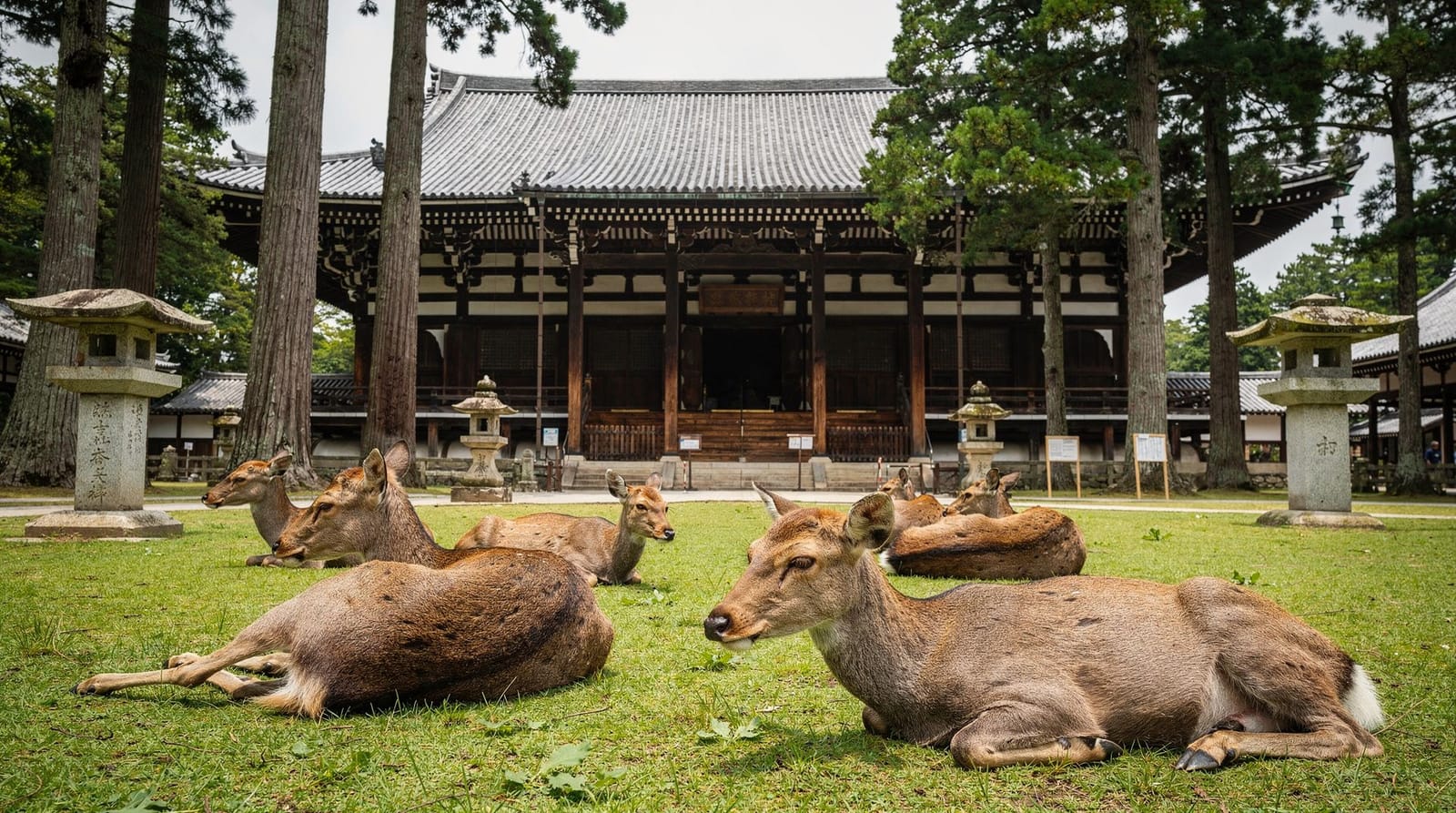
Entry to the shrine itself is ¥300 (~$2). Miyajima also has its own population of wild deer, smaller and somewhat less crowd-habituated than Nara’s, but still comfortable enough around visitors to occasionally take food out of an open bag, so keep food out of easy reach while you walk the shopping street or the shrine grounds.
Mount Misen, reachable by ropeway and a hiking trail from its upper station, is a legitimate Miyajima attraction on its own, but it doesn’t fit into a day that already includes Peace Memorial Park and a same-day return to Kyoto. Skip it on this itinerary and save it for an overnight stay on the island or a dedicated Hiroshima trip.
If you’d like a guide to walk you through Itsukushima Shrine’s history and layout rather than exploring on your own, a combined Itsukushima Shrine and Miyajima summit tour covers the shrine grounds and, on its own schedule, the Mount Misen summit — useful if you’re planning the overnight version of this trip described below rather than the single-day round trip.
The better alternative: stay one night
If the hour-by-hour plan above sounds like more scheduling than you want on a trip that’s supposed to be a vacation, the more comfortable option is to spend one night in Hiroshima or, ideally, on Miyajima itself. Staying on Miyajima means you get the island after the day-trip crowds and the last ferries have cleared out, with the shrine grounds close to empty in the early morning or evening — a meaningfully different experience from the midday crush most day-trippers see. It also removes the pressure of catching a specific evening shinkansen back to Kyoto, since you can spend a full second day covering Mount Misen or a slower look at Peace Memorial Park before heading back.
The cost is one hotel night, which for most travelers is a small trade against not spending 5-6 hours of a single day in transit. If your Kyoto stay is long enough to absorb an extra night away from it, and especially if you’re already tired from an intensive itinerary of temples and shrines within the city, this is worth serious consideration over the single-day version.
Who this day trip is for — and who should skip it
This trip suits travelers who have at least 4-5 days in Kyoto to spare one for a long transport day, who are specifically motivated to see Peace Memorial Park and Itsukushima Shrine, and who don’t mind an early departure and a late return. It also suits early risers more than most other day trips on this site, since the whole plan depends on catching a shinkansen by 7:30-8am.
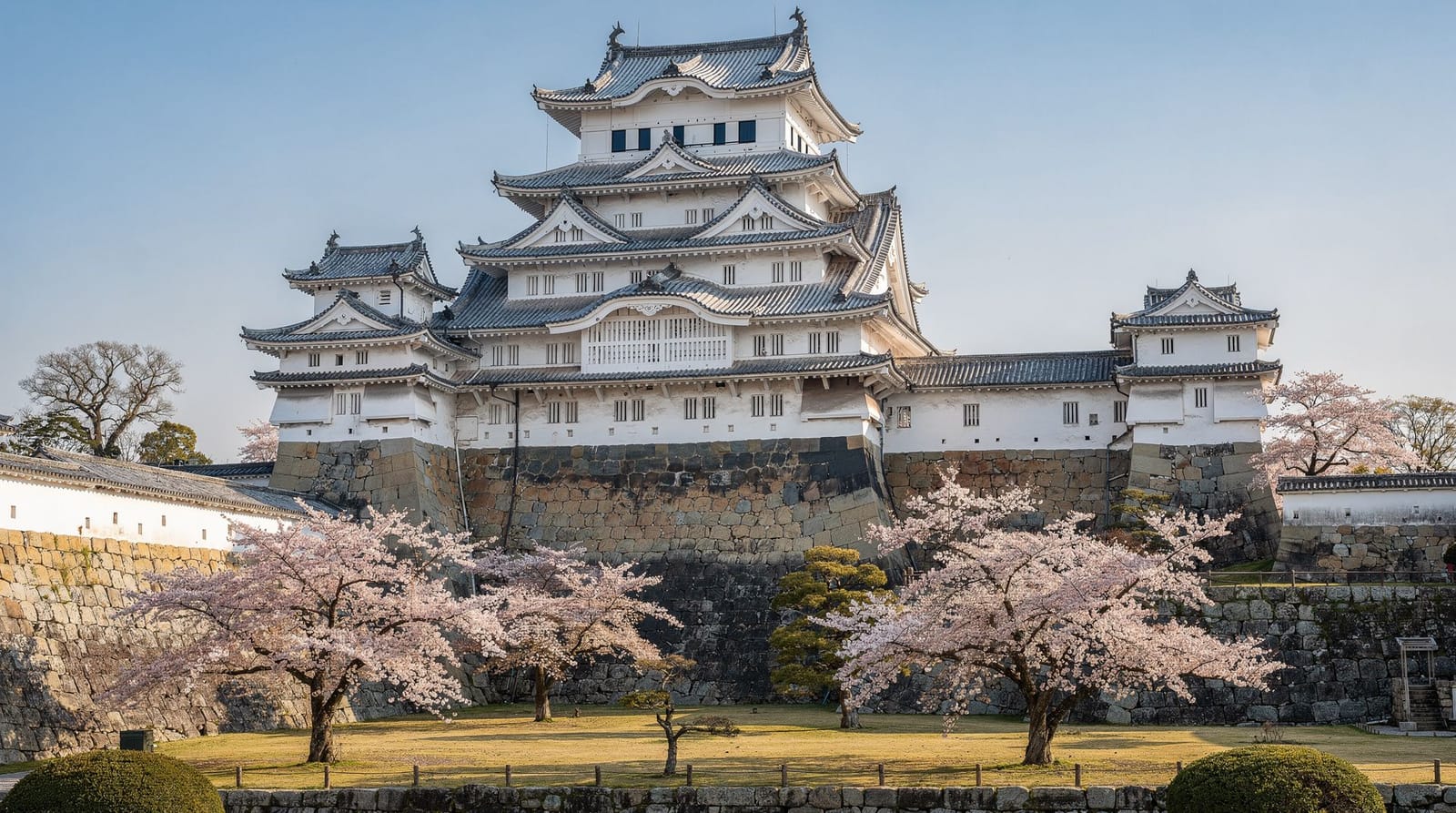
It’s a poor fit for anyone with only two or three days total in Kyoto, since it will consume a disproportionate share of a short trip; those travelers are usually better served by Nara, Osaka, or Himeji Castle, all of which return a comparable amount of sightseeing for a fraction of the transit time. It’s also not a good fit for anyone traveling with young children who tire easily on long train days, or anyone who specifically wants to see the Peace Memorial Museum without rushing — for that, the overnight version described above is the better plan.
For a broader comparison of how this trip stacks up against Kyoto’s other day-trip options, see our roundup of the best day trips from Kyoto, and if you’re still deciding how to allocate your overall itinerary and budget, our guides on Kyoto travel budget and first-time visits to Kyoto cover the planning decisions that come before this one.
Frequently asked questions about visiting Hiroshima and Miyajima from Kyoto
How long is the trip from Kyoto to Hiroshima?
1 hour 35 minutes on the fastest Nozomi shinkansen, or about 2 hours on the Hikari, which is covered by the Japan Rail Pass. The Nozomi is not covered by the JR Pass regardless of pass type.
Do I need a JR Pass for this day trip?
It depends on your itinerary. A 7-day JR Pass costs around ¥50,000, while a one-way Nozomi fare to Hiroshima is about ¥11,000 (~$73), so a round trip alone doesn’t justify the pass. If you’re also using the pass for Nara, Osaka, or Himeji in the same week, or you’re comfortable taking the slightly slower Hikari, it can pay for itself. Otherwise, buying a single Nozomi ticket each way is often cheaper for a standalone Hiroshima and Miyajima trip.
How do I get from Hiroshima to Miyajima?
Take the JR Sanyo Line from Hiroshima Station to Miyajimaguchi, about 25-30 minutes, then transfer to the JR ferry for the roughly 10-minute crossing to Miyajima Island. The ferry is free with a JR Pass; otherwise it’s a few hundred yen. Trains and ferries run frequently, so the connection itself rarely costs you waiting time.
Is the floating torii gate always visible?
Not in the way most photos suggest. The Itsukushima Shrine torii gate stands in tidal flats, so it appears to float only at high tide. At low tide the water recedes and you can walk right up to its base on the sand, which is a completely different but equally worthwhile experience. Check a tide table for Miyajima before you go, since the two experiences don’t overlap by more than an hour or two around each tide change.
Is visiting the Peace Memorial Museum too heavy for a day trip?
It’s emotionally dense but not something to skip. Plan at least 1 to 1.5 hours inside the museum alone, and treat the whole Peace Memorial Park as a place of memory rather than a checklist stop. If you’re traveling with young children, some exhibits may not be appropriate, and it’s worth deciding in advance how much of the museum you want to see as a family.
What if I don’t want to rush the whole day?
Spend one night in Hiroshima or, better, on Miyajima itself. An overnight on Miyajima means you can walk around Itsukushima Shrine after the day-trip crowds and ferries have cleared out, and you’re not watching the clock for a last train back to Kyoto. It roughly doubles your effective time in both places for the cost of one hotel night.
Can I fit Mount Misen into the same day as Hiroshima and Miyajima?
Not realistically if you’re also doing Peace Memorial Park and returning to Kyoto the same evening. The Mount Misen ropeway and summit hike add several hours that this itinerary doesn’t have. Save Mount Misen for an overnight stay on Miyajima or a dedicated Hiroshima trip without the same-day return to Kyoto.
Should first-time Kyoto visitors do this day trip?
Only if you have at least 4-5 days in Kyoto to spare one for a long transport day, or if you’re specifically motivated to see Peace Memorial Park and the floating torii and are willing to trade a full day of travel for it. If your Kyoto stay is 2-3 days, this trip will eat a disproportionate share of it; a shorter day trip like Nara or Osaka fits better.
The day at a glance
| Time | Activity |
|---|---|
| 7:15–7:30am | Depart Kyoto Station |
| 9:00–9:10am | Arrive Hiroshima Station |
| 9:30–11:30am | Peace Memorial Park & Museum |
| 11:30am–12:15pm | Lunch (Hiroshima-style okonomiyaki) |
| 1:15–4:30pm | Miyajima: Itsukushima Shrine, torii, deer |
| 5:30–6:30pm | Buffer time |
| 7–8pm | Shinkansen back to Kyoto |
This is the same plan detailed hour-by-hour above, condensed for quick reference — treat the buffer block as the first thing to sacrifice if any earlier leg runs late.
Frequently asked questions about Hiroshima and Miyajima day trip from Kyoto: the honest logistics
How long is the trip from Kyoto to Hiroshima?
Do I need a JR Pass for this day trip?
How do I get from Hiroshima to Miyajima?
Is the floating torii gate always visible?
Is visiting the Peace Memorial Museum too heavy for a day trip?
What if I don't want to rush the whole day?
Can I fit Mount Misen into the same day as Hiroshima and Miyajima?
Should first-time Kyoto visitors do this day trip?
Top experiences
Bookable activities with verified prices and instant confirmation on GetYourGuide.