Kyoto with kids — family things to do, from monkey parks to Nara's deer
Kyoto: Family Friendly Personalized Tour
Is Kyoto a good destination for families with kids?
Yes, with some planning around pacing — Kyoto's temple-dense itinerary can tire young children quickly, but the city has genuine kid-specific draws (Iwatayama Monkey Park, the Sagano scenic train, a manga museum, hands-on workshops) that break up temple visits well. Nara's deer park, a short day trip away, is consistently one of the most kid-popular activities in the whole region.
Kyoto works for families, but needs different pacing than a solo or couple’s trip
Kyoto’s reputation is built on temples, gardens, and a kind of quiet cultural depth that doesn’t always translate directly into what keeps young children engaged for a full day. That said, the city and its immediate surroundings have a genuine roster of family-specific activities — a monkey park with a real hike, a scenic open-air train, hands-on workshops, and a short day trip to see wild deer that will reliably be one of the trip’s highlights regardless of age. This guide covers the strongest family-oriented options and the honest pacing adjustments worth making with kids in the itinerary.
| Top pick | Iwatayama Monkey Park, Arashiyama — ¥550/¥250 adult/child |
| Best day trip | Nara’s deer park, ~45 min by train |
| Walking | 5-8km on a moderate two-to-three-sight day |
| Strollers | Fine downtown; hard on Higashiyama’s stone slopes |
| Rainy-day fallback | Manga Museum or Railway Museum |
Iwatayama Monkey Park: a genuine hike kids enjoy
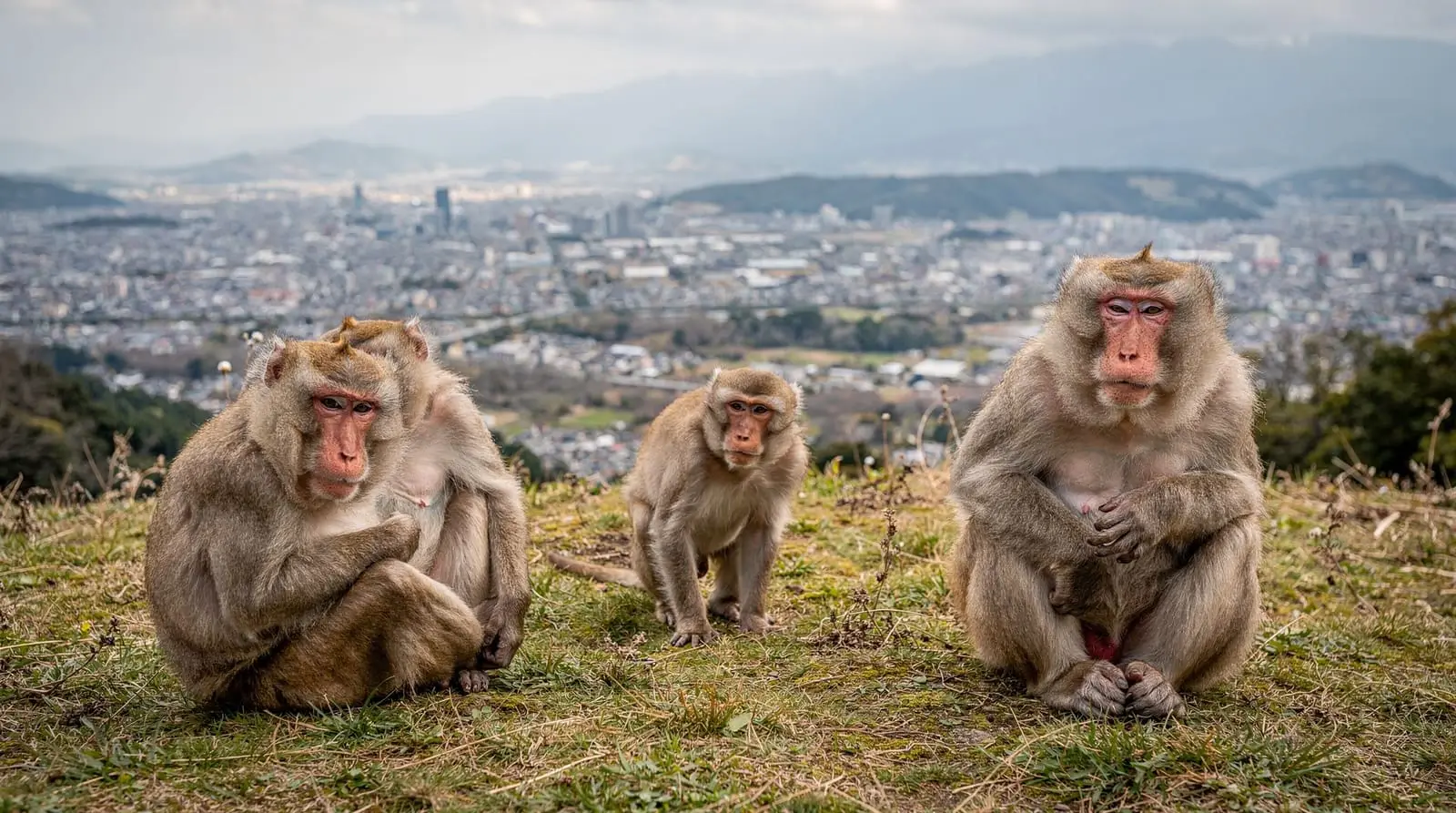
Iwatayama Monkey Park sits on a hill on the opposite bank of the Katsura (Hozu) river from Arashiyama’s main bamboo grove and temple cluster, reached by a 20-30 minute uphill walk that functions as a real, if modest, hike — steep enough to feel like an adventure to most kids, short enough not to become a battle. At the summit, wild Japanese macaques roam freely around visitors (who stay in a designated feeding hut to offer food, rather than the monkeys being caged), alongside a genuinely rewarding panoramic view over Kyoto.
Entry costs roughly ¥550 (US$4) for adults and ¥250 (US$1.70) for children, making it one of the best-value family activities in the city. Practical notes worth passing on honestly: visitors feed the monkeys from inside a hut (monkeys stay outside), not the reverse, and staff post clear rules about not touching the monkeys or making direct eye contact, which is worth explaining to kids beforehand so the rules don’t come as a surprise mid-visit. The uphill walk isn’t stroller-friendly — expect to carry young children or use a baby carrier for this stretch.
Family friendly personalized tourThe Sagano scenic train: a train ride kids actually want to take
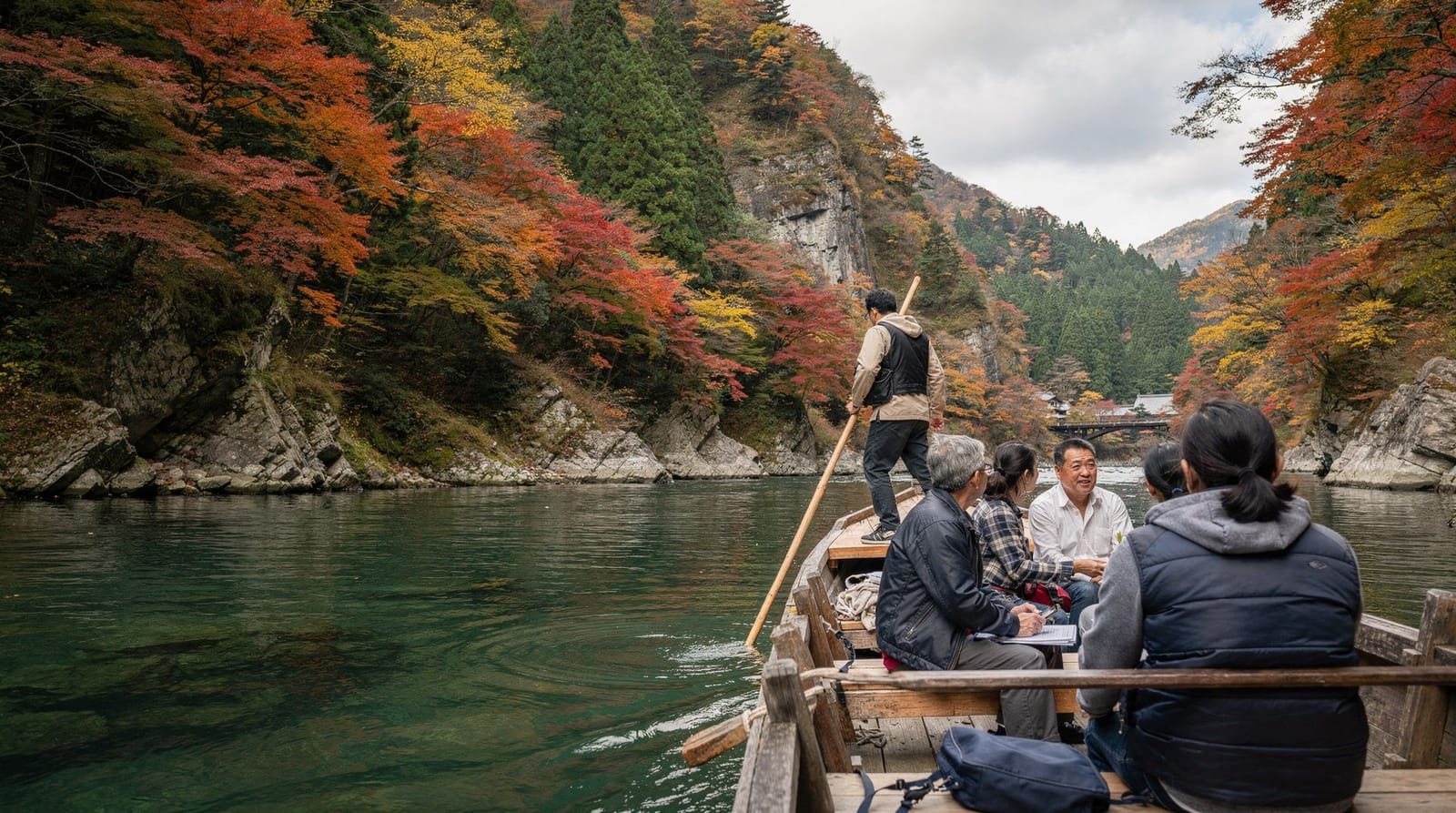
The Sagano Romantic Train (Torokko Ressha) runs a roughly 25-minute open-air scenic route between Arashiyama and Kameoka through the forested Hozu river gorge, at a slow, deliberate pace that makes it genuinely enjoyable for young children rather than just a means of transport. It’s short enough to hold attention throughout, visually rewarding at any age, and free of the safety concerns that come with faster or more enclosed transit.
Advance reservation is recommended, particularly during cherry blossom (late March-early April) and autumn foliage (mid-November) seasons, when seats sell out. See the Hozugawa river boat guide for the natural companion activity — many families combine the scenic train one direction with the calmer, life-jacketed Hozugawa boat ride back to Arashiyama, giving kids two genuinely different rides covering the same gorge.
Nara’s deer park: a short day trip that’s consistently a highlight
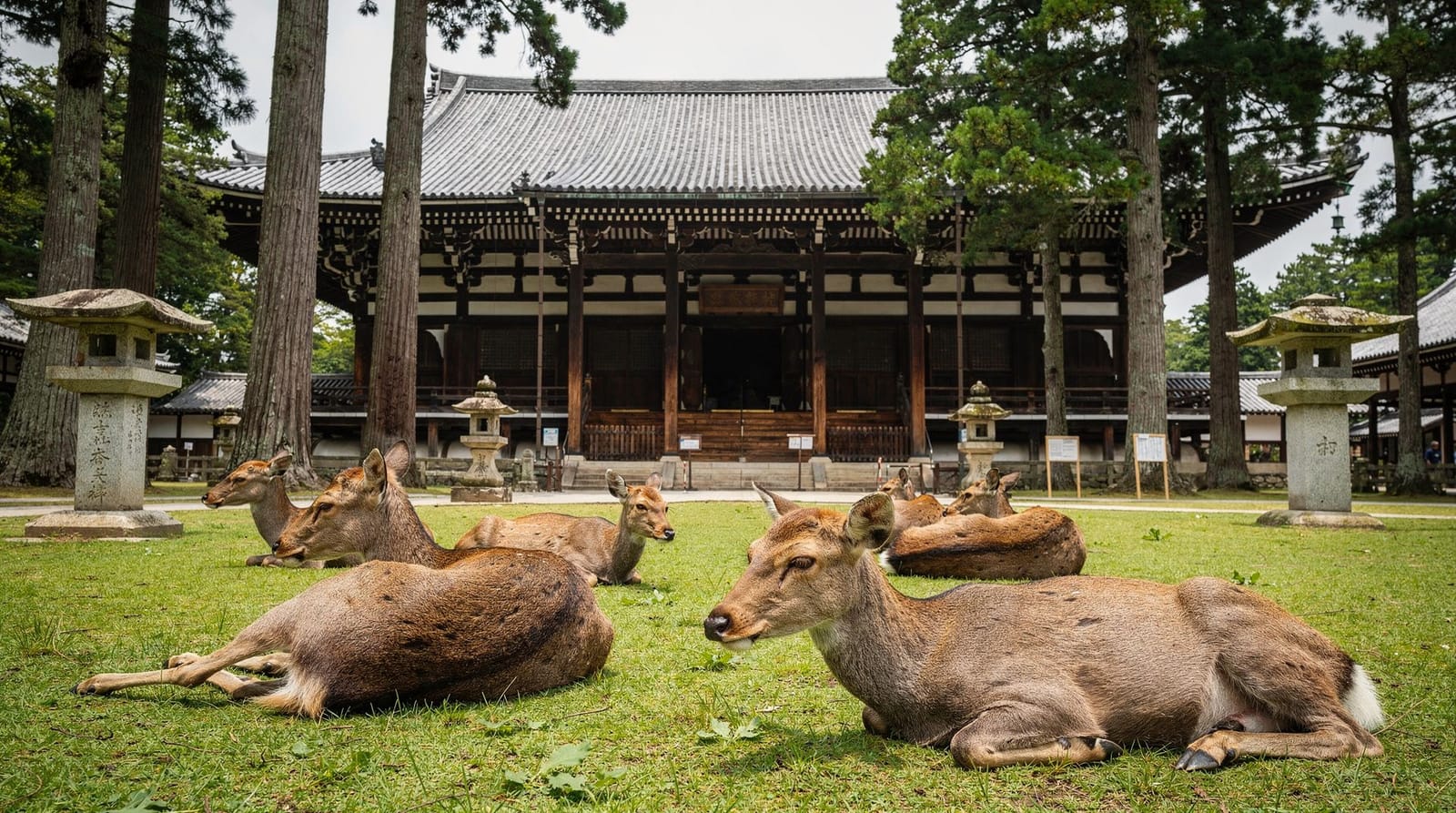
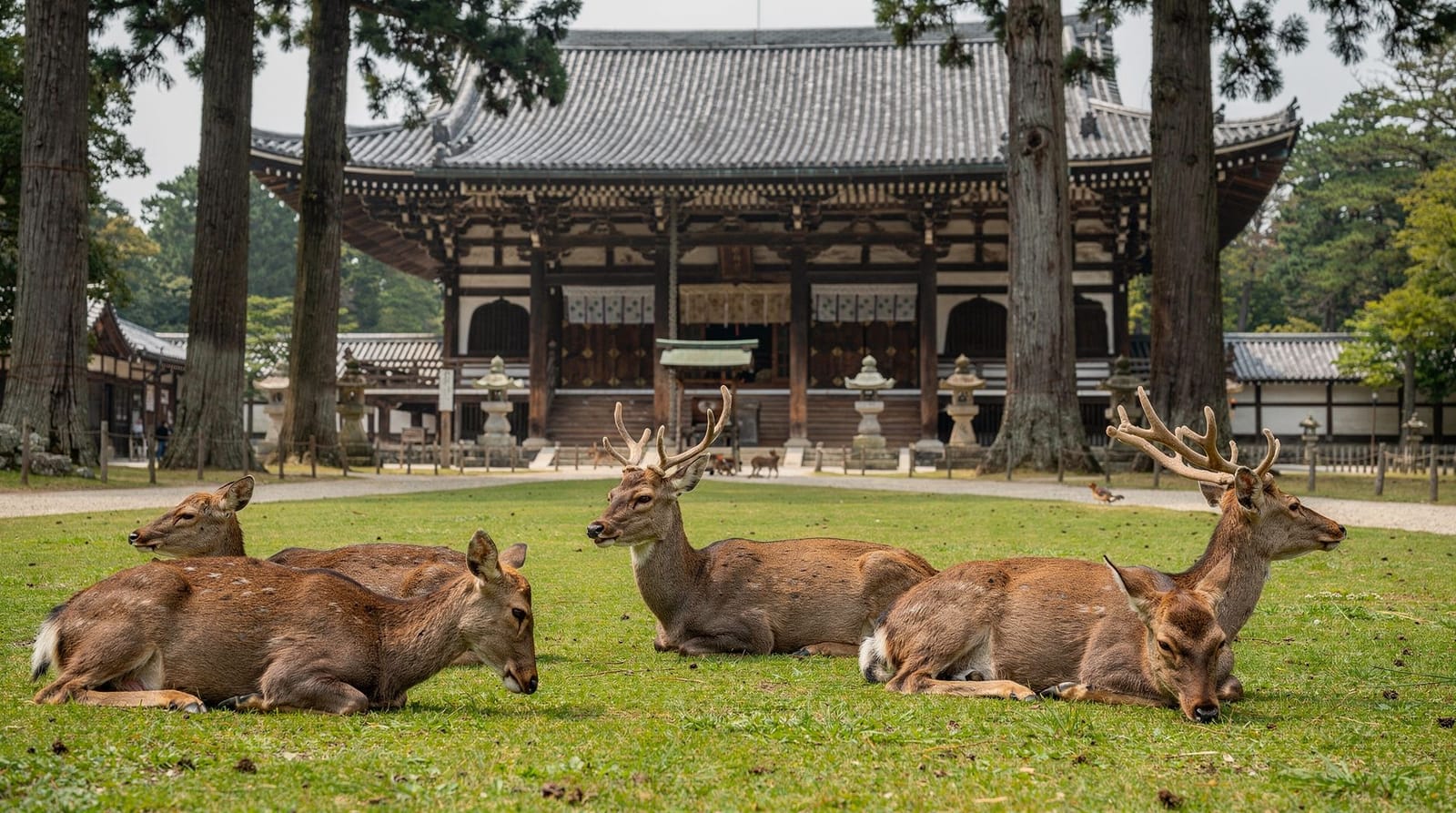
Nara, roughly 45 minutes from Kyoto Station by train, is home to over a thousand wild but habituated sika deer roaming freely through Nara Park and around Todai-ji, the temple housing Japan’s largest bronze Buddha statue. Feeding the deer official crackers (shika senbei, sold on-site for roughly ¥200, about US$1.35 per stack) is the centerpiece activity, and it’s consistently one of the most enthusiastically received experiences for kids anywhere in the Kyoto region.
Nara Park private family bike tour with lunchA practical safety note worth passing on honestly: the deer are wild, not tame pets, and while generally gentle, they can headbutt or nip when impatient for food, particularly if a child waves a cracker around without offering it. This is rarely serious but worth preparing kids for in advance — holding crackers low and offering them directly, rather than teasing or holding food out of reach, avoids most incidents. See the full Nara day trip guide for transport, Todai-ji details, and a complete day-trip itinerary.
Hands-on workshops: activities kids participate in, not just watch
Beyond monkey parks and deer feeding, Kyoto has a genuine range of workshops built for active kid participation rather than passive sightseeing. A kid-friendly ninja class at the Samurai Ninja Museum lets children handle (safe, blunted) replica weapons and learn basic ninja movement and history in a genuinely playful, age-appropriate format.
Kid-friendly ninja class at the Samurai Ninja MuseumA separate but similarly hands-on option: kimono rental and dress-up experiences specifically sized and paced for children and families, rather than the more elaborate adult formal-wear experience.
Kimono experience for kids and families at WARGOBoth formats run roughly 1-2 hours, a manageable block that fits into a family day without dominating it, and both give kids a tangible, photographable souvenir experience rather than another temple walk-through.
Museums built for kids’ attention spans
The Kyoto International Manga Museum, housed in a converted elementary school building, is a strong option for slightly older kids and manga-curious families — an open, browsable collection rather than a formal, hands-off museum, with reading areas where kids (and adults) can sit and read manga directly off open shelves. The Kyoto Railway Museum offers a similarly hands-on draw for train-enthusiast kids, with real retired locomotives, a working steam train experience, and interactive exhibits that hold attention considerably better than a typical static museum. Both are reasonable rainy-day fallbacks if outdoor plans (monkey park, Nara, the scenic train) get disrupted by weather.
Family-paced tea ceremony: a shorter, kid-adjusted version
A standard formal tea ceremony, with its extended ritual and expectation of quiet stillness, doesn’t suit most young children. Several operators run family-oriented versions specifically adjusted for shorter attention spans and a more relaxed, explanatory format rather than the full traditional ceremony — a reasonable way to introduce kids to the cultural practice without the mismatch of expecting a 6-year-old to sit through 45 minutes of formal ritual. See the tea ceremony guide for the standard adult format if older teens or the rest of the family want the fuller experience separately.
Realistic pacing: less is more with kids
Kyoto’s temple districts are pedestrian by design, and even a moderate day covering two or three sights easily totals 5-8km of walking — more than most family vacation days elsewhere involve. The single most common mistake in family Kyoto itineraries is packing in too much, based on what a childless itinerary would cover in the same day. Building in genuine rest stops — a park, a café, a seated meal rather than another walking stop — matters more here than pushing to see one more temple, particularly with children under 8. See the how many days in Kyoto guide for pacing benchmarks, and plan on covering meaningfully less ground per day than that guide’s non-family estimates suggest.
Stroller and mobility considerations
Central Kyoto’s sidewalks and major train stations generally accommodate strollers reasonably well, with elevators available at most stations. Historic districts are the exception — Higashiyama’s Sannenzaka and Ninenzaka slopes have uneven stone paving that’s genuinely difficult to push a stroller over, and several temple grounds involve stairs with no ramp alternative. A baby carrier as a backup for these specific stretches, rather than relying solely on a stroller for the whole day, is a practical hedge most experienced family travelers in Kyoto end up using.
Food with kids: what actually works
Kyoto’s refined kaiseki dining culture isn’t generally kid-friendly in format or price, but the city has plenty of accessible alternatives — conveyor-belt sushi restaurants, udon and ramen shops with simple, recognizable dishes, and department store basement food halls (depachika) offering a wide, browsable range of ready-to-eat items that let picky eaters choose their own meal. See the Kyoto street food guide and the Kyoto food guide for specific kid-friendly recommendations beyond the standard restaurant circuit.
Where to stay with kids
Neighborhood choice matters more with children than for a solo or couple’s trip, mainly because shorter transit times between your accommodation and the day’s activities translate directly into less exhausted, more cooperative kids by evening. Central areas near Kyoto Station offer the best transit connections to both Arashiyama and Nara without a transfer, a genuine practical advantage when a tired child makes even a single train change feel harder than it should.
Downtown Kyoto puts you closer to family-friendly dining options and department store food halls for easy, low-stress dinners. See the where to stay in Kyoto guide for neighborhood-by-neighborhood detail, and prioritize proximity and simplicity over a more atmospheric but harder-to-reach traditional ryokan stay if traveling with very young children, since ryokan floor-seating and shared bathing facilities don’t always suit toddlers well.
Practical logistics: toilets, nursing rooms and language
Public toilets in Kyoto are generally clean and widely available at train stations, convenience stores, and most tourist sights, with many larger stations including dedicated nursing and diaper-changing rooms — a genuine convenience that’s worth knowing about in advance rather than discovering mid-crisis.
Convenience stores (konbini), found on nearly every block in central Kyoto and at most train stations, are a reliable fallback for emergency supplies, snacks, and clean restrooms even outside dedicated family facilities. Language barriers are less of an obstacle than many first-time family travelers expect — major sights, train stations, and most restaurants in tourist-heavy areas have at least some English signage, and translation apps handle most remaining gaps for anything from ordering food to asking for help.
Health, safety and what to do if a child gets sick or hurt
Japan’s healthcare system is generally excellent, and Kyoto has hospitals equipped to handle both emergencies and routine issues, though English-speaking capacity varies by facility — larger hospitals in central Kyoto are more likely to have English-speaking staff than smaller neighborhood clinics.
Travel insurance covering medical costs is worth confirming before the trip, since Japan doesn’t have reciprocal healthcare agreements with most countries and out-of-pocket costs, while generally reasonable by international standards, aren’t free. For minor issues — a scraped knee from the monkey park hike, sunburn from a day in Nara Park — pharmacies (marked with a cross symbol, common throughout the city) stock basic supplies and often have staff who can help with simple over-the-counter recommendations even with limited shared language.
Seasonal considerations for family visits
Cherry blossom season (late March-early April) and autumn foliage (mid-November) are visually the most rewarding times to visit with kids, particularly for outdoor activities like the monkey park and scenic train, but also the most crowded — factor in slower movement through popular sights and book time-sensitive activities (the Sagano train, popular workshops) well ahead. Summer (June-August) heat and humidity are genuinely hard on young children; frequent indoor breaks (museums, air-conditioned cafés) and an early start to outdoor activities like the monkey park hike are worth planning around. Winter (December-February) is cold but generally manageable, with smaller crowds making pacing easier overall.
Budgeting a family day realistically
Family activities in Kyoto tend to be genuinely affordable relative to Western theme-park or family-attraction pricing — the monkey park (¥550/¥250 adult/child), Nara’s deer crackers (¥200 per stack), and most hands-on workshops (¥3,000-6,000 per child for a 1-2 hour session) add up to a moderate daily spend compared to a full-price family tour package.
Where costs climb faster is transport and meals if not planned deliberately — a day combining Arashiyama and a separate trip elsewhere in the same day involves multiple train fares per family member, and restaurant meals for a family of four in tourist-heavy areas can run ¥8,000-15,000 (US$53-100) if not mixed with more budget-friendly options like konbini meals or food hall items. Building at least one lower-cost meal into each day — a food hall lunch rather than a sit-down restaurant, for instance — keeps a multi-day family trip’s food budget considerably more manageable without sacrificing variety.
Balancing kid-focused and adult-focused activities
A trip built entirely around kid-specific activities risks under-serving adults who came to Kyoto partly for its temples, gardens, and cultural depth, while a trip too heavily weighted toward adult-paced temple visits risks losing younger kids’ patience by midday.
The more sustainable approach for most families: alternate days or half-days between kid-forward activities (the monkey park, the scenic train, Nara) and gentler, shorter temple visits that don’t require the same stamina as a full Higashiyama walking circuit — a single well-chosen temple with a garden to explore, rather than three temples in sequence, keeps everyone reasonably satisfied. See the Kyoto first-timer’s guide for a broader sense of what the non-family version of a Kyoto itinerary covers, then scale back the pacing specifically for the ages of your kids.
Rainy-day and train-loving kid options beyond the two museums
Beyond the Manga Museum and Railway Museum already covered, a couple of other indoor options are worth knowing for a genuinely wet day. The Kyoto Aquarium, a short walk from Kyoto Station, runs a fully indoor circuit with a dolphin show and a hands-on touch pool, a reliable half-day option regardless of weather.
Osaka Aquarium Kaiyukan entry ticket — a larger alternative if your family day extends to OsakaFor train-obsessed kids specifically, the Kyoto Railway Museum’s steam locomotive rides run on a limited daily schedule and can sell out, so arriving at opening or checking the day’s ride times on arrival is worth building into the plan rather than assuming a ride is guaranteed later in the visit.
A one-day Arashiyama family loop, start to finish
For families with a single day to give Arashiyama, a workable order is: Iwatayama Monkey Park first thing in the morning while the uphill path is coolest and least crowded, the Sagano scenic train or the calmer Hozugawa river boat back once the monkey park visit wraps, then a relaxed lunch and a walk through the bamboo grove before energy fades. Building the physically demanding monkey park hike into the morning, when kids have the most stamina, and saving the passive train or boat ride for early afternoon, tends to work better than the reverse order. See the Arashiyama destination guide for how these pieces fit into the neighborhood’s wider layout.
Frequently asked questions about Kyoto with kids
What is the best single family activity in Kyoto?
Iwatayama Monkey Park in Arashiyama is the strongest single pick for most families — a genuine hike (20-30 minutes uphill) that kids generally enjoy as an adventure rather than a chore, ending at a summit with wild Japanese macaques roaming freely and a panoramic view over Kyoto. Entry costs roughly ¥550 (US$4) for adults, ¥250 (US$1.70) for children.
Is Nara’s deer park safe for young children?
Generally yes, with supervision. The deer are wild but habituated to visitors and used to being fed the official crackers (shika senbei) sold on-site — bites and headbutts do happen, usually when a deer is impatient for food rather than acting aggressively without cause, and are rarely serious. Holding young children’s hands during feeding and not letting them wave crackers around are the main practical precautions.
How long is the Sagano scenic train ride and is it suitable for young kids?
The Sagano Romantic Train (Torokko Ressha) runs about 25 minutes one-way between Arashiyama and Kameoka through the Hozu river gorge, open-air and slow-moving. It’s genuinely well-suited to young children — short enough to hold their attention, scenic, and without the safety concerns of faster or more enclosed transport. Advance reservation is recommended, especially in peak seasons.
Are there hands-on activities kids can actually participate in, not just watch?
Yes — Kyoto has a genuine range of kid-oriented workshops beyond passive sightseeing: chopstick-making, kid-friendly ninja classes at the Samurai Ninja Museum, kimono experiences sized and paced for children, and family-oriented tea ceremonies designed to accommodate short attention spans rather than the full formal ritual. These tend to run 1-2 hours, a manageable block for most family schedules.
How much walking should we expect on a family day in Kyoto?
More than a typical family vacation day elsewhere — Kyoto’s temple districts are pedestrian by design, and even a moderate day covering two or three sights easily totals 5-8km of walking. Building in real rest stops (a park, a café, a seated meal) rather than trying to power through a packed itinerary matters more here than in most destinations, particularly with children under 8.
Is Kyoto stroller-friendly?
Mixed. Central Kyoto’s sidewalks and major train stations generally accommodate strollers fine, with elevators at most stations. Historic districts like Higashiyama’s Sannenzaka and Ninenzaka slopes have uneven stone paving that’s genuinely difficult with a stroller, and some temple grounds involve stairs with no ramp alternative. A baby carrier as a backup for these specific stretches is a practical hedge many families use.
Can a family day combine the monkey park, the scenic train and Nara’s deer in one trip?
Not comfortably in a single day — the monkey park and scenic train are both in Arashiyama and pair naturally together, while Nara is a separate roughly 45-minute train ride in the opposite direction and deserves its own dedicated day given the travel time and how much there is to see there. Trying to combine all three in one day risks exhausting kids with transit time alone rather than activity time.
Frequently asked questions about Kyoto with kids — family things to do, from monkey parks to Nara's deer
What is the best single family activity in Kyoto?
Is Nara's deer park safe for young children?
How long is the Sagano scenic train ride and is it suitable for young kids?
Are there hands-on activities kids can actually participate in, not just watch?
How much walking should we expect on a family day in Kyoto?
Is Kyoto stroller-friendly?
Top experiences
Bookable activities with verified prices and instant confirmation on GetYourGuide.