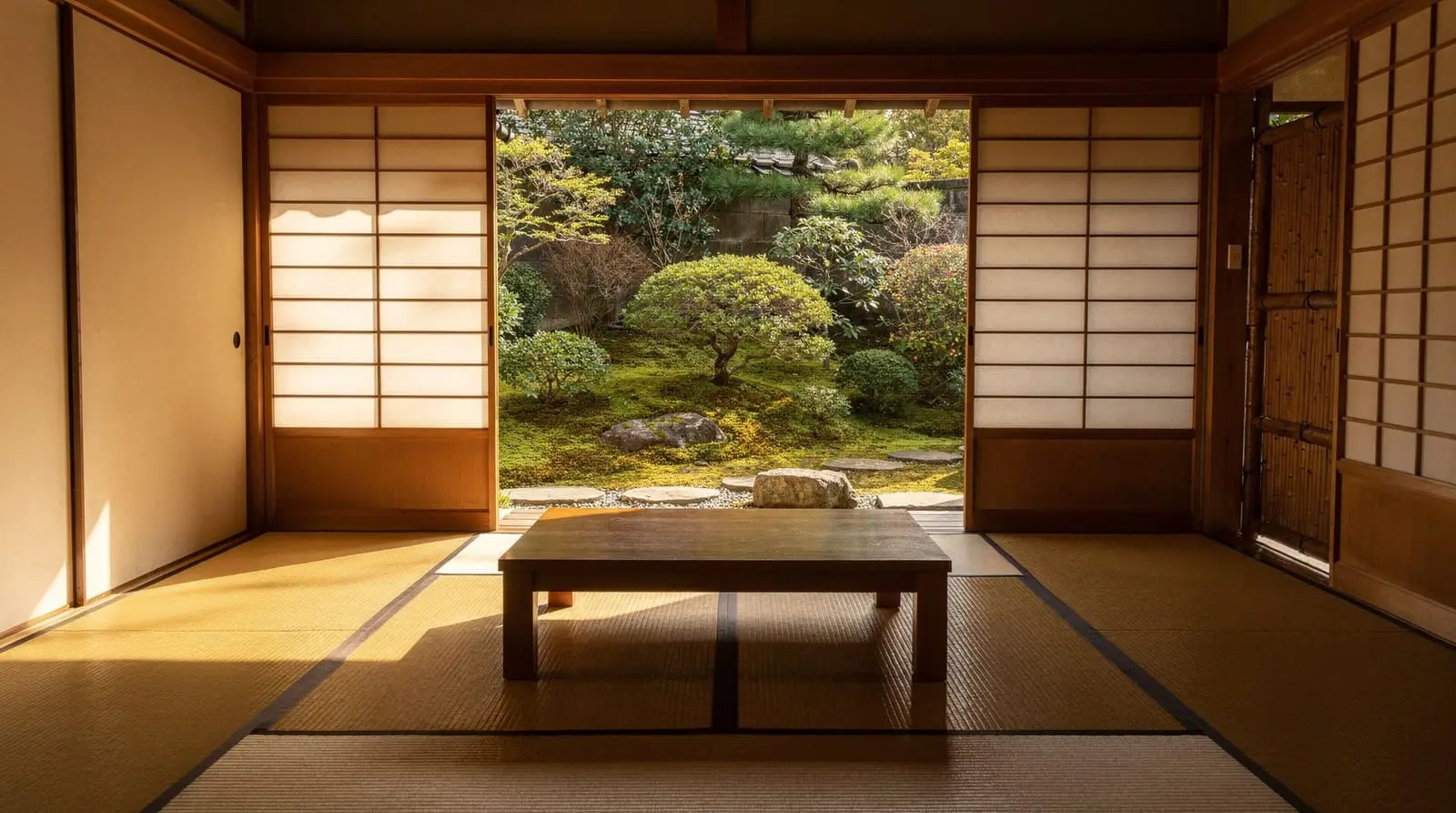
Ryokan vs hotel in Kyoto — an honest comparison
Choosing between a ryokan and a standard hotel is one of the bigger decisions a Kyoto trip forces, and it’s genuinely a trade-off rather than an obvious upgrade in either direction. This comparison covers what each actually delivers, real price ranges, and which trip profiles suit one over the other.
| Ryokan cost | around ¥25,000-50,000 per person/night, mid-range, dinner + breakfast included |
| Hotel cost | around ¥8,000-15,000 per room/night, mid-range business hotel |
| Best for ryokan | 1-2 splurge nights, couples, cultural-ritual travelers |
| Best for hotel | full trip base, families, flexible schedules, first-timers |
| Where ryokan cluster | Higashiyama, Gion, near Kiyomizu-dera |
| Where hotels cluster | Kyoto Station, downtown Shijo-Kawaramachi |
For background on the neighborhoods themselves before deciding where to base a stay, our where to stay in Kyoto guide breaks down each district’s character, and the Higashiyama district guide and Gion district guide go deeper on the two neighborhoods where most traditional ryokan sit.
What a ryokan actually is
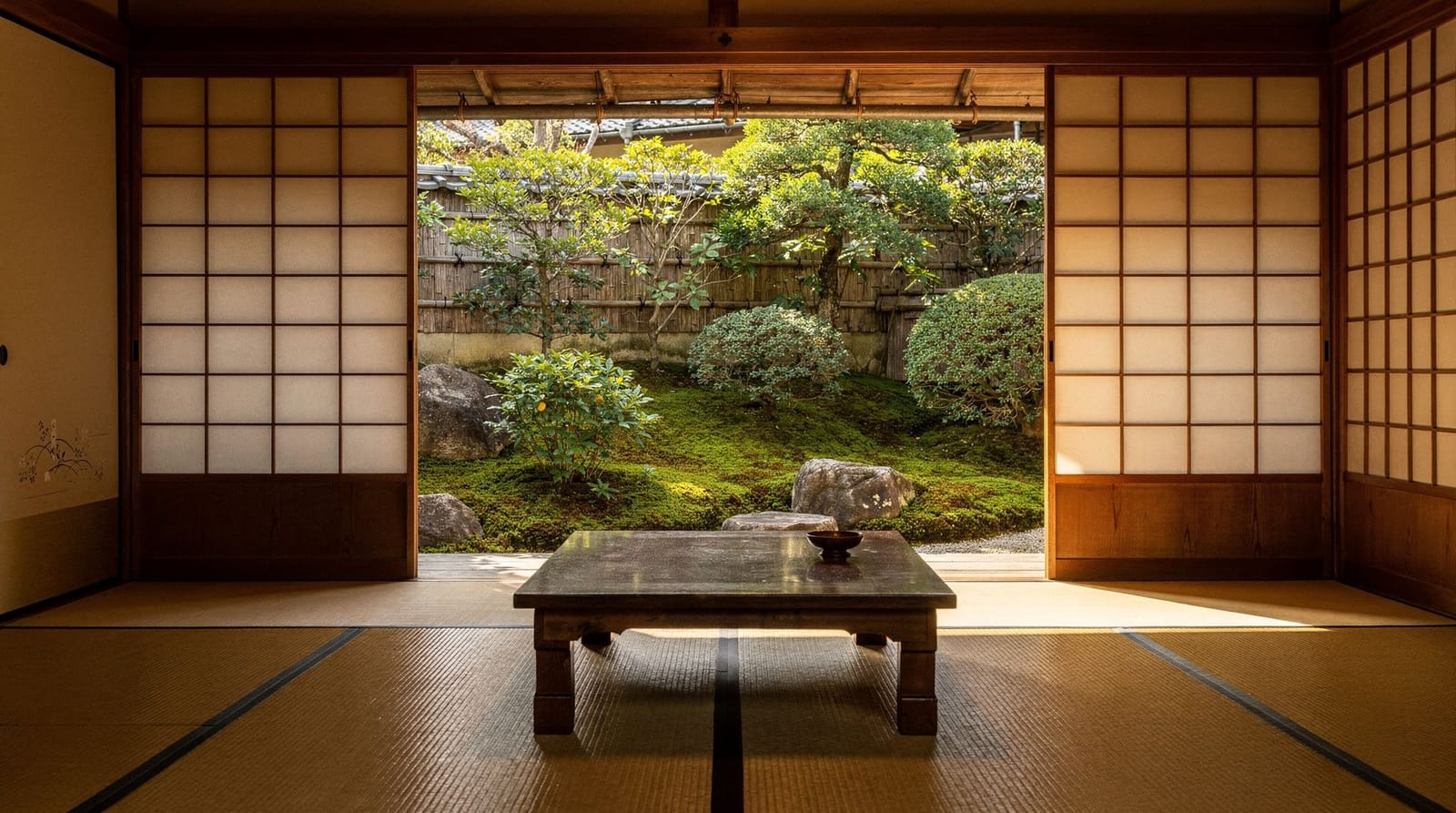
A ryokan is a traditional Japanese inn, typically featuring tatami-mat rooms, futon bedding laid out on the floor (usually by staff, in the evening, after you’ve been out for dinner), shared or private onsen bathing facilities, and — at the mid-range and above — a kaiseki multi-course dinner and breakfast included in the room rate. The experience is built around a specific rhythm: check-in, change into the provided yukata robe, bathe, dinner served in-room or in a private dining area, and a room that transforms from a sitting space in the evening to a bedroom once staff lay out the futon while you’re at dinner.
This is a genuinely different style of hospitality than a Western-style hotel, closer to an all-inclusive cultural experience than simply a place to sleep, and it’s reflected in both the pricing and the level of staff interaction.
What a standard hotel gives you
A hotel in Kyoto — whether an international chain, a boutique property, or a business hotel — offers what most travelers already know: a private room with a Western bed, en-suite bathroom, and no included meals or fixed schedule around dinner and bathing. Business hotels in particular (a Japanese hotel category built around compact, efficient rooms) are widely available in Kyoto, especially around Kyoto Station and downtown, and represent the most budget-friendly, flexible accommodation option in the city.
Price comparison in real numbers
A mid-range business hotel room in Kyoto typically runs ¥8,000-15,000 (US$53-100) per night, room-only, for two people. A well-reviewed boutique or upscale international hotel runs ¥20,000-45,000+ (US$135-300+) per night. A mid-range ryokan with kaiseki dinner and breakfast included typically runs ¥25,000-50,000 (US$170-335) per person, per night — note the shift from per-room to per-person pricing, which is standard for ryokan and one of the more common points of confusion for first-time bookers. High-end ryokan, particularly those with private in-room onsen baths, can run ¥60,000-150,000+ (US$400-1,000+) per person per night.
The practical upshot: a ryokan stay for two people, at even a mid-range property, often costs two to three times what an equivalent hotel stay would, once the included meals are factored into the comparison honestly rather than compared room-rate to room-rate.
What you’re actually paying the ryokan premium for
The price difference isn’t simply markup — it reflects genuinely more included service. A kaiseki dinner alone, if booked separately at a comparable quality restaurant, would typically run ¥8,000-20,000 (US$53-135) per person, meaning a chunk of the ryokan’s per-person rate is effectively prepaying for a meal most hotel guests would book and pay for separately anyway. Add in the private or shared onsen bathing, the futon service, and generally higher staff-to-guest ratios than a standard hotel, and the comparison is closer than the headline price gap suggests, if a kaiseki dinner and onsen experience were on the itinerary regardless of where you stayed.
Family and group considerations
Traveling with young children shifts this comparison meaningfully. A ryokan’s fixed dinner seating, floor-level sleeping, and shared bathing facilities can be a genuinely charming novelty for kids on a single well-timed night, but the lack of flexibility around meal timing and bedtime routines makes a ryokan a harder fit for an entire family trip built around nap schedules and unpredictable young-child logistics. Larger groups or families traveling together sometimes find good value in a ryokan’s larger multi-bed traditional rooms, which can work out more cost-effective per person than booking multiple separate hotel rooms, worth checking directly with a property since room configurations vary considerably.
The honest downsides of a ryokan
Ryokan aren’t simply a nicer hotel — they come with real trade-offs that don’t suit every traveler. Futon bedding on tatami is firmer than most Western mattresses, and some guests, particularly those with back issues, find it genuinely uncomfortable across multiple nights.
The fixed dinner schedule (often a set seating time, sometimes as early as 6-6:30pm) is far less flexible than a hotel’s come-and-go-as-you-please structure, which can clash with a day of sightseeing that runs later than planned. Traditional ryokan often have curfews or fixed check-in/check-out windows more rigid than an international hotel chain’s. And thin traditional walls, part of the authentic architecture, mean noise carries more than in a modern hotel’s soundproofed rooms.
Shared bathing facilities, standard at more traditional ryokan, also require comfort with communal onsen bathing, including the tattoo restrictions that many traditional bathhouses still enforce — a real consideration for tattooed travelers, though many ryokan now offer private bath bookings as a workaround.
Who a ryokan genuinely suits
A ryokan stay works best as one or two nights within a longer trip, treated as a deliberate cultural experience rather than the default accommodation for the whole trip. It suits travelers specifically interested in the ritual of kaiseki dining and onsen bathing, couples looking for a splurge night, and anyone who wants a genuinely immersive taste of traditional Japanese hospitality rather than efficient, familiar comfort. It’s a poor fit for anyone on a tight nightly budget, families needing flexible meal timing around young children’s schedules, or travelers who specifically want to come and go on their own schedule without a fixed dinner seating.
Who a hotel genuinely suits
A standard hotel — particularly a well-located business hotel — suits the majority of Kyoto trips best: lower cost, full flexibility on meal timing and daily schedule, familiar bedding, and no need to plan around a fixed check-in ritual or dinner seating. For a first Kyoto trip covering a lot of ground across several days, the flexibility of a hotel base, paired with a la carte dinners chosen night to night based on what sounds good, is generally the more practical choice, with a ryokan night added separately if the budget and itinerary allow.
Location trade-offs between ryokan and hotel neighborhoods
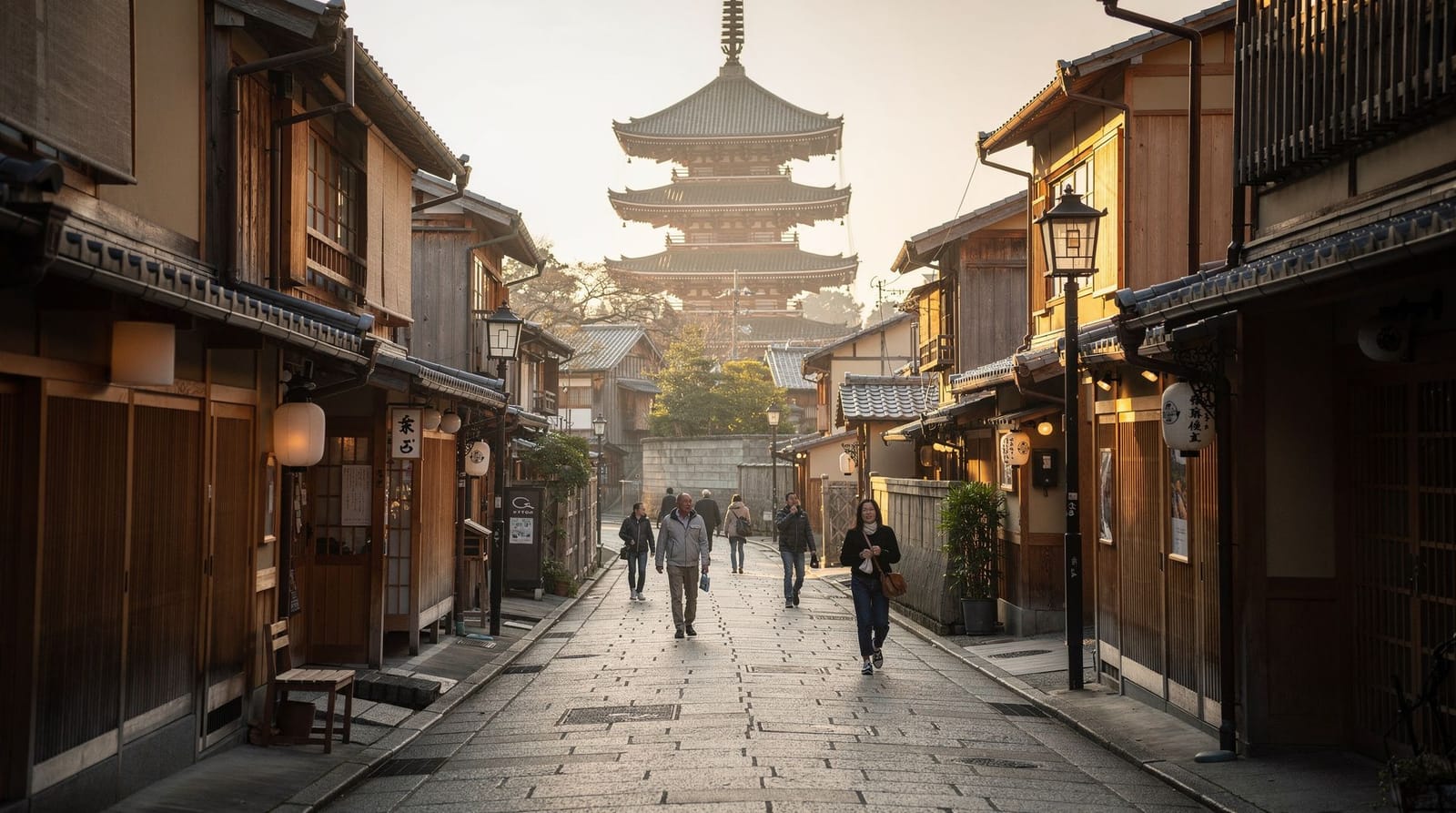
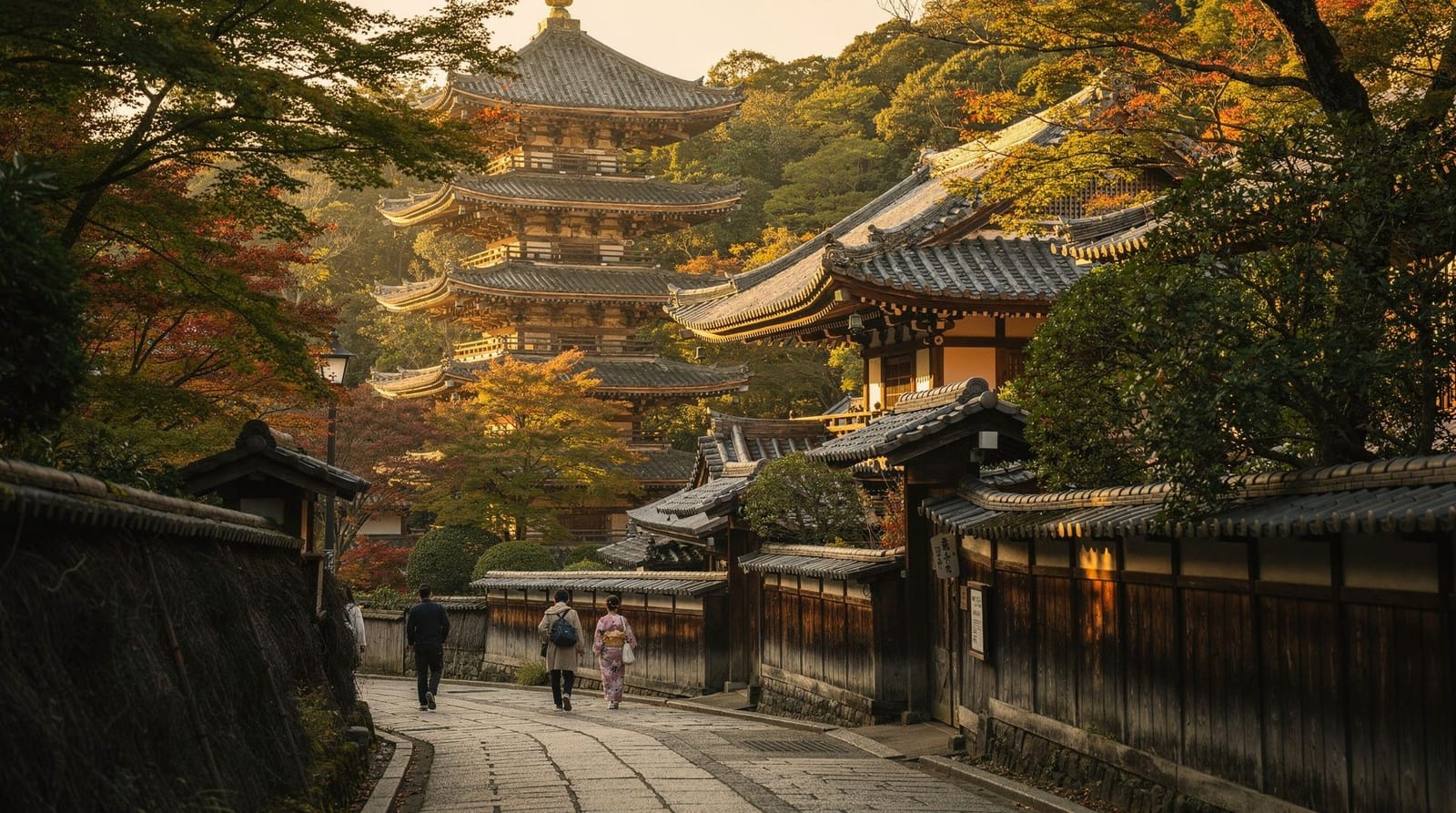
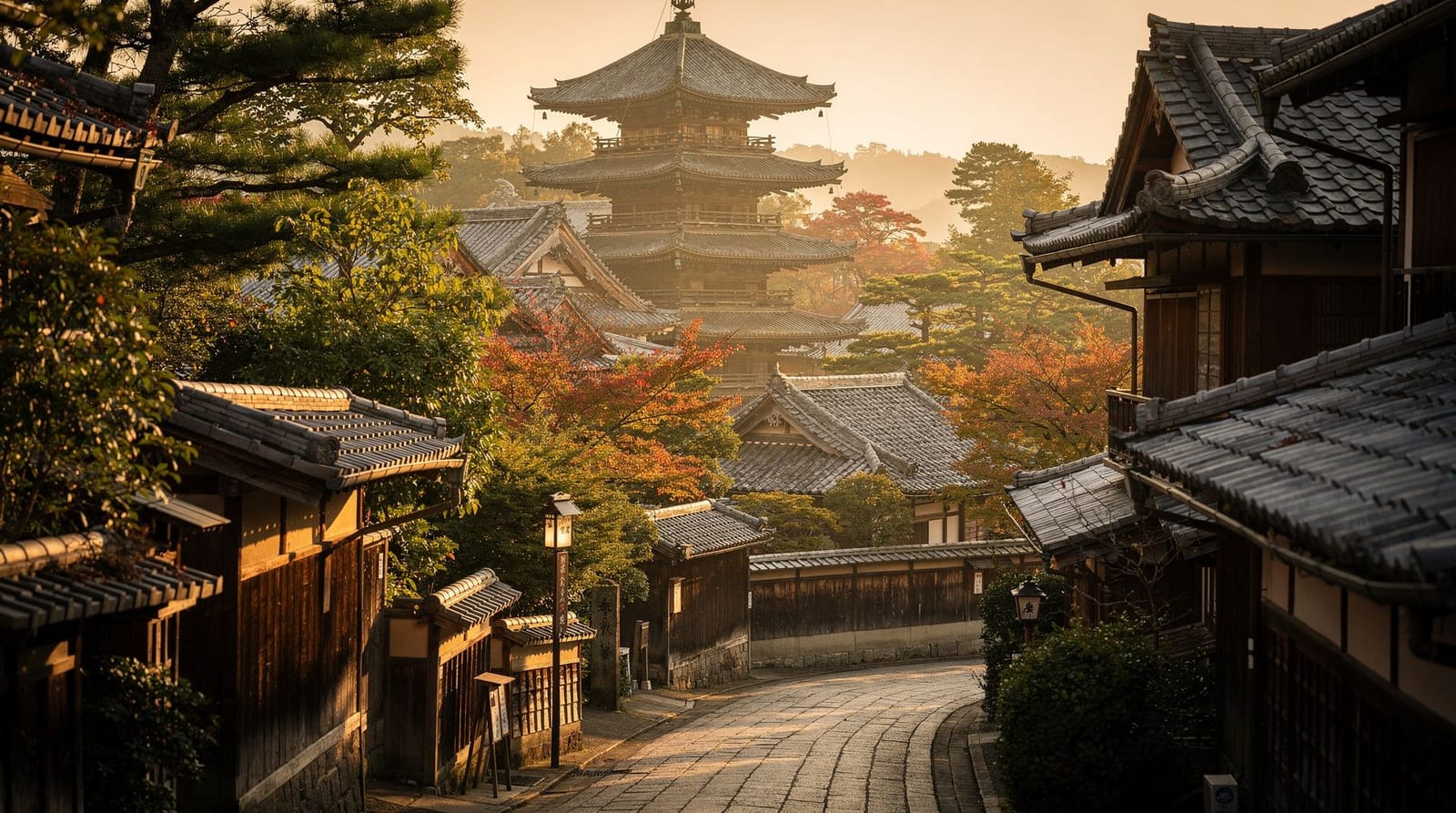
Kyoto’s ryokan cluster disproportionately in a handful of traditional neighborhoods — Higashiyama, Gion, and the area around Kiyomizu-dera in particular — where the historic streetscape suits the architectural style and where a captive, atmosphere-seeking clientele has sustained these businesses for generations. Hotels, by contrast, spread far more evenly across the city, with a particularly dense concentration around Kyoto Station and the downtown Shijo-Kawaramachi area, generally offering better proximity to transit hubs and a wider spread of price points.
A ryokan booking in Higashiyama trades some transit convenience for atmosphere and walkability to that specific district’s sights, which is a reasonable trade if Higashiyama is already a planned focus of the trip, but less ideal if the itinerary ranges widely across the city and needs a more central, transit-connected base.
Booking logistics and what to expect
Ryokan booking works somewhat differently from a standard hotel reservation, and it’s worth knowing this before comparing prices directly. Many traditional ryokan, especially smaller family-run properties, aren’t listed on the largest international booking platforms at all, or list only a fraction of their actual availability there, meaning a genuine search sometimes requires checking a property’s own website or a Japan-specific booking platform directly.
Meal preferences (kaiseki dinner is standard at mid-range and above, but dietary restrictions need to be flagged well in advance, since the multi-course format is prepared specifically for each guest rather than offering a flexible menu) and check-in timing (often a fixed window in the mid-afternoon, earlier than many international hotels) are both worth confirming directly with the property rather than assuming standard hotel norms apply.
A note on ryokan classification and what “ryokan” can actually mean
Not every property calling itself a ryokan delivers the full traditional experience described in this piece — the term covers everything from a small, deeply traditional family-run inn with genuine multi-generation history to a modern hotel building tatami rooms and a shared bath into an otherwise contemporary structure, sometimes marketed as a “ryokan” mainly for the cultural cachet. Reading recent reviews carefully, and checking specific photos of the rooms and bathing facilities rather than relying on the “ryokan” label alone, helps set accurate expectations, since the gap between a genuinely traditional property and a modern building borrowing ryokan aesthetics can be considerable, at similar price points.
A reasonable middle path
Many visitors land on a genuinely sensible compromise: book a hotel for most of the trip, and add one or two nights at a ryokan — either in central Kyoto or, for an even more traditional setting, in a nearby onsen town — specifically as a planned cultural experience rather than a full-trip commitment. This captures the ryokan’s distinctive dinner-and-bath ritual without the schedule rigidity and cost multiplying across an entire trip, and it’s the approach most travel writers who’ve tried both tend to recommend once they’ve weighed the real trade-offs rather than the marketing photos.
Getting the kaiseki and tea-ceremony experience without booking a ryokan
If the real draw of a ryokan is the kaiseki dinner or the ritual of a tea ceremony rather than the sleeping arrangement itself, both are bookable separately from a hotel base, which is often the more practical route for travelers who want the cultural experience without the schedule commitment of a full ryokan stay. A standalone kaiseki dinner in a traditional Gion townhouse delivers the same multi-course seasonal cooking a ryokan would serve, without the fixed check-in window.
Kaiseki dinner experience in a traditional Gion settingA formal tea ceremony works the same way — a genuine ritual borrowed from the ryokan experience, bookable as a standalone activity for anyone based in a regular hotel.
Traditional tea ceremony lesson, 45 minutesHow this decision fits the rest of the trip
Where a traveler lands on the ryokan-versus-hotel question tends to connect to broader trip-planning choices worth making at the same time. A 3-day Kyoto itinerary or first-timer’s guide usually has enough built-in flexibility to slot in one ryokan night without disrupting the rest of the schedule, while a tighter 1-day visit rarely justifies the logistics of a ryokan check-in at all. Anyone weighing the overall cost of a Kyoto trip against a ryokan splurge should also check the Kyoto travel budget guide for how the accommodation line item compares to food, transit, and temple admission across a typical trip.