Is the Kyoto tea ceremony worth it? An honest verdict
A Japanese tea ceremony shows up on nearly every “top Kyoto experiences” list, usually alongside a photo of someone kneeling in a tatami room holding a bowl of matcha with practiced concentration. What those lists rarely mention is how much variation exists under the single label “tea ceremony” — a ¥2,000 group session and a ¥15,000 private one with a former geiko are both marketed the same way, and they’re genuinely different experiences. This is a straight answer on whether it’s worth doing, and which version is worth paying for.
| Verdict | Worth it — but only a properly paced 45-60 min session |
| Group price | Around ¥2,000–4,000 (US$13–27) |
| Private price | Around ¥8,000–20,000 (US$53–135) |
| Time needed | 45–60 minutes for a genuine session |
| Skip if | Only rushed 20-min group slots are available |
The short answer
Yes, generally worth it — but only the version that actually teaches you something, not the fastest, cheapest group session designed mainly to produce a photo. A rushed 20-minute group tea ceremony squeezed between tour bus stops is a reasonable skip if time is limited; a properly paced 45-60 minute session with real instruction on the ritual’s meaning is one of the more genuinely educational things a first-time visitor can do in Kyoto, distinct from the temple-hopping most of an itinerary otherwise consists of.
What you’re actually paying for
A formal tea ceremony (chado or sado, “the way of tea”) is built around a highly specific, centuries-old sequence of movements — how the tea bowl is turned before drinking, how utensils are handled and cleaned, how a guest bows and when — rooted in Zen Buddhist principles of mindfulness and respect for the moment. The value isn’t really the matcha itself, which you could make yourself at home for a few dollars in ingredients. It’s the instruction: a good host explains why each step exists, what the specific utensils mean, and how the whole ritual reflects a philosophy of hospitality that shows up elsewhere in Japanese culture, from how meals are served to how guests are welcomed generally.
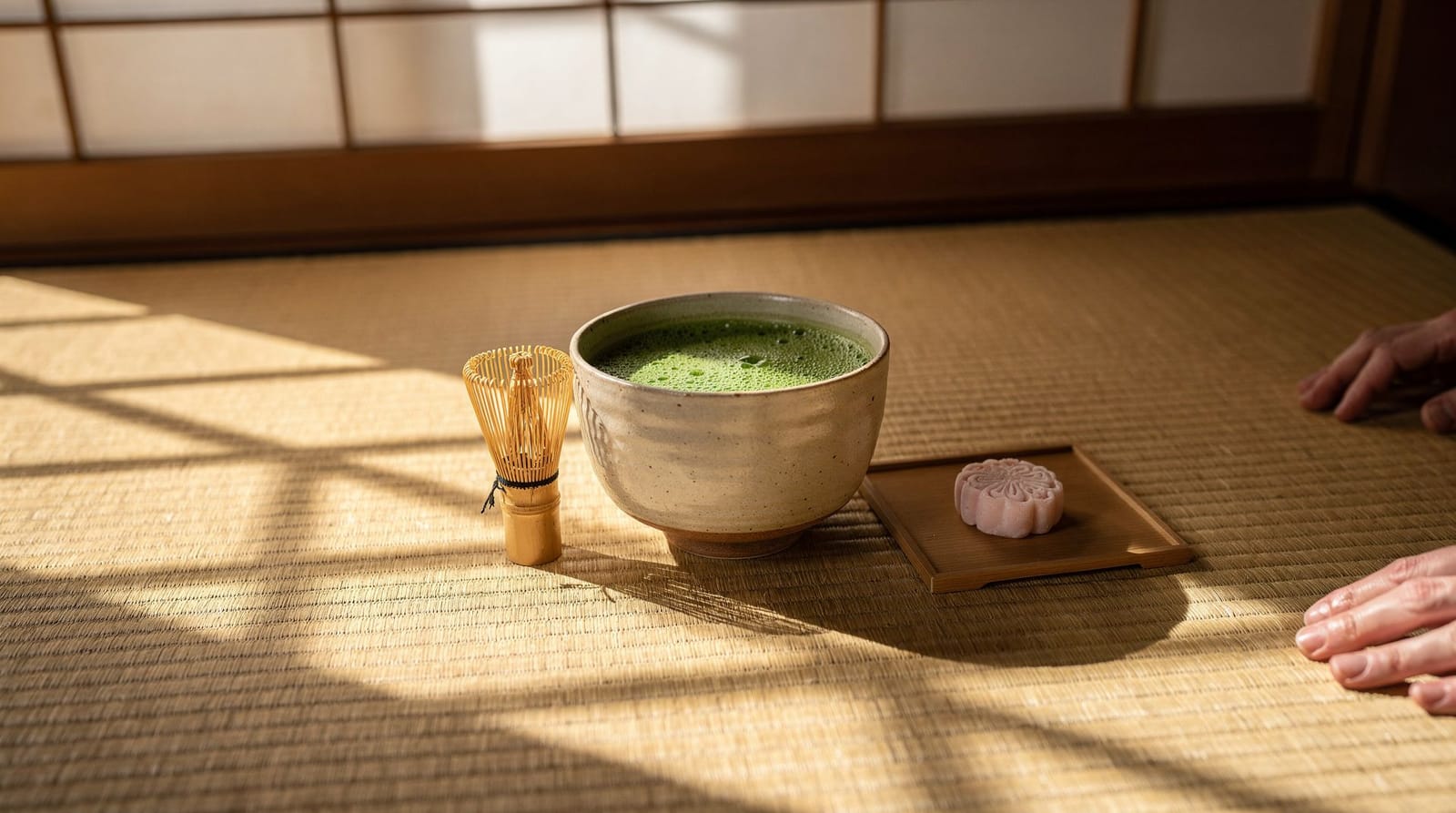
45-minute tea ceremony lesson — a properly paced session with real instruction, not a rushed group photo-opA basic matcha tasting — a bowl of prepared tea and a sweet, served without ceremony or instruction — is a different, cheaper thing entirely, and worth knowing the difference before booking. If a listing doesn’t mention any instruction or explanation component, it’s probably a tasting rather than a genuine ceremony, whatever the marketing copy calls it. Our best matcha in Kyoto and Uji piece covers where to get a good tasting specifically, if that’s the simpler experience you’re after.
Where it tends to disappoint
The most common complaint from visitors who come away unimpressed isn’t about the tea or the ritual itself — it’s about pacing and group size. A large group (eight or more) crammed into a room built for a handful of guests, moving through the ceremony’s steps at a rushed pace to keep to a tour schedule, undercuts the entire point of a ritual built around unhurried, deliberate movement. If the description of a listing emphasizes speed, capacity, or “quick” and “convenient” language, that’s a signal the operator is optimizing for throughput over the actual experience.
The other real complaint: matcha itself has a genuinely bitter, vegetal flavor that some visitors simply don’t enjoy, ceremony or not, and no amount of ritual context changes that basic fact. If the goal is purely to taste something pleasant, a matcha latte or matcha dessert at a good Uji tea house is a more reliable bet than a formal ceremony, which serves the tea unsweetened and undiluted by design.
Group versus private — what the price difference actually buys
Group sessions, typically ¥2,000-4,000 (US$13-27) per person, get you the same core ritual and instruction but in a shared room with several other visitors, less individual attention from the host, and a fixed, somewhat rigid schedule. Private sessions, typically ¥8,000-20,000 (US$53-135) depending on setting and host, get you a smaller room (sometimes a genuinely historic townhouse or a temple’s own tea room), individual pacing, and a host who can actually answer follow-up questions and adjust the explanation to your level of prior knowledge, rather than delivering a fixed script to a room of strangers.
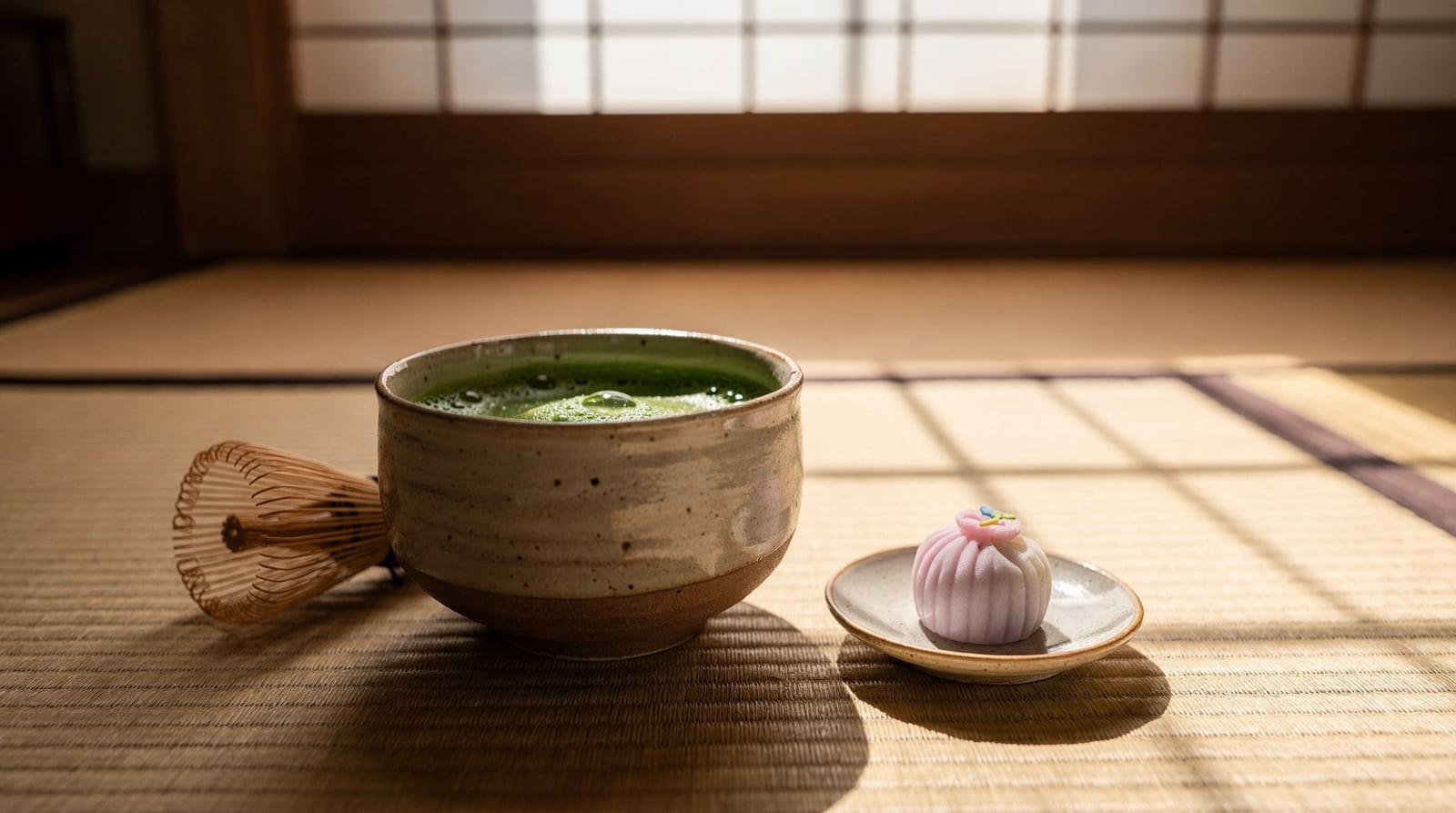
Private tea ceremony with a garden view — individually paced, in a smaller, quieter settingFor a solo traveler or couple genuinely interested in the ritual’s substance, the private option is usually worth the premium. For a family with children, or a group primarily interested in a cultural taste rather than deep instruction, a well-run group session is a perfectly reasonable and considerably cheaper choice. The full Kyoto tea ceremony guide lists venue options across both price tiers if you want to compare specific locations before booking.
Group versus private, side by side
| Group session | Private session | |
|---|---|---|
| Price | ¥2,000–4,000 (US$13–27) | ¥8,000–20,000 (US$53–135) |
| Group size | Several other visitors | Just your party |
| Pacing | Fixed, somewhat rigid | Adjusted to your questions |
| Setting | Shared tea room | Often a historic townhouse or temple room |
| Best for | Families, casual cultural taste | Solo travelers, couples wanting depth |
Combining tea ceremony with other experiences
Several operators bundle a tea ceremony with a related activity — a zen meditation session, a kimono rental, or time in a temple’s own garden — which can be genuinely good value if the components fit together naturally, but is also where some of the worst “tourist trap” versions of the experience hide, packing four unrelated 15-minute activities into a two-hour block that does none of them justice.
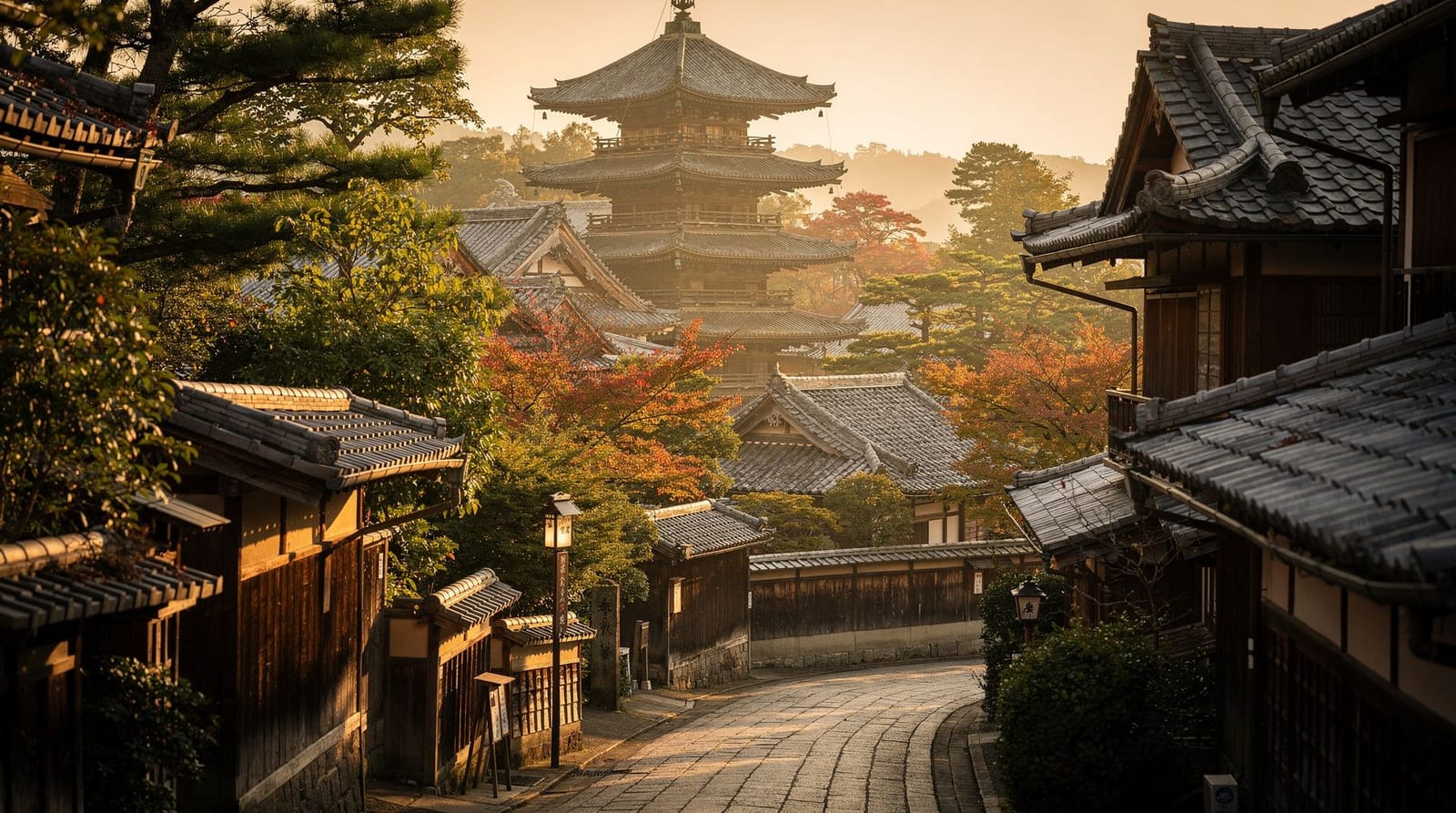
Zen meditation and tea ceremony at a hidden temple — a slower-paced combination built around two related practices rather than a grab-bag of activitiesA useful filter: does the listing explain what makes the pairing coherent (meditation and tea ceremony share a Zen mindfulness foundation, for instance), or does it read like unrelated activities bolted together purely to raise the price. The former is usually worth it; the latter usually isn’t.
Who should skip it entirely
Visitors on a genuinely tight schedule with only one or two days in Kyoto are probably better served prioritizing a major temple or Fushimi Inari over a ceremony, which — done properly — takes a real hour out of a day for a comparatively subtle payoff next to the bigger sights. Visitors who already know they dislike matcha’s flavor, and aren’t interested in the ritual for its own sake independent of taste, are also reasonable candidates to skip it, since the experience doesn’t really work as a pure sightseeing stop the way a temple visit does.
What actually happens, step by step
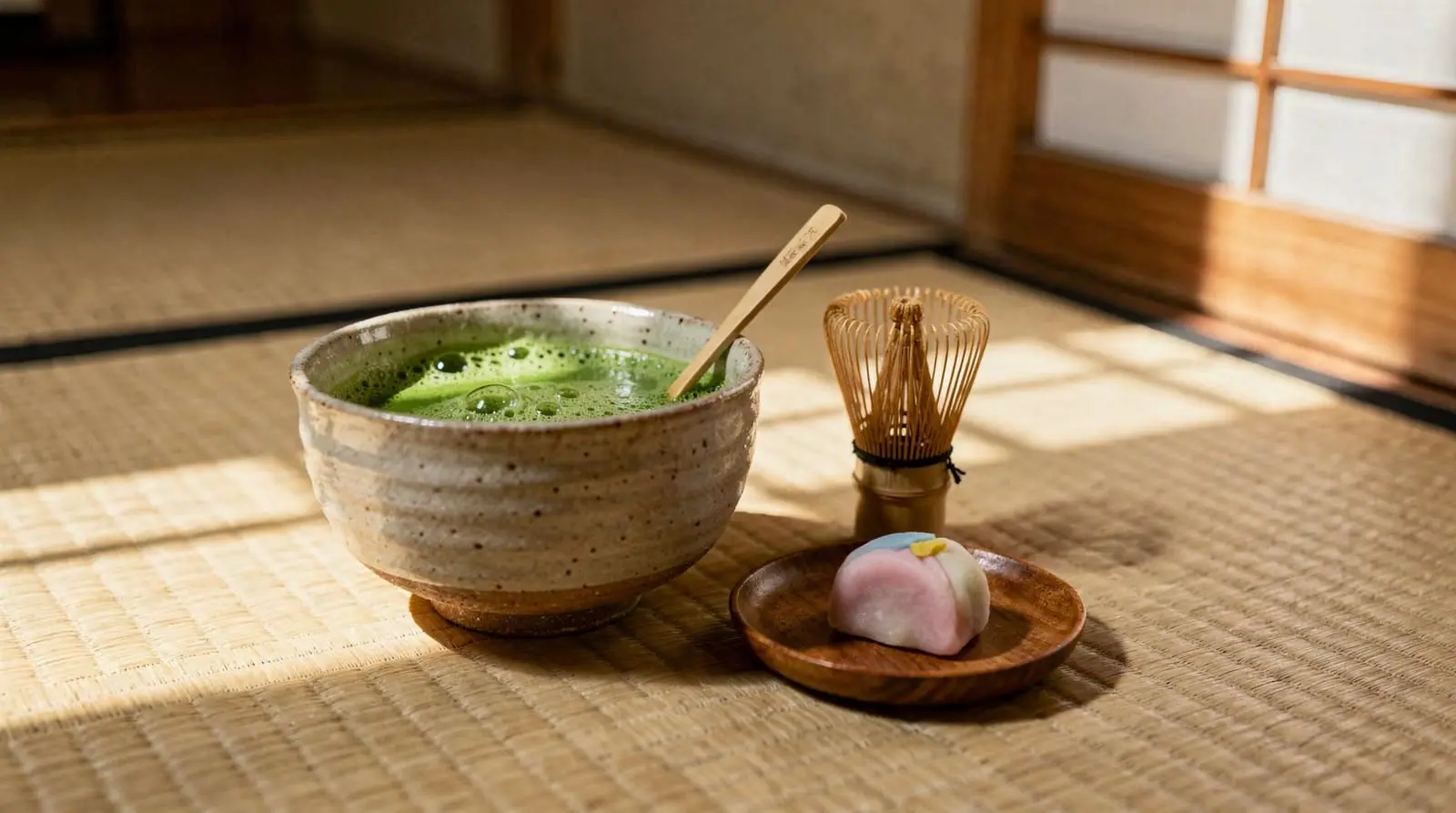
For anyone going in without a clear picture of what to expect, a typical guest experience runs roughly like this: guests are seated on tatami (a low chair or bench alternative is often available for anyone who struggles with kneeling), the host prepares the tea using a specific sequence of movements — measuring powder with a bamboo scoop, whisking with a bamboo whisk (chasen) until the surface forms a light foam, and presenting the bowl with its front-facing decorative side turned toward the guest.
The guest then turns the bowl slightly to avoid drinking from its “front,” drinks in a small number of sips, and turns it back before returning it. A small wagashi sweet, usually eaten before the tea rather than alongside it, balances the tea’s bitterness.
None of this is difficult to follow along with a host’s guidance, and most sessions explicitly walk first-time participants through each step rather than expecting prior knowledge — the ceremony’s formality is in the choreography itself, not in some hidden test of visitor etiquette.
How to tell a good listing from a mediocre one before booking
A few concrete signals separate a properly run ceremony from a rushed, tour-group version, worth checking in a listing’s description before booking. Duration is the clearest one: anything under 30 minutes is very unlikely to include real instruction rather than a quick, silent demonstration. Group size matters too — a session capped at six to eight guests or fewer allows genuine individual attention from the host, while sessions advertising large groups are optimized for volume. The setting also matters: a dedicated tea room, whether in a temple, traditional townhouse, or purpose-built space, delivers a meaningfully different atmosphere than a generic function room repurposed for tourist groups.
Reviews mentioning specific things learned, rather than only “beautiful” or “peaceful,” are also a reasonably reliable signal that a session delivers genuine instruction rather than just a photogenic backdrop.
Tea ceremony as part of a broader Kyoto cultural itinerary
For visitors building out a fuller cultural day, a tea ceremony pairs naturally with other traditional experiences without needing to be treated as a single isolated activity. A morning temple visit followed by an afternoon tea ceremony, or a tea ceremony paired with a kimono rental for the day, both work well logistically since they’re typically offered in similar central Kyoto neighborhoods, particularly around Higashiyama and Gion, within easy walking or short taxi distance of each other.
Treating the ceremony as one deliberate stop within a fuller day, rather than the day’s sole purpose, tends to produce the most satisfying overall experience, since the ceremony itself — however well run — is a relatively short, seated activity compared to the walking-heavy pace of most Kyoto sightseeing.
Where a tea ceremony fits for first-time visitors specifically
For visitors on their first Kyoto trip, the question isn’t just whether a tea ceremony is worth it in the abstract, but where it fits against everything else competing for a limited number of days. Our Kyoto for first-timers guide treats a tea ceremony as a strong candidate for a single cultural half-day slot — alongside or instead of a kimono rental — rather than something to squeeze into an already packed sightseeing day.
If the itinerary already includes Fushimi Inari, Kinkaku-ji, and a full day in Arashiyama, a tea ceremony is a genuinely different register of activity: seated, slow, and reflective rather than another walking-heavy stop, which is exactly why it works well as a deliberate pause partway through a trip.
What first-timers commonly get wrong going in
A common misconception is expecting the tea itself to taste pleasant in a conventional sense — matcha prepared properly for ceremony, without sugar or milk, has a genuinely bitter, concentrated flavor that surprises visitors expecting something closer to a sweetened matcha latte. Going in with accurate expectations about the flavor, and understanding that the sweet served beforehand is specifically there to balance that bitterness rather than as an unrelated snack, avoids a common source of disappointment that has nothing to do with how well the ceremony itself is run.
Another common assumption is that a ceremony requires prior knowledge of Japanese customs or language — in practice, most sessions aimed at visitors are conducted in English or with an English-speaking host, and hosts are generally used to guiding complete beginners through every step without assuming any prior familiarity.
The honest bottom line
A tea ceremony is worth booking if you choose a properly paced session (45 minutes or more) with genuine instruction, in a reasonably small group or private setting, and go in expecting an educational, meditative experience rather than a delicious drink. It’s a reasonable skip if the only options available are rushed, large-group sessions squeezed into a tight schedule, or if the appeal was purely photographic rather than substantive. The difference between a memorable version of this experience and a forgettable one is almost entirely about which specific listing you book, not whether tea ceremonies in general are worth doing.
Frequently asked questions about Kyoto
How long does a proper Kyoto tea ceremony take? A genuine session with real instruction runs 45 to 60 minutes. Anything advertised as 15-20 minutes is very likely a rushed group demonstration rather than a properly paced ceremony, even if it’s marketed with the same “tea ceremony” language.
Do I need any prior knowledge of Japanese customs to join a tea ceremony? No. Most sessions aimed at visitors are conducted in English or with an English-speaking host, and hosts are used to guiding complete beginners through every step — sitting, bowing, turning the bowl — without assuming any prior familiarity with Japanese etiquette.