Best walking tours in Kyoto — Higashiyama, Gion, Fushimi and Arashiyama compared
T3 Kyoto: Traditional Higashiyama and Gion Walking Tour
What is the best walking tour in Kyoto?
There isn't one single best option — it depends on the district. A Higashiyama walking tour (2-3 hours, ¥5,000-9,000 / US$33-60) is the strongest first-timer choice for temple-lined lanes and history. An evening Gion walk is better for geisha-district context you'd otherwise miss walking alone. Fushimi Inari and Arashiyama are both walkable for free without a guide, so a paid tour there is really paying for the guide's stories and photo help, not access.
| Higashiyama | 2-3hrs guided, ¥5,000-9,000 / free self-guided |
| Evening Gion | 2hrs guided, context-driven, no sighting guarantee |
| Fushimi Inari | Free, 24hrs, easiest to self-guide |
| Arashiyama | Grove 10-15min, fuller loop 3-4km |
| Best window | Before 8am or after 5pm, any district |
Four districts, four different reasons to walk them
Kyoto rewards walking more than almost any city in Japan, but “walking tour” covers genuinely different products depending on the district. In Higashiyama, you’re walking for atmosphere and history along a dense corridor of preserved streets. In Gion, you’re walking after dark for context about a living, still-functioning geisha district. At Fushimi Inari, you’re walking uphill through thousands of torii gates on a route that’s open 24 hours and costs nothing. In Arashiyama, you’re walking through a bamboo grove and a handful of temples that take barely half a day.
None of these need a car, a bus pass beyond the basics, or advance booking to simply walk through — which is exactly why the paid walking tour market here is really selling explanation and efficiency, not access. What follows is a district-by-district breakdown of what a guided walk adds, what a self-guided version looks like, and honest notes on where the paid option is worth it and where it isn’t.
Higashiyama: Kyoto’s classic walking district
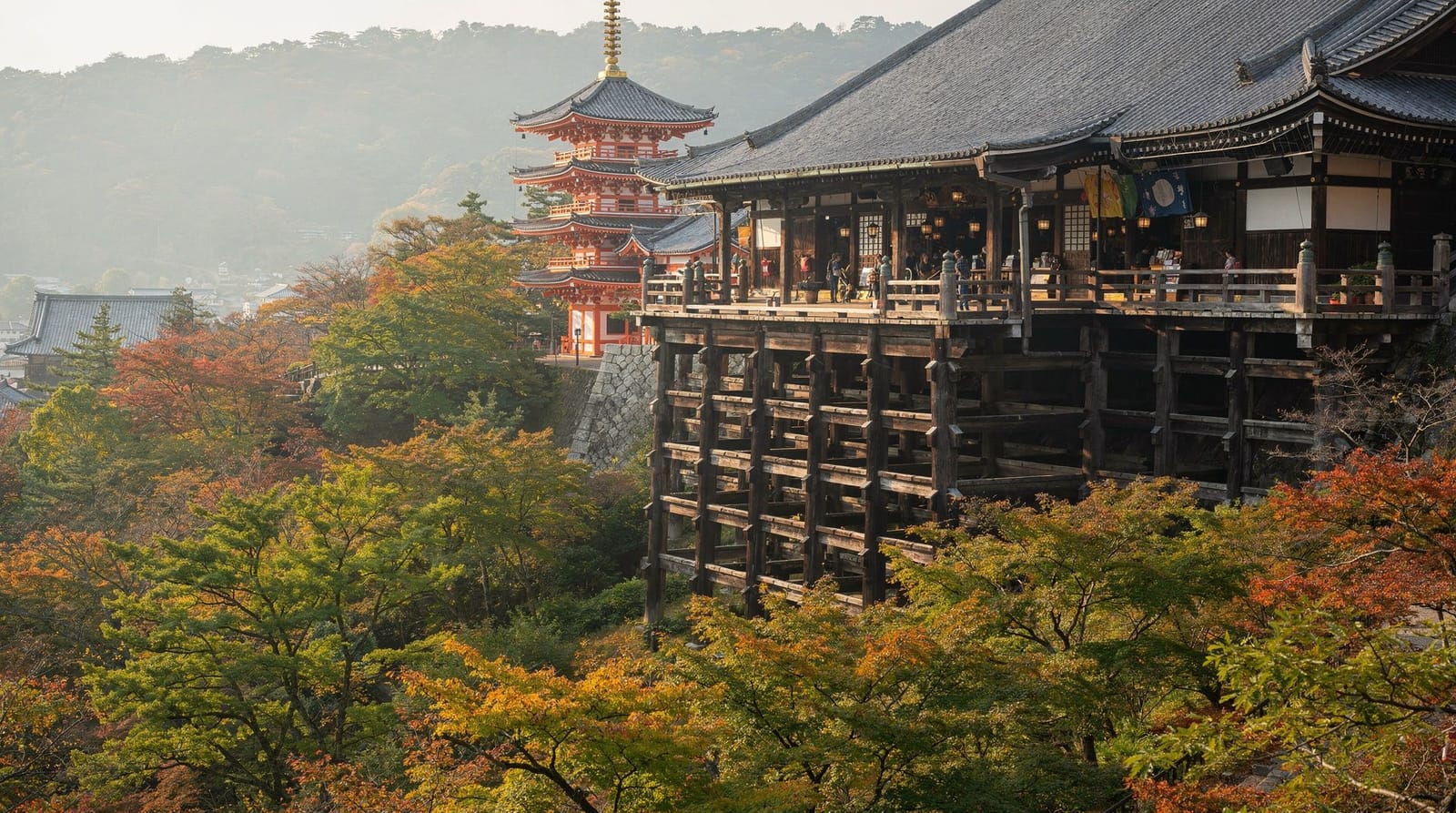
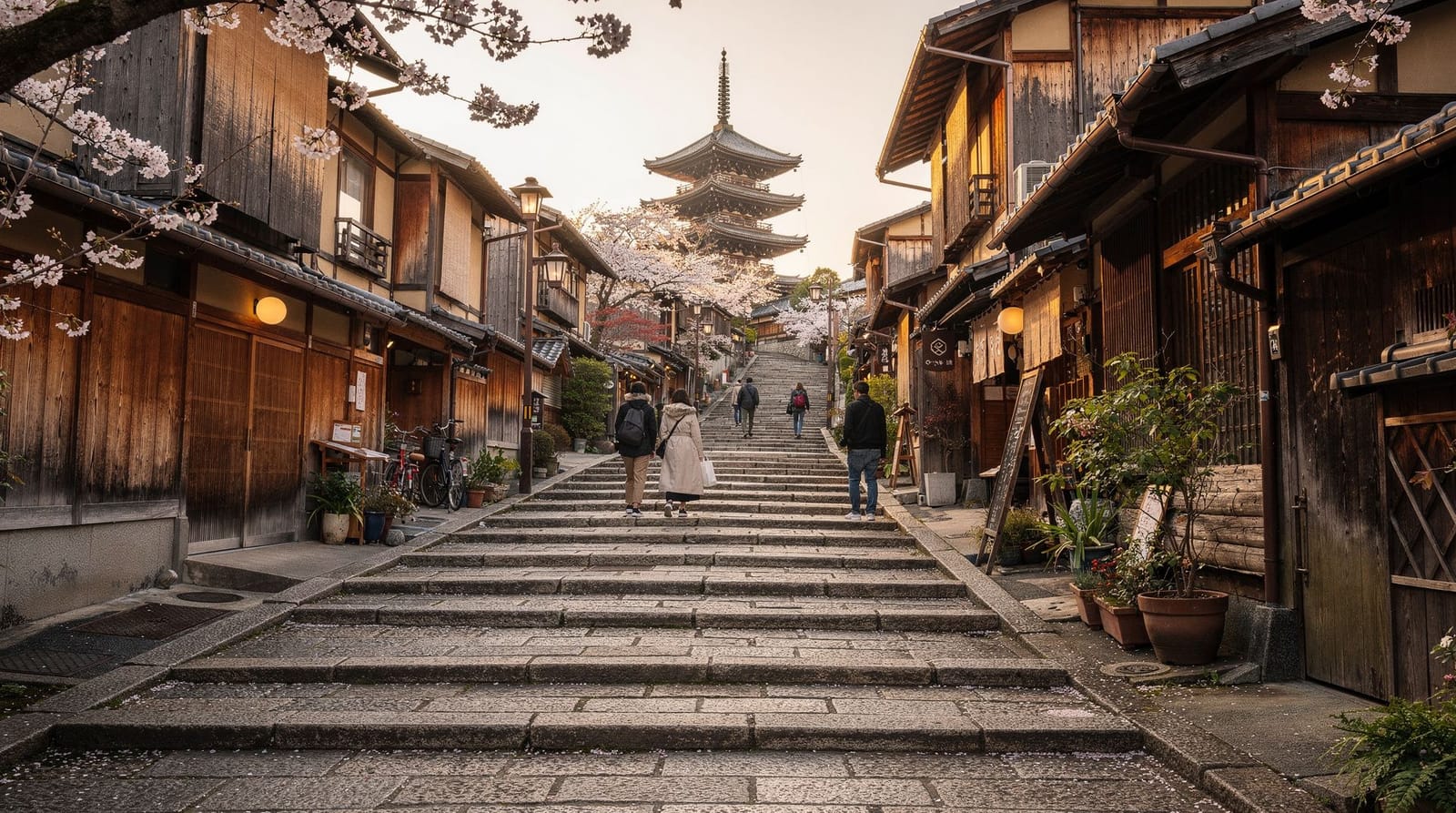
Higashiyama is the preserved historic district running from Kiyomizu-dera temple down through the Sannenzaka and Ninenzaka slopes to Yasaka Shrine and into Gion. It’s the single most photographed stretch of old Kyoto — wooden machiya storefronts, narrow lanes, and temple gates packed into roughly 2km of walkable terrain — and it’s the strongest first-timer choice among all four districts here for one reason: almost nothing about it requires a car or transit hop between stops.
A guided Higashiyama walk typically runs 2-3 hours and covers Kiyomizu-dera, the Sannenzaka/Ninenzaka slopes, Kodaiji or Yasaka Shrine, and often continues into Gion. Prices run roughly ¥5,000-9,000 (US$33-60) per person for a small group. The value here is real: a good guide explains why Sannenzaka’s name (“three-year slope”) carries a superstition about falling on it, points out functioning tea houses versus tourist-facing souvenir shops, and manages timing so you’re not fighting the worst of the mid-morning crowds at Kiyomizu-dera’s main hall.
Higashiyama and Gion walking tourSelf-guided, the same route costs nothing beyond Kiyomizu-dera’s ¥400-500 entry fee. Start at Kiyomizu-dera (reachable by bus 100 or 206 from Kyoto Station, or a 20-minute uphill walk), work down through Sannenzaka and Ninenzaka, and continue to Yasaka Shrine. The route is well-signed and impossible to get meaningfully lost on. See the Kiyomizu-dera guide for entry details and the temple’s own layout.
Evening Gion: the one district where a guide changes what you notice
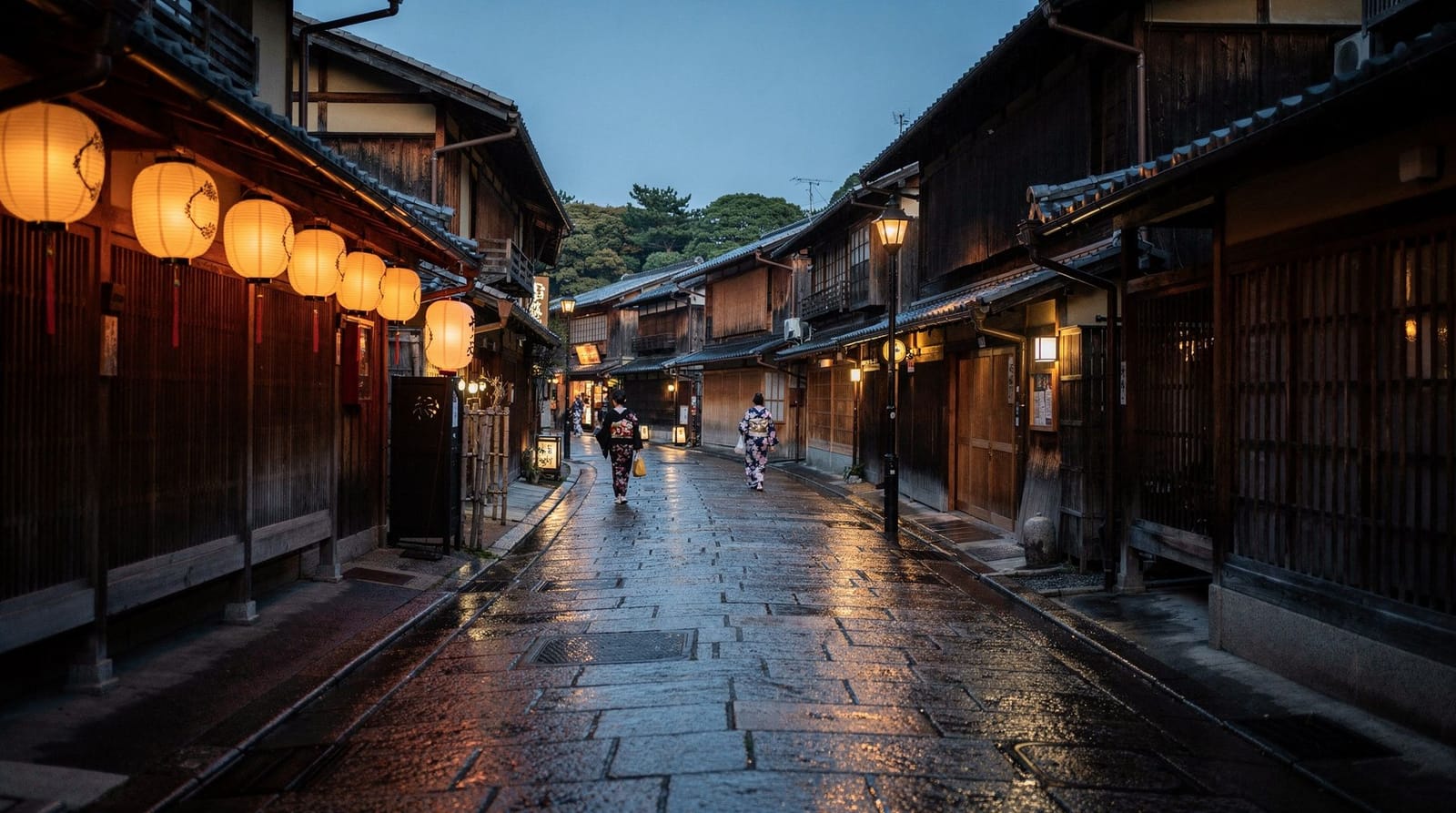
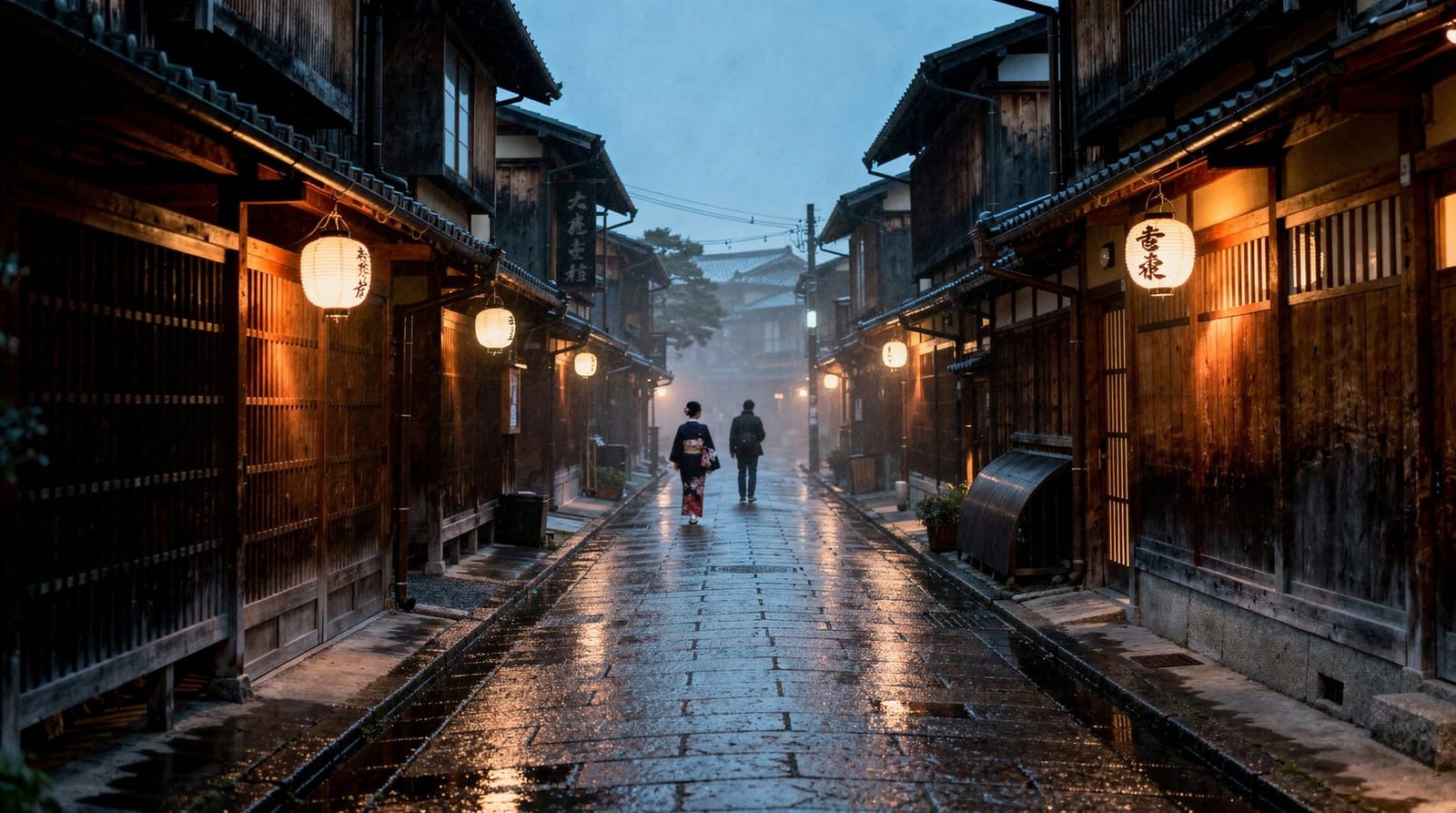
Gion is Kyoto’s most famous geisha (properly, geiko and maiko) district, and it’s the one place on this list where a guided walk genuinely changes what you’re able to notice versus walking alone. The reason is context, not access — Hanamikoji street and the Shirakawa canal area are open public streets, free to walk any time.
What you’re missing without a guide is the system behind what you’re looking at: which buildings are still functioning ochaya (teahouses that only admit guests with an existing relationship), what the different lantern markings mean, and the etiquette around geiko and maiko sightings — no flash photography, no blocking their path, no photos without consent, all of which is loosely enforced by signage but genuinely matters as a courtesy in a neighborhood people still live and work in.
Evening walking tour covering Fushimi Inari and Arashiyama after darkAn honest note: no tour, guided or not, can promise a geiko or maiko sighting. Their evening schedules move fast between private engagements and aren’t public. A tour priced and marketed around “meeting a geisha” rather than district history and etiquette is overselling something outside anyone’s control — see the Gion geisha guide and maiko experience guide for what a guaranteed encounter (a paid, staged one) actually looks like versus a chance sighting on the street.
Self-guided, the best window is roughly 5:30-7pm, when the district’s lanterns are lit but there’s still enough daylight to see architectural detail. Hanamikoji street between Shijo-dori and Kenninji temple is the core stretch; Shirakawa canal, one block over, is quieter and arguably more photogenic. See the Gion destination guide for a fuller neighborhood breakdown.
Fushimi Inari: free, 24 hours, and genuinely fine to do alone
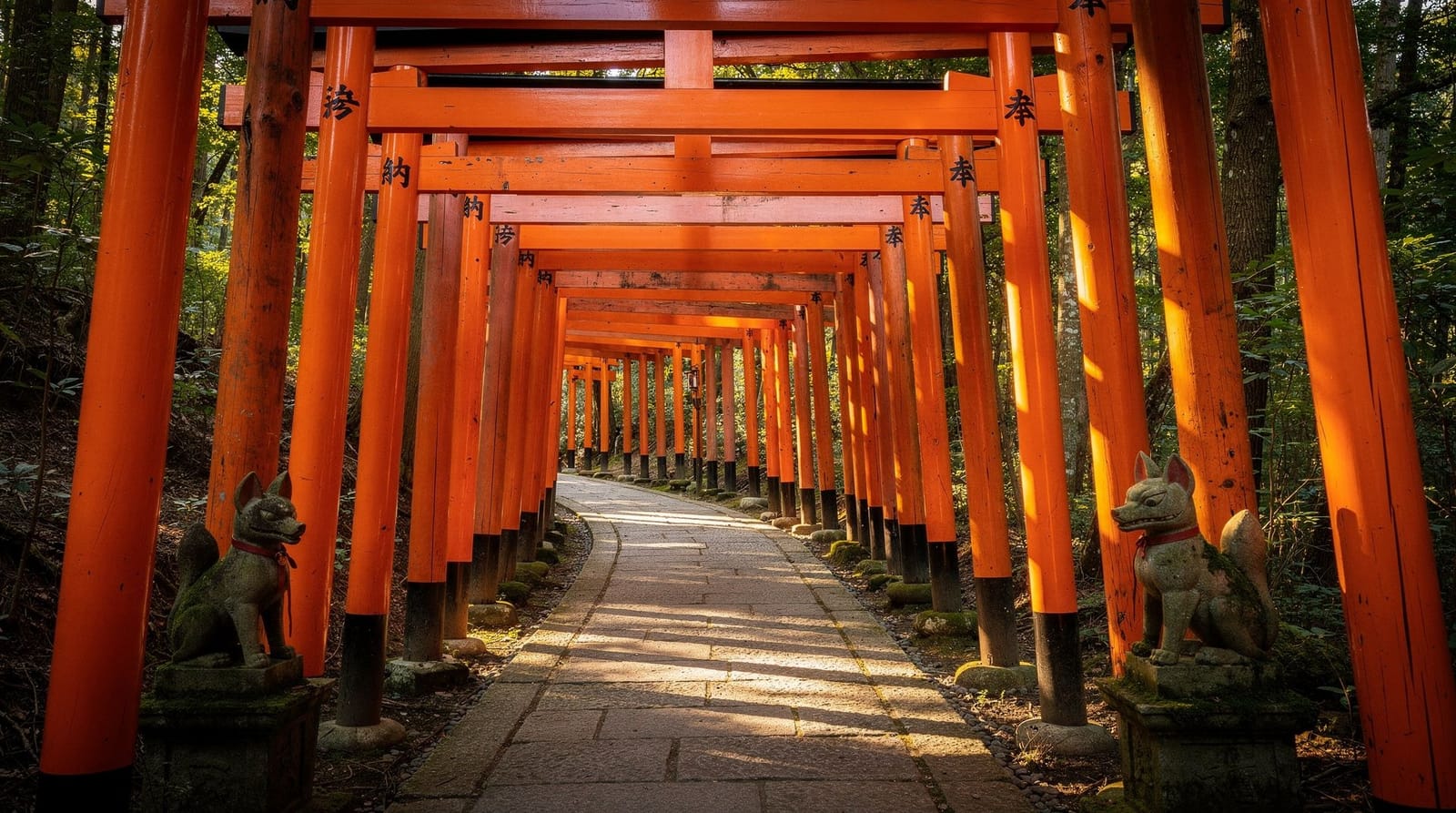
Fushimi Inari Taisha — the shrine with roughly 10,000 vermilion torii gates climbing Mount Inari — is free, open around the clock, and one of the easiest major sights in Japan to navigate without help: it’s a single trail with signage in English, and getting lost isn’t really possible short of deliberately leaving the marked path. That makes it the weakest case on this list for a purely sightseeing-focused guided walk. See the full Fushimi Inari guide for the complete hike breakdown, torii gate history, and crowd-timing advice.
Fushimi Inari guided walking tourWhere a guide earns its price at Fushimi Inari is storytelling and photography — pointing out which torii gates carry notable donor names, explaining the fox (kitsune) iconography as Inari’s messengers rather than a deity itself, and, for evening or early-morning tours specifically, safely navigating the upper, dimly-lit sections of the trail where a first-time solo visitor might reasonably turn back. If your interest is purely walking the gates and taking photos, self-guided at sunrise (before 8am) beats any paid tour on crowd levels alone, since even good guides can’t clear a public trail of other visitors.
Arashiyama: short, self-contained, and worth combining with more than the bamboo grove
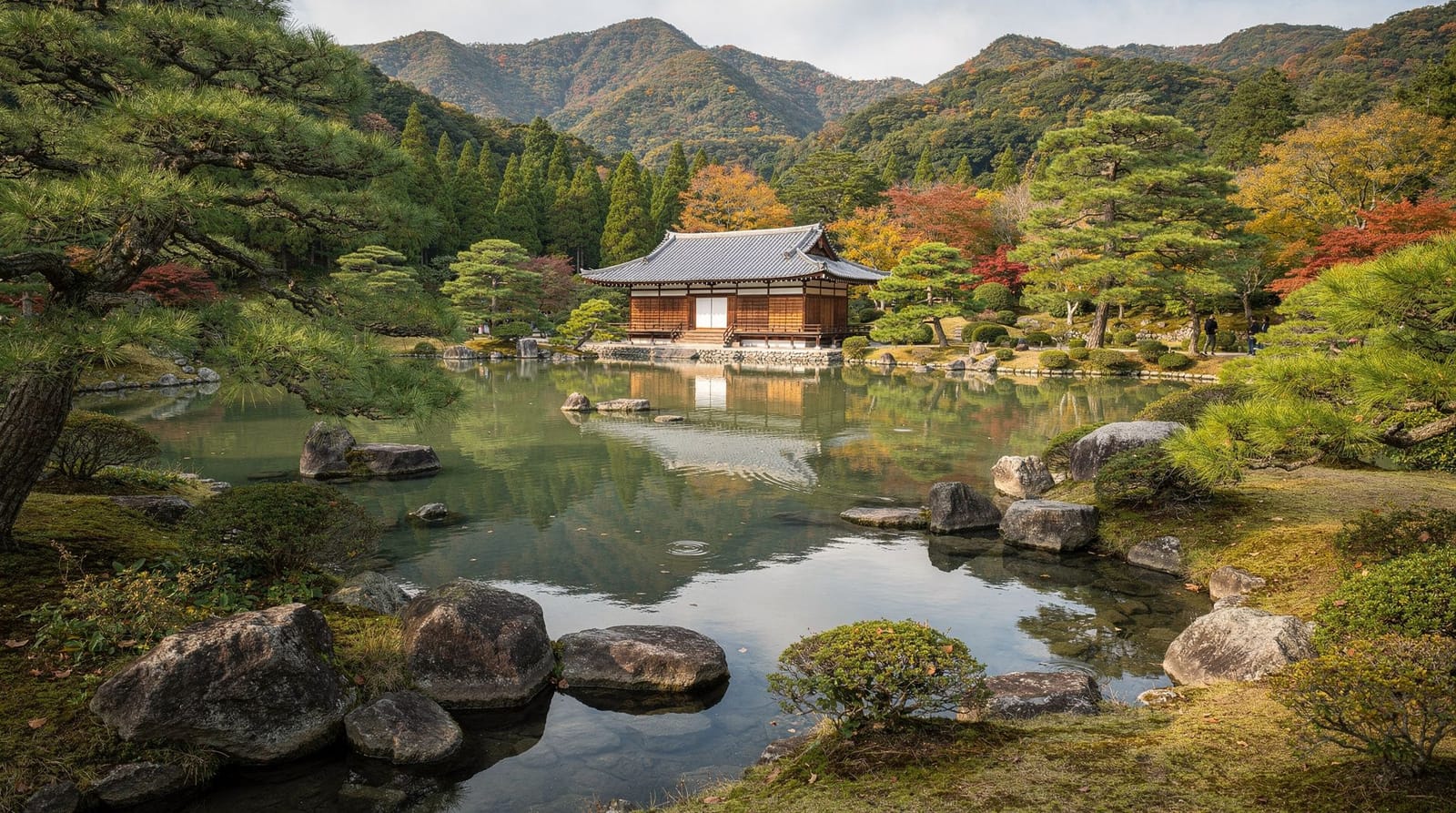
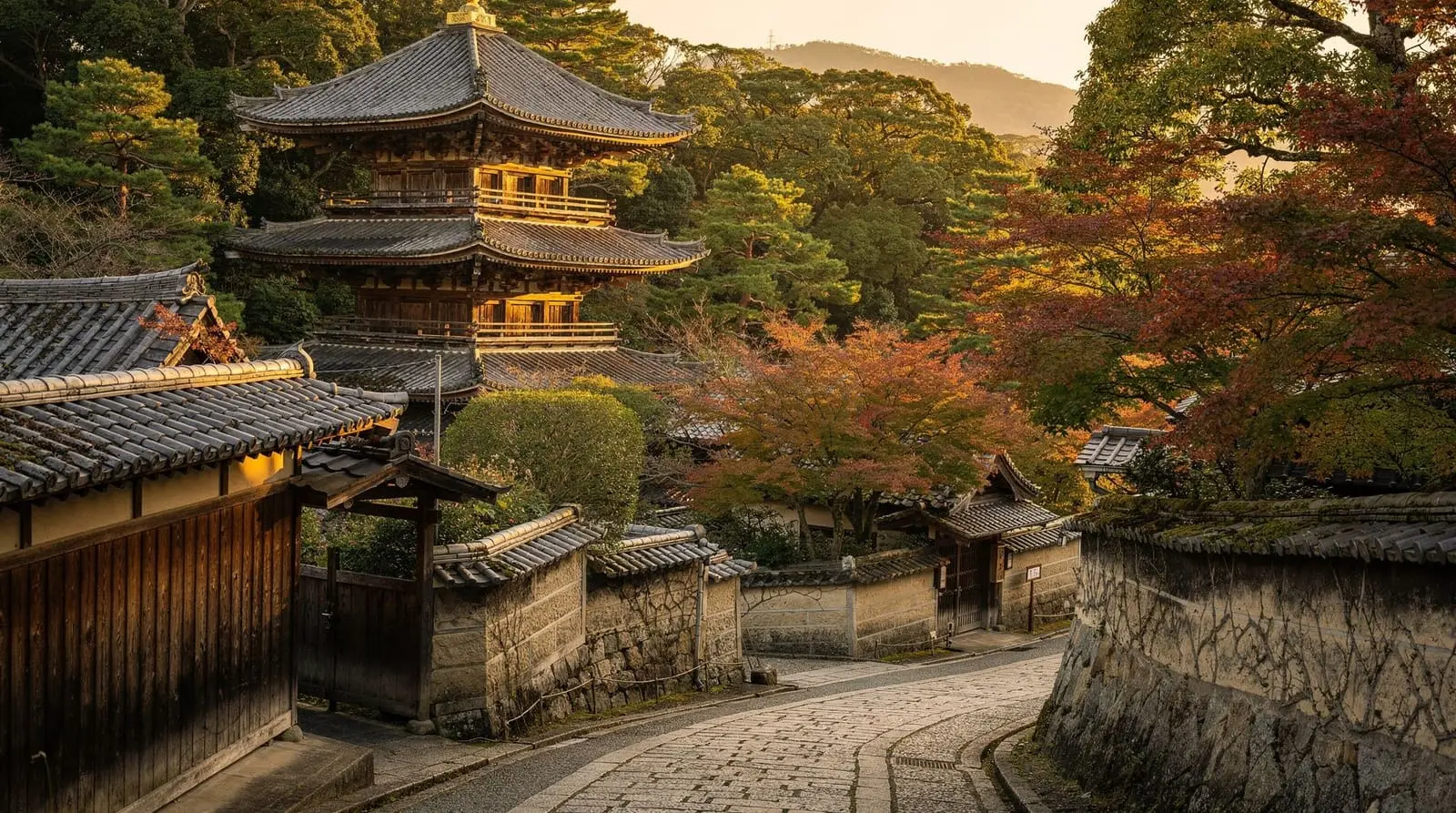
Arashiyama’s famous bamboo grove is genuinely short — 10-15 minutes to walk end to end — which surprises first-timers expecting a half-day forest experience from photos alone. The grove itself is free, unticketed, and open at all hours, though it’s most photogenic and least crowded before 8am. A guided Arashiyama walking tour makes sense not because the bamboo grove needs explaining, but because the district has more worth seeing around it: Tenryu-ji temple’s garden, the Togetsukyo bridge over the Katsura (Hozu) river, and, controversially for some travelers, Iwatayama Monkey Park on the opposite bank.
Arashiyama walking tour: bamboo grove, monkey park and hidden spotsA guide’s real value in Arashiyama is sequencing — arriving at the bamboo grove before tour buses do, timing Tenryu-ji’s garden for good light, and knowing which side streets away from the main Togetsukyo bridge crowd are worth a detour. See the Tenryu-ji guide and the Arashiyama destination guide for a self-guided version of the same loop, and the Kyoto bike tours guide if you’d rather cover the wider Arashiyama-Sagano area on two wheels instead of on foot.
Guided versus self-guided: an honest comparison
The pattern across all four districts is consistent: a guide adds context and efficiency, not physical access. Higashiyama and evening Gion are where that context earns its price most clearly — history and etiquette that aren’t obvious from a map. Fushimi Inari and Arashiyama’s core sights are simple enough that a confident independent traveler with a phone and comfortable shoes loses little by skipping the guide, though a guide still adds value through storytelling, photography help, and, for early-morning or after-dark tours, a second person on a quiet trail.
Budget-wise, small-group walking tours (¥5,000-9,000, US$33-60) are the standard mid-tier option across districts. Private tours with a licensed guide run considerably more (¥15,000-30,000+, US$100-200+ for a half-day) but are frequently a flat group rate rather than per-person, which changes the math for couples and families — see the best guided tours in Kyoto guide for the full private-versus-group breakdown.
Combining districts in one day
Higashiyama and evening Gion pair naturally into a single day: temples and slopes in the afternoon, geisha-district context after dinner, all within a 15-20 minute walk of each other. Fushimi Inari sits apart geographically (a short train ride south of central Kyoto) and pairs better with an early-morning start before either of the other two districts get busy.
Arashiyama is furthest west and functions best as its own half-day, ideally combined with a same-day visit to the Sagano district or the wider Kyoto day trips if time allows. For first-time visitors trying to sequence all four, see how many days you actually need in Kyoto and the Kyoto first-timer’s guide.
Crowd timing across all four districts
Crowd patterns matter more than most first-time itineraries account for. Higashiyama’s Sannenzaka-Ninenzaka corridor is busiest from 10am to 4pm and thins out noticeably after 5pm, when day-tour groups leave but shops are often still open. Gion’s evening window (5:30-7pm) is precisely when it gets crowded with other tourists doing the same walk, so managing expectations about a quiet, empty-lane experience matters. Fushimi Inari is close to empty before 8am and after dark, and reliably busy from mid-morning through late afternoon regardless of season. Arashiyama’s bamboo grove sees the sharpest single crowd spike of anywhere on this list — largely empty before 8am, then packed with tour groups by 10am, most of whom leave by early afternoon.
Seasonally, cherry blossom season (late March-early April) and peak autumn foliage (mid-to-late November) intensify crowding across all four districts, and guided tours in these windows can sell out a week or more ahead — see the cherry blossom guide and autumn foliage guide for exact peak-week timing by year.
What to bring
Comfortable, broken-in closed shoes matter across every district here — Higashiyama and Fushimi Inari both involve uneven stone steps and slopes that punish sandals or new shoes. Water and a hat matter more than footwear in Kyoto’s summer (June-August), when humidity makes even a short walk uncomfortable without them. A portable phone charger is worth carrying if you’re navigating self-guided with a maps app running continuously, since battery drain adds up over a multi-hour walk. Cash in small denominations covers temple entry fees (most run ¥300-600) and any street-food stops along the way, since not every small vendor in these districts accepts cards.
Booking timing and cancellation
Small-group walking tours in popular districts, particularly evening Gion tours and early-morning Fushimi Inari or Arashiyama slots, can sell out a week or more ahead during cherry blossom and autumn foliage peaks. Outside those windows, booking a few days ahead is generally enough. Most operators allow free cancellation up to 24 hours before the tour start, tightening closer to the date — check the specific policy before booking, especially for weather-dependent outdoor walks.
When to skip the guided tour entirely
If your budget is tight or you’re a confident independent traveler, Fushimi Inari and Arashiyama’s bamboo grove are genuinely fine to do alone with nothing more than a phone map — you lose some storytelling depth but nothing in access, since both are free, well-signed, and open to the public at all hours. Higashiyama and evening Gion are where paying for a guide has the clearest return, since the context (etiquette, history, which buildings are real versus recreated) is genuinely hard to piece together from signage alone. For a fuller comparison of private versus small-group guided formats across all of Kyoto’s sights, not just walking-specific tours, see the best guided tours in Kyoto guide.
Accessibility for mobility-limited travelers
Honest accessibility notes matter here, since marketing photos rarely show the terrain accurately. Higashiyama’s Sannenzaka and Ninenzaka slopes are stone-paved, uneven, and genuinely difficult for wheelchairs or anyone with significant mobility limitations — there’s no ramp alternative on the historic route itself, though a longer, flatter approach to Yasaka Shrine from the Gion side avoids the worst of the slopes. Fushimi Inari’s lower Senbon Torii section is manageable on paved, gently sloped ground, but the trail becomes dirt and stone steps past that point, ruling out the upper mountain for wheelchair users.
Arashiyama’s bamboo grove path is flat and reasonably accessible, though can be crowded enough to make wheelchair navigation slow during peak hours. Gion’s main streets (Hanamikoji, Shirakawa) are flat and paved, making the evening walk the most broadly accessible of the four districts covered here. If mobility is a firm constraint, a private guided tour is worth the premium specifically because a guide can route around known problem stretches in advance, something a fixed small-group tour itinerary generally can’t accommodate.
Photography considerations by district
Each district rewards slightly different photography timing and etiquette. Higashiyama’s narrow lanes photograph best in the soft light of early morning or late afternoon, when the crowds thin and the stone paving catches warmer light; midday sun tends to wash out the atmosphere that makes photos of Sannenzaka distinctive. Gion requires real restraint — flash photography of geiko or maiko is both rude and, in parts of the district, formally prohibited with posted fines for aggressive tourist behavior, so a guide’s briefing on etiquette here has genuine practical value beyond politeness.
Fushimi Inari’s Senbon Torii tunnel is famously difficult to photograph without other visitors in frame during the day; a sunrise visit before 7am is close to the only reliable way to get an empty-tunnel shot. Arashiyama’s bamboo grove has the same crowding problem — arriving before 8am is the difference between a serene, empty corridor and a shot full of other tourists’ backs.
Frequently asked questions about Kyoto walking tours
Do I need a guided walking tour in Kyoto, or can I just walk myself?
Kyoto’s major sights — Fushimi Inari, Arashiyama’s bamboo grove, most of Higashiyama — are open streets and free public shrines, so nothing stops you walking them alone with a phone map. A guide adds historical context, route efficiency, and local recommendations you won’t get from a map app. If budget matters more than depth, self-guided works fine for all four districts covered here.
How much does a walking tour in Kyoto cost?
Small-group walking tours run roughly ¥5,000-9,000 (US$33-60) per person for 2-3 hours. Private walking tours with a government-licensed guide cost more, typically ¥15,000-30,000 (US$100-200) for a half-day, but that’s often a flat rate covering 1-4 people rather than per-person, so it can be competitive for couples or families.
What is a government-licensed guide and does it matter?
Japan has a national exam — the National Guide Interpreter license — that guides can hold, covering language proficiency, history, and regional knowledge. It’s not required to lead a walking tour, but operators who advertise a licensed guide are signaling a higher, verified bar of expertise. For a history-dense district like Higashiyama or Fushimi Inari, it’s a meaningful difference; for a bamboo-grove photo walk in Arashiyama, it matters less.
Is the Gion evening walking tour worth it if I might not see a geisha?
Yes, if the tour is priced and marketed around history and district context rather than a sighting guarantee — no honest operator can promise a geiko or maiko sighting, since their schedules aren’t public and evening appointments move fast down side streets. A good guide explains the machiya townhouses, ochaya teahouse system, and etiquette (no photos of geiko without consent) regardless of whether anyone is spotted that evening.
How much walking is involved in each of these districts?
Higashiyama’s core route (Kiyomizu-dera to Yasaka Shrine) is roughly 2km one-way, mostly slight uphill on stone-paved lanes. Fushimi Inari’s full summit loop is about 4km round trip; most visitors stop earlier. Arashiyama’s bamboo grove is a 10-15 minute walk end to end, but a fuller loop with Tenryu-ji and the monkey park adds 3-4km. None require technical fitness, but Higashiyama and Fushimi Inari both involve stone steps and slopes.
What should I wear for a Kyoto walking tour?
Comfortable, broken-in closed shoes — Higashiyama’s Sannenzaka and Ninenzaka slopes have uneven stone paving that punishes new sandals, and Fushimi Inari’s trail is dirt and stone steps past the first torii tunnel. Layer for the season: Kyoto summers (June-August) are hot and humid enough that a hat and water matter more than what’s on your feet; winters (December-February) are cold but rarely icy underfoot.
Can I combine two districts in one guided walking tour?
Some operators combine Fushimi Inari and Arashiyama into a single evening or day tour, transiting between them by taxi or transit, since they’re on opposite sides of the city. Higashiyama and Gion combine more naturally since they’re adjoining neighborhoods within a 15-20 minute walk of each other. Combining all four into one tour isn’t realistic given the distances involved — plan on two separate outings at minimum.
Group size and what it actually changes
Small-group walking tours in Kyoto typically cap between 8 and 15 participants, a range that affects the experience more than most first-time bookers expect. At the smaller end, a guide can pause more freely for questions and route around a sudden crowd bottleneck on Sannenzaka’s narrow stone steps; at the larger end, the group itself becomes part of what you’re navigating around, particularly in Gion’s tighter side lanes. Private tours remove this variable entirely — see the best guided tours in Kyoto guide for the private-versus-group price comparison — but for most travelers, a small-group tour under 12 people is a reasonable middle ground between cost and a genuinely attentive guide.
Language and communication on a guided walk
Most small-group and private walking tours across all four districts run in English, with some operators also offering Mandarin, Cantonese, Korean, French, or Spanish — worth checking at booking if English isn’t your first language, since availability for languages beyond English and Mandarin is noticeably thinner and may require booking further ahead. Guides are typically fluent rather than merely conversational, since Japan’s national guide-interpreter exam (mentioned above) tests language proficiency directly alongside historical knowledge.
For self-guided walking, a translation app with camera-based text recognition is genuinely useful for reading temple signage and restaurant menus that don’t have English versions, particularly in Higashiyama’s smaller side-street shops and Gion’s less tourist-oriented restaurants, which don’t always cater to English-only visitors the way headline sights do.
Frequently asked questions about Best walking tours in Kyoto — Higashiyama, Gion, Fushimi and Arashiyama compared
Do I need a guided walking tour in Kyoto, or can I just walk myself?
How much does a walking tour in Kyoto cost?
What is a government-licensed guide and does it matter?
Is the Gion evening walking tour worth it if I might not see a geisha?
How much walking is involved in each of these districts?
What should I wear for a Kyoto walking tour?
Top experiences
Bookable activities with verified prices and instant confirmation on GetYourGuide.