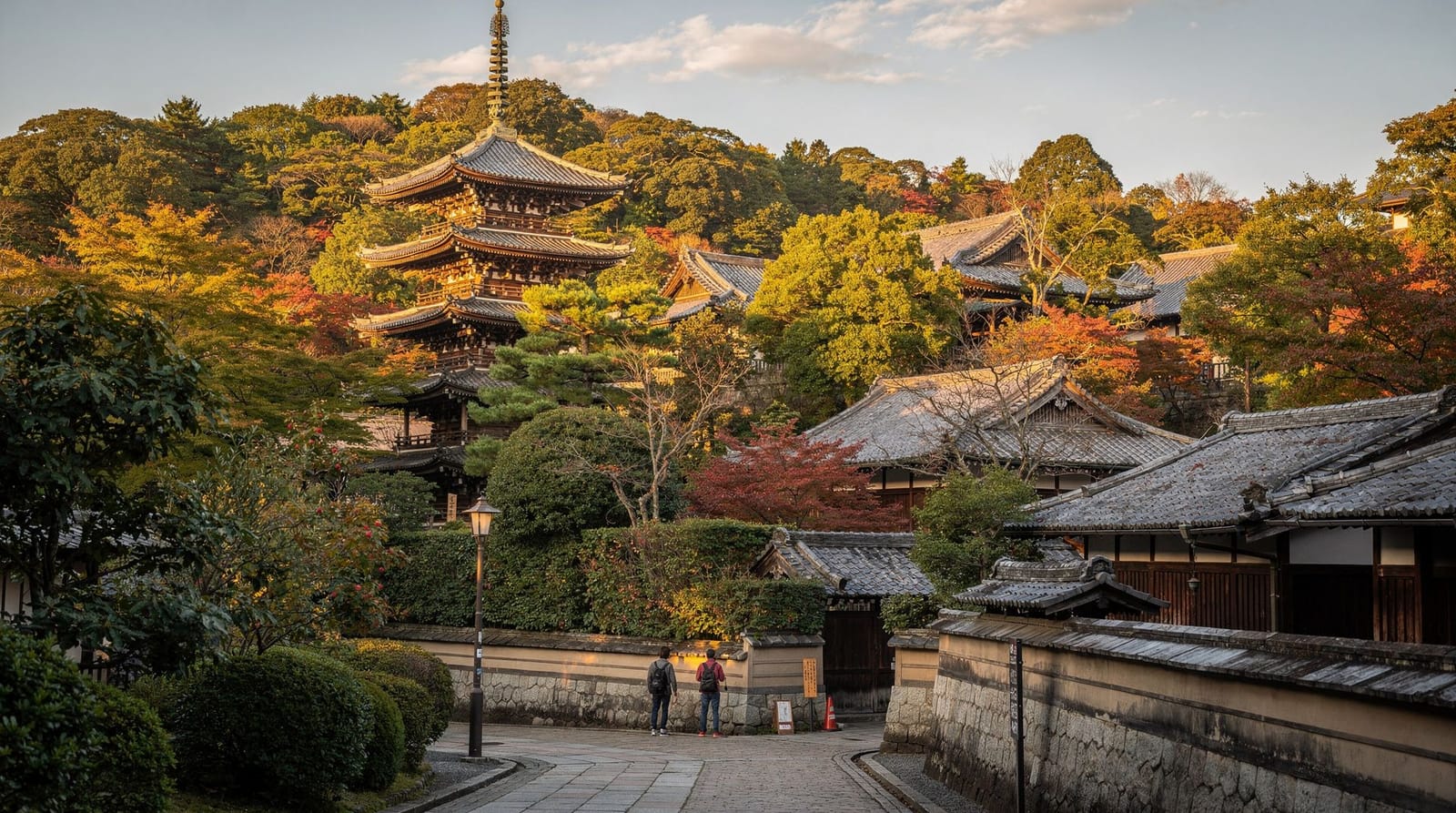
Kyoto off the beaten path — a 3-day itinerary beyond the main sights
Kyoto matcha green tea tour in Uji
Kyoto beyond Kinkaku-ji and Kiyomizu-dera
Kyoto’s headline sights earn their reputation, but they also mean queues, tour buses, and a version of the city that can feel more like a checklist than a place.
| Where | Ohara, Kurama-Kibune, Uji, and the Fushimi sake district |
| Cost | Around ¥3,000-5,000 ($20-33) per day in transport and admission |
| Time needed | 3 days, each a genuine day-trip commitment from central Kyoto |
| Getting there | City bus (Ohara), Eizan Railway (Kurama-Kibune), JR/Keihan (Uji, Fushimi) |
| Best time | Spring through autumn; Kurama-Kibune’s trail can be muddy or icy in winter |
The trade-off is real: these three days involve more time on trains and buses than a central-Kyoto itinerary, and some of the districts (Ohara, Kurama-Kibune) require a genuine day-trip commitment rather than a quick stop. In exchange, you get mountain scenery, an open-air onsen, a sake-brewing canal district, and a version of Uji that most day-trippers never see beyond the express train back to Kyoto Station.
Base yourself centrally — downtown Kyoto or near Kyoto Station — since all three days start and end from the city center rather than staying in any of the outlying districts overnight.
Day 1 — Ohara: mountain temples and moss gardens
09:00 — Travel to Ohara (bus 17 or 18 from Kyoto Station, ~1 hour, ¥560 / $3.70)
Ohara is a rural valley in the mountains north of Kyoto, administratively part of the city but feeling like a different region entirely — rice paddies, forested slopes, and a handful of temples that see a fraction of central Kyoto’s foot traffic. Bus 17 or 18 runs directly from Kyoto Station; there’s no train option, so budget the full hour and consider it part of the day’s scenery rather than dead time.
10:00 — Sanzen-in Temple (¥700 / $4.70)
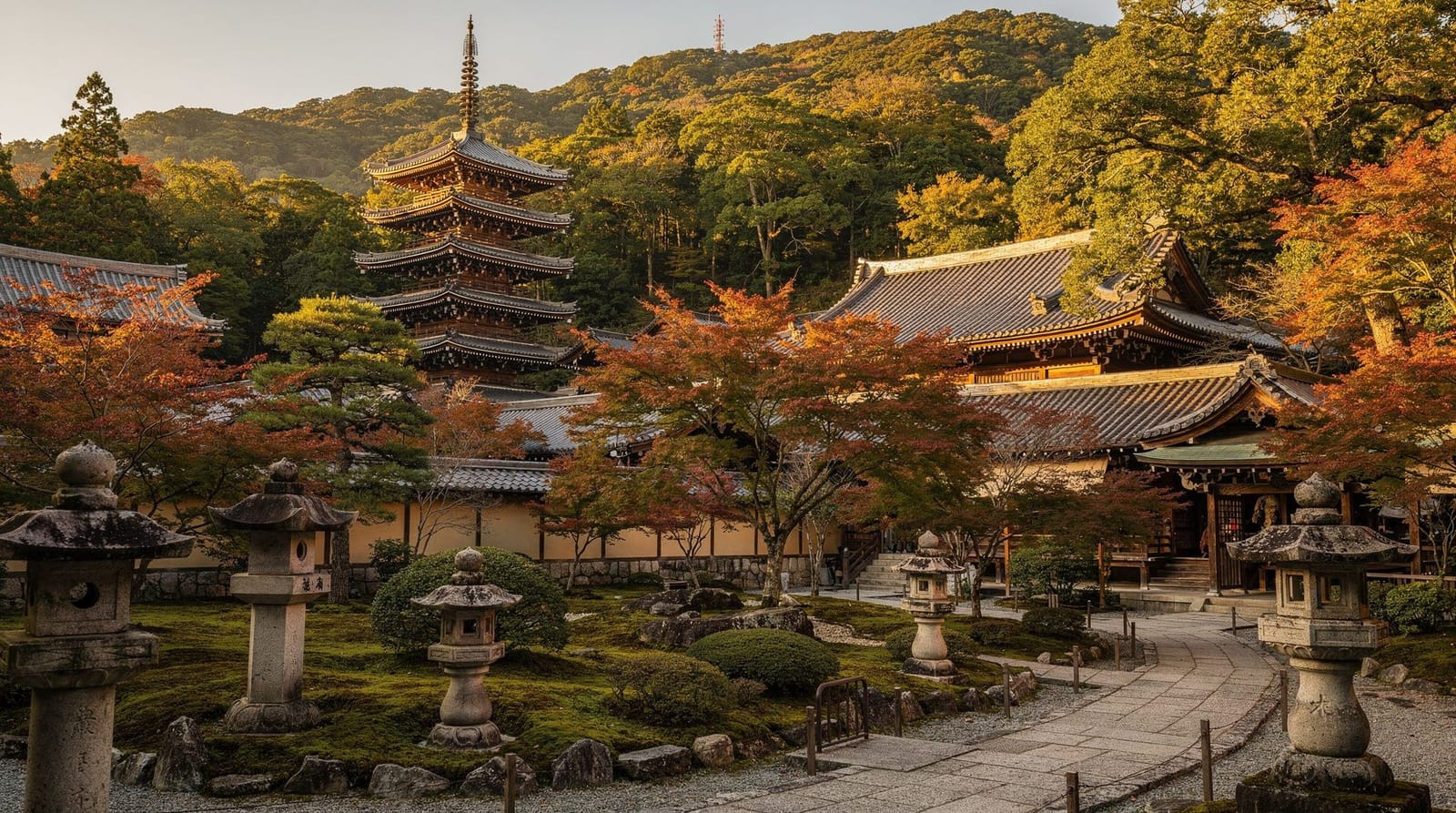
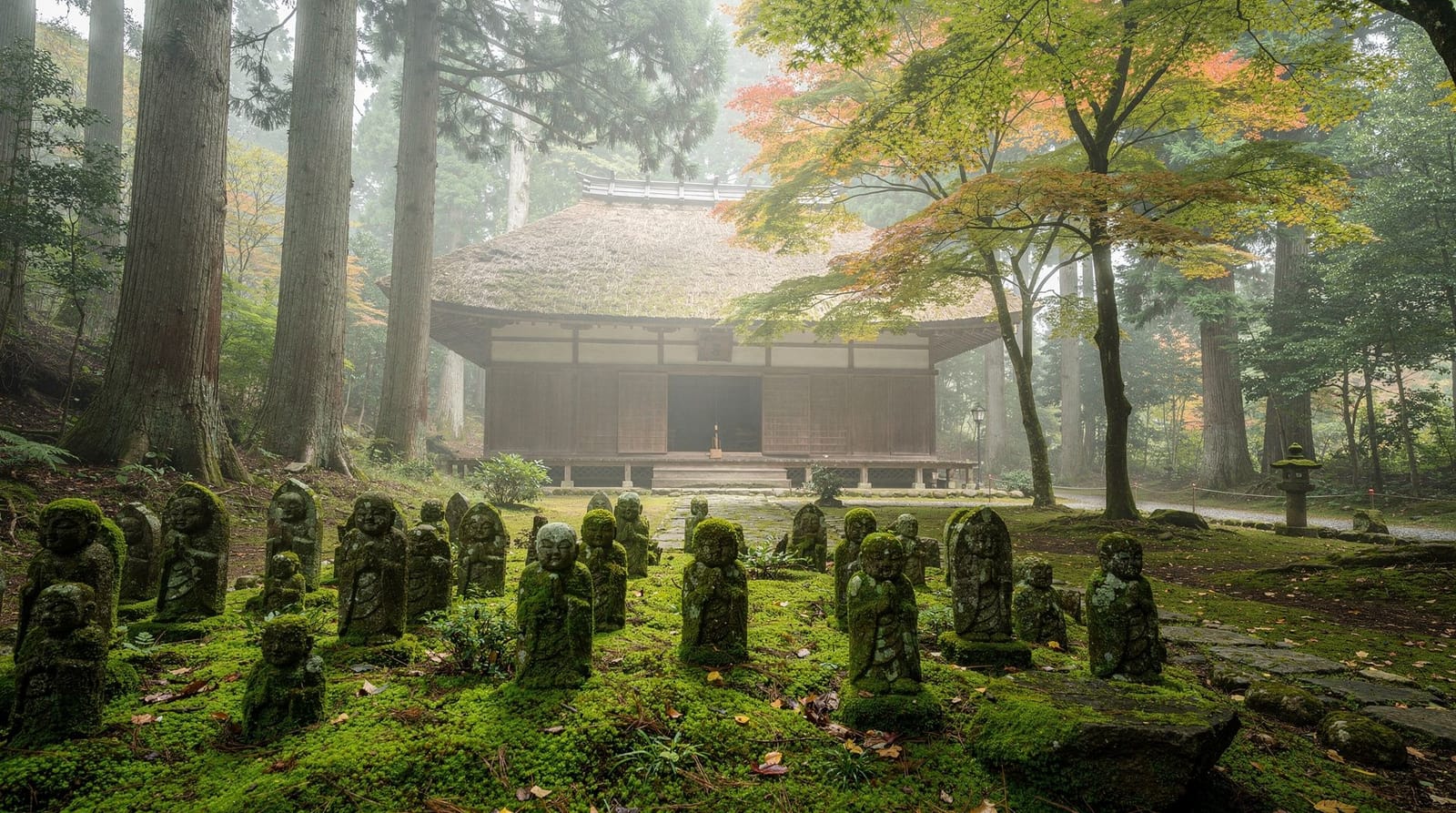
Sanzen-in is Ohara’s main temple, founded in the 8th century, and its Yusei-en garden is the reason to come — a moss garden of unusual density, with maple trees overhead and small stone jizo statues scattered through the moss itself, some half-hidden and clearly placed for visitors to discover rather than see immediately. Allow 60-90 minutes; the temple buildings themselves are modest, but the garden rewards slow walking rather than a quick loop.
Unlike Kyoto’s more famous gardens, Sanzen-in rarely has more than a few dozen visitors at a time outside peak foliage weeks in November, which is the whole point of the detour.
12:00 — Lunch in Ohara
Small family-run restaurants near the Sanzen-in approach serve simple set meals — soba, tofu dishes, and pickled-vegetable sets typical of the region — for ¥1,200-2,000. Ohara-no-Sato and a handful of unnamed roadside stalls sell fresh vegetables and pickles from local farms; this is one of the few places in the greater Kyoto area where you’re buying directly from growers rather than a shop supply chain.
13:30 — Jakko-in and the valley walk
If time allows, Jakko-in — a smaller, quieter temple associated with a historical empress who retired here as a nun after the Genpei War — sits a 20-minute walk from Sanzen-in through the village and rice fields. It’s a modest site on its own, but the walk between the two temples, past working farms and small shrines with no ticket booth or queue, is arguably the best part of an Ohara day.
16:00 — Return to Kyoto
Bus 17 or 18 back to Kyoto Station runs on the same hour-long schedule; check timing before you leave the temple grounds, since buses from Ohara run roughly every 30-60 minutes rather than continuously.
Day 2 — Kurama-Kibune: onsen, hiking, and a mountain shrine
09:00 — Travel to Kurama (Eizan Railway from Demachiyanagi, ~30 min, ¥470 / $3.10)
The Eizan Railway departs from Demachiyanagi Station (reachable via the Keihan Main Line from central Kyoto) and climbs into forested hills north of the city, terminating at Kurama. The train itself, with a section of glass-topped carriage through a maple tunnel, is part of the appeal on this route.
09:45 — Kurama-dera Temple (¥300 / $2)
Kurama-dera sits partway up Mount Kurama and is associated with tengu, mythical mountain spirits with long noses, and with the legendary training ground of Minamoto no Yoshitsune, a 12th-century warrior. The temple complex includes a cable car (¥200) for the first steep section, or you can walk the full path — steep in places, genuinely forested, and a different physical experience from any temple approach in central Kyoto.
11:00 — Hike to Kibune (~1 hour through forest)
From Kurama-dera, a forest trail continues over the mountain ridge to the neighboring village of Kibune — about an hour of walking, with real elevation change and tree roots underfoot, not a paved path. This is the itinerary’s most physically demanding segment; sturdy shoes matter here more than anywhere else on this trip. The reward is Kibune itself, a small village built along a mountain stream, quieter and greener than almost anywhere else accessible this easily from central Kyoto.
12:30 — Lunch in Kibune (summer kawadoko dining, ¥3,000-6,000)
From May to September, restaurants along the Kibune stream build wooden platforms directly over the water (kawadoko), serving multi-course meals in the cool air rising off the stream — a genuinely different dining setting from anything in the city, though priced accordingly. Outside kawadoko season, the same restaurants serve indoors at lower prices (¥1,500-3,000).
14:00 — Kurama Onsen (¥1,000-2,500 / $6.70-16.70)
Kurama Onsen, back near Kurama Station, has an open-air bath (rotenburo) with views over the forested hillside — one of the few onsen experiences reachable as a half-day trip from central Kyoto without an overnight stay. The outdoor-only option runs around ¥1,000; access to the indoor facilities and baths together costs closer to ¥2,500. Bring a small towel or rent one on-site; standard onsen etiquette applies — wash thoroughly before entering the shared bath, and note that visible tattoos may require a private booking at some facilities (call ahead if this applies to you).
16:30 — Return to Kyoto
The Eizan Railway back to Demachiyanagi runs the same 30-minute route; connect to the Keihan Main Line or a taxi back to your accommodation.
Day 3 — Uji and the Fushimi sake district
09:00 — Travel to Uji (JR Nara Line or Keihan Uji Line, ~20-30 min, ¥240-320)
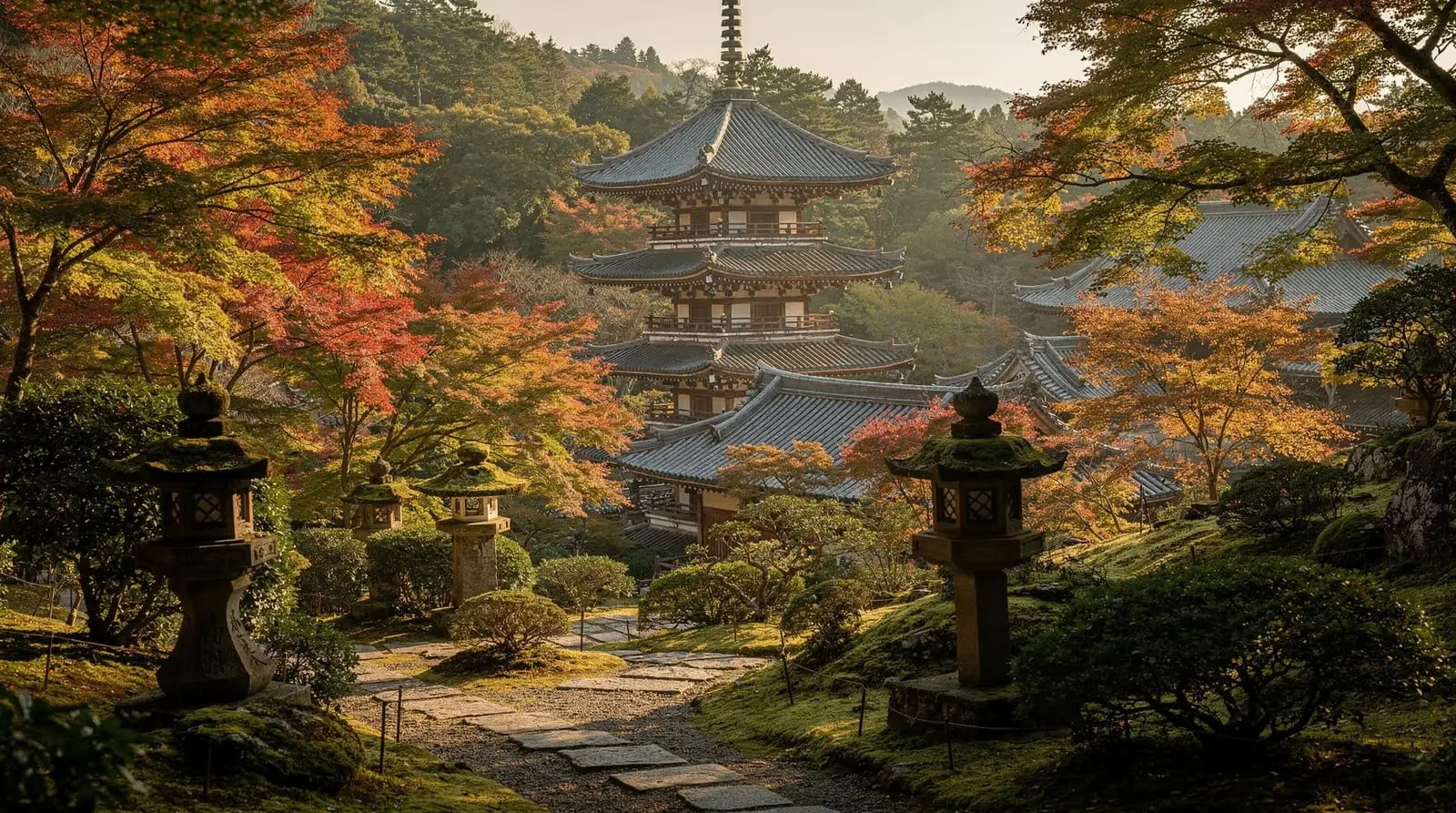
Uji, a small city south of Kyoto, is most famous for matcha, but treating it as only a tea-tasting stop misses most of what’s there. Start at Byodo-in Temple (¥700), whose Phoenix Hall — the building depicted on the ¥10 coin — dates to 1053 and is one of the few surviving examples of Heian-period aristocratic architecture in the country. Allow 60 minutes for the temple, garden, and small museum on the grounds.
a guided Uji tour covering Byodo-in and Koshoji temples10:30 — Beyond the tea shops: Koshoji Temple
A 15-minute walk from Byodo-in along the Uji River, Koshoji is a Zen temple with a bamboo-lined approach path that draws a fraction of Byodo-in’s visitors despite being just as photogenic. The temple is a working Soto Zen monastery rather than a tourist site, so keep noise down and expect a more contemplative atmosphere than most Kyoto-area temples.
12:00 — Lunch and a genuine matcha stop
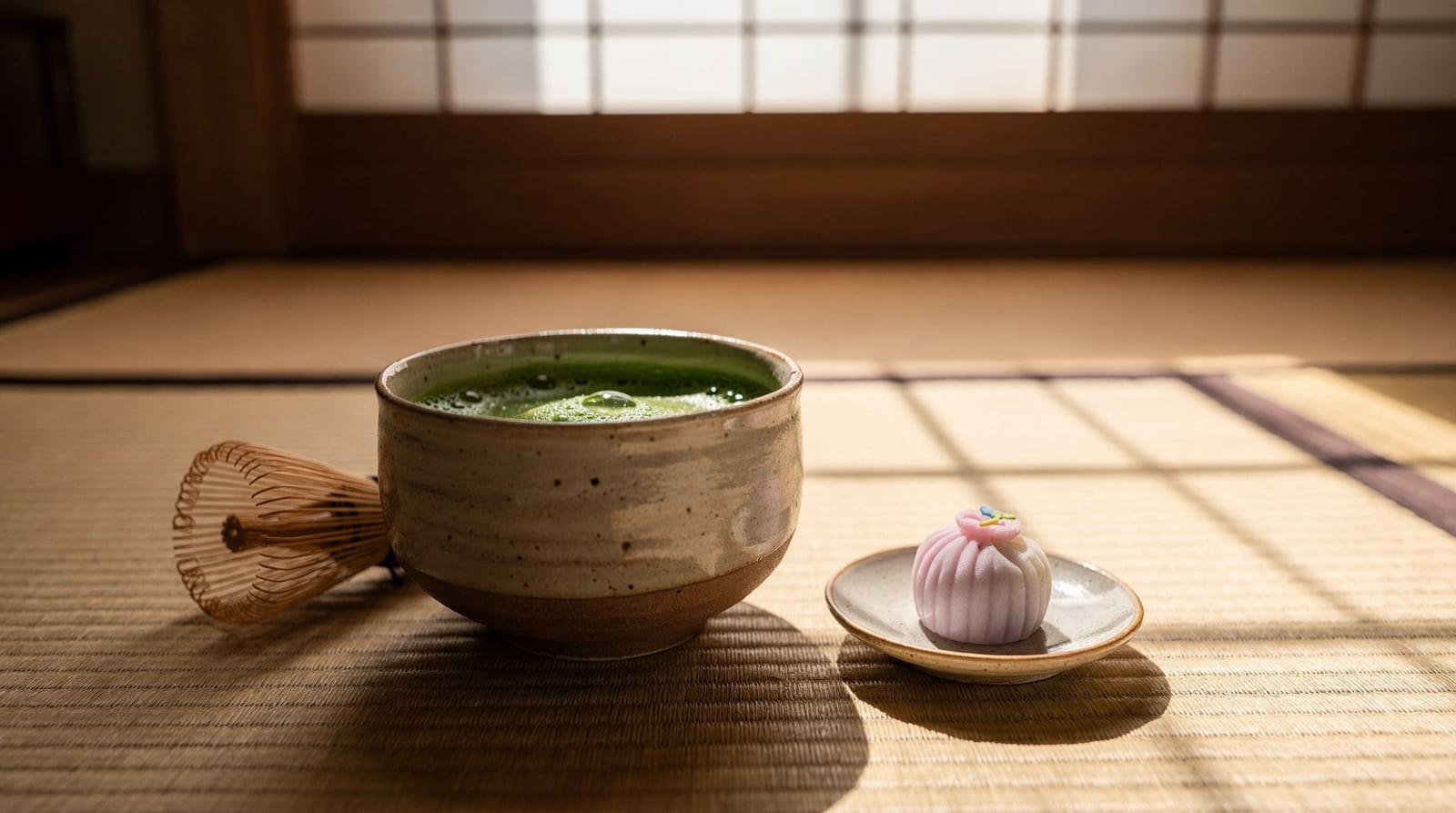
Uji’s matcha reputation is deserved, but the tourist strip near the station charges accordingly. Walking 10-15 minutes further from the main approach to smaller, family-run tea shops gets the same quality matcha sweets and drinks for noticeably less — a matcha parfait runs ¥800-1,200 near the station versus ¥600-900 further out. For a proper introduction to the region’s tea history and cultivation methods rather than just a dessert stop, a guided tea tour covers the working tea fields that most day-trippers never see — the Uji matcha guide has more detail on picking a tea house versus a working farm visit.
a matcha green tea tour in Uji covering the tea fields14:00 — Travel to Fushimi sake district (train + short walk, ~40 min total)
From Uji, take the JR Nara Line back toward Kyoto and transfer to the Keihan Main Line to Fushimi-Momoyama Station (roughly 30-40 minutes total). The Fushimi sake district sits along the Horikawa canal, a five-minute walk from the station — a neighborhood of white-walled, black-tiled sake breweries, some operating since the Edo period, with the canal itself historically used to ship sake barrels toward Osaka.
14:45 — Gekkeikan Okura Sake Museum (¥600 / $4, includes tastings)
Gekkeikan, one of Japan’s largest sake producers, runs a museum in a converted Edo-era brewery building explaining the brewing process with actual equipment on display, and the entry fee includes two or three tastings at the end. Allow 45-60 minutes. This is a substantially calmer, more informative stop than most Kyoto sights on this itinerary, and rarely crowded even on weekends — see the Fushimi sake guide for a fuller rundown of which breweries offer tastings versus museum-only visits.
a Fushimi sake brewery tour with 18 tastings16:00 — Walk the Horikawa canal and Tofuku-ji (optional, off-season)
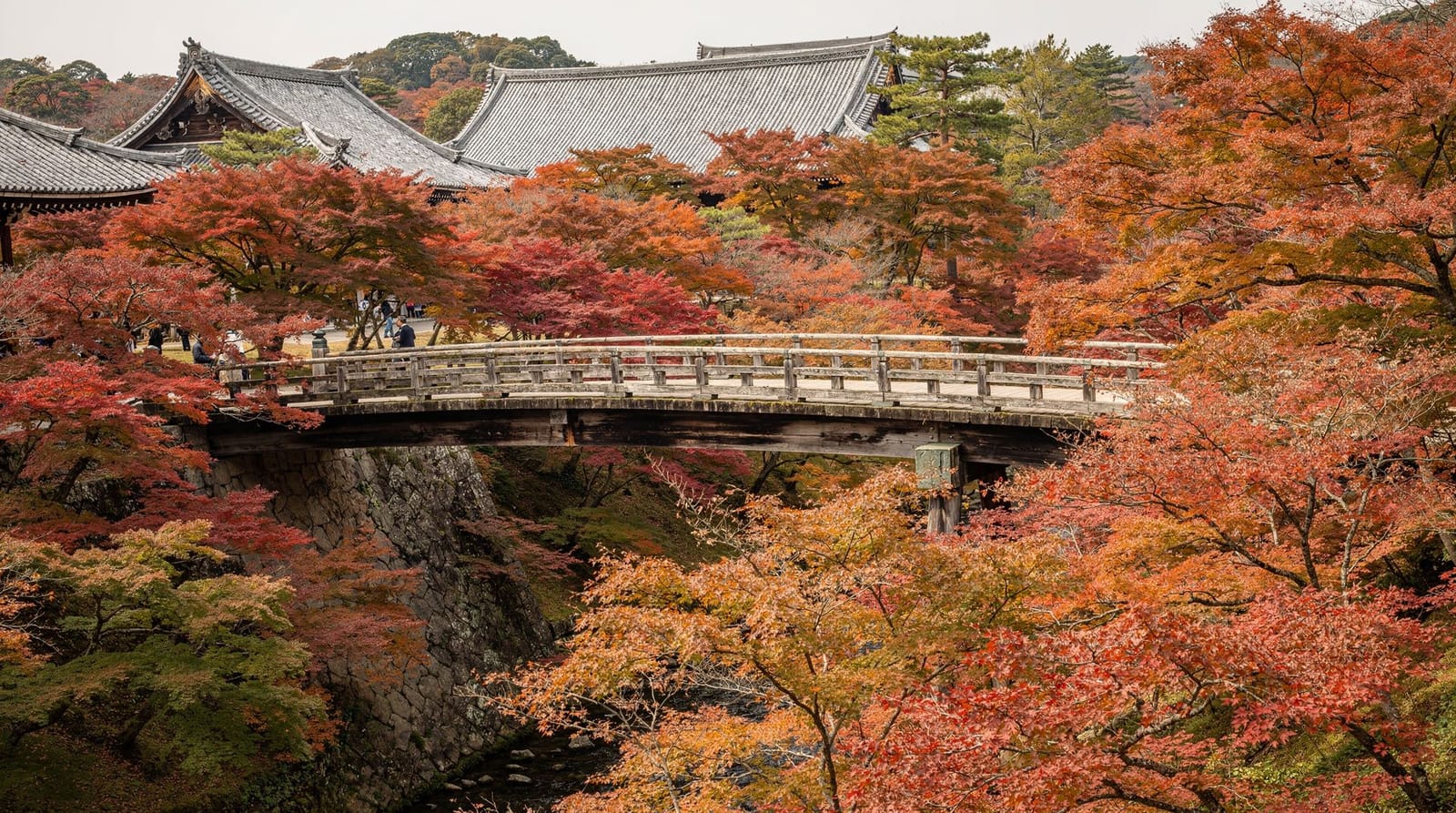
The canal walk itself, lined with willow trees and traditional brewery buildings, is free and takes 20-30 minutes. If you have energy left, Tofuku-ji — famous for its maple-lined Tsutenkyo bridge in November but genuinely calm the rest of the year — is two stops north on the JR Nara Line, a 10-15 minute detour. Outside peak autumn foliage season (essentially all of the year except November), you can walk the same bridge and gardens (¥400-1,000 depending on the zones you enter) with almost no crowd at all, which is a very different experience from the same site during maple season.
Practical notes
Best season: Ohara and Kurama-Kibune both work well spring through autumn; the Kibune hiking trail can be muddy or icy in winter, and kawadoko riverside dining only runs May-September. Uji and Fushimi are workable year-round, with November adding foliage color to Tofuku-ji if you extend that far.
Transport: none of these three days overlap on the same train lines, so a multi-day bus/subway pass isn’t especially cost-effective here — pay individual fares or use an IC card (Icoca/Suica) for every leg, which covers buses, the Eizan Railway, JR, and Keihan lines without separate ticket purchases.
Budget: expect ¥3,000-5,000 ($20-33) per day in combined transport and admission across these three days, more on day two if you do the full Kurama Onsen bath package, and more on day three if you eat kaiseki-style rather than casual meals in Uji or Fushimi.
Difficulty note: day two (Kurama-Kibune) is the most physically demanding day in this entire itinerary, involving a genuine forest hike with elevation change. If mobility is a concern, you can take the train directly between Kurama and Kibune (via Kibuneguchi Station, one stop) rather than hiking, and still enjoy the onsen and the village.
Combining with a first Kyoto trip: if you haven’t yet covered Kyoto’s headline sights, the temples and shrines highlights itinerary or the first-timers itinerary makes more sense before this one. This itinerary assumes you’re either on a repeat visit or have already built central Kyoto into an earlier part of a longer trip — see the how many days in Kyoto guide for how to sequence a longer stay.
The three days at a glance
| Day | Area | Character | Physical demand |
|---|---|---|---|
| 1 | Ohara | Rural valley, moss gardens | Low — mostly flat walking |
| 2 | Kurama-Kibune | Forest hike, open-air onsen | High — real elevation change |
| 3 | Uji + Fushimi | Tea culture, sake brewing | Low — mostly flat walking |
Packing differently for these three days
Central Kyoto’s headline sights are mostly paved, well-signed, and served by frequent buses — this itinerary is not. Ohara’s valley walk crosses working rice paddies, Kurama-Kibune’s forest trail has real elevation change and tree roots, and both Uji and Fushimi involve more independent train transfers than a typical central-Kyoto day. Pack proper walking shoes rather than sandals for days one and two specifically, bring a portable battery if you’re relying on offline maps in areas with patchier signage, and carry more cash than usual — several of the smaller family-run restaurants and farm stalls in Ohara and Kibune don’t take cards.
What makes these five areas different from central Kyoto
The common thread across Ohara, Kurama-Kibune, Uji, and Fushimi isn’t obscurity — all four appear in general Kyoto guidebooks — it’s that each requires a genuine train or bus commitment rather than a quick add-on, which filters out the day-trippers who stick to central Kyoto’s tight cluster of sights.
That filtering effect is the actual value proposition: Sanzen-in’s moss garden in Ohara sees a fraction of Kinkaku-ji’s foot traffic not because it’s less beautiful, but because reaching it costs an hour each way on a bus with no train alternative. The avoiding crowds in Kyoto guide covers this pattern in more general terms if you want to apply the same logic to other districts beyond this itinerary’s three days.
Combining this itinerary with a return trip
Repeat visitors sometimes fold these three days into a longer Kyoto stay rather than treating them as a standalone trip — Ohara or Kurama-Kibune pairs naturally as a fourth or fifth day onto the 4-day or 5-day itinerary, both of which already include a version of this logic (the 5-day plan specifically builds in an Ohara-or-Kurama choice). If you’re deciding between building these three days into a longer first trip versus saving them for a dedicated return visit, the honest answer is either works — the areas themselves don’t change, and nothing here is time-sensitive beyond kawadoko dining’s May-September season and November’s foliage window.
a two-brewery sake tasting journey in FushimiFrequently asked questions about off-the-beaten-path Kyoto
Is Ohara worth a full day, or can it be a half-day trip?
A half-day is workable if you focus only on Sanzen-in and skip Jakko-in and the valley walk — round-trip bus travel alone takes 2 hours, so a half-day leaves roughly 2-3 hours on-site. A full day, as planned here, allows for the walk between temples and a relaxed lunch, which is a meaningful part of what makes Ohara different from a rushed temple stop.
Do I need hiking experience for the Kurama-Kibune trail?
No technical experience, but reasonable fitness and proper shoes matter — the trail has real elevation change, tree roots, and uneven stone steps, and takes about an hour at a moderate pace. It is not a flat, paved walk. If you’d rather skip the hike, the Eizan Railway connects Kurama and Kibune via one additional stop (Kibuneguchi) with a short bus or walk on each end.
Is Uji only worth visiting for matcha?
No — Byodo-in’s Phoenix Hall is a genuinely significant piece of Heian-period architecture independent of the tea scene, and Koshoji’s bamboo approach is one of the more photogenic and least crowded temple walks in the wider Kyoto region. Matcha is worth doing, but it shouldn’t be the only reason to visit.
Can I combine the Fushimi sake district with Fushimi Inari Taisha?
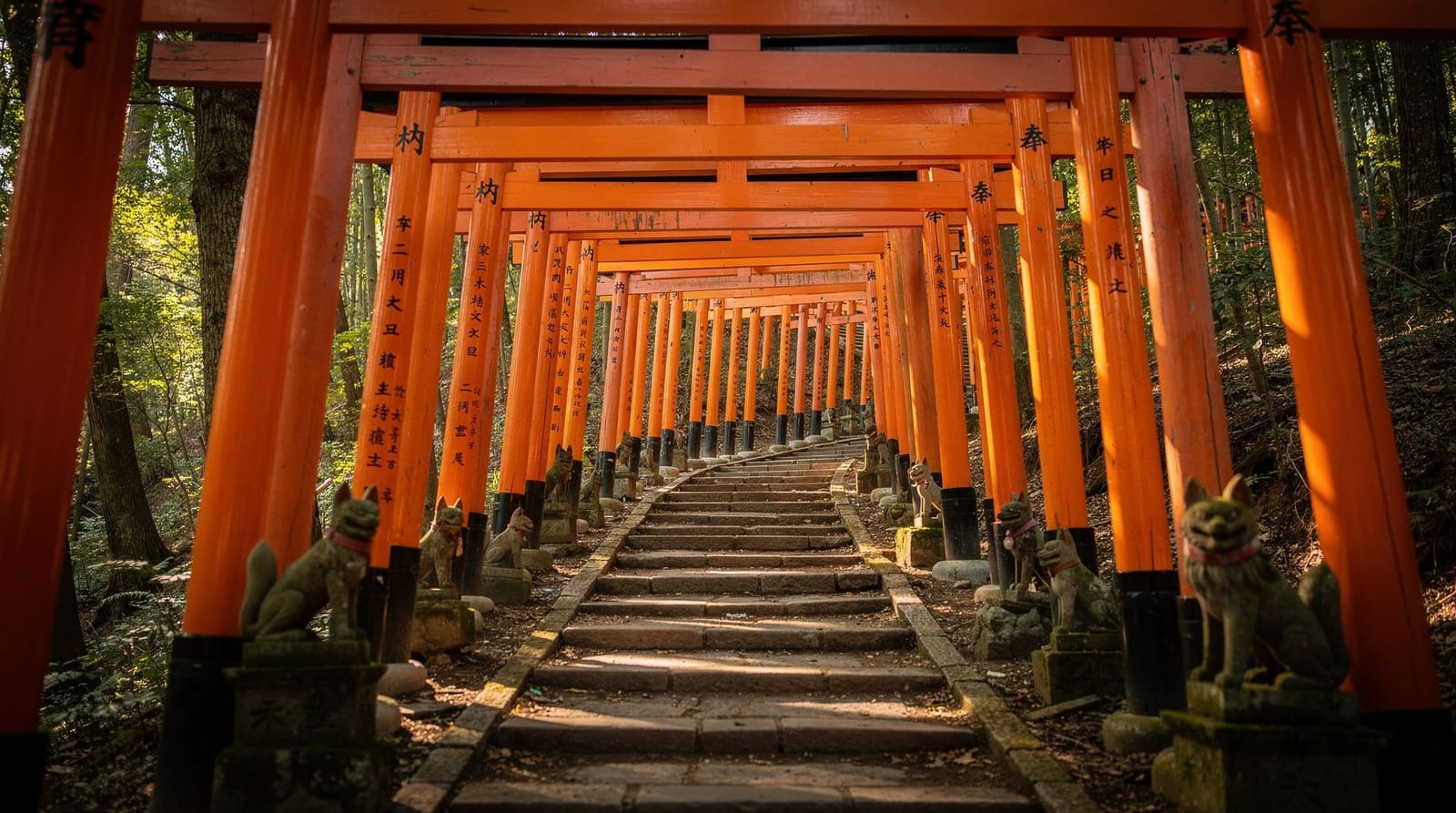
Yes, and many visitors do — Fushimi Inari and the sake district sit in the same general area of southern Kyoto, roughly 15-20 minutes apart by train and short walk (Inari Station to Fushimi-Momoyama Station via JR/Keihan connections). If you’ve already done Fushimi Inari on an earlier day, the sake district works well as a standalone half-day rather than needing to be combined with the shrine again.
What should I skip if I only have two of these three days?
Kurama-Kibune is the most distinct experience — mountain hiking and an open-air onsen — and the hardest to replicate elsewhere on a Kyoto trip, so it’s worth prioritizing. Ohara and the Uji/Fushimi day both involve temples and gardens you could partially substitute with sights closer to central Kyoto, making either a reasonable one to cut if time is tight.
Are these areas crowded during cherry blossom or autumn foliage season?
Less than central Kyoto, but not empty. Ohara and Tofuku-ji specifically see a real increase in visitors during November foliage season, since both have genuine maple displays. Kurama-Kibune and Uji see smaller seasonal bumps. All five areas remain noticeably calmer than Kinkaku-ji, Fushimi Inari, or Kiyomizu-dera even at their respective peak times.
Is a rental car useful for this itinerary?
Not necessary and arguably a disadvantage — Ohara, Kurama-Kibune, and Uji are all well served by direct bus and train lines from central Kyoto, and parking near temple districts is limited and often expensive. Public transport also lets you enjoy the Eizan Railway’s scenic route into Kurama, which is part of the day’s appeal.
Where can I find English-language information once I’m in these areas?
Signage in Japanese-only is more common here than at central Kyoto’s major sights, particularly in Ohara and Kibune. Downloading offline maps and translation apps before setting out is a reasonable precaution; temple ticket counters and larger restaurants in all five areas generally manage basic English, but smaller family-run spots may not.
Top experiences
Bookable activities with verified prices and instant confirmation on GetYourGuide.