Kyoto temples and shrines — a 2-day highlights itinerary
Kyoto: Fushimi Inari Taisha Guided Walking Tour
Why these seven sights and not the whole list
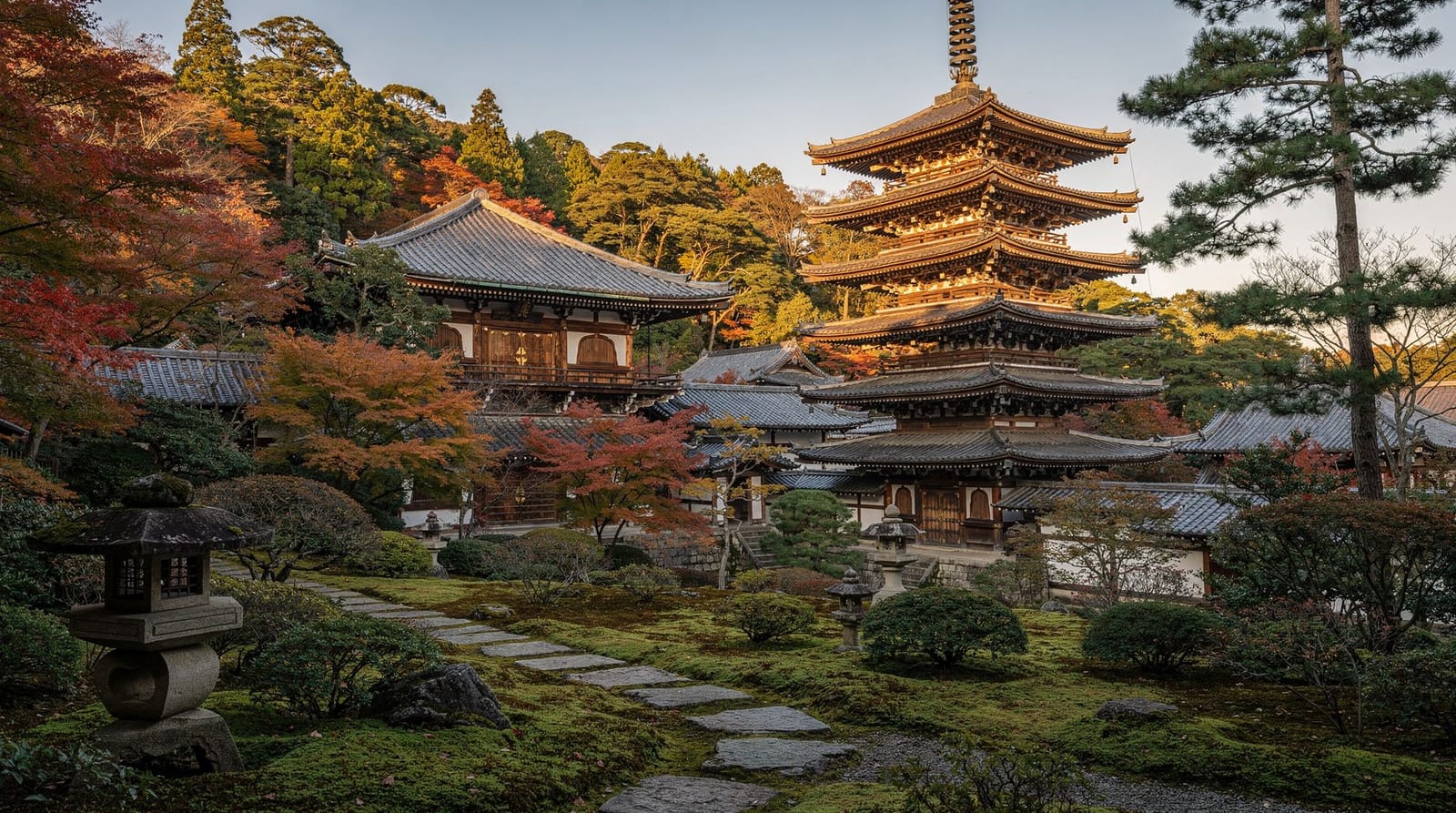
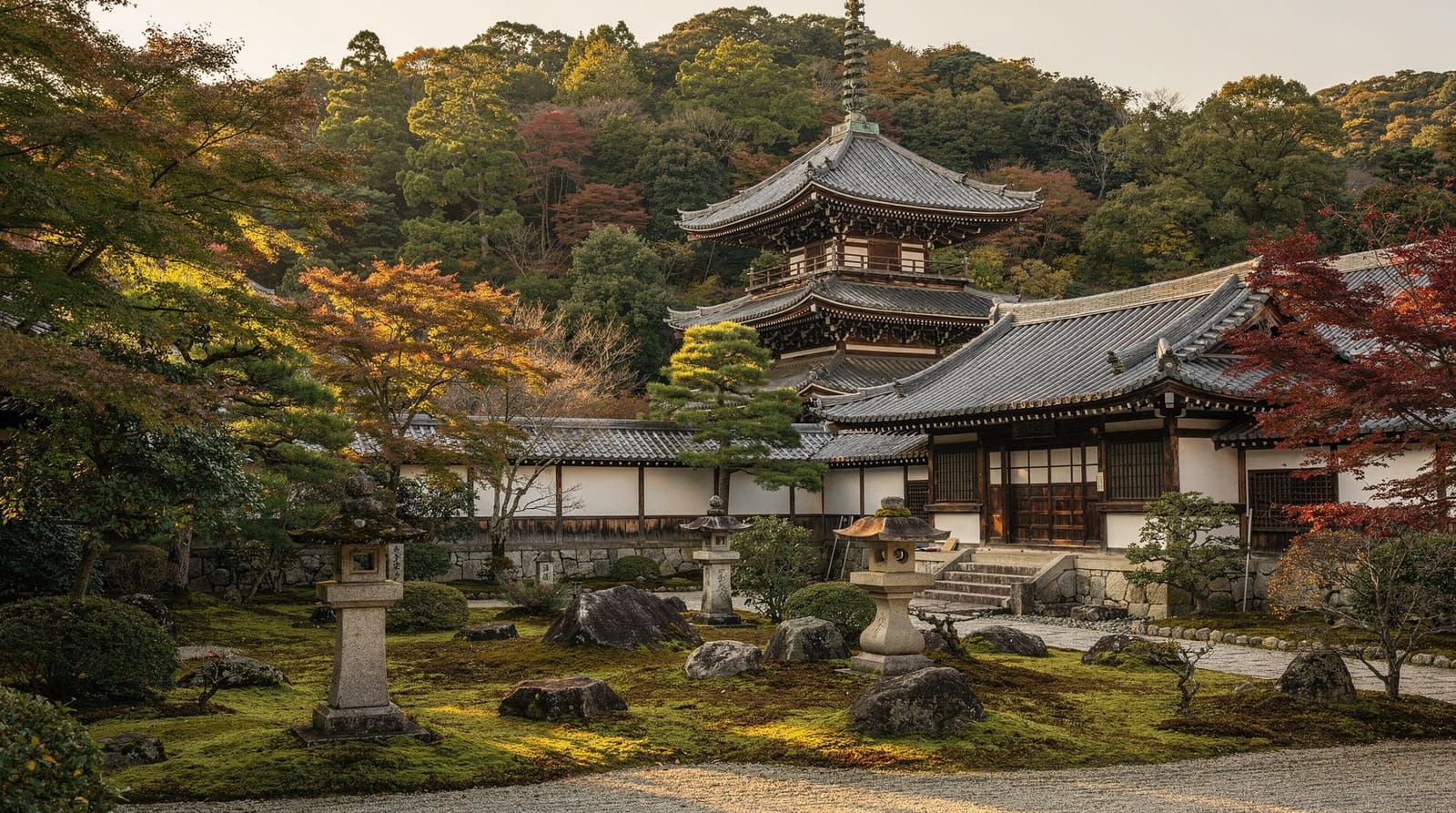
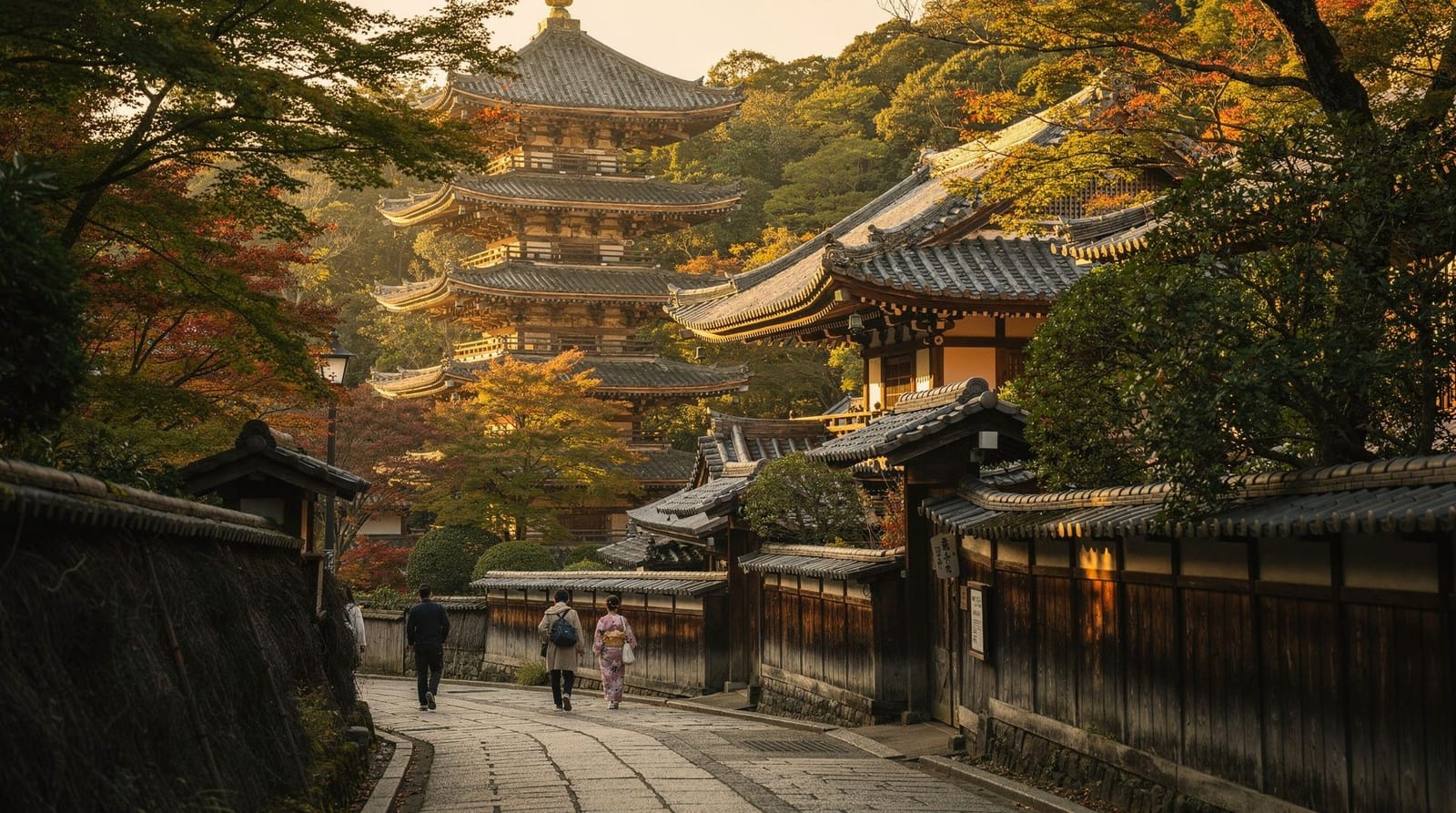
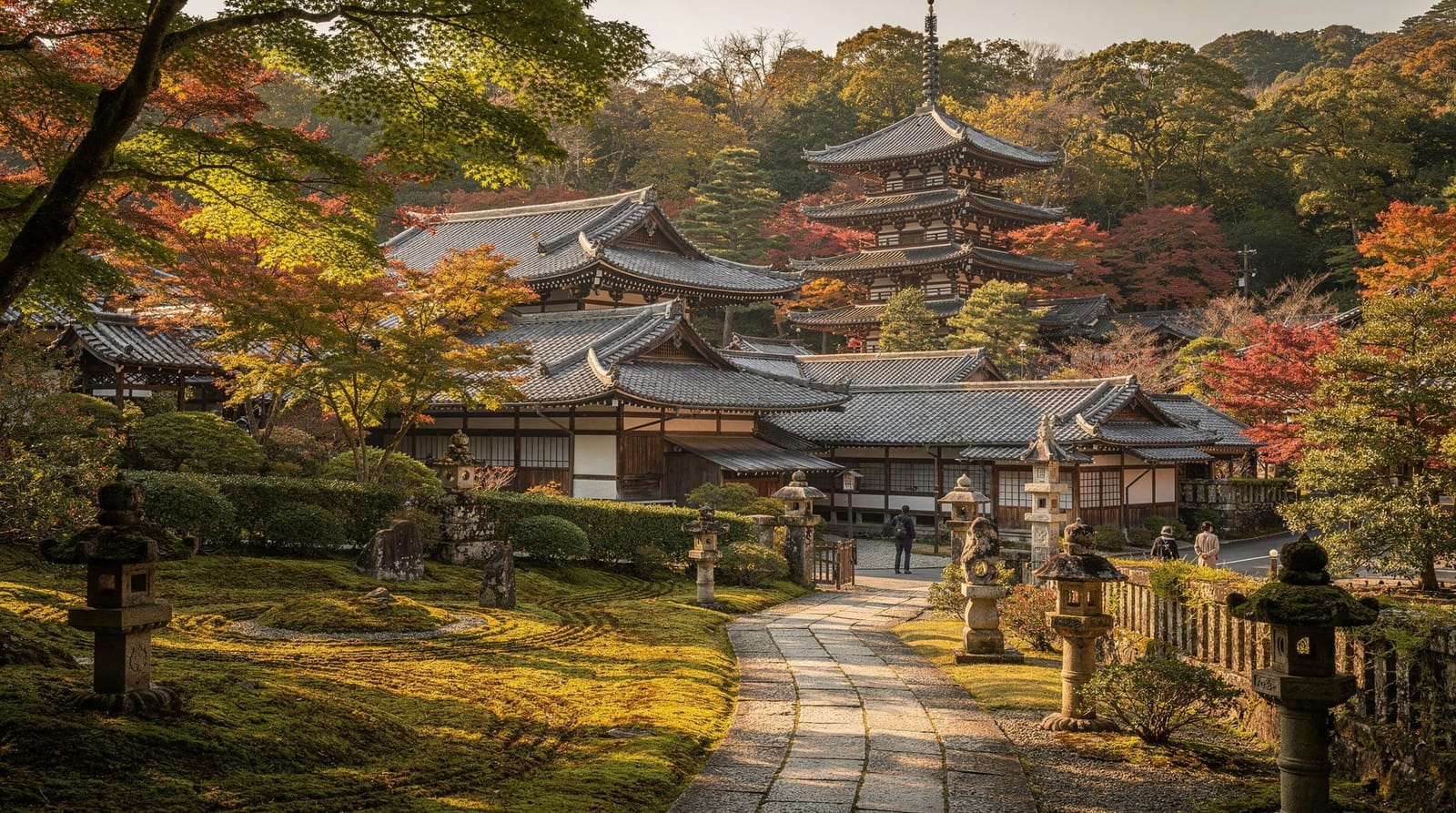
Kyoto has over 1,600 Buddhist temples and 400 Shinto shrines, and no itinerary can honestly claim to cover “the best of Kyoto” in two days. What this plan does instead is walk through seven sights chosen for contrast rather than fame alone: a Shinto shrine and six Buddhist temples that between them show the range of what religious architecture in Kyoto actually looks like — a torii-gate mountain shrine, a hall of 1,001 gilded statues, a wooden stage over a hillside, an aqueduct running through temple grounds, a gold-leaf pavilion, a rock garden with no plants, and a bamboo-shaded temple with a pond you can walk around.
The route is split geographically rather than by fame: day one covers the south and east of the city (Fushimi, then central Higashiyama), day two covers the northwest and Arashiyama. This keeps travel time reasonable — nothing here requires backtracking across the city — while still letting each sight get 45–90 minutes rather than a rushed 15-minute photo stop.
Base yourself near Kyoto Station or in downtown Kyoto for easy access to both days’ routes; a hotel in Gion works nearly as well for day one but adds 10–15 minutes to day two’s northwest loop. Budget ¥1,500-3,500 ($10-23) total for the two days in temple and shrine admission fees, plus ¥1,000-1,500 ($7-10) in local transport (bus and train fares) per day.
| Where | South/east Kyoto (day 1), northwest Kyoto & Arashiyama (day 2) |
| Cost | ¥1,500–3,500 ($10–23) admission total, plus ¥1,000–1,500/day transport |
| Time needed | 2 full days |
| Getting there | Base near Kyoto Station or downtown Kyoto; JR, bus, and taxi mix |
| Best time | Winter for the quietest visit; spring/autumn for scenery, at the cost of crowds |
Day-by-day at a glance
| Day | Sights | Character | Don’t miss |
|---|---|---|---|
| 1 | Fushimi Inari, Sanjusangendo, Kiyomizu-dera, Nanzen-ji | South & east, one shrine + three temples | Fushimi Inari before 7:30am |
| 2 | Kinkaku-ji, Ryoan-ji, Tenryu-ji | Northwest & Arashiyama, three temples | Kinkaku-ji reflection at opening |
Day 1 — South and east Kyoto: one shrine, three temples
07:30 — Fushimi Inari Taisha (free, open 24 hours)
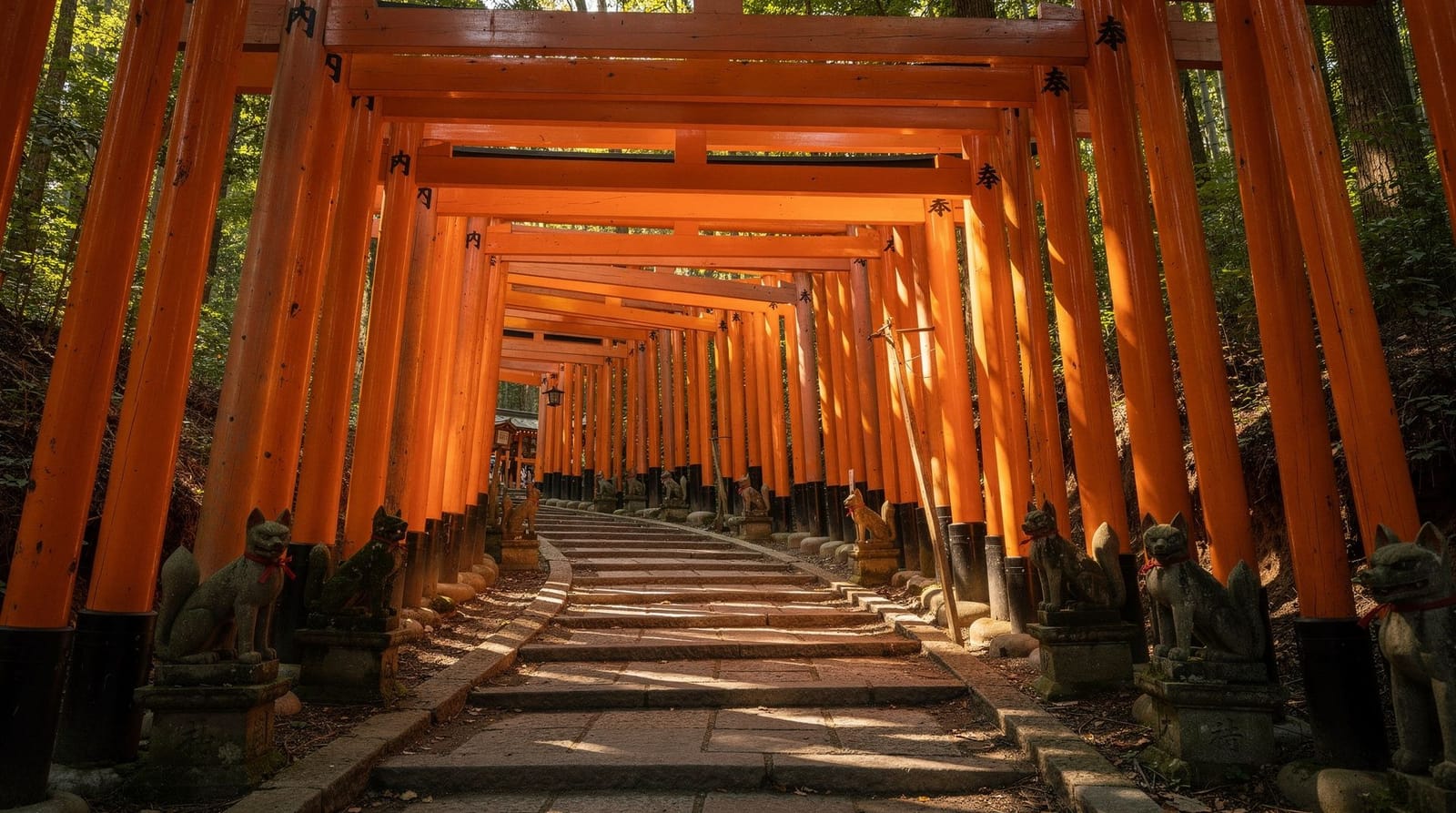
Start at Fushimi Inari Taisha, Kyoto’s only Shinto site on this itinerary and the one place on the list with no admission fee and no closing time. From Kyoto Station, the JR Nara Line reaches Inari Station in about 5 minutes for ¥150 ($1); the shrine entrance is directly across the street.
Arriving by 07:30 matters here more than at any other stop on this itinerary — the Senbon Torii tunnel of vermilion gates is genuinely crowded from mid-morning onward, and an early visit is the difference between an empty tunnel and a queue for photos. Walk through Senbon Torii to Yotsutsuji, roughly a third of the way up the mountain, which takes 45-60 minutes round trip and gives a real view over southern Kyoto. Going further to the 233-meter summit adds another 90 minutes to 2 hours; skip it on this itinerary if you want to keep the rest of the day on schedule.
a guided walking tour of Fushimi Inari Taisha09:45 — Sanjusangendo (10-min walk from Kyoto Station, ¥600 / $4)
Take the JR Nara Line back to Kyoto Station (5 min, ¥150) and walk 10 minutes to Sanjusangendo, a long wooden hall built in 1164 housing 1,001 life-size statues of Kannon, the Buddhist deity of mercy, arranged in tiered rows down a 120-meter corridor. No photography is allowed inside, which is unusual for a major Kyoto sight and part of why it stays comparatively quiet even at midday. Allow 45-60 minutes; the hall itself takes about 20 minutes to walk, but the twenty-eight guardian statues at the front deserve a slower look.
a guided tour of Sanjusangendo’s 1,001 Kannon statues11:15 — Lunch near Higashiyama
Bus 100 or 206 from the Sanjusangendo stop toward Higashiyama takes 15-20 minutes; get off near Gojo-zaka or Kiyomizu-michi. Omen Kodaiji (udon noodles, ¥1,300-1,800) and Kasagi-ya (traditional teahouse near the Sannenzaka slope, tea sets and light meals ¥900-1,500) are both reasonably priced given the location. Avoid the restaurants directly on the Sannenzaka and Ninenzaka approach slopes charging ¥2,500+ for a basic set meal — walk one block off the main slope for the same food at half the price.
13:00 — Kiyomizu-dera (¥500 / $3.30)
Kiyomizu-dera opens at 06:00 and stays busy most of the day, so this early-afternoon slot won’t be quiet, but the wooden stage — built without a single nail, jutting 13 meters over the hillside — is worth the crowd. Allow 60-75 minutes for the main hall, the stage, and the walk down past Otowa Waterfall, where three streams are said to grant success, longevity, or love (drinking from all three is considered greedy). The approach via Sannenzaka and Ninenzaka, two preserved sloped streets lined with traditional shops, is part of the experience and adds 15-20 minutes if you stop to browse.
15:30 — Nanzen-ji (20-25 min bus or taxi, gardens free / Hojo garden ¥600)
From Kiyomizu-dera, take a taxi (¥1,500-2,000, 20 minutes) or bus with one transfer (25-30 minutes) north to Nanzen-ji, a Zen temple at the base of the Higashiyama mountains and the start of the Philosopher’s Path. The temple’s outer grounds and its unusual Suirokaku aqueduct — a red-brick Meiji-era structure that still carries water through the temple precinct — are free to walk through. Paying ¥600 ($4) for the Hojo garden adds a formal karesansui rock garden and reflects the same design language you’ll see at Ryoan-ji tomorrow, useful for comparison if garden design interests you. Allow 45-60 minutes.
a guided Zen walk through Nanzen-ji’s gardens and Sanmon gateDay 2 — Northwest Kyoto and Arashiyama: three temples, one garden
09:00 — Kinkaku-ji (¥500 / $3.30)
Kinkaku-ji, the Golden Pavilion, is a fixed-route exterior visit only — you walk a path around the pond and building rather than entering, which keeps the visit to 30-45 minutes. Arriving at opening (09:00) or close to it avoids the worst of the tour-bus crowds that build through late morning. The gold leaf covering the top two floors reflects visibly in Kyoko-chi pond on clear mornings, which is the single most photographed moment on this itinerary.
a guided Kinkaku-ji tour with entry ticket10:15 — Ryoan-ji (15-min bus, ¥600 / $4)
Bus 59 or a short taxi ride (10-15 minutes, ¥900-1,200) connects Kinkaku-ji to Ryoan-ji, home to Japan’s most famous karesansui — a rectangular bed of raked white gravel with fifteen stones arranged so that at least one is always hidden from view regardless of where you sit on the veranda. There are no plants, no water, and officially no explanation of what the stones represent; the temple deliberately leaves interpretation open. Allow 45-60 minutes, including the walk around Kyoyochi pond behind the main garden, which most visitors skip and which is considerably quieter.
an 80-minute guided tour of Ryoan-ji’s zen garden12:00 — Lunch and travel to Arashiyama
Grab a quick lunch near Ryoan-ji (simple soba or curry shops nearby run ¥800-1,200) before heading to Arashiyama. From Ryoan-ji, take a taxi (25-30 minutes, ¥2,500-3,000) or bus with a transfer (35-40 minutes, ¥460) west to Arashiyama — there’s no direct fast rail link between these two districts, so budget the full travel window rather than rushing.
13:30 — Tenryu-ji (¥500 garden / ¥800 with building access)
Tenryu-ji is a UNESCO World Heritage temple and the largest in the Sagano-Arashiyama area, built around Sogenchi Pond — a garden dating to the 14th century that survives largely in its original layout, unusual for a city where fire and war destroyed most historic gardens. The temple sits at the entrance to the Arashiyama Bamboo Grove, so a walk through the grove (free, 10-15 minutes) is a natural add-on once you’re done. Allow 60 minutes for the temple and garden, more if you continue into the bamboo path.
a guided Tenryu-ji temple tour in Arashiyama15:30 — Optional: Arashiyama riverside and return
If time allows, the Katsura River embankment near Togetsukyo Bridge is a pleasant place to close the day before heading back to central Kyoto — the JR Saga-Arashiyama or Randen Arashiyama lines both connect back to downtown in 15-25 minutes.
Shinto vs. Buddhist etiquette: what actually differs
Fushimi Inari is the only Shinto shrine on this route; the other six sights are Buddhist temples. The two traditions share some visual cues — torii gates mark shrine entrances, temple gates (sanmon) mark temple entrances — but the actual prayer etiquette differs and mixing them up is a common visitor mistake.
At a Shinto shrine (Fushimi Inari): wash both hands and rinse your mouth at the temizuya (stone water basin) near the entrance before approaching the main hall. At the honden, toss a coin into the offering box, bow twice, clap twice, make a silent wish or prayer, then bow once more (nirei nihakushu ichirei — “two bows, two claps, one bow”). Walking through torii gates, tradition holds you should stay to the side rather than the center, which is considered the path of the deity.
At a Buddhist temple (the other six sights): there is no hand-clapping. Bow once, silently, before the main hall or statue; if there’s an incense burner, you can light incense and waft the smoke toward yourself for purification, though this is optional and more common at larger temples than small ones. Photography rules vary sharply by site — Sanjusangendo bans photography inside entirely, while Kiyomizu-dera and Kinkaku-ji allow it outdoors but not inside main halls.
Both traditions expect quiet, modest dress, and removing shoes wherever tatami flooring is present (a shoe rack or plastic bag is usually provided). For a fuller rundown of do’s and don’ts, see the Kyoto etiquette guide.
Practical notes
Best season: spring (late March-April, cherry blossoms) and autumn (November, maple foliage) are the most visually rewarding but also the most crowded — expect 30-50% longer queues at Kiyomizu-dera and Kinkaku-ji during peak weeks. Winter (January-February) is the quietest season for this exact route, with clear cold mornings suiting the early Fushimi Inari start well. See the best time to visit Kyoto guide for month-by-month detail.
Transport: an IC card (Icoca or Suica, ¥2,000 initial load including deposit) covers every bus and train on this route and is faster than buying individual tickets. A one-day bus pass (¥700) can pay off on day one if you take three or more bus rides, but day two relies more on taxis and trains where the pass doesn’t apply.
Budget: admission fees across both days run ¥2,100-3,700 ($14-25) per person if you pay for every optional garden (Nanzen-ji Hojo, Ryoan-ji, Tenryu-ji building interior). Skipping the optional paid gardens brings that down closer to ¥1,600 ($11). Add ¥2,000-3,000 ($13-20) per day in local transport if you use taxis for the harder connections, or ¥1,200-1,500 if you stick to buses and trains throughout.
Extending the trip: this itinerary pairs naturally with the 3-day Kyoto itinerary if you want to add Gion and a food-focused day, or the off-the-beaten-path itinerary if two days of major sights is enough and you’d rather see the quieter side of the region next.
What to bring and how to dress
Removing shoes is frequent on this route — Kiyomizu-dera’s main hall, parts of Nanzen-ji, and Ryoan-ji’s veranda all require it — so shoes that slip on and off easily save real time over boots or lace-ups. Socks without holes are worth checking the night before; it’s a minor thing that becomes a real embarrassment at a crowded temple entrance.
Modest dress (shoulders and knees covered) is appreciated rather than strictly enforced at most stops, with Fushimi Inari’s honden being the one spot where it’s worth taking a bit more care. A small amount of coins is useful throughout: offering boxes at Fushimi Inari and incense purchases at the Buddhist temples are typically ¥5-100 and rarely accept notes. See the Kyoto etiquette guide for the fuller list of dos and don’ts before you go.
Photographing seven very different sights
Photography rules shift from stop to stop on this route, and it’s worth knowing before you arrive rather than being told to put the camera away. Sanjusangendo bans photography entirely inside the hall — no exceptions, no phones either. Kiyomizu-dera and Kinkaku-ji allow outdoor shots freely but restrict or ban photography inside main halls.
Fushimi Inari has no restrictions at all, which is part of why the Senbon Torii tunnel is one of the most photographed spots in Japan — arriving before 7:30am, as this itinerary schedules, is what actually gets you the empty-tunnel shot rather than a queue of other photographers. Ryoan-ji and Nanzen-ji’s gardens are generally photograph-friendly from the viewing platforms, though tripods are discouraged at both given how crowded the verandas get. For more spot-by-spot detail, see the best Instagram spots in Kyoto guide.
Comparing this route to a temple-lovers’ longer trip
Two days covers real depth on seven sights, but it’s a fraction of what a longer Kyoto stay can include. Travelers with an extra day or two often add Ginkaku-ji and a walk down the Philosopher’s Path connecting it to Nanzen-ji — a natural extension of day one’s route that this itinerary deliberately leaves out to keep two days realistic. If temples and gardens are genuinely your priority over food, shopping, or day trips, the best temples in Kyoto guide and best zen gardens in Kyoto guide both go further into sights this itinerary doesn’t have room for.
Frequently asked questions about Kyoto’s temple and shrine itinerary
Can I do all seven sights in one day instead of two?
Not realistically without cutting each visit to 20-30 minutes and eliminating meal breaks. Fushimi Inari alone justifies 60-90 minutes for the Yotsutsuji hike, and the northwest-to-Arashiyama leg on day two involves genuine travel time between sights that doesn’t compress well. Two days keeps each stop at a pace where you actually see what you came for.
Which temple should I skip if I only have one day?
Drop Nanzen-ji from day one (the outer grounds are free and can be seen in 15 minutes if you’re passing anyway) and drop either Ryoan-ji or Tenryu-ji from day two, since both are rock/pond gardens and seeing one gives a genuine sense of the style. Fushimi Inari, Kiyomizu-dera, Kinkaku-ji, and Sanjusangendo are the four hardest to justify cutting.
Do I need to buy tickets in advance for any of these sights?
No — none of the seven require advance booking for standard entry, and all sell tickets on-site. Kinkaku-ji and Kiyomizu-dera can have queues of 10-20 minutes at the ticket window during peak season (cherry blossom and autumn foliage weeks), but this is a wait, not a sold-out risk.
Is Fushimi Inari really free with no time limit?
Yes. There is no admission fee and no gate that closes — the shrine and the Mount Inari trail are accessible 24 hours a day, every day of the year. The only real limitation after dark is that the upper mountain has minimal lighting, which isn’t a factor on this itinerary’s early-morning visit.
What’s the difference between the gardens at Ryoan-ji and Nanzen-ji?
Ryoan-ji’s karesansui is a dry rock-and-gravel garden with no plants or water, designed for contemplation from a fixed viewing platform — the most famous example of this style in Japan. Nanzen-ji’s Hojo garden is a related but smaller dry garden, while its outer grounds include the Suirokaku aqueduct and a more conventional pond-and-tree landscape, giving you a broader sense of Japanese garden design in a single stop.
How much walking is involved across the two days?
Moderate. Fushimi Inari to Yotsutsuji involves real stone steps and an incline; Kiyomizu-dera’s approach via Sannenzaka and Ninenzaka is sloped cobblestone; the rest of the sights involve flat walking within temple grounds, typically 500m-1km per stop. Comfortable closed-toe shoes are worth prioritizing over anything else for this itinerary.
Are these sights wheelchair or stroller accessible?
Mixed. Kinkaku-ji and Tenryu-ji have paved, largely flat paths manageable with a wheelchair or stroller. Sanjusangendo’s hall is flat and accessible. Kiyomizu-dera and Fushimi Inari both involve stairs and slopes with no elevator alternative — the wooden stage at Kiyomizu-dera and anything past Fushimi Inari’s Senbon Torii tunnel are difficult for wheelchair users.
Should I visit shrines and temples in a specific order for religious reasons?
No — there’s no ritual requirement to visit Shinto sites before or after Buddhist ones, and most Japanese visitors move between both traditions without a fixed sequence. The order in this itinerary is based purely on geography and opening-time logistics, not religious protocol.
Can I add Ginkaku-ji and the Philosopher’s Path to this itinerary?
Yes, but it needs a third day rather than squeezing into the existing two. Ginkaku-ji and the Philosopher’s Path connect naturally to Nanzen-ji at the end of day one, so travelers with an extra day often tack it on as a half-day extension rather than rebuilding the whole route.
Do I need to remove my shoes at every stop on this itinerary?
At most, but not all. Kiyomizu-dera’s main hall interior and parts of Nanzen-ji require shoes off, and Ryoan-ji’s rock garden is viewed from a shoe-off veranda. Fushimi Inari, Kinkaku-ji, and Tenryu-ji’s outdoor paths don’t require it, since you’re viewing from outside rather than entering tatami-floored rooms.
Top experiences
Bookable activities with verified prices and instant confirmation on GetYourGuide.

Kyoto: Fushimi Inari Taisha Guided Walking Tour

Kyoto: 1,001 Kannon Statues at Sanjūsangen-dō Temple

Kyoto: Kinkaku-ji Guided Tour with Entry Ticket

Kyoto: Ryōan-ji, Greatest Zen Garden Guided Tour in 80 Min.
Arashiyama/Tenryu-ji Temple Guided Tour