Zen meditation in Kyoto — zazen sessions at real temples
Kyoto: méditation zen et cérémonie du thé dans un temple caché
Can beginners really do zazen meditation in Kyoto, or is it only for practitioners?
Beginners are the primary audience for nearly every visitor-facing zazen session in Kyoto. Temples such as Kennin-ji and Shunko-in run sessions specifically structured for first-timers, with a monk explaining posture, breathing, and the format in plain terms — often in English — before a sitting period of 15-30 minutes. No prior meditation experience or Buddhist knowledge is expected or required.
| Where | Kennin-ji (near Gion) or Shunko-in (Myoshin-ji, NW Kyoto) |
| Cost | Around ¥1,000-3,000 temple-run; ¥3,000-6,000 guided |
| Time needed | Around 45-90 minutes total |
| Language | Shunko-in most consistent English program |
| Booking | Required in advance, not walk-in |
Why beginners specifically, not seasoned practitioners, are the target audience
It’s worth being direct about who these programs are actually designed for. Kennin-ji, Shunko-in, and the other temples covered here haven’t built visitor-facing zazen sessions to serve experienced practitioners looking for a serious sit while traveling — those visitors are generally better served by dedicated meditation retreat centers or longer residential programs elsewhere in Japan, which involve considerably more commitment and preparation than a single afternoon booking allows.
The programs covered in this guide exist specifically because Kyoto’s temples recognized sustained visitor interest in a genuine, if introductory, taste of Zen practice, and built a format — short duration, plain-language instruction, cultural context alongside the sitting itself — calibrated for exactly that audience. Understanding this upfront helps set the right expectations: this is a real practice taught by real practitioners, but packaged specifically as a first encounter rather than a serious meditation retreat.
Sitting still in a city built for sightseeing
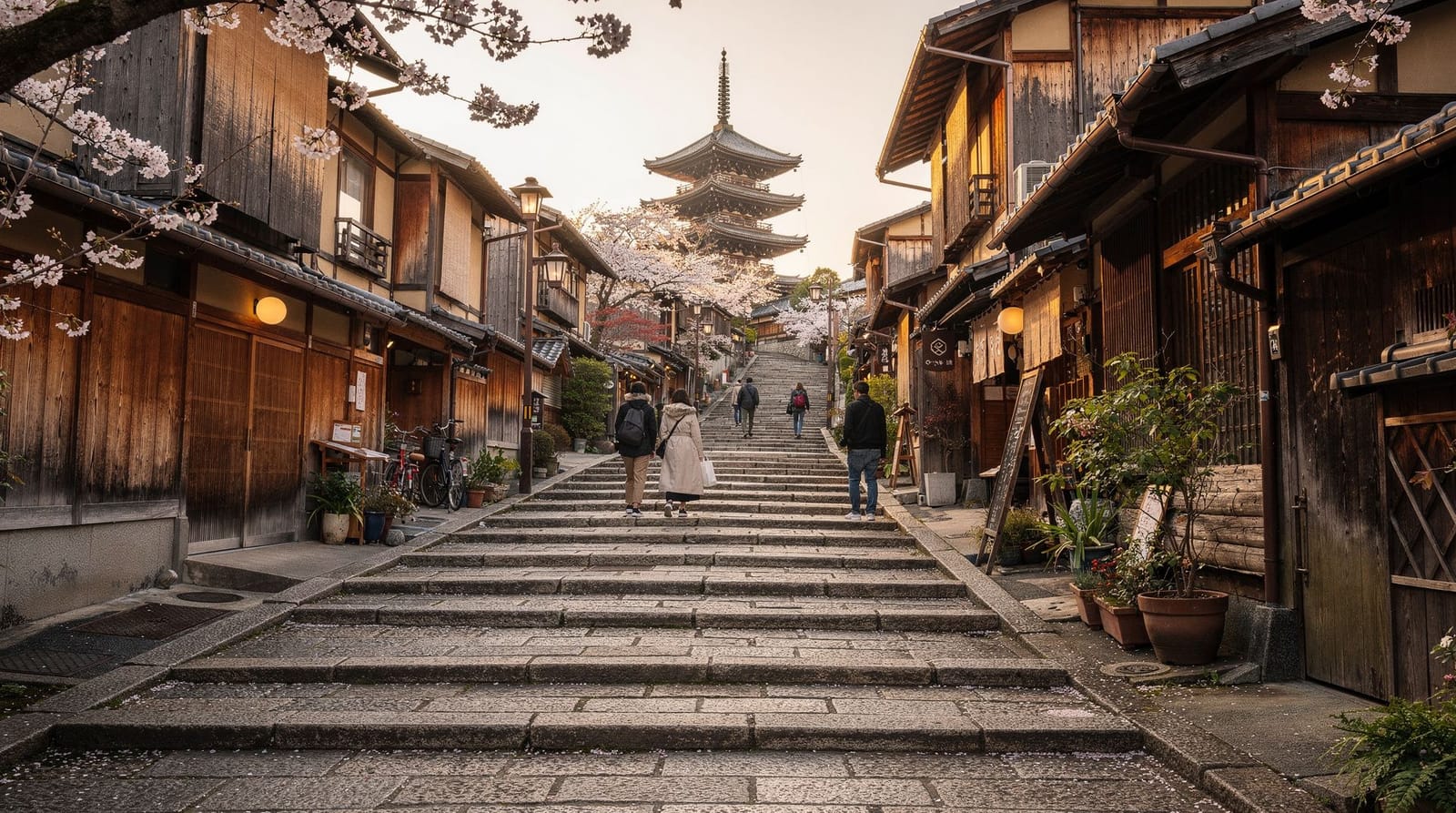
Kyoto’s temple circuit rewards constant movement — one more gate, one more garden, one more torii tunnel — which makes zazen, seated Zen meditation, a genuinely different kind of activity to build into a trip: the point is to stop moving and sit with a quiet mind for a set period, inside a working temple rather than a museum piece. Several of Kyoto’s Zen temples run beginner-friendly sessions specifically for visitors, most notably Kennin-ji and Shunko-in, and this guide covers what those sessions actually involve, what distinguishes real temple practice from a watered-down wellness activity, and how to prepare for one if you’ve never sat zazen before.
What to actually do with your mind during the sit
Beyond posture and breath, first-timers often ask what they’re supposed to actually think about, and the honest answer is: nothing in particular, and that’s the hardest part. Instructors typically suggest counting breaths (from one to ten, then restarting) as a simple anchor for beginners whose minds wander constantly during their first sit, which is completely normal and not a sign of doing it wrong.
The instruction to observe thoughts without attachment doesn’t mean forcing your mind blank — a common and frustrating misconception for first-timers who arrive expecting total mental silence and instead spend twenty minutes noticing how loud their own thinking actually is. A good instructor will address this directly at the start of a session, reframing the goal from “stop thinking” to “notice thinking without following it,” which is both more achievable and closer to what the practice actually asks of a beginner.
What zazen actually is
Zazen, literally “seated meditation,” is the core practice of Zen Buddhism, developed within the Soto and Rinzai schools that both maintain a significant presence in Kyoto. The practice centers on maintaining an upright, stable seated posture — traditionally cross-legged on a round cushion (zafu), though most visitor sessions offer a chair or bench alternative — with hands resting in the lap in a specific mudra (hand position), a soft downward gaze rather than closed eyes, and steady, natural breathing.
The goal isn’t to empty the mind of thought entirely, a common misconception, but to observe thoughts without attachment as they arise and pass, gradually building a quality of present, non-judgmental awareness that Zen teaching holds as valuable in itself, independent of any specific insight or outcome.
Sessions are typically timed using a stick of incense or a bell, with a period of walking meditation (kinhin) sometimes inserted between two shorter sitting blocks to relieve the legs and maintain focus — a practical accommodation built into traditional practice, not a modern concession to beginners’ discomfort.
Kennin-ji: Kyoto’s oldest Zen temple
Kennin-ji, founded in 1202 by the monk Eisai (credited with introducing both Rinzai Zen and tea cultivation to Japan from China), is Kyoto’s oldest Zen temple and sits just north of Gion, making it one of the more centrally located options for a zazen session. Its zazen program runs in a genuinely historic setting — the temple’s main hall and grounds, including a striking dragon ceiling painting in one of its buildings, give the session a weight of place that newer or less prominent venues can’t match.
Sessions are often conducted primarily in Japanese with translation support for visitors, a slightly more traditional format than some of the specifically English-oriented programs elsewhere in the city, appealing to visitors who want the practice framed the way it would be for a Japanese participant rather than adapted specifically for a foreign audience.
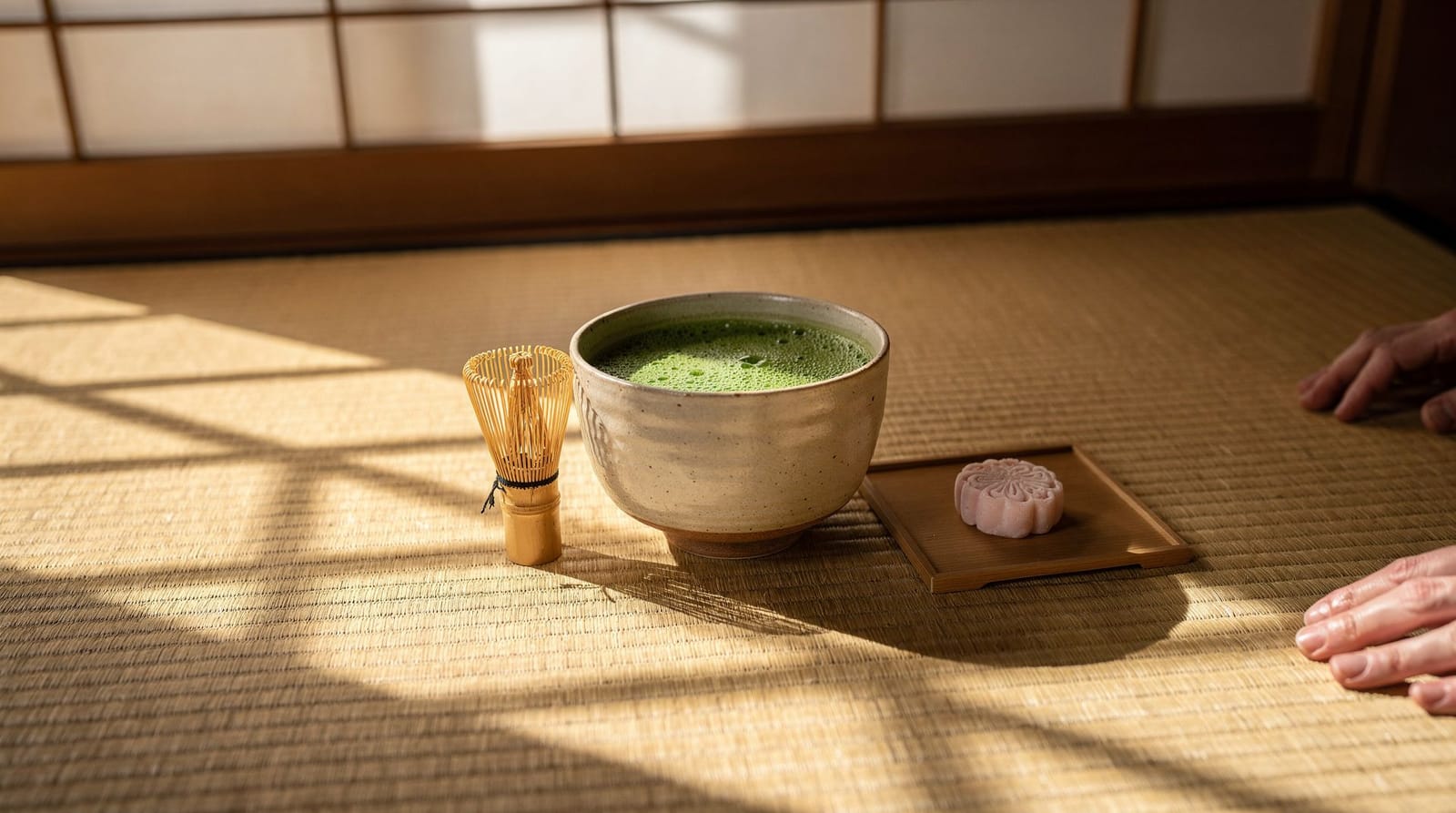
A zen meditation and tea ceremony session in a hidden temple combines a zazen sitting with a tea ceremony in one booking, a pairing that reflects the two practices’ shared historical roots in monastic life — tea was originally used by monks to stay alert during long meditation sessions, and the two are taught together at several venues for exactly that reason.
Shunko-in: the most accessible English-language program
Shunko-in, a sub-temple within the larger Myoshin-ji temple complex in northwest Kyoto, runs one of the city’s longest-established and most consistently recommended English-language Zen programs, led for years by a bilingual vice-abbot known for making the philosophy behind the practice genuinely accessible to visitors with no prior background in Buddhism.
Sessions typically combine a sitting period with substantial discussion — the philosophical grounding of Zen, how it relates to daily life, and open time for questions — making it less a pure meditation drop-in and more a structured introduction to Zen thought as a whole. Myoshin-ji’s location is somewhat further from the main Higashiyama temple circuit than Kennin-ji, worth factoring into your day’s routing, but the depth of the English-language program is often cited as worth the extra travel time.
Other temples worth knowing about
Kennin-ji and Shunko-in are the two most consistently recommended for visitors specifically because of their established, well-reviewed beginner programs, but they aren’t the only options. Tofuku-ji, in southern Kyoto and better known among tourists for its autumn foliage, runs periodic zazen sessions with a more austere, traditional framing and less English-language support — a reasonable choice for visitors who’ve already done a beginner session elsewhere and want a less accommodated, more purely traditional sitting.
Myoshin-ji, the larger temple complex housing Shunko-in, occasionally runs its own separate sessions distinct from Shunko-in’s specific English program, worth checking if Shunko-in’s sessions are fully booked during your travel dates. Smaller neighborhood temples throughout the city sometimes offer informal, donation-based zazen open to the public on a regular schedule, though these are less consistently signposted for tourists and generally require some Japanese language ability or local knowledge to find and attend comfortably.
Zazen as part of a longer practice, versus a single session
It’s worth setting honest expectations about what a single beginner session can and can’t deliver. Zazen as practiced by monks in Kyoto’s monasteries is the product of years or decades of sustained daily practice, often within a residential training context involving considerably more than seated meditation alone — physical labor, communal living, and a broader discipline extending well beyond the meditation hall.
A single 45-90 minute visitor session is not a compressed version of that life, and reputable temples don’t market it as one; it’s better understood as an honest introduction to one specific practice within that larger tradition; a way of directly experiencing, rather than only reading about, what zazen actually feels like in the body and mind. Visitors who find the experience genuinely compelling sometimes go on to seek out longer retreat programs or ongoing practice back home, but that’s a separate undertaking from what a single Kyoto temple visit can offer, and no reputable session claims otherwise.
What a session actually costs and how long it runs
Beginner zazen sessions in Kyoto generally run ¥1,000-3,000 (about $7-20) for a temple’s own drop-in or scheduled beginner program, rising to ¥3,000-6,000 (about $20-40) for guided sessions booked through a tour operator that include transport, a dedicated English-speaking guide, or a combined activity such as tea ceremony. A “Zen Moments” temple reflections tour falls into this guided category, structuring a full temple visit around meditation and reflection rather than treating zazen as a brief add-on to a standard sightseeing itinerary.
Session length for beginners is typically 45-90 minutes total, including the introductory explanation, one or two sitting periods of 15-25 minutes each, and closing discussion — considerably shorter than the multi-hour sessions a committed practitioner might undertake, and deliberately structured that way for a first-time audience.
Zen gardens as a companion practice
Zazen and Zen gardens (karesansui, dry landscape gardens using raked gravel and arranged stone rather than water and plants) developed from the same philosophical tradition, and pairing a sitting session with time contemplating a garden is a natural extension of the same practice. A guided tour of Ryoan-ji’s Zen garden, widely considered the most famous karesansui garden in Japan, covers the garden’s design philosophy and its connection to Zen aesthetics in the same contemplative spirit as a zazen session itself.
A Nanzen-ji Zen walk through its gardens and historic sanmon gate offers a similar pairing at one of Kyoto’s most important Rinzai Zen temple complexes, worth combining with a formal zazen booking elsewhere in the city for visitors who want both the seated practice and the garden-contemplation side of the tradition in the same trip.
What to actually expect physically
Discomfort in the legs, hips, or lower back during an extended cross-legged sit is common for anyone not already accustomed to the position, and every reputable beginner program accounts for this directly — offering a chair or low bench as a standard alternative, permitting small posture adjustments during the sitting period, and setting realistic expectations rather than treating discomfort as a failure of practice or willpower.
First-timers shouldn’t expect a dramatic, transcendent experience from a single 20-minute session; the more common and honestly more useful outcome is a concrete, physical sense of what sustained stillness actually feels like, which is a meaningfully different thing from reading about meditation or trying an app at home.
Combining zazen with the rest of a temple day
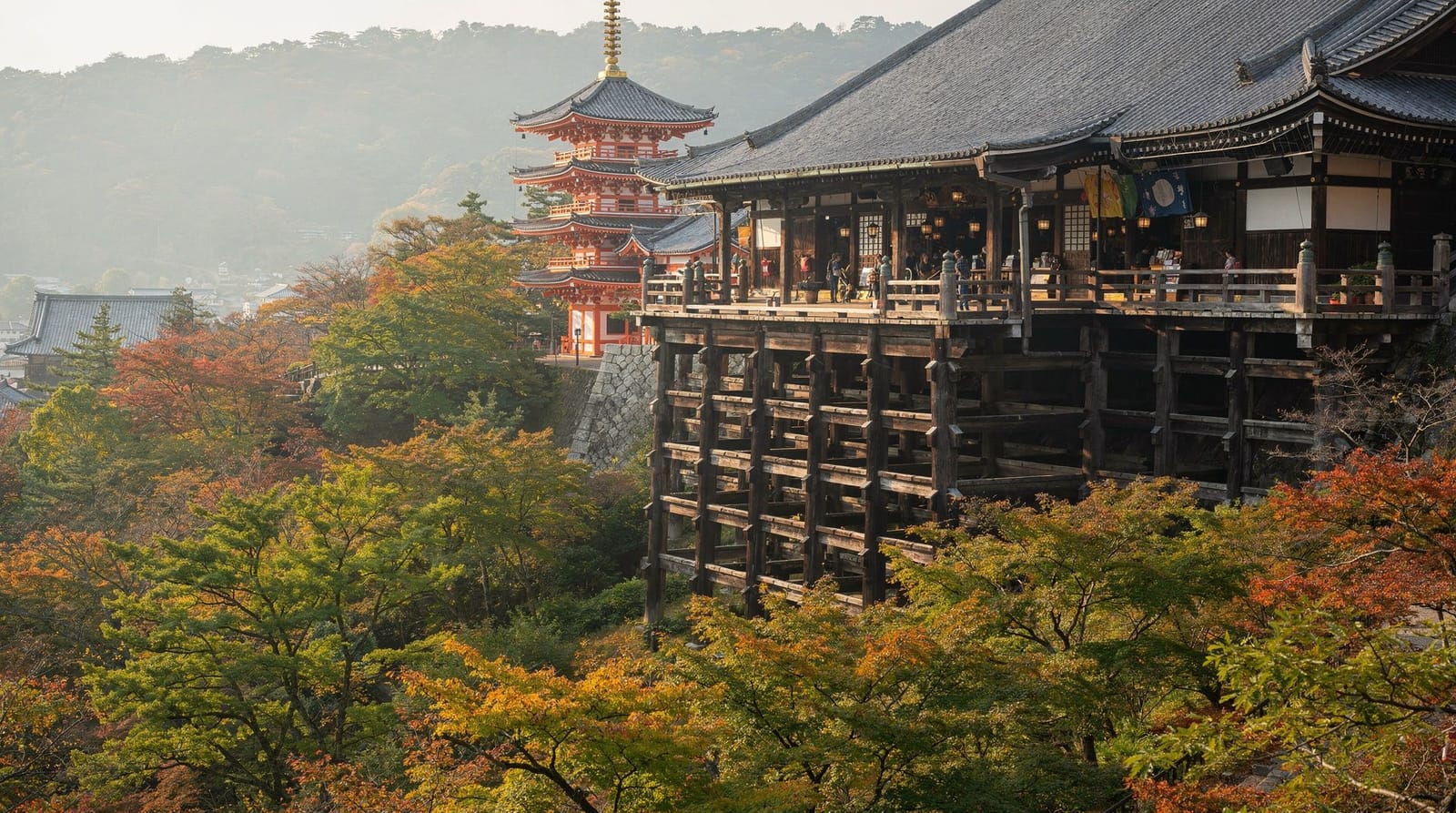
Both Kennin-ji and Shunko-in sit within reasonable range of Kyoto’s main temple circuit, making a zazen session easy to slot into a broader day. Kennin-ji’s location just north of Gion pairs naturally with a morning session followed by an afternoon walk through Higashiyama toward Kiyomizu-dera, giving the day a contemplative start before the more crowded sightseeing that follows.
Visitors interested in the broader thread connecting meditation, tea, and traditional arts in Kyoto’s Zen-influenced culture may also want to read the tea ceremony guide and the traditional crafts guide, both of which share philosophical roots with zazen even where the activities themselves look quite different on the surface.
Soto versus Rinzai: the two schools shaping Kyoto’s temples
Japanese Zen splits primarily into two schools, both well represented among Kyoto’s temples, and knowing the difference helps explain why sessions at different temples can feel noticeably different in structure. Rinzai Zen, historically associated with the samurai class and Kyoto’s major temple complexes including Kennin-ji, Nanzen-ji, and Myoshin-ji (Shunko-in’s parent temple), places relatively more emphasis on koan practice — paradoxical questions or statements used to short-circuit ordinary logical thinking and provoke sudden insight — alongside seated meditation.
Soto Zen, by contrast, emphasizes shikantaza, “just sitting,” a more open, less goal-directed form of zazen without the structured questioning of koan practice, historically associated more with rural monastery life than the urban temple culture of Kyoto’s old capital.
Most beginner sessions offered to visitors, regardless of school, simplify this considerably and focus on posture, breath, and basic sitting practice rather than diving into either school’s more advanced conceptual framework — but it’s worth knowing the distinction exists if a session’s format or philosophical framing feels different from temple to temple, since it usually traces back to this underlying split.
Why zazen and the samurai class were historically linked
Zen’s relationship with Kyoto’s political and military history runs deeper than its current framing as a wellness or mindfulness activity suggests. During the medieval period, Rinzai Zen in particular found strong patronage among the samurai class and the shogunate, partly because zazen’s emphasis on disciplined focus, acceptance of impermanence, and equanimity in the face of death resonated directly with the demands of a warrior’s life.
Kyoto’s major Zen temple complexes, including several still offering zazen sessions to visitors today, were built and endowed during this period specifically with that patronage, which is part of why the city’s Zen architecture carries such scale and formality compared to smaller rural temples elsewhere in Japan. Sitting zazen today in a hall built under that same patronage seven or eight centuries ago is a different experience, in a fairly literal sense, than the same practice taught in a newer or purely tourism-oriented setting.
Booking ahead
Nearly all temple zazen programs require advance reservation rather than allowing walk-ins, partly to keep group sizes small enough for an instructor to give beginners individual attention and partly because meditation halls have limited physical capacity. Shunko-in’s English-language sessions in particular can fill up days or weeks ahead during Kyoto’s peak spring and autumn travel seasons, so booking before arriving in the city, rather than planning to arrange it once you’re there, is the more reliable approach if a specific date matters to your itinerary.
Frequently asked questions about Zen meditation in Kyoto — zazen sessions at real temples
What actually happens during a beginner zazen session?
Does it hurt to sit in the zazen position for that long?
What's the difference between Kennin-ji and Shunko-in for zazen?
Is zazen the same as the meditation taught in Western mindfulness apps?
Do you need to book zazen sessions in advance?
What should you wear to a zazen session?
Top experiences
Bookable activities with verified prices and instant confirmation on GetYourGuide.