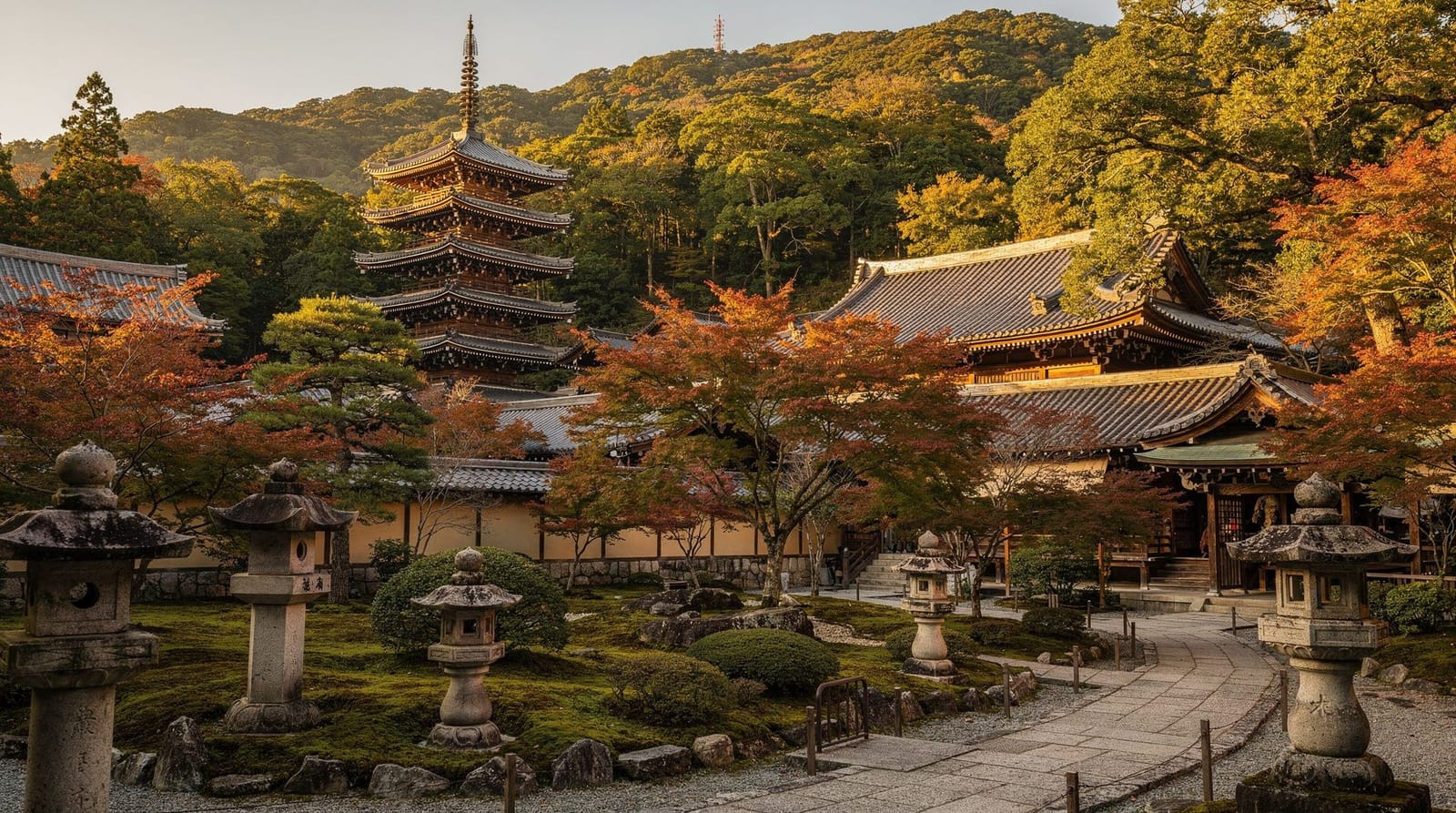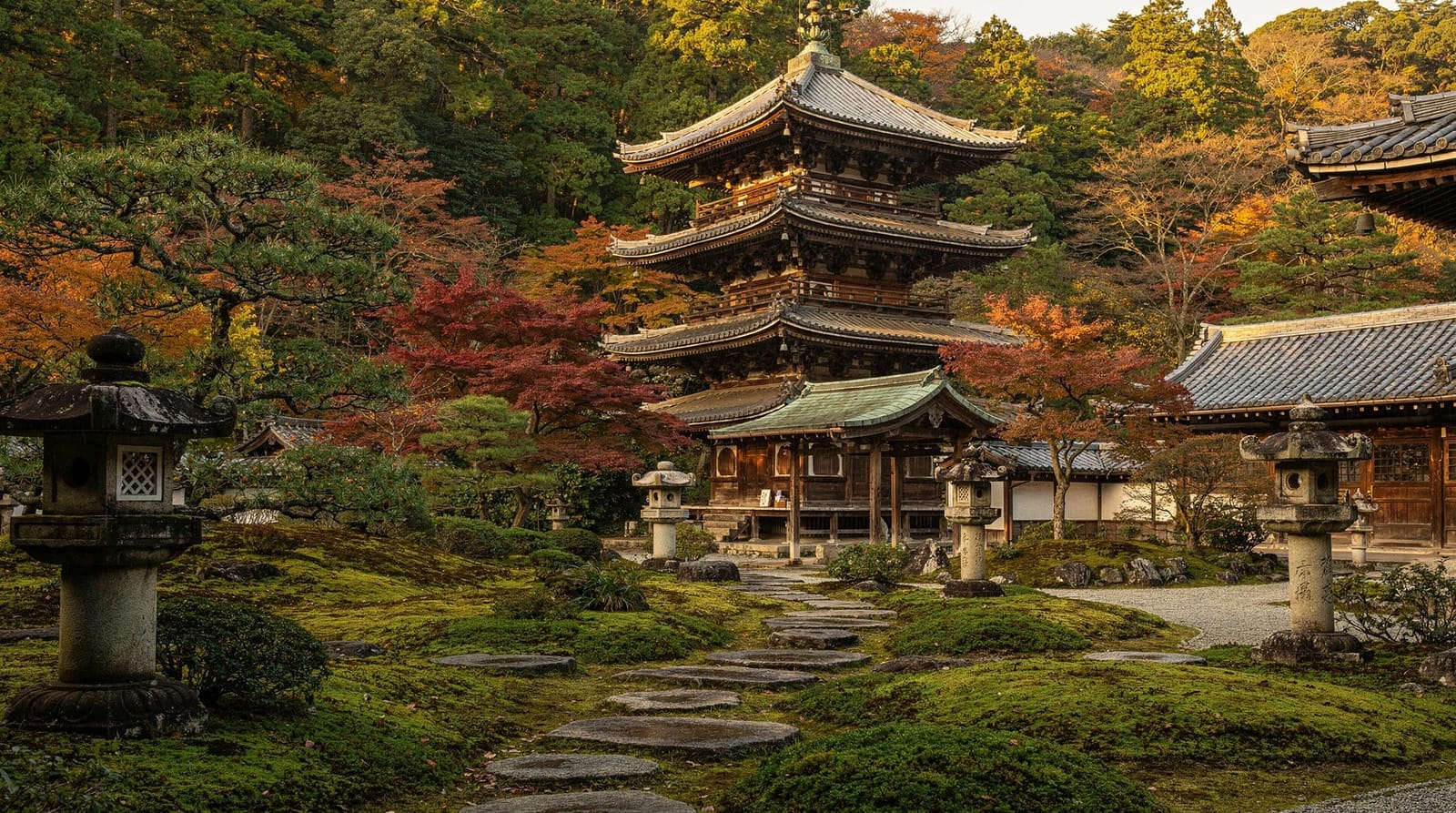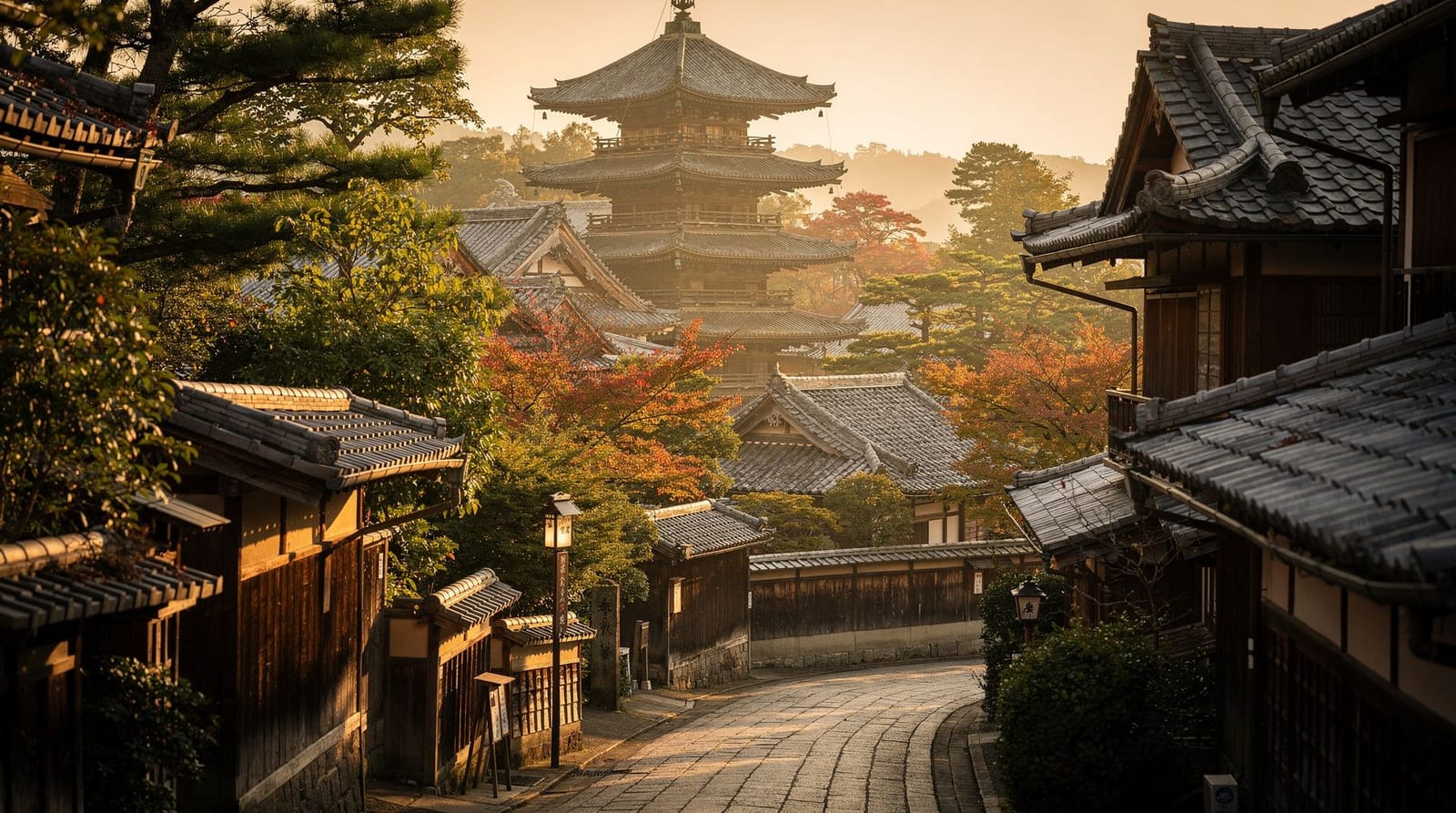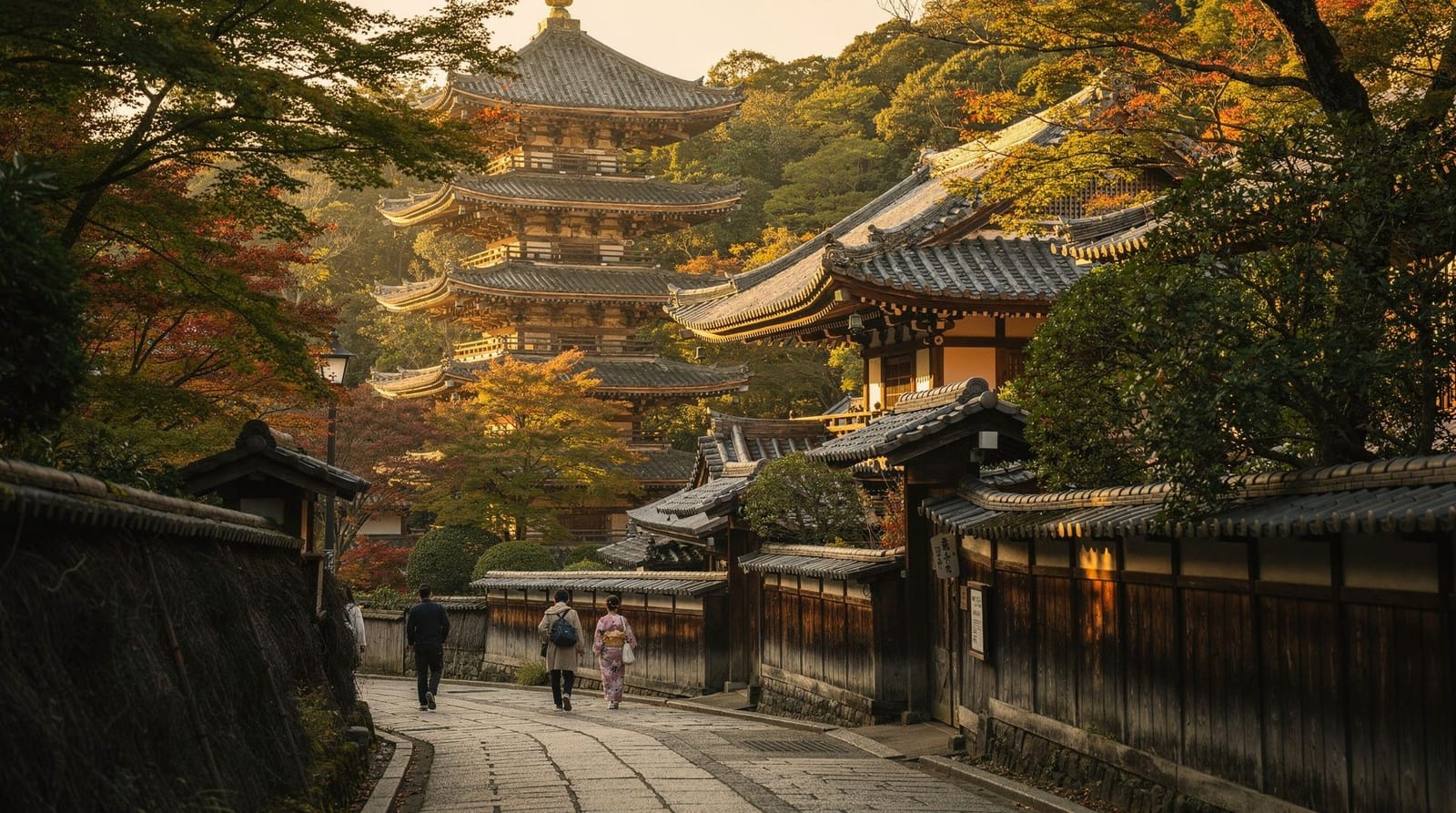
The honest truth about Kyoto — what's overrated, what's a trap, what's worth it
Kyoto: Fushimi Inari Taisha Guided Walking Tour
What should you actually know about Kyoto before you go?
Kyoto delivers on its reputation for temples, gardens, and traditional culture, but several headline experiences — the Fushimi Inari torii tunnel at midday, geisha spotting in Gion, cheap tea ceremonies aimed at tour groups — are more crowd and marketing than substance. The city's real value shows up when you time visits around the crowds, book a small number of experiences carefully, and skip the manufactured ones.
| Genuinely worth it | Kinkaku-ji, bamboo grove before 8am, Nishiki Market, kaiseki dinner |
| Time-dependent | Fushimi Inari (avoid 10am–4pm), geisha sightings (evening only) |
| Know before booking | Tea ceremony tier, kimono rental hours, rickshaw per-vehicle pricing |
| Real restriction, not hype | Gion photography ban, some onsen tattoo bans |
| Skip the manufactured version | Street photographers promising geisha sightings |
Kyoto gets described, fairly, as one of the most rewarding cities in the world for a slow, deliberate traveler — and also, less fairly, as an Instagram backdrop where the reality rarely matches the photo. Both things are true depending on when and how you visit. This page separates what’s genuinely worth your limited time from what’s overcrowded, overpriced, or manufactured for tourists, based on how each experience actually plays out on the ground rather than how it’s marketed.
The gap between the photo and the visit
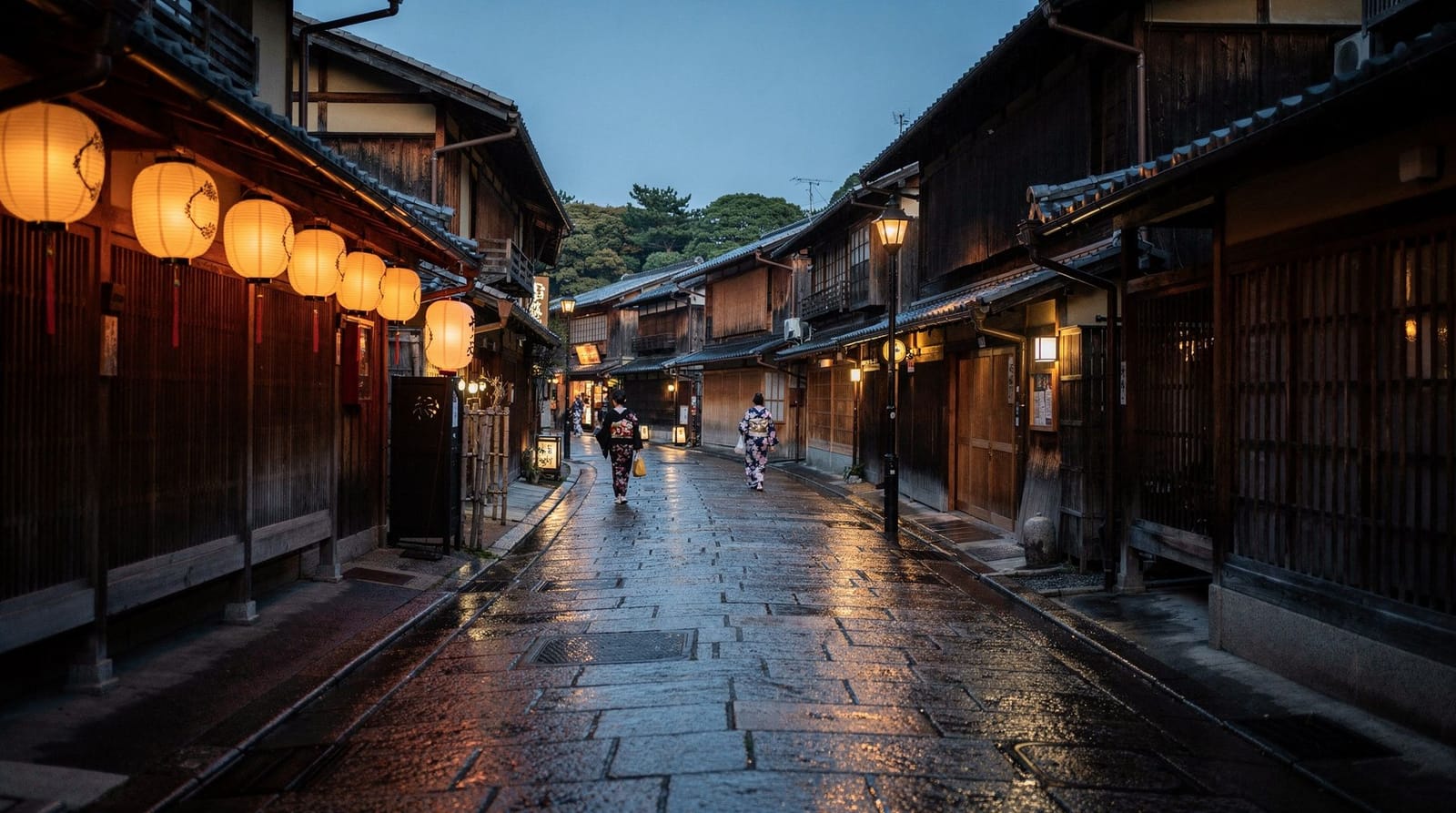
Kyoto’s marketing image — empty torii gates, a solitary maiko crossing a quiet street, a temple garden with no one else in frame — is real, but only at specific hours that most visitors never experience. Fushimi Inari’s tunnel is photographed at 6:30am, not 1pm. The famous Gion street photos are taken by professionals with permits and patience, not tourists walking through at 7pm when the street is at its busiest. None of this is dishonest exactly, but it sets an expectation that a midday, first-time visit routinely fails to meet, and that mismatch is where a lot of visitor disappointment with Kyoto actually comes from — not the city itself, but the gap between the marketed image and an unplanned visit.
Fushimi Inari: extraordinary at dawn, a shuffling line at noon
Guided Fushimi Inari walking tour — useful if you want the history and context alongside an early or off-peak visitFushimi Inari Taisha is free, open around the clock, and genuinely one of Kyoto’s best sights — thousands of vermillion torii gates climbing a forested mountain, donated by individuals and companies over centuries. The honest caveat is entirely about timing: visit before 8am or after 5pm and you get long stretches of the tunnel to yourself; visit at midday, especially on a weekend, and the first 15-20 minutes of the main tunnel are a dense, slow-moving line of people photographing the same six feet of path. The mountain trail beyond the first two viewpoints thins out at any hour, since most day-trippers turn back early — walking even 20 minutes further past the crowd is often enough to find quiet stretches even at peak times.
Tea ceremony: know which version you’re booking
Kyoto has genuinely become the best city in Japan to experience a real tea ceremony, but the market includes both authentic and simplified versions at very different price points, and confusing the two is the single most common tea ceremony disappointment. Budget group sessions near major temples, often ¥1,500-3,000 for 20-30 minutes, are a scripted demonstration aimed at fitting large tour groups through quickly — you’ll drink one bowl of matcha and watch a condensed version of the ritual.
A proper chanoyu experience with a licensed teacher, typically ¥5,000-10,000 for 45-60 minutes in a small group or private setting, includes the etiquette, the utensil appreciation, and enough explanation to understand what you’re watching rather than just consuming it.
45-minute tea ceremony lesson experience — a proper introduction rather than the rushed group versionNeither format is a scam; both are honestly priced for what they deliver. The mistake is booking the cheap group session expecting the depth of the private one, or paying premium prices for what turns out to be a group demonstration mislabeled as a private experience — read the listing details carefully, specifically group size and duration, before booking.
Geisha spotting: increasingly restricted, and for good reason
Gion’s evening geisha and maiko sightings have become enough of a problem that the district now restricts photography on several private streets in the Hanamikoji area, with posted fines for tourists who block paths or chase working women for photos on their way to appointments. This isn’t an exaggerated local grievance — the crowding around a single spotted maiko can genuinely stop foot traffic on a narrow street.
A respectful evening walk through Gion on the way to dinner, where a sighting might happen naturally, is a fine and low-impact activity. Treating maiko spotting as the planned centerpiece of an evening, following performers, or paying unofficial street photographers who promise sightings crosses into the behavior the city is actively trying to curb.
Gion geisha district walking tour — context and history from a guide instead of chasing sightings soloFor a legitimate, respectful way to see geiko and maiko perform, a booked Gion Corner show or an odori (seasonal dance) performance during the spring and autumn dance seasons delivers a genuine cultural experience without the street-level intrusion.
Kimono rental: fun once, uncomfortable by hour three
Kimono and yukata rental shops cluster around Kiyomizu-dera, Gion, and Arashiyama, running roughly ¥3,000-8,000 for a basic set including simple hair styling, more for premium fabric or a professional photo package. It’s a genuinely enjoyable one-time experience and produces good photos in front of temple architecture. The honest downside: geta sandals are uncomfortable for walking more than an hour, especially on the stone slopes of Higashiyama, and most visitors who wear a rental all day end up regretting it by the afternoon. Booking a rental for a focused 2-3 hour window around one or two photogenic stops, rather than a full sightseeing day, gets the experience without the discomfort.
What genuinely earns the hype
Kinkaku-ji’s gold pavilion, despite being one of the most crowded stops in the city, delivers on the photo — the building really is that striking against its pond, especially in morning light. Arashiyama’s bamboo grove, visited before 8am, really is close to silent and otherworldly, a completely different experience than the packed walkway it becomes by mid-morning. Nishiki Market’s density of specialty food stalls genuinely rewards slow grazing over a rushed walk-through. And a proper kaiseki dinner — multi-course, seasonal, served with real ceremony — is worth the cost at least once, even for travelers who wouldn’t normally spend on a tasting menu. None of these need lowered expectations; they need the right hour or the right booking.
Rickshaw rides: charming, but know the real price
Hand-pulled rickshaws (jinrikisha) cluster around Arashiyama and Higashiyama, and the pullers are genuinely skilled athletes who often double as informal tour guides, pointing out details a self-guided walk would miss.
The honest catch is pricing: rates are typically quoted per rickshaw for a set route and time, often ¥4,000-8,000 for a short 15-20 minute loop and considerably more for longer routes, and that price is usually per rickshaw (holding one or two people) rather than per person — worth confirming before boarding, since a puller quoting “¥6,000” for two people is a very different deal than ¥6,000 each. It’s a genuinely pleasant experience for a short stretch, particularly through Arashiyama’s bamboo grove, but treating it as primary transport rather than a novelty is expensive relative to walking or a taxi.
Souvenir streets: know which shops are aimed at you
The approach streets to Kiyomizu-dera — Sannenzaka and Ninenzaka — are lined with shops selling everything from genuinely well-made local crafts to mass-produced trinkets stamped “Kyoto” that are manufactured elsewhere. Neither is dishonest exactly, but prices on the same category of item (a folding fan, a small ceramic piece, a yukata) can vary two or three times over between a shop selling tourist-volume goods and one selling actual local craftsmanship, with little visual difference to an untrained eye.
A rough tell: shops with English-first signage and multiple staff members hawking outside tend toward the tourist-volume end; smaller shops with a single artisan visible working, often slightly off the main street, tend toward the higher-quality end. Nishijin (the historic textile district) and dedicated craft shops covered in the Kyoto traditional crafts guide are a more reliable source for genuine local work than the main temple approach streets.
Day trip crowding: Nara and Arashiyama aren’t secrets anymore
Nara’s deer park and Todai-ji, and Arashiyama’s bamboo grove and monkey park, get marketed as easy escapes from Kyoto’s crowds, and that framing is increasingly out of date — both now draw large day-trip crowds of their own, especially between 10am and 3pm when Kyoto-based tour groups and independent travelers arrive en masse.
Nara’s deer, while a genuine highlight, have also developed a reputation for aggressive begging behavior around visitors holding the shika senbei crackers sold for feeding them — bites and headbutts are common enough that it’s worth holding crackers with a flat, open hand rather than waving them, and finishing or discarding a pack before deer notice you’re out. Arashiyama’s bamboo grove, as covered elsewhere on this site, is worth an early-morning visit specifically to avoid the crowd both locations now regularly see.
The tattoo and onsen reality
Many of Kyoto’s shared baths and onsen — including some at otherwise excellent ryokan — still enforce blanket bans on visible tattoos, a policy rooted in historical associations with organized crime rather than any policy aimed at foreign visitors specifically, though it affects them disproportionately given how common small tattoos have become outside Japan. Some venues offer small waterproof cover patches for minor tattoos; others simply decline entry. This isn’t a scam or a trap, but it’s a genuine planning consideration worth checking directly with a specific property before assuming a shared bath is accessible — properties offering private or reservable onsen sidestep the issue entirely.
What first-time visitors most often regret skipping
Ironically, given how much of this page is about managing expectations, the most common regret isn’t overpaying for something disappointing — it’s under-booking the genuinely worthwhile paid experiences out of budget caution and running out of time to fit them in later. A single well-chosen kaiseki dinner, one night in a ryokan, and one guided walking tour with real historical context are the three additions past visitors most often wish they’d built in from the start, rather than treating Kyoto as a purely self-guided, free-sights-only trip. The honest planner approach isn’t spend-nothing — it’s spend deliberately on the few things that are genuinely worth it and skip the rest without guilt.
Making Kyoto work for a first visit
The through-line across every example here is timing and information, not avoidance — nearly everything Kyoto is famous for is genuinely worth doing, provided you know which hour, which price tier, or which format to choose. See the avoiding crowds in Kyoto guide for exact opening-time strategies at each major sight, the Kyoto etiquette guide for the geisha-district and temple behavior norms that keep a visit welcome rather than intrusive, and the best time to visit Kyoto guide for which months deliver the calmest version of the city.
For a first-time framework that builds all of this in from the start, the Kyoto first-time guide and the Gion destination page are the next places to look.
Overrated vs. worth it, side by side
| Experience | Honest verdict | Fix |
|---|---|---|
| Fushimi Inari at midday | Overrated as marketed | Visit before 8am or after 5pm |
| Kinkaku-ji | Genuinely worth it | Go for morning light, expect 20-30 min |
| Cheap group tea ceremony | Simplified, not fraudulent | Pay more for a private chanoyu if depth matters |
| Chasing geisha for photos | A trap, increasingly restricted | Let a sighting happen naturally, or book a show |
| Rickshaw as primary transport | Overpriced for the purpose | Fine for a short novelty stretch, not daily transit |
| Arashiyama bamboo grove | Worth it, timing-dependent | Before 8am, otherwise a crowded walkway |
Frequently asked questions about The honest truth about Kyoto — what's overrated, what's a trap, what's worth it
Is Fushimi Inari overrated?
Are Kyoto's cheap tea ceremony experiences a scam?
Is geisha and maiko spotting in Gion worth it?
Are kimono rental photos in Kyoto worth the money?
Is Kinkaku-ji (the Golden Pavilion) worth the crowds?
What's the biggest overtourism problem in Kyoto right now?
Do you need to book everything in advance in Kyoto?
Is a rickshaw ride in Kyoto worth the money?
What's the single most common regret from first-time Kyoto visitors?
Top experiences
Bookable activities with verified prices and instant confirmation on GetYourGuide.