Kyoto on a rainy day — what actually works when the weather turns
Kyoto gets genuinely wet weather — June’s rainy season (tsuyu) and September’s typhoon season are the two stretches most likely to disrupt a trip, but rain can show up in any month. None of that has to ruin a day. Kyoto has more indoor options than its temple-and-garden reputation suggests, and a fair number of its outdoor sights are actually improved, not ruined, by rain.
| Best rain-proof stop | Nishiki Market, fully covered arcade |
| Best rain-enhanced sight | Moss gardens, Arashiyama bamboo grove |
| Rainy season (tsuyu) | Early June to mid-July |
| Umbrella cost | Around ¥500–800 (US$3.30–5.30), any convenience store |
| Skip in heavy rain | Fushimi Inari mountain trail, Hozugawa boat rides |
Rethink which outdoor sights still work
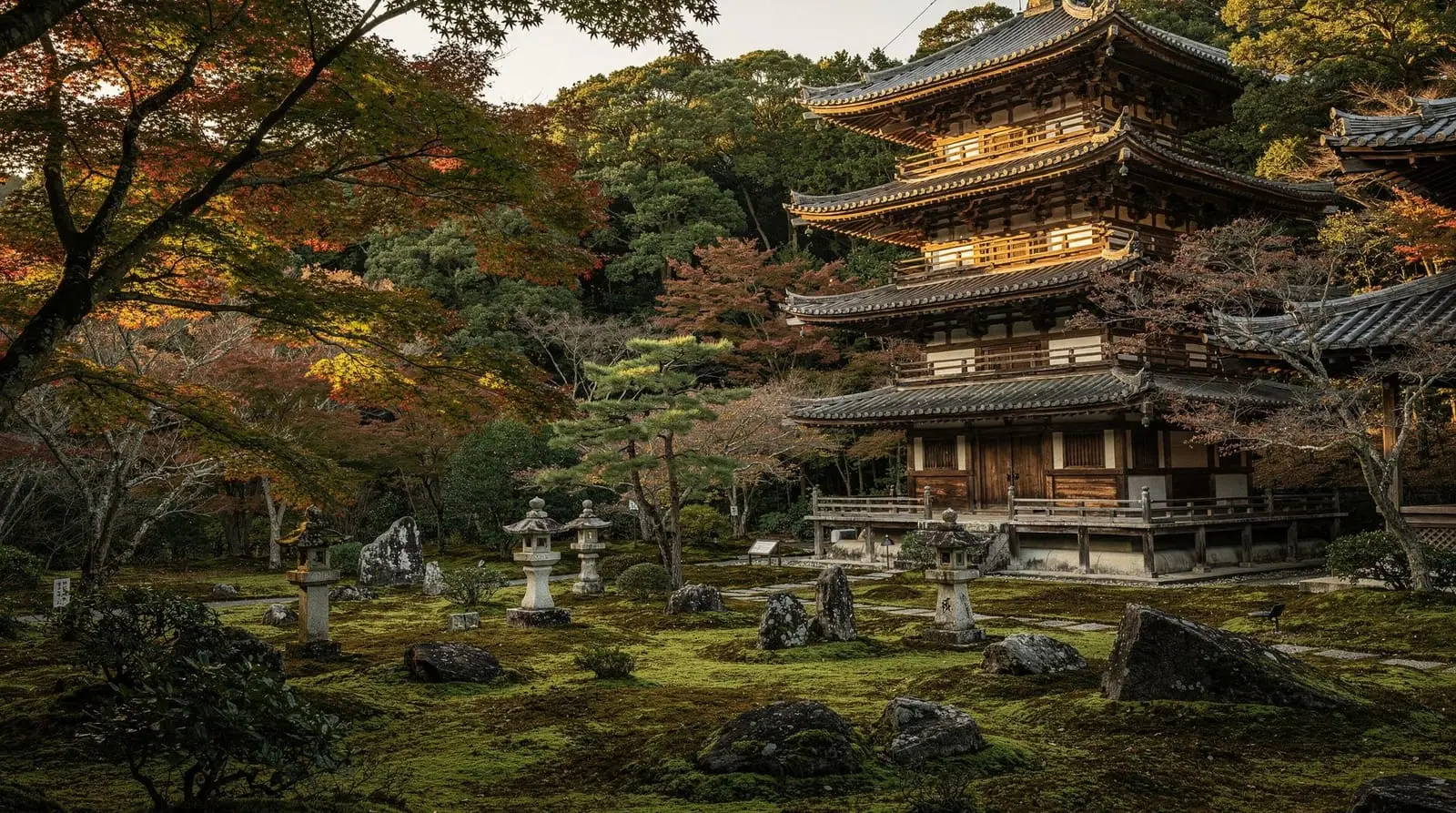
A few of Kyoto’s most famous outdoor sights hold up genuinely well in the rain and see meaningfully fewer visitors on wet days, which is worth weighing before writing off outdoor plans entirely. Moss gardens, in particular, look their best when wet — the moss at temples like Saiho-ji or Sanzen-in turns a deeper, more vivid green after rain than in dry weather. Arashiyama’s bamboo grove, similarly, has a distinctive quiet, muffled atmosphere in light rain, and rainy days reliably thin the crowds that make a dry-day visit frustrating. A collapsible umbrella (widely and cheaply available at any convenience store, typically ¥500-800 or US$3.30-5.30, for anyone caught without one) is really the only extra gear these outdoor visits require.
Kyoto Station itself — more than just a transit hub
Kyoto Station is worth treating as a genuine rainy-day destination rather than just a place to pass through. The building’s cavernous, ultra-modern interior — a deliberate architectural contrast to the historic city around it — includes a rooftop observation area (weather-dependent, but partly covered), a large underground shopping and dining concourse (Porta), and the Isetan department store with multiple restaurant floors, all reachable without stepping outside.
Museums that hold up on a rainy itinerary
Kyoto’s museum scene is smaller than Tokyo’s but genuinely solid for a rainy day. The Kyoto Railway Museum, one of Japan’s largest, covers the country’s rail history with real retired locomotives and a hands-on train simulator, appealing well beyond just train enthusiasts, particularly with children in tow. The Samurai and Ninja Museum in central Kyoto offers a genuinely engaging, indoor, hands-on look at historical weapons and armor, including options to try on gear or take a short class. Kyoto Aquarium, in the same Umekoji Park area as the Railway Museum, is a reasonable pairing for a family rainy-day plan, combining two indoor attractions within a short walk of each other and of Kyoto Station.
Kyoto Railway Museum admission ticketHands-on workshops — a genuinely good rainy-day fit
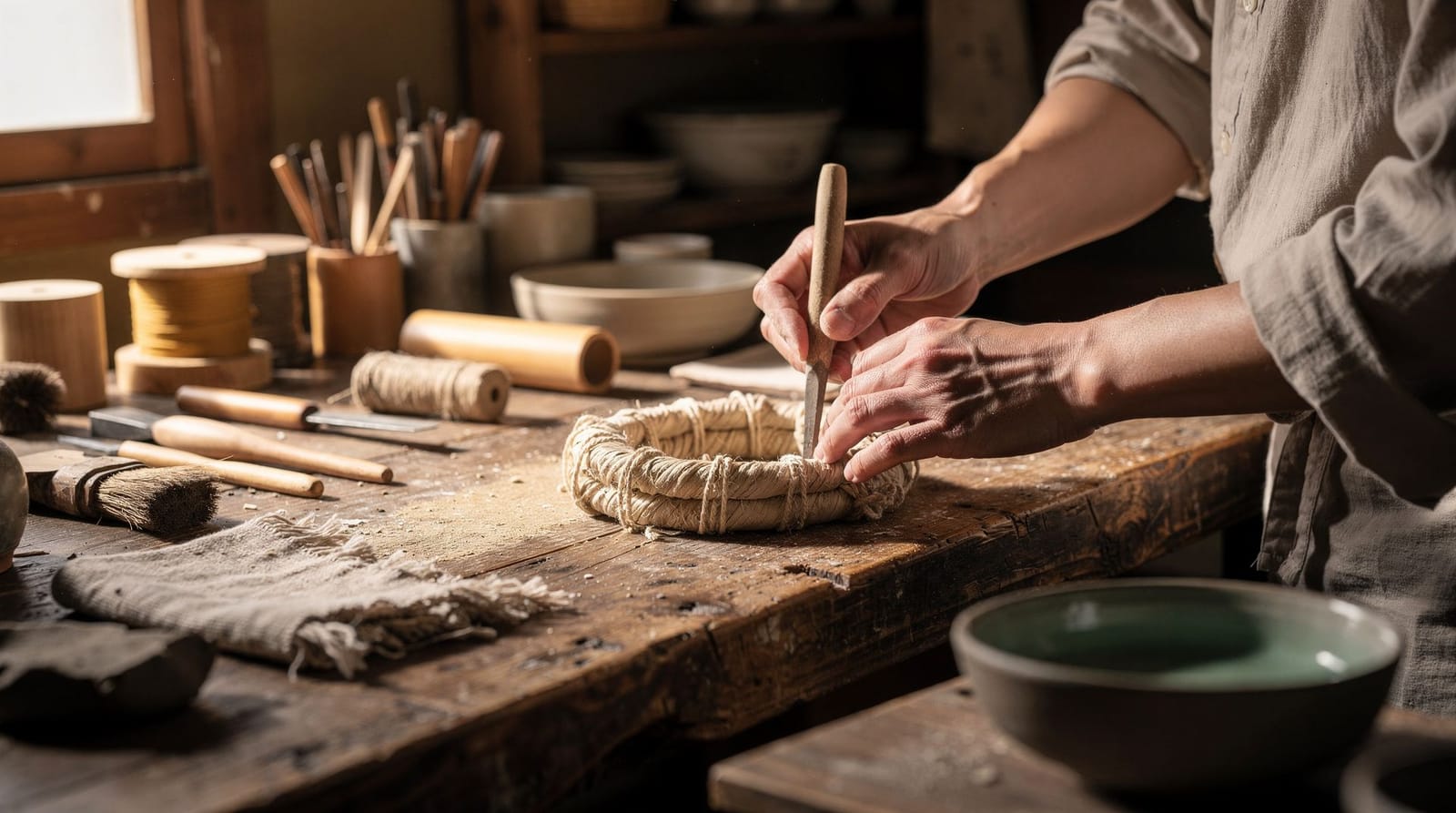
Kyoto has an unusually deep bench of hands-on craft and food workshops, most run in indoor studios, that work particularly well as a rainy-day plan since they were never weather-dependent to begin with. A kintsugi workshop (learning the traditional Japanese technique of repairing broken ceramics with gold-dusted lacquer) or a hands-on pottery painting session both deliver a genuinely memorable, souvenir-producing afternoon regardless of what’s happening outside.
Kintsugi workshop — restore ceramics with gold, a fully indoor hands-on craft sessionCooking classes — sushi-making in particular — are another reliable indoor option, and many run in small groups with a genuinely instructive, not just performative, format.
Nishiki Market — covered, and genuinely worth a rainy afternoon
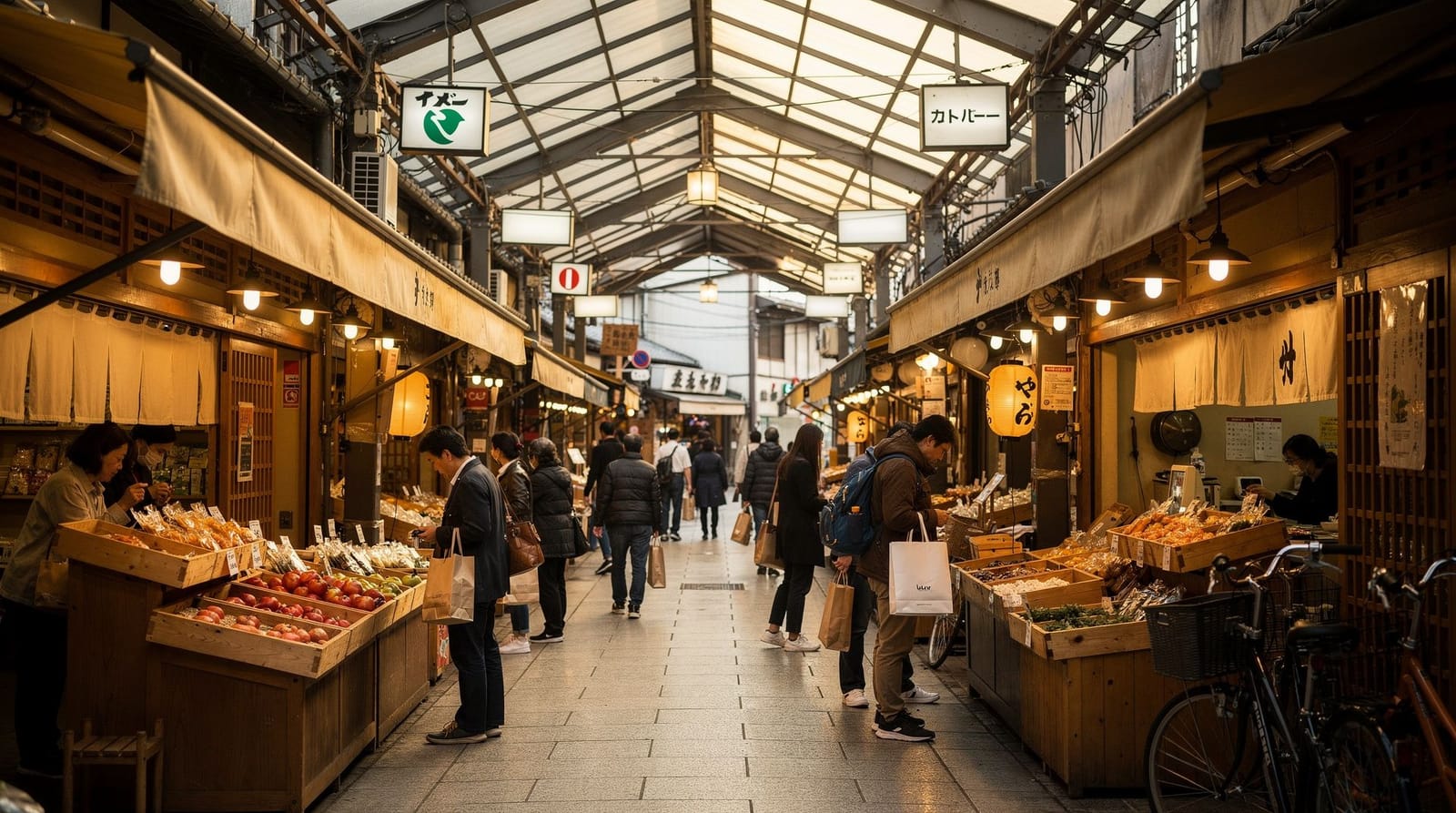
Nishiki Market, Kyoto’s famous “kitchen” food street, runs almost entirely under a covered arcade roof, making it one of the most reliably rain-proof sightseeing stops in the city. Roughly 130 shops and stalls line the narrow street selling everything from fresh seafood skewers to pickled vegetables, wagashi sweets, and knife shops — genuinely worth an hour or two of unhurried browsing and grazing regardless of the weather outside, and one of the few major Kyoto attractions where rain changes nothing about the experience. The broader Kyoto food guide has more on where to eat nearby once the market visit winds down.
Uji’s tea museum — combining matcha with shelter
For visitors already planning a matcha-focused day, Uji’s tea museum offers a fully indoor alternative to an outdoor tea-field visit, with ticketed exhibits on tea history and a hands-on matcha grinding experience using a traditional stone mill.
Uji tea museum tickets and matcha grinding experience — an indoor option for a rainy matcha dayShopping arcades as sightseeing, not just shopping
Downtown Kyoto’s covered shopping arcades — Teramachi and Shinkyogoku in particular, running roughly parallel a few blocks east of the Kamo River — offer several hundred meters of fully covered browsing, mixing souvenir shops, stationery stores, and casual restaurants. Treating an arcade walk as its own rainy-day activity, rather than just a shortcut between other stops, is a reasonable way to fill a few hours without getting wet.
Temples with substantial covered or interior space
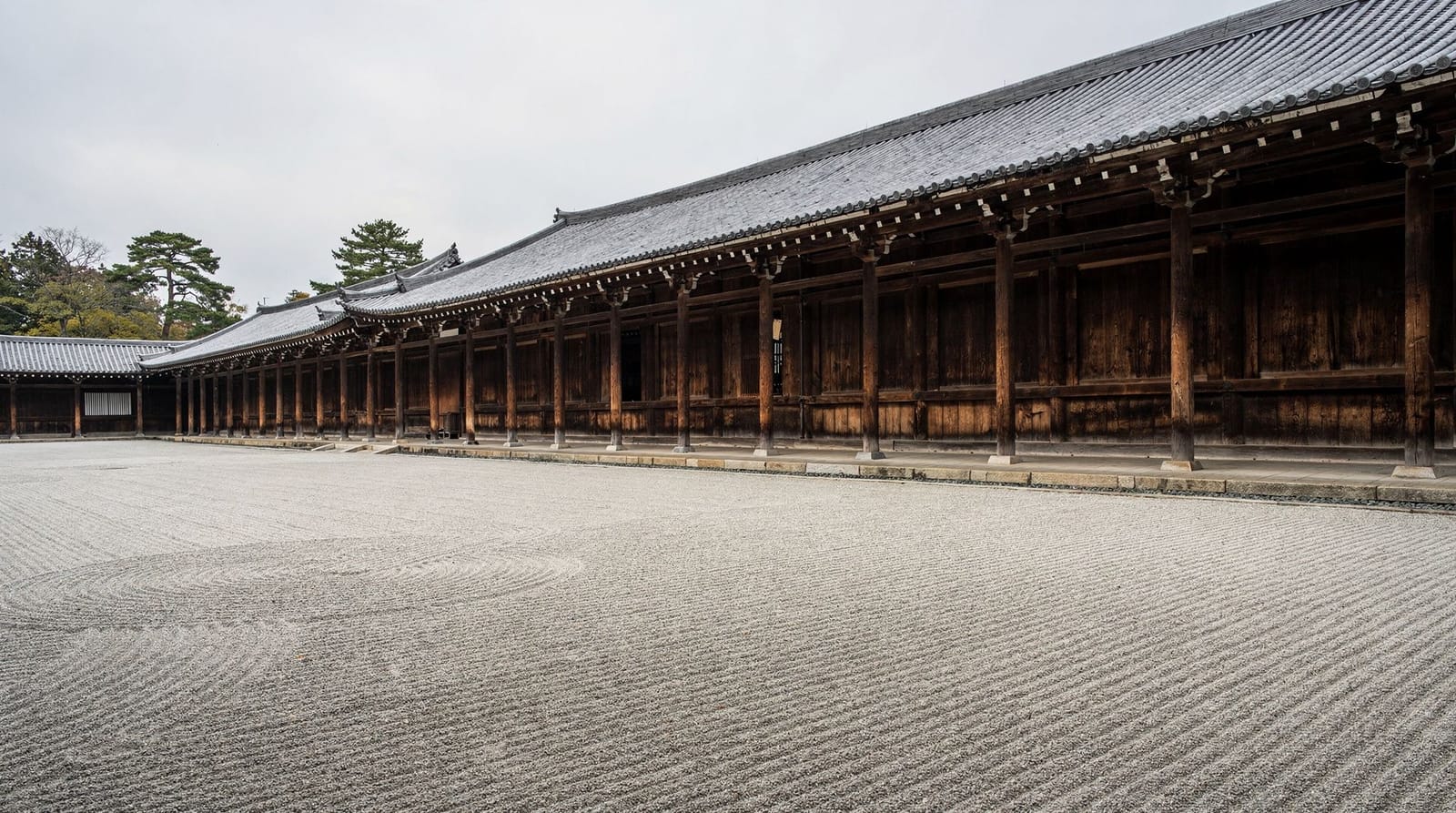
A handful of Kyoto’s major temples have enough covered corridor or interior hall space to make a visit genuinely pleasant even in steady rain, worth prioritizing over more exposed outdoor gardens on a wet day. Sanjusangendo, home to 1,001 gilded Kannon statues, is entirely indoors, housed in a single long wooden hall built specifically to display the statues in ordered rows — one of the few major sights in the city completely unaffected by weather.
Nijo Castle’s Ninomaru Palace, with its famous “nightingale floors” designed to squeak as a security measure, is also a substantially indoor visit, with the surrounding gardens optional depending on how the weather is behaving. Covered temple corridors at complexes like Kiyomizu-dera and Sanjusangendo mean at least part of most major temple visits stays dry, even when a full garden circuit doesn’t.
Packing for a Kyoto trip with rain in the forecast
Kyoto’s traditional crafts scene offers a broader menu of indoor workshops beyond kintsugi and pottery — yuzen dyeing, fan making, and woodblock printing among them — worth checking for a rainy day if the kintsugi or pottery slots above are already booked.
Beyond an umbrella, a lightweight, packable rain jacket earns its space in luggage on a Kyoto trip more than it might for other destinations, given how much of the city’s sightseeing happens outdoors and on foot. Quick-drying layers, rather than cotton that stays damp for hours after getting wet, make a genuine difference in comfort if a rainy day’s plans still involve some outdoor walking between indoor stops. Waterproof or water-resistant shoes are worth the investment too, given how much walking a typical Kyoto day involves regardless of weather — wet feet for an entire day of sightseeing is a small thing that meaningfully sours the experience.
What to actually skip on a genuinely heavy-rain day
A few Kyoto experiences are worth actively postponing rather than pushing through in heavy rain: the Fushimi Inari mountain trail beyond the lower tunnel, where stone steps become genuinely slippery; any temple visit primarily valued for a distant mountain or garden view, since heavy rain and low cloud can obscure exactly the vista that makes the stop worthwhile; and Arashiyama’s Hozugawa river boat rides, which are sometimes suspended entirely during heavy rain or high water for safety reasons, worth checking directly before making the trip out.
Understanding Kyoto’s rainy season versus a random wet day
Japan’s tsuyu rainy season typically runs from early June through mid-July in the Kansai region, bringing a genuinely different weather pattern than a stray shower elsewhere in the year — persistent humidity, frequent overcast skies, and rain that tends to arrive in extended spells rather than brief showers, sometimes lasting a full day or more. A trip planned during this window benefits from building in more flexibility around indoor options generally, rather than treating rain as an occasional disruption to an otherwise outdoor-heavy plan.
If tsuyu overlaps with your dates, our Kyoto in summer guide has more on what to actually expect from the season beyond just the rain itself. September’s typhoon season is a different pattern entirely — generally clearer weather punctuated by occasional, sometimes serious storm systems that can disrupt transit and even close some outdoor attractions temporarily; checking forecasts a few days ahead during this period matters more than during tsuyu’s steadier drizzle.
Outside these two windows, rain in Kyoto is more sporadic and harder to plan around specifically, which is where having a mental list of solid indoor backups — rather than a full contingency itinerary — pays off most.
Department stores as an underused rainy-day resource
Beyond Kyoto Station’s Isetan, Kyoto’s downtown shopping district around Shijo-Kawaramachi has several large department stores (Daimaru and Takashimaya among them) with basement food halls (depachika) worth treating as a genuine attraction rather than just a shopping stop. These basement floors sell an enormous range of prepared foods, sweets, and regional specialties, often with sample tastings offered freely, and provide a fully indoor, genuinely entertaining hour or two of browsing that doubles as a practical way to assemble a picnic-style lunch or dinner without needing to sit down at a restaurant.
Rainy-day transit considerations
Rain changes Kyoto’s transit dynamics in a few practical ways worth planning around. Buses, already prone to congestion during busy periods, slow further in heavy rain as more visitors opt for buses over walking between nearby stops, so building slightly more transit time into a rainy-day schedule than usual is a reasonable precaution. Taxis become correspondingly more in-demand and occasionally harder to hail on the street during a sudden downpour, particularly near major stations — a taxi app or a hotel concierge’s help calling one ahead is more reliable than trying to flag one down during peak rain.
Building a full rainy-day itinerary
A realistic rainy-day sequence: start at Nishiki Market for a leisurely browse-and-graze breakfast or brunch under cover, move to a museum or hands-on workshop for the early afternoon, then finish at a downtown department store’s basement food hall for dinner-by-grazing, all connected by short, mostly indoor-adjacent walks or a quick subway hop. This kind of day covers roughly the same number of stops as a typical outdoor sightseeing day, just reshuffled around what stays dry — proof that a rainy day doesn’t have to mean a lighter or less satisfying one.
The honest takeaway
A rainy day in Kyoto is a genuine inconvenience, not a trip-ending problem — the city has enough covered markets, museums, hands-on workshops, and rain-enhanced gardens to fill a full day without ever feeling like a compromise. The better strategy is often to flip the itinerary rather than force it: move outdoor, crowd-sensitive sights like Fushimi Inari or the bamboo grove to a clearer day elsewhere in the trip, and use the rainy day specifically for the indoor options that don’t care about weather at all.
Frequently asked questions about Kyoto
What’s the single best rainy-day activity in Kyoto? Nishiki Market is the most reliable, since it runs almost entirely under a covered arcade and rain changes nothing about the experience. For something more structured, the Kyoto Railway Museum or a hands-on kintsugi or pottery workshop both work well as a half-day indoor plan.
Are any outdoor Kyoto sights actually better in the rain? Yes — moss gardens like those at Saiho-ji and Sanzen-in turn a deeper, more vivid green when wet, and Arashiyama’s bamboo grove takes on a quieter, more atmospheric feel in light rain, with meaningfully thinner crowds than on a dry day.